Above the Clouds, Western Sichuan by Car: A Soul-Stirring Journey Across the Heavenly Road
Meta Description: Discover the ultimate Western Sichuan self-drive itinerary. From Daocheng Yading to Chengdu, explore snow-capped peaks, sea of clouds, and Tibetan culture. Plan your epic road trip today.
Introduction: Why Western Sichuan Self-Driving Is the Ultimate Travel Ritual
Every September, when summer fades and autumn colors begin to spread across the land, seasoned travelers know it's time for the most breathtaking experience of the year—a Western Sichuan road trip. With fewer tourists, the sky high and the clouds thin, this is the perfect window to explore the Heavenly Road that winds through snow-capped mountains and endless sea of clouds.
For couples who have rediscovered their rhythm after years of parenting, or for any adventurer seeking a soul-stirring journey, driving through Western Sichuan offers something no other destination can match. A single photo of a mountain road wrapped in a sea of clouds, light and shadow intertwining like a staircase to heaven, is enough to make you pack your bags without hesitation.
As the saying goes, in Western Sichuan, the scenery isn't at the destination—it's on the road itself. As you drive through long tunnels, light and darkness alternate, as if you're crossing through time. At the end of the tunnel, what awaits you might be the mist-shrouded "Heavenly Road with Eighteen Bends" or the serene gaze of Yala Snow Mountain. There, the act of driving itself becomes the grandest ritual.
[Link: Best time to visit Western Sichuan]
I. First Impressions of Western Sichuan: A Double Shock of Geography and Culture
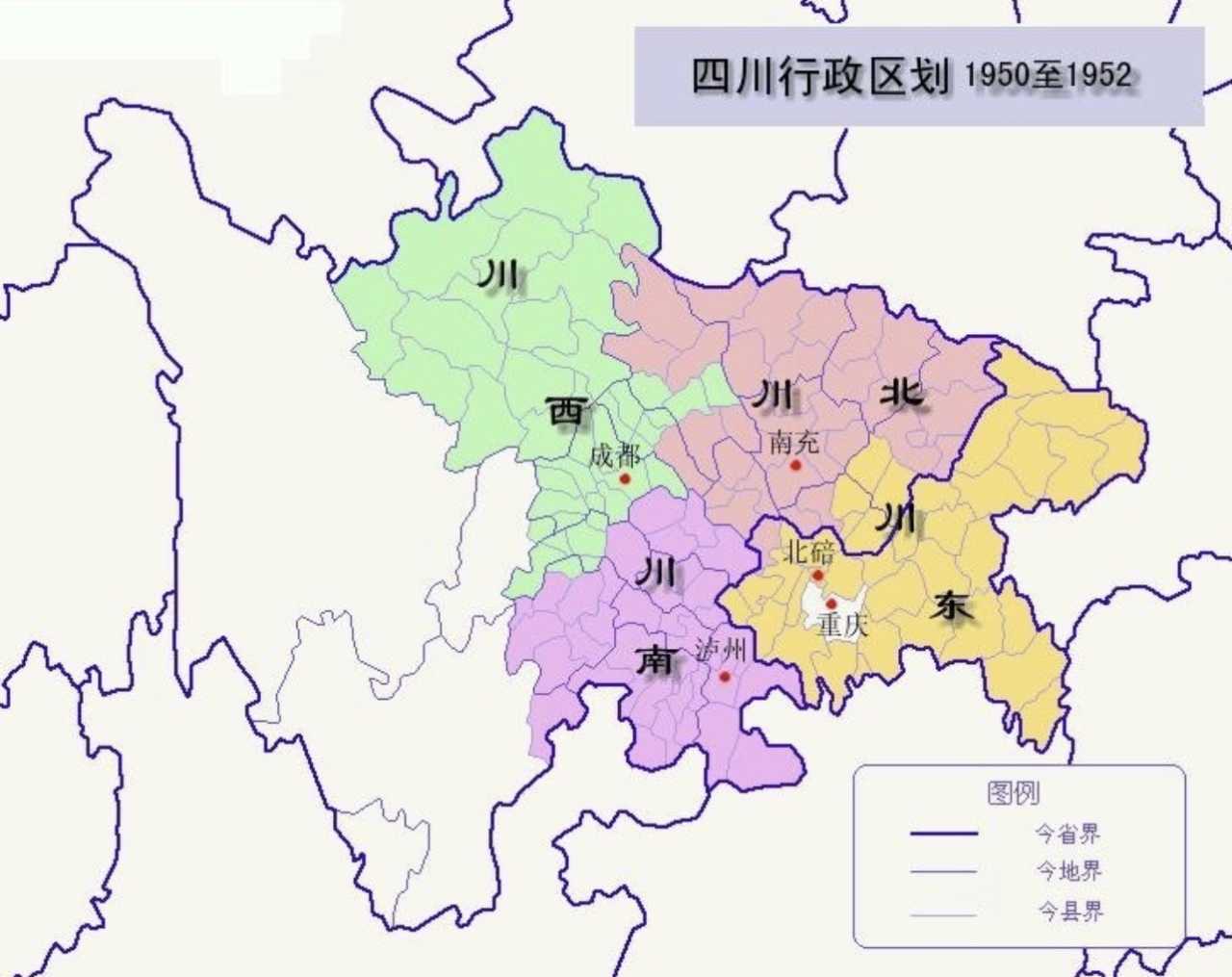
Western Sichuan, a geographical term encompassing the vast areas of Aba Prefecture and Garze Prefecture in western Sichuan Province, is not only a treasure trove of natural landscapes but also a melting pot of diverse cultures. Understanding what makes this region unique will enrich your self-drive Western Sichuan experience.
Natural Landscapes: A Symphony of Snowy Mountains and Lakes
The natural scenery of Western Sichuan can be summed up in one word: magnificent. Here you'll find:
- Towering snow-capped mountains: Mount Gongga, Mount Chola, and Yala Snow Mountain dominate the skyline
- High-altitude lakes: Jiuzhaigou and Huanglong are famous for their travertine formations
- Rushing rivers: The Jinsha and Yalong carve dramatic valleys through the landscape
These natural elements intertwine to create breathtaking tableaus that make every Western Sichuan driving route unforgettable.
Cultural Charm: The Diverse Heritage of Tibetans, Qiang, and Yi

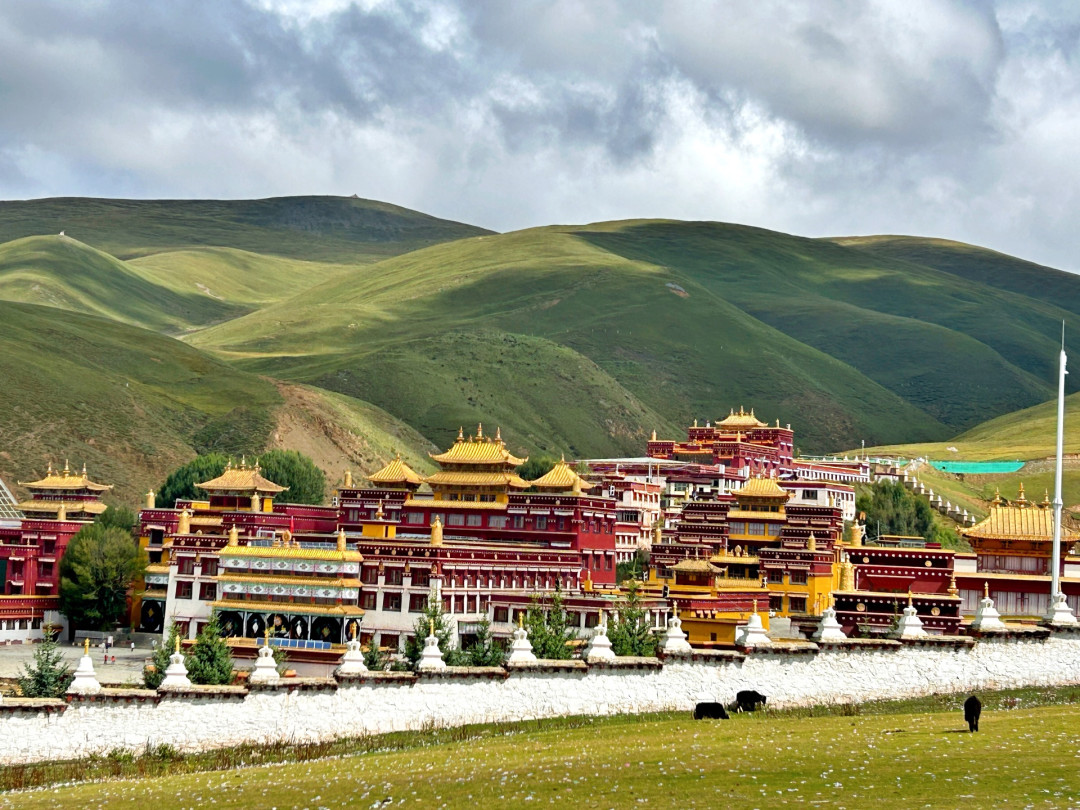
Western Sichuan is home to Tibetan, Qiang, Yi, and other ethnic minorities. Ancient villages like Taoping Qiang Village and Kangding Ancient Town preserve traditional architectural styles and customs. The profound influence of Tibetan Buddhism has made the vast expanse of red monastic dwellings at the Seda Larung Gar Buddhist Academy a pilgrimage site in the hearts of countless people.
[Link: Tibetan Buddhism sites in Western Sichuan]
II. Our Self-Driving Route: Off the Beaten Path
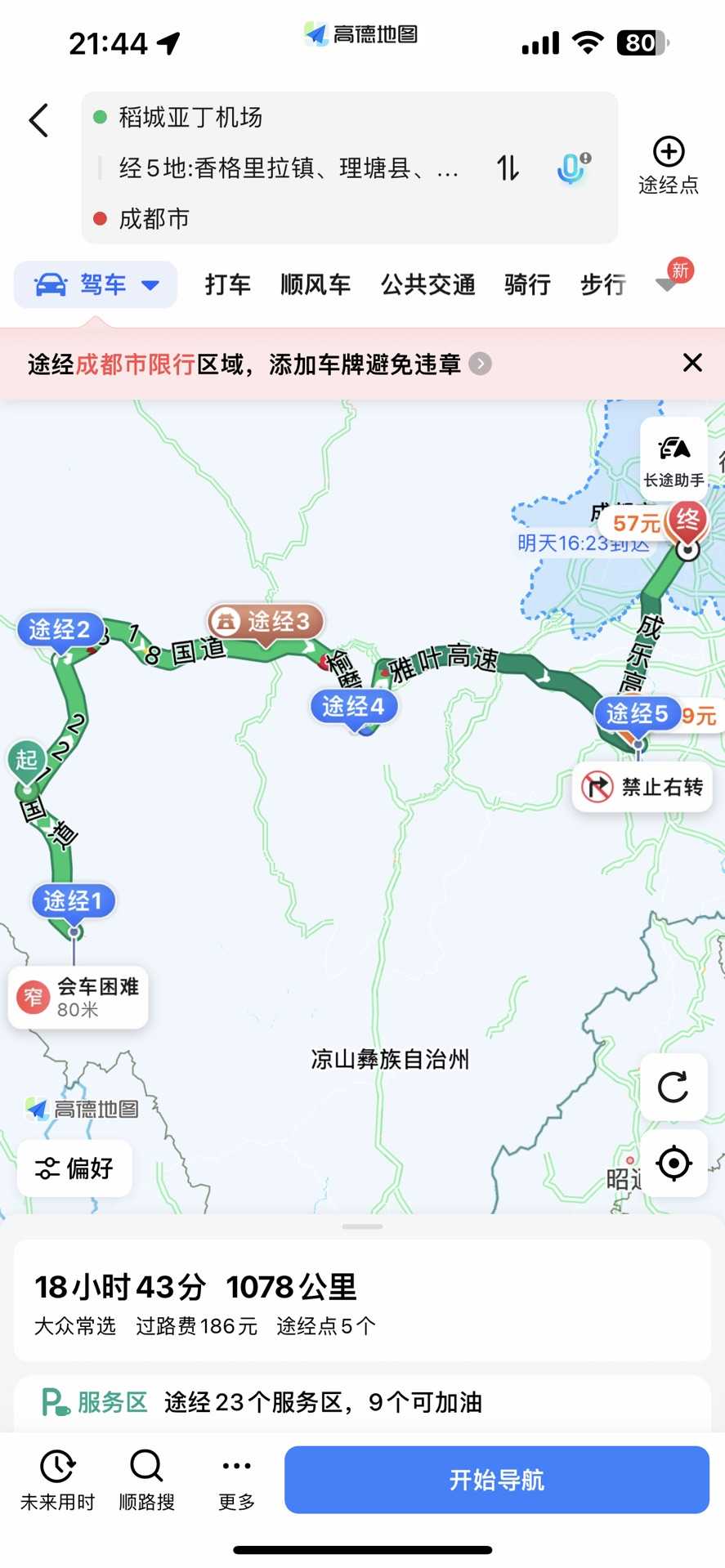
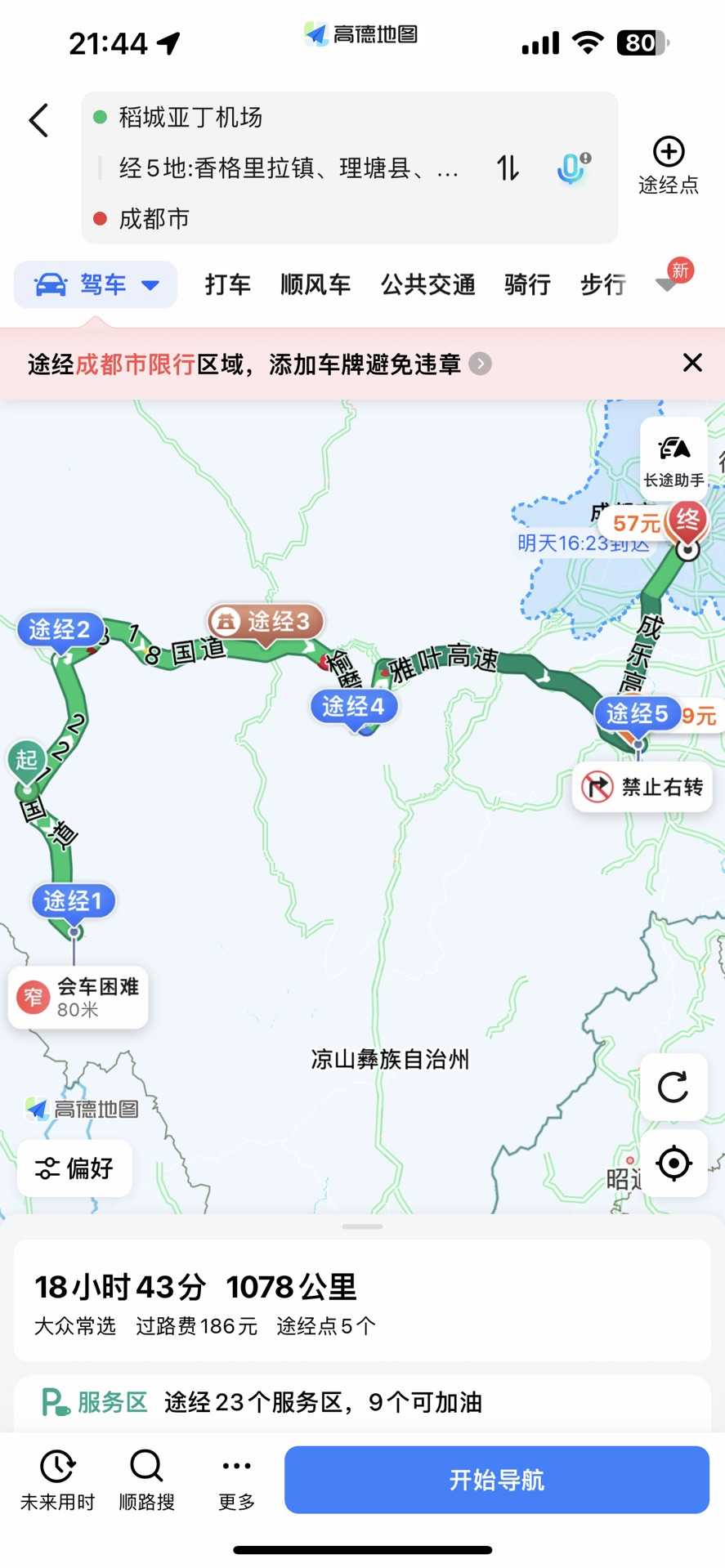
We didn't choose the conventional large or small loops of Western Sichuan. Instead, we designed a one-way route to save time and focus on the most rewarding destinations. The mountain roads in Western Sichuan are full of twists and turns, with landslides and falling rocks a constant threat, and livestock crossing the road is a common occurrence. Distances that seem short on the map often take half a day to cover.
There was also an unexpected bonus: we snagged tickets from Beijing to Daocheng Yading via Chengdu at a bargain price of 680 yuan. For context, a one-way ticket from Chengdu to Daocheng usually costs around 1,200 yuan.
Western Sichuan Self-Drive Itinerary Overview
Starting Point: Daocheng County
Route: Shangri-La Town → Litang → Xinduqiao → Hailuogou → Leshan
End Point: Chengdu
Detailed 11-Day Itinerary
D1: Beijing → Chengdu (Chunxi Road)
D2: Chengdu → Daocheng Yading (Echu Mountain)
D3: Daocheng Yading Scenic Area
D4: Daocheng Yading → Litang (Bowa Mountain, Red Grass Wetland, Haizi Mountain Geopark, Rabbit Mountain)
D5: Litang → Xinduqiao (Laitong Ancient Town, Changqing Chunke'er Temple)
D6: Xinduqiao → Hailuogou (Juli Pass Observation Deck, Zheduo Mountain, Zheduotang Observation Deck)
D7: Hailuogou (Moxi Old Street, Long March Memorial Hall, Red Rock Beach)
D8: Hailuogou → Leshan → Chengdu (Luding Bridge, Leshan Giant Buddha)
D9: Chengdu (Wenshu Monastery, Kuanzhai Alley, People's Park, Dujiangyan South Bridge)
D10: Chengdu (Panda Valley, Dujiangyan)
D11: Chengdu (Eastern Suburb Memory, Sancha Lake Scenic Area)
[Link: Daocheng Yading travel guide]
III. Pre-Trip Preparation: The Details That Make or Break Your Trip
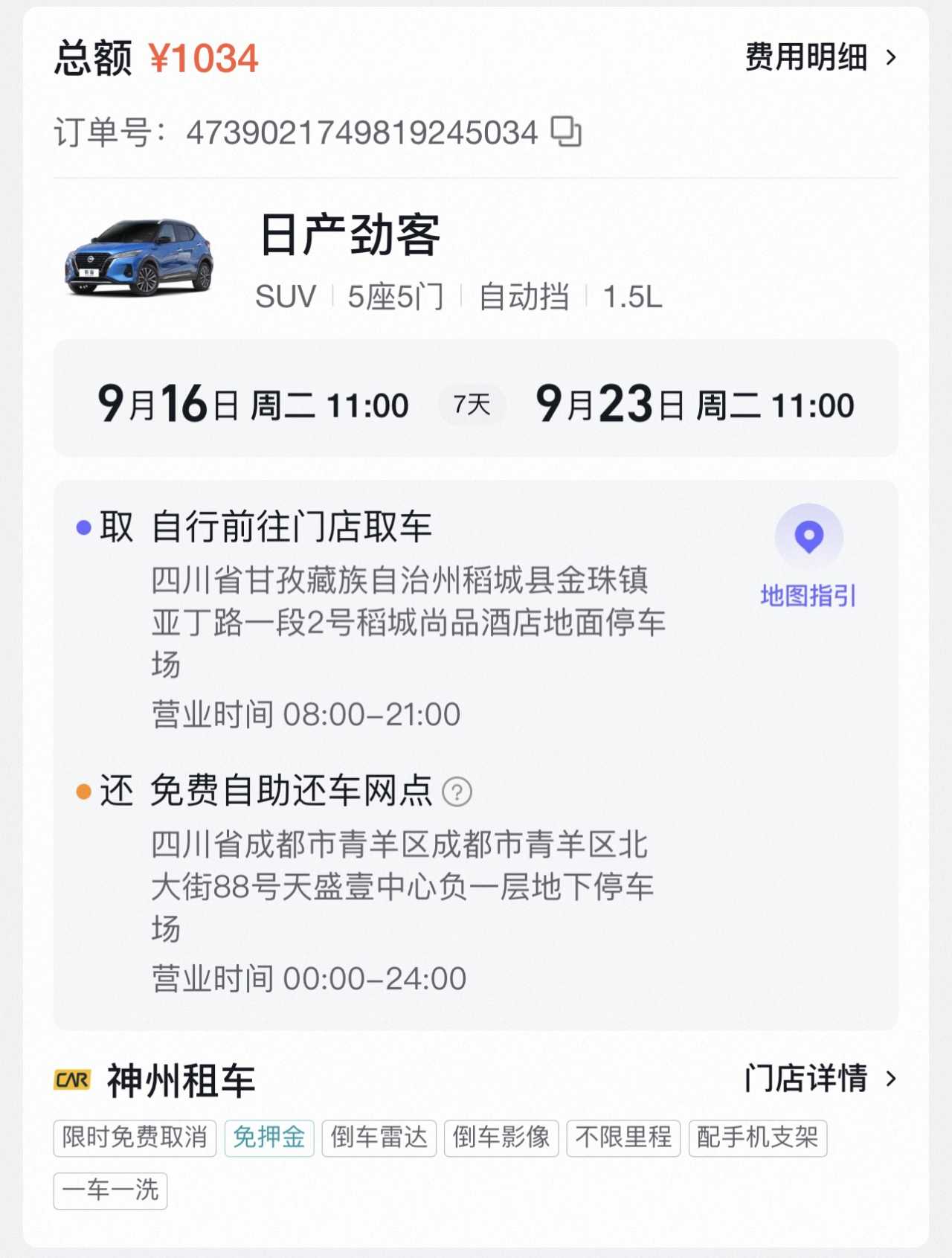
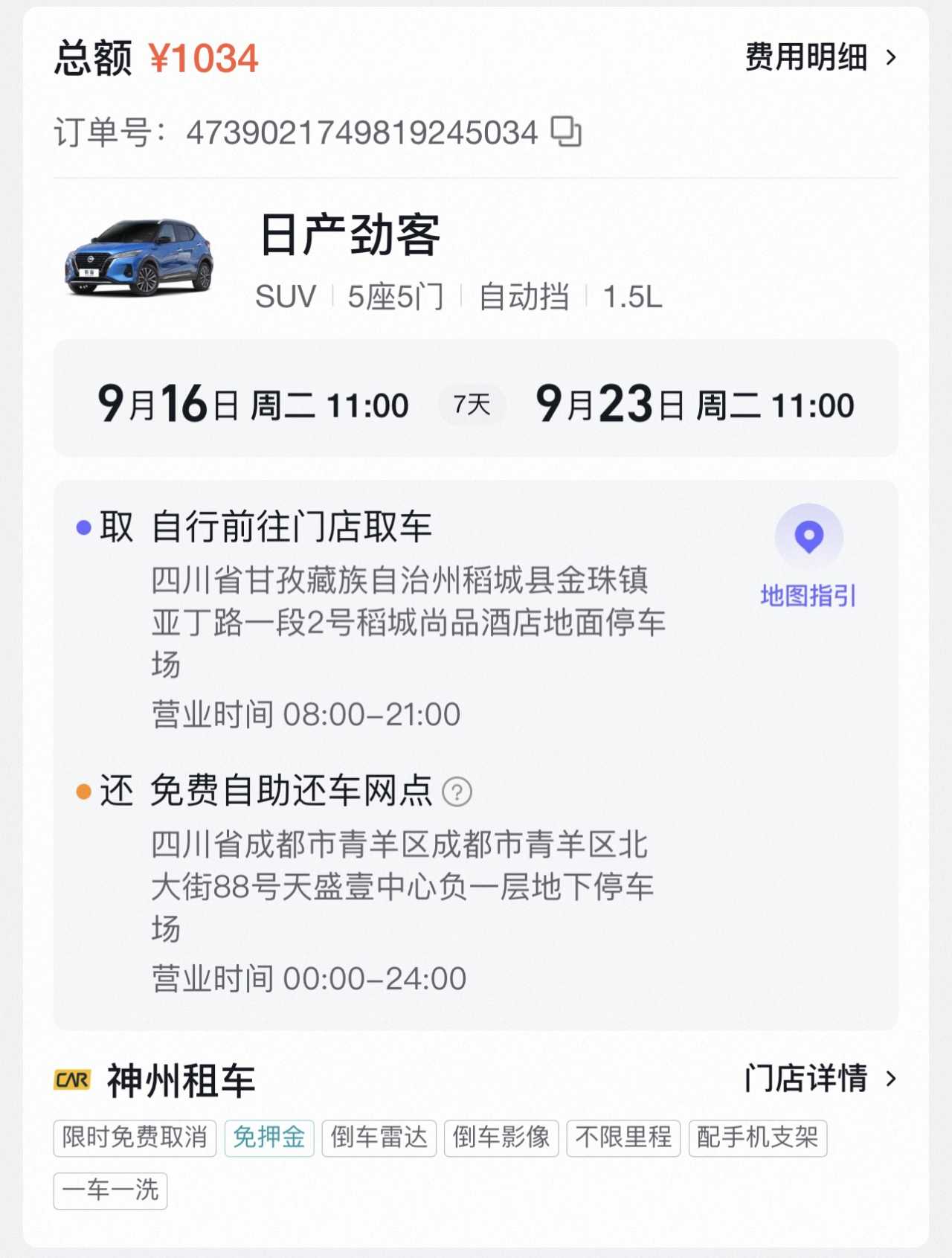
Proper preparation is essential for any Western Sichuan self-drive tour. Here's what you need to know before hitting the road.
Vehicle Choice: SUV is King
I strongly recommend an SUV or off-road vehicle for your Western Sichuan road trip. While a sedan can handle most main roads, an SUV's higher ground clearance allows it to navigate complex terrain more easily. Also, make sure it has plenty of horsepower—it'll make uphill driving much smoother. The 1.5L car we rented was a bit underpowered; once, when reversing uphill, we floored the accelerator and still couldn't move. Even our experienced driver was stumped.
Essential Gear Checklist
Clothing: The weather on the plateau can change "four seasons in a day." A waterproof jacket, fleece, and light down jacket are essential, even in summer.
Sun Protection: High-SPF sunscreen (SPF50+), sunglasses, a sun hat, and a headscarf. The UV rays on the plateau are incredibly strong. I got a "plateau glow" after just two days, and the tip of my nose even peeled.
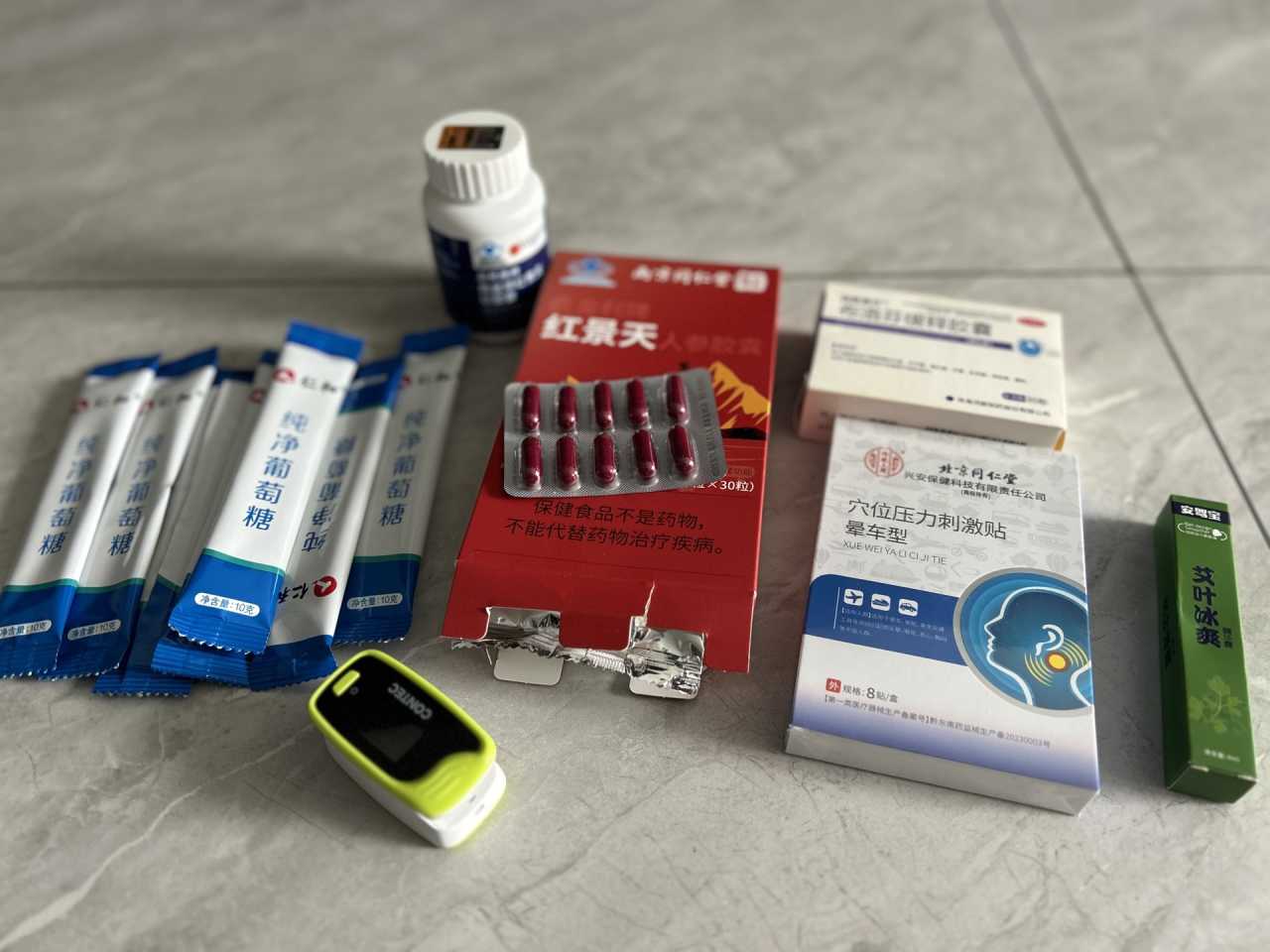
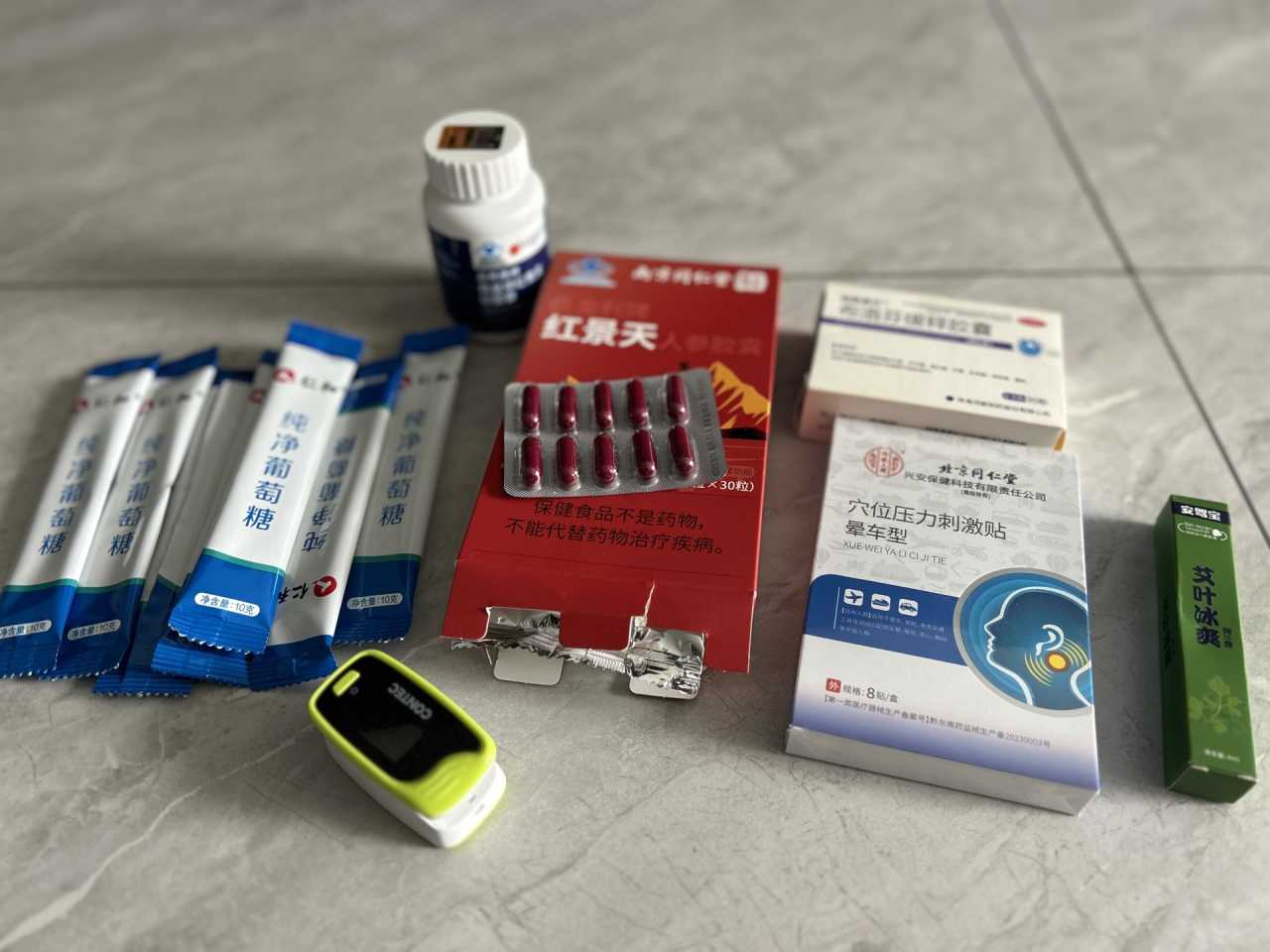
Medication: - For altitude sickness: Rhodiola rosea (take a week in advance), Gaoyuan'an (plateau relief pills), oral glucose solution, and a pulse oximeter - General medicine: Cold medicine, digestive aids, motion sickness pills, band-aids
Food and Drink: High-calorie snacks (chocolate, beef jerky, biscuits), a thermos
Other: Trekking poles, power bank, camera, cash (some areas have poor signal and don't accept mobile payments)
Important Safety Notes
Altitude Sickness: Avoid strenuous exercise and acclimatize slowly. Don't shower or wash your hair upon first arriving on the plateau. If you experience headaches or shortness of breath, rest and use oxygen; if symptoms are severe, descend immediately.
Complex Road Conditions: Mountain roads are full of curves. Control your speed strictly, honk frequently, and never cut corners when turning. During the rainy season, watch for falling rocks and landslides, and pass through dangerous sections quickly. Yaks and sheep may cross the road at any time, so slow down in advance. In winter or at shady spots above 4,000 meters, there may be black ice—drive slowly.
Fuel and Speed Limits: Fill up whenever you see a gas station; the next one might be far away. Strictly obey speed limits; section speed cameras are common.
[Link: Altitude sickness prevention tips]
IV. First Encounter with Chengdu: A City That Makes You Let Your Guard Down
Before embarking on your Western Sichuan self-drive adventure, you'll likely pass through Chengdu—and it's worth spending time here. My first impression of Chengdu wasn't the strong embrace of skyscrapers, but a pot of gently simmering hotpot—the aroma wafting over slowly, making you unconsciously put down your luggage and defenses.
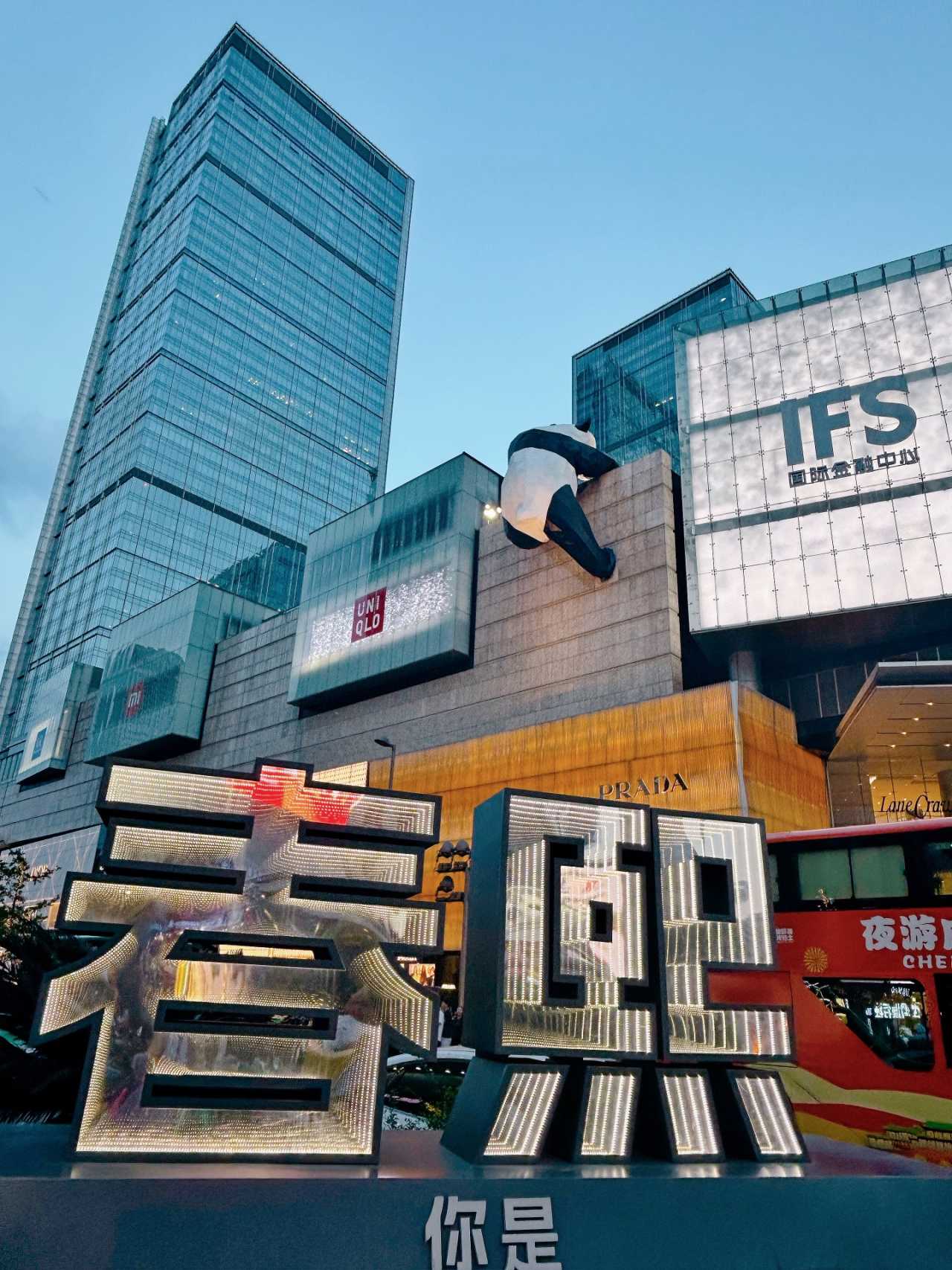
The climbing panda sculpture "I Am Here" on Chunxi Road is a must-visit photo spot. The best angle is from the 7th-floor rooftop garden of the IFS mall, where you can get a shot of the panda's face. The view from the pedestrian street below is also classic, capturing the panda's massive rear and half its body.
The core essence of Chengdu is "bashi"—comfortable and laid-back. This isn't laziness; it's a life philosophy ingrained in the bones. Bustling CBDs sit right next to smoky old alleys, and fashionably dressed young people can share the same tea table with an elderly man carrying a birdcage. This incredible inclusiveness gives Chengdu a magical charm.
Meeting Chengdu for the first time doesn't give you the shock of a "first-sight beauty"; it gives you a sense of relaxation, like "coming home." It tells you plainly: here, the most important thing is to live well.
[Link: Chengdu travel tips]
V. FAQ: Western Sichuan Self-Driving Essentials
Q1: When is the best time for a Western Sichuan road trip?
The best time is from September to October when summer crowds have faded, the rainy season is over, and autumn colors begin to appear. The sky is clear, clouds are thin, and temperatures are pleasant for driving and hiking.
Q2: Do I need a 4x4 vehicle for Western Sichuan self-driving?
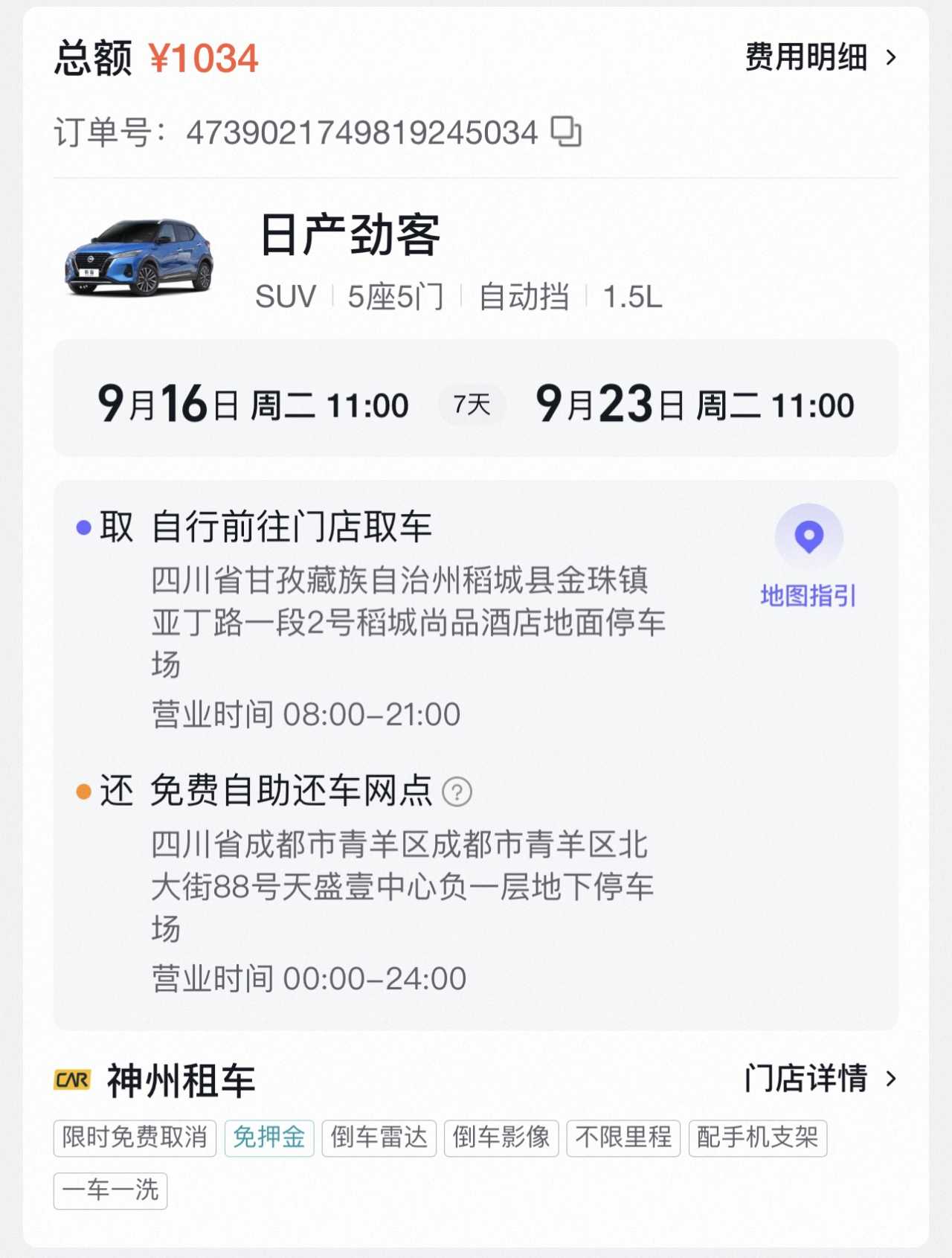
While a sedan can handle main roads, an SUV is strongly recommended. Higher ground clearance helps navigate rough terrain, and more horsepower makes uphill driving smoother. For off-the-beaten-path routes, a 4x4 is ideal.
Q3: How do I prevent altitude sickness on a Western Sichuan trip?
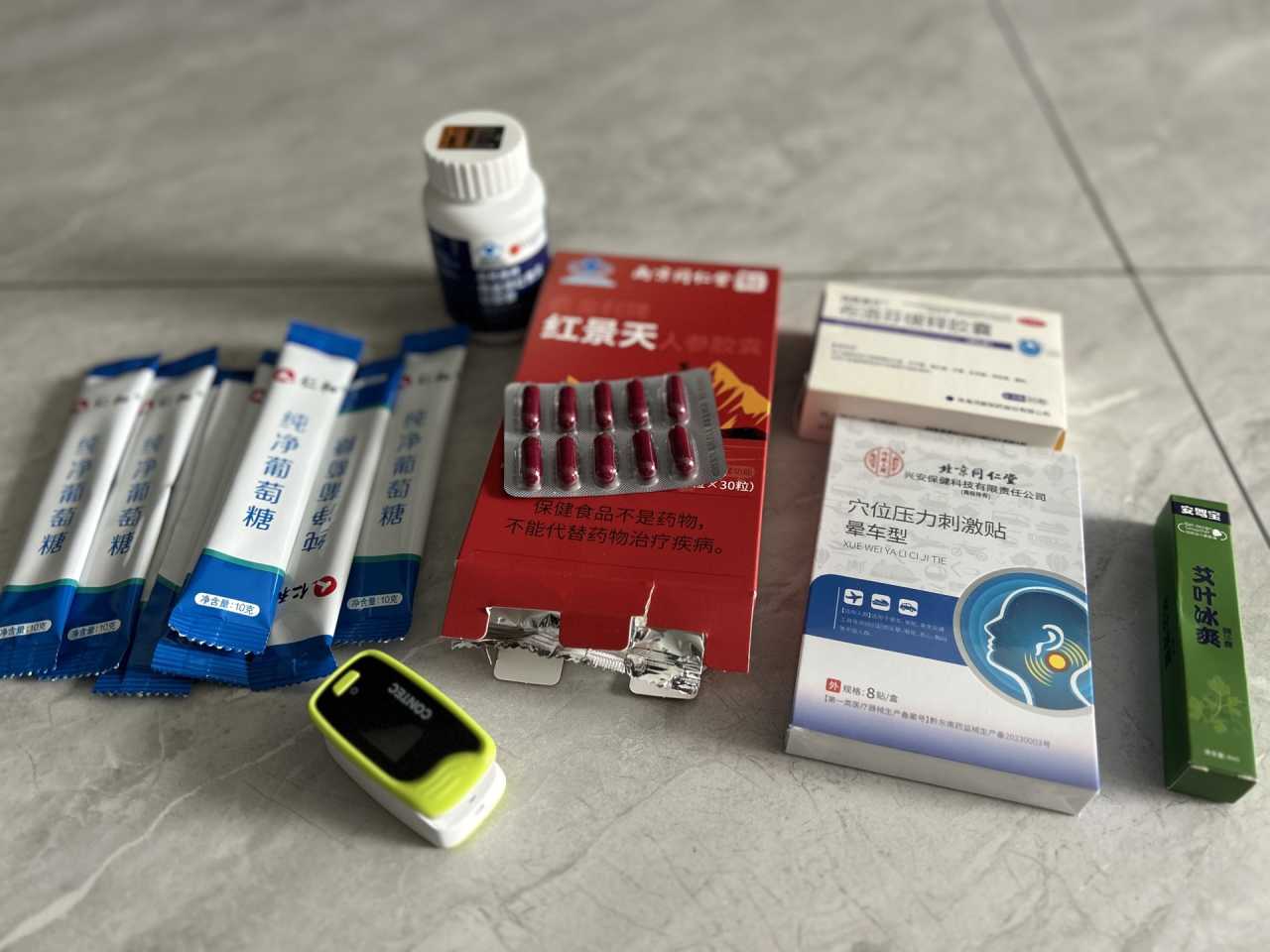
Take Rhodiola rosea a week before departure. On the plateau, avoid strenuous exercise, don't shower on the first day, stay hydrated, and carry oxygen canisters. If symptoms are severe, descend to lower altitude immediately.
Q4: Is it safe to drive in Western Sichuan?
Yes, but you need to be prepared. Mountain roads are winding with potential hazards like falling rocks, livestock crossings, and black ice. Drive slowly, honk at curves, and check road conditions daily. Fill up gas whenever possible.
Q5: What should I pack for a Western Sichuan self-drive trip?
Pack layered clothing (waterproof jacket, fleece, down jacket), high-SPF sunscreen, sunglasses, sun hat, altitude sickness medication, high-calorie snacks, thermos, power bank, camera, and cash. Don't forget a pulse oximeter to monitor oxygen levels.
Conclusion: Your Soul-Stirring Journey Awaits
A Western Sichuan road trip is more than a vacation—it's a transformative experience. From the sea of clouds wrapping around the Heavenly Road to the serene gaze of snow-capped mountains, from the vibrant culture of Tibetan villages to the laid-back charm of Chengdu, every moment is a soul-stirring encounter.
Whether you're a seasoned traveler or a first-time adventurer, the Western Sichuan self-drive route offers something for everyone. The key is to prepare well, drive safely, and embrace the unexpected.
Ready to plan your Western Sichuan adventure? Start by booking your flights to Chengdu, renting a reliable SUV, and mapping out your itinerary. The Heavenly Road is calling—answer it.
[Link: Book your Western Sichuan self-drive tour]
[Link: Rent an SUV for Western Sichuan]
[Link: Western Sichuan travel insurance]
Have you driven through Western Sichuan? Share your experience in the comments below!
You may also like


