A Thousand Miles Through Western Sichuan: The Ultimate Self-Drive Guide to Plateau Landscapes & Hidden Gems
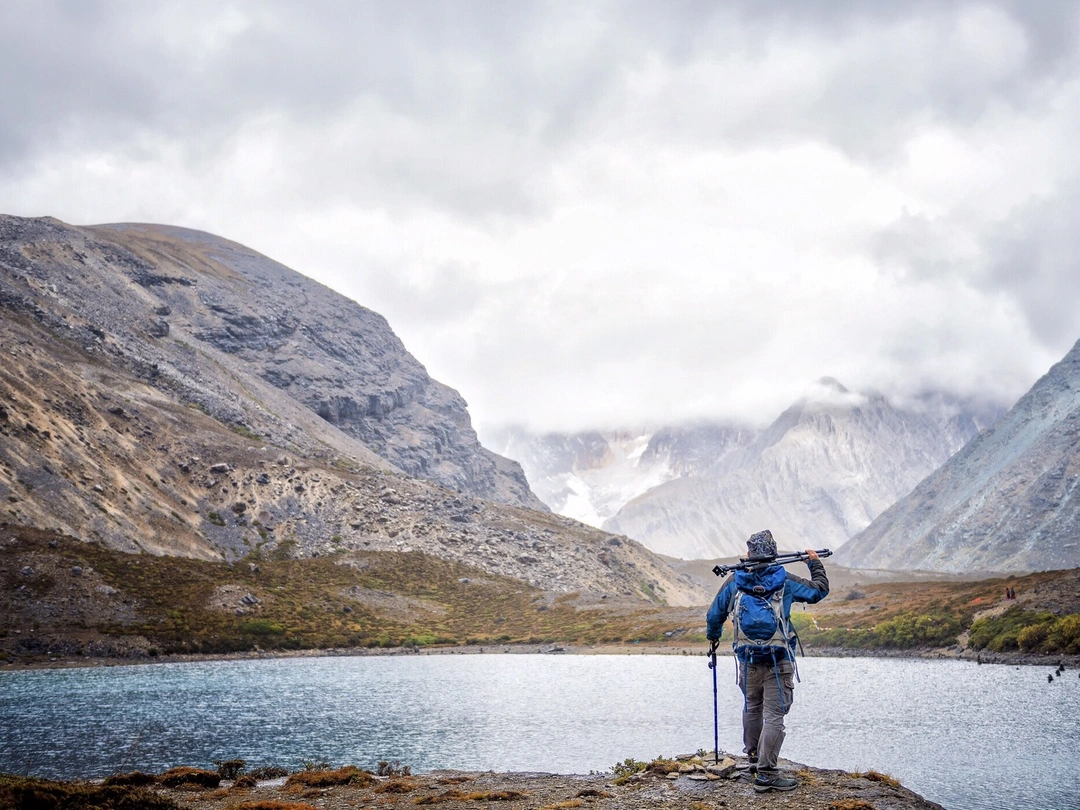
Meta Description: Discover the silver lining behind the clouds on a 2,300km self-drive through Western Sichuan. From Yading's sacred peaks to Seda's hailstorms, this guide reveals raw beauty, altitude survival tips, and why every cloud has a silver lining.
Introduction: Why Western Sichuan Demands Your Attention
In the late autumn of 2017, I set foot in Western Sichuan for the first time. What began as a nine-day self-driving journey through the heart of the Tibetan Plateau became a ritual of dialogue between heaven and earth — traveling under the stars, crossing mountains and valleys, feeling the fragility and resilience of life at 4,000 meters above sea level.
Laden with two cameras, three lenses, a tripod, plus ten bottles of water and five canisters of oxygen, I trekked for ten hours straight through three downpours. The Five-Color Lake wasn't as breathtaking as legend promised, but the companions by my side turned out to be a gift far more precious than any scenery.
This isn't just another travelogue. It's a survival guide, a photographer's confession, and a love letter to the most underrated driving route in China. Whether you're planning a Western Sichuan self-drive itinerary or simply dreaming of plateau road trips, this article will show you the raw, unfiltered truth — and the silver lining behind every dark cloud.
The Route: 2,300 Kilometers of Pure Western Sichuan Magic

Day 1: Shanghai → Chengdu → Ya'an — The Rain City Prelude
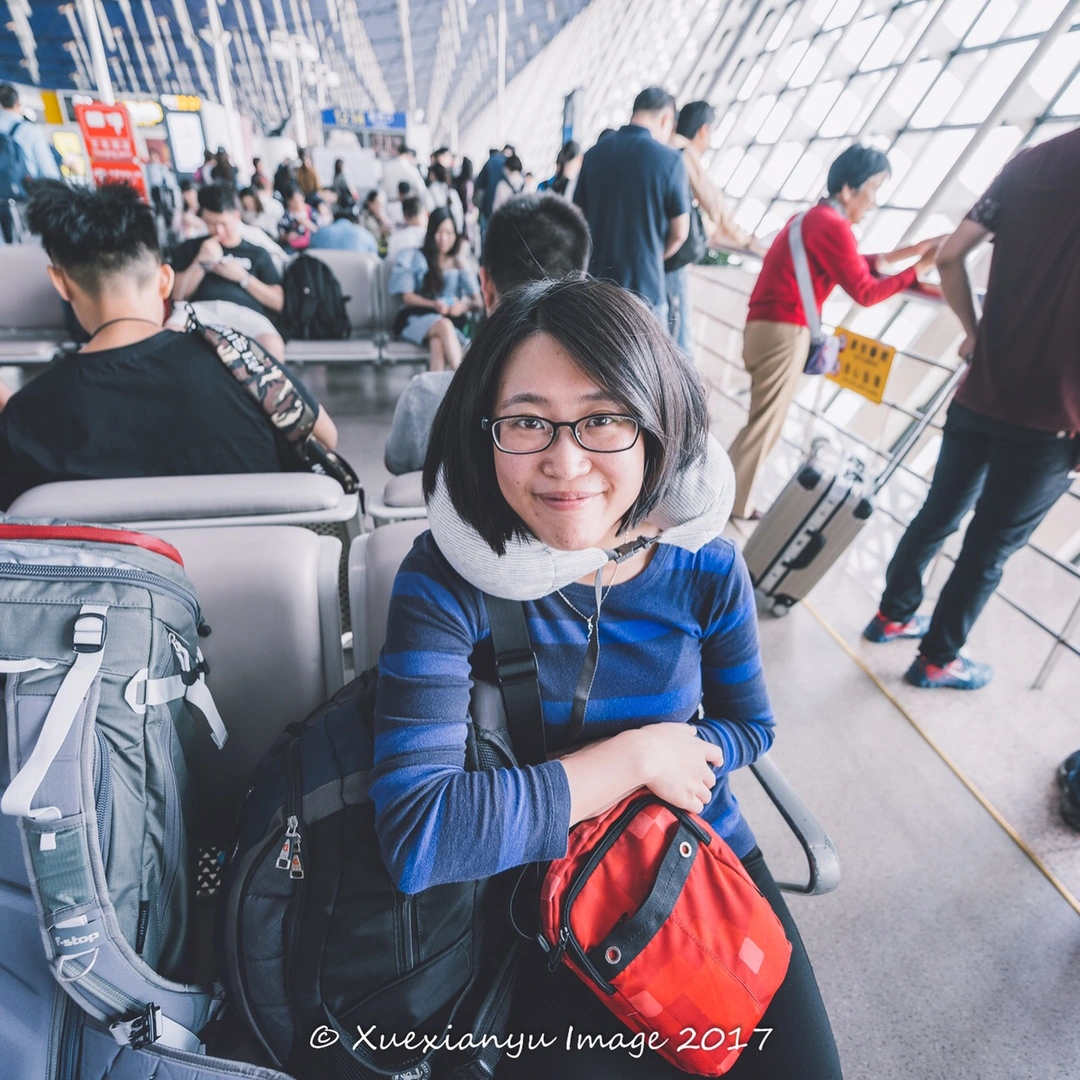
The flight was delayed. We didn't reach the car rental point until after 4 p.m. Thankfully, we had only arranged a 100-kilometer drive to Ya'an for the first day. Earlier, I had debated pushing further — maybe to Tianquan County or Luding — but that would have meant driving at night. Our trip's tone was set well: no night driving, rather wake up early.
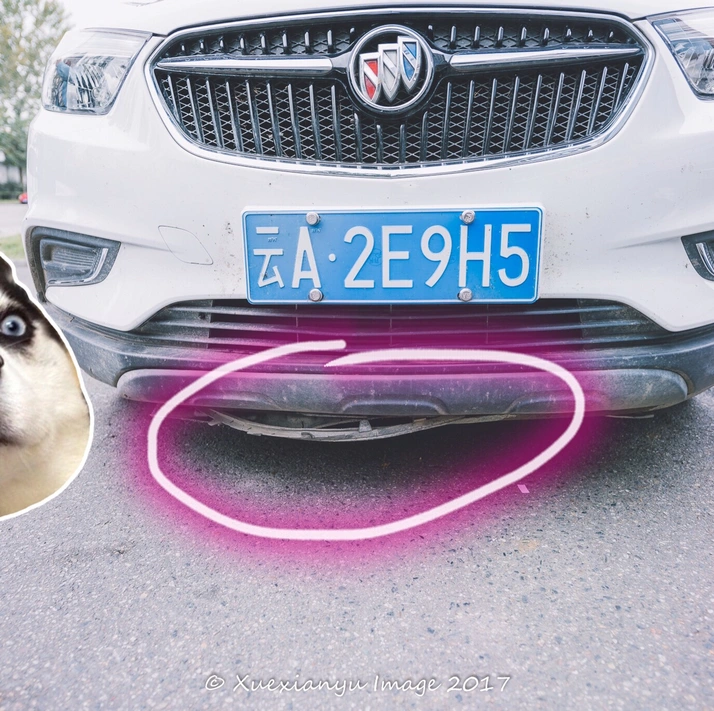
On the eve of National Day, the rental lot was packed. After a long queue, we finally got our Buick Encore with a "Yunnan A" license plate. As a novice driver, I was nervous: would we be looked down upon by the aggressive "Sichuan A" drivers? We later realized — license plates can only bluff for a while; it's driving skill that wins in the end.
The staff admitted that the mudguard in front of the bumper was faulty — if it broke, it wouldn't be our fault. My companions inspected it carefully. Holy cow, it was already hanging loose! We quickly took photos as evidence. Newbies indeed — at that moment, we didn't insist on swapping cars. It was getting late, and we just wanted to finish the day's mileage and rest, so we hurried off — setting the stage for a little twist later.
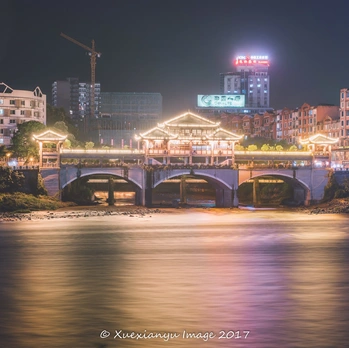
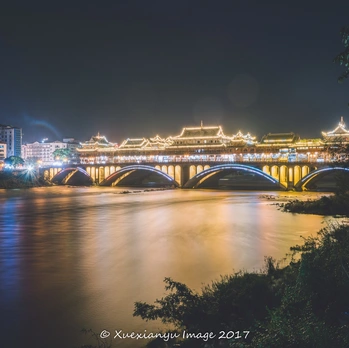
Ya'an's Covered Bridge — My only impressions of the "Rain City" were the covered bridge and giant pandas. This fleeting night only gave me a taste of the former. I had seen photos of the bridge online — massive, several stories high. Compared to the ancient, rustic covered bridges of Taishun in Jiangnan, it was like an elephant versus a mosquito. I've always scoffed at such deliberately built "longest, largest" structures, but my companions were full of energy, insisting on photographing the bridge's night scene in the rain.
The bridge sat in the old city, spanning the Qingyi River, lined with restaurants and tea houses. From afar, its lights blazed brilliantly, undiminished by the wind and rain. My companions held umbrellas and tripods, running around to find angles. With 30-second exposures, they couldn't take many shots before the rain intensified and they gave up.
Back in the room, we set a 6 a.m. departure for the next day — the second earliest wake-up of the trip. Every other day, we'd get up at 4:30! The itinerary I had created — I had to complete it, kneeling if necessary.
[Link: Best time to visit Western Sichuan for autumn colors]
Day 2: Ya'an → Xinduqiao — Conquering National Highway 318
Sitting in the car, I felt the pitch-black sky and the still-sleeping city. Streetlights reflected on the wet pavement; transport trucks were already running cheerfully, their high beams blazing. A little excitement stirred inside.
Leaving Ya'an, we immediately entered National Highway 318 — China's most iconic road. To our left was the under-construction Ya'an-Kangding Expressway. News said the Chengdu-to-Luding section would open by year's end, cutting the original five-to-six-hour drive in half — a real blessing for self-drivers.
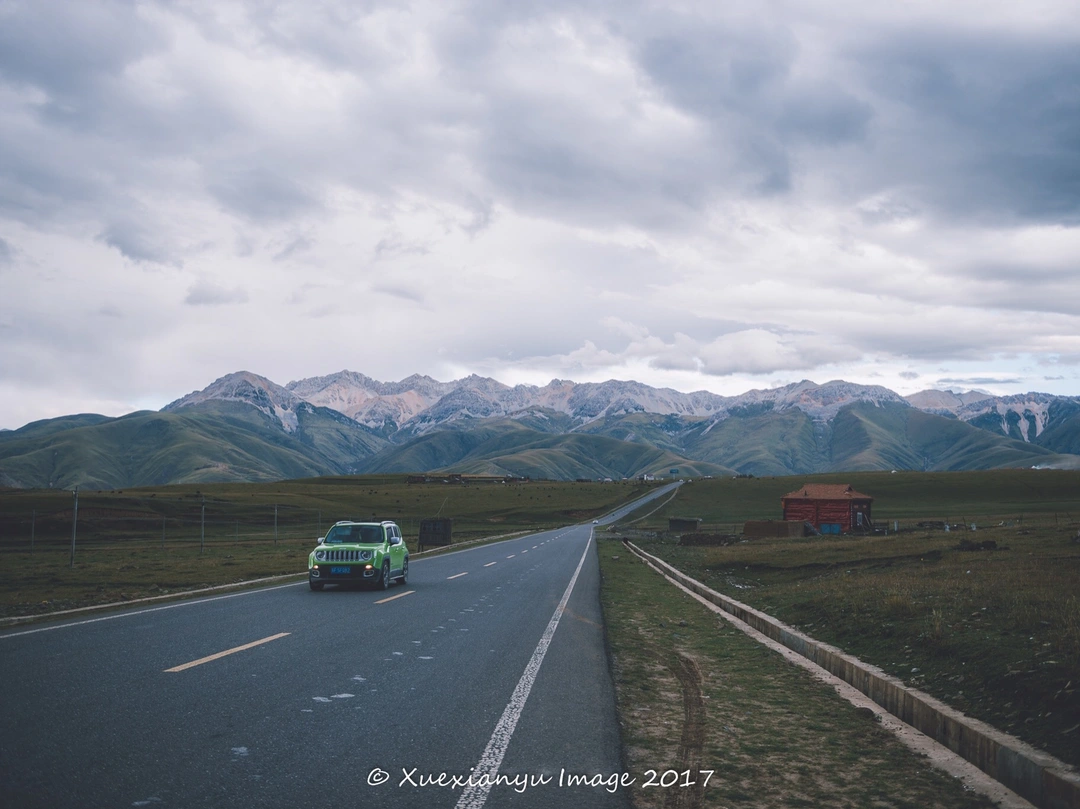
When the new 318 was built, the passes over Gao'er Temple Mountain and Jianziwan Mountain were replaced by tunnels, eliminating the stunning views from the mountain tops — a loss mourned by many photographers. In comparison, the scenery from Chengdu to Luding was average, and with many trucks and tankers, the driving and viewing experience was mediocre.
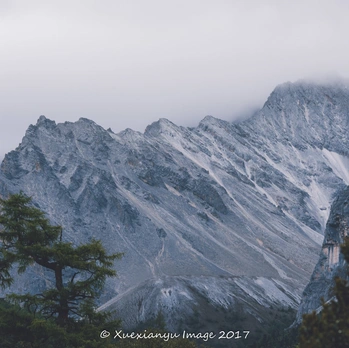
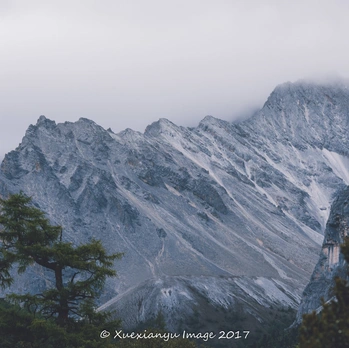
First encounter with Highway 318: one word — rookie! The rookie was us, not the road — the road was actually well-built. Used to city roads and highways, my driver struggled on these single-lane winding roads, our speed hovering around 50 km/h. Being overtaken by Sichuan-plated cars was one thing, but even a massive truck passed us! How embarrassing...
After the Feixianguan Bridge, we had to pass the legendary, often congested Erlang Mountain Tunnel. Perhaps because we started early, we breezed through without a hitch, barely having time to snap photos. The difficulty of the Shu roads lies in endless tunnels — several kilometers long, though child's play compared to what we'd face on Highway 317 later. But even more numerous than tunnels were the tankers and trucks, surrounding us from all sides.
My driver is extremely rule-abiding — in Shanghai, whether in tunnels or at intersections, he's paranoid about speed limits and cameras. But on Highway 318, he finally couldn't resist overtaking! Our passenger took on the role of landscape photographer, ready to stick his head out the window with the camera at any moment. Fresh to the scene, the blue skies and white clouds, the layered distant mountains, the nearby cyclists braving the Sichuan-Tibet route — all of it got our adrenaline pumping.
Highway 318 is mostly single-lane, with no dedicated bike paths on most sections. Watching the cyclists dodge traffic on the narrow road was nerve-wracking. My driver started reminiscing about his college days cycling around Qinghai Lake.
[Link: Essential gear for plateau self-driving trips]
The Sacred Peaks: Yading National Park Experience
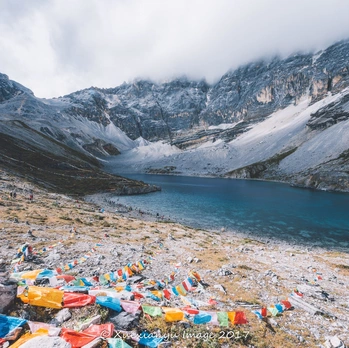
Emerald Pearl Lake & The Three Holy Mountains
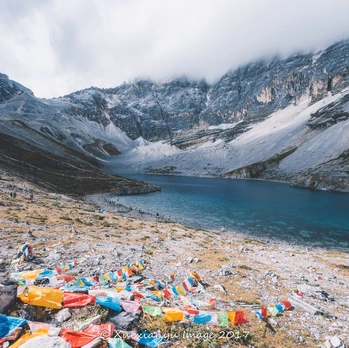
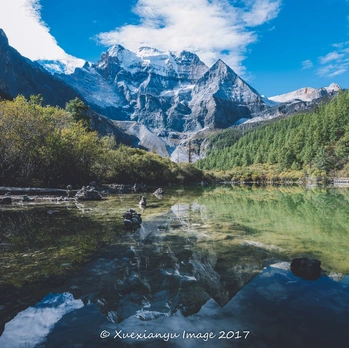
Emerald Pearl Lake mirrored the drifting clouds and shimmering light, framed by emerald forests and traces of brilliant snow. Sunlight generously spilled over the summit of Mount Xiannairi, and in that moment, I understood what "once in a lifetime" truly meant.
The fire-colored clouds over Mount Xianuoduoji, the silent Haizi Mountain — traversing eons of time-carved landscapes, encountering these geological wonders felt like an immense privilege. The Daocheng Yading hiking experience is not for the faint of heart. At 4,500 meters, every step feels like wading through water. But the reward? Pure, unfiltered awe.
The Double Rainbow That Healed Everything
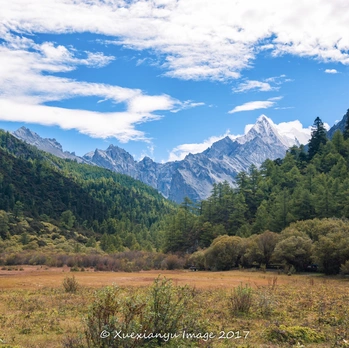
That night in Xinduqiao, altitude sickness pushed me to the edge of despair. My head pounded, my stomach churned, and I questioned every decision that brought me here. But the next morning, just before heading up to Yading, we caught a double rainbow that instantly healed everything.
The golden sunset gently brushed across the fields and paths of Daocheng, while the white pagoda stood silently through morning bells and evening drums — an eternal totem of faith. This is the truth about plateau travel: the more intense the pain of altitude sickness, the deeper the appreciation for the scenery.
The Seda Experience: Hailstorms & Missed Opportunities
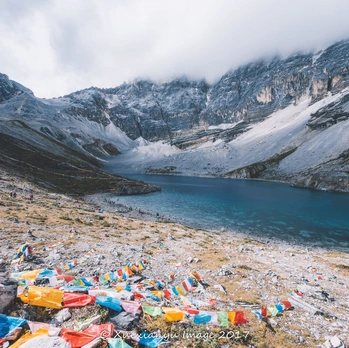
What We Missed — And What We Gained
We missed the opening of the prayer hall. We missed the sky burial ceremony. In Seda, how much more would we miss? Fierce winds, sudden rain, hailstones the size of marbles — the journey twisted and turned like a pilgrimage to the West.
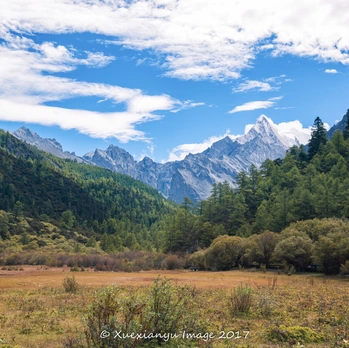
After eighty-one trials, the swirling snow became our greatest reward. Every cloud has a silver lining — this isn't just a cliché. It's the mantra that kept us going through the Seda weather challenges and the Xinduqiao altitude sickness.
The 2,300-kilometer loop, I drove entirely alone. A "landscape dog" who only shoots scenery, never people — could I still be a decent driver? The answer was yes. But the real answer was deeper: the journey transformed me.
[Link: How to prepare for altitude sickness on plateau trips]
Photography Tips for Western Sichuan
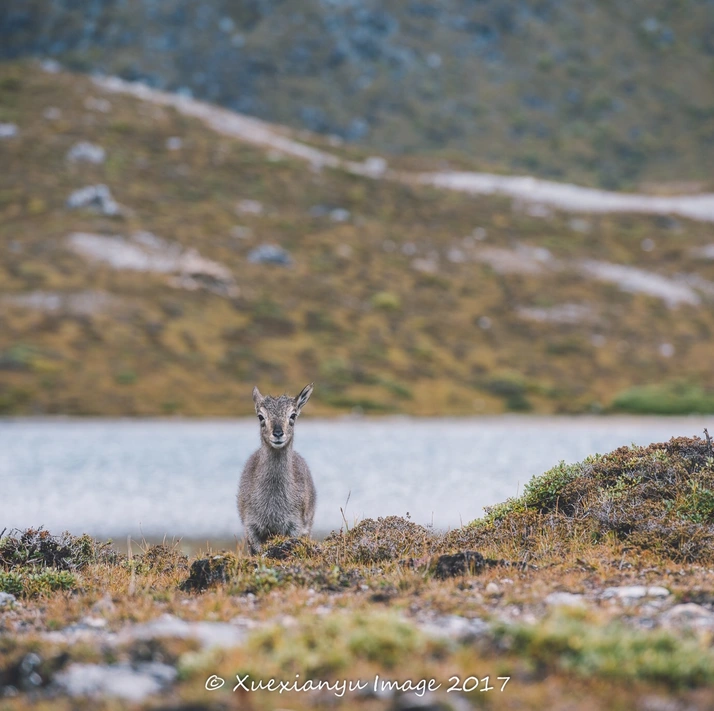
Capturing the Silver Lining
Back home, I wrote the travelogue in fits and starts. An eventful autumn, endless chores, a heart clouded with worries — all of which only made those days of travel in memory shine brighter. Flipping through photos felt like reliving the most beautiful moments of autumn.
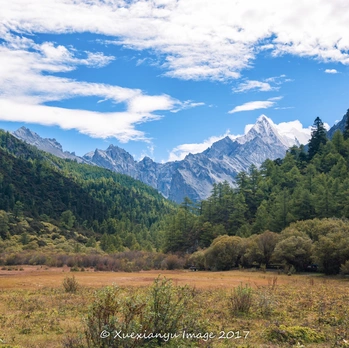
For Western Sichuan photography, here's what I learned: - Golden hour is non-negotiable: The light at dawn and dusk transforms ordinary landscapes into masterpieces. - Embrace bad weather: Hail, rain, and fog create mood and drama. The double rainbow wouldn't have existed without the storm. - Tripod is essential: Long exposures of the covered bridge in Ya'an, the star trails over Yading — you'll regret leaving it behind. - Shoot in RAW: The dynamic range of plateau light demands it.
Though I had complained mercilessly, vented with utter despair — no matter what — I came, I loved.
FAQ: Your Western Sichuan Self-Drive Questions Answered
Q: What is the best time for a Western Sichuan self-drive trip?
 A: Late autumn (October-November) offers the most spectacular autumn colors, clear skies, and fewer crowds. However, be prepared for sudden weather changes — we experienced rain, hail, and snow all in one day.
Q: How do I prepare for altitude sickness on the plateau?
 A: Acclimatize gradually — spend a night in Kangding (2,600m) before pushing higher. Carry acetazolamide (Diamox), stay hydrated, avoid alcohol, and listen to your body. Our experience in Xinduqiao (3,300m) was brutal, but we recovered with rest and oxygen.
Q: Is Highway 318 safe for novice drivers?
 A: Yes, but with caution. The road is well-maintained, but single-lane sections, trucks, and cyclists require constant attention. Avoid night driving, and don't let aggressive local drivers pressure you. Our 50 km/h average was slow but safe.
Q: What should I pack for a Western Sichuan road trip?
 A: Beyond standard travel gear, pack: multiple layers (temperatures range from 5°C to 20°C), rain gear, hiking boots, sunscreen (UV is intense at altitude), snacks, water, and a first-aid kit. We carried 10 bottles of water and 5 oxygen canisters for two people.
Q: How long does it take to complete the 2,300km loop?
A: We did it in 9 days, which felt rushed. Ideally, allow 12-14 days to properly enjoy Yading, Seda, and the scenic stops along Highway 318 and 317.
Conclusion: The Silver Lining Awaits You
Stunning natural beauty, a battered heart full of longing — these may be reasons to set out, but they are never the whole meaning of travel. The more intense the pain of altitude sickness, the deeper the appreciation for the scenery; the more awe-inspiring nature's wonders, the more helpless the crowds; the more unforgettable the joy of solitary exploration, the more unrestrained the comfort of traveling together.
The ups and downs of body and soul, the interweaving of human connections, bittersweet and beyond words — this is the reward of venturing far.
Your Western Sichuan adventure starts now. Whether you're a seasoned self-driver or a first-time plateau traveler, the road is calling. Pack your camera, prepare for the unexpected, and remember: every cloud has a silver lining.
[Link: Complete Western Sichuan itinerary planner] [Link: Best self-drive routes in Sichuan for 2024]
Ready to plan your own thousand-mile journey through Western Sichuan? Download our free Western Sichuan Self-Drive Checklist with altitude acclimatization tips, packing lists, and route maps. [Click here to get your copy]


