A Summer Journey Through Sichuan: Seeking That "Bāshì" Feeling Amidst Landscapes and Cuisine
Here is the SEO-optimized and rewritten version of your article. It has been restructured for search engines while preserving the original narrative voice, factual details, and "bāshì" (巴适) essence.
A Summer Journey Through Sichuan: Seeking That "Bāshì" Feeling Amidst Landscapes and Cuisine
Meta Description: Escape the summer heat with a 9-day Sichuan itinerary. From the alpine wonders of Jiuzhaigou to the spicy streets of Chengdu, discover how to find the ultimate "bāshì" feeling. [150 chars]
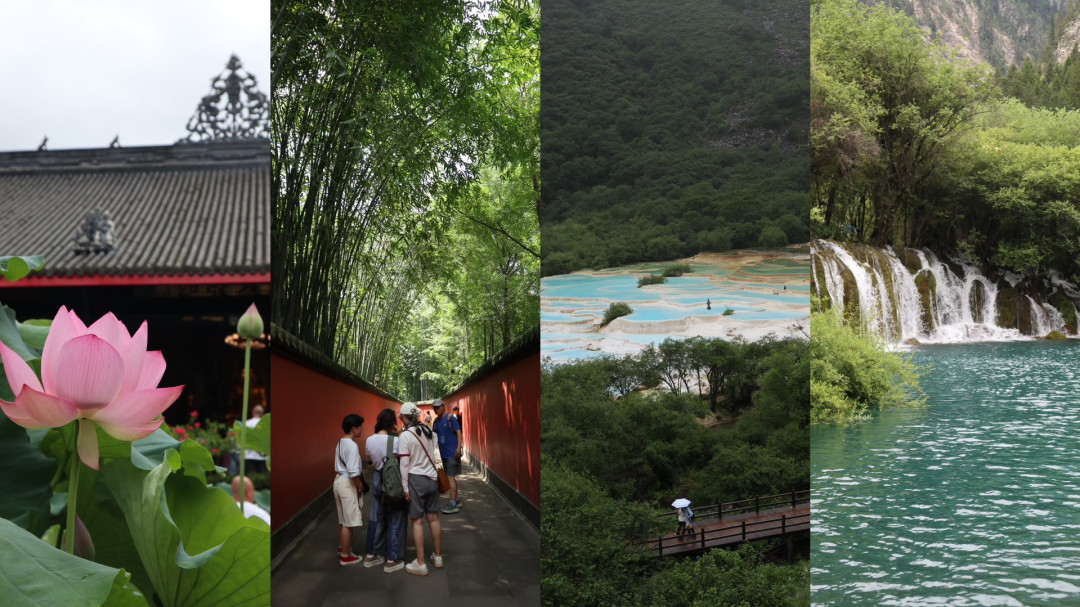
July blazes on, and while most cities across China were being swept up in a heatwave, I set off on a journey to Sichuan. Nine days stretched ahead: from alpine wetlands to ancient temples and famed mountains, from national treasure pandas to the Sanxingdui civilization, from bubbling hotpot to serene teahouses—this trip felt like a meticulously orchestrated symphony, each movement playing the melody of "bāshì" (a local term meaning ultimate comfort and contentment).
If you, too, long for a journey that offers breathtaking natural wonders, deep cultural immersion, and the constant comfort of incredible food, then Sichuan is undoubtedly the answer.
Pre-Trip Planning: How to "Lie Flat" and Enjoy Sichuan
Destination: Chengdu and its surroundings (Huanglong-Jiuzhaigou route, Leshan-Emeishan route, Chengdu city route) Travel Dates: July 19, 2025, 9 days total Travel Companions: Family trip Cost Per Person: Not itemized, but joining a small tour group saved significant effort in planning transport and accommodation.
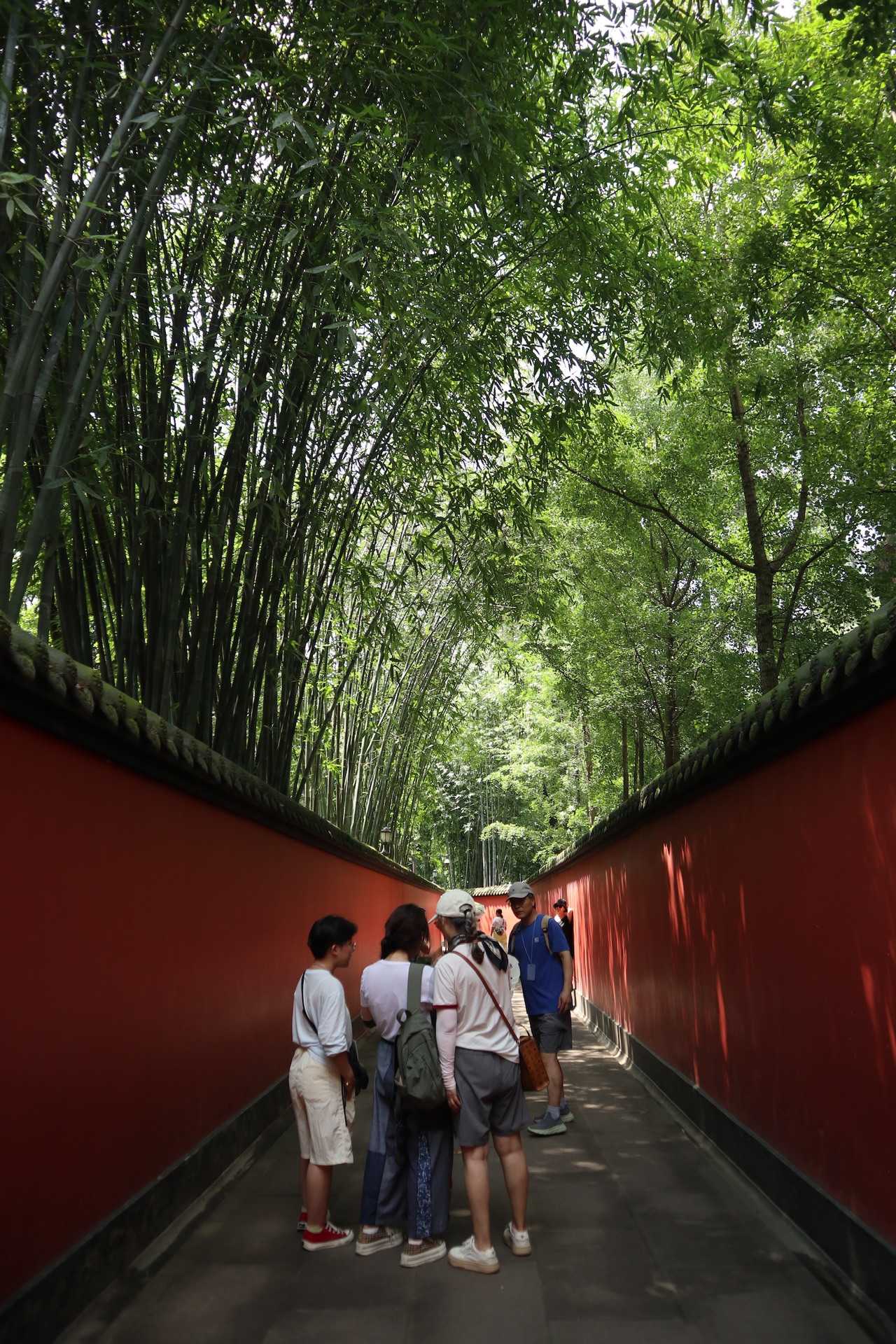
The core strategy for this trip was "join a small group, lie flat, and enjoy." The travel agency handled all the vehicles, hotels, and long-distance transfers. My only job was to hunt down delicious food in the backstreets and alleys of Chengdu. This semi-independent travel model eliminated the hassle of long-distance logistics while retaining the flexibility for urban exploration—perfect for traveling with family.
[Link: Best small group tours in Sichuan]
Chapter One: The Poetic Landscapes of Aba Prefecture
Huanglong: Encountering the Tears of the Plateau in the Rain
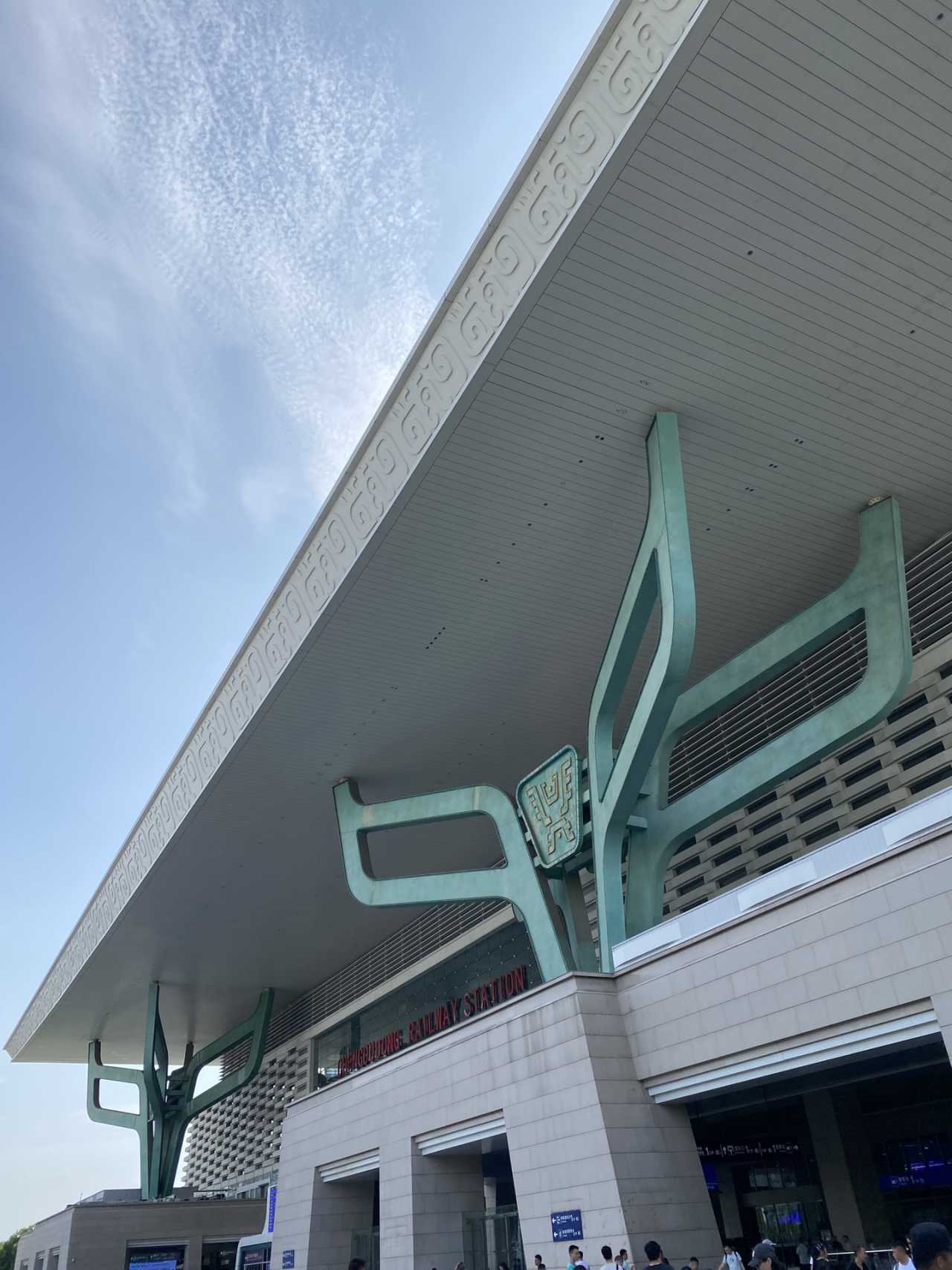
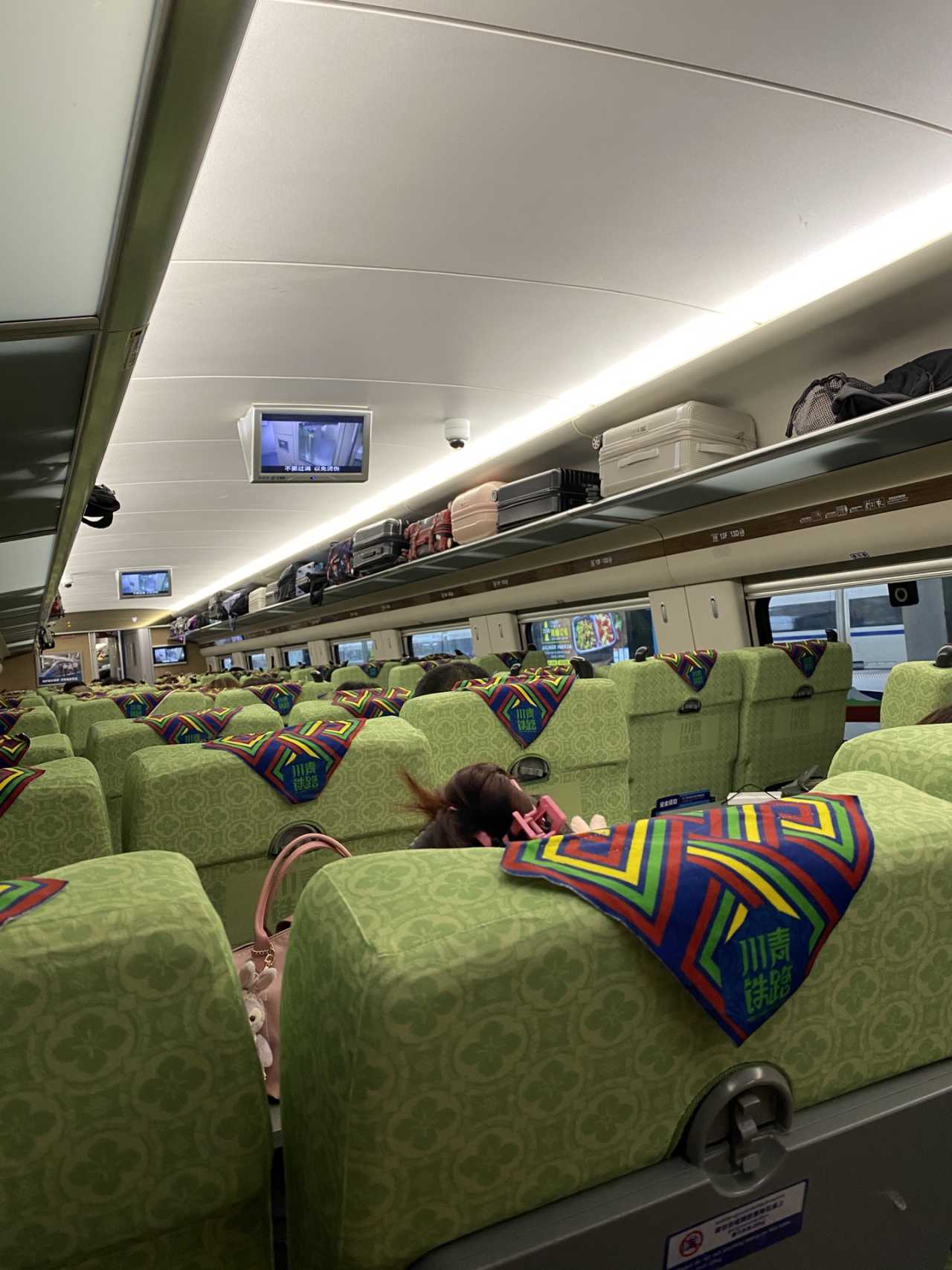
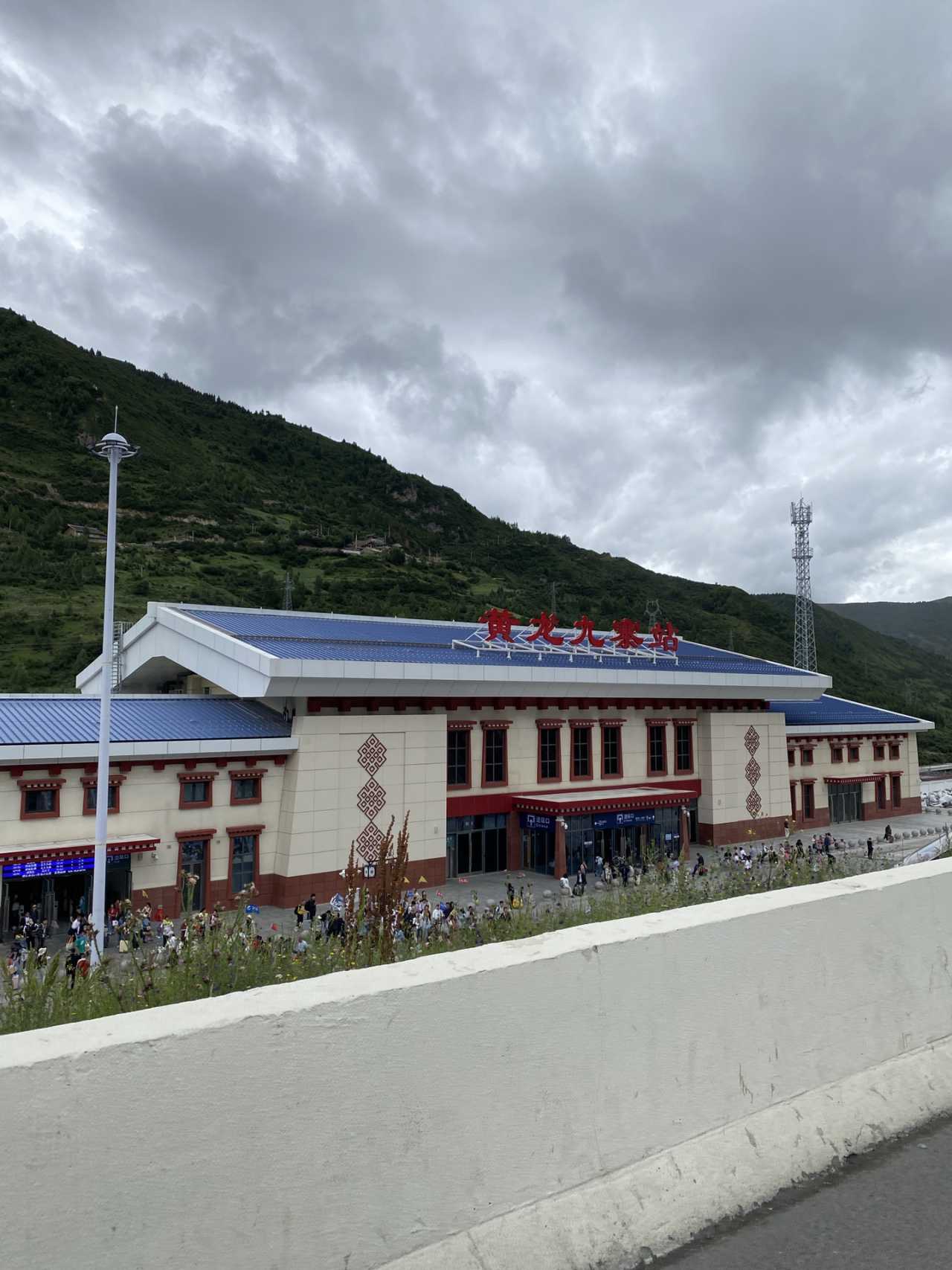
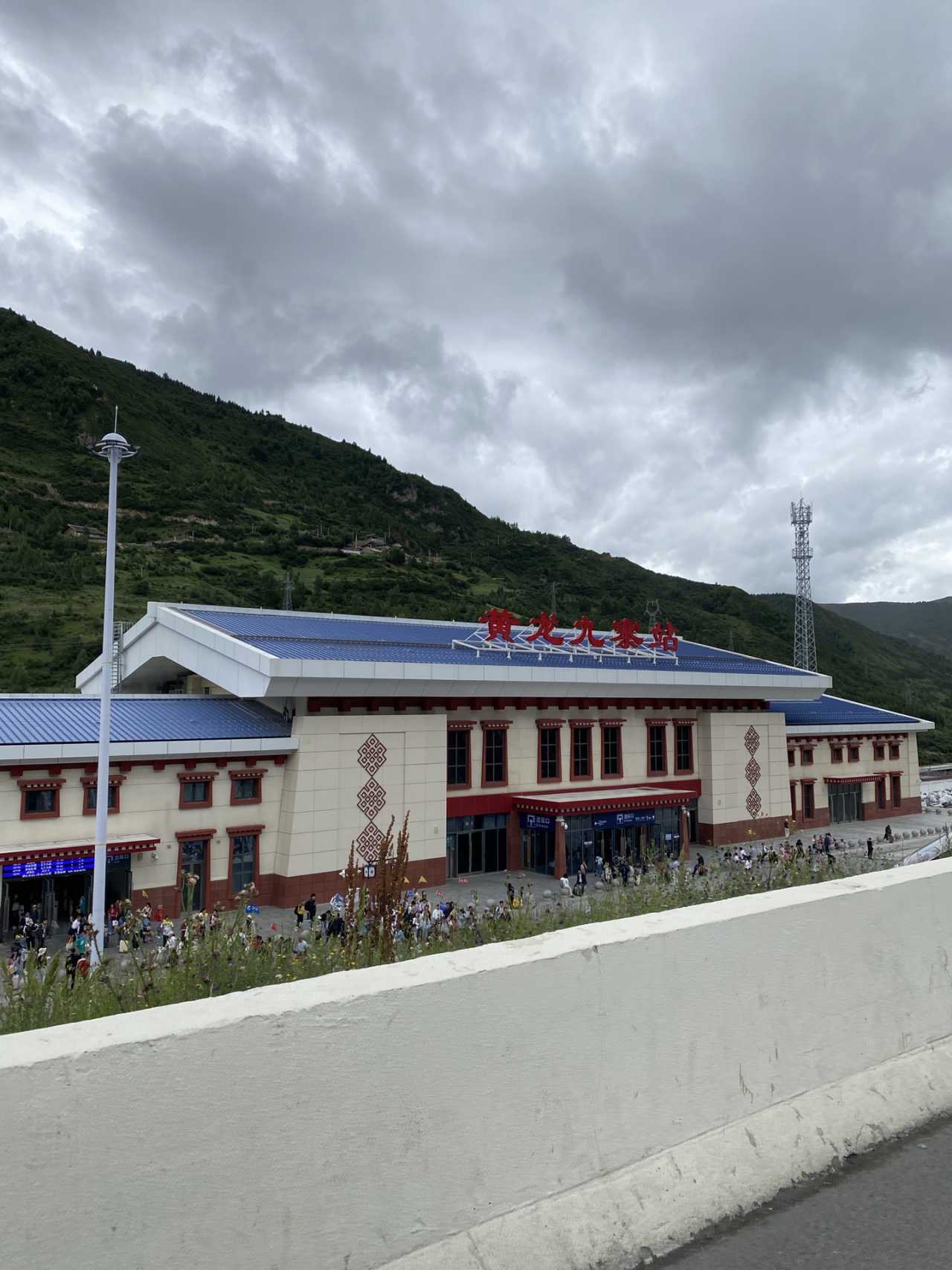
Departing from Chengdu East Station, we took a dedicated high-speed train, cutting through endless mountain tunnels. One hour and forty minutes later, we arrived at Huanglong Jiuzhaigou Station. Chengdu had been partly cloudy, but stepping off the train, the sky was overcast—the weather on the plateau is always so capricious.
To make matters more amusing, after driving through another 8 kilometers of tunnels, the rain really started to fall. A steady drizzle tapped against the car windows, as if heralding a "soaking wet" adventure.
Key Information about Huanglong:
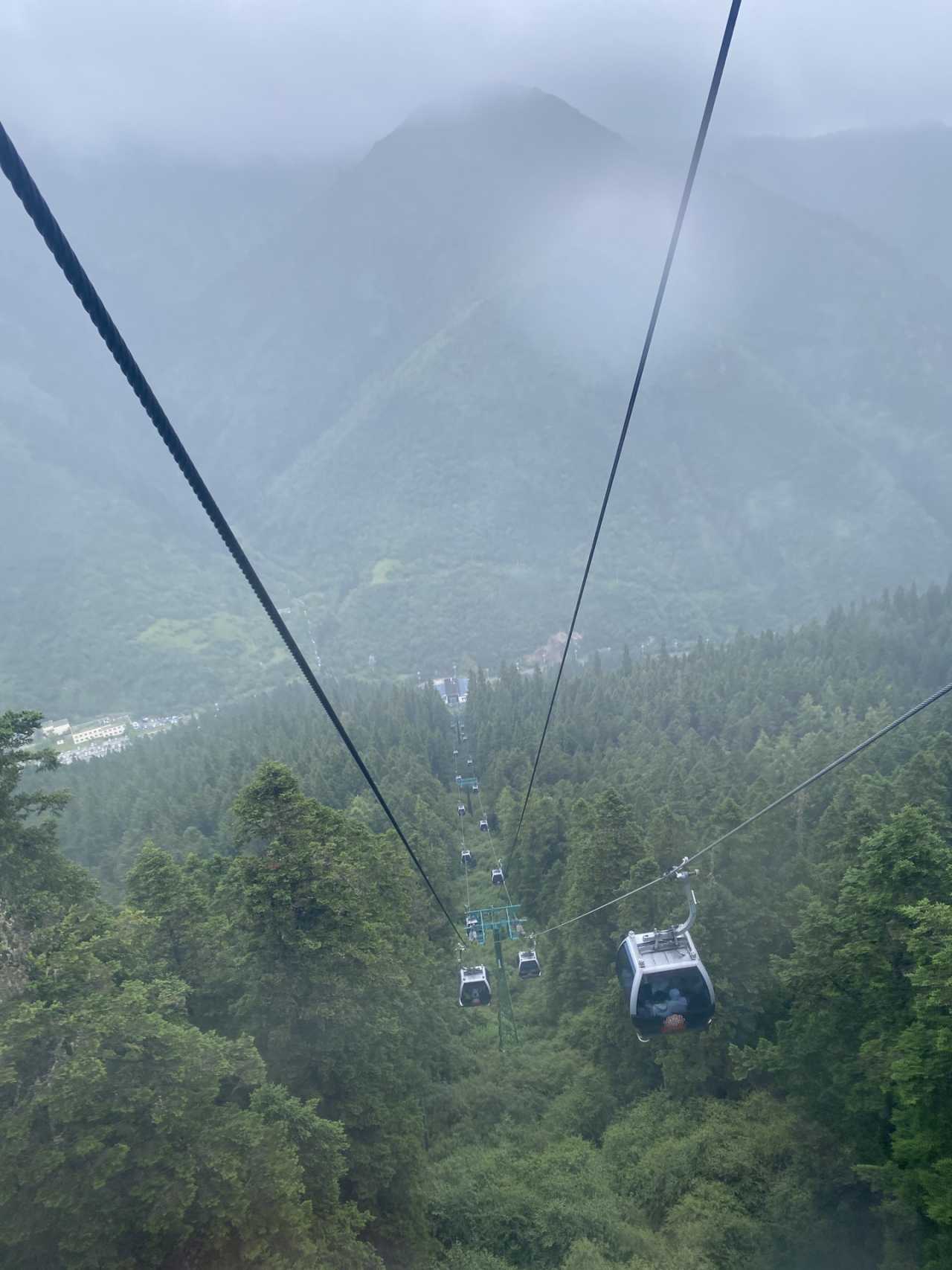
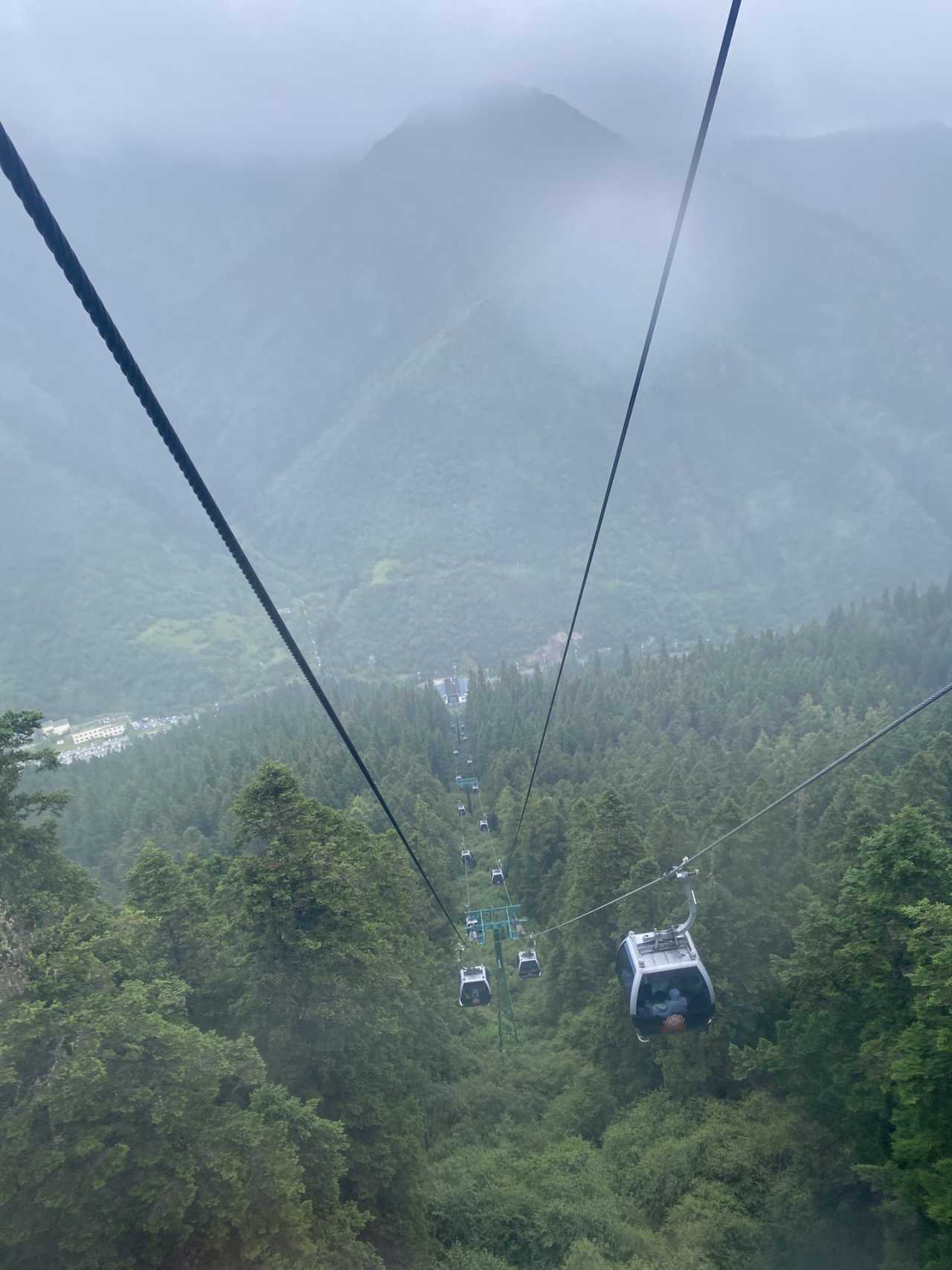
- The cable car takes only 5 minutes to go up, but hiking down takes about 4 hours.
- The scenic area's shuttle bus is limited to 3,000 people per day, and no extra tickets are available on-site—this means you must walk down.
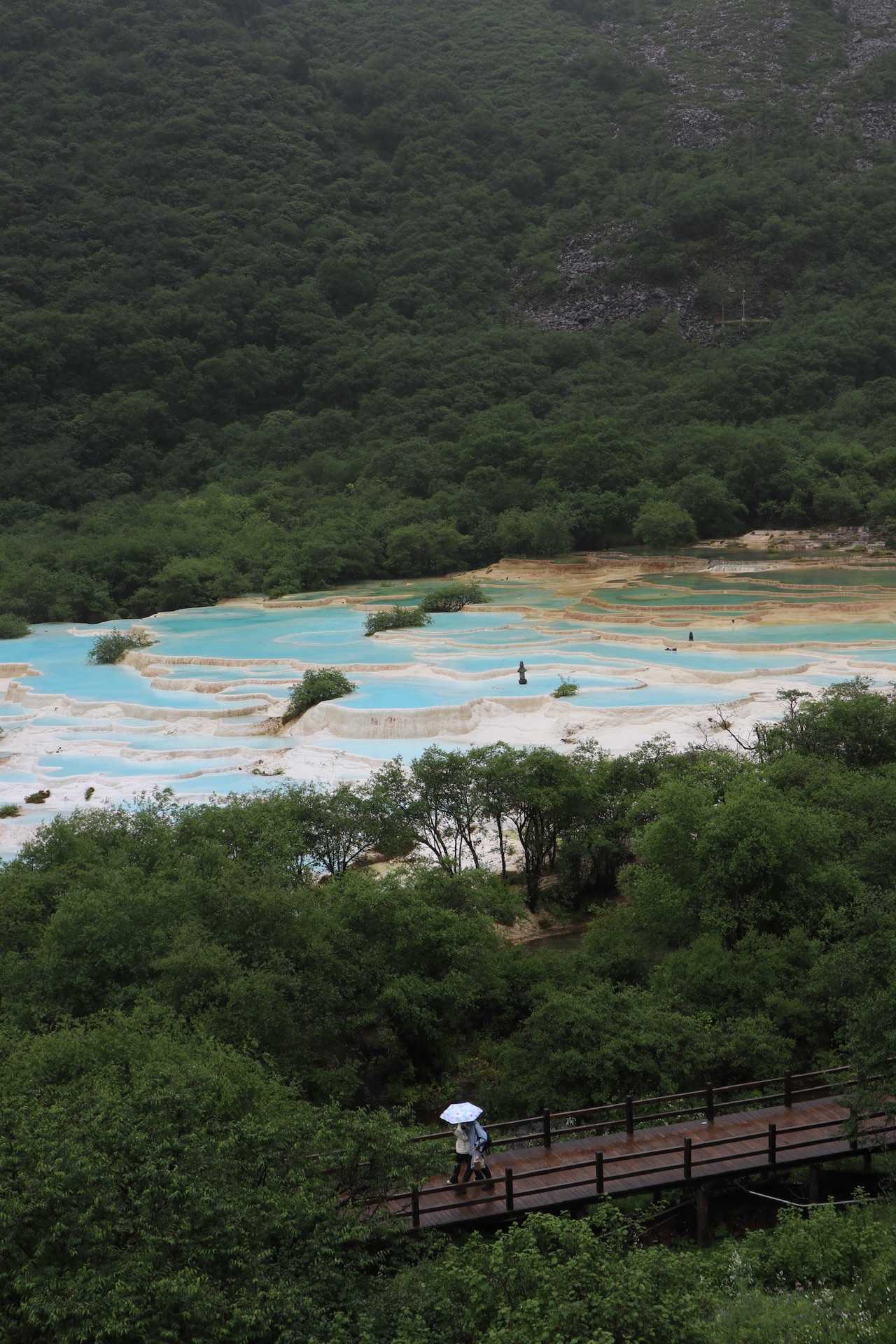
- The Five-Color Pond (Wucai Chi) at an altitude of 3,600 meters is the largest group of travertine pools in the Huanglong Valley and the world's largest and highest-altitude exposed travertine landscape.
Despite the rain, Huanglong's beauty was still breathtaking. The milky-yellow calcium carbonate deposits lay in terraced formations. The layered pools, colored by underwater sediments and the surrounding mountains, shimmered in shades of yellow, green, light blue, and deep azure. The roughly 2.2-kilometer forest boardwalk from the cable car station to the Five-Color Pond is relatively flat. But the mountain rain came in gusts, mixed with wind, and it occasionally got quite chilly.
Standing on the viewing platform at the Five-Color Pond, the scattered pools looked like jade plates, brilliantly colorful. Below stood the ancient Huanglong Temple, originally built in the Ming Dynasty, simple and majestic. The downhill boardwalk to the scenic area exit is about 4.2 kilometers long. Along the way, you pass the Moon-Reflecting Pool, the Immortal Greeting Bridge, the Competing Colors Pond, the Golden Dragon Waterfall, the Suoluo Colorful Pool, the Mirror-Like Reflection Pool, the Bonsai Pool, the Golden Sand Spread Ground, the Lotus Terrace Waterfall, and the Greeting Guests Pool—each spot worth a pause.
Altitude Sickness & Clothing Reminders: - Huanglong's average altitude is 2,500 meters, with the highest point at the Five-Color Pond reaching 3,600 meters; reactions vary from person to person. - In late July, bring a spring/autumn jacket (windbreaker or fleece) for wind protection. On sunny days, a sun-protection shirt is enough; on rainy days, you'll need something warmer. - The temperature difference between rainy and sunny days is significant. Be sure to check the forecast and pack accordingly.
[Link: How to prevent altitude sickness in Huanglong]
Jiuzhaigou: A 25,000-Step Blitz in Crocs
Thank goodness! After the wind and rain of Huanglong, Jiuzhaigou welcomed us with partly cloudy skies.
When we arrived at 8:30 AM, there were already nearly 30,000 people in the park. But Jiuzhaigou's crowd management system is top-tier—we sailed through the entrance in 10 minutes, and wait times at the bus stops were generally around 10 minutes. The constant stream of shuttle buses was impressive.
My Route (Y-shaped trail):
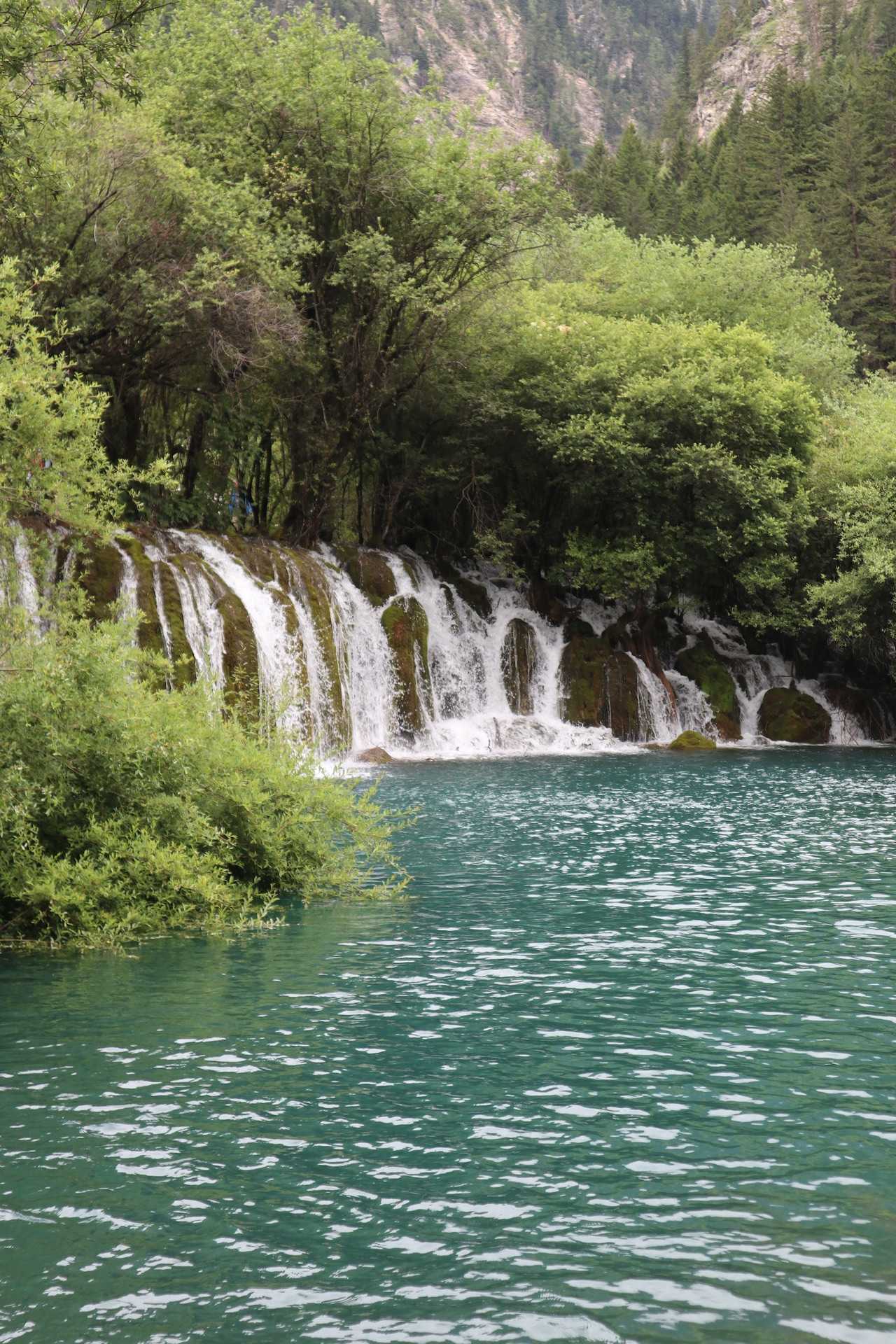
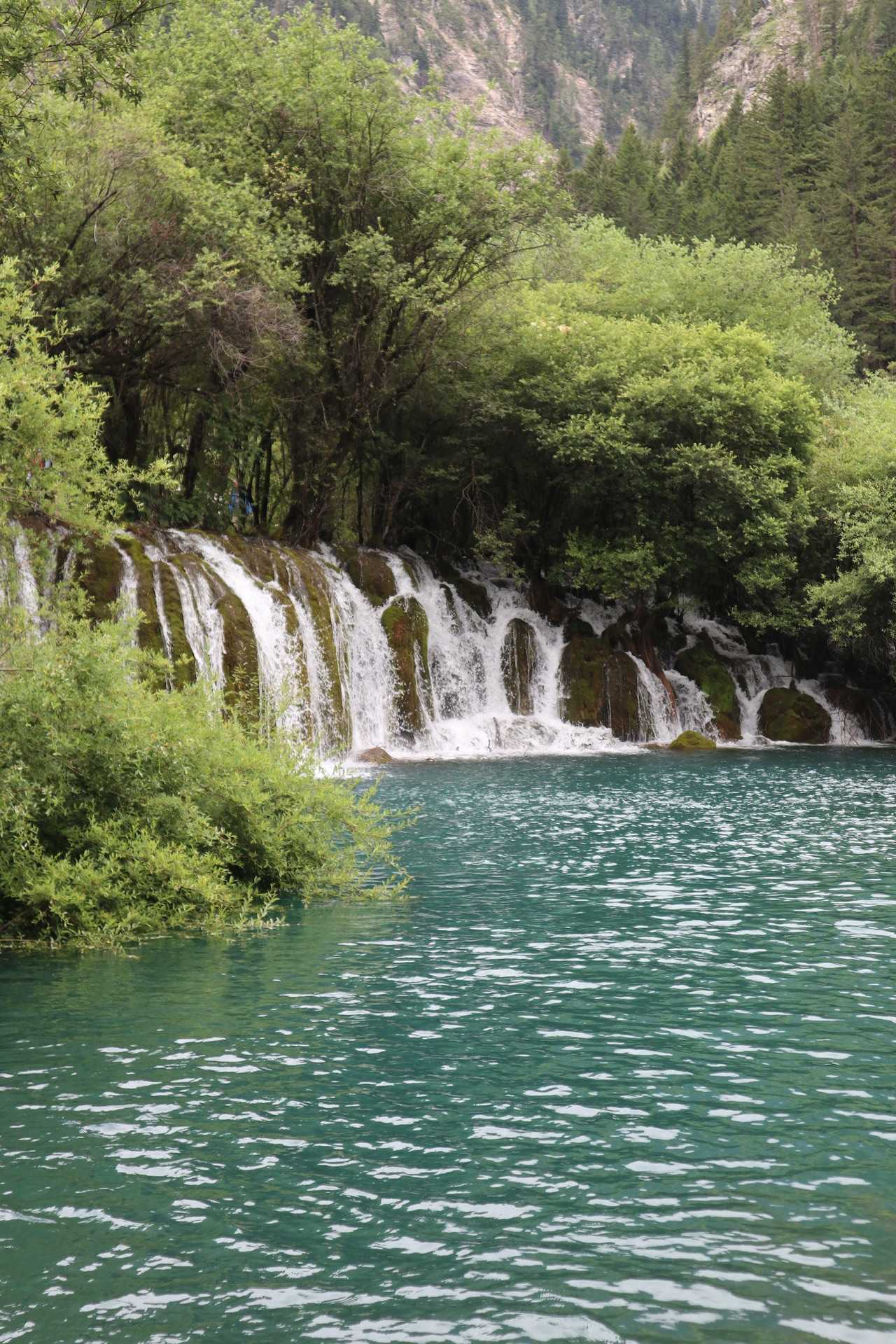
Shuzheng Valley Section: Shuzheng Group Lakes → Shuzheng Waterfall → Tiger Lake → Rhinoceros Lake. The Shuzheng Group Lakes have a drop of over 100 meters, forming a terraced lake system. Water spills over the lake banks and through the trees, creating layers of foam. Tiger Lake and Rhinoceros Lake were as smooth as mirrors, perfectly reflecting the sky.
Rize Valley Section: I skipped the Primeval Forest and got off at Arrow Bamboo Lake → Panda Lake → Five-Flower Lake → Pearl Shoal Waterfall. Arrow Bamboo Lake is named after the bamboo that pandas love. The water banks were covered in lush green grass, and wild ducks were playing. Five-Flower Lake displayed a spectrum of colors in the same body of water—goose-yellow, dark green, deep blue, and indigo. Pearl Shoal Waterfall is one of the filming locations for the ending credits of the 1986 version of Journey to the West. The wide curtain of water cascading down was magnificent.

Zechawa Valley Section: Long Lake → Five-Color Pond. The deep blue of Long Lake was stunning. The stepped boardwalk allows you to walk deeper into the lake area; it was less crowded and very pleasant. The Five-Color Pond here was affected by an earthquake, with a cracked bottom and shallower water, but its colors were still vibrant.
Exit Section: Spark Lake → Shuanglong (Double Dragon) Waterfall. Shuanglong Waterfall is a new landscape that formed after the 2008 earthquake. It looked especially enchanting under the setting sun.
From 8:30 AM to 6:00 PM, I walked a total of 25,000 steps. The path was mostly downhill, which was surprisingly hard on the legs. By the afternoon, I could already see many limping tourists, "persevering despite their injuries."
Practical Tip: Around 5 or 6 PM, the area near the park entrance is bustling with traffic. Taxis don't use the meter and generally charge a flat rate. After a long, tiring day, remember to treat yourself.
[Link: Jiuzhaigou one day itinerary tips]
Passing by Love Sea and the Minjiang River Source
On the way back from Jiuzhaigou, we passed Love Sea and the Minjiang River Source National Wetland Park.
The name "Love Sea" has a sad story behind it: a couple was taking wedding photos there during an earthquake, and the husband, trying to save his wife, ended up with both of them being buried. Today, Love Sea is a park with lavender, dandelions, wild chrysanthemums, vast grasslands, horses, and alpacas—a great place for camping.
The Minjiang River Source National Wetland Park is located on a plateau over 3,000 meters high. High mountain grasslands, lavender, and rapeseed flowers accompanied us along the way. This stretch of road used to have several kilometers of lavender, but after the earthquake closed Jiuzhaigou, the local residents switched to growing crops, leaving only a short section of lavender. You can basically just take a photo at the park entrance. The white yak at the gate was exceptionally clean and white.
Chapter Two: Leshan and Mount Emei, from the Grand Buddha to the Golden Summit
Leshan Giant Buddha: A Millennium of Vigil Under the Scorching Sun
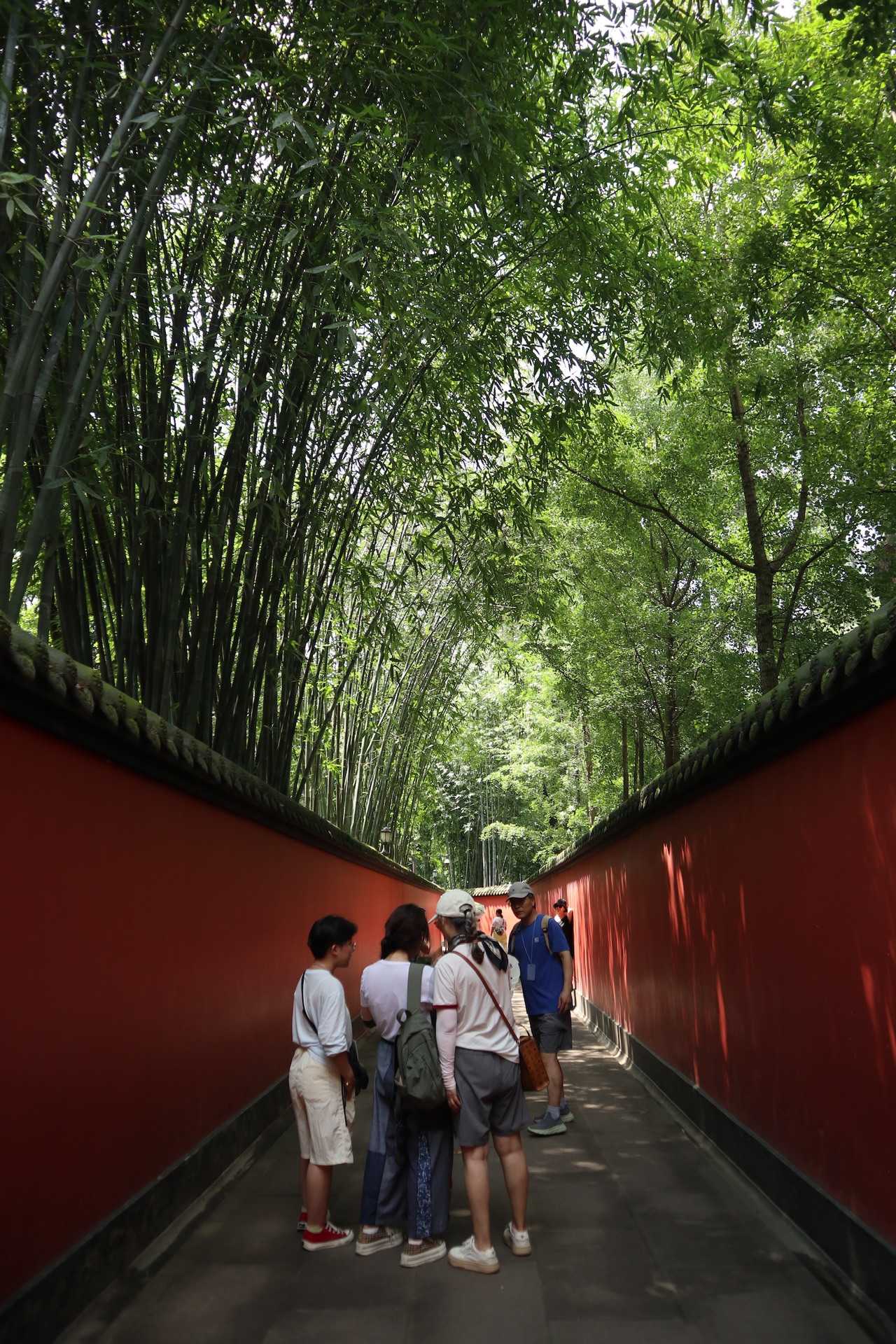
It's a 2-hour drive from Chengdu to the Leshan Giant Buddha. The sky was overcast that day, which actually made the experience more bearable. The Buddha, carved into the cliff face, watches over the confluence of three rivers. Standing at its feet, you feel the weight of 1,300 years of history.
Pro Tip: If you want to avoid the crowds, take a boat tour. You get a full view of the Buddha without the steep climb. If you're up for a workout, the hiking trail takes you through the Nine-Bend Plank Road, offering close-up views of the Buddha's head and ears.
[Link: Leshan Giant Buddha boat tour vs hiking]
Mount Emei: A Cloudy Golden Summit
After Leshan, we headed to Mount Emei. The cable car ride up was shrouded in mist. At the Golden Summit, the clouds cleared just enough to reveal the gleaming Ten-Faced Puxian Buddha statue. The contrast between the golden statue and the white clouds was surreal.
Weather Note: Mount Emei is notoriously cloudy. Even in summer, bring a warm jacket. The temperature at the summit can drop to 10°C (50°F) even in July.
Chapter Three: The Heart of Chengdu – Food and Culture
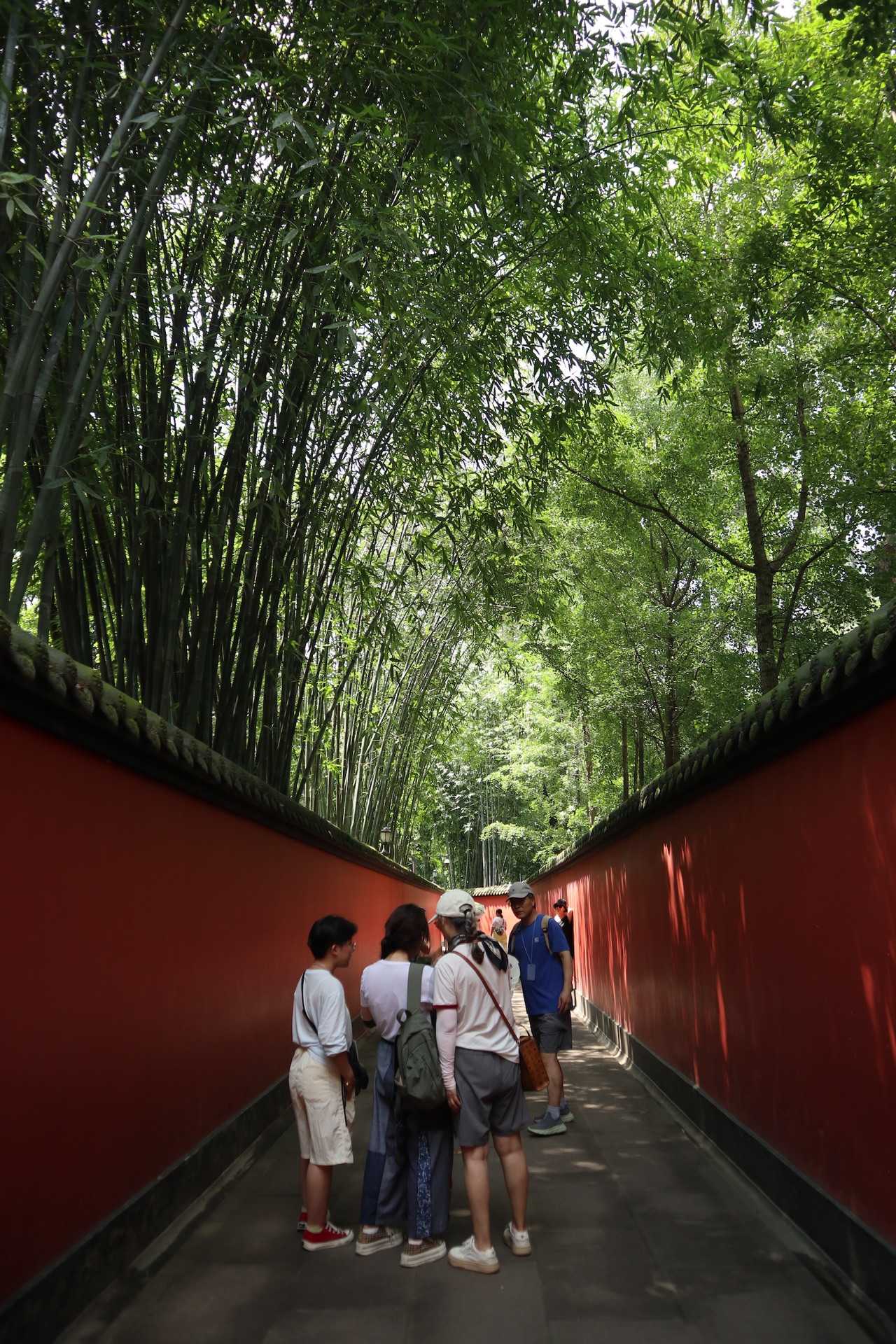
Hotpot and Teahouses: The Soul of Chengdu
Back in Chengdu, we dove into the city's culinary scene. The hotpot here isn't just food; it's a ritual. The bubbling red broth, the thinly sliced beef, the tender duck blood—every bite is a celebration.
Must-Try Dishes: - Mapo Tofu: The real deal. Numbing and spicy. - Dan Dan Noodles: A street food classic. - Tea at a Traditional Teahouse: Find one in Renmin Park. Order a cup of jasmine tea and watch the locals play mahjong.
[Link: Best hotpot restaurants in Chengdu]
Pandas and Sanxingdui: A Cultural Deep Dive
We spent a morning at the Chengdu Research Base of Giant Panda Breeding. Watching pandas eat bamboo is surprisingly therapeutic. They sit there, munching lazily, completely oblivious to the crowd.
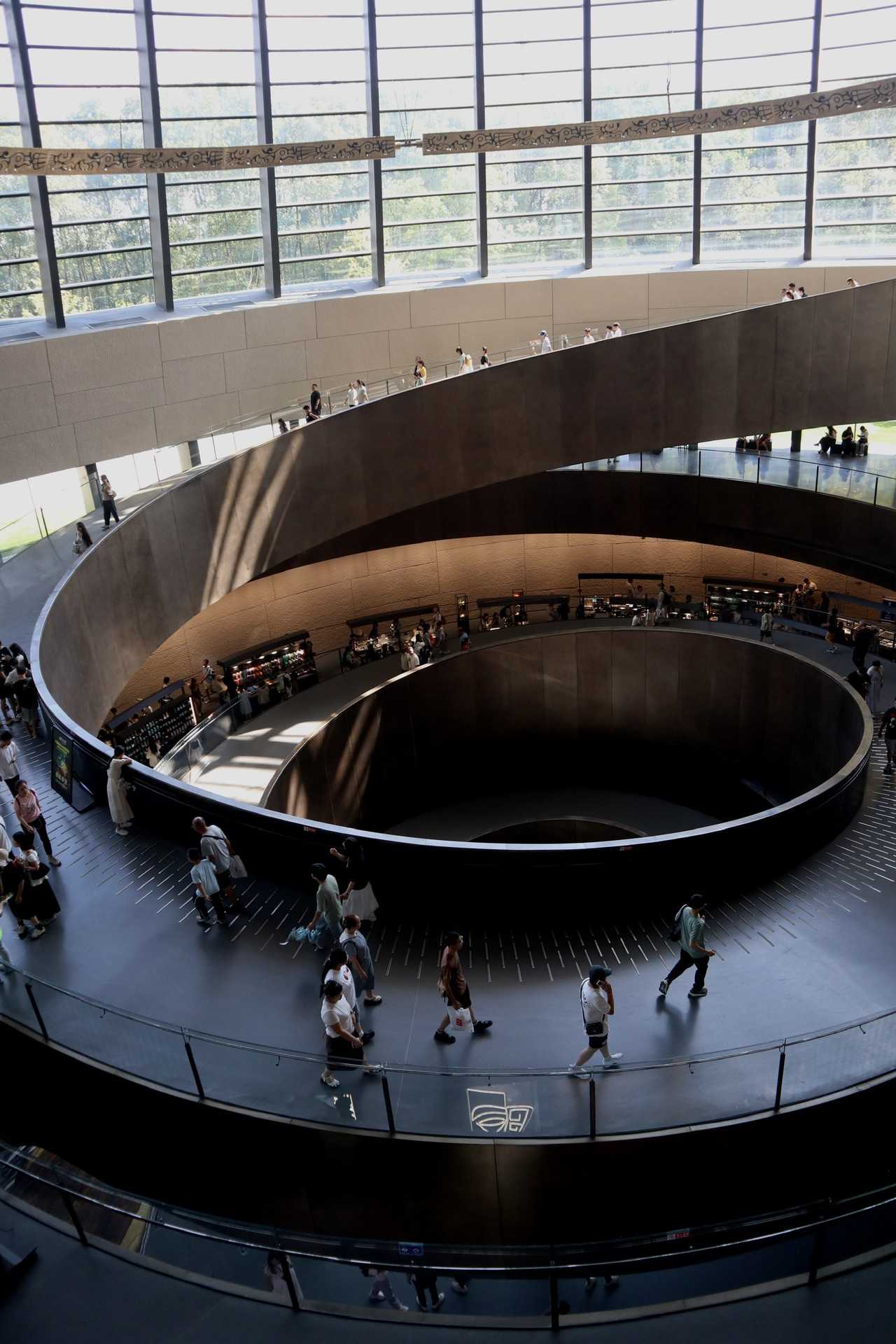
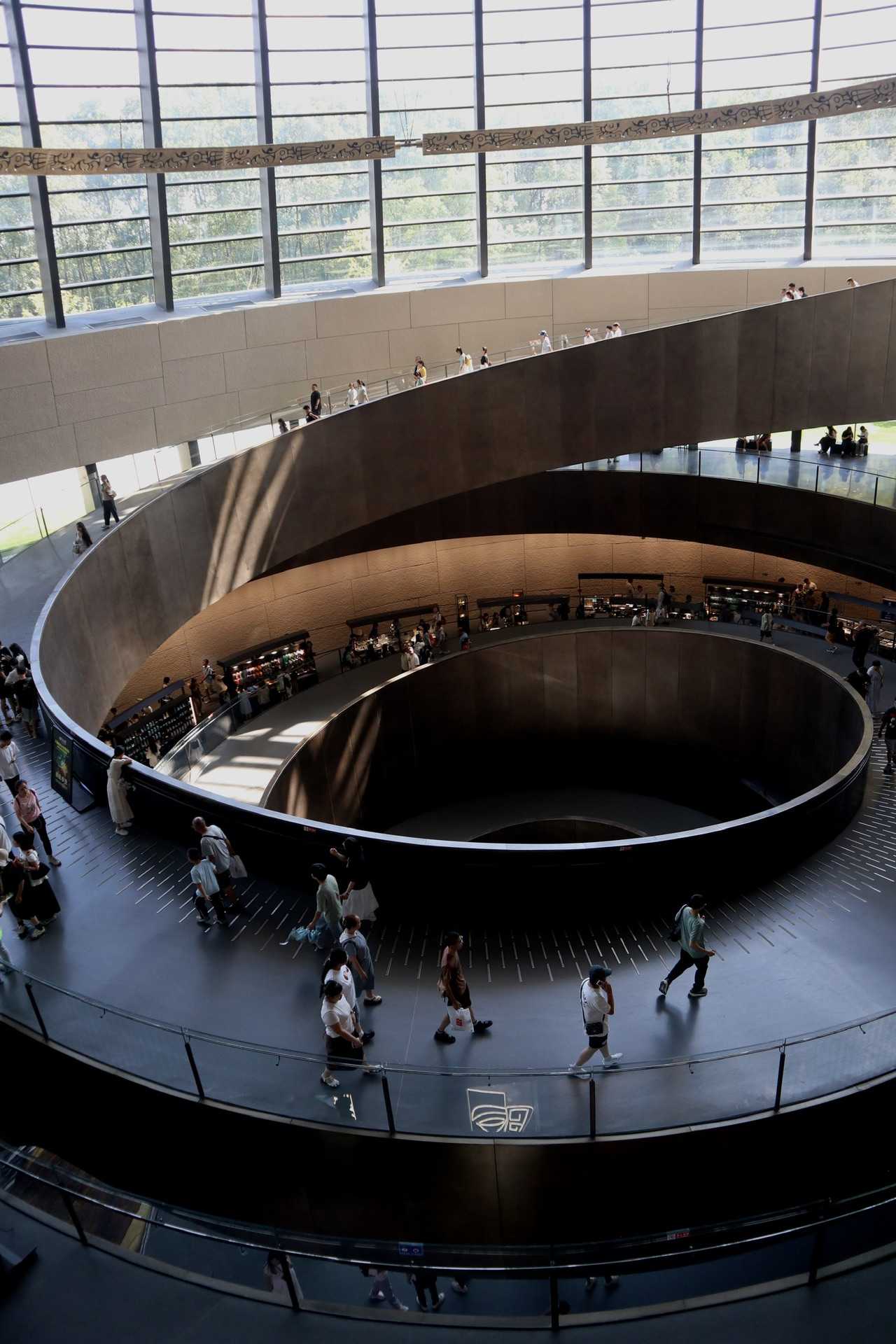
The Sanxingdui Museum was a highlight. The bronze masks and artifacts from the Shu civilization are unlike anything else in Chinese history. The sheer scale and mystery of the site are awe-inspiring.
[Link: Sanxingdui artifacts guide]
FAQ: Planning Your Sichuan Summer Trip
Q1: Is it safe to visit Sichuan in July? A: Yes. While July is the rainy season, the main tourist routes (Chengdu, Jiuzhaigou, Leshan) are well-maintained. Just check the weather forecast and avoid hiking during heavy rain.
Q2: How do I avoid altitude sickness in Huanglong? A: Acclimate in Chengdu first. Take it slow, drink plenty of water, and consider bringing oxygen cans. Avoid alcohol on the first day at high altitude.
Q3: Can I visit Jiuzhaigou without a tour group? A: Yes. The park has excellent shuttle buses. However, booking a small group tour can simplify transportation and accommodation.
Q4: What should I pack for a summer trip to Sichuan? A: Light layers. A windbreaker for the mountains, comfortable walking shoes, sunscreen, and an umbrella. The weather can change rapidly.
Q5: Is the food too spicy for non-locals? A: Not necessarily. Many restaurants offer "mild" versions of spicy dishes. You can also ask for "bù là" (not spicy) or "wēi là" (slightly spicy).
Conclusion: Your "Bāshì" Summer Awaits
From the terraced pools of Huanglong to the bustling streets of Chengdu, this 9-day journey was a masterclass in balance. It was about seeing the world's highest travertine landscapes, walking 25,000 steps in a day, and then sitting down to a bowl of spicy noodles that made it all worth it.
Sichuan isn't just a destination; it's a feeling. It's the "bāshì" of sitting in a teahouse, watching the world go by, knowing that the next great meal or breathtaking view is just around the corner.
Ready to experience your own Sichuan summer? Start planning your itinerary today. Whether you choose a small group tour or go solo, the mountains, the pandas, and the hotpot are waiting.
[Link: Book your Sichuan tour package now]
Note: This article is based on a personal travel experience from July 2025. Prices and conditions may vary. Always check current travel advisories and park regulations before your trip.
You may also like


