A Spring Journey Through Sichuan: A Five-Day Odyssey Across World Heritage Sites and the Flavors of Tianfu
Meta Description: Explore Sichuan in spring with this 5-day itinerary covering UNESCO World Heritage sites like Mount Emei, Jiuzhaigou, and Dujiangyan. Discover Chengdu chuanchuan xiang, snow-capped peaks, and Tianfu flavors. Plan your trip now.
Introduction: Why Sichuan Captures the Heart
Why does China, vast as it is, always linger in the heart? Perhaps the answer lies hidden in the mountains, waters, and everyday life of Sichuan province. From the textbook lessons of Dujiangyan and Jiuzhaigou to the haunting melody of the song "Chengdu," the land of Sichuan acts like a magnet, irresistibly drawing anyone who dreams of distant horizons. Seizing the last free moments before graduation, I decided to take my mother on a five-day journey through Sichuan—to seek out the flavors of Tianfu cuisine, explore UNESCO World Heritage sites, and, as spring gradually warmed the air, engage in a heartfelt dialogue with this remarkable land.
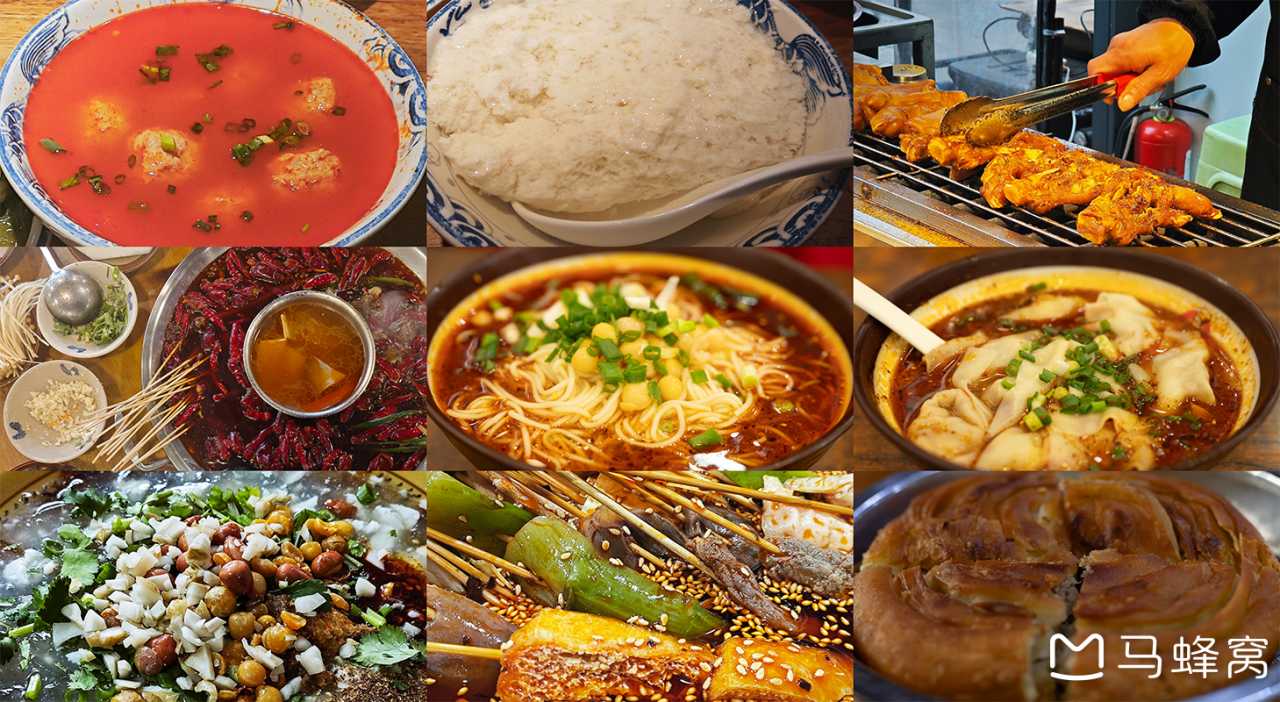
Train tickets during the Spring Festival were, as always, nearly impossible to secure. We had to buy a ticket for one station further than our destination just to barely get seats. Departing from the heart of the North China Plain, we passed through Zhengzhou and Xi'an, finally winding our way into the Sichuan Basin. After seven and a half hours, the scenery outside the window had transformed from vast plains into rolling mountains. As the train finally pulled into Chengdu, the air itself seemed to carry the aroma of hotpot.
[Link: Best time to visit Sichuan for spring travel]
Day 1: Arriving in Chengdu – A Gentle Start with Chuanchuan Xiang
A Rest Stop at Chengdu East Station
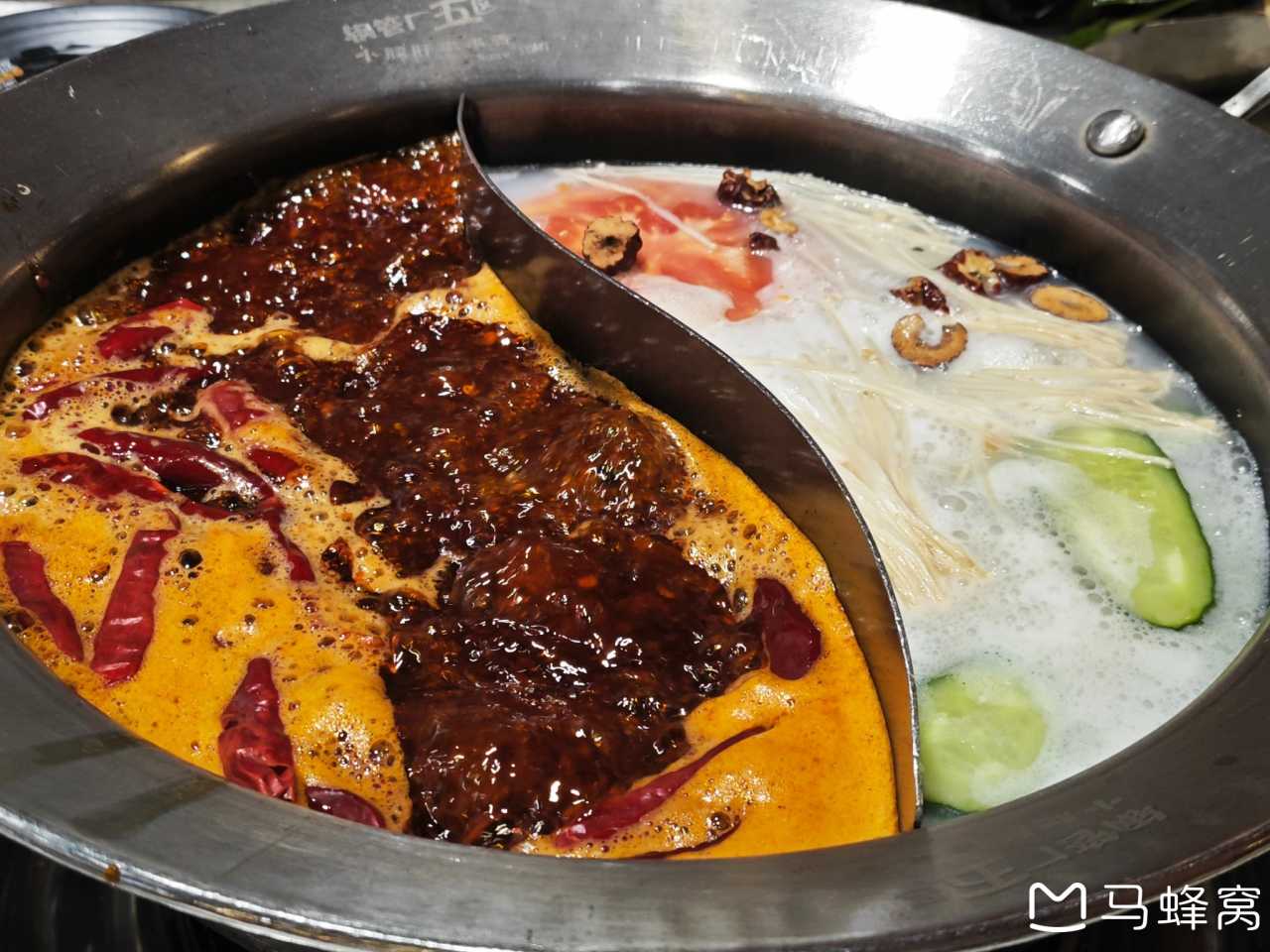
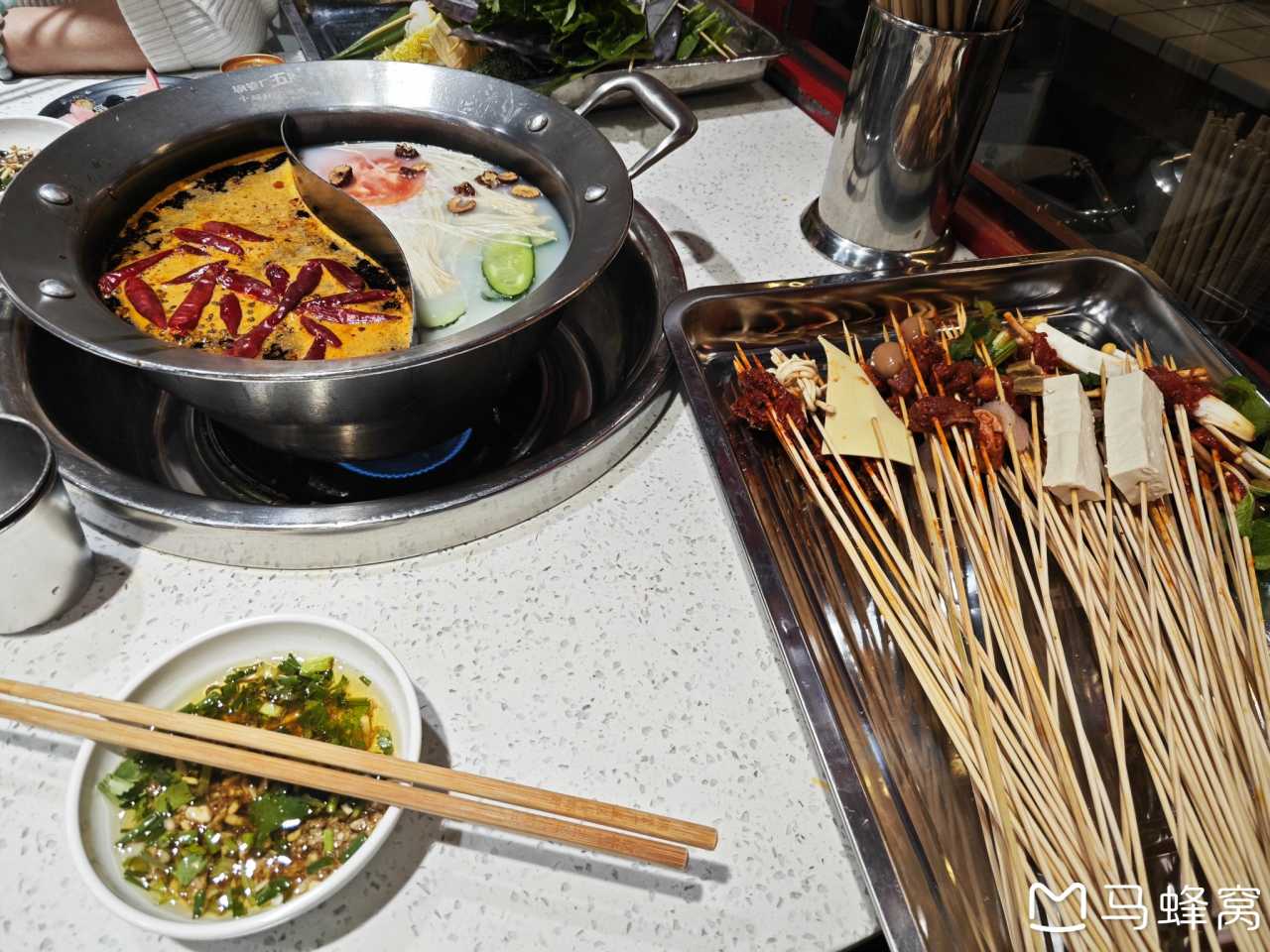
On the first day of our trip, we didn't rush to explore the city. Instead, we chose to settle near Chengdu East Station. We had an early train to Mount Emei the next day, so it made more sense to let our tired bodies rest and recharge at the hotel. After dropping off our luggage, our original plan was to find a proper Chengdu hotpot restaurant. However, we stumbled upon a chuanchuan xiang (skewer hotpot) shop downstairs from our hotel that was absolutely packed with customers.
"Chuanchuan xiang" from Chengdu has long had a stellar reputation in the north. Since we were at its birthplace, how could we possibly miss it?
A Surprising Night of Skewer Hotpot
The biggest difference between chuanchuan xiang and regular hotpot is that the ingredients are threaded onto bamboo skewers in small portions. You take as many skewers as you want to eat, offering a flexible and liberating dining experience. I had assumed that ordering a yuanyang guo (a dual-flavor pot, half spicy, half mild) in Chengdu would be an insult to the locals. But I was wrong—Chengdu has long since opened its arms to visitors from all over. Half was rich, numbing beef tallow broth, and the other half was a clear, savory mushroom broth. This divided pot design was even more convenient than the smaller individual pots.
Standing in front of the dazzlingly stocked refrigerated shelves, I felt completely lost. The variety of ingredients was mind-boggling, like a country bumpkin entering a grand mansion for the first time. There was cilantro beef, mint beef, spicy numbing beef, pineapple beef… if you could imagine it, they had it. What surprised me even more was finding zhe'ergen (fish mint root) paired with beef, creating "fish mint root beef skewers." In Sichuan cuisine, it seems beef can embrace anything.
My favorite way to eat was this: grab a few skewers of jungān (duck gizzards), then a handful of spicy numbing beef skewers. I'd prepare a dry dipping dish of chili powder and spices. After cooking the gizzards, I'd first dip them in the dry mix, then swirl them in the oil-based dipping sauce (you die), and finally take a bite with a mouthful of rice. The flavor was so intoxicating it was almost dizzying. Even though we ordered a "mildly spicy" broth, Sichuan's "mild" was enough to make my forehead bead with sweat. As the heat intensified, an ice-cold beer came to the rescue, its refreshing coolness instantly cutting through the fire on my tongue.
[Link: Best Sichuan hotpot restaurants in Chengdu]
Day 2: Mount Emei – Walking on Snow, Encountering the Buddha's Face
A World Heritage Site of Majestic Beauty and Mystical Wonder
Mount Emei, also known as "Great Brilliance" Mountain, is one of the four sacred Buddhist mountains in China. The highest point on the Golden Summit, the Ten Thousand Buddha Summit, reaches an elevation of 3,099 meters. In 2006, Mount Emei along with the Leshan Giant Buddha was inscribed as a UNESCO World Cultural and Natural Heritage Site. The evaluation committee summed up its charm with four characters: Xiong, Xiu, Shen, Qi — Majestic, Elegant, Mystical, and Marvelous.
"Its majesty lies in its height." The highest peak has a relative elevation difference of 2,600 meters, taller than any of the Five Great Mountains. Standing on the summit, all other mountains bow below. On a clear day, you can even see the distant Gongga Snow Mountain.
"Its elegance lies in its scenery." The variety of plant life is incredibly rich. As the altitude changes, the types of vegetation subtly shift. Taking the sightseeing bus to Leidongping, you can clearly observe this transformation.
"The mystical and marvelous aspects are found in its ever-changing meteorological phenomena"—rolling seas of clouds, magnificent sunrises, and the elusive appearance of Buddha's Halo. Every shift in the weather is a visual feast.
A Dual Experience of Altitude Sickness and Snowy Scenery
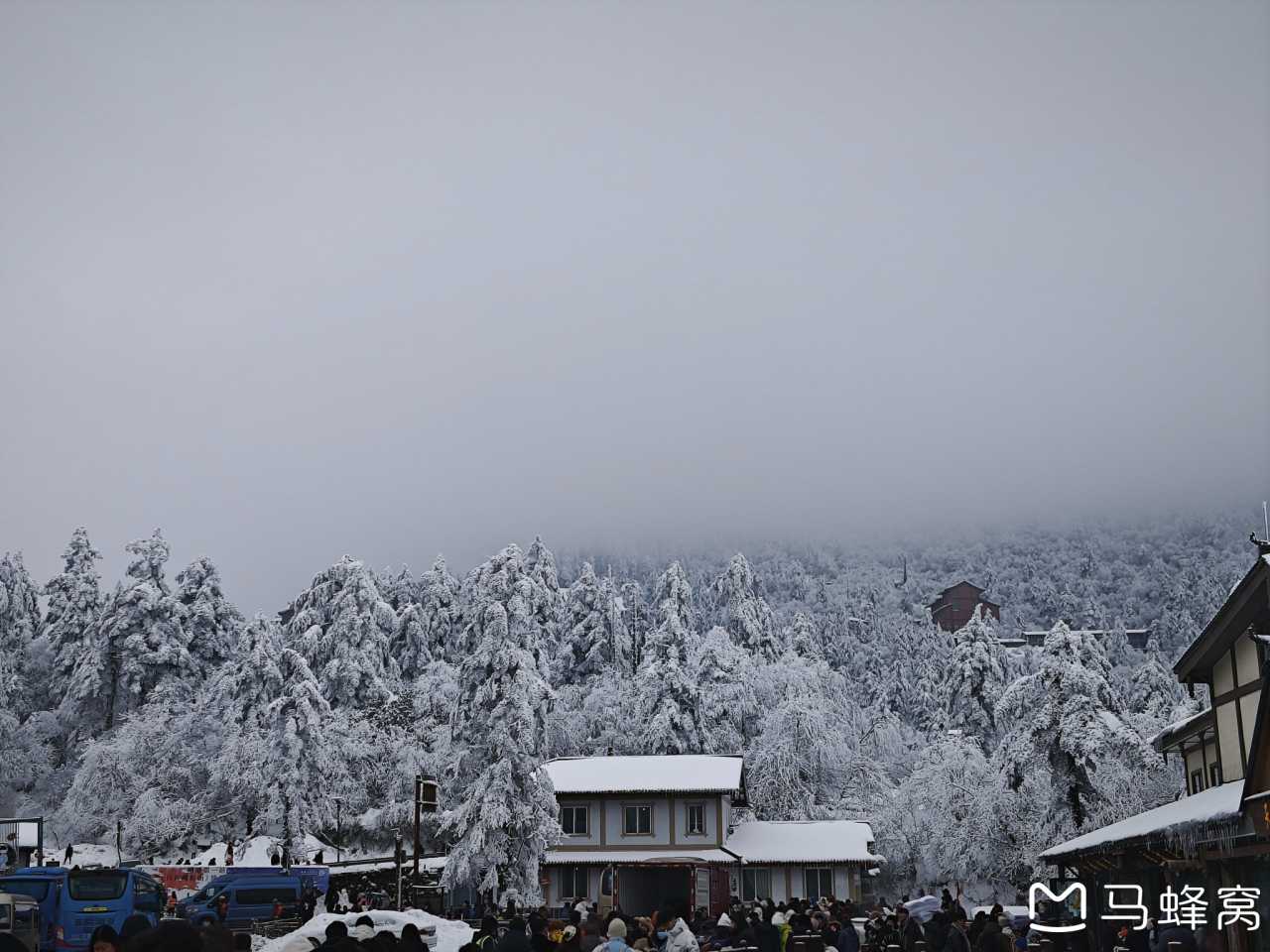
It's a bit embarrassing to admit, but not long after starting our walk from Leidongping, I began to experience symptoms similar to altitude sickness. I became breathless after just a few steps, and a dull headache started to set in. Leidongping is at an altitude of about 2,430 meters, which is theoretically high enough to cause discomfort. Reflecting on it later, I think it was a combination of not sleeping well the night before and that heavy, oily, and spicy chuanchuan xiang that made my body react so strongly. A sincere piece of advice for anyone planning to climb Mount Emei: it's best to find accommodation nearby the night before. Don't rush your travel, and respect the mountain.
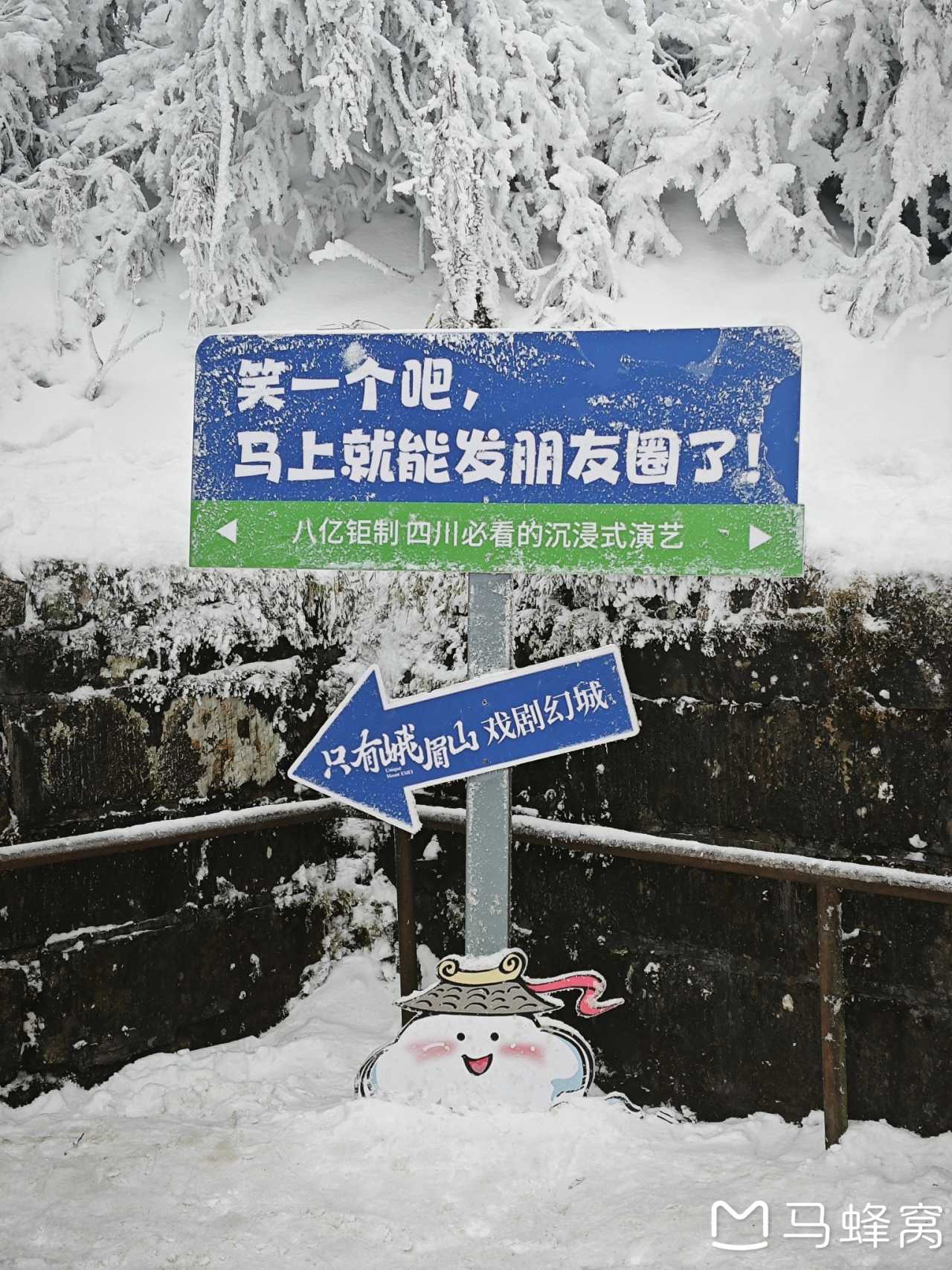
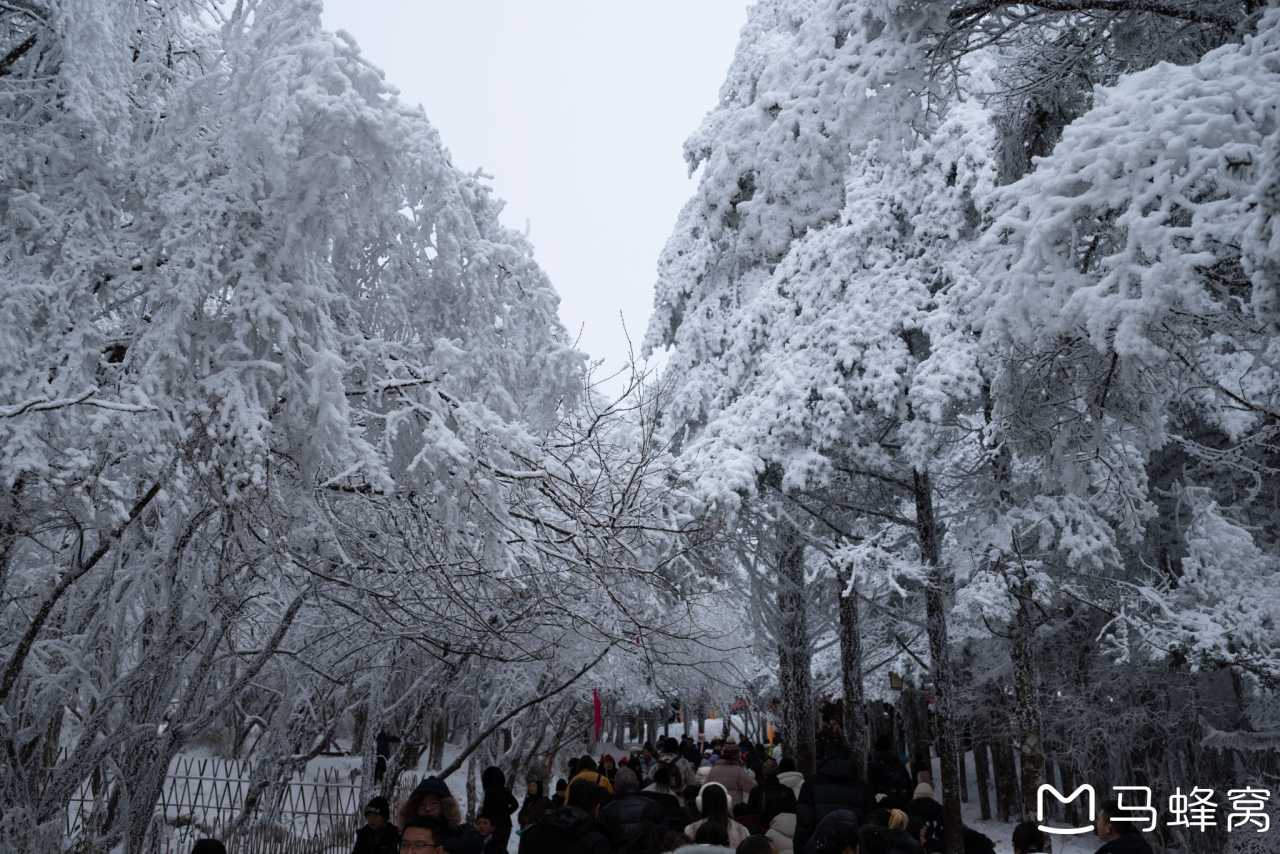
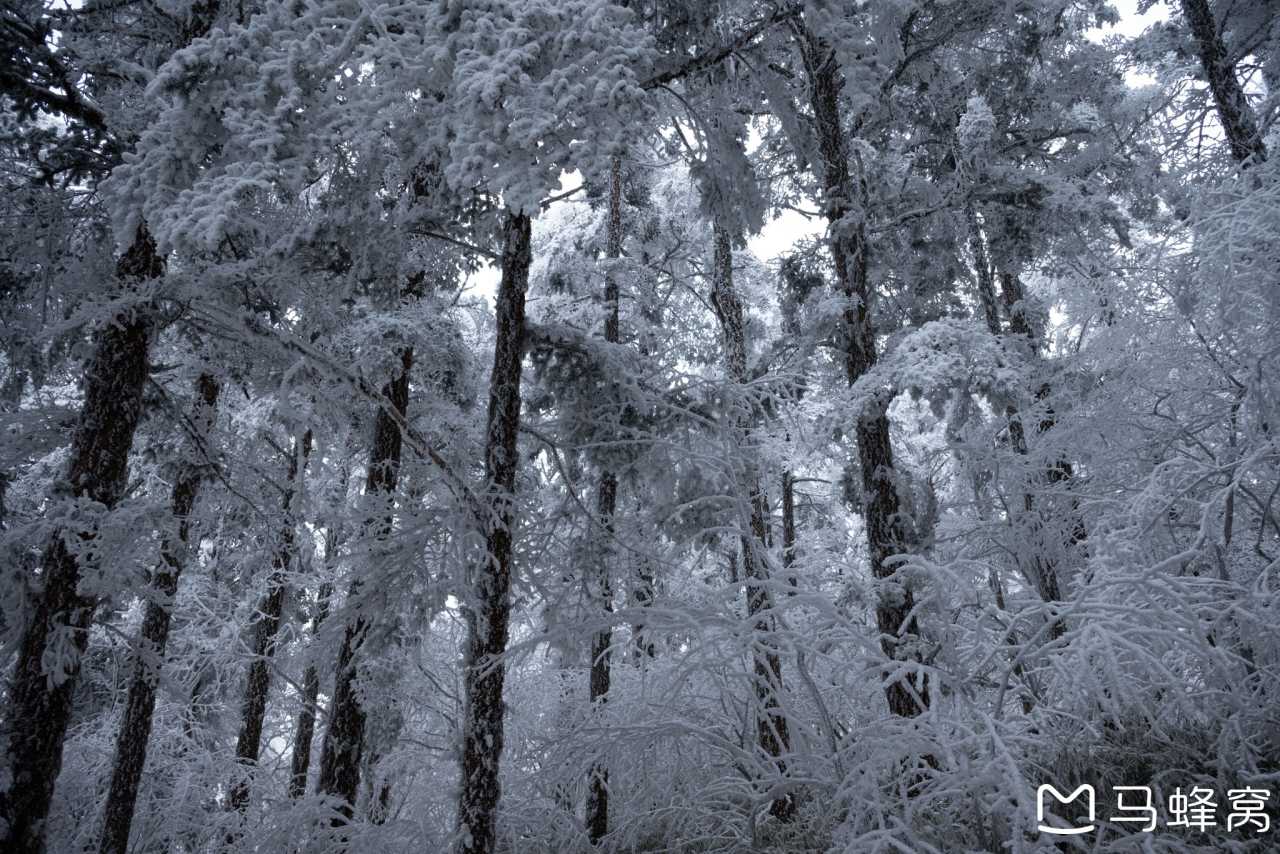
Despite the physical struggle, the scenery along the way made me forget the fatigue. Snow hung heavy on the branches, like beautiful maidens in white robes standing silently. The contrast was stunning—lush greenery at the foot of the mountain, but a world of ice and snow at the top. That stark difference was a shock to the senses. After more than four hours, I finally made it from Leidongping to the Golden Summit. My first mountain over 3,000 meters (3,077m to be precise) was conquered.
The Cable Car and an Encounter with "Mischievous Monkeys"
After visiting the Golden Summit, my mother and I chose to take the cable car down. Mount Emei offers two types of cable cars: a large, round-trip car that can hold about 100 people (like a bus), and a more traditional small gondola (a continuous loop cable car holding a maximum of 6 people). You can choose based on the queue length.
After getting off the cable car, we still had about a 20-minute walk from Jieyin Hall back to Leidongping. It was on this path that we encountered one of Mount Emei's most famous "attractions"—the mischievous monkeys. We hadn't seen them on the way up, but we ran right into them on the way down. This troop seemed to be plotting a "robbery" of the roadside shops. Every shopkeeper had a slingshot ready, a clear sign this wasn't their first rodeo. To avoid being attacked, we hugged the walls of the shops and hurried past, not even daring to take a photo.
Dinner at the Foot of the Mountain
We took a bus from Leidongping to Huangwan Station, then transferred to a shuttle bus to Baoguo Temple Station (Mount Emei Tourist Transport Center). Since we had missed the high-speed train to Leshan, we decided to have dinner near the visitor center.
We ordered a bowl of dandan mian (Sichuan-style dan dan noodles), a plate of shredded pork with green peppers, and two portions of rice. I have to say, the restaurants near the scenic area weren't great in terms of taste or price. If time permits, I'd recommend eating near Leshan instead.
[Link: Mount Emei hiking tips for beginners]
Day 3: Leshan Giant Buddha and Dujiangyan – Engineering Marvels of Ancient China

The Leshan Giant Buddha: A Colossus Carved from Stone
After a hearty breakfast, we took a high-speed train from Mount Emei to Leshan, home of the world-famous Leshan Giant Buddha. This 71-meter-tall stone statue, carved into the cliff face during the Tang Dynasty, is the largest stone Buddha in the world and a UNESCO World Heritage Site. The sheer scale is overwhelming—each foot is large enough to accommodate over 100 people standing side by side.
We opted for a boat tour to get the best panoramic view. From the water, you can truly appreciate the Buddha's serene expression and the intricate details of his hair, robes, and hands. The surrounding cliffs are dotted with ancient temples and inscriptions, adding to the spiritual atmosphere.
[Link: Leshan Giant Buddha boat tour vs hiking]
Dujiangyan: The Ancient Irrigation System That Still Works
From Leshan, we took a bus to Dujiangyan, another UNESCO World Heritage Site that has been functioning for over 2,200 years. This ancient irrigation system, designed by Li Bing and his son during the Qin Dynasty, tamed the Min River and transformed the Chengdu Plain into a fertile "Land of Abundance."
We walked along the Anlan Suspension Bridge (also known as the "Couple's Bridge"), crossed the Flying Sand Weir, and stood at the Fish Mouth Levee—the key structure that divides the river into inner and outer channels. The engineering genius is breathtaking: no dams, no pumps, just clever use of natural topography and hydraulic principles. It's a living testament to ancient Chinese ingenuity.
[Link: Dujiangyan guided tour vs self-guided]
Day 4: Jiuzhaigou – A Fairyland of Turquoise Lakes and Waterfalls
A Journey to the "Kingdom of Water"
No Sichuan itinerary is complete without Jiuzhaigou Valley, a UNESCO World Heritage Site and one of China's most stunning natural wonders. We took an early flight from Chengdu to Jiuzhaigou Airport (about 1 hour), followed by a 1.5-hour bus ride to the park entrance.
Jiuzhaigou is famous for its turquoise lakes, multi-tiered waterfalls, and snow-capped peaks. The colors are almost surreal—emerald green, sapphire blue, and crystal clear. We followed the classic Y-shaped route, starting at Shuzheng Valley, then taking a bus to Rize Valley (home to the iconic Five Flower Lake and Panda Lake), and finally Zechawa Valley (where the Long Lake and Five-Color Pond await).
Practical Tips for Jiuzhaigou
- Best time to visit: Autumn (September-November) for fall colors, but spring is also beautiful with blooming flowers.
- Altitude: The park ranges from 2,000 to 3,100 meters. Acclimatize before visiting.
- Crowds: Arrive early (by 7:30 AM) to avoid peak crowds.
- Food: Bring snacks and water; park restaurants are expensive and limited.
[Link: Jiuzhaigou Valley travel guide]
Day 5: Chengdu – Panda Base, Jinli Ancient Street, and Farewell Hotpot
Chengdu Research Base of Giant Panda Breeding
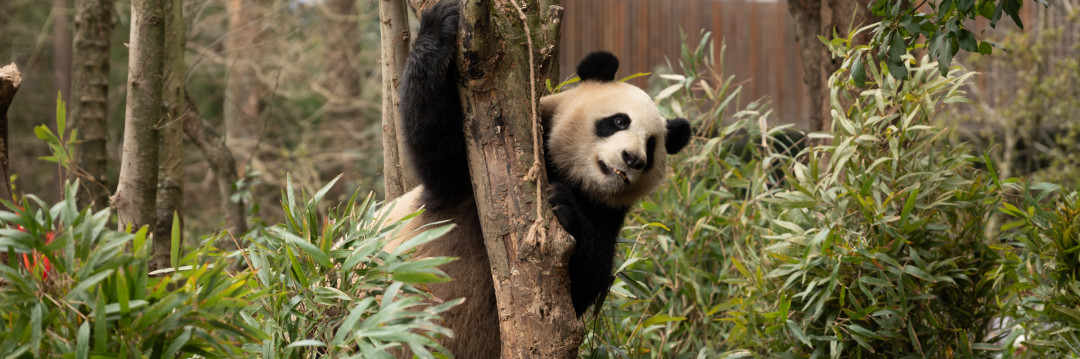
Our final day began at the Chengdu Research Base of Giant Panda Breeding, located about 10 km north of the city center. We arrived at 7:30 AM to catch the pandas during their most active feeding time. Seeing these adorable creatures munching bamboo, playing, and napping is an unforgettable experience. The base is also home to red pandas, peacocks, and other wildlife.
[Link: Best time to visit Chengdu Panda Base]
Jinli Ancient Street and Kuanzhai Alley
After the pandas, we explored Jinli Ancient Street, a reconstructed Ming-Qing dynasty commercial street lined with shops selling Sichuan snacks, souvenirs, and handicrafts. We tried long chaoshou (Sichuan wontons), maocai (spicy boiled vegetables), and bingfen (ice jelly dessert).
Then we wandered through Kuanzhai Alley (Wide and Narrow Alley), a charming neighborhood of traditional courtyard houses turned into cafes, galleries, and boutiques. It's the perfect place to soak up Chengdu's laid-back atmosphere.
Farewell Hotpot Dinner
For our last meal, we returned to the chuanchuan xiang shop near Chengdu East Station. This time, we knew exactly what to order: cilantro beef, spicy numbing beef, duck gizzards, and a side of liang fen (cold jelly noodles). We raised our glasses of cold beer one last time, savoring the flavors of Tianfu cuisine and the memories of our five-day adventure.
[Link: Best Sichuan dishes to try]
FAQ: Planning Your Sichuan Spring Journey
Q1: What is the best time to visit Sichuan for spring travel? A: Spring (March to May) offers mild temperatures (15-25°C), blooming flowers, and fewer crowds compared to summer. Mount Emei and Jiuzhaigou are particularly beautiful in spring, with melting snow and fresh greenery.
Q2: How do I handle altitude sickness at Mount Emei and Jiuzhaigou? A: Acclimatize by spending a night at a lower altitude (like Leidongping for Emei or Jiuzhaigou town for the valley). Stay hydrated, avoid alcohol, and consider taking acetazolamide (Diamox) if prone to altitude sickness. Carry oxygen cans available at pharmacies.
Q3: Is it easy to travel between these Sichuan World Heritage sites? A: Yes, Sichuan has a well-connected transport network. High-speed trains connect Chengdu to Leshan (1 hour) and Mount Emei (1.5 hours). Flights from Chengdu to Jiuzhaigou take 1 hour. Buses and taxis fill the gaps.
Q4: What should I pack for a spring trip to Sichuan? A: Layered clothing (temperatures vary from 5°C at high altitudes to 25°C in Chengdu), comfortable hiking shoes, a rain jacket, sunscreen, sunglasses, and a reusable water bottle. For Mount Emei, bring gloves and a hat for the snow.
Q5: Can I visit all these sites in 5 days? A: It's ambitious but doable with careful planning. Our itinerary covered Chengdu, Mount Emei, Leshan, Dujiangyan, and Jiuzhaigou. For a more relaxed pace, consider extending to 7 days or skipping one site (e.g., Jiuzhaigou requires a full day).
[Link: Sichuan 7-day itinerary]
Conclusion: Why You Must Experience Sichuan This Spring
From the fiery flavors of chuanchuan xiang in Chengdu to the snow-capped peaks of Mount Emei, from the ancient engineering marvel of Dujiangyan to the turquoise fairyland of Jiuzhaigou, Sichuan offers a feast for the senses that no other destination can match. This five-day journey is not just a trip—it's a pilgrimage through UNESCO World Heritage sites, a celebration of Tianfu cuisine, and a heartfelt dialogue with a land that has captivated travelers for centuries.
Ready to plan your own Sichuan adventure? Book your flights, pack your bags, and let the flavors of Tianfu guide you. Whether you're a solo traveler, a couple, or a family, this spring journey promises memories that will last a lifetime.
Start planning today: [Link: Sichuan travel packages] or [Link: Custom itinerary consultation]
Note: This article is based on a real 5-day trip in spring 2024. Prices, schedules, and conditions may vary. Always check official websites for the latest information.
You may also like


