A Spontaneous Escape to Chengdu's Slow Life: A Seven-Day Healing Journey After Unemployment
Meta Description: Discover the ultimate Chengdu slow travel guide for unemployed travelers. Experience a spontaneous seven-day healing journey with tips on panda base crowds, homestay savings, and local food. Perfect for job seekers needing a break.
Introduction: Why Chengdu is the Perfect Healing Destination for Job Seekers
Some trips are meticulously planned; others are born from a sudden, impulsive spark. When my friend and I both found ourselves in the unemployment gap, staring at the upcoming May Day holiday on the calendar, we simultaneously thought of the same place—Chengdu. From the moment the idea was raised to booking flights and a homestay, only a few days passed. What we needed wasn't a rushed, check-list style trip, but a healing journey where we could slow down, eat well, drink well, and temporarily forget our worries.
As it turned out, traveling on weekdays is a hidden perk for travelers. While everyone else was still staring at their office computers, we were already strolling leisurely through empty scenic spots. The joy of having a place almost to ourselves is something all freelancers and job-seekers should truly appreciate.
[Link: Best time to visit Chengdu for crowds]
Before You Go: Three Tips for a More Comfortable Chengdu Trip
Before sharing the detailed itinerary, I want to talk about a few practical takeaways from this trip. If you're also planning a Chengdu slow life escape, these might help you avoid some detours.
1. Save the Popular Attractions for Weekdays

This might be the most useful piece of advice. The crowds at popular spots like the Panda Base, Wuhou Shrine, and Du Fu Thatched Cottage on weekdays are on a completely different scale from weekends. Fewer people mean no long queues, no waiting for photo spots, and the overall experience is maximized. However, be aware that some venues have specific closure days. For example, the Panda Tower and Panda Museum are closed for maintenance on Mondays and Tuesdays respectively. Announcements about panda "Hua Hua's" days off are also made in advance. You can find all this information on the official websites.
2. Weather is the Invisible Commander of Your Itinerary
Chengdu's weather can change in an instant. Be sure to check the forecast before you go. On rainy days, plan for indoor attractions like museums or art galleries. You'll still have a great experience without getting soaked. If you particularly want to see giant pandas playing outdoors, you need to pay attention to the temperature—pandas prefer cool weather and dislike heat. If it's too hot, they'll retreat to their air-conditioned rooms. Also, for suburban spots like Qingcheng Mountain, the temperature is usually three to four degrees Celsius lower than in the city center, and it gets even colder if it rains, so don't forget to bring a jacket.
3. Independent Travel is the Right Way to Experience "Slow Life"
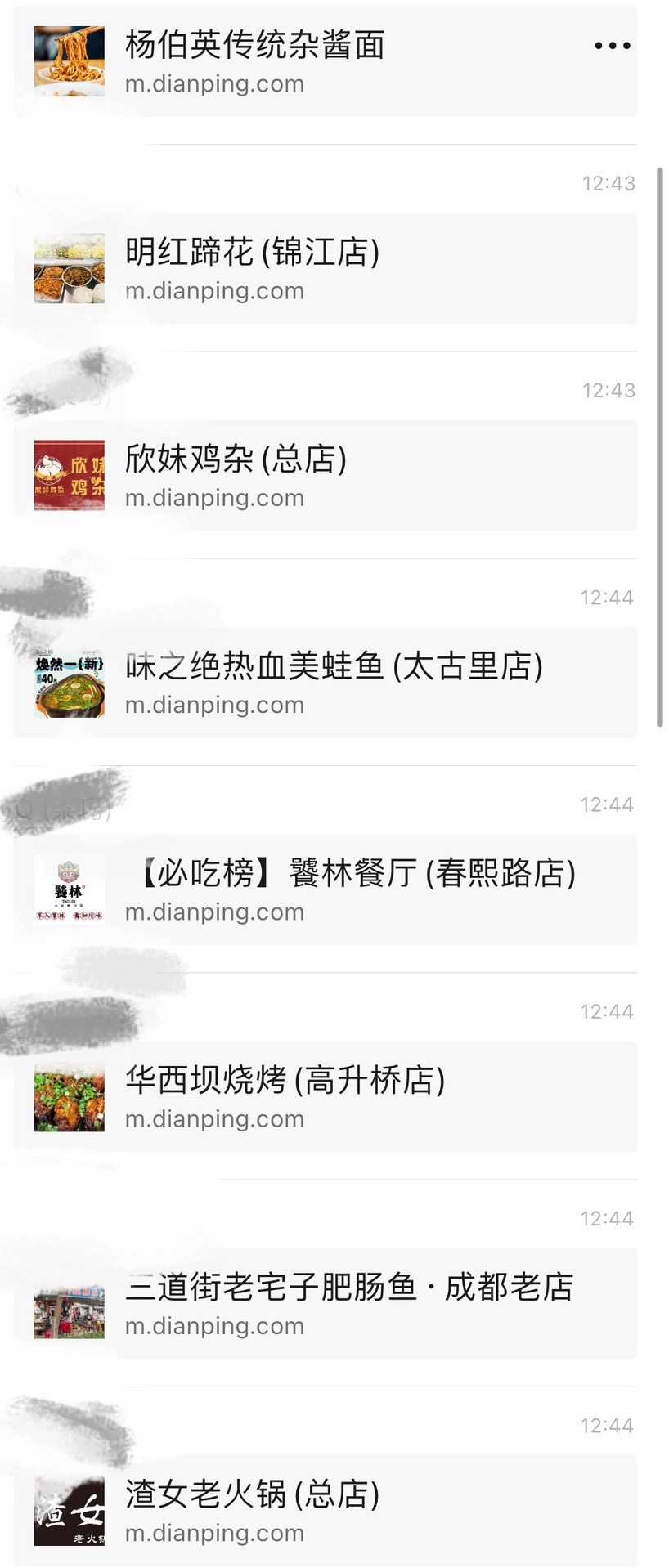
To be honest, our original itinerary was completely rewritten by reality. But it was precisely these spontaneous adjustments that made the trip more flexible. Tired today? Then sleep in. See a place you've never heard of and want to check it out? Go for it. Guides are static, but people are dynamic. Doing whatever feels comfortable is the essence of independent travel. If you absolutely can't avoid traveling on a holiday, then don't try to cram in multiple attractions in one day—the sea of people and long queues will significantly dampen the experience.
[Link: How to plan a flexible travel itinerary]
Accommodation Guide: Homestay vs Hotel in Chengdu
Every trip, accommodation is an unavoidable topic. My advice is simple: it depends on your group size and needs.
If you're traveling alone or as a couple, a homestay isn't necessarily cheaper than a standard hotel room, unless you opt for a hostel. But if you're a big family or a group of friends needing two or three rooms, then a homestay can be very cost-effective. One word of caution: it's not just hotels that raise their prices during holidays; homestays double their rates too. The place we stayed at cost about 300 RMB per night, but it doubled during the May Day holiday. So don't expect a homestay to save you money.
This time, we were a group of friends with modest accommodation requirements, so we chose a homestay. We booked through the Tujia app (there are many such platforms; compare prices). We stayed in "Jindu Phase One," a residential community right next to Kuanzhai Alley. It was very quiet at night. The homestay typically had three beds, and splitting the cost among six people made it very affordable per day. The most convenient thing was that the back gate of the community led directly to the airport express check-in lounge (where you can check in for your flight in advance) and the departure point for the scenic area direct buses. If you have a daytime flight, you can even take the scenic area bus to the airport for 20 RMB per person.
[Link: Best neighborhoods to stay in Chengdu]
Seven-Day Chengdu Itinerary: No Rushing, Just Feeling
Day 1: From Hangzhou to Chengdu – A Late-Night Chuan Chuan Initiation
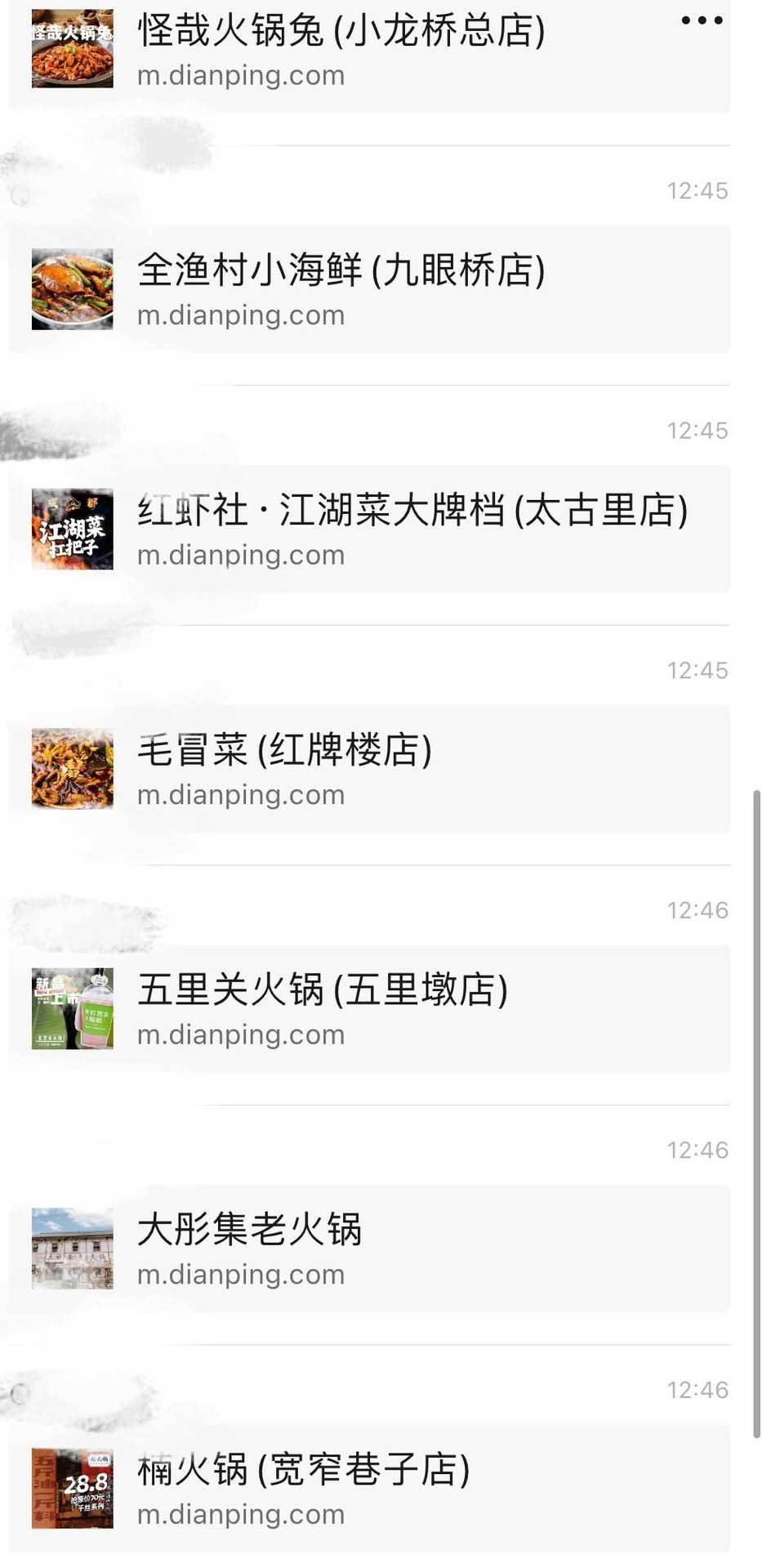
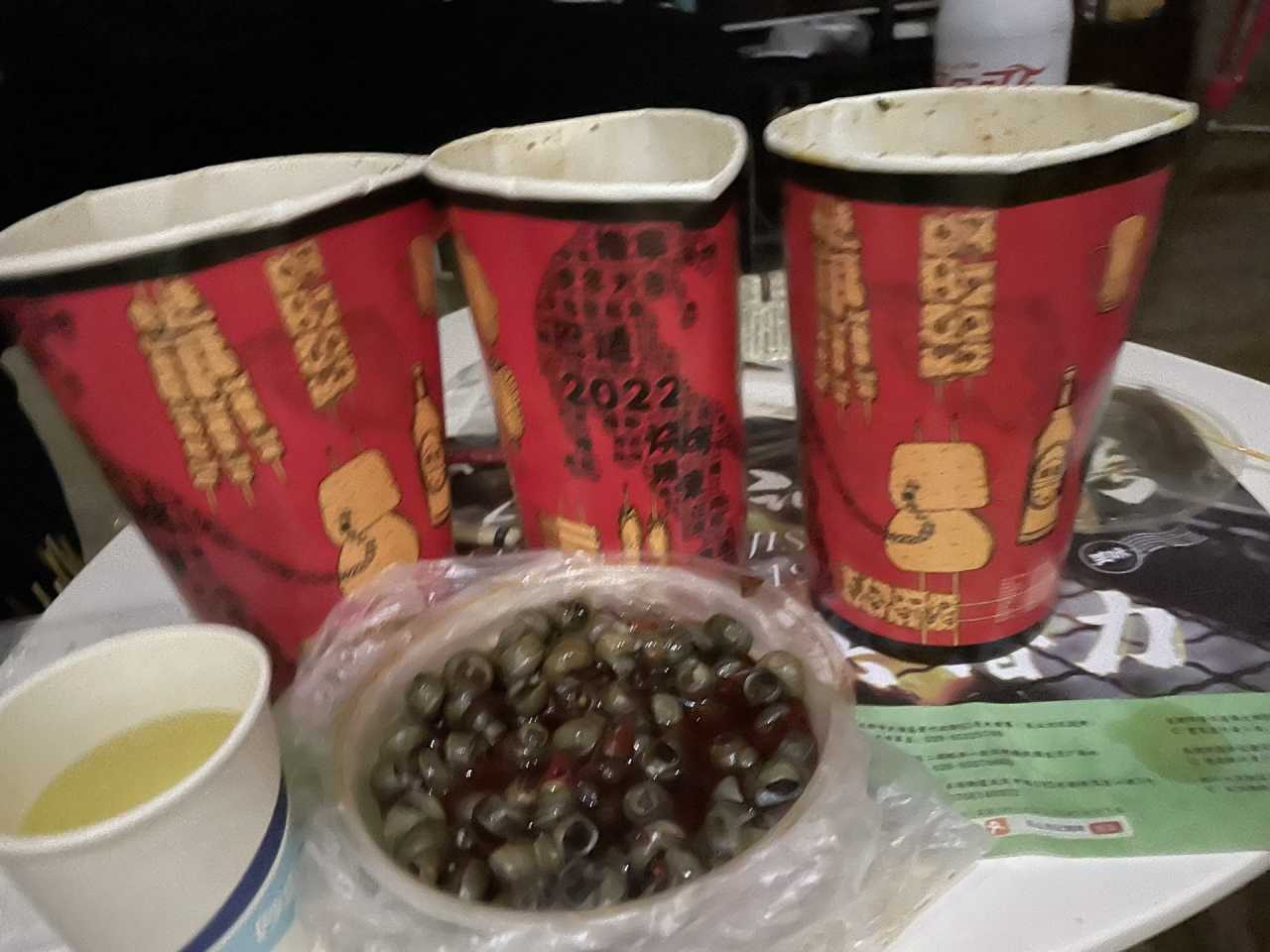
We flew out from Hangzhou. The plane was delayed, so by the time we arrived at our homestay, it was already 1:00 AM. We naturally didn't plan to wake up early the next day, and we didn't schedule many attractions. So, we "guiltily" ordered a mountain of Chuan Chuan (skewers), as our first lesson in adapting to Chengdu's level of spiciness. If you can't handle much spice, I recommend starting with a yuanyang (half-spicy, half-mild) pot and gradually working your way up.
Day 2: Wuhou Shrine, Jinli Ancient Street, Chunxi Road
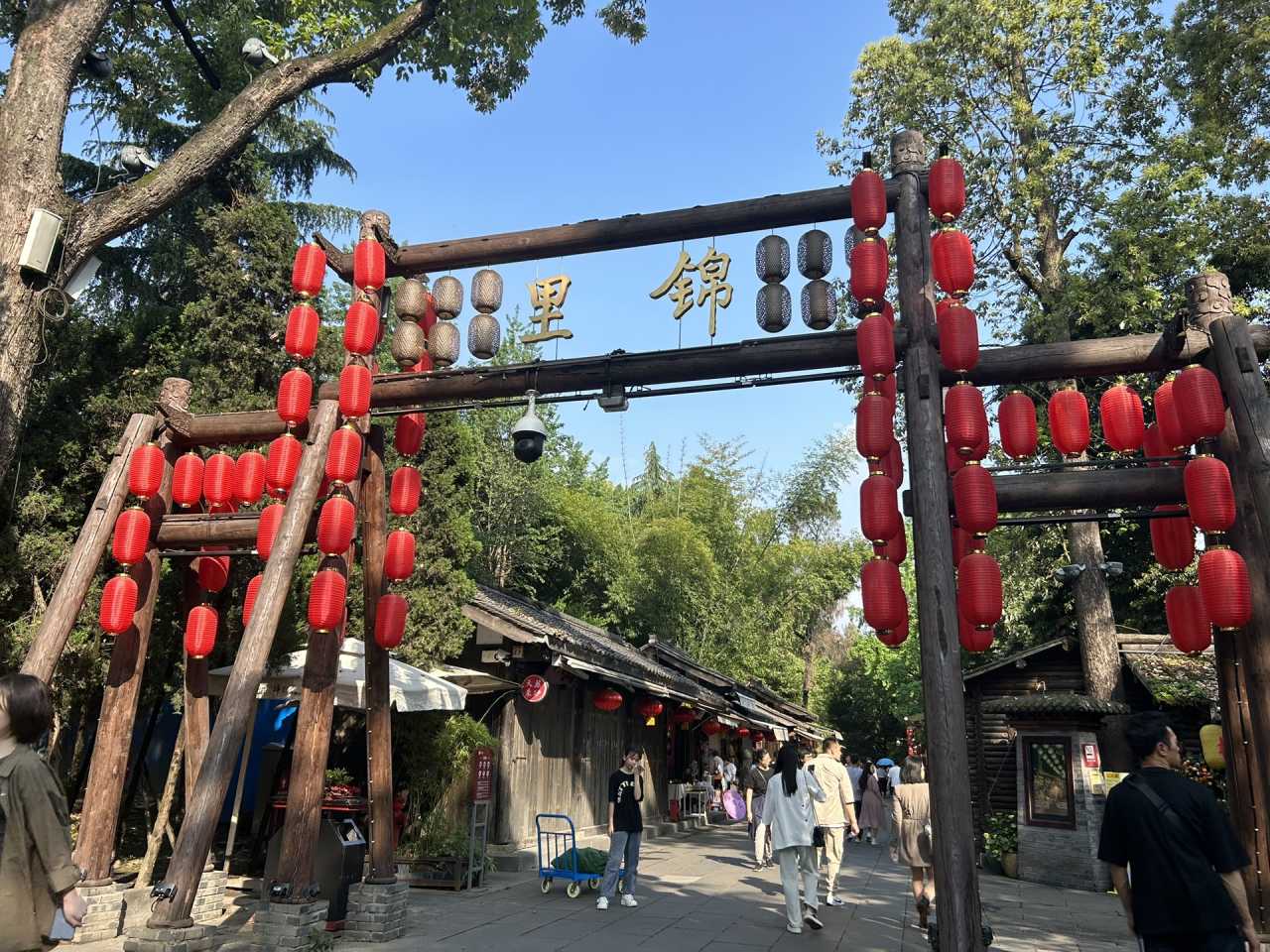
We didn't get up until noon. We had eaten so much late-night food that we skipped lunch altogether. Wuhou Shrine is right next to Jinli Ancient Street. An hour or two is enough for the shrine, so focus your time on Jinli. There are lots of trinkets and street food there. When the lanterns light up in the evening, it's a great spot for photos. If you like photography, you can stay there until it gets dark.
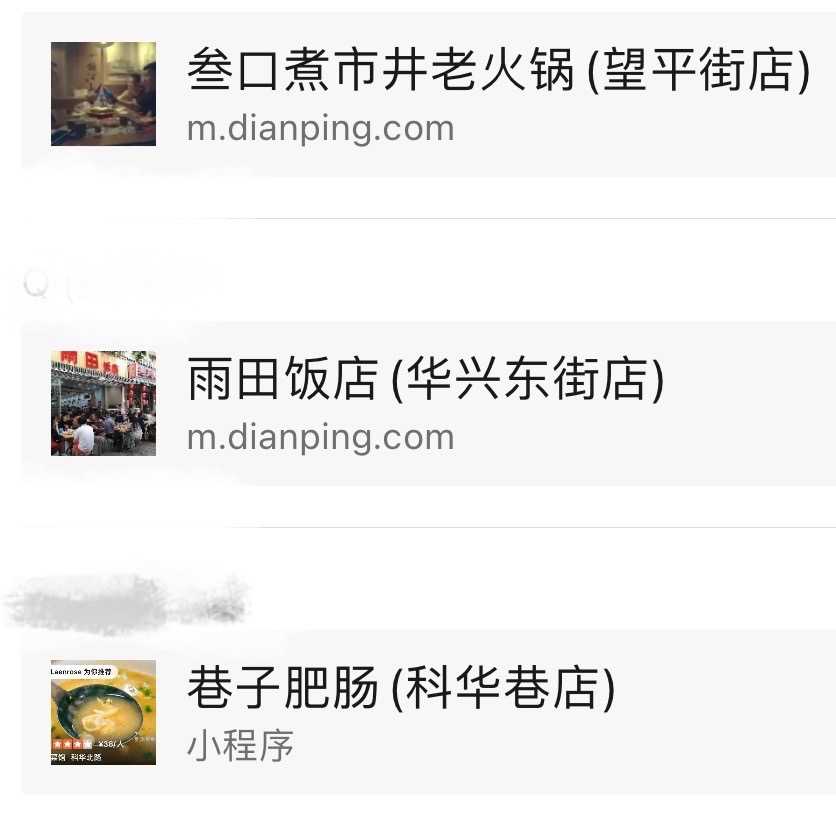
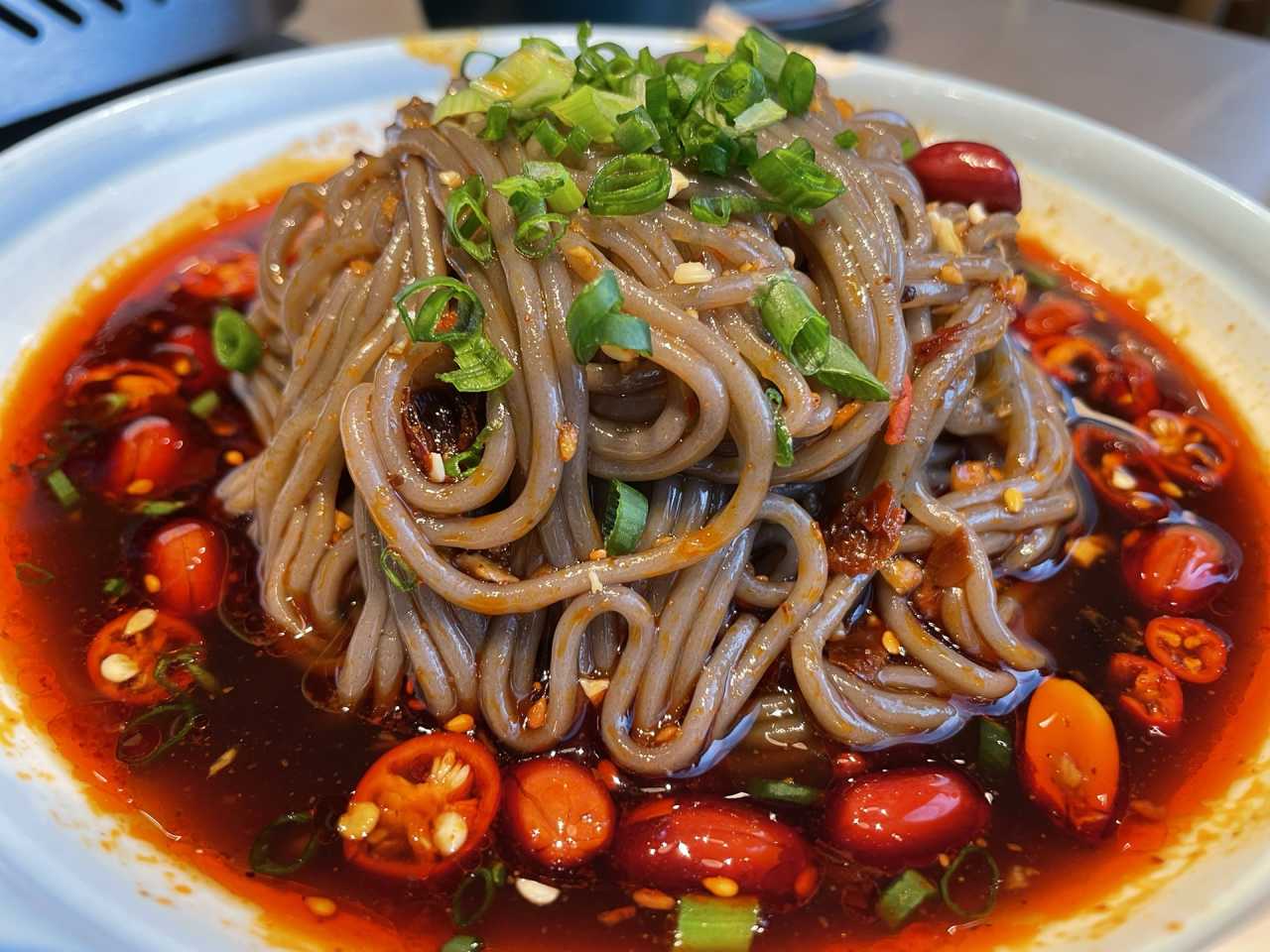
In the evening, we met a friend for dinner and a movie on Chunxi Road. I highly recommend the shrimp vermicelli, beef brisket pot, and pork intestine pot at Taode Clay Pot—they were all delicious. It was my first time seeing salad served with chili sauce; Chengdu people are truly creative with food. We didn't get home until well past midnight, guaranteeing that we wouldn't be waking up early the next day either.
Day 3: Jinsha Site Museum, People's Park, Kuixinglou Street
This time, we finally got up before lunch, so we didn't have to visit attractions on an empty stomach. We took a taxi to eat a type of fish in spicy fat (feichang yu). It was my first time trying a local hotpot dish, and it was unexpectedly delicious. If you don't know what to order, just go with a set meal; it comes out as a full pot.
After eating, we went to the Jinsha Site Museum. To be honest, if you have to choose between Jinsha and Sanxingdui, just go straight to Sanxingdui. Jinsha feels more like a park combined with a museum, and the exhibits aren't as stunning as those at Sanxingdui. Many of Chengdu's scenic spots have been transformed into this "attraction plus park" model, which is nice for a walk and some fresh air. However, on a weekday, the museum was full of elementary school students on study tours, chattering away, which wasn't the best experience.
We came out of the museum early, so we headed to Heming Teahouse in People's Park to drink tea and listen to opera, soaking in the local culture. It takes about an hour or two. If you're interested in the opera, you can also just have tea and book tickets for Shufeng Yayun or Furong Guocui separately.
By the time the opera finished, it was dinner time. It's not too far to walk from People's Park to Kuixinglou Street. Every single snack stall there was delicious. We ate our way from one end of the street to the other, only heading home after we were completely stuffed.
[Link: Chengdu street food guide for first-timers]
Day 4: Qingcheng Mountain and Dujiangyan Irrigation System
If you have enough time, I recommend staying overnight at Qingcheng Mountain. The mountain is cool and serene, perfect for a healing escape. The temperature is typically three to four degrees lower than in the city, so bring a jacket. The Dujiangyan Irrigation System is a marvel of ancient engineering and well worth a visit. You can easily spend a full day exploring both sites.
Day 5: Panda Base and Kuanzhai Alley
Today was all about pandas. We headed to the Chengdu Research Base of Giant Panda Breeding early to catch the pandas during their most active hours. Weekday visits mean fewer crowds and better viewing. Afterward, we strolled through Kuanzhai Alley, a historic area with traditional architecture, tea houses, and boutique shops. The slow pace here is perfect for decompressing.
Day 6: Du Fu Thatched Cottage and Huaxi Park
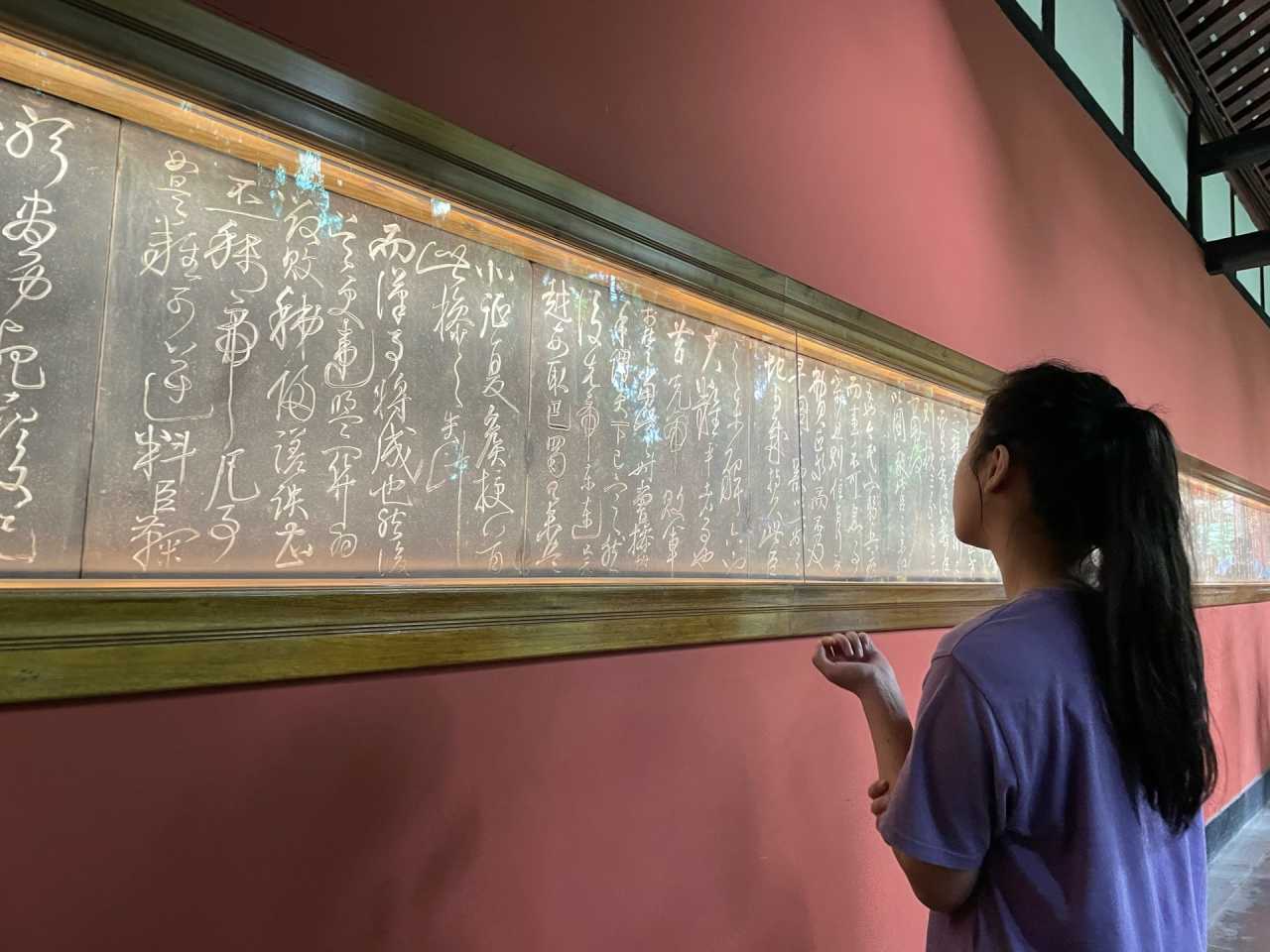
We visited Du Fu Thatched Cottage, the former residence of the famous Tang Dynasty poet. The gardens are beautiful and peaceful. Later, we walked to Huaxi Park for a relaxing afternoon. This is the kind of day that defines the Chengdu slow life—no agenda, just being present.
Day 7: Final Morning and Departure
Our last morning was spent sipping tea at a local teahouse and reflecting on the week. We took the scenic area bus to the airport for 20 RMB per person, a convenient and affordable way to end the trip.
[Link: How to get from Chengdu city to airport cheaply]
FAQ: Your Chengdu Travel Questions Answered
1. Is Chengdu expensive for a week-long trip?
Chengdu is surprisingly affordable compared to other Chinese cities. Budget around 300-500 RMB per day for food, attractions, and local transport. Homestays can be as low as 100 RMB per person per night if you split with friends.
2. What is the best time to visit Chengdu for fewer crowds?
 Weekdays are ideal. Avoid Chinese public holidays like May Day and National Day. Spring (March-May) and autumn (September-November) offer the best weather and fewer tourists.
3. Can I see pandas year-round?
Yes, but pandas are most active in cooler weather (under 25°C). In summer, they retreat to air-conditioned indoor areas. Visit early in the morning for the best chance to see them playing outside.
4. Do I need to speak Chinese to travel in Chengdu?
 Basic phrases help, but many tourist areas have English signs. Download a translation app and have your hotel address written in Chinese for taxis.
5. Is Chengdu safe for solo female travelers?
Yes, Chengdu is very safe. The city is friendly, and public areas are well-lit. Just take normal precautions like keeping valuables secure and avoiding poorly lit streets at night.
[Link: Solo travel safety tips for China]
Final Thoughts: Your Healing Journey Awaits
This trip was more than just a vacation—it was a reset. If you're in the unemployment gap or just need a break from the daily grind, Chengdu's slow life offers the perfect antidote. From spontaneous street food adventures to quiet mornings in ancient teahouses, every moment is a reminder that sometimes the best journeys are the ones you never planned.
Ready to start your own healing journey? Book your flight to Chengdu today, and don't forget to check the panda base schedule before you go. Your future self will thank you.
[Link: Book a Chengdu homestay now]
Note: This article is based on a real travel experience. Prices and schedules may vary. Always check official websites for the latest information.
You may also like


