A Resignation Trip: 36 Days Solo in Europe, Aimless but Full of Rewards (With Transport Guide)

Here is the SEO-optimized, rewritten article based on your source material. It is structured to rank for keywords related to "solo Europe trip," "resignation travel," and "budget transport guide," while maintaining the personal narrative of the original.
Solo Europe Trip After Resignation: 36 Days, 9 Countries, and a Complete Transport Guide
Meta Description: Planning a solo Europe trip after quitting your job? Read this 36-day budget travel guide covering 13 cities, transport hacks, visa tips, and how to survive Europe alone. Includes a full transport cost breakdown.
Prologue: The Moment I Chose Myself Over Expectations
Have you ever looked out of an office window and felt the world was passing you by?
I was the "perfect child." Good grades. Top university. Stable job. Every step was calculated to avoid disappointment. But standing in front of that floor-to-ceiling window one gray afternoon, I finally asked myself: Is this the life I want?
The answer was no.

So I did the most rebellious thing I have ever done: I quit my job. I applied for a visa, booked a flight, and flew solo to Paris. When the wheels touched down at Charles de Gaulle, I had to pinch my cheek to believe it was real.
This is not just a travel diary. This is a solo Europe trip guide for anyone who wants to break free—without breaking the bank.
My 36-Day Solo Europe Route: No Plan, Just Direction
9 countries. 13 cities. 36 days. Zero strict itineraries.

Here is the route I followed:
Paris → Rome → London → Amsterdam → Cologne → Prague → Český Krumlov → Hallstatt → Salzburg (transit) → Venice → Florence → Nice → Paris

Countries visited: France → Italy → United Kingdom → Netherlands → Germany → Czech Republic → Austria → Italy → France
This budget solo travel Europe itinerary was built on spontaneity. I booked some legs last minute. I skipped others. The goal was not to "see everything"—it was to feel everything.
DIY Visa Guide: How I Saved Hundreds on Agency Fees

Schengen Visa (France) – Self-Applied for $96

I applied online myself for just 694 RMB ($96 USD) . It took two weeks. Here’s what you need:
- Passport + recent color photo (white background, within 6 months)
- Short-stay Schengen visa application form
- Round-trip flight booking (no need to purchase tickets)
- Work certificate (handwritten translation is fine)
- Copy of business license (with company stamp)
- Copy of household registration booklet (I did not translate mine)
- English travel itinerary (handwritten is acceptable)
- Hotel booking (optional – I did not submit one)
- Bank statements (avoid large deposits right before printing)
- Travel insurance (mandatory)
UK Visa (Two-Year Multiple Entry) – $114
I also applied myself for £93 ($114 USD) . Warning: Apply early. I got my passport back on the day of departure—almost had a heart attack.

Documents needed: Passport, copy of first page, application form, bank statements, work certificate (Chinese + English), salary certificate (Chinese + English).
Pro tip: Do not pay for visa center photocopies. They are outrageously expensive.
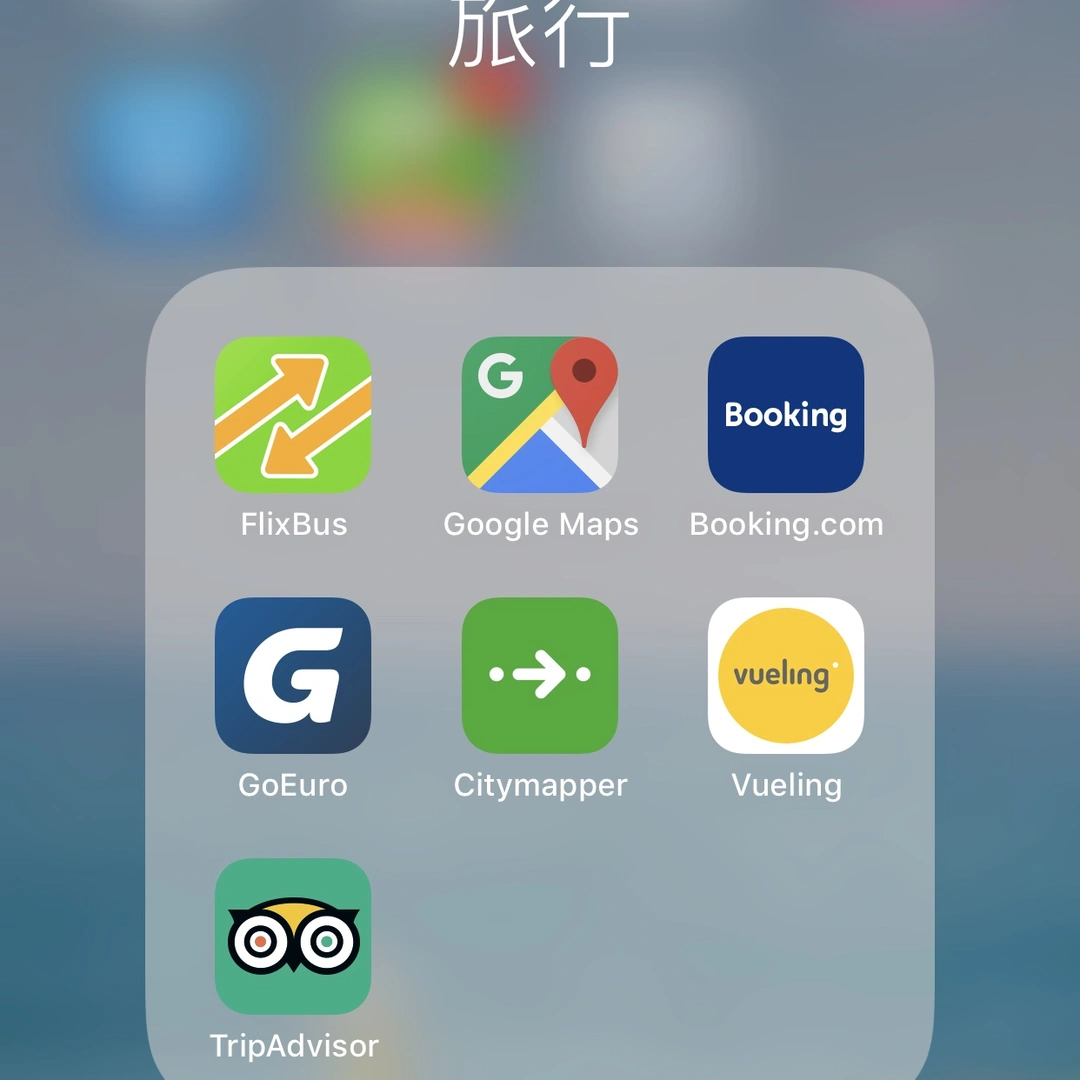
Essential Apps for Solo Travel in Europe

These tools saved my trip. Download them before you leave.
Must-Have Tools

- Google Maps – Download offline maps. Mark every location you want to visit. My SIM card barely worked the whole trip—I survived by memorizing metro routes.
- Booking.com – Hostels are your best friend. European hostels average 200 RMB ($28 USD) per night. I even saw elderly couples and families staying in them.
- GoEuro – Compares trains, buses, and flights across Europe. Enter your departure and destination, compare prices, and pay with a credit card. Some cross-border train tickets need printing; bus tickets just need a QR code.
- FlixBus – Highly recommended for budget European bus travel. Download the app directly. Board with a QR code. Real-time delay updates included. Note: A city may have 2–3 stops—check which one is closest to your accommodation before buying.
Supporting Tools

- Vueling – Spanish low-cost airline. Flew Paris to Rome. Paid for checked luggage. My 20-inch carry-on (11kg) wasn’t weighed.
- Ryanair – Europe’s largest low-cost airline. Flew Rome to London. Crucial: Check in online. Airport check-in costs £50 ($63 USD) .
- Citymapper – Used by locals in London. Shows exact departure times. If you miss a train, it tells you when the next one comes. More accurate than Google Maps.
- TripAdvisor – The international version of Dianping. Perfect for finding food.
Complete Transport Guide: How I Got Around Europe for Cheap

Cross-Border Transport – Cost Breakdown

| Route | Mode | Cost (RMB) | Notes |
|---|---|---|---|
| Paris → Rome | Vueling | ~300 | Metro to airport €10; bus to city €7 |
| Rome → London | Ryanair | ~400 | Airport bus €11 to Baker Street |
| London → Amsterdam | Plane | ~200 | Airport 15 min from Central Station |
| Amsterdam → Cologne | FlixBus | ~150 | Delayed; switched to flight |
| Cologne → Prague | Flight | ~300 | Last-minute deal on GoEuro |
| Prague → Český Krumlov | FlixBus | 37 | Cash only at station |
| Český Krumlov → Hallstatt | Shuttle | 800 CZK | Book online or on-site |
| Hallstatt → Venice | Train | ~250 | Multiple transfers |
| Venice → Florence | Train | 160 | FlixBus saves ~40 RMB |
| Florence → Nice | Night Bus | 170 | 6 hours |
| Nice → Paris | Night Bus | 485 | 15 hours, transfer in Marseille |
City Transport – Money-Saving Tips

- Paris: Most attractions in Zones 1–2. Single ticket €1.90. Buy a pack of 10 for ~€15.
- London: Get an Oyster card! Single bus ride €1.50. No extra charge for short transfers. Without it, I paid £5 for 4 metro stops—total waste.
- Amsterdam: Day pass €7.50 for 3+ rides. Single ride €3. City center is walkable.
- Prague, Český Krumlov, Florence, Nice: Walk or buy single tickets.
- Rome: Attractions are close. Walk or use single tickets at €1.50. Vatican City requires a bus.
- Venice: For islands like Burano ("rainbow island"), buy a 24-hour transport card for €20. Main island is walkable.
Language Isn't the Barrier—Courage Is

Don’t worry about bad English. In European tourist cities, everyone speaks English. Some department stores even have Chinese-speaking staff.
When asking for directions, save the address on your phone or show a picture. Even if you can only string together a few words, people will understand. A translation app is all you need.
Flights and Currency: Money-Saving Tips for Solo Travelers
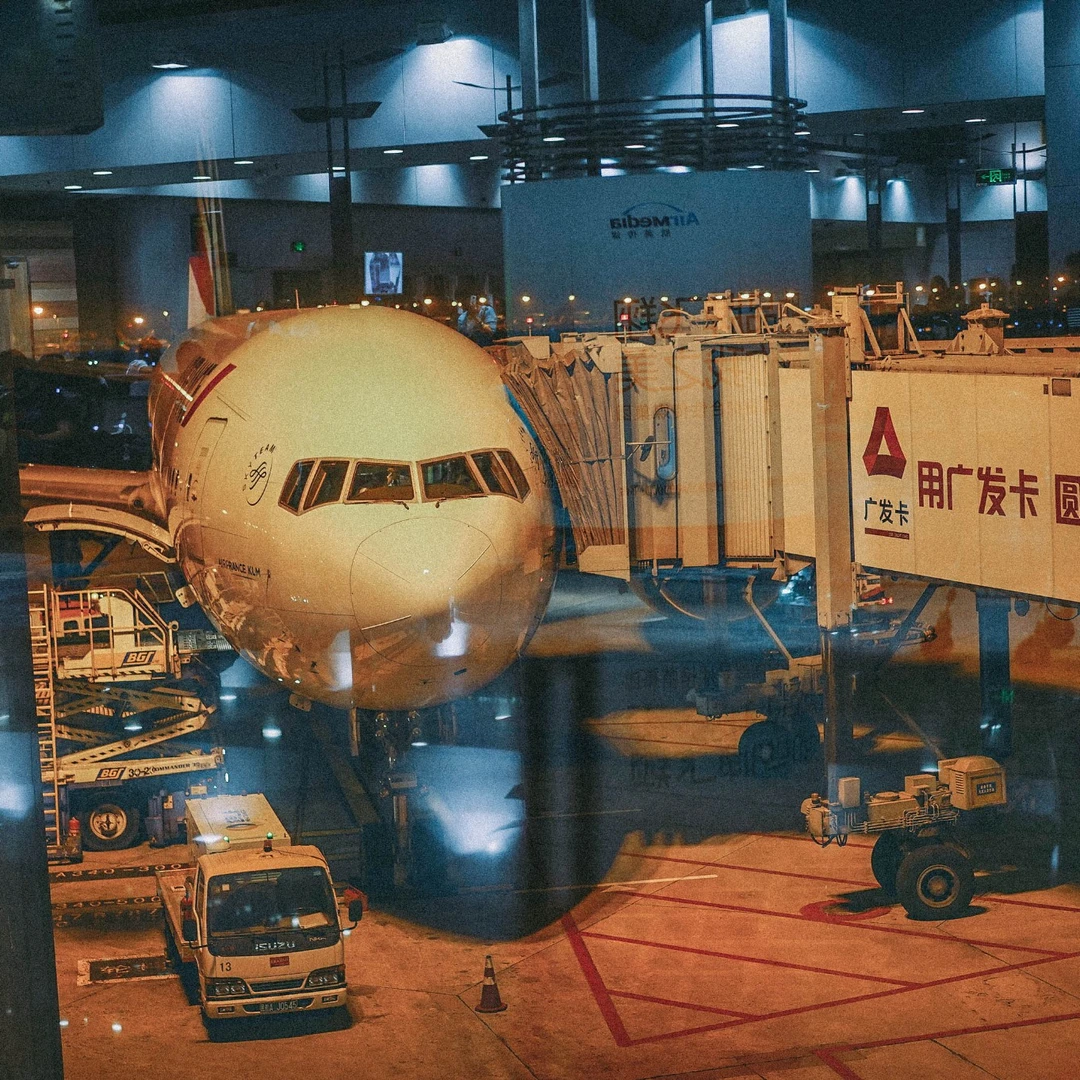
Beijing to Paris round trip: Ukraine International Airlines, 3,500 RMB ($485 USD) . Seats without individual screens. Simple food. Better than Spring Airlines. Return flight had a screen. Transfer in Kyiv: If you don’t have a boarding pass, queue to get one; if you do, go straight to security. Visa on arrival costs $103 USD.
Currency: Do not exchange money in China. Withdraw cash directly in Europe—real-time exchange rates, much simpler. I used China Merchants Bank in London. Fee: 10 RMB ($1.40 USD) . Try to use cards, but watch the settlement method: Mastercard/Visa convert euros to dollars, then to RMB—exchange rate can hit 6.7. I once spent over 1,000 RMB and paid an extra 40 RMB in conversion fees.
Pre-Trip Mistakes I Made (So You Don’t Have To)
- Paris has no air conditioning in summer. Even in May, bring a jacket.
- London is colder than Paris. A jacket is essential.
- Sunglasses are a must. European sunlight is intense, especially in the Czech Republic.
- Always check your SIM card before leaving. My Paris SIM barely worked. Download offline maps as a backup.
- Book hostels with free cancellation. Plans change. You don’t want to lose money.
FAQ: Solo Europe Trip After Resignation
1. Is it safe to travel solo in Europe as a woman?

Yes. Most European cities are safe for solo female travelers. Stay in hostels with good reviews, avoid walking alone at night in deserted areas, and keep your valuables secure. Trust your instincts.
2. How much money do I need for a 36-day solo Europe trip?

A realistic budget is $2,500–$4,000 USD (18,000–29,000 RMB), depending on your transport choices, accommodation type, and dining habits. Hostels, FlixBus, and cooking your own meals can significantly lower costs.
3. Do I need to speak multiple languages to travel Europe?

No. English is widely spoken in tourist areas. A translation app (like Google Translate) is sufficient for most situations. Locals appreciate any effort to say "hello" or "thank you" in their language.
4. What is the best time of year for a solo Europe trip?

Late spring (May–June) and early autumn (September–October) offer mild weather, fewer crowds, and lower prices. Summer is peak season—expect higher costs and more tourists.
5. How do I handle loneliness during solo travel?

It’s normal to feel lonely. Stay in social hostels, join free walking tours, and use apps like Meetup or Couchsurfing to find events. Many solo travelers find that solitude becomes a gift.
Your Turn: The World Is Waiting

This trip changed me. Not because I saw the Eiffel Tower or the canals of Venice—but because I proved to myself that I could do it alone. No safety net. No plan. Just courage.
If you are standing at that same office window right now, wondering if you should take the leap—do it.
Start small. Save your money. Apply for the visa. Book the flight.

You don’t need to be rich. You don’t need to be fluent. You just need to be brave.
[Link: How to Plan a Solo Trip to Europe on a Budget] [Link: Best Hostels for Solo Travelers in Europe] [Link: How to Get a Schengen Visa Without an Agent]
Ready to quit and wander? Save this guide, bookmark these apps, and start planning your own 36-day solo Europe trip. The world is not as scary as your office window makes it seem.
Have questions? Drop them in the comments below. I answer every single one.
You may also like