A Quick Escape: Eating Our Way Through Chengdu, Emei, and Leshan – A Three-Day, Two-Night Sichuan Highlight Tour
Meta Description: Discover the ultimate 3-day Sichuan itinerary covering Chengdu nightlife, Mount Emei's Golden Summit, and the Leshan Giant Buddha. Expert tips on food, tickets, and hidden gems for a perfect weekend escape.
Have you ever felt that suffocating pressure from work, only to have a business trip suddenly offer the perfect escape? That was me in mid-June. A training session brought me to Chengdu, and a friend's invitation to Leshan turned a work obligation into an unforgettable three-day, two-night adventure through Sichuan's most iconic destinations. From Chengdu's bustling night markets to Mount Emei's misty peaks and the Leshan Giant Buddha's spiritual presence, this concentrated itinerary proves you can experience three cities in just 72 hours—without wasting a single minute or missing a single bite.
Why This Three-Day Sichuan Itinerary Works
This trip piggybacked on a work assignment, with my friend covering food, accommodation, and transport. While cost references are limited, I'll share honest ticket prices, lodging tips, and practical advice for anyone planning a similar "quick escape."

My rhythm went like this: - Day 1: Evening exploration (4 PM onward) – Kuanzhai Alley night visit - Day 2: Wuhou Shrine → Jinli Ancient Street (evening to night) - Day 3: Half-day at Taikoo Li → High-speed rail to Mount Emei → Golden Summit - Day 4: Morning views at Mount Emei → Leshan Giant Buddha (by boat) → Return
The Chengdu spots are surprisingly close together. With full daylight, you could cover them in one day. But since I could only "break free" after 4 PM daily, spreading them over two and a half days created a pleasantly relaxed pace.
Chengdu: Where Ancient Charm Meets Modern Energy
Kuanzhai Alley Night Visit: More Vibrant After Dark
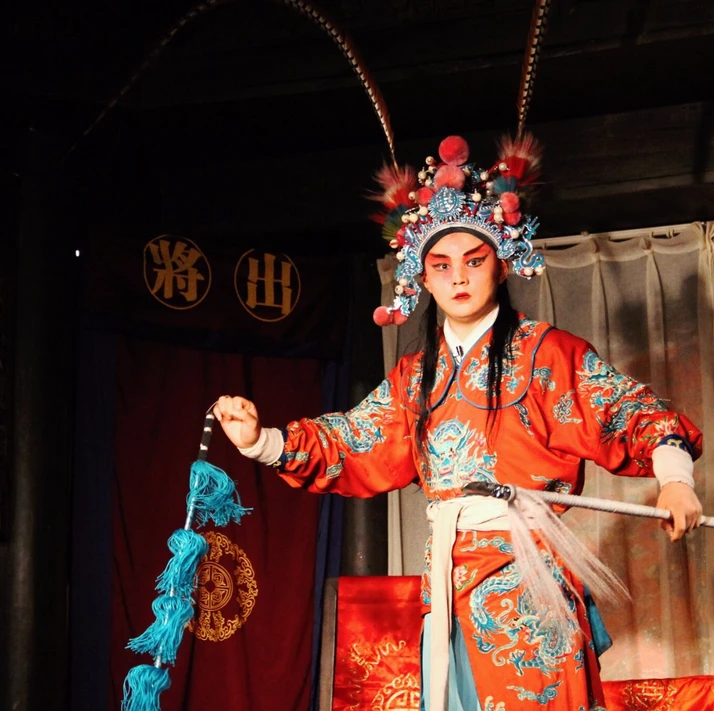
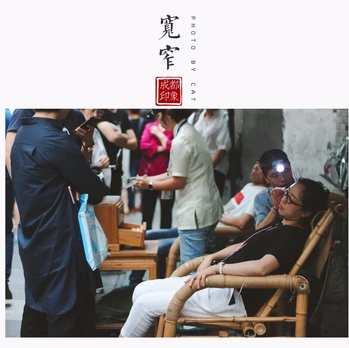
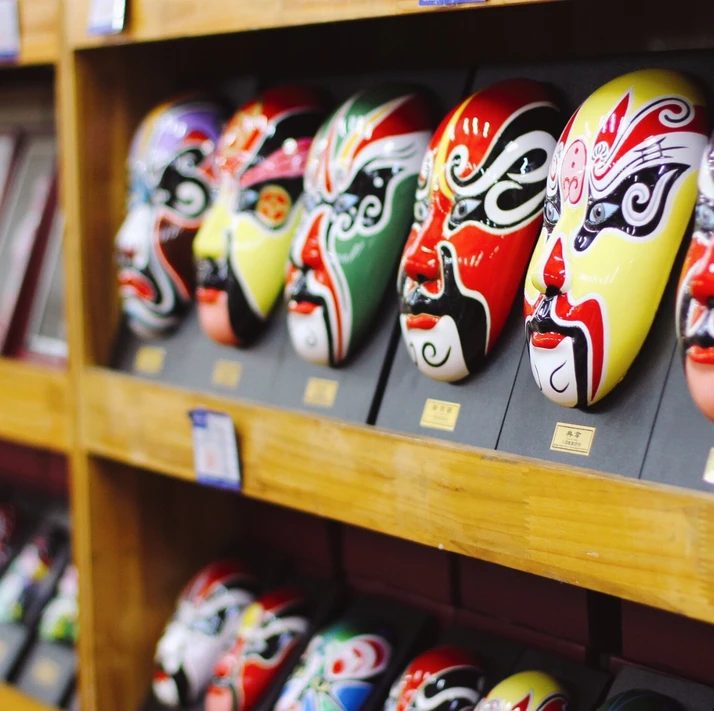
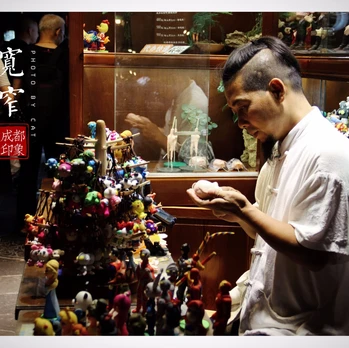
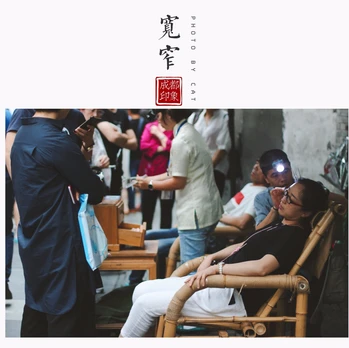
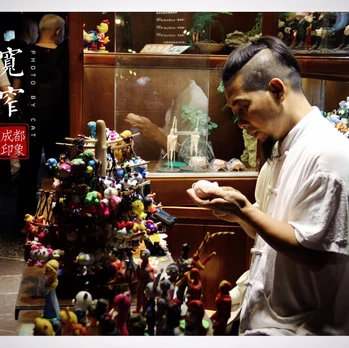
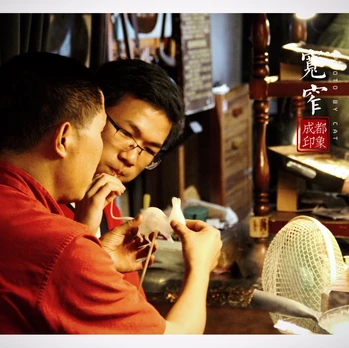
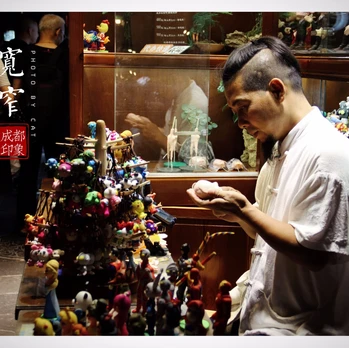
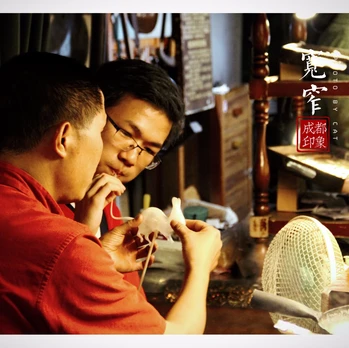
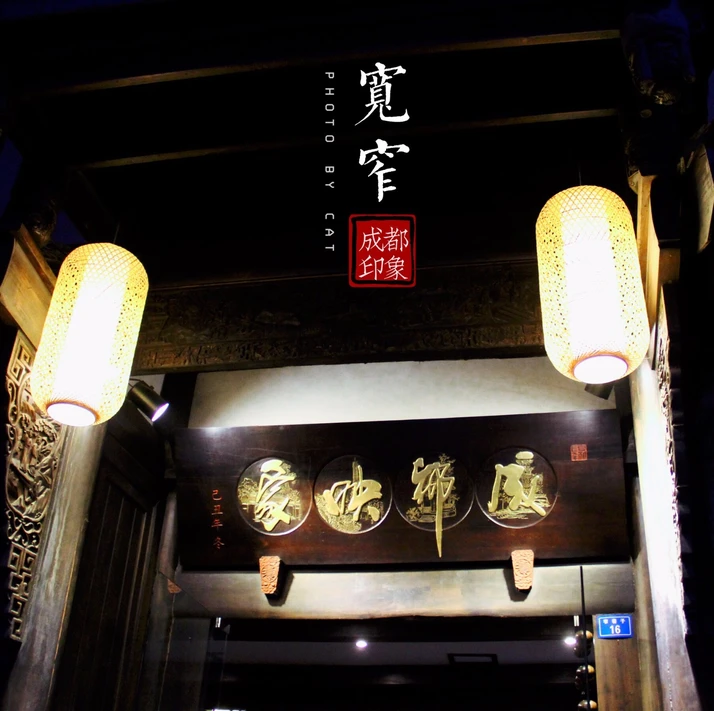
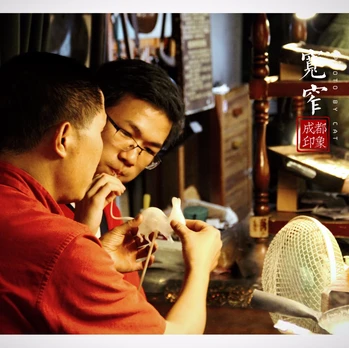
As Chengdu's "signature face," Kuanzhai Alley (Kuanzhai Xiangzi) comes alive at night. The old buildings with blue bricks and black tiles glow under neon lights, while hotpot aromas and folk music drift from restaurants and bars. Street performers—ear-cleaning masters, sugar-figure artisans, and Sichuan opera musicians—create an atmosphere that screams "Chengdu's night has only begun."
Dining tip: A friend recommended "Chengdu Impression" (Chengdu Yinxiang). The ambiance is elegant, dishes authentic, and at 8 PM, a Sichuan opera performance begins. Our group of five sat on the third floor without queuing, though service felt a bit "cool"—understandable when business is booming.
Must-order dishes: - 水煮鱼片 (Sichuan boiled fish fillets) – Numbing, spicy, fragrant, with tender fish - 宫保鸡丁 (Kung Pao chicken) – Sweet, sour, mildly spicy, with crispy peanuts
When the performance started, we ran downstairs to join the crowd, thoroughly enjoying face-changing opera and comic skits. After eating, we continued strolling. Chengdu's night scenery is beautiful but crowded. Compared to Jinli, Kuanzhai Alley offers better photo opportunities—soft lighting, clear architectural outlines, and atmospheric shots everywhere.
Around 10 PM, a friend suggested visiting that little bar Zhao Lei sang about, hoping to catch the China vs. Syria football match. But without reservations, we couldn't get through the door—it truly lives up to its "hottest spot" reputation. We found a random small bar, ordered mojitos, watched the match, and didn't return to the hotel until 1 AM. Chengdu's nights are that casual and carefree.
[Link: Best bars in Chengdu for nightlife]
Wuhou Shrine: Red Walls, Bamboo Shadows, and Historical Solitude
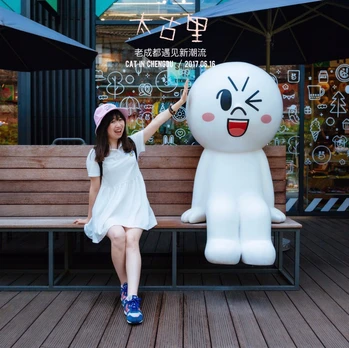
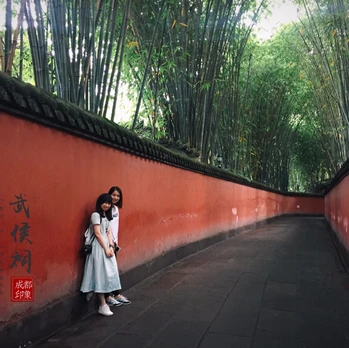
Wuhou Shrine (Wuhou Ci) is China's only temple dedicated to both a ruler and his ministers, and the world's most influential Three Kingdoms heritage museum. The entrance fee is 60 RMB—a bit steep—but I came with a clear goal: to see the legendary "red walls and bamboo shadows" and then head to nearby Jinli for street food.
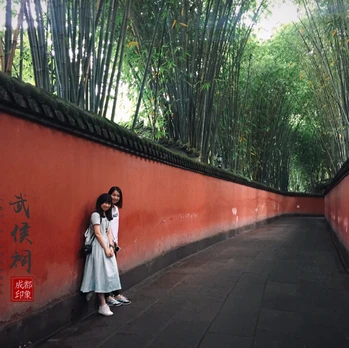
Timing tip: Wuhou Shrine closes at 6 PM. I arrived at 5 PM, which allowed me to capture pristine red walls and bamboo shadows without crowds—during daytime, this spot is a "sea of heads." Sunlight filtered through bamboo leaves onto the red walls, creating dappled shadows, and the silence was so deep you could hear the wind.
Since I didn't rent an audio guide, I wandered with a half-baked understanding. But even for non-Three Kingdoms fanatics, you can feel the elegance and weight of history here. The statues of civil officials and military generals are powerful and imposing. My advice: Rent an audio guide at the entrance. Combining history with scenery is the only way to justify that 60 RMB ticket.
[Link: Three Kingdoms history sites in Chengdu]
Jinli Ancient Street: Chengdu's "Qingming Riverside Scroll"
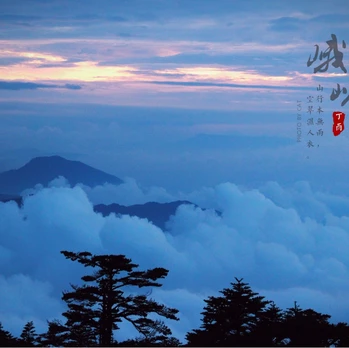
Exiting Wuhou Shrine, Jinli Ancient Street is just steps away. Known as Chengdu's version of the famous "Qingming Riverside Scroll," the entire street is lined with traditional snacks and handicrafts. However, the snack alley has questionable hygiene—a bit messy and dirty.
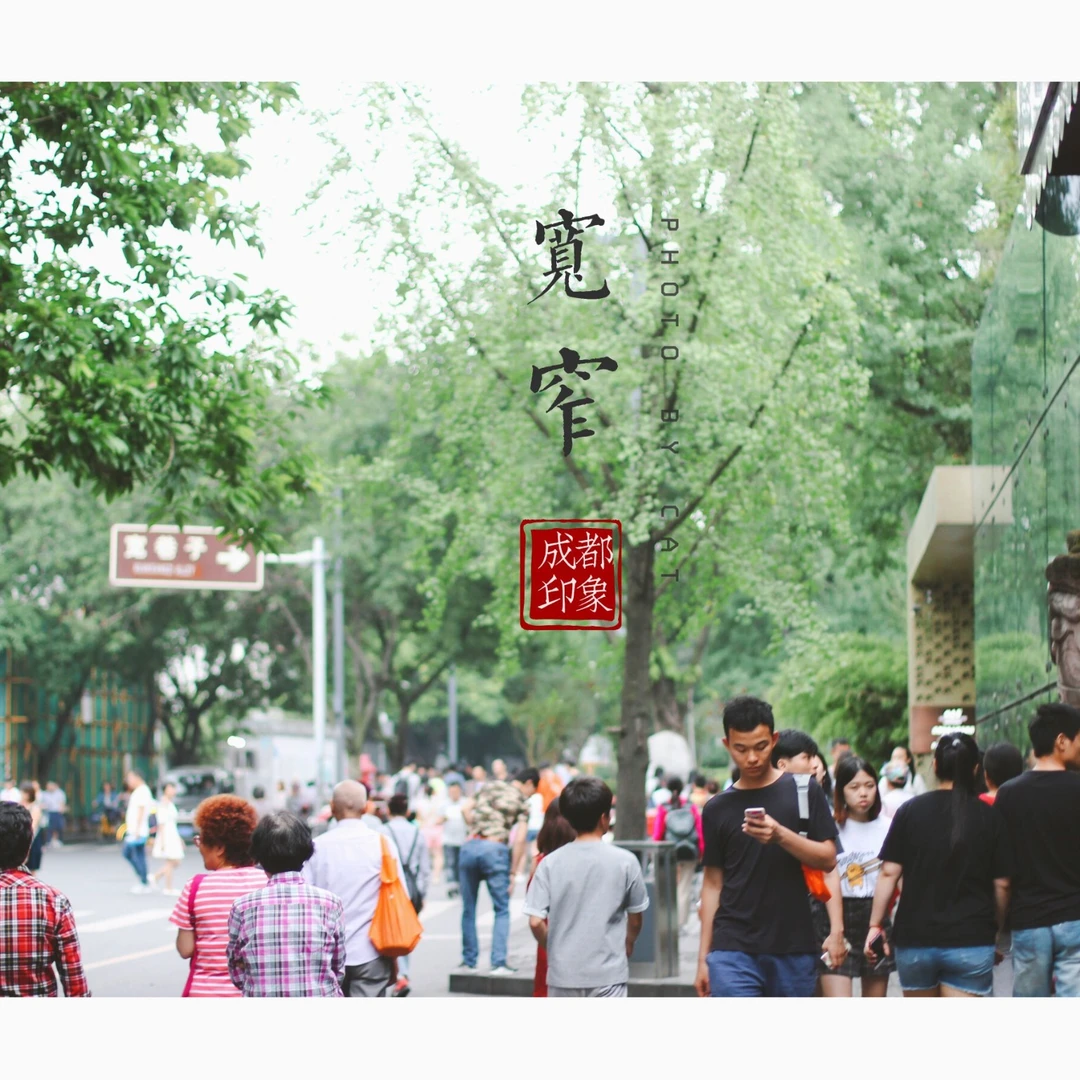
Look up, and you see classical architecture; look down, and you see a sea of people—even more crowded than Kuanzhai Alley. This density can dampen your "eating your way through" enthusiasm. Still, snacks are cheaper than at Kuanzhai, and walking the entire street will leave you stuffed.
It had been drizzling for two consecutive days in Chengdu, and since I still had work, we grabbed a quick bite and headed back early.
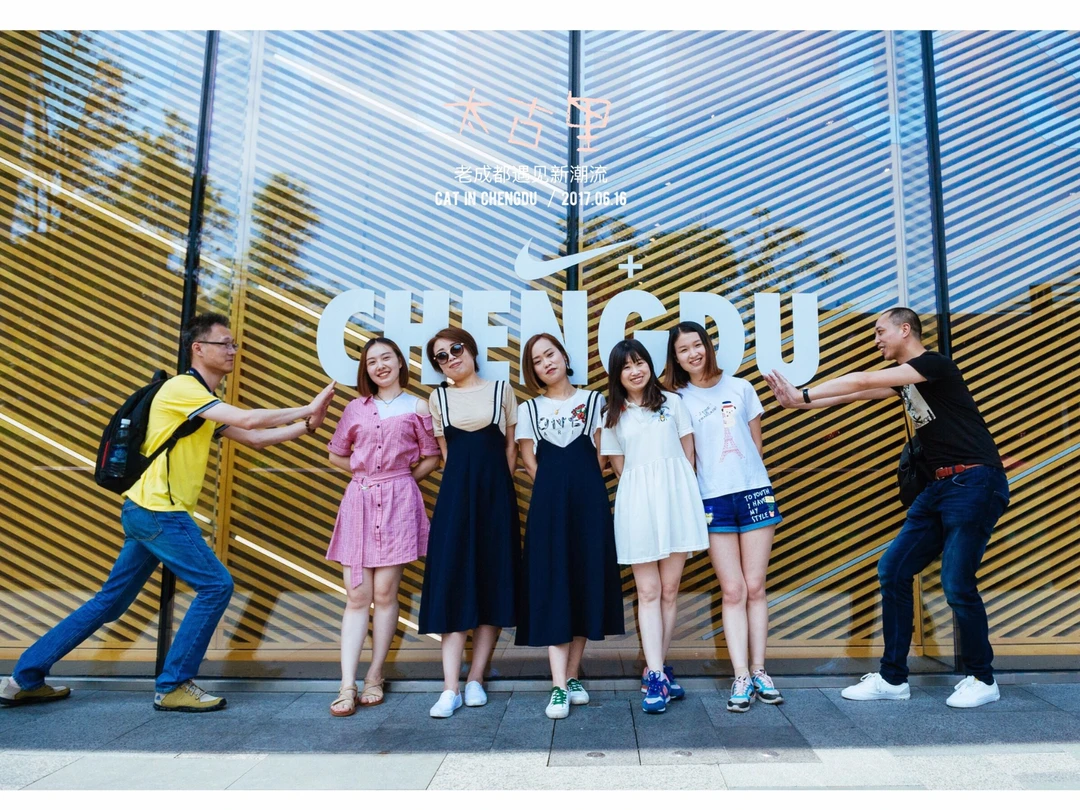
Taikoo Li: Half-Day Photoshoot and a New Way to Experience Chengdu
On the last work day, the weather cleared. I booked a half-day tour package online for 198 RMB—great value for money.
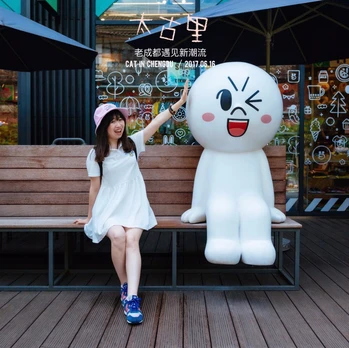
From 9:30 AM to 12:30 PM, a photographer led us through Taikoo Li, Daci Temple, Chongde Lane, and other neighborhoods where old and new intertwine. We tasted covered-bowl tea (gaiwan cha), visited trendy shops, walked through old-market vegetable stalls, and ate local specialties. The best part? A photographer followed us the whole time, so I didn't need my own camera. The guides doubled as tour leaders and photographers—hardworking and professional.
Food highlight: They took us to eat 贺记蛋烘糕 (He Ji egg puffs) – crispy on the outside, sweet and fragrant on the inside.
The tour ended at Chunxi Road, where we caught a distant glimpse of the famous climbing panda on the IFS building.
Bonus service: Since I had to catch a high-speed train to Emei, the guides gave me timing advice, and the photographer helped me find luggage storage. When it was time to leave, worried about my rush, he even retrieved my luggage separately and brought it to the subway entrance—I was genuinely touched.
[Link: Taikoo Li shopping and photography tours]
Mount Emei: Above the Golden Summit, Clouds and Faith
From Chengdu to Emei, it's an hour and a half by high-speed rail. Emei Station is a clean, pretty little station that immediately lifts your spirits.
My friend Dandan drove from Leshan to pick me up, covering my food, accommodation, and transport for the next two days. I felt a bit embarrassed but strongly invited her to visit Changsha next time.
Time-saving tip: Since time was tight, we drove directly from the high-speed rail station up the mountain, then took a short cable car ride straight to the Golden Summit (Jinding). The entrance fee and cable car costs are reasonable, but booking in advance during peak season is essential.
The Golden Summit offers breathtaking views—clouds swirling below your feet, the golden statue of Samantabhadra Bodhisattva gleaming in the sunlight. Even for non-religious visitors, the spiritual atmosphere is palpable. Sunrise here is legendary, but even afternoon visits deliver stunning panoramas.
[Link: Mount Emei Golden Summit travel guide]
Leshan Giant Buddha: A Boat Ride to Ancient Majesty
From Mount Emei, we drove to Leshan—about an hour. The Leshan Giant Buddha (Leshan Dafo) is a UNESCO World Heritage site, and the best way to appreciate its scale is by boat.
Boat tour tip: Skip the crowded walking path and opt for a boat ride. For around 70-120 RMB, you get a 30-minute cruise that provides the perfect photo angle of the entire Buddha. The boat also passes by the "sleeping Buddha" mountain formation—a natural silhouette that resembles a reclining Buddha.
The Giant Buddha is 71 meters tall, carved into the cliff face during the Tang Dynasty. Seeing it from the water, with the river flowing beneath and mountains rising behind, you understand why it's considered one of China's greatest ancient engineering feats.
[Link: Leshan Giant Buddha boat tour vs walking]
FAQ: Planning Your Three-Day Sichuan Trip
1. Is three days enough to see Chengdu, Mount Emei, and Leshan?
 Yes, but it requires efficient planning. Focus on one major attraction per day: Chengdu city sights on Day 1, Mount Emei Golden Summit on Day 2 (morning), and Leshan Giant Buddha on Day 3 (afternoon). Use high-speed rail between cities.
2. What's the best time to visit Mount Emei?
 June through October offers the best weather. Avoid Chinese holidays (May Day, National Day) when crowds peak. Early morning visits to the Golden Summit provide the clearest views.
3. How much does this trip cost?
 Budget approximately 1,500-2,500 RMB per person (excluding international flights). This includes entrance fees (Wuhou Shrine 60 RMB, Mount Emei 160 RMB, Leshan Buddha 80 RMB), high-speed rail (Chengdu to Emei ~65 RMB), accommodation, and food.
4. Can I visit the Leshan Giant Buddha without climbing?
 Absolutely. The boat tour is the most popular option for time-pressed travelers. It offers the best photo opportunities and takes only 30 minutes.
5. What should I eat in Chengdu besides hotpot?
Must-try dishes include dan dan noodles, mapo tofu, twice-cooked pork, and egg puffs (he ji dan gao gao). For street food, visit Jinli Ancient Street or Kuanzhai Alley.
Your Turn: Plan Your Sichuan Escape Today
This three-day, two-night itinerary proves you don't need weeks to experience Sichuan's magic. Whether you're squeezing in a business trip extension or planning a weekend getaway, Chengdu's night markets, Mount Emei's spiritual peaks, and the Leshan Giant Buddha's ancient majesty await.
Ready to book? Start with high-speed rail tickets between cities, reserve your Mount Emei cable car in advance, and book a half-day Taikoo Li tour for stress-free photography. Your Sichuan highlight tour is just a click away.
Pro tip: If you're visiting during summer, pack light layers—Chengdu is humid, but Mount Emei's summit can be chilly even in June.
[Link: Book your Sichuan tour package] [Link: Chengdu to Mount Emei high-speed rail schedule] [Link: Leshan Giant Buddha boat tour tickets]
Have you done a similar quick escape through Sichuan? Share your tips in the comments below!
You may also like


