A Private Haven of Leisure | A Lesser-Known May Day Road Trip: Four Days Through Mianyang, Jiangyou, and Pingwu
Meta Description: Discover a hidden Sichuan road trip from Mianyang to Pingwu—budget-friendly, crowd-free, and packed with culture, nature, and local cuisine. Perfect for a long weekend escape under $150.
Every May Day holiday presents a familiar dilemma: brave the tourist crowds or stay home with a tinge of regret. This year, I started planning three months in advance and found my answer in an unexpectedly affordable flight—Mianyang, Sichuan. Round-trip from Yangzhou Taizhou Airport, the total cost was under 1,000 RMB (approximately $140 USD), taxes included, and I didn’t even need to take time off work. For a nine-to-five worker, it felt like a godsend. Even more surprising was discovering that this hidden gem of a city, overshadowed by the dazzling scenery of western Sichuan, offers the perfect blend of culture, nature, and cuisine.
This four-day Mianyang road trip itinerary takes you through Jiangyou and Pingwu, revealing lesser-known attractions, ancient temples, and mouthwatering local food—all without breaking the bank.
Itinerary at a Glance: Mianyang to Pingwu Road Trip
- Day 1: Nanjing → Yangzhou Taizhou Airport → Mianyang (Mianyang Museum, Fule Mountain Park, Yuewang Tower night view)
- Day 2: Mianyang → Jiangyou → Baima Tibetan Township, Pingwu County (Shengshui Temple, Luohan Temple, Li Bai's Former Residence)
- Day 3: Baima Tibetan Township → Pingwu County (Baima Wanglang Nature Reserve, Bao'en Temple)
- Day 4: Pingwu County → Mianyang → Yangzhou Taizhou Airport (Dongmen Farmers' Market)
Day 1: From a Harrowing Dash to Pure Comfort in Mianyang
A Race Against Time at Yangzhou Taizhou Airport

Taking a taxi from Yangzhou East Station to the airport, we hit an unexpected roadblock: the highway entrance, normally wide open, was closed. The GPS kept mechanically repeating, “You have deviated from the route.” My companion and I exchanged worried glances, quickly switched to a different navigation app, detoured through country roads, and simultaneously contacted Didi customer service. We finally burst into the terminal just 33 minutes before takeoff—luckily, Yangzhou Taizhou Airport is small, and security plus boarding took only five minutes. Later, we learned that a major music festival in Jiangdu District had caused road closures that navigation data hadn’t updated in time. To Didi’s credit, they settled the fare at the original price afterward—a surprisingly smooth resolution.
Mianyang Museum: An Underrated Treasure in Sichuan
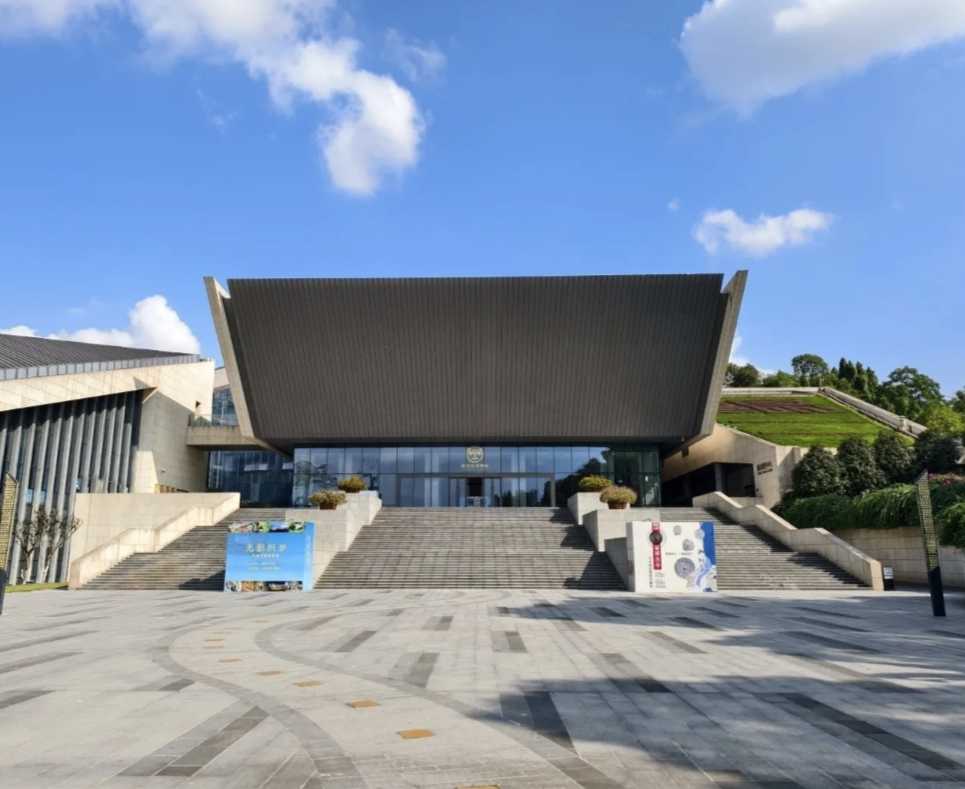
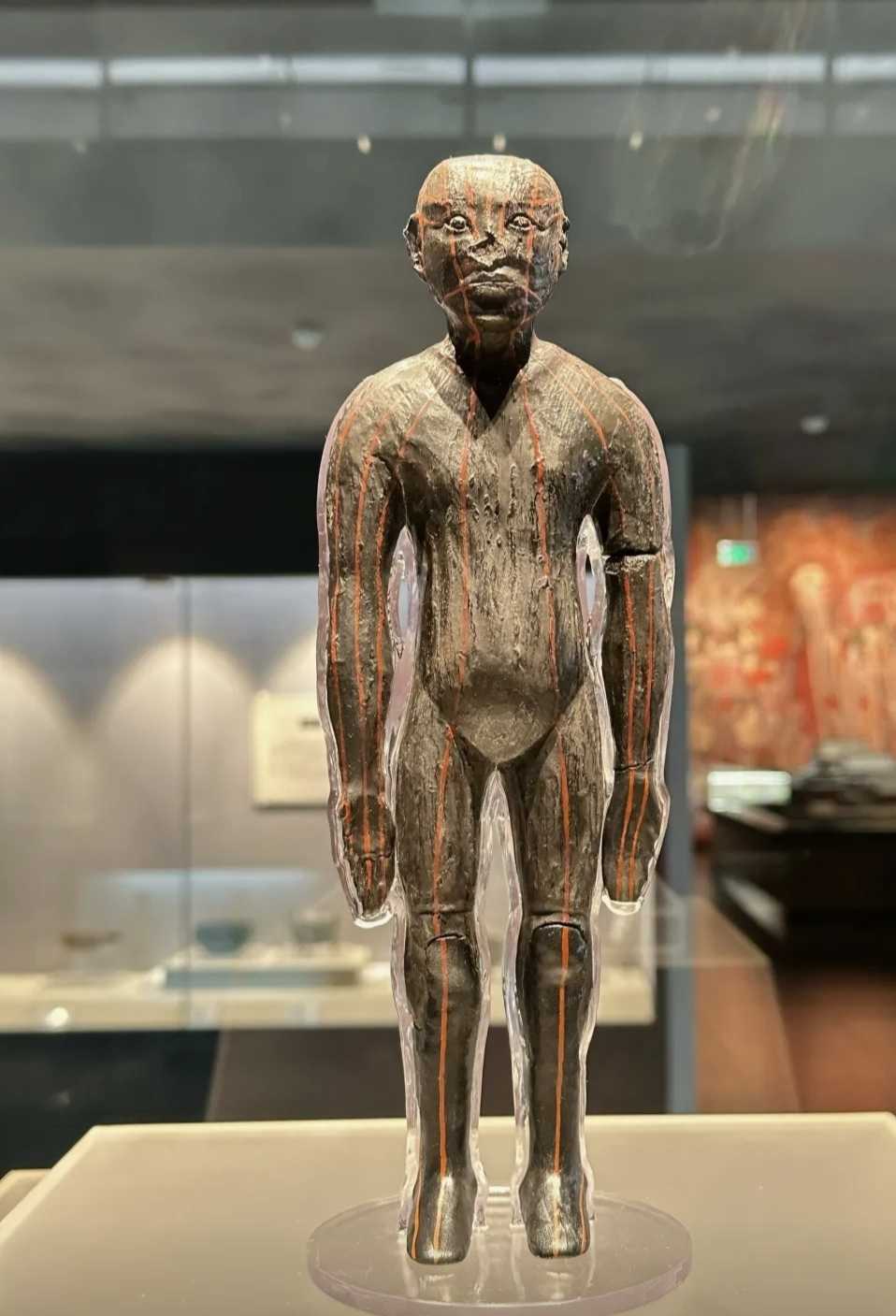
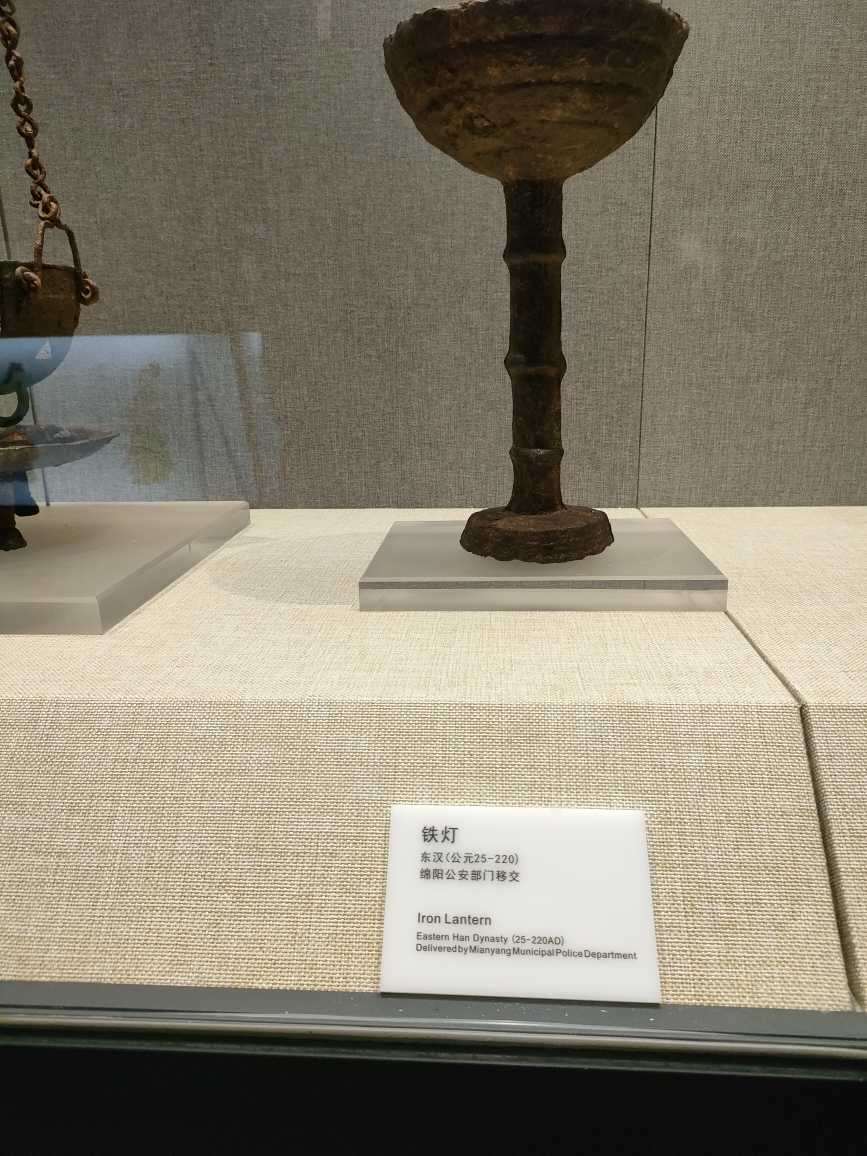
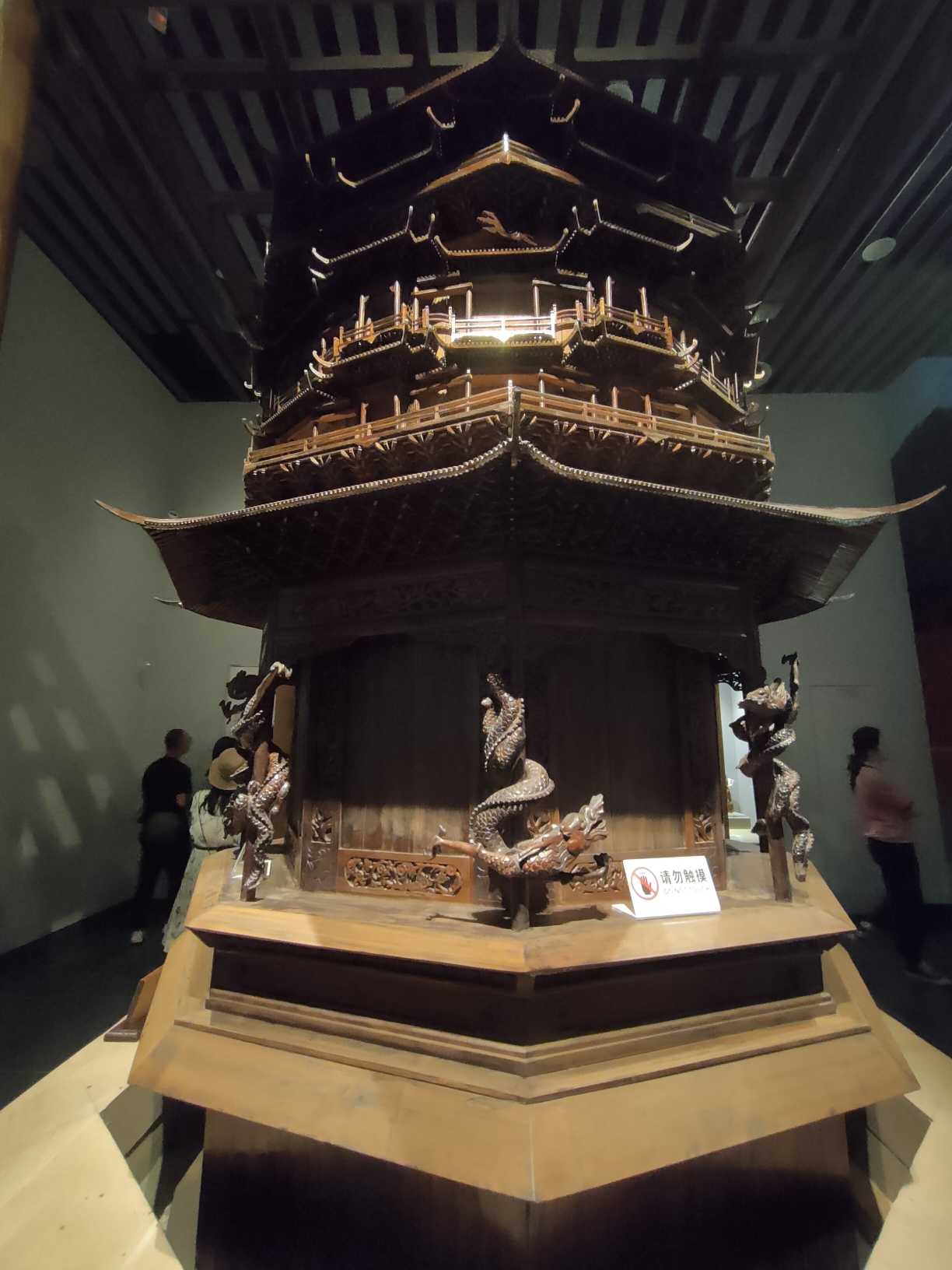
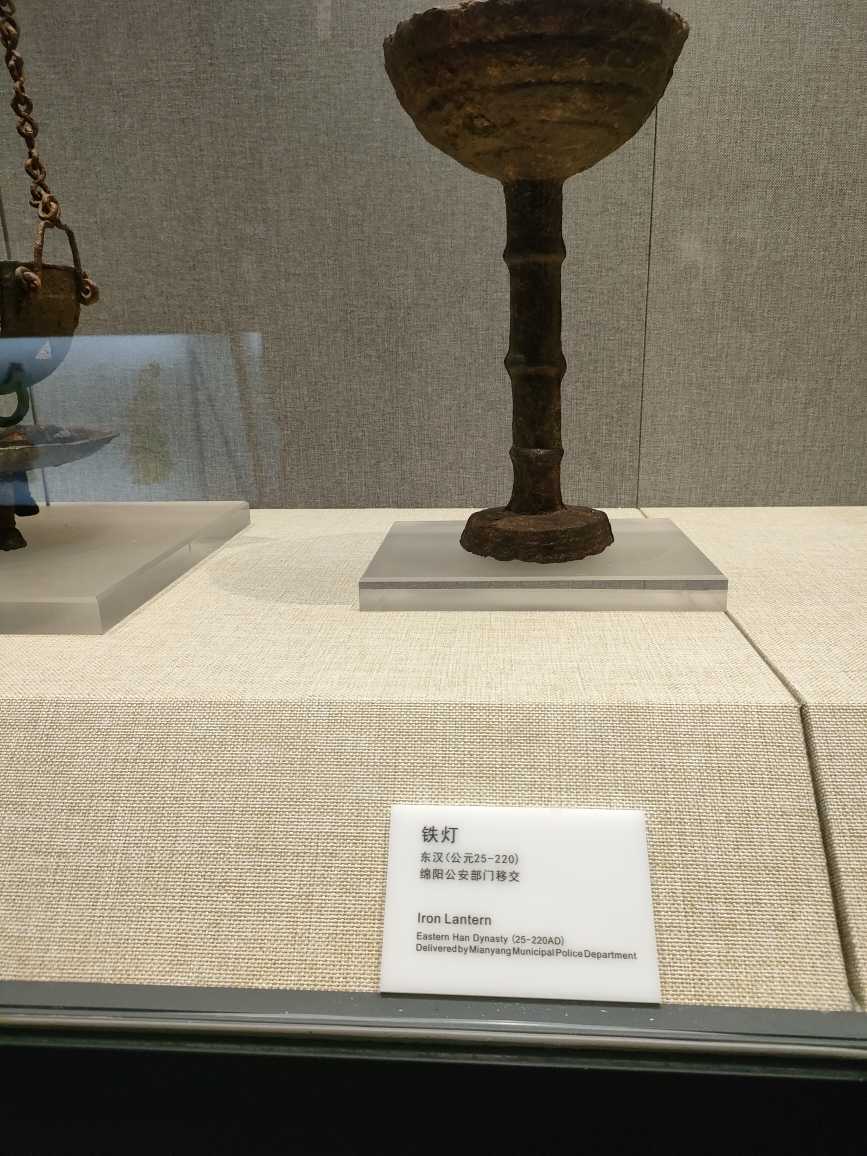
We landed at 2 PM, picked up our rental car, and drove straight to Mianyang Museum. No reservations needed, no ticket grabbing—just walk in. Even during the May Day holiday, the crowd was sparse, like shopping at an empty supermarket. Though the museum isn’t large, its exhibits are remarkably high-quality, especially three special themed halls:
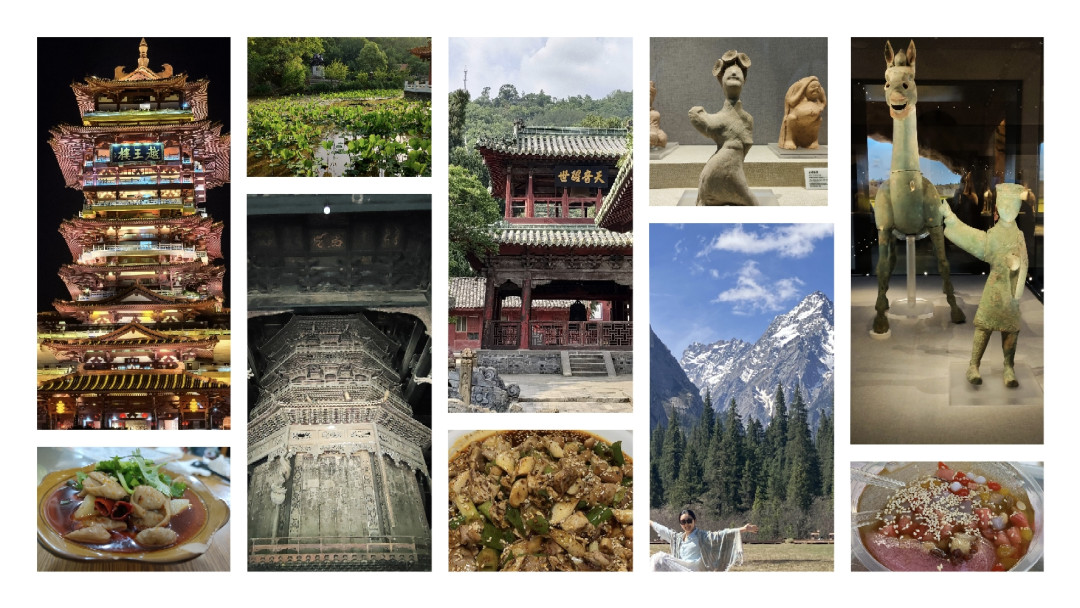
Cliff Tomb Hall: A stone carving of “a dog catching a mouse” came with an animated explanation that was both vivid and fun. The various pottery figurines, dancing and gesturing, seemed to embody the laid-back Sichuanese spirit of “if the sky falls, let’s play a few rounds of mahjong first.”
Han Dynasty Horse Hall: This hall displayed 66 excavated pottery horses, with a total count reportedly exceeding 90—if all were shown, the impact would be even more stunning. The bronze horse-leading figurine is the museum’s crown jewel and the largest, most complete Han Dynasty bronze horse in China. From the front, it looks endearingly chubby, similar in style to Gansu Provincial Museum’s famous “Galloping Horse Treading on a Flying Swallow.” A volunteer guide, an enthusiastic older gentleman, explained everything—from jade burial suit fragments to seven-orifice jade plugs—and speculated that the tomb owner must have been of royal or noble rank. But since no historical records mention it, it remains an unsolved mystery.
Money Tree Hall: This was a veritable collection of “coin strings,” showing just how much effort ancient people put into ensuring their wallets stayed full. It’s a shame the museum’s merchandise development is so laid-back—such great intellectual property, yet no souvenirs to be found. [Link: Mianyang Museum official website or travel guide]
Fule Mountain: A Free Paradise for Nature Lovers
We hadn’t planned on hiking, but the thought “since we’re here” got the better of us, and we turned into Fule Mountain Park. The leisurely vibe of Sichuanese people was everywhere—tea houses were packed with people chatting over cups of tea. We picked a wild path and started climbing. Around a bend, a wide lake suddenly appeared, lush with aquatic plants. The mosquitoes were also generous, leaving me with several big bites. When we reached a grassy slope, I gave up completely while my companion kept going. While waiting, I spotted a red bottlebrush flower that looked like a rambutan fruit, native to Australia—apparently, the humidity here rivals that of Guangdong and Guangxi.
Yuewang Tower Night View and Local Flavors
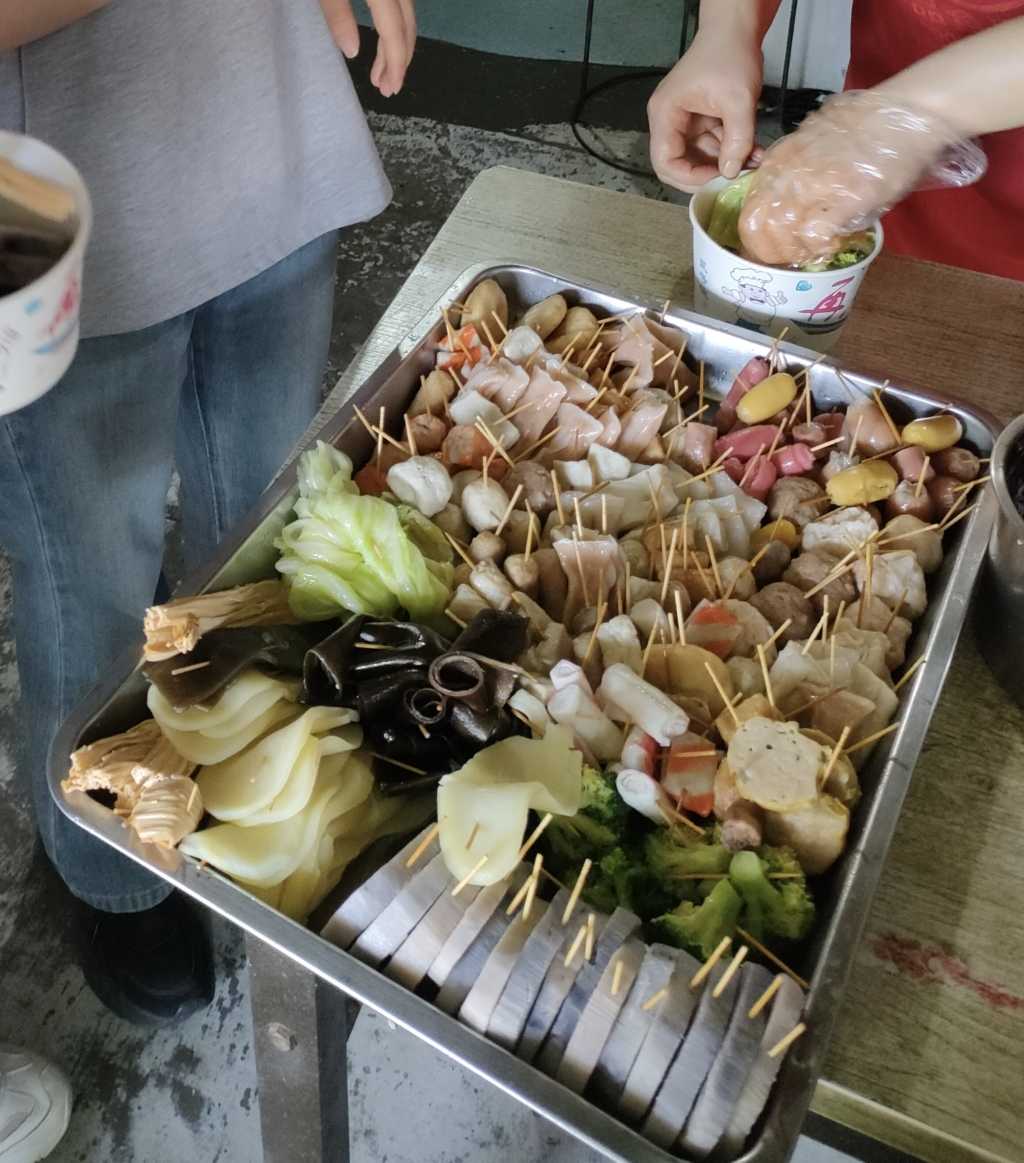
For dinner, we chose “Aunt Juan’s Clay Pot Dishes,” a local favorite with an 81% approval rating. The open kitchen was clean and inviting. The clay pot chicken with taro was so tender it practically melted in the mouth, and the cold rabbit salad drenched in chili oil had an aroma that hit you right in the senses—it blew everything else out of the water. When the bill came, it was less than 30 RMB (about $4 USD) per person, making me feel like I was back in middle school, eating at budget hotpot joints.
After dinner, we strolled to Tieniu Square. The nightlife of Sichuan and Chongqing people lives up to its reputation: people dancing, singing, playing ball games—a lively, bustling scene. Walking onto the Dongfanghong Bridge, the western bank featured a massive light display across a dozen high-rises, showing the four seasons in rotation. I couldn’t help but watch through spring, summer, autumn, and winter before moving on. In front of Yuewang Tower, we stumbled upon a ping-pong table set up right in the middle of the road. That kind of relaxed, carefree attitude was something to envy. [Link: Things to do in Mianyang at night]
Day 2: Temples, a Poet's Home, and a Hidden Mountain Village
Shengshui Temple and Luohan Temple: A Clash of Modern and Traditional
Breakfast was at “Dehua Kaiyuan Rice Noodles.” The chicken broth rice noodles were thin, soft, and fragrant, served with shredded seaweed and self-serve houttuynia cordata (fish mint)—decent but nothing special. Later, I noticed the character “化” in the shop’s name was wrong, so I’m not sure if we stumbled into a knockoff.
Shengshui Temple and Luohan Temple are Instagram-famous spots in Mianyang. We parked at Xialongxi Village Committee, walked along country paths, crossed a railway line, and entered through the west gate. At the entrance, a datura flower that looked like a loofah gourd hung from a vine. Legend has it that this plant is linked to knockout potions and ancient anesthetics, adding a touch of mystery to the temple grounds. The four-sided Thousand-Armed Guanyin (Goddess of Mercy) in the Great Compassion Hall was awe-inspiring—out of respect, we didn’t take photos, but the solemnity of the ancient wood and the hall itself was unforgettable.
Luohan Temple’s iconic reclining Buddha was impressive both in person and in photos, and the cluster of white pagodas gave the illusion of being in Thailand. At noon, we had the temple’s 10 RMB (about $1.40 USD) vegetarian buffet. The selection wasn’t large, but the Sichuan-style seasoning gave the simple vegetables a surprising depth of flavor.
Li Bai's Former Residence: A Disappointing Tourist Trap
Driving to Jiangyou, we first stopped at “Pengxiang Intestines Specialty Chinese Restaurant.” The garlic-mashed pork belly looked intimidating with its chili oil, but it was fragrant without being overly spicy, and the cucumber slices underneath provided a refreshing contrast. The braised pork intestines were perfectly cleaned—no unpleasant odor—with a satisfying chew, and even the radish was soft and flavorful. Again, less than 30 RMB per person. I couldn’t help but marvel at Sichuan’s affordable prices.
Li Bai’s Former Residence, however, was a major letdown. A small hill was lined with elements from the poet’s works, and the adjacent courtyard displayed family history boards. The whole place felt outdated and utterly unremarkable—a classic tourist trap that didn’t do justice to one of China’s greatest poets. [Link: Best things to do in Jiangyou instead]
Baima Tibetan Township: A Hidden Mountain Village
After the disappointment, we drove toward Baima Tibetan Township in Pingwu County. The winding mountain roads offered stunning views of terraced fields and distant peaks. The village itself is a cultural gem, home to the Baima Tibetan people, an ethnic minority group with unique traditions and costumes. We stayed in a local guesthouse, where the host served a simple but hearty dinner of stir-fried greens, smoked pork, and homemade pickles. The night was quiet, the stars bright—a welcome contrast to the city noise.
Day 3: Nature and History in Pingwu County
Baima Wanglang Nature Reserve: A Wildlife Haven
We woke early to explore Baima Wanglang Nature Reserve, a lesser-known gem in Sichuan’s conservation network. The reserve is home to giant pandas, golden monkeys, and a variety of bird species. We hiked along well-maintained trails through lush bamboo forests and pristine streams. The air was crisp, and the only sounds were birdsong and the rustle of leaves. We spotted a group of golden monkeys playing in the trees—a moment that felt like a National Geographic documentary come to life. [Link: Baima Wanglang Nature Reserve hiking trails]
Bao'en Temple: A Ming Dynasty Masterpiece
In the afternoon, we visited Bao'en Temple in Pingwu County. This Ming Dynasty temple is a masterpiece of ancient Chinese architecture, known for its intricate wood carvings, painted ceilings, and serene courtyards. The temple’s main hall features a stunning statue of the Buddha, surrounded by murals depicting Buddhist stories. Unlike the touristy Li Bai site, Bao’en Temple felt authentic and peaceful—a place where you could truly connect with history.
Day 4: Farewell to Pingwu and Mianyang
Dongmen Farmers' Market: A Food Lover's Paradise
Before heading back to Mianyang, we visited Dongmen Farmers’ Market in Pingwu County. The market was a sensory overload—piles of fresh vegetables, fragrant herbs, and local specialties like dried mushrooms, chili pastes, and smoked meats. We bought a bag of wild mushrooms and a jar of homemade chili oil to take home. The vendors were friendly, offering samples and sharing cooking tips. It was the perfect way to end the trip.
Return to Mianyang and Yangzhou
We drove back to Mianyang, returned the rental car, and caught our flight to Yangzhou. The trip cost less than $150 per person (excluding flights), and we returned home feeling refreshed, well-fed, and grateful for discovering a corner of Sichuan that most tourists overlook.
FAQ: Planning Your Mianyang Road Trip
1. Is Mianyang worth visiting for a long weekend?
 Absolutely. Mianyang offers a unique blend of culture, nature, and cuisine without the crowds of Chengdu or Jiuzhaigou. It’s ideal for a 4-day road trip.
2. What is the best time to visit Mianyang and Pingwu?
Spring (April–May) and autumn (September–October) offer pleasant weather and fewer crowds. May Day is busy, but still manageable compared to major tourist hubs.
3. How much does a Mianyang road trip cost?
Flights from major Chinese cities can be under 1,000 RMB round-trip. Daily expenses (food, accommodation, entrance fees) are around 200–300 RMB per person. A 4-day trip can cost under $200 USD per person.
4. Do I need a car for this itinerary?
 Yes, a rental car is highly recommended, especially for reaching Baima Tibetan Township and Wanglang Nature Reserve. Public transport is limited in remote areas.
5. What should I pack for this trip?
Comfortable walking shoes, insect repellent, a light jacket (for mountain evenings), and a camera. Don’t forget an appetite for Sichuan food!
Ready to Discover Sichuan's Best-Kept Secret?
This Mianyang road trip proves that you don’t need to travel far or spend a fortune to experience authentic culture, stunning nature, and unforgettable food. Whether you’re a solo traveler, a couple, or a small group, this itinerary offers a perfect escape from the crowds.
Book your flight to Mianyang today and start planning your own private haven of leisure. [Link: Cheap flights to Mianyang or Sichuan travel packages]
Have you explored Mianyang or Pingwu? Share your tips and experiences in the comments below!