A Life Free of Debt to the Mountains and Rivers: On the Genie South Route in Western Sichuan, I Collided Head-On with Freedom
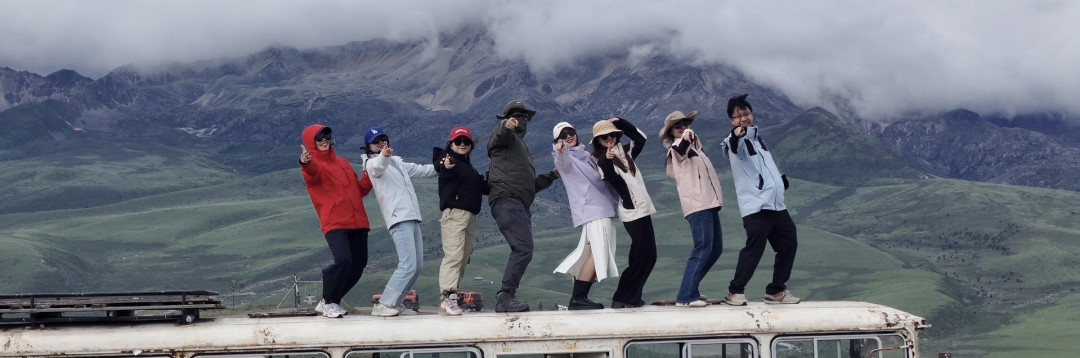
Meta Description: Escape the summer heat with this Genie South Route Western Sichuan travel guide. From Dujiangyan to hidden gems, discover how to live debt-free to nature. 10-day itinerary inside.
Introduction: When the Mountains Call, You Must Go
Life doesn't have a pause button, but photos do. When July's heatwave, wrapped in the city's clamor, hit me in the face, I pressed that "depart" button and threw myself into the winds of Western Sichuan. Ten days of travel—from Chengdu to Leshan, then deep into the secret realm of the Genie South Route—finally made me understand what it means to "live a life free of debt to the mountains and rivers." That's not just a line of poetry; it's a way of living.
This Western Sichuan travel diary isn't just about checking off famous spots. It's about finding freedom on the open road, discovering hidden gems like Genie, and experiencing the raw beauty of the Sichuan-Tibet borderlands. If you're planning a summer escape to Western Sichuan, this guide will show you how to do it right—even on a budget.
Before Departure: How a Last-Minute Western Sichuan Trip Became a Reality
Long-term plans don't always succeed, but a spontaneous decision is a true departure.
After returning to my hometown from Shenzhen, my daily routine of home-to-work and back had left me weary of that "office smell." On the night of July 16th, after work, I suddenly remembered the summer trip to Western Sichuan I'd planned with a friend. So began this small indulgence of a middle-aged woman—a spur-of-the-moment escape from the routine of life, away from the entanglements of people and obligations. That very night, we finalized the itinerary, ready to set off for the long-dreamed-of Western Sichuan.
We decided to go on the evening of the 16th. In the past, I'd always been the one to research guides and plan the itinerary—route design, transportation, flights and hotels, ticket bookings, local food recommendations—and my friend was used to just following along without thinking. This time, I wanted to take it easy and try joining a tour group. That night, I scoured various platforms for a suitable small group—even though I was joining a tour, I still cared about the experience.
Most platforms offered 8-person small groups with minivans, or private car rentals with shared rides (which meant booking your own hotel and covering the driver's meals and lodging). The routes were mostly the same—either the big loop (long driving hours) or the small loop. But since I've always preferred hidden gems over simple tourist check-ins, none of them satisfied me. I was ready to give up and just rent a car to plan my own route, so I browsed some "avoid this" posts on a certain red app. In the comments, I stumbled upon a guide. During our chat, he told me: "Western Sichuan isn't just about Siguniang Mountain, Yuzixi, Seda, or Daocheng Yading. There's also Genie. If you rank Western Sichuan, the small loop is gold, but Genie is the king. Plus, it's almost time for the Litang Horse Racing Festival and the 'Shua Bazi' gatherings."
Maybe it was the confidence in the guide's voice as he rattled off details, or the certainty in his words, but I decided to give this unfamiliar Genie a try. Because of the Horse Racing Festival, Dingzhen (a local celebrity) would be returning to his village, and our itinerary included a stay in the village. Rooms were incredibly tight—in the guide's words, "the village has been overrun by Dingzhen's fans"—so he could only try to secure our hotel the next morning. Lucky for us, on the morning of the 17th, he asked a local contact to help get us rooms. I immediately rushed to request time off, booked flights, packed my clothes, paid the deposit, and sat waiting for departure—the remaining tour fee would be paid on the first day after arriving at Xinduqiao, when we signed the contract.
Departure Day: Flying Out of Guilin, Saving Enough for a Hotpot
Since the two of us were departing from Zhuzhou and Yongzhou respectively, and summer flights from Changsha to Chengdu were ridiculously overpriced, we chose to take a high-speed train to Guilin on the afternoon of the 18th and fly from there. Including the fuel surcharge and airport construction fee, it was less than 400 yuan—saving enough for a hotpot! Fellow travelers during peak season might want to consider this combination: fly from a smaller nearby airport for potential savings.
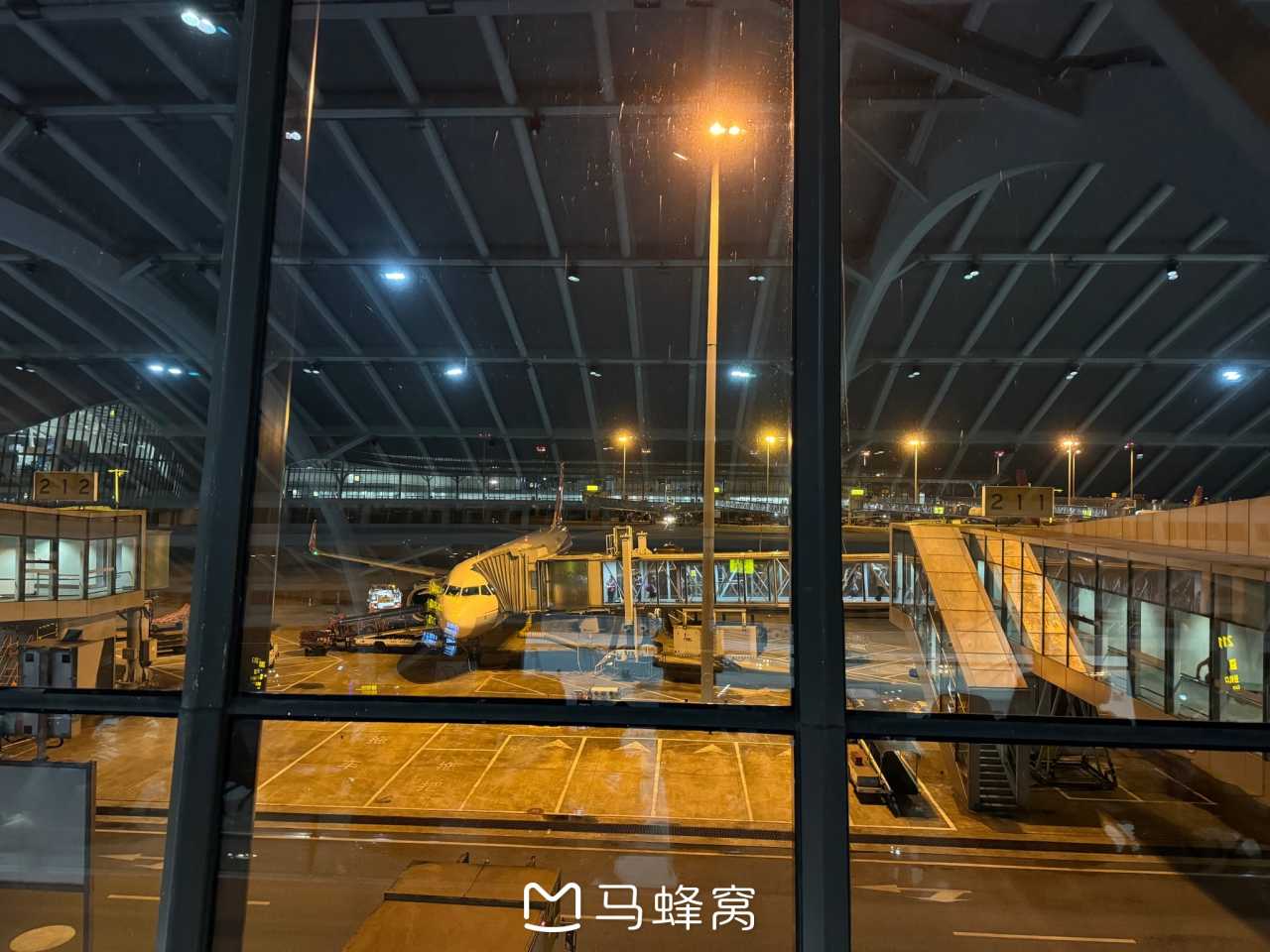
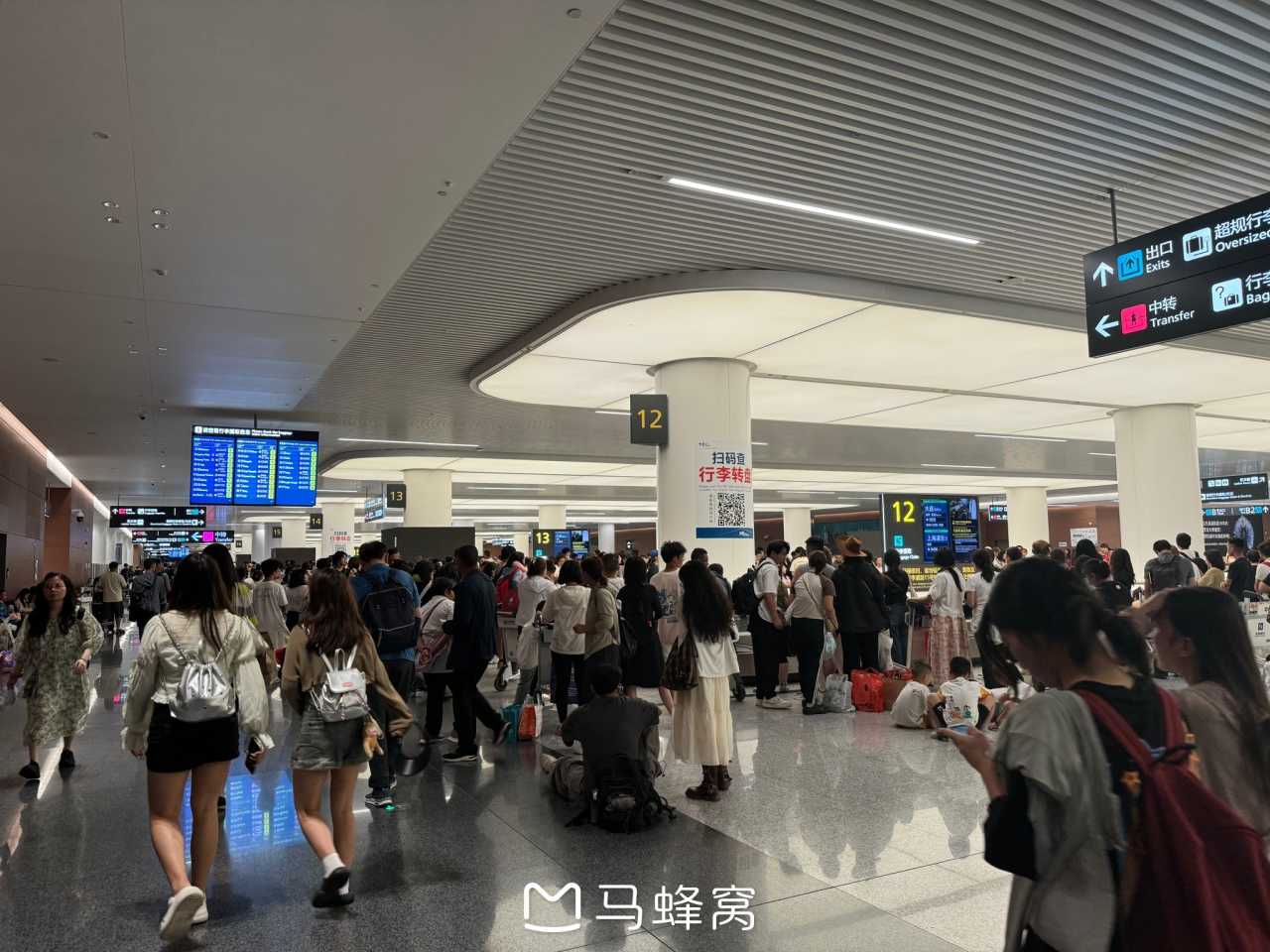
We had a flight on the evening of the 18th and landed at Chengdu Tianfu Airport after midnight on the 19th (peak season, even red-eye flights at 2 a.m. were packed). Tianfu Airport has 24-hour airport buses, with four routes heading into the city. You can buy tickets directly on the "Chengdu Bus" mini-program—very convenient.
[Link: How to save on flights to Chengdu during peak season]
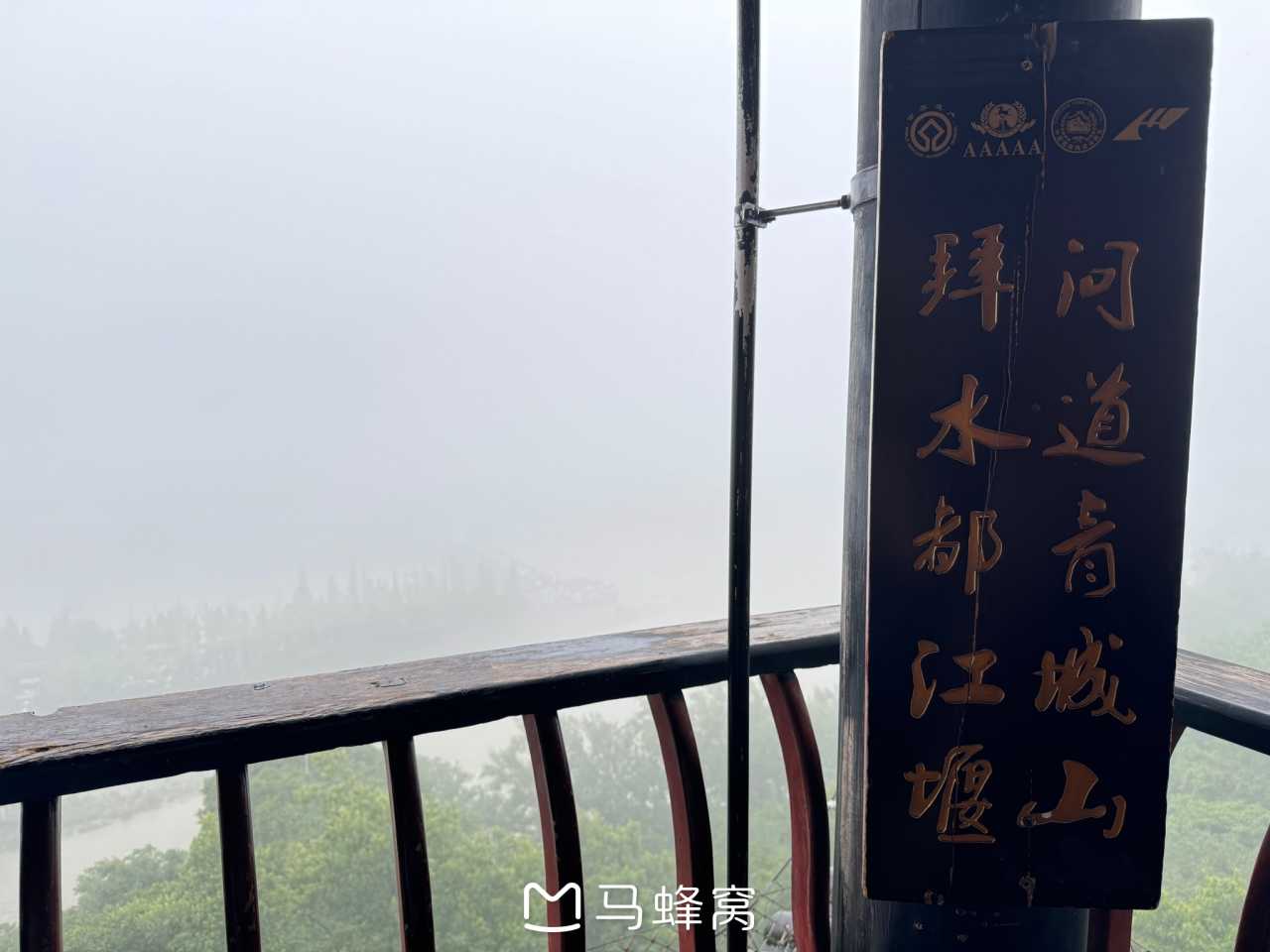
Day 1: Pay Homage to the Water at Dujiangyan, Seek the Way at Mount Qingcheng
I'd long heard of the big name "bikego." Unlike traditional tour groups, I think they're an industry benchmark for local experiences and day trips. This time, I happened to find a suitable product, and since Dujiangyan and Mount Qingcheng are far from the city center, I went for it! A 6-person small group in a comfortable minivan. Our group-mates were a mother-son duo from Shanghai and a mother-daughter pair from Beijing. We set off at 7:30 a.m., picked up the group, and headed straight for Dujiangyan—about an hour's drive.

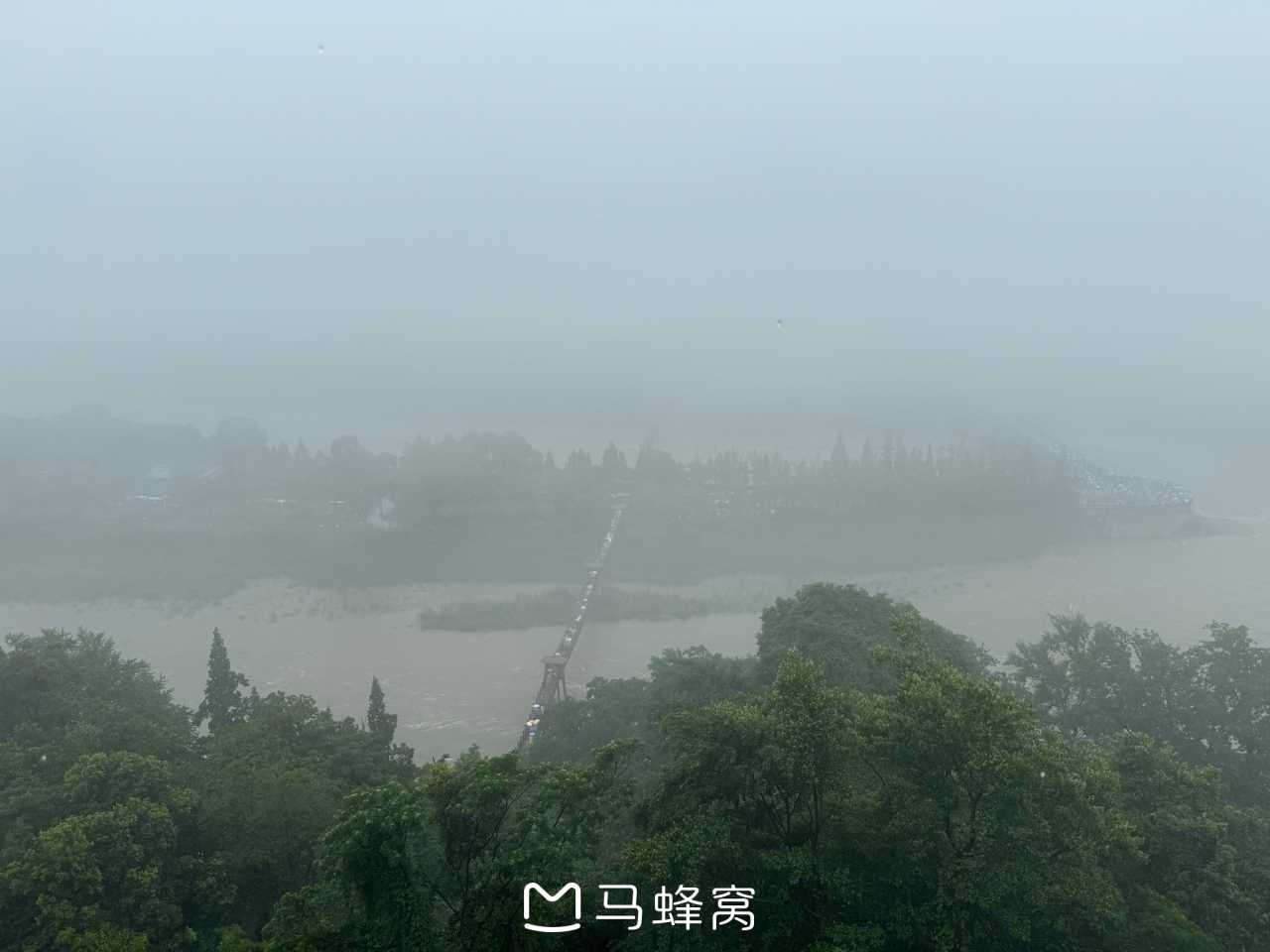
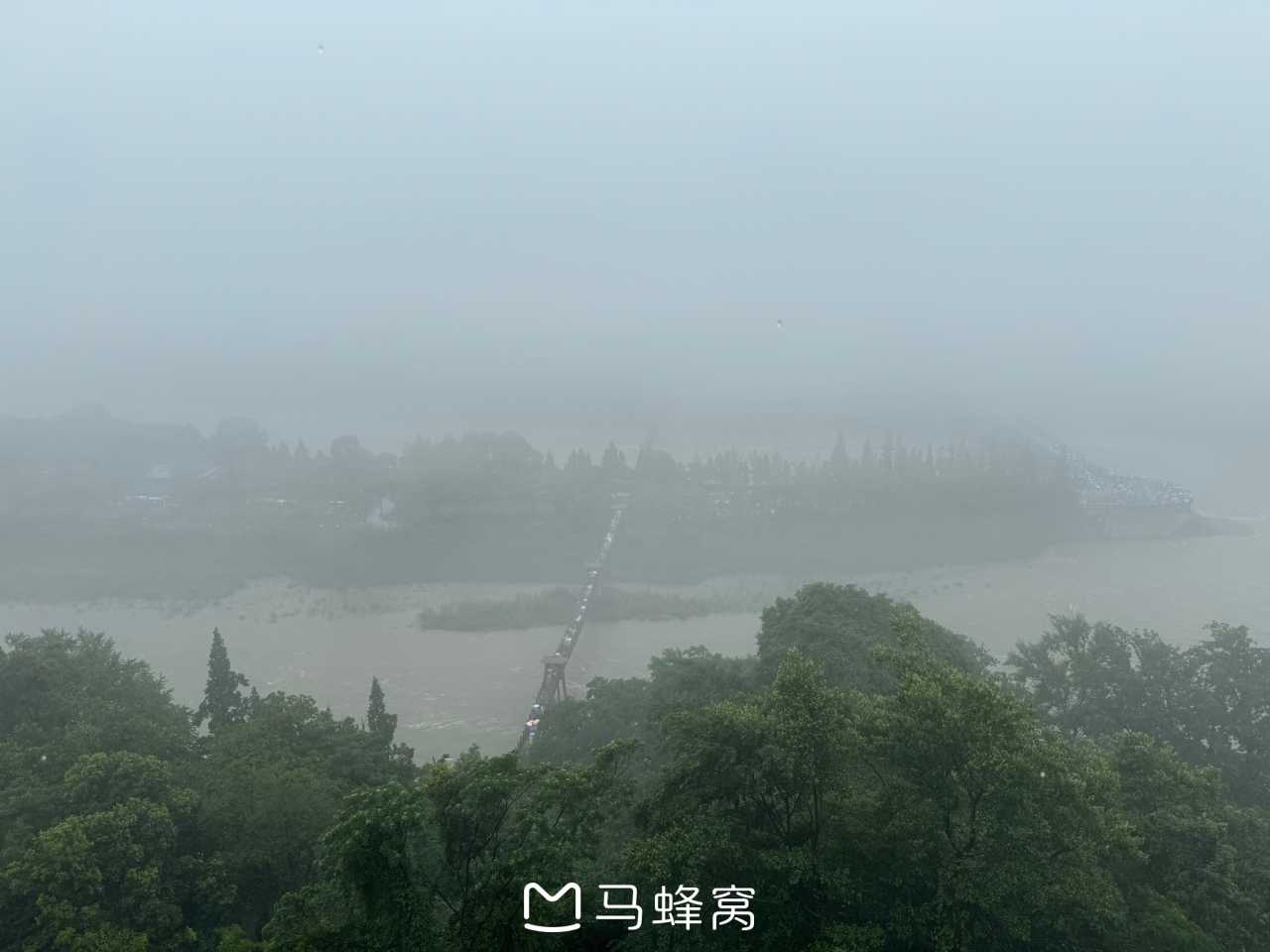
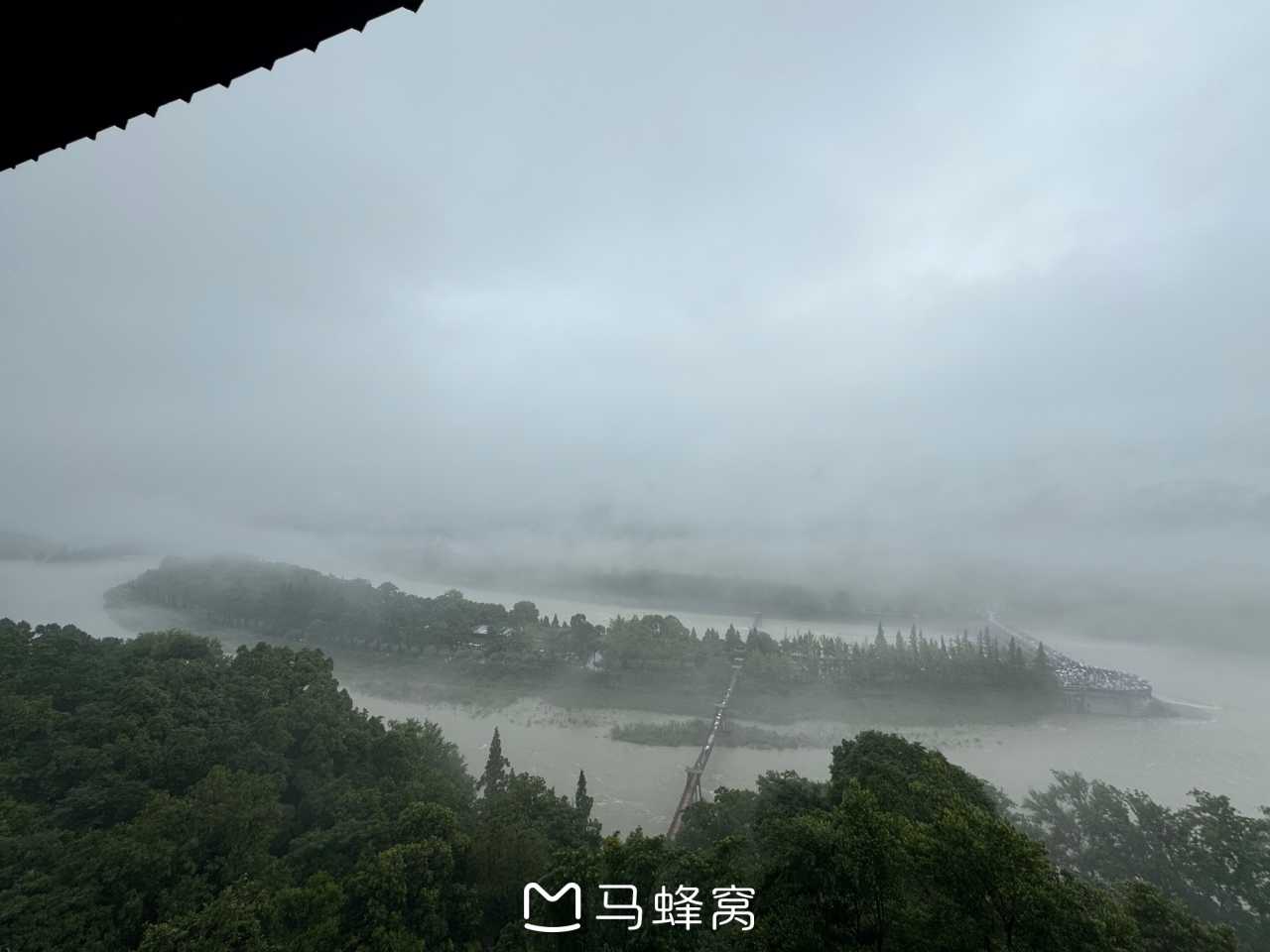
It was sunny when we left, but by the time we reached Dujiangyan, a light drizzle had started. The guide thoughtfully had umbrellas and raincoats ready in the car. The route went in through the back gate and out through the front, no backtracking needed. In the rainy mist, we could only faintly make out the "Fish Mouth" of Dujiangyan. Though the rain made things a bit inconvenient, the mist-shrouded Dujiangyan had its own charm—the surrounding mountains appeared and disappeared in the fog, giving an ethereal, almost immortal vibe.
On the pavilion, the guide explained how Dujiangyan was built, maintained, and how the water was released in ancient times. It truly made me marvel at the wisdom of the ancients. During peak summer, the floating bridge was crowded, swaying beneath us as the rushing river flowed below. The rain had made the river a bit murky, and the surging water carried a chill, as if it had just thawed from a glacier. The mist in the air also held the crispness of snow-capped mountains. During the high-water season, we witnessed the flood discharge—something photos can't capture the sheer power of. The Dujiangyan I'd learned about in textbooks only truly becomes awe-inspiring when seen in person.
[Link: Dujiangyan irrigation system history and visiting tips]
Nanqiao Ancient Town and Mount Qingcheng
After leaving Dujiangyan, we had lunch at Nanqiao Ancient Town. I didn't have high expectations for food in a tourist area, but the Sichuan stir-fry recommended by the guide far exceeded them—cheap, generous portions, and a nice atmosphere. The two of us were very satisfied.
After lunch, we wandered the ancient town for a bit, then gathered around 1:40 p.m. to head to the Wuliu Mountain Villa on the outer mountain of Qingcheng for a leisurely tea break—about a 30-minute drive. The mountain views from the guesthouse were nice, great for photos, but the tea snacks were average, and the indoor area wasn't air-conditioned in advance, so it was still a bit stuffy and hot.
Mount Qingcheng is divided into three parts: the front mountain, the back mountain, and the outer mountain. The front mountain is a Taoist sacred site, while the back mountain is known for its natural beauty. If you're here to visit ancient sites or seek your fortune, go to the front mountain. If you want to explore secluded fairyland-like scenery, head to the back mountain. This time, we didn't have enough time, or I'd have definitely hiked the back mountain.
[Link: Mount Qingcheng hiking guide: front vs back mountain]
Puzhao Temple: A Buddhist Secret in Qingcheng Mountain
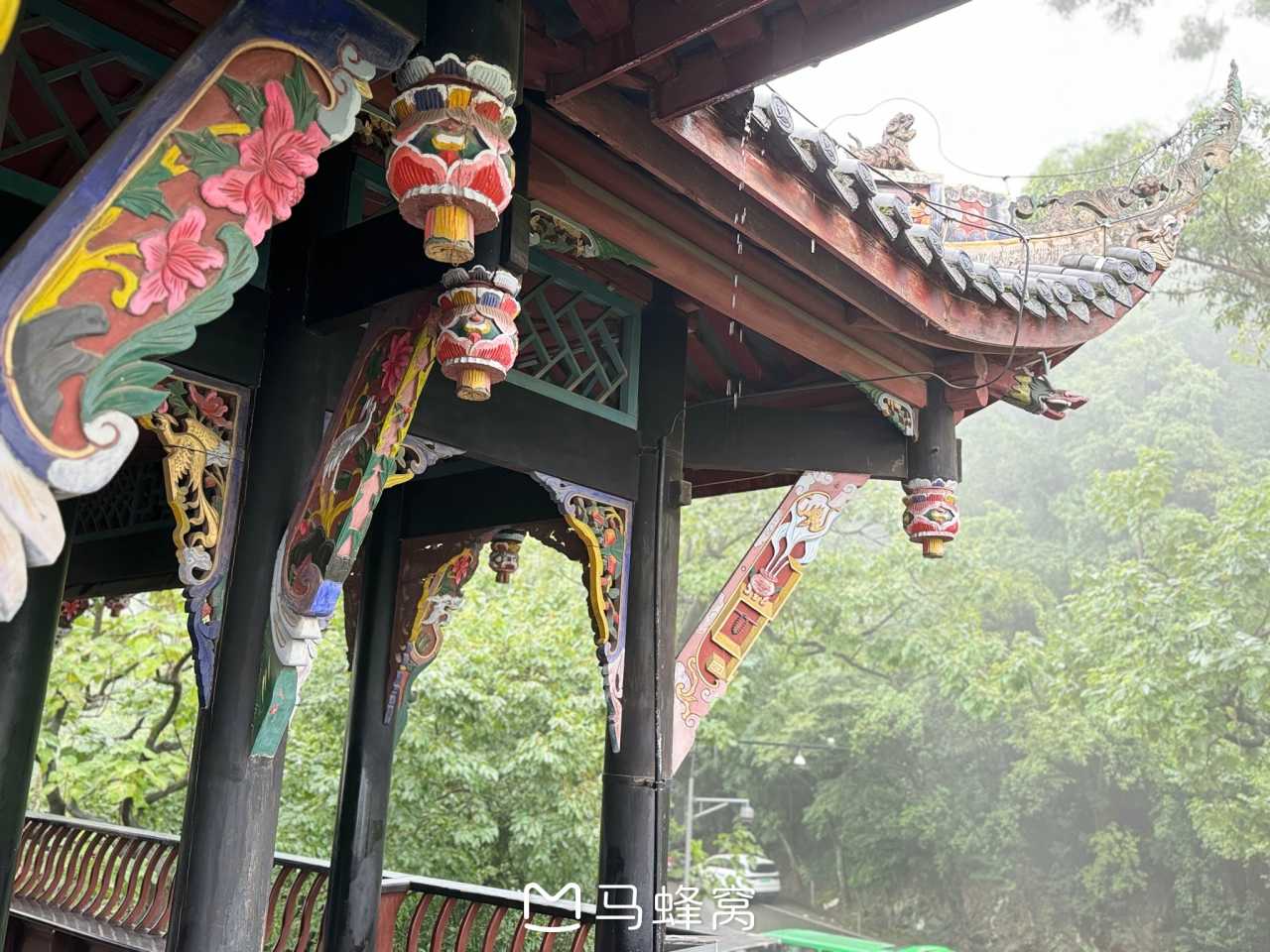
After sitting at the guesthouse for a while, once the hottest part of the day had passed, we set off for Puzhao Temple. The only temple on the outer mountain, Puzhao Temple is known as an incredibly auspicious place for making wishes—and it ended up being my favorite spot of the day.
Built during the Yuan Dynasty, Puzhao Temple sits in Mount Qingcheng, known as one of the "birthplaces of Taoism," which is quite unusual. Legend has it that it was destroyed at the end of the Ming Dynasty, later renamed "Yinghua Temple," which locals mispronounced as "Jinhua Temple." It gradually declined from the later years of the Qing Dynasty, but was restored in recent years. The temple is small and secluded, with very few visitors—a true hidden gem. The ancient trees inside are towering, and the air is filled with the scent of incense and the sound of wind chimes. It's the perfect place to sit quietly and reflect.
Why the Genie South Route is the King of Western Sichuan Tours
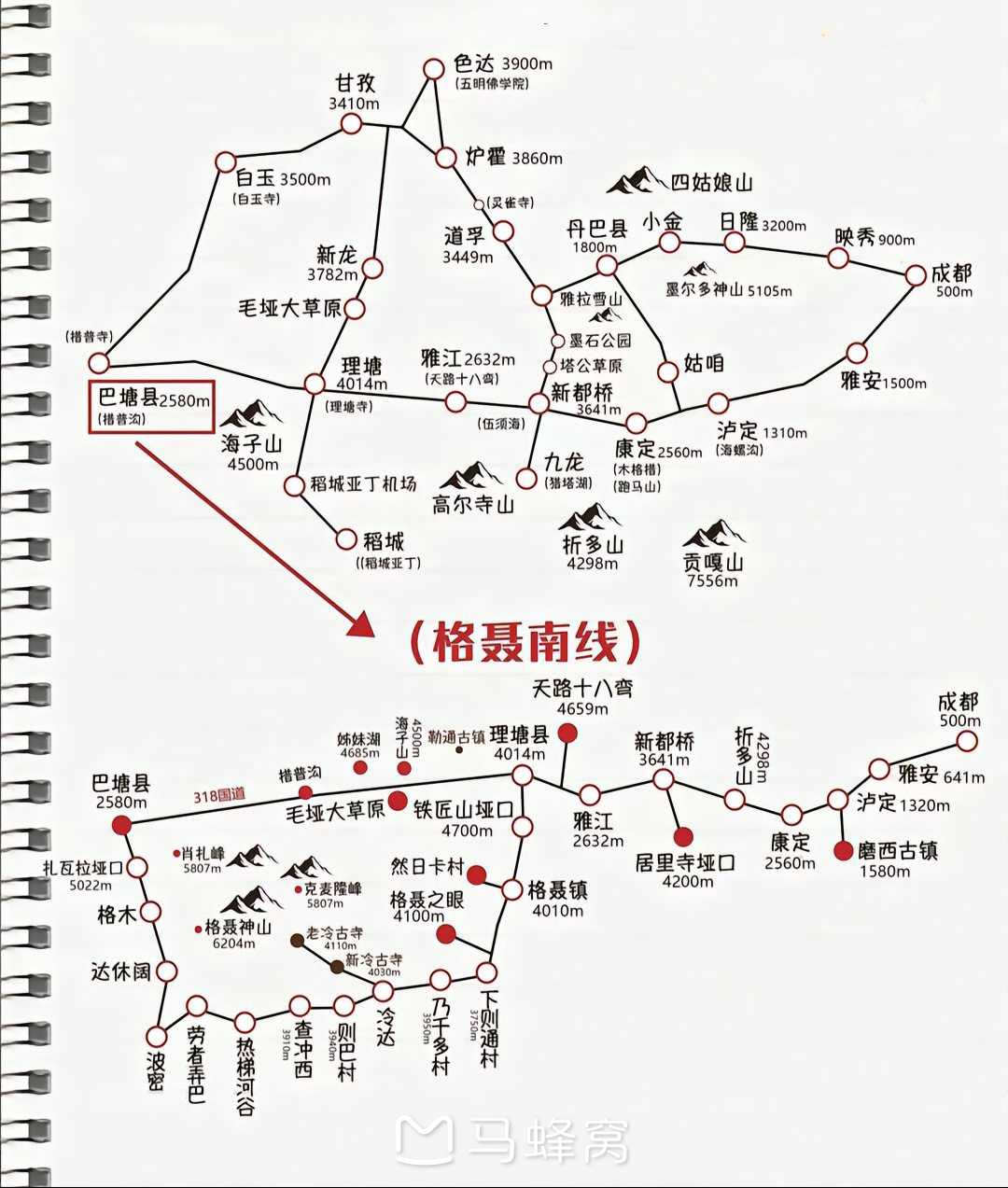
The Genie South Route is often called the "king of Western Sichuan routes" by seasoned travelers. While the small loop (around Siguniang Mountain, Yuzixi, etc.) is considered gold, Genie offers something more: untouched landscapes, authentic Tibetan culture, and the chance to experience the famous Litang Horse Racing Festival.
What makes the Genie South Route special: - Remote beauty: Fewer tourists, more pristine nature - Cultural immersion: Stay in traditional Tibetan villages, not just hotels - Seasonal events: The Litang Horse Racing Festival in July/August is a once-in-a-lifetime experience - Dingzhen's hometown: Visit the village of the internet-famous Tibetan heartthrob
[Link: Genie South Route vs Western Sichuan small loop: which is better?]
Practical Tips for Your Western Sichuan Adventure
Best Time to Visit Western Sichuan
 Summer (June-August) offers warm weather and lush landscapes, but also the monsoon season. Autumn (September-October) has the clearest skies and golden leaves. Winter is cold but offers stunning snow views with fewer crowds.
What to Pack for the Genie South Route
- Layers: Temperatures can swing from 5°C at night to 25°C during the day
- Rain gear: Umbrella and raincoat (many tour guides provide these)
- Sun protection: High-altitude UV is intense
- Altitude sickness medication: Especially if you're not used to high elevations
- Comfortable hiking shoes: Many spots require walking on uneven terrain

[Link: Western Sichuan packing checklist for summer travel]
Transportation Tips
- Fly into Chengdu Tianfu Airport: 24-hour airport buses available via "Chengdu Bus" mini-program
- Consider smaller airports: Flying from Guilin saved us nearly 50% compared to Changsha
- Join a small group tour: 6-8 person minivan tours offer flexibility without the hassle of self-driving
FAQ: Your Western Sichuan Travel Questions Answered
Q1: Is the Genie South Route suitable for first-time visitors to Western Sichuan?
A: Absolutely. While it's less crowded than the classic small loop, the Genie South Route is well-established with local guides and accommodations. The route includes both famous spots (Dujiangyan, Mount Qingcheng) and hidden gems, making it perfect for first-timers who want a balanced experience.
Q2: How much does a 10-day Genie South Route tour cost?
 A: Costs vary widely, but a mid-range small group tour (including transport, basic accommodation, and some meals) typically ranges from 3,000-5,000 CNY per person. Flights are extra. Our budget-friendly flight from Guilin to Chengdu cost under 400 CNY.
Q3: Do I need to worry about altitude sickness on this route?
 A: Yes, especially if you're going above 3,000 meters (some Genie South Route passes reach 4,000+ meters). Most people adapt within 1-2 days. Stay hydrated, avoid alcohol, and consider bringing acetazolamide (Diamox) if you're prone to altitude issues.
Q4: Can I visit the Litang Horse Racing Festival without a tour group?
A: Technically yes, but it's challenging. Accommodation in Litang and surrounding villages gets booked months in advance by fans of Dingzhen. Joining a tour group like we did ensures you have a room and a knowledgeable guide to navigate the crowds.
Q5: What's the best way to find a reliable small group tour for Western Sichuan?
A: Search platforms like Mafengwo, Ctrip, or Xiaohongshu (Little Red Book) for "Western Sichuan small group tour" or "Genie South Route tour." Look for operators with recent positive reviews, transparent pricing, and guides who know the area well. Our guide was recommended through comments on a Xiaohongshu post—sometimes the best finds come from community recommendations.
Conclusion: Your Turn to Live Debt-Free to the Mountains and Rivers
Ten days on the Genie South Route wasn't just a vacation—it was a reset button for my soul. From the mist-shrouded Dujiangyan to the quiet sanctuary of Puzhao Temple, from the spontaneous decision to depart to the serendipitous discovery of a hidden route, every moment reminded me that freedom isn't a destination—it's a way of traveling.
Whether you're a solo adventurer, a couple seeking romance, or a family looking for meaningful experiences, Western Sichuan's Genie South Route offers something you won't find in guidebooks: the chance to collide head-on with freedom.
Ready to plan your own escape? Start by checking flight deals to Chengdu, then look for small group tours that include the Genie South Route. The mountains are calling—and they don't care about your deadlines.
[Link: Best Western Sichuan tour operators for 2024]
Have you traveled the Genie South Route? Share your experience in the comments below!
You may also like


