A Five-Day Journey Through Northern Sichuan: From Langzhong Ancient City to Jianmen Pass, a Thousand-Year Free Travel Adventure
Meta Description: Discover the ultimate Northern Sichuan travel guide with this 5-day itinerary from Langzhong Ancient City to Jianmen Pass. Explore ancient towns, cliff grottoes, and Shu Road history by public transport.
Introduction: Why Northern Sichuan Should Be Your Next Travel Destination
In April 2026, as spring painted the landscape in vibrant greens and blossoms, my wife and I embarked on a spontaneous five-day free travel adventure through Northern Sichuan. Without the fatigue of self-driving or the constraints of a guided tour, we relied entirely on public transportation—the most authentic way to experience this culturally rich region.
Our journey began with a flight from Guangzhou to Langzhong, then wound northward through Guangyuan, Jianmen Pass, Jiangyou, and finally Beichuan. Over five days and four nights, we walked through a thousand-year-old ancient city, marveled at cliffside grottoes, conquered the formidable passes of the historic Shu Road, and stood in quiet reflection before earthquake ruins. This Northern Sichuan travel itinerary offered everything: majestic mountain scenery, profound historical weight, and a deep appreciation for life itself.
Day 1: Guangzhou to Langzhong – Immersing in "The Immortal Realm of Langyuan"
Flying a Thousand Miles for a Glimpse of River-Encircled Beauty
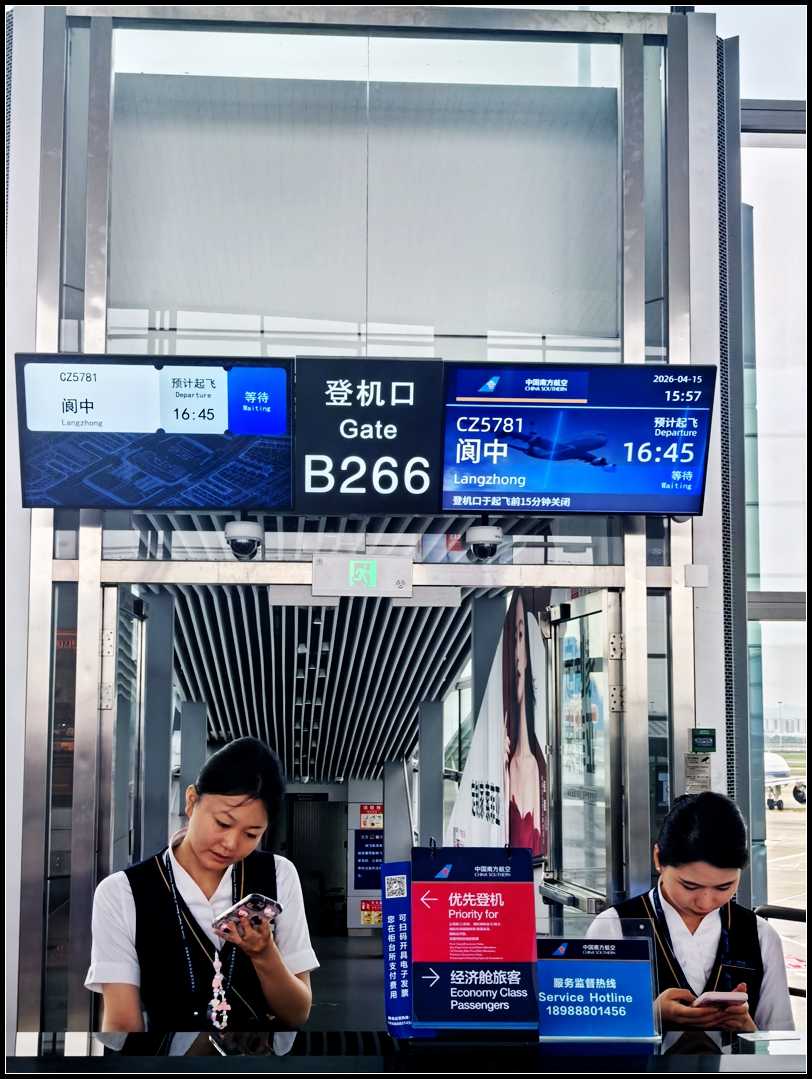
Departing from Guangzhou Baiyun Airport, we landed in Langzhong Ancient City in just over two hours. A short taxi ride brought us directly to the old town. When the Jialing River embraced the ancient city in a perfect "Ω" shape, I instantly understood why locals call it "The Immortal Realm of Langyuan." Surrounded by water on three sides and mountains on all four, this city—which has kept its name unchanged for 2,300 years—sits like a pearl embedded on a river peninsula.
Langzhong, a county-level city under Nanchong's administration, holds numerous accolades: one of China's Four Great Ancient Cities, the foremost city of feng shui, and the birthplace of Spring Festival culture. But what truly captivated us was its unspoiled, authentic atmosphere, remarkably free from excessive commercialization.
Qin Family Courtyard: Sleeping in History
We checked into the Qin Family Courtyard, a classic example of Qing Dynasty (1644-1912) residential architecture in Northern Sichuan. This multi-courtyard complex featured green brick walls, black tiles, and intricately carved window lattices across more than 30 rooms, all preserving original Ming and Qing Dynasty (1368-1912) style. Even more surprising, this courtyard once housed the General Political Department of the Fourth Front Army of the Red Army—generals like Xu Xiangqian and Chen Changhao commanded the forced crossing of the Jialing River from here.
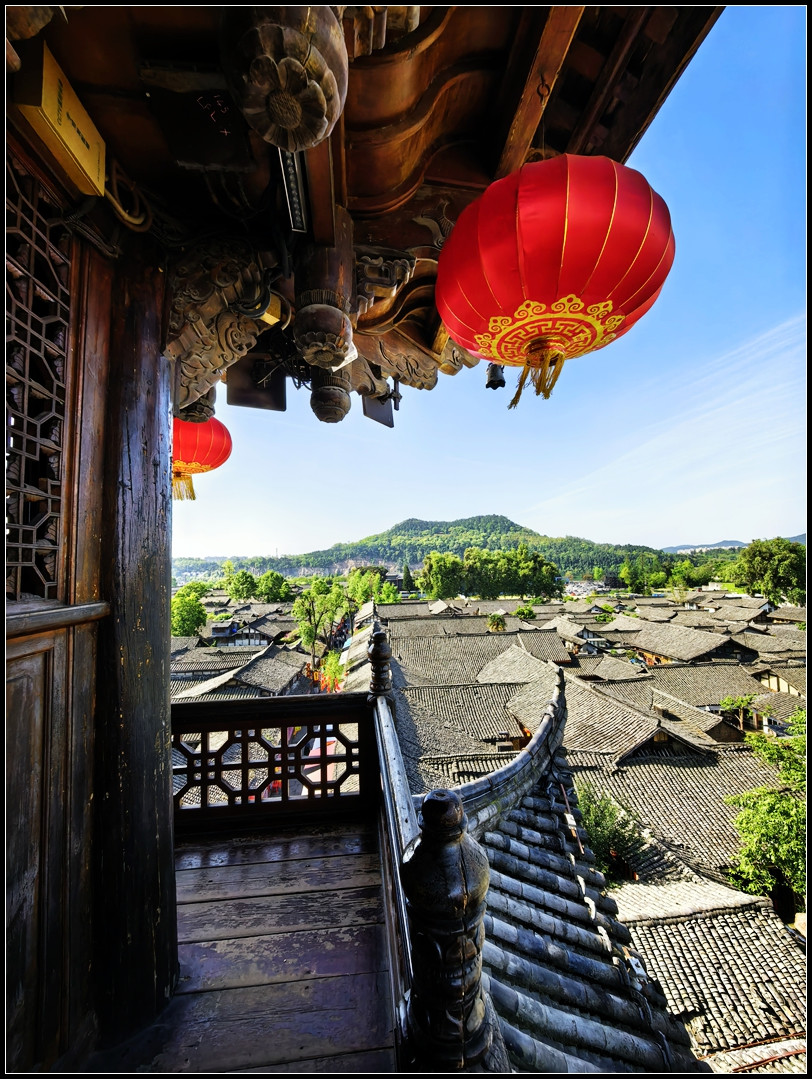
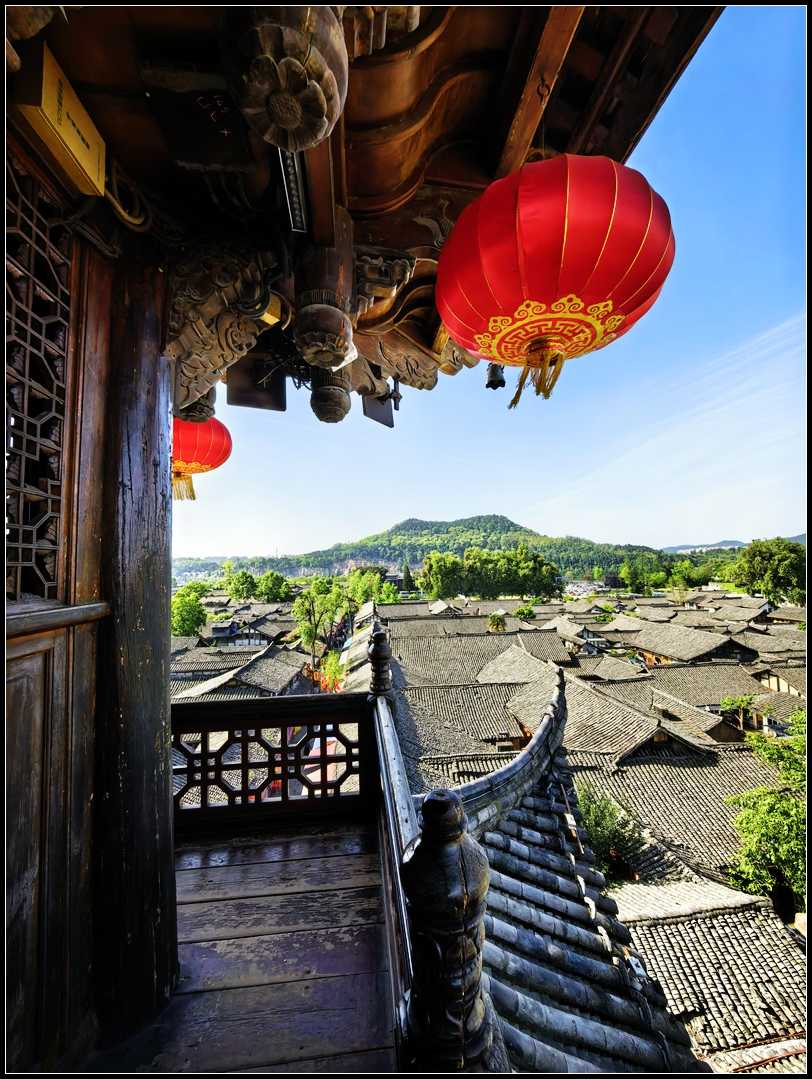
At night, pushing open the wooden window, red lanterns swayed beneath the eaves, as if history's echoes could still be heard.
Night Stroll Through Langzhong Ancient City: Lanterns and Vinegar Aromas
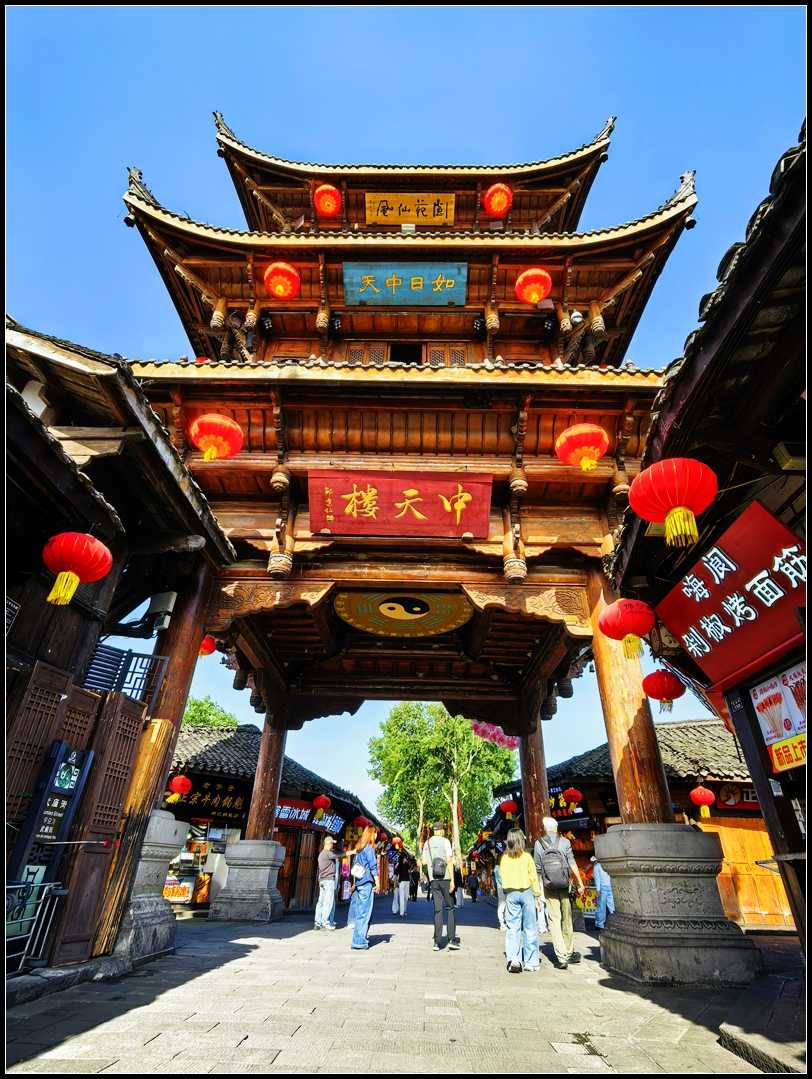
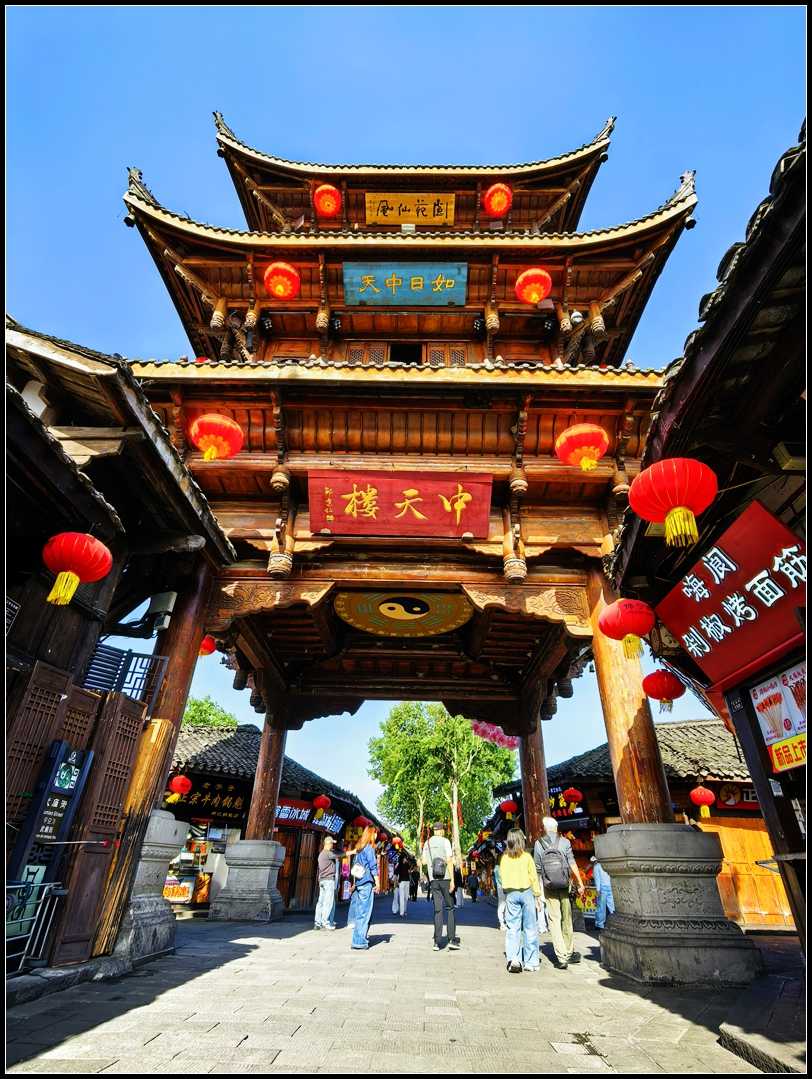
Langzhong's nights are gentle. The blue stone streets glowed under warm red lanterns, while the air carried the rich fragrance of Baoning vinegar. We strolled along the Jialing River, watching the Huaguang Tower shimmer in the darkness. This 36-meter-tall street-crossing pavilion, first built during the Tang Dynasty (618-907), features a three-tiered hip-and-gable roof with upturned eaves—the tallest landmark in the ancient city.
On the riverside stage of "Ke Lai Langzhong" (Guests Arrive in Langzhong), lanterns and lotus-shaped lights flickered to life one by one. Young women in traditional Hanfu drifted by, their sleeves fluttering as if they had stepped out of a thousand-year-old painting.
[Link: Best time to visit Langzhong Ancient City]
Practical Tip: Langzhong Ancient City is compact enough to explore in half a day. I recommend staying overnight to experience both dawn and dusk in the old town. Zhang Fei beef and Baoning vinegar are must-buy souvenirs.
Day 2: Langzhong to Guangyuan – From Ancient City Charm to Grotto Splendor
Morning Walk: Cultural Codes in the Ancient City
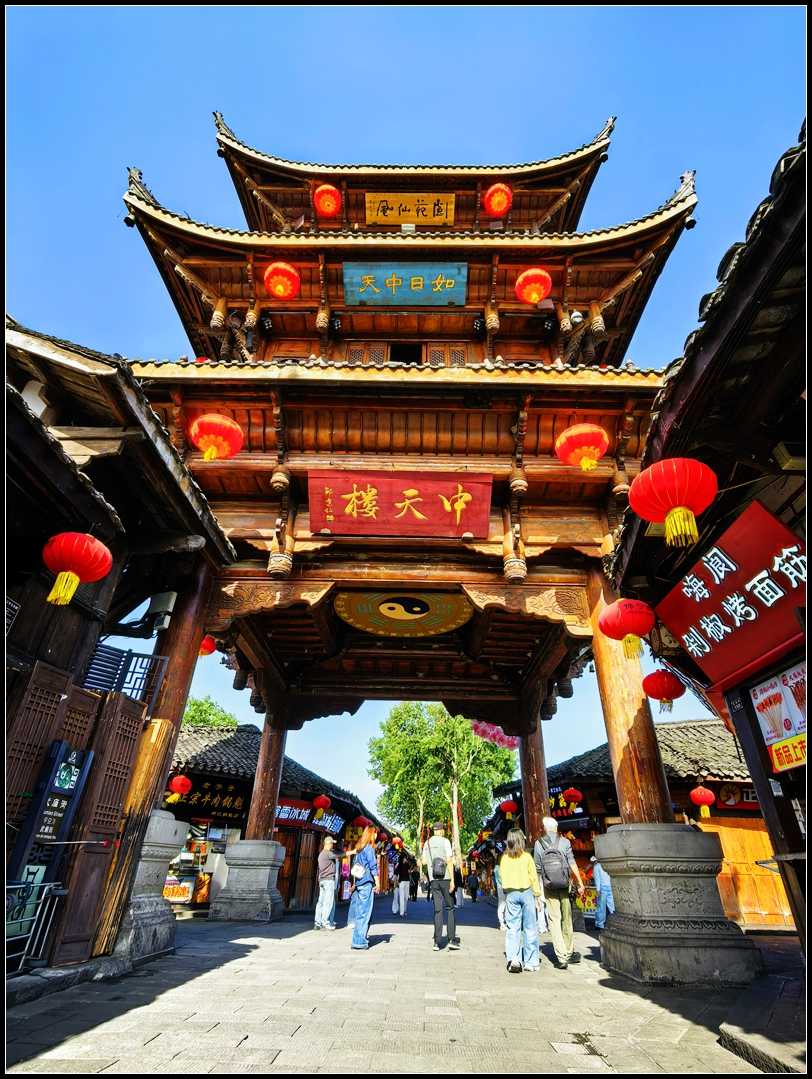
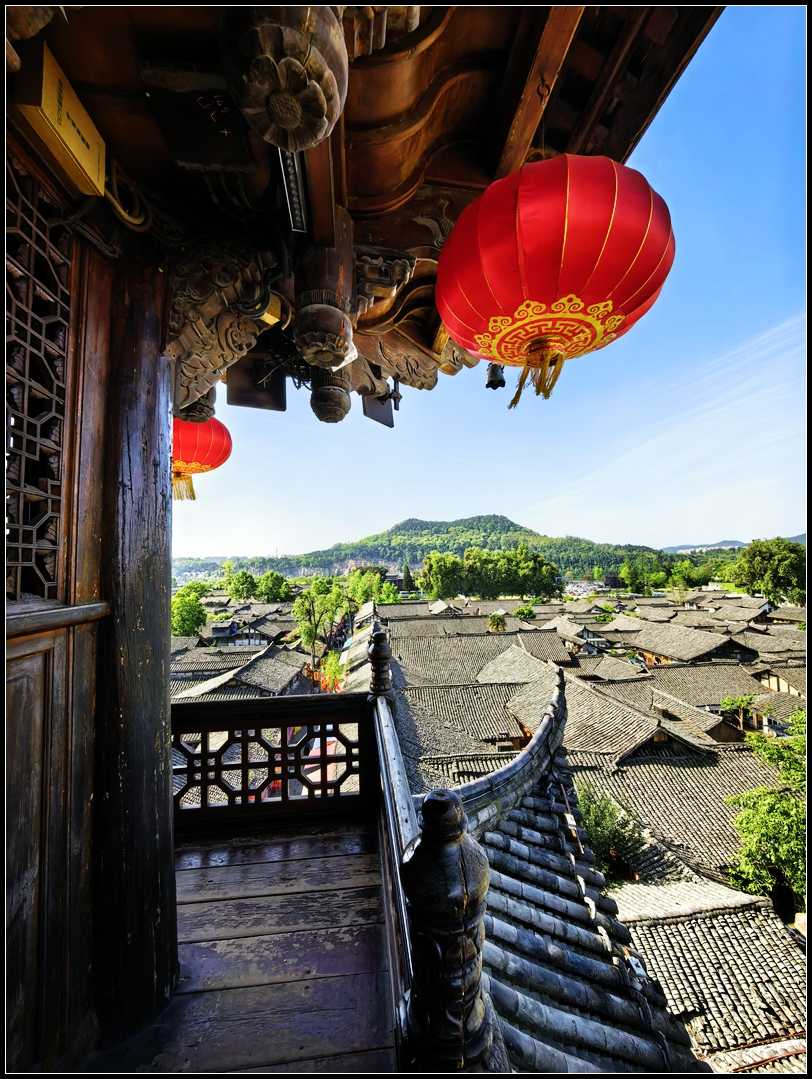
In the early morning, Langzhong shed its bustle and revealed its true self. We climbed the Zhongtian Tower—the geographical center of the ancient city, a three-tiered all-wooden structure forming the core of the "Heavenly Heart Ten Directions" feng shui layout. From the top, gray-tiled roofs stretched like waves, while the distant Jialing River wound around like a green silk ribbon.
Next, we visited the Han Huanhou Temple (Zhang Fei Temple). Zhang Fei, a legendary general from the Three Kingdoms period (220-280), garrisoned Langzhong for seven years and met his end here. Inside, the Diwan Tower (Enemy-Defeating Tower) was named after Zhang Fei's reputation as a "foe of ten thousand," its green glazed tile roof gleaming in sunlight.
The Langzhong Examination Hall is also worth visiting—the only fully preserved Qing Dynasty provincial-level examination hall in China. The individual cubicles, where candidates lived, ate, and wrote their exams, vividly recreate the hardships and glory of the imperial examination system.
Heading to Guangyuan: A Thousand Years of Gazing from the Thousand Buddha Cliff
At noon, we took a regular express train to Guangyuan, just an hour and a half away. Guangyuan has been a key gateway into Sichuan since ancient times. It is the birthplace of Wu Zetian, the only female emperor in Chinese history, and the starting point of the Long March for the Fourth Front Army of the Red Army.

We checked into the Jinyue Licheng Hotel, perfectly located next to the bus station for easy onward travel.
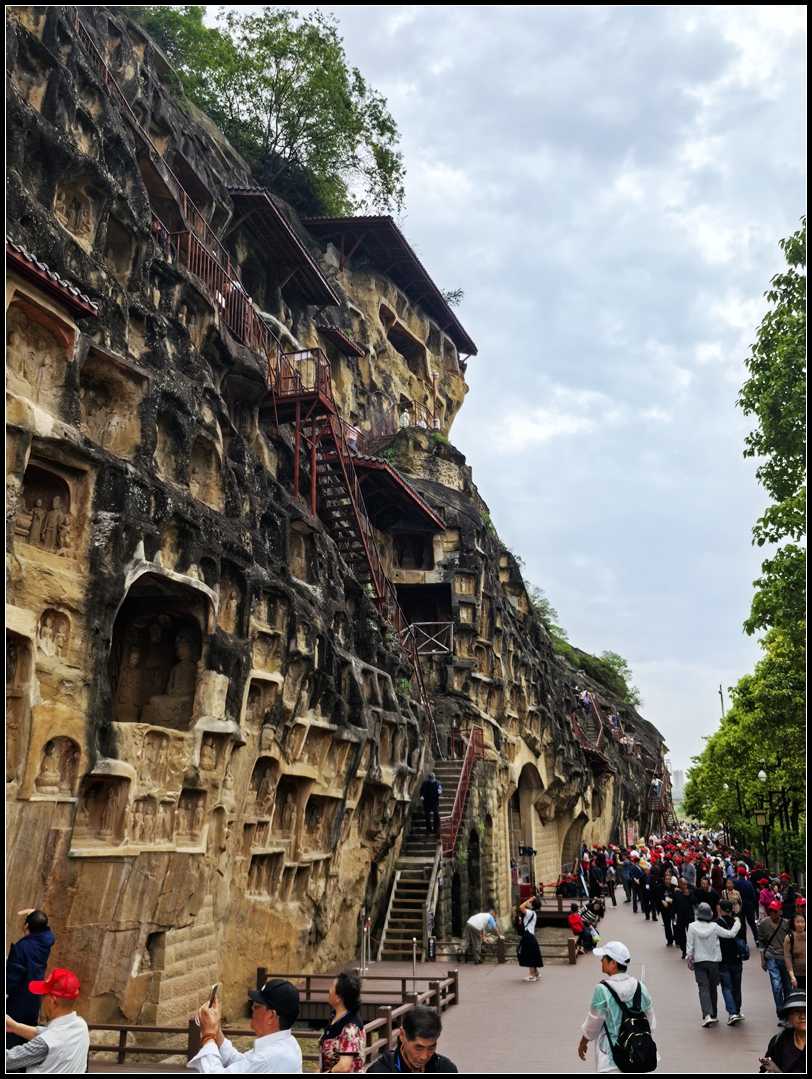
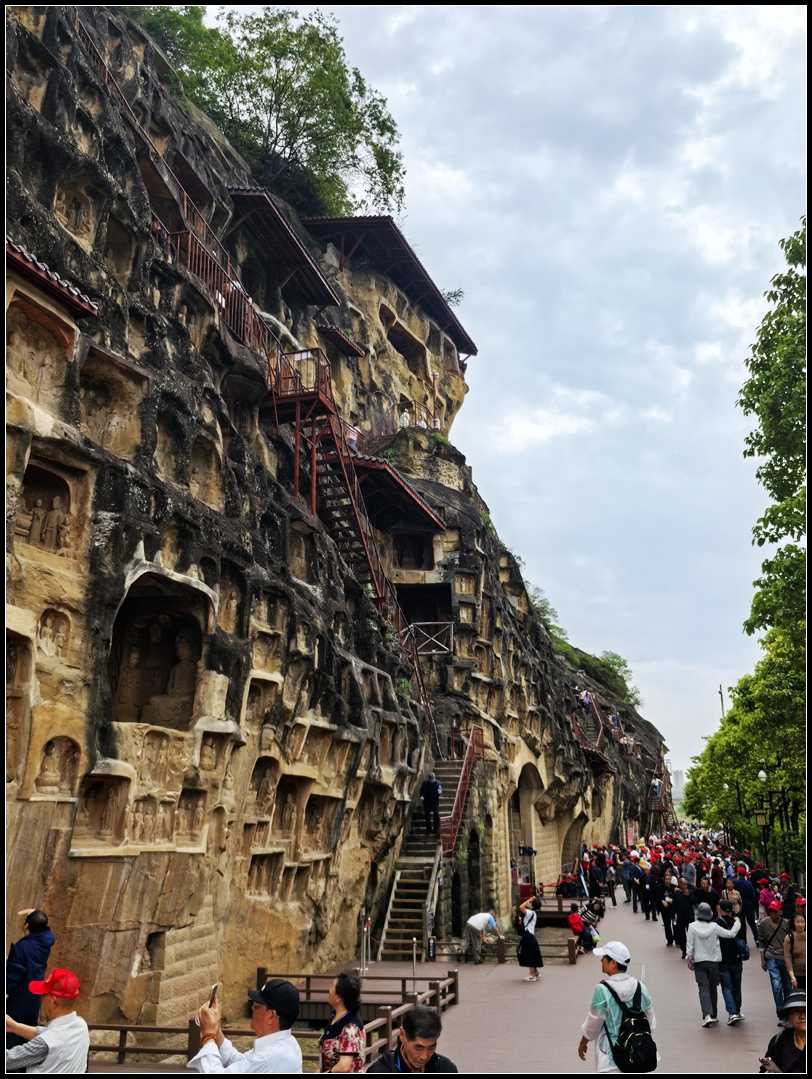
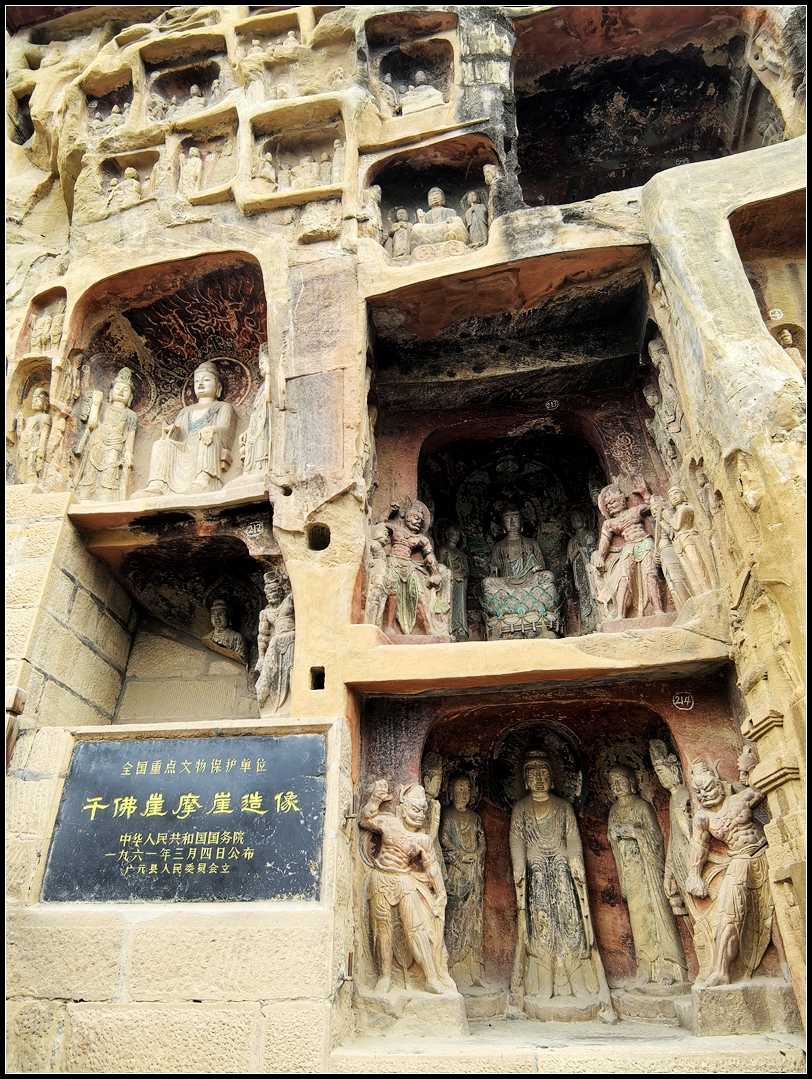
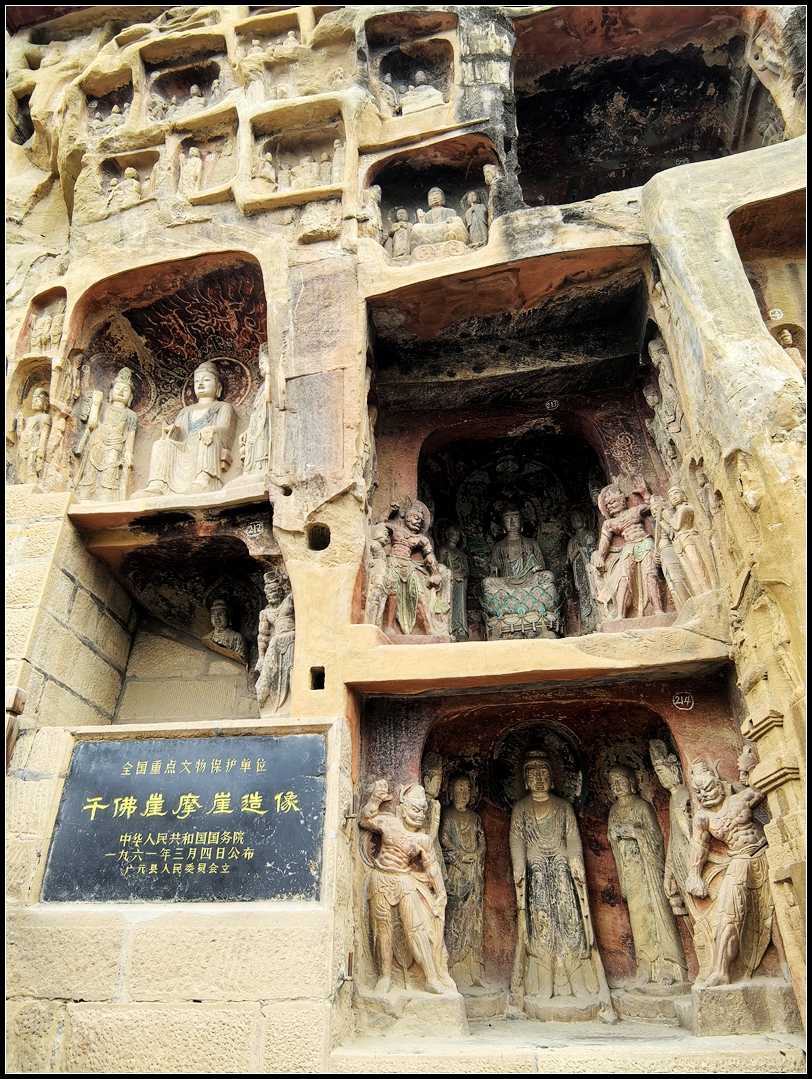
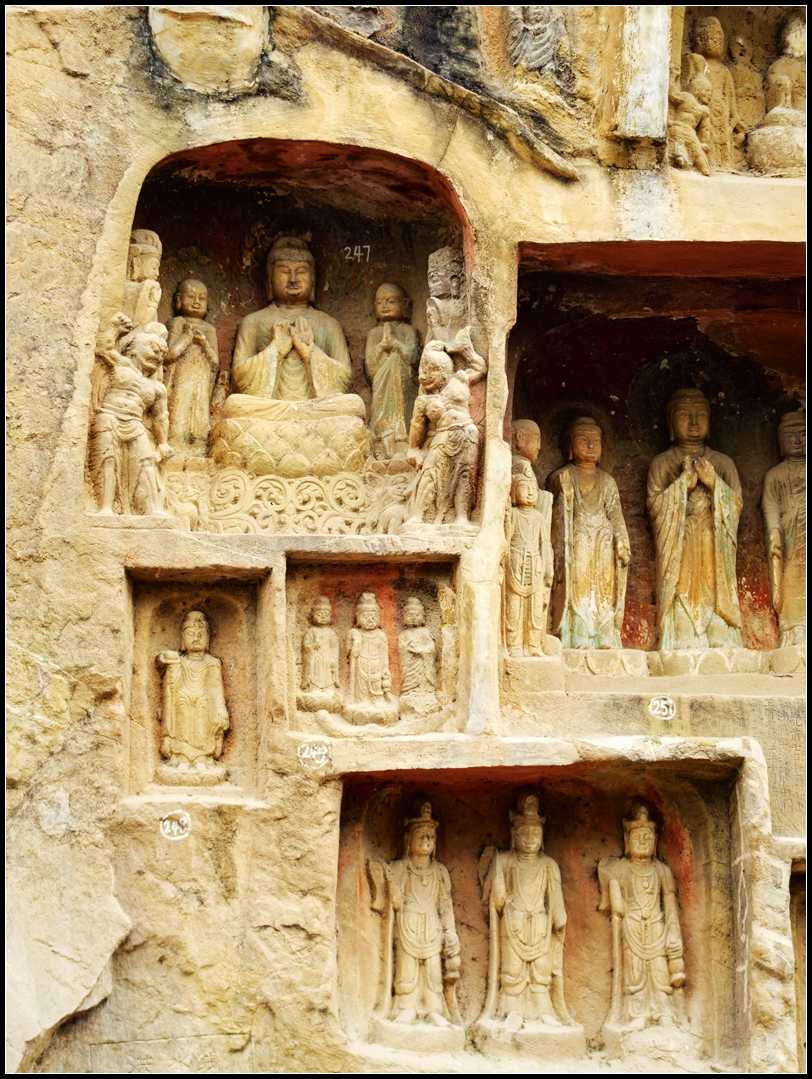
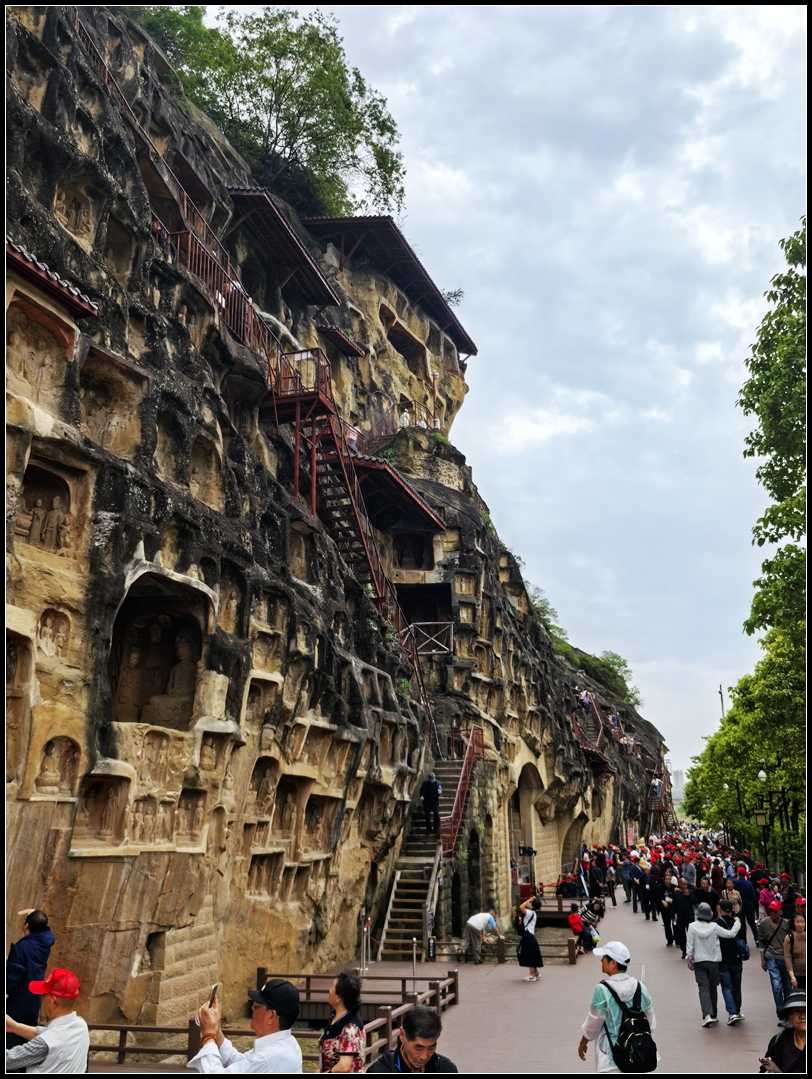
In the afternoon, we headed straight for the Thousand Buddha Cliff (Qianfo Ya). This cliffside grotto complex on the eastern bank of the Jialing River was first carved during the late Northern Wei Dynasty (386-534) and flourished during the Tang Dynasty. Today, it contains over 950 niches and caves with more than 7,000 Buddha statues. The cliff face stretches 388 meters long and 45 meters high, with niches stacked up to 13 layers—as dense as a beehive and truly spectacular.
Standing before the cliff, I was speechless. For over a thousand years, countless craftsmen hammered and chiseled away at the rock, carving their faith into the mountain. Now, as we gazed at these Buddha statues, it felt as if we were crossing time itself.
Huangze Temple: A Thousand-Year Echo from the Hometown of a Female Emperor
In the evening, we visited Huangze Temple—the only temple in China built for Empress Wu Zetian. The temple's name, "Huangze," means "imperial grace spreading to the hometown." Inside, it houses the only authentic portrait statue of Wu Zetian in China, along with cliffside carvings from the Northern Wei Dynasty through the Ming and Qing Dynasties.
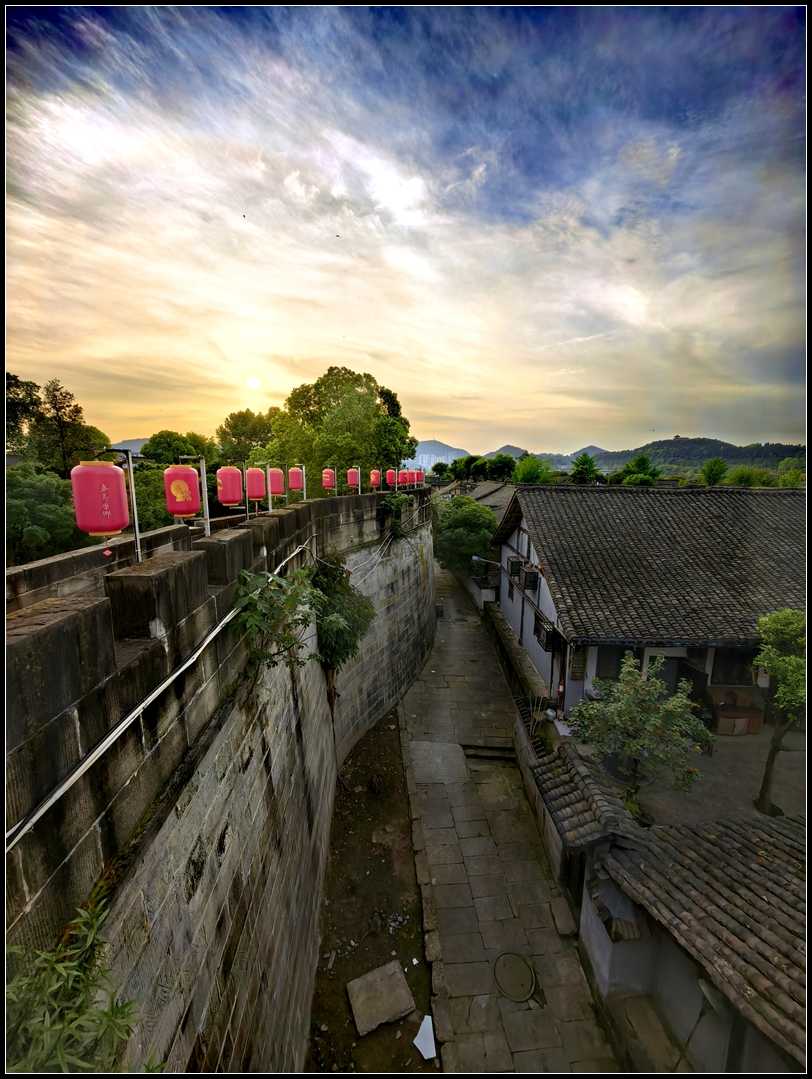
Climbing to a high vantage point, we leaned against the railing and watched the Jialing River flow eastward, with the entire city of Guangyuan spread out before us.
[Link: Guangyuan travel guide – top attractions]
Practical Tip: The main attractions in Guangyuan city center are concentrated. You can visit both the Thousand Buddha Cliff and Huangze Temple in half a day. Choose a hotel near the bus station for convenience.
Day 3: Guangyuan to Zhaohua Ancient City – Traveling Back to the Three Kingdoms
Zhaohua Ancient City: The First County of Bashu
After breakfast, we took a minibus from the station next to our hotel and arrived at Zhaohua Ancient City in just half an hour. This ancient city, formerly known as "Jiameng," is the only well-preserved Three Kingdoms-era ancient city in China.
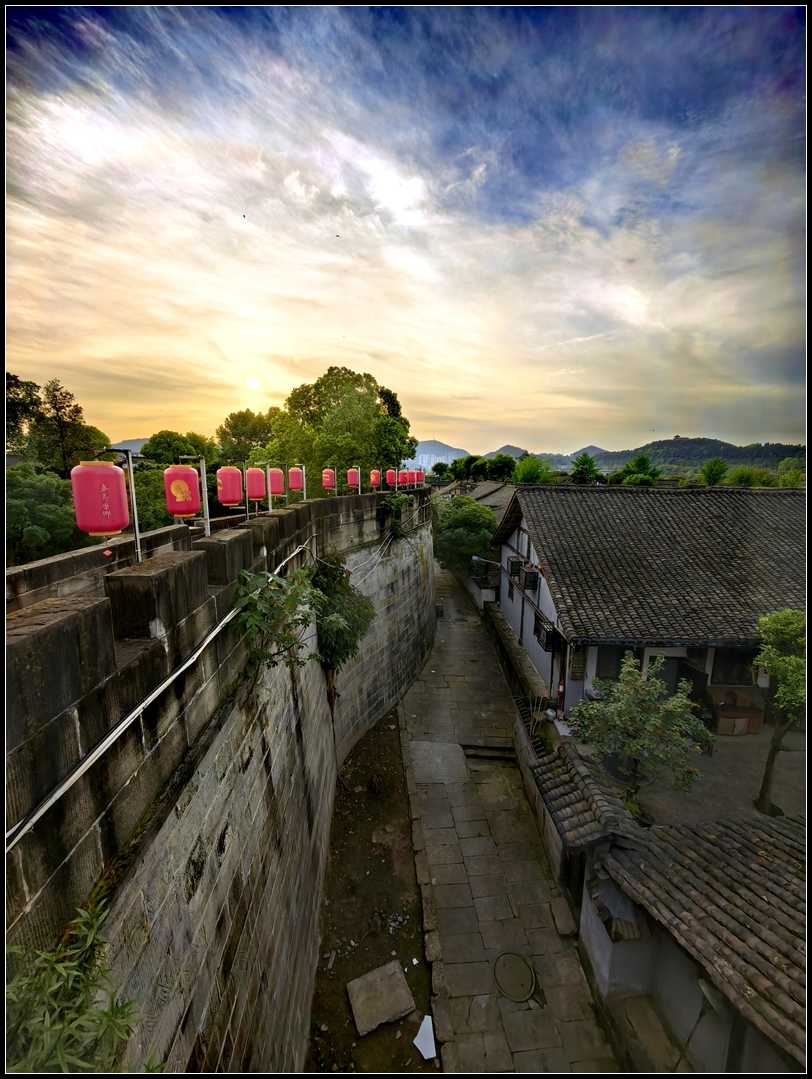
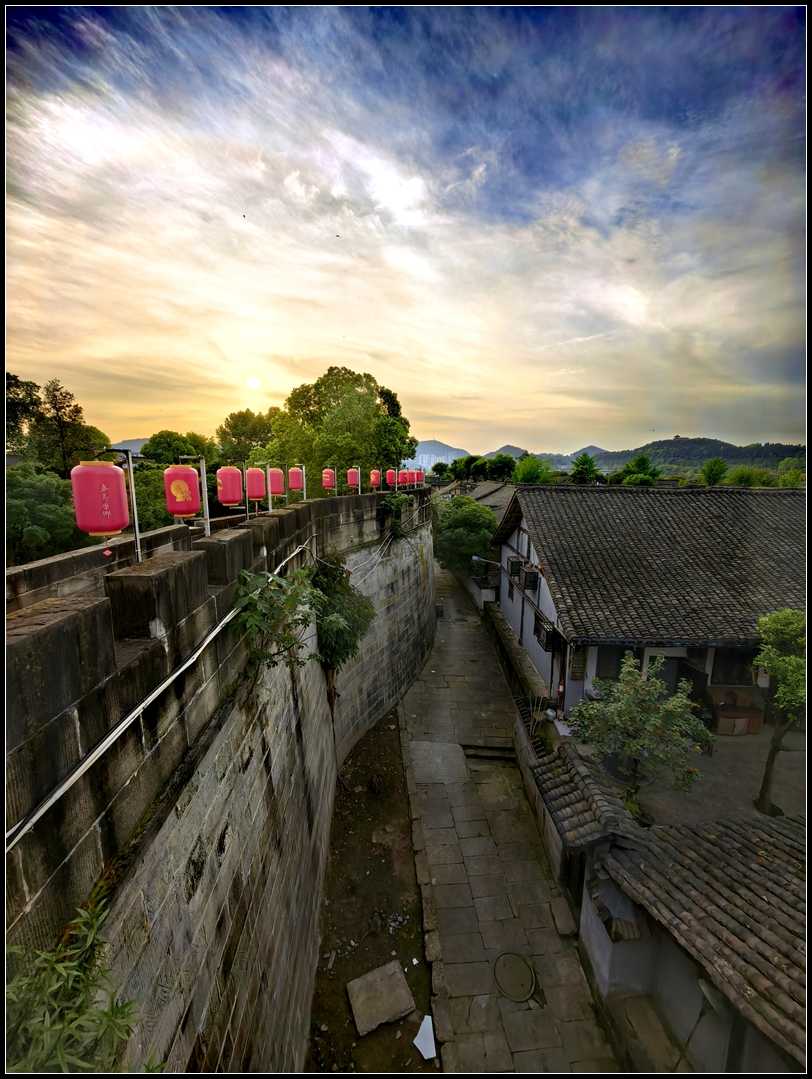
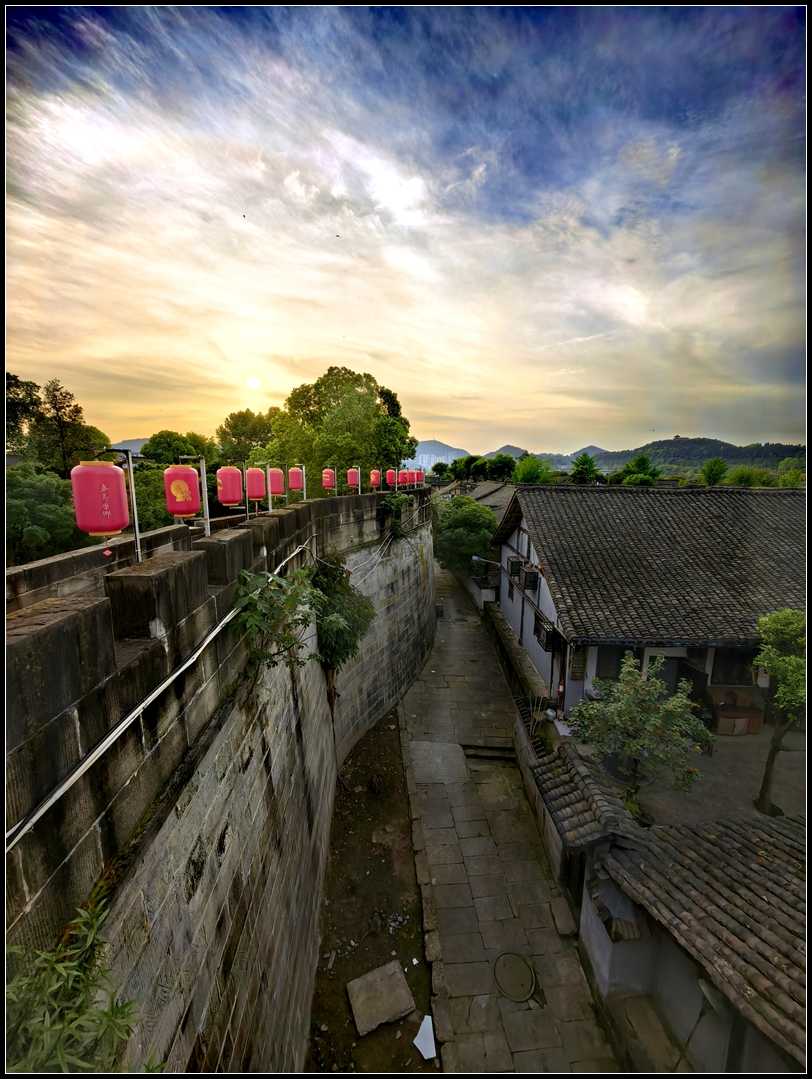
Passing through the "Jiameng" memorial archway, the blue stone road stretched into the distance. The Zhanfeng Gate (Phoenix-Gazing Gate) is the best-preserved city gate, with its Ming Dynasty stone walls and thick, ancient arched entrance. Above the gate, the tower was decorated with red lanterns and ancient banners fluttering in the wind.
Walking through Zhaohua feels like stepping directly into a Three Kingdoms novel. The city walls, the ancient well, the cobblestone streets—every element tells stories of strategists and warriors who once shaped Chinese history.
FAQ: Your Northern Sichuan Travel Questions Answered
1. What is the best time to visit Northern Sichuan?
Spring (April-May) and autumn (September-October) offer the most pleasant weather for exploring Northern Sichuan. Temperatures are mild, crowds are thinner than summer, and the scenery is at its most beautiful—spring brings blossoms, while autumn offers golden foliage.
2. How many days do I need for a Northern Sichuan itinerary?
A 5-day itinerary like this one is ideal for covering the highlights: Langzhong Ancient City, Guangyuan's grottoes, Zhaohua Ancient City, Jianmen Pass, and Beichuan. If you have more time, consider adding 2-3 days for deeper exploration of Jiuzhaigou or Huanglong.
3. Is public transportation reliable in Northern Sichuan?
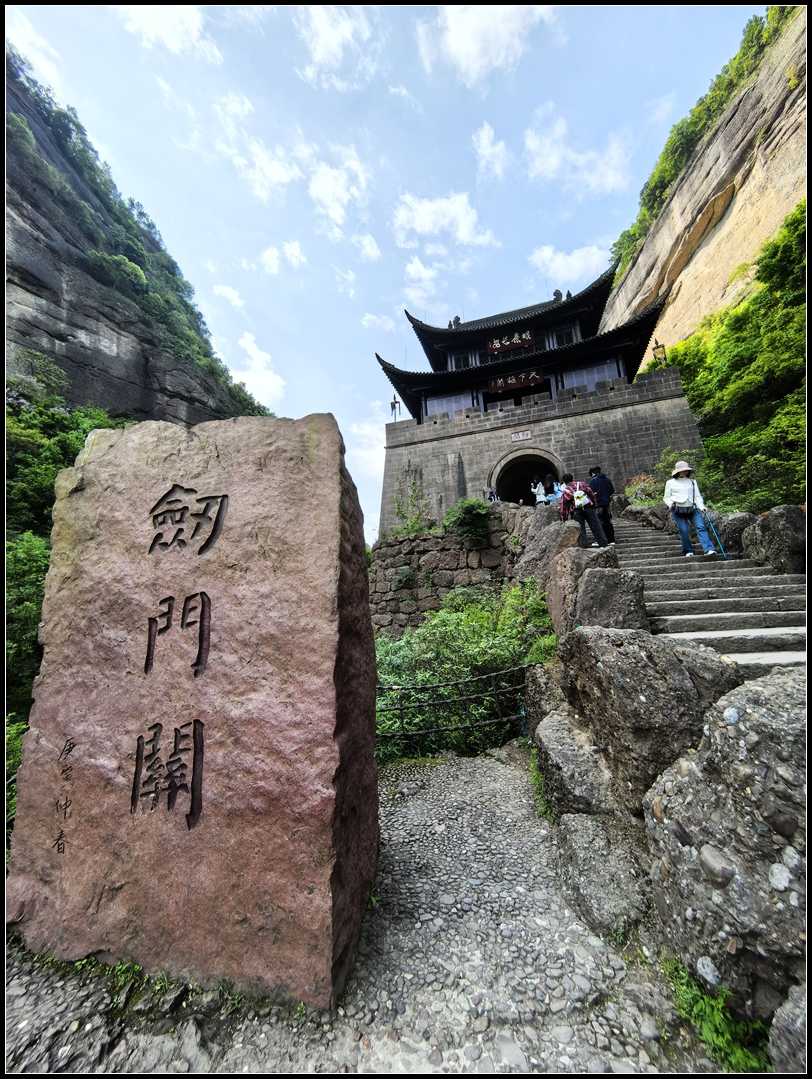
Yes, public transportation is excellent for this route. Trains and buses connect all major destinations efficiently. For remote attractions like Jianmen Pass, local minibuses are available from nearby cities. This makes Northern Sichuan free travel accessible without a car.
4. What should I pack for a Northern Sichuan trip?
Pack comfortable walking shoes (you'll climb many stairs at grottoes and passes), layers for changing temperatures, sunscreen, a hat, and a reusable water bottle. If visiting in spring or autumn, bring a light jacket for cooler evenings.
5. Are these destinations suitable for family travel?
Absolutely. Langzhong Ancient City and Zhaohua Ancient City are flat and stroller-friendly. Jianmen Pass involves some climbing but is manageable for children with breaks. The Thousand Buddha Cliff has pathways suitable for all ages.
Conclusion: Your Northern Sichuan Adventure Awaits
From the lantern-lit streets of Langzhong to the awe-inspiring Thousand Buddha Cliff, from the Three Kingdoms echoes of Zhaohua to the majestic heights of Jianmen Pass, this Northern Sichuan travel itinerary offers an unforgettable journey through China's heartland. Whether you're a history enthusiast, a nature lover, or a spiritual seeker, this region delivers experiences that resonate long after you return home.
Ready to plan your own Northern Sichuan free travel adventure? Start by booking your flight to Langzhong and let the ancient roads guide you. Pack your sense of wonder, bring comfortable shoes, and prepare for a journey that connects you with a thousand years of Chinese civilization.
[Link: Book flights to Langzhong] | [Link: Find hotels in Northern Sichuan] | [Link: More Sichuan travel itineraries]
Have you explored Northern Sichuan? Share your experiences in the comments below!
You may also like


