A Dreamy Summer Sojourn in Huizhou: Your Ultimate 4-Day Travel Guide to Anhui’s Ink-Wash Villages
Meta Description: Discover Huizhou travel tips for summer, from Huangshan hiking costs to Hongcun guesthouse stays. This 4-day itinerary covers Lucun, Tunxi Old Street, and Liyang In Alley. Plan your dream Anhui trip today.
Introduction: Why Huizhou Deserves a Spot on Your Bucket List
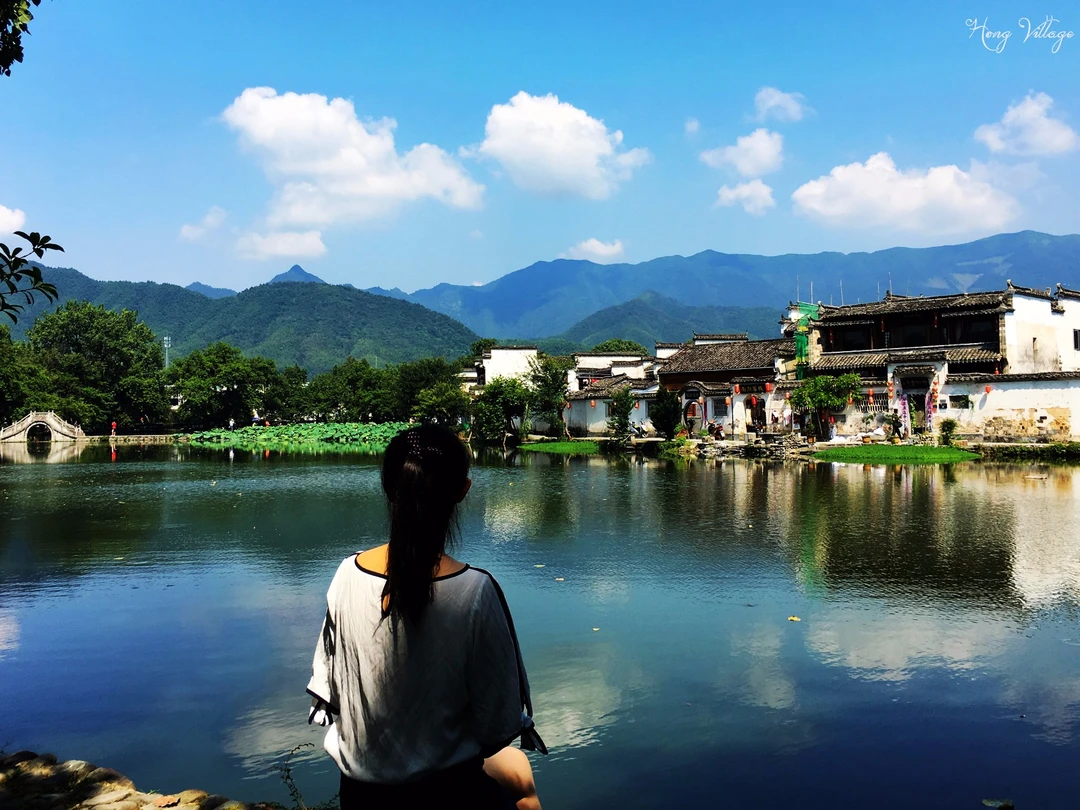
Sometimes, a place’s appeal lies not in how famous it is, but in whether it can make you forget time itself. Huizhou—a cultural region in southern Anhui Province—is exactly that kind of place. With its white-walled, black-tiled villages nestled against misty mountains, Huizhou feels like stepping into a living ink-wash painting.
Ming dynasty playwright Tang Xianzu once wrote, “Throughout my life, I’ve yearned for the most enchanting realm, yet never dreamed of reaching Huizhou.” He never made it there. But you can. In July 2017, my partner and I set out from Tianjin, spending four days traveling between Huangshan, Hongcun Village, Lucun Village, Liyang In Alley, and Tunxi Old Street. This Huizhou travel guide shares everything we learned—from hidden costs to the best guesthouses—so you can plan your own dreamy summer sojourn.
When to Visit Huizhou: Choosing the Best Season
Summer in Huizhou: Pros and Cons
July is the height of summer in Huizhou. To be honest, the heat can be overwhelming—sweat pours down during the day, and without air conditioning, sleeping at night is nearly impossible. If you have flexibility, spring (March–May) or autumn (September–November) are ideal: pleasant temperatures and more poetic scenery.
However, if summer is your only window, don’t let the heat stop you. Huizhou’s charm—its ancient villages, misty mountains, and rich cuisine—is more than enough to offset the discomfort. Just pack light clothing, stay hydrated, and book accommodations with reliable air conditioning.
Off-Peak vs. Peak Season
- Peak season (April–October): Higher prices, more crowds at Huangshan and Hongcun
- Off-peak (November–March): Lower costs, fewer tourists, but colder weather
Pro tip: If you visit in summer, start your day early (before 7 AM) to explore villages when it’s cooler and less crowded.
Huizhou 4-Day Itinerary: A Compact Exploration

This Huizhou trip itinerary balances major attractions with hidden gems. We used high-speed rail for the outbound journey and a flight for the return, saving time while keeping the trip relaxed.
Day 1: Arrival in Huangshan
- Route: Tianjin West → Huangshan North (high-speed rail, ~6 hours) → Tangkou Town
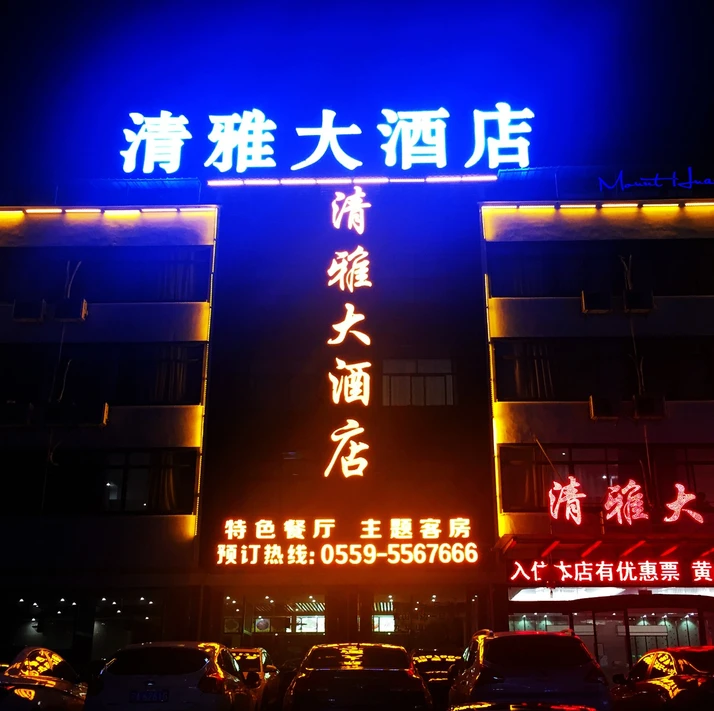
- Accommodation: Qingya Hotel (238 RMB/night)
- Highlight: Settle in, explore Tangkou Town’s local eateries
Day 2: Huangshan One-Day Classic Tour
- Route: Transfer Center → Cloud Valley Cable Car up → North Sea Scenic Area → Paiyun Pavilion → West Sea Grand Canyon → Tianhai Scenic Area → Jade Screen Pavilion → Jade Screen Cable Car down
- Accommodation: Qin’s Guesthouse in Hongcun (227 RMB/night)
Day 3: Village Hopping & Old Street Exploration
- Route: Hongcun → Lucun → Liyang In Alley → Tunxi Old Street
- Accommodation: Guzaoxu Inn in Liyang In Alley (428 RMB/night)
Day 4: Departure
- Route: Liyang In Alley → Huangshan Tunxi Airport → Tianjin Binhai Airport (flight)
Transportation in Huizhou: Why Renting a Car is the Smartest Choice
Getting around Huizhou without a car can be challenging. Public buses run infrequently, and private car hires are expensive. Here’s why we chose to rent a car—and how you can too.
Car Rental Details
We rented a Volkswagen Lavida 1.6 automatic from Shenzhou Car Rental. Pick-up was at Huangshan North Station; drop-off at Tunxi Airport.
Cost breakdown (3 days): - Rental fee: 99 RMB × 3 = 297 RMB - Basic insurance: 40 RMB × 3 = 120 RMB - Service fee: 20 RMB - One-way drop-off fee: 50 RMB - Total: 486 RMB
For under 500 RMB, we gained complete freedom to explore at our own pace—no waiting for buses, no haggling with drivers.
Public Transport Alternatives
- Tangkou Town to Hongcun: ~55 km. The bus station runs 10 daily buses (7:00 AM–4:30 PM, roughly one per hour). If you miss them, hire a private car—negotiate the price in advance.
- Huangshan North Station to Tangkou Town: Shuttle bus from the bus station or private car (more expensive).
Pro tip: If you’re traveling as a pair or group, renting a car is almost always cheaper and more convenient than relying on public transport.
Best Places to Stay in Huizhou: Three Inns, Three Experiences
Accommodation in Huizhou ranges from budget-friendly guesthouses inside ancient villages to stylish inns in modern districts. Here are three options we personally recommend.
Tangkou Town: Qingya Hotel (238 RMB/night)
- Location: Center of Tangkou Town, 50 meters from the scenic area transfer center
- Room: 18 sqm, a bit small but clean and tidy
- Pros: Excellent shower water, friendly service, great value
- Cons: WiFi signal weak in Room 507
- Verdict: Recommended for a one-night stay before climbing Huangshan
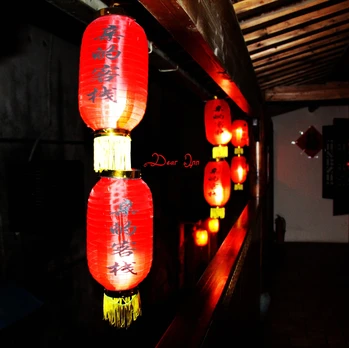
Hongcun: Qin’s Guesthouse (227 RMB/night)
- Location: Inside Hongcun Village (not by Moon Pond or South Lake, but the village is small)
- Room: 15 sqm, small but tastefully decorated
- Pros: Warmest hospitality of the trip—owner picked us up at the entrance, no deposit required, gifted us local fermented tofu at checkout
- Cons: None significant
- Verdict: Highly recommended for an authentic village experience
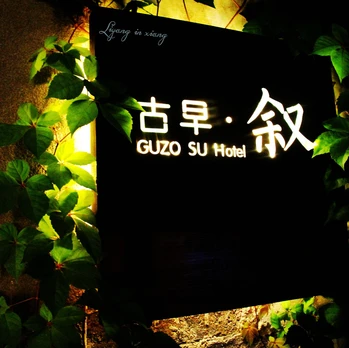
Liyang In Alley: Guzaoxu Inn (428 RMB/night, with 41 RMB cashback)
- Location: Right inside Liyang In Alley—step outside into the bustling nightlife
- Room: Classic Huizhou-style building with modern, bohemian interior decor
- Pros: “Home away from home” feeling, 200% recommended hospitality
- Parking: Available at Jinyi Cinema underground garage (grab a parking ticket at checkout)
- Breakfast: Served for two (not buffet-style, but filling)
- Verdict: Perfect for nightlife lovers
Huizhou Cuisine: An Adventure for the Taste Buds
Honestly, I don’t have high praise for Huizhou cuisine—it’s too salty, and the flavors can be hard to get used to. But that’s personal taste. If you’re adventurous, here’s what to try.
Must-Try Dishes
- Mao Tofu (毛豆腐, 48 RMB): Classic Huizhou snack. Tofu ferments until white mold forms on the surface, then cooked on a sizzling iron plate. Intense umami, but can have a faint unpleasant odor and sticky texture.
- Stone Ear Fungus Scrambled Eggs (石耳炒蛋, 38 RMB): Stone ear fungus grows on rocks, tastes similar to wood ear mushrooms. Palatable and mild.
- Huizhou-Style Fried Rice (徽式炒饭, 18 RMB): Contains eggs and shiitake mushrooms. Tasty but salty.
- Simple Greens Noodles (小青菜面, 8 RMB): Plain noodles with greens—main selling point is the low price.
Snacks & Drinks
- Kudzu Root Jelly (葛根粉): Cool and refreshing, perfect for summer
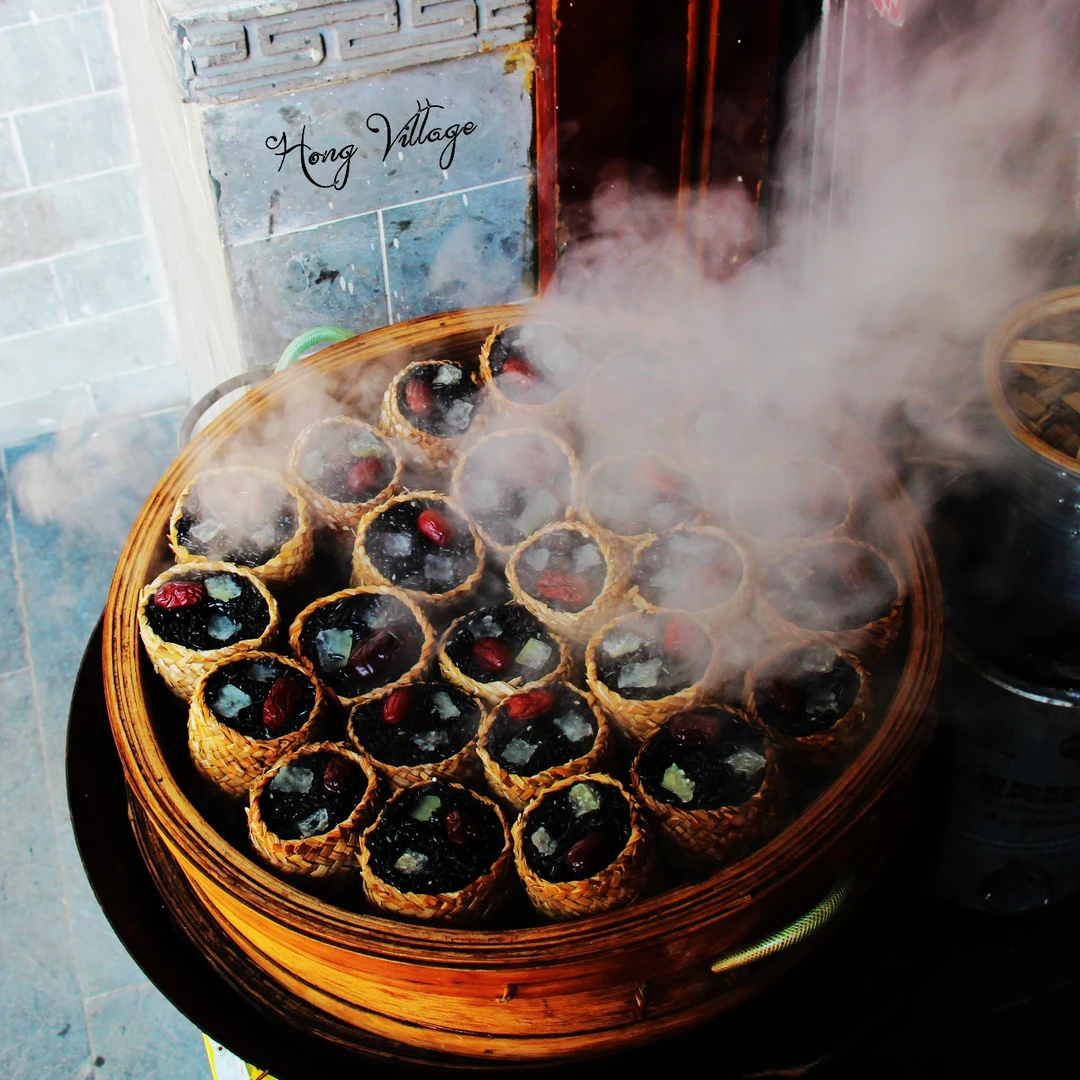
- Black Sticky Rice Cake (乌糍): Chewy and satisfying
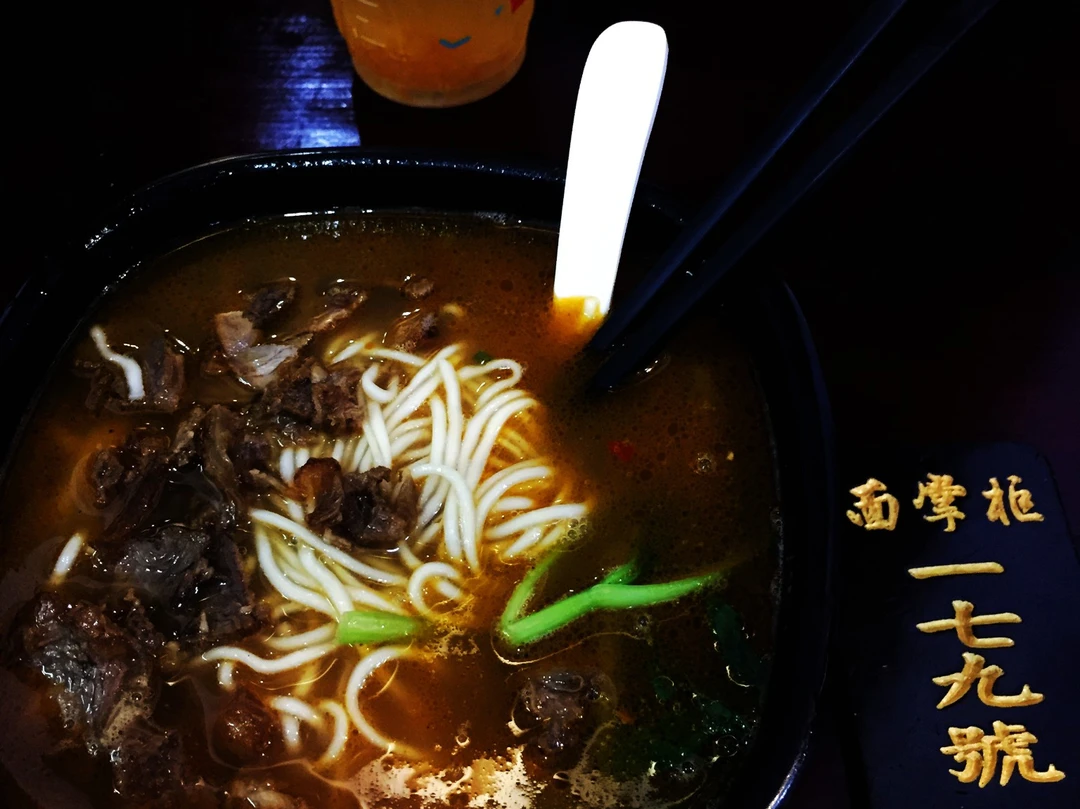
- Beef Noodles: The most comforting thing I ate in Huizhou
Pro tip: If you’re sensitive to salt, ask restaurants to go easy on the seasoning. Also, bring your own snacks—food on Huangshan mountain is expensive.
Top Huizhou Attractions: Every Scene is an Ink-Wash Painting
Huangshan (Yellow Mountain)
Huangshan’s reputation needs no introduction. The classic one-day route:
- Transfer Center → Cloud Valley Cable Car up
- North Sea Scenic Area (Beginning-to-Believe Peak, Black Tiger Pine, Brush Pen Peak, Monkey Gazing at the Sea)
- Paiyun Pavilion → West Sea Grand Canyon (cable car)
- Tianhai Scenic Area (Mandarin Fish Peak, Hundred-Step Ladder, Lotus Pavilion)
- Jade Screen Pavilion (Welcoming Pine) → Jade Screen Cable Car down
- Ciguang Pavilion → South Gate
Cost breakdown (per person): - Main entrance ticket: 230 RMB - Round-trip shuttle bus: 38 RMB - Cloud Valley cable car up: 80 RMB - West Sea cable car: 100 RMB - Jade Screen cable car down: 90 RMB - Total: 538 RMB
Practical tips: - Bring a hiking stick—cheapest wooden ones at the foot cost just 3 RMB - Pack a light jacket and umbrella—mountain weather is unpredictable - Buy self-heating rice meals at a supermarket at the base (much cheaper than food on the mountain) - Signs are very clear—hiring a guide isn’t necessary (we hired one for 20 RMB + 10 RMB red cap fee and regretted it)
Hongcun Village: An Ink-Wash Utopia
Hongcun is the quintessential example of Huizhou-style architecture. Its fame has grown, and so have visitor numbers, but the village has maintained its original character. While there’s a commercial atmosphere, it’s far less intense than other ancient towns in China.
Don’t miss: - Moon Pond (月沼): The iconic crescent-shaped pond that appears in countless photos - South Lake (南湖): Perfect for sunrise photography - Chengzhi Hall (承志堂): A magnificent merchant residence showcasing Huizhou woodcarving
Lucun Village: Hongcun’s Rustic Neighbor
Lucun falls under Hongcun’s administration but is more rustic and offers a closer connection to authentic local life. If I ever return to Huizhou, I’d choose to stay here for a slower, more immersive experience.
Tunxi Old Street & Liyang In Alley
- Tunxi Old Street: A bustling commercial street with shops selling tea, calligraphy, and local snacks
- Liyang In Alley: A modern development with a trendy, bohemian vibe—perfect for evening strolls and nightlife
[Link: Best ancient villages in Anhui Province] [Link: How to plan a Huangshan Hongcun trip on a budget] [Link: Huizhou architecture guide: What to look for]
FAQ: Your Huizhou Travel Questions Answered
1. Is summer a good time to visit Huizhou?
Summer in Huizhou is hot and humid, but the scenery is lush and vibrant. If you can handle the heat, you’ll enjoy fewer crowds (compared to spring/autumn) and lower accommodation prices. Just book rooms with air conditioning and start your days early.
2. How much does a 4-day Huizhou trip cost?
Based on our experience, a budget-friendly trip costs approximately 1,500–2,000 RMB per person, including transportation, accommodation, meals, and attraction tickets. The biggest expense is Huangshan (538 RMB per person for tickets and cable cars).
3. Should I rent a car or use public transport in Huizhou?
Renting a car is strongly recommended for flexibility and convenience. Public buses are infrequent, and private car hires can be expensive. Rental costs start at around 100 RMB/day for a basic sedan.
4. What should I pack for a Huizhou summer trip?
- Light, breathable clothing
- Comfortable walking shoes (you’ll do a lot of walking)
- Sunscreen, hat, and sunglasses
- A light jacket or sweater (for Huangshan’s summit)
- Umbrella or raincoat
- Reusable water bottle
- Snacks (especially for Huangshan day trips)
5. Which village is better: Hongcun or Lucun?
Hongcun is more famous, more commercialized, and has better infrastructure for tourists. Lucun is quieter, more rustic, and offers a more authentic local experience. If you have time, visit both—they’re only a few kilometers apart.
Conclusion: Plan Your Dreamy Huizhou Sojourn Today
Huizhou is not a place you visit—it’s a place you experience. From the misty peaks of Huangshan to the ink-wash lanes of Hongcun, every moment feels like stepping into a painting. Yes, the summer heat is real, and the cuisine might challenge your palate, but the beauty and tranquility of this region are unforgettable.
Your next step: Start planning your Huizhou itinerary. Book your high-speed rail tickets early, reserve a rental car, and choose a guesthouse inside one of the ancient villages. Whether you’re a solo traveler, a couple, or a family, Huizhou welcomes you with open arms and timeless charm.
Ready to wander through an ink-wash painting? [Book your Huizhou trip today] and discover why Tang Xianzu’s dream is now within your reach.
Have you visited Huizhou? Share your tips and questions in the comments below!


