48 Hours in Luzhou: The Ultimate "Private" May Day Escape to Sichuan's Wine City
Meta Description: Discover Luzhou, Sichuan's hidden wine city, with this 48-hour itinerary. From baijiu museums to riverside parks and unique coffee pairings, enjoy a crowd-free May Day holiday.
When the May Day holiday descends upon China, most travelers brace themselves for the inevitable—shoulder-to-shoulder crowds at iconic attractions, long queues for overpriced street food, and the constant buzz of a nation on the move. But what if I told you there's a place where you can still find solitude, authenticity, and the lingering scent of baijiu in the air? Welcome to Luzhou, the "Little Chongqing" of southeastern Sichuan.
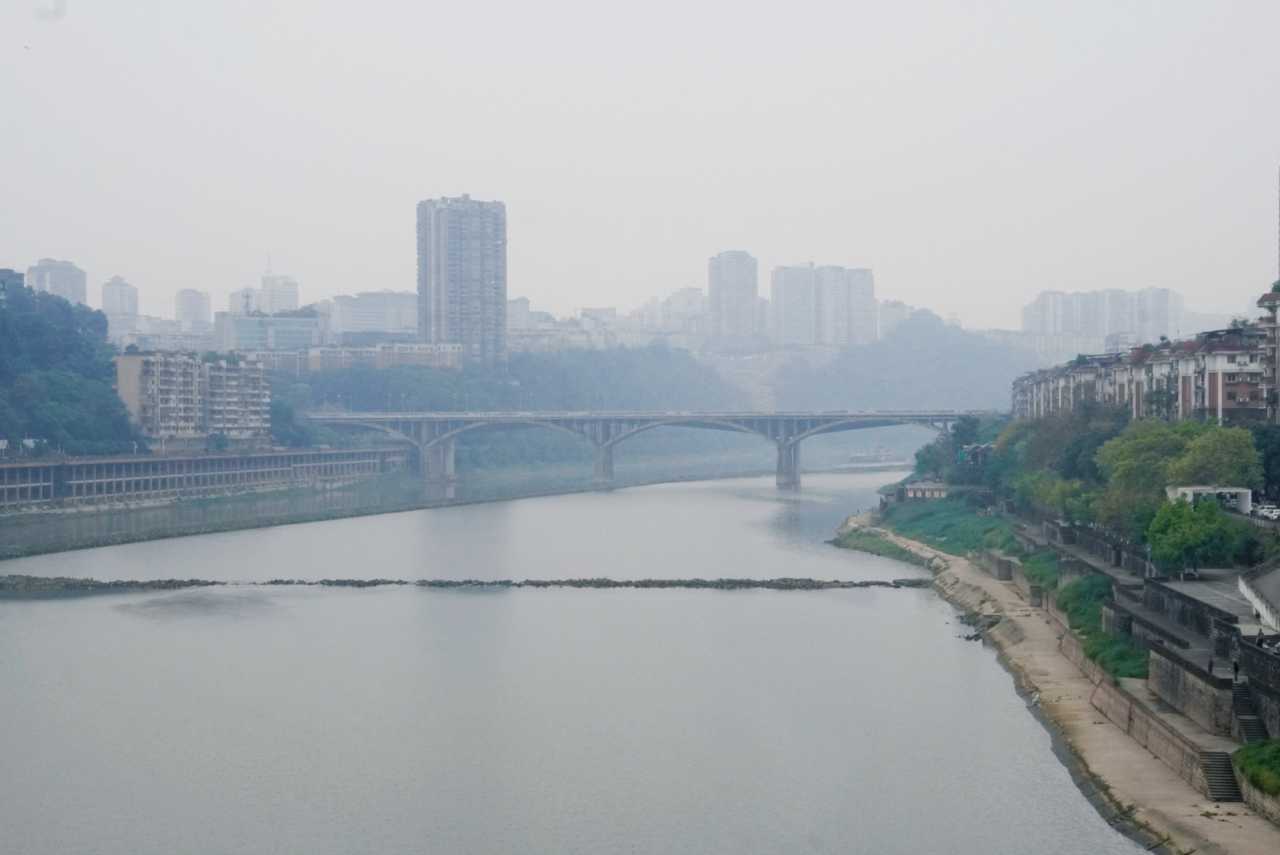
Before this trip, my knowledge of Luzhou began and ended with "Luzhou Laojiao." I admit it—I was that traveler who equated a city with its most famous export. But stepping off the train, I realized Luzhou is far more than a baijiu brand. It's a city where the Yangtze and Tuo Rivers converge, where history has settled for over two millennia, and where the pace of life remains refreshingly unhurried.
This is my story of 48 hours in the Wine City—a journey that felt almost private, even during China's busiest travel season.
Why Luzhou Should Be Your Next Sichuan Getaway
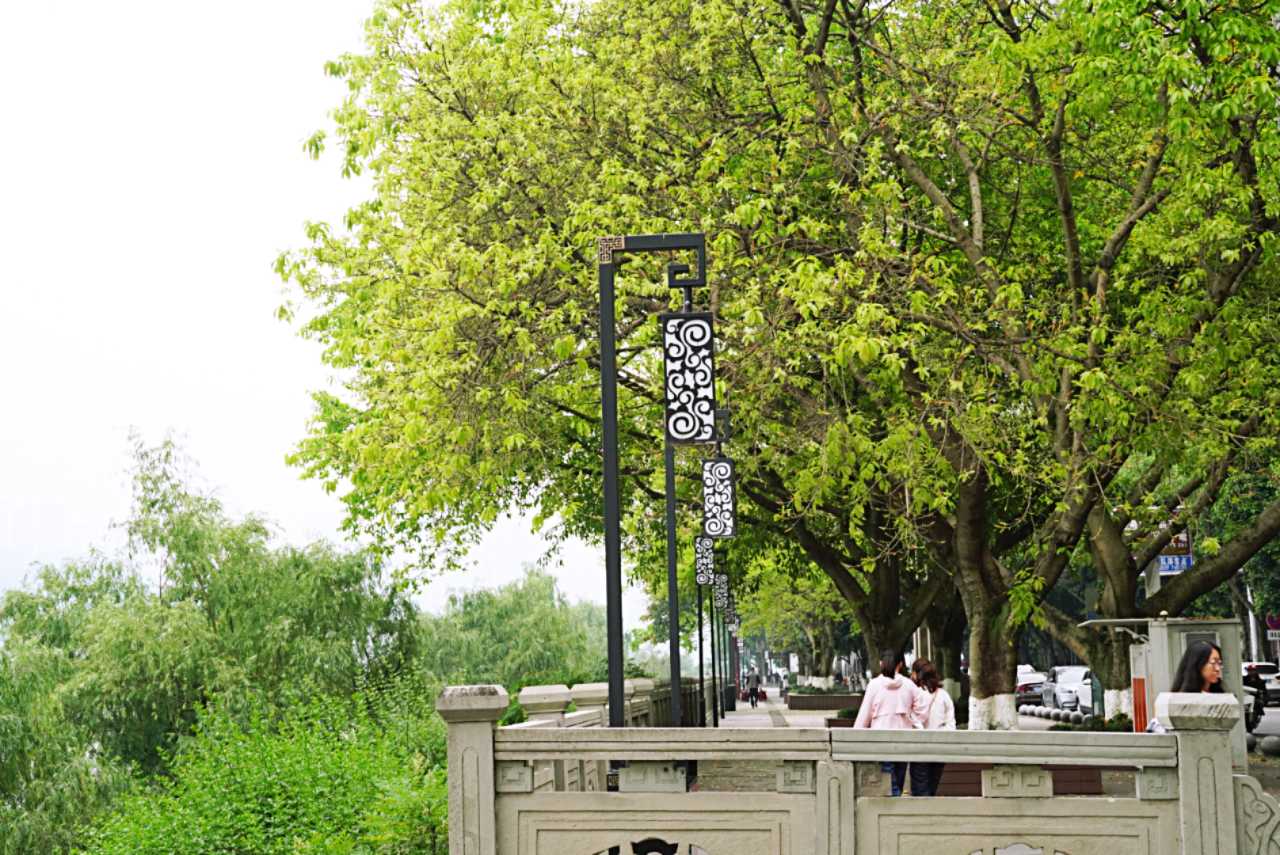
Luzhou offers what few destinations can: authenticity without the crowds. While Chengdu and Chongqing draw millions, Luzhou remains a hidden gem. The air carries a faint, sweet aroma of fermenting grain year-round. The streets are lined with century-old trees, and the locals greet you with the warmth of a neighbor, not a vendor.
For travelers seeking Sichuan travel off the beaten path, Luzhou delivers. It's a city where you can taste 2,000 years of history in a single bowl of tofu pudding, and where the baijiu culture isn't a tourist gimmick—it's a way of life.
Luzhou Travel Itinerary: 3 Days, 2 Nights, Zero Backtracking
Day 1: First Taste of the Wine City
Morning: Check-in at Zhonggu Shijia Hotel
I booked the Zhonggu Shijia Hotel for 220 yuan (approximately $30 USD) per night, including breakfast for two. During May Day, that's practically a steal. Located next to Shuijinggou Pedestrian Street, it's a five-minute walk to the riverbank and a stone's throw from the Bell and Drum Tower. The hotel sits in a private courtyard—bustling outside, serene within. For budget-conscious travelers seeking affordable Luzhou accommodation, this is your best bet.
Breakfast: The "Big Three" of Luzhou Snacks
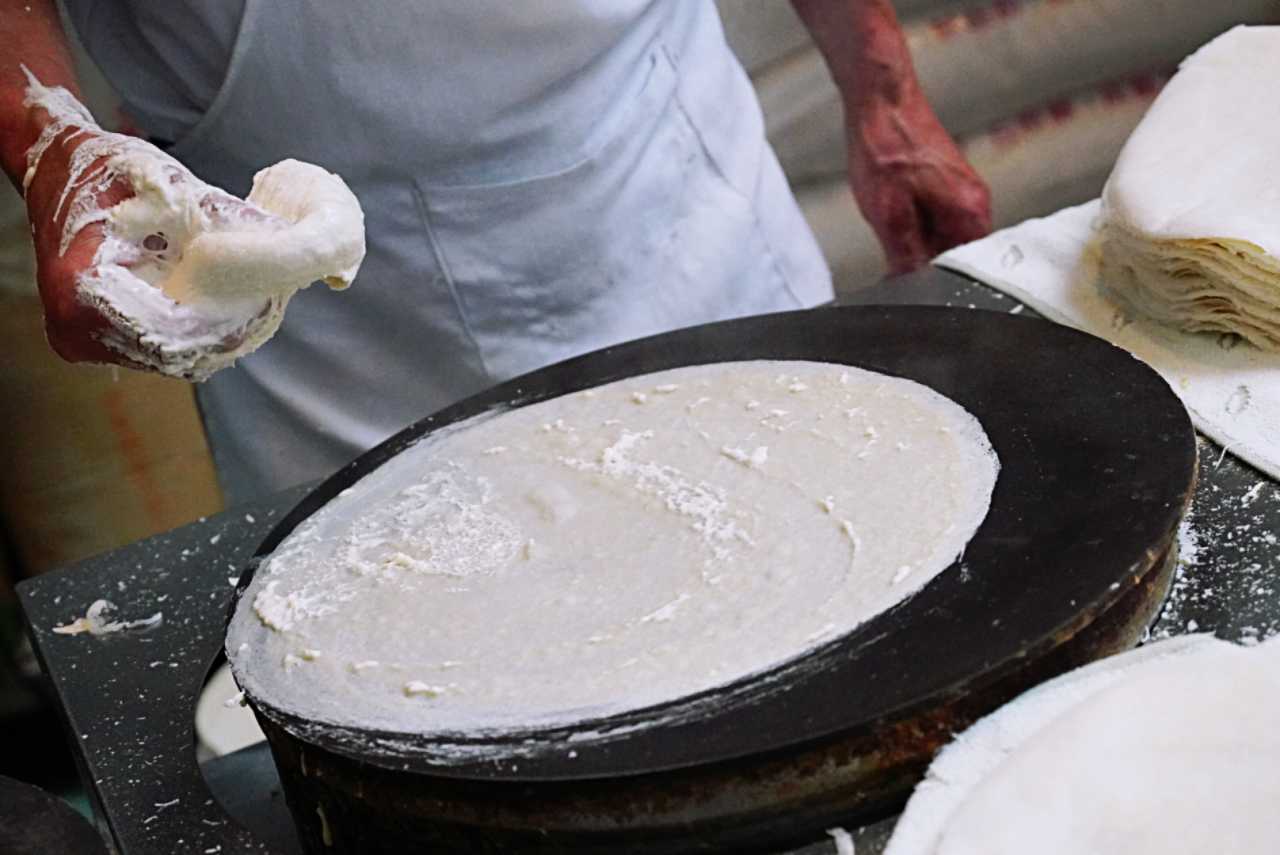
No trip to Luzhou is complete without experiencing the "Three Giants of Luzhou Snacks" —White Rice Cake (Baigao), Zhu'er Ba (Glutinous Rice Bun), and Tofu Pudding (Doufunao). These three shops sit side by side, forming the city's ultimate breakfast trinity.
- White Rice Cake: Fermented rice flour steamed to cloud-like softness. Lightly sweet, melt-in-your-mouth texture.
- Zhu'er Ba: Glutinous rice wrapper stuffed with savory minced meat and pickled vegetables. The skin stretches like taffy when hot.
- Tofu Pudding: Silky bean curd topped with chili oil, crispy peanuts, and crunchy soybeans. Spicy, numbing, and wonderfully layered.
The tofu pudding shop also serves Hunshui Ba (crispy outside, savory inside) and Wuxiang Gao (five-spice cake, intensified by deep-frying). By the end, you'll be in a blissful "carb coma."
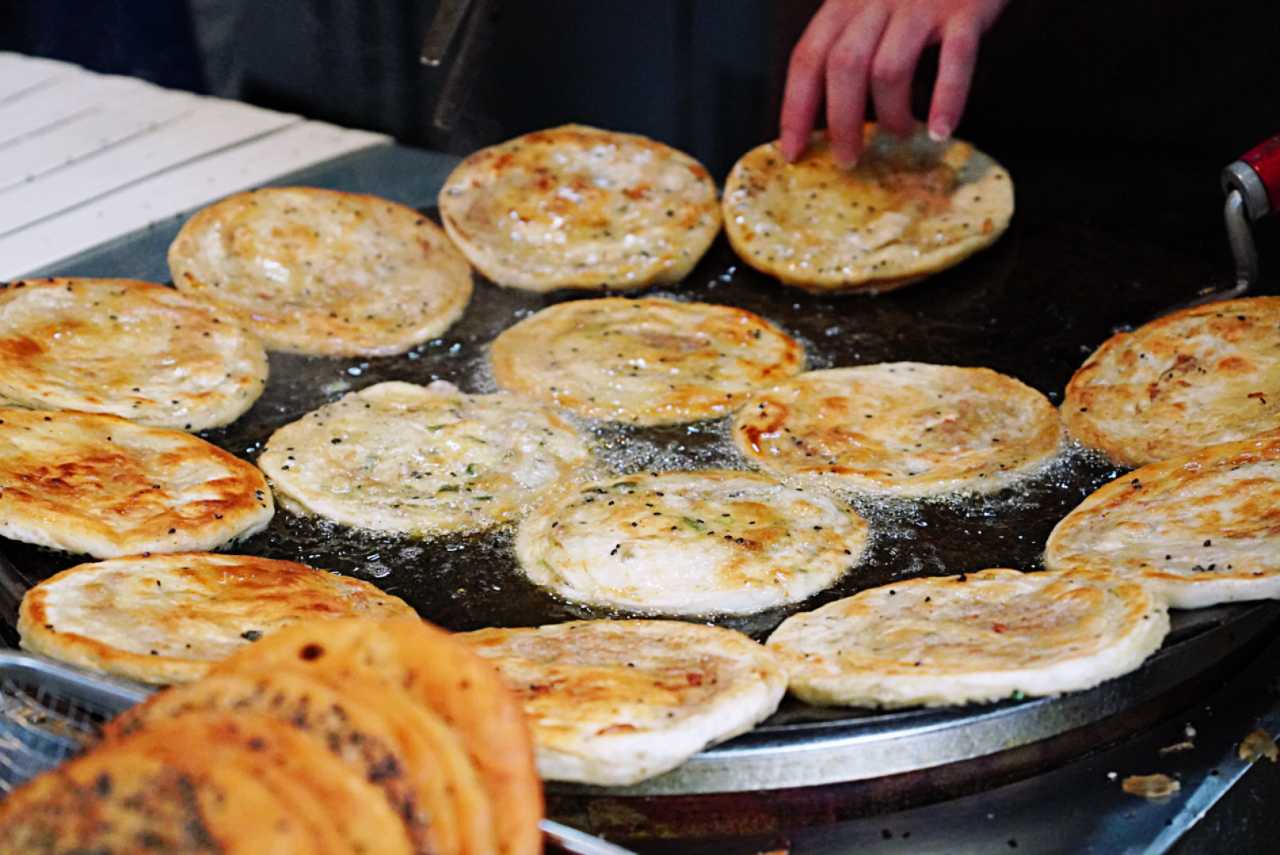
Pro tip: Start with Mou Guokui (Mou's Pan-Fried Stuffed Flatbread) just around the corner. The fresh pork version has a generous filling with rich, numbing pepper flavor. The crust is golden, flaky, and perfectly layered—that "crunch" sound is irresistible.
Midday: Luzhou Laojiao Museum – Is 35 Yuan Worth It?
An eight-minute walk from breakfast brings you to the Luzhou Laojiao Museum (entrance fee: 35 yuan per person, free for seniors and minors). I'll be honest—after visiting the Wuliangye distillery, I was skeptical. But the "since I'm already here" mentality won.
Upon entering, eight characters greet you: "Heaven's Finest Nectar, Strong-Aroma Holy Land." The entire museum complex is saturated with the aroma of baijiu. Inside the 79-meter-long fermentation workshop, you can look down through glass at ancient fermentation pits dating back to the Yuan, Ming, and Qing dynasties.
While the overall experience isn't as grand as Wuliangye, it's still a worthwhile stop for baijiu culture enthusiasts. The museum displays a large collection of products from various eras, clearly showing the brand's evolution.
Verdict: If you're a spirits lover or history buff, yes. If you're short on time, skip it for more street exploration.
Afternoon: White Pagoda, Riverside Park, and Guanyizui
Luzhou's White Pagoda (Gratitude Pagoda) is a seven-story, double-eaved brick-and-stone structure. You can no longer climb it, but the square below is alive with activity—ring toss games, painting, bead crafts, and children's laughter.
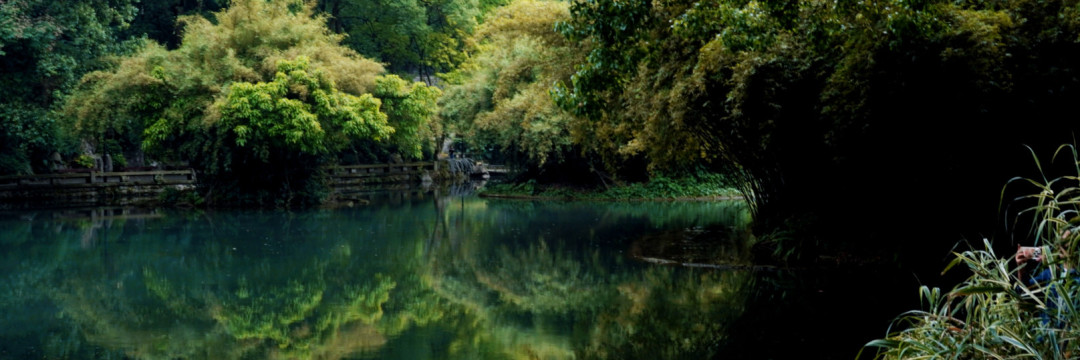
Riverside Park is a hidden gem. The riverside path perfectly frames the Yangtze River, and a casual snapshot can look like a movie still. Pavilions and walkways make it ideal for a slow, leisurely stroll.
Guanyizui Square sits at the confluence of the Yangtze and Tuo Rivers. Its shape resembles a ferry, earning it the nickname "Luzhou's Chaotianmen." Honestly, it felt a bit underwhelming—with better development, this spot could be much more impressive.
Evening: Dahe Street and nomo coffee
Dahe Street is where half life meets half history. Cobblestone paths, Song and Ming dynasty city walls, Sichuan opera tunes, and roadside shops selling oil-paper umbrellas and creative crafts. What's refreshing is that the street doesn't feel artificially aged—history is naturally woven into daily existence.
Then came the highlight: nomo coffee and their Guojiao 1573 Dirty. This is a stunning crossover of baijiu and coffee. The combination of strong-aroma baijiu with a dirty coffee is genius. Drink it in big gulps to experience the smooth, rich taste. If you sip slowly, you'll taste mostly coffee and milk at first—then the baijiu hits you later, and that impact is incredibly smooth.
Also try the Osmanthus White Rice Cake Latte—fragrant, sweet, with a hint of milkiness from the white rice cake and a subtle tang from fermented rice. The layers of flavor are incredibly rich.
Dinner: Li Feichang Restaurant
End your first day at Li Feichang Restaurant (Li's Pig Intestine). This is a paradise for offal lovers. The pig intestine is cleaned meticulously, cooked to tender perfection, and seasoned with Sichuan's signature numbing spice. Pair it with a bowl of rice, and you'll understand why locals queue for hours.
Day 2: History, Heights, and Hidden Flavors
Morning: Bell and Drum Tower & Zhongshan Park
Start your day at the Bell and Drum Tower, a Ming dynasty structure that once marked the city's center. Climb to the top for panoramic views of Luzhou's rooftops and the distant river.
Next, visit Zhongshan Park—a peaceful green space perfect for morning tai chi or a quiet stroll. The park is home to century-old banyan trees and a small pond with koi fish.
Lunch: Yanji Lizhuang Baorou & Xitang Sweet Soup
Yanji Lizhuang Baorou (Yan's Sliced White Pork) is a Luzhou specialty. The pork is boiled until tender, then sliced paper-thin and served with a dipping sauce of soy sauce, chili, and garlic. Simple, yet unforgettable.
Follow it with Xitang Sweet Soup—a warm, comforting dessert made from glutinous rice balls in sweet ginger soup. It's the perfect palate cleanser after the rich pork.
Afternoon: Wine City Amusement Park Observation Deck & Baizitu Cultural Square
For a different perspective, head to the Wine City Amusement Park Observation Deck. The Ferris wheel offers stunning views of the city and the confluence of the two rivers. It's a bit touristy, but the panorama is worth it.
Baizitu Cultural Square is a cultural hub featuring sculptures and installations celebrating Luzhou's baijiu heritage. It's a great spot for photos and learning about the city's wine-making traditions.
Dinner: Wine City Black Fish Restaurant
End your second day at Wine City Black Fish Restaurant. The signature dish is black fish cooked in baijiu broth—the alcohol evaporates during cooking, leaving behind a rich, aromatic flavor. The fish is tender, the broth is addictive, and the experience is uniquely Luzhou.
Day 3: Last Bites and Departure
Breakfast: Old Brand Xuyong Bean Soup Noodles
Before you leave, try Old Brand Xuyong Bean Soup Noodles. This is a Luzhou institution—noodles in a rich, savory bean soup topped with minced pork, scallions, and chili oil. It's comfort food at its finest, and the perfect send-off.
Morning: Luzhou Museum
The Luzhou Museum offers a deeper dive into the city's history, from prehistoric times to the modern era. Exhibits include ancient pottery, bronze artifacts, and, of course, baijiu-related items. It's free to enter and takes about an hour to explore.
Departure
From the museum, it's a short taxi ride to Luzhou's train station or airport. As you leave, the scent of baijiu will linger in your memory—a fragrant reminder of a city that's more than just a wine brand.
FAQ: Everything You Need to Know About Luzhou Travel
Q1: Is Luzhou worth visiting during Chinese holidays?

Absolutely. Unlike Chengdu, Chongqing, or Xi'an, Luzhou remains relatively uncrowded even during peak seasons like May Day or National Day. You'll enjoy shorter queues, more personal space, and a more authentic experience.
Q2: How do I get to Luzhou from Chengdu?
Luzhou is about 2.5 hours from Chengdu by high-speed train (approximately 100 yuan). Buses are also available but take longer. The city also has an airport with flights from major Chinese cities.
Q3: What's the best time to visit Luzhou?
Spring (March-May) and autumn (September-November) offer pleasant temperatures and clear skies. Summer can be hot and humid, while winter is mild but rainy.
Q4: Is Luzhou safe for solo travelers?
Yes. Luzhou is a safe city with friendly locals. The main tourist areas are well-lit and patrolled. As with any city, exercise standard precautions, especially at night.
Q5: What should I buy as souvenirs from Luzhou?
- Luzhou Laojiao baijiu (especially Guojiao 1573)
- White Rice Cake (packaged for travel)
- Local tea (Luzhou produces excellent green tea)
- Handmade oil-paper umbrellas from Dahe Street
Final Thoughts: Why Luzhou Deserves a Spot on Your Travel List
Luzhou isn't trying to be a tourist destination. It doesn't have flashy attractions or Instagram-famous landmarks. What it does have is soul—a deep, resonant soul shaped by two millennia of history, the flow of two great rivers, and the alchemy of baijiu.
In an era where everyone is searching for "poetry and distant lands," Luzhou remains refreshingly grounded. It's a city where you can taste history in every bite, feel the pulse of everyday life in every street, and find a moment of peace even during the busiest holiday.
So, the next time you're planning a Sichuan getaway, skip the crowds of Chengdu and the chaos of Chongqing. Come to Luzhou instead. Come for the baijiu, stay for the soul.
[Link: Best Sichuan travel destinations for food lovers] [Link: How to plan a budget-friendly China trip] [Link: Top baijiu distilleries to visit in China]
Ready to experience Luzhou for yourself? Book your train tickets, pack your appetite, and prepare for a journey that will linger in your memory—and on your palate—long after you've left. Share your Luzhou travel stories in the comments below, or tag us on social media with #WineCityEscape. Cheers to your next adventure!