40 Days Across the Celestial Road: A Dog's Tibet Self-Driving Diary – Ultimate Guide & Itinerary
Meta Description:
Join a family of two humans and one dog on an epic 40-day, 12,000 km Tibet self-driving loop. Detailed itinerary, altitude tips, accommodation advice, and a dog's-eye view of the Celestial Road.
Introduction: Why This Tibet Road Trip Diary Matters
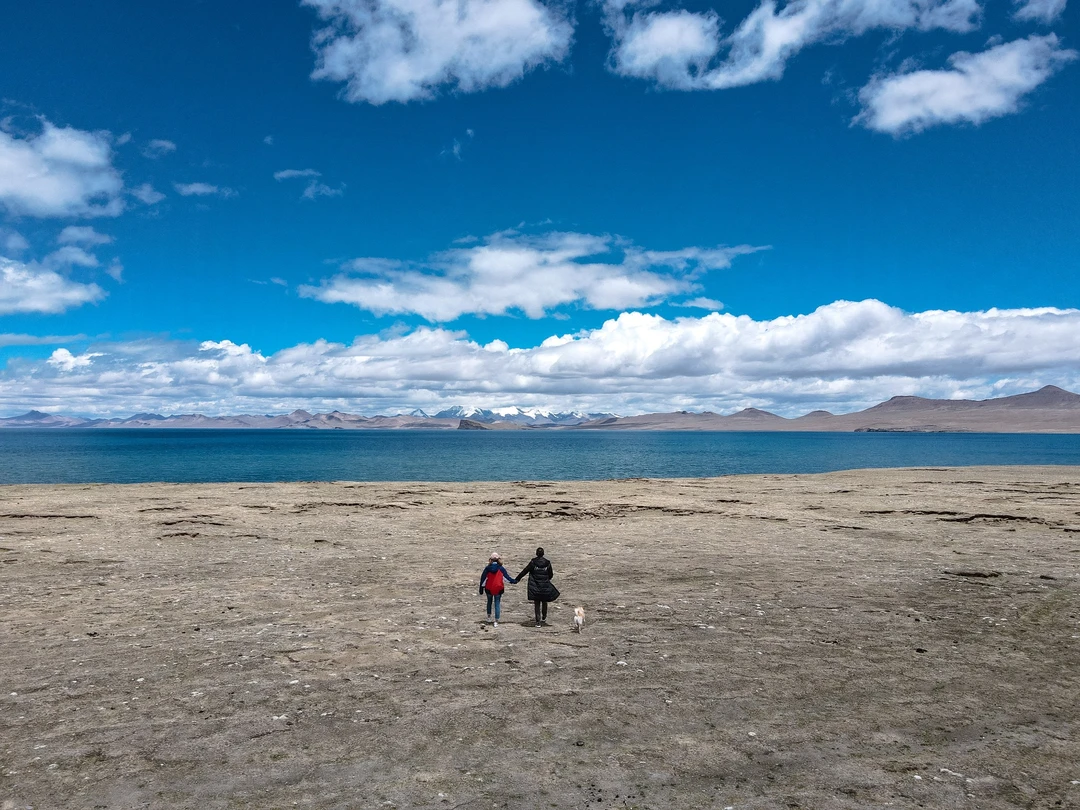
In 2020, we set out on a 40-day, nearly 12,000-kilometer self-driving loop across Tibet. But this wasn't just another travelogue. Our journey had a special narrator: Mai Zi, a dog from Xi'an who experienced the Celestial Road through panting, drooling, and bewildered curiosity.

This article serves two purposes: 1. For adventure seekers: A complete, SEO-optimized Tibet self-driving itinerary with altitudes, accommodation tips, and practical advice. 2. For pet owners: Honest insights on traveling Tibet with a dog – including altitude sickness, pet-friendly stops, and survival strategies.
Whether you're planning a Tibet road trip or simply love quirky travel stories, this guide will help you navigate the Roof of the World.
The Ultimate Tibet Self-Driving Itinerary: 40 Days, 12,000 km

Day 1-2: Xianyang → Chengdu (745 km) – The Food Trap
Altitude: 500 m
Key Takeaway: Chengdu is a food paradise, but your dog will hate you.

Mai Zi's first lesson: Human food smells amazing but never gets shared. The aroma of chuan chuan (skewers), bing fen (ice jelly), and ma ma tu tou (rabbit head) filled the air – all torture for a dog in the backseat.
Pro tip: Pack dog treats before entering Chengdu. Your furry friend will need compensation.
[Link: Best pet-friendly hotels in Chengdu]
Day 3: Chengdu → Barkam (322 km) – First Altitude Sickness
Altitude: 2,600 m
Key Symptoms: Panting, lethargy, confusion

Barkam sits in a valley along the Suomo River. For Mai Zi, climbing stairs became a struggle. "Altitude sickness" wasn't tasty – it was uncomfortable breathing and a racing heart.
Dog-specific warning: Barkam has almost no grass. If your dog only goes on grass, prepare for a bathroom emergency.
Human tip: Stay hydrated. The dry air at 2,600m will dehydrate you faster than you think.
Day 4: Barkam → Sertar (268 km) – The Red Houses & Sky Burial
Altitude: 3,800 m
Route: G317 Northern Sichuan-Tibet Highway

The G317 offers winding mountain roads and stunning grasslands. Past Guanyin Bridge, the landscape opens into endless pastures.
Sertar Sky Burial Site: Closed to the public. Ceremonies occur around 1-2 PM, but timing is unreliable. The entrance sign clearly states: "Sky Burial Site Not Open to the Public."
Dog moment: Mai Zi saw a rabbit for the first time – and couldn't catch it due to altitude sickness.
Day 5: Sertar → Garzê (180 km) – The Buddhist Academy That Wasn't
Altitude: 4,580 m (Nailong Mountain Pass)

Larung Gar Five Sciences Buddhist Academy: The world's largest Buddhist academy, but closed due to COVID. The owners tried: - Driving through the back mountain – stopped by police - Hiking over the mountain – stopped by police again - Drone photography – only option left
Dog's perspective: Mai Zi gloated at the guesthouse. "Serves them right for not taking me."
Scenery highlight: County road S455 (Sêrtar-Luhuo Highway) – almost no cars, stunning views, and the 4,580m Nailong Mountain Pass.
Day 6: Garzê → Dêgê (191 km) – Red Robes & "Sichuan Pepper Pie"
Altitude: 3,400 m
Key Attractions: Garzê Monastery, Chola Mountain (6,186 m), Yulong Laco (Jade Dragon Lagoon)

Garzê Monastery: 300+ years old, Gelug school (Yellow Hat). The view from the monastery covers all of Garzê County.
Dog confusion: "Red pepper? Sichuan pepper?" – Mai Zi's interpretation of Tibetan Buddhist sects (Nyingma/Red Hat, Sakya/Striped Hat).
Money-saving tip: Yulong Laco charges 30 RMB entrance fee. The author skipped it, noting "free lakes in Tibet will make you sick of them."
Day 7: Dêgê → Chamdo (330 km) – Printing House Secrets

Altitude: 3,200 m
Key Attraction: Dêgê Printing House (one of Tibet's most important cultural sites)
Dog moment: Gengqing Monastery's red-robed monks wanted to pet Mai Zi. The owners handed her over willingly – raising questions about their parental commitment.
Essential Tibet Self-Driving Tips for Pet Owners

1. Altitude Sickness in Dogs

Symptoms: - Excessive panting - Lethargy - Loss of appetite - Staggering gait
Solutions: - Ascend gradually (max 300m per day above 3,000m) - Provide plenty of water - Consider dog-specific altitude medication (consult your vet) - Know when to turn back
2. Bathroom Breaks on the Celestial Road

Tibet's high-altitude towns often lack grass. Mai Zi's solution: Hold it until finding a suitable spot. Pack puppy pads as backup.
3. Pet-Friendly Accommodation

Not all Tibetan guesthouses accept dogs. Call ahead and confirm. The author's experience suggests mid-range guesthouses are more flexible than luxury hotels.
4. Food & Water Safety

- Water: Carry bottled water for both humans and dogs. Tibetan tap water is not safe.
- Food: Tibetan cuisine is heavy on meat and butter tea. Dogs may not tolerate rich food. Pack their regular kibble.
5. Temperature Extremes

Tibet's weather is unpredictable. One minute it's sunny, the next it hails. Pack: - Dog coat (for high passes) - Cooling mat (for low valleys) - Paw wax (for rough terrain)
FAQ: Tibet Self-Driving with a Dog

Q1: Can I really take my dog to Tibet?

Yes, but with caveats. Tibet Autonomous Region requires a special permit for foreign travelers (Tibet Travel Permit). For domestic Chinese travelers, dogs are allowed in most areas, but some monasteries and protected sites prohibit pets. Always check local regulations.
Q2: What's the maximum altitude for dogs?

Most dogs can handle up to 4,000m with proper acclimatization. Above 4,500m (like Nailong Mountain Pass at 4,580m), monitor closely. Brachycephalic breeds (pugs, bulldogs) are at higher risk.
Q3: How do I prevent my dog from getting altitude sickness?

- Ascend slowly (300m per day max above 3,000m)
- Provide oxygen (portable canisters work for both humans and dogs)
- Keep your dog hydrated
- Avoid strenuous exercise at high altitude
- Watch for symptoms and descend if necessary
Q4: Are there veterinarians along the Tibet self-driving route?

Limited. Major towns like Chengdu, Lhasa, and Chamdo have vet clinics. Remote areas do not. Pack a basic first-aid kit for your dog.
Q5: What's the best time of year for a Tibet road trip with a dog?

May to October. June-September offers the warmest weather, but also monsoon rains. May and October have fewer crowds but colder temperatures at night.
Budget Breakdown: 40 Days Across Tibet

| Category | Cost (RMB) |
|---|---|
| Fuel (12,000 km) | 6,000 |
| Accommodation (39 nights) | 4,500 |
| Food (humans) | 3,000 |
| Food (dog) | 500 |
| Permits & entrance fees | 1,000 |
| Vehicle maintenance | 1,500 |
| Miscellaneous | 500 |
| Total per person | 13,000 |
Note: Costs are based on 2020 prices. Expect 15-20% increase for 2024-2025.
Final Thoughts: The Dog's Verdict
Mai Zi's final assessment of Tibet:

"The air is thin, the grass is scarce, and my owners kept talking about 'red pepper' and 'Sichuan pepper' pies that I never got to eat. But the snow mountains were beautiful, and the red robe uncles were nice to pet me. Would I do it again? Only if they promise me a real pie at the end."
For humans: This 40-day loop offers everything – cultural depth, natural beauty, and the unique challenge of traveling with a pet. The Celestial Road isn't just a highway; it's a test of patience, preparation, and love for your furry companion.
Your Turn: Plan Your Tibet Self-Driving Adventure
Ready to hit the Celestial Road? Here's your checklist:
- Vehicle preparation: 4WD recommended, especially for G317 and county roads
- Permits: Tibet Travel Permit (if foreign), Alien's Travel Permit (for extended areas)
- Pet preparation: Vet check, vaccinations, microchip, travel documents
- Route planning: Download offline maps (Google Maps doesn't work well in Tibet)
- Emergency kit: First aid, oxygen, tire repair kit, extra fuel

Share your story: Have you traveled Tibet with a dog? What challenges did you face? Leave a comment below or tag us on social media with #TibetDogDiary.
Next read: [Link: 10 Essential Tibetan Phrases for Self-Driving Travelers]
Related guide: [Link: How to Acclimate Your Dog to High Altitude – A Step-by-Step Plan]
Article based on original content from Mafengwo user i/20856487. Facts and figures verified as of June 2020. Always check current travel regulations before planning your trip.
You may also like


