317 Cultural Journey: The Ultimate Western Sichuan Travel Guide for Altitude Sickness Survival
Meta Description: Discover the 317 Cultural Journey through Western Sichuan's Lonely Planet. Expert altitude sickness survival guide, 10-day itinerary, and spiritual destinations like Yarchen Monastery. Breathe easy at 4,600m.
Introduction: Why Western Sichuan Demands a Second Chance
Western Sichuan is a place that breaks you before it builds you. After a brutal first encounter with altitude sickness on Tagong Grassland—where I spent the night vomiting every 30 minutes at 3,700 meters—I swore I'd never return. Snow-capped mountains? Switzerland has them. New Zealand has them. No altitude, no suffering.
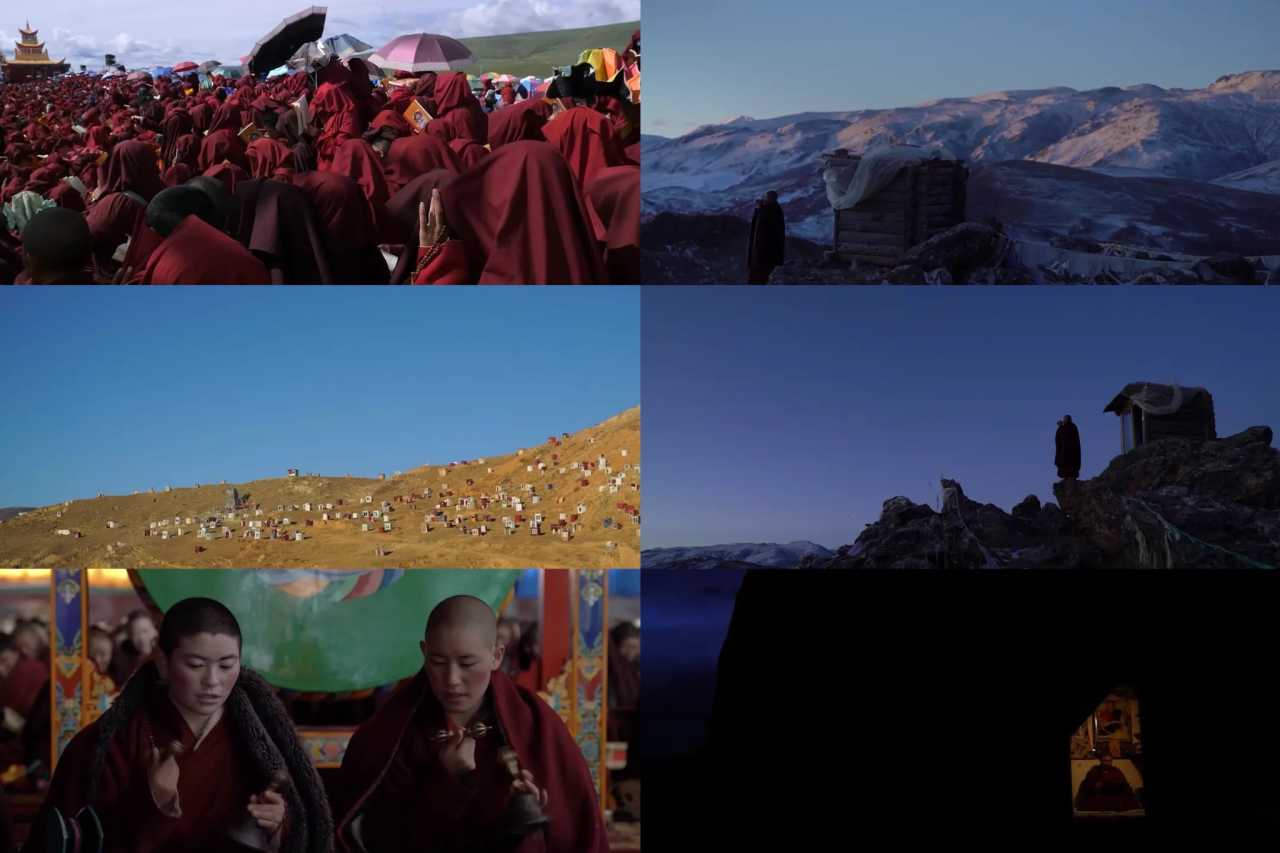
But Western Sichuan isn't just about peaks. It's about faith, resilience, and finding yourself in thin air. The documentary The Crimson Forest showed me Yarchen Monastery, and something clicked. This wasn't about conquering altitude—it was about learning to breathe differently.
This 317 Cultural Journey guide covers everything: a proven altitude acclimatization strategy, a complete 10-day itinerary, and the spiritual heart of Western Sichuan. If you've ever wondered whether you can handle high-altitude travel, this article is for you.
Understanding Altitude Sickness: The Science Behind the Struggle
Altitude sickness is oxygen deprivation. At elevations above 2,500 meters, your body struggles to get enough oxygen. Symptoms include shortness of breath, dizziness, nausea, vomiting, headaches, and drowsiness. Without proper acclimatization, it can escalate into severe mountain sickness—potentially life-threatening.
Why Most Altitude Sickness Prevention Fails
Over-the-counter remedies like squalene, rhodiola rosea, and "Gaoyuan'an" are largely placebos. I took every preventive pill available on my first trip—and still got wrecked. On my second trip, I brought real prescription medication but never used it. The key isn't medication. It's strategy.
The Truth About Portable Oxygen
| Oxygen Type | Best For | Limitations |
|---|---|---|
| Canned oxygen | Short high-altitude visits (hours) | Useless for extended stays above 3,000m |
| Oxygen pillows | Backup for short stops | Need hospital refills; inconvenient on mountain roads |
| Oxygen tanks | High purity | Dangerous on bumpy roads |
| Oxygen concentrators | Car and hotel use | Requires portable power bank |
My recommendation: Invest in an oxygen concentrator with over 95% purity. It's safe, reusable, and works both in the car and at hotels.
The 7-Day Altitude Acclimatization Plan That Actually Works
This step-by-step plan got me from altitude sickness victim to camping comfortably at 4,200 meters in one week. No medication, no portable oxygen—just smart pacing.
Day 1: Start Low and Stay Low
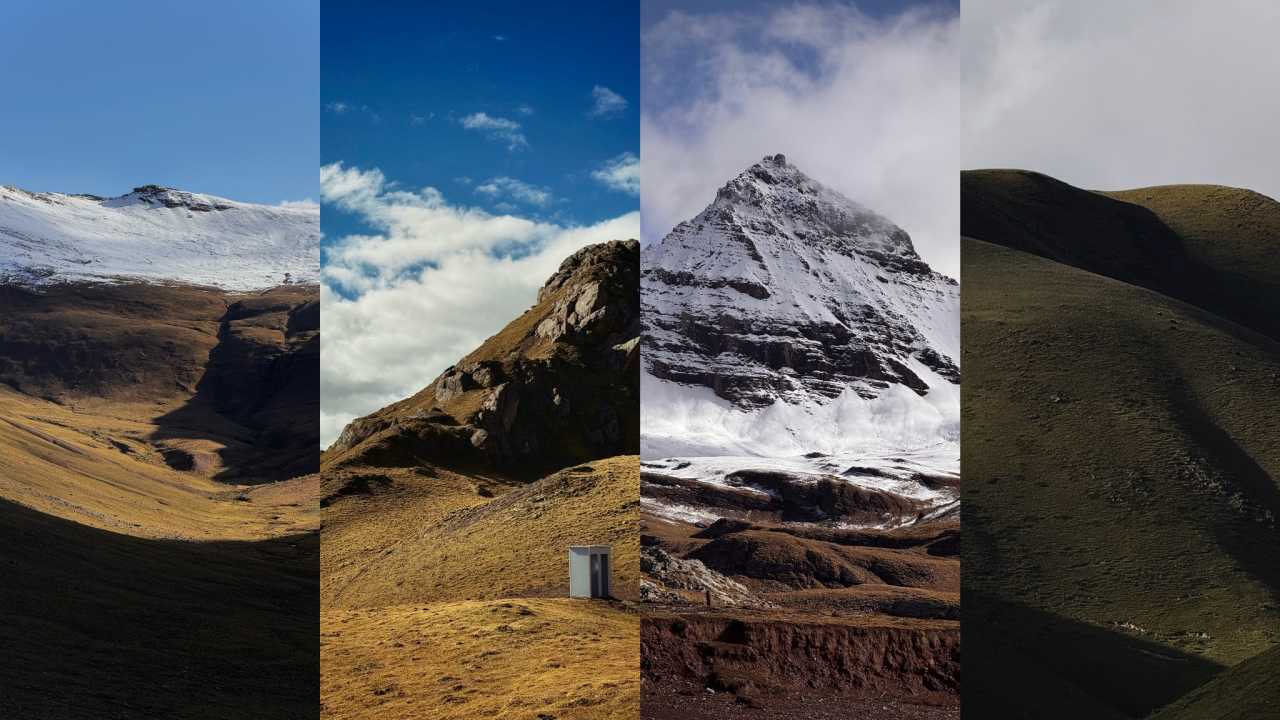 - Target elevation: 2,500 meters maximum - Action: Spend your first night acclimatizing. If you react at 2,500m, stay longer. - Why it works: Your body needs time to produce more red blood cells.
Day 2: Test the Waters
- Target elevation: Above 3,500 meters for 4-6 hours max
- Action: Return below 3,000m by evening. Monitor pulse oximeter—if below 90%, practice belly breathing or use oxygen.
- Critical rule: The first three days determine your entire trip.
Day 3: Challenge Yourself
- Target elevation: Above 4,000 meters (I tried 4,600m)
- Duration: 6 hours total including descent
- Expected reaction: Slight dizziness. Eat after descending, sleep for 3 hours, recover.
- Sleep elevation: 3,000-3,200 meters
Day 4-5: Gradual Adaptation
- Day 4: Keep activities light, stay around 3,200m
- Day 5: Your body has adapted for most activities. Avoid strenuous exercise. I spent a full day above 4,000m (max 5,000m) with no reaction—until I hiked 3km. Use oxygen immediately if you feel anything.
Day 6-7: Full Adaptation
- Day 6: Altitude sickness concept disappears. Camping at 4,200m? Comfortable.
- Day 7: Hiked 7km at 4,200m with zero reaction.
Bonus Tips for Altitude Comfort

- Eat light meals. Heavy food diverts blood flow to digestion.
- Prioritize sleep. Non-negotiable for acclimatization.
- Use a portable humidifier. Dry air worsens symptoms.
- Shower carefully. Warm water, quick drying—being clean improves mood and recovery.
- Don't be afraid. Trust your body's adaptability. Humans are incredible at acclimatization.
- Stay calm. Emotional spikes consume oxygen. Keep your mind steady.
10-Day 317 Cultural Journey Itinerary: From Chengdu to the Heart of Western Sichuan
Day 1: Chengdu to Barkam (2,600m)
- Route: Chengdu → Xinjin → Barkam
- Highlight: Incredible braised goose in Xinjin. Sichuan cuisine never disappoints.
- Accommodation: Bojilinka Private Hot Spring Guesthouse
- Pro tip: Use this day for altitude acclimatization. Stay relaxed.
Day 2: Barkam to Luhuo (3,200m)
- Route: Barkam → Guanyinqiao (Guanyin Temple, 3,000m) → Luhuo
- Highlight: Guanyin Temple's prayer wheel room. Silent, sacred, transformative.
- Accommodation: Mingjie Hotel
- Weather note: Rain cleared to reveal clouds drifting around the mountain road—a daily Western Sichuan magic show.
Day 3: Luhuo to Dêgê (3,300m)
- Route: Luhuo → Kasza Lake (3,700m) → Changuo Murals → Cuotong Emerald Lake (4,600m) → Dêgê
- Challenge: 4,600m elevation. Follow the acclimatization plan.
- Photography tip: Emerald Lake at 4,600m offers surreal reflections.
Day 4: Dêgê Exploration (3,200m)
 - Route: Dêgê → Dêgê Printing House → Luoxu Town - Cultural highlight: Dêgê Printing House preserves ancient Tibetan Buddhist texts. A UNESCO-recognized treasure. - Rest day: Keep activities light for continued acclimatization.
Day 5: Luoxu to the Border (3,200m)
- Route: Luoxu → Jinsha River Bridge → Sêrxü County (4,000m) → Songge Mani Stone City (4,200m) → Barge Mani Wall → Luoxu Town
- Unique stop: Songge Mani Stone City—thousands of carved mani stones create a surreal landscape.
Day 6: Luoxu to Baiyü County (3,000m)
- Route: Luoxu Town → Zhuqing Town → Muri Lake (4,200m) → Baiyü County
- Camping option: Muri Lake at 4,200m. By Day 6, you'll be comfortable.
Day 7: The Spiritual Core (3,200m)
- Route: Baiyü County → Kato Monastery (4,000m) → Yarchen Monastery (4,000m) → Garzê County
- Main attraction: Yarchen Monastery—the reason I returned to Western Sichuan. The crimson huts against the mountain landscape are unforgettable.
Day 8: Garzê to Leshan
- Route: Garzê County → Longdeng Grassland (3,500m) → Leshan
- Transition: Descending to lower elevations. Enjoy the changing landscape.
Day 9: Leshan to Chengdu
- Route: Leshan → Suji Ancient Town → Chengdu
- Final indulgence: More Sichuan cuisine before departure.
Spiritual Highlights of the 317 Cultural Journey
Guanyin Temple: Where Silence Speaks
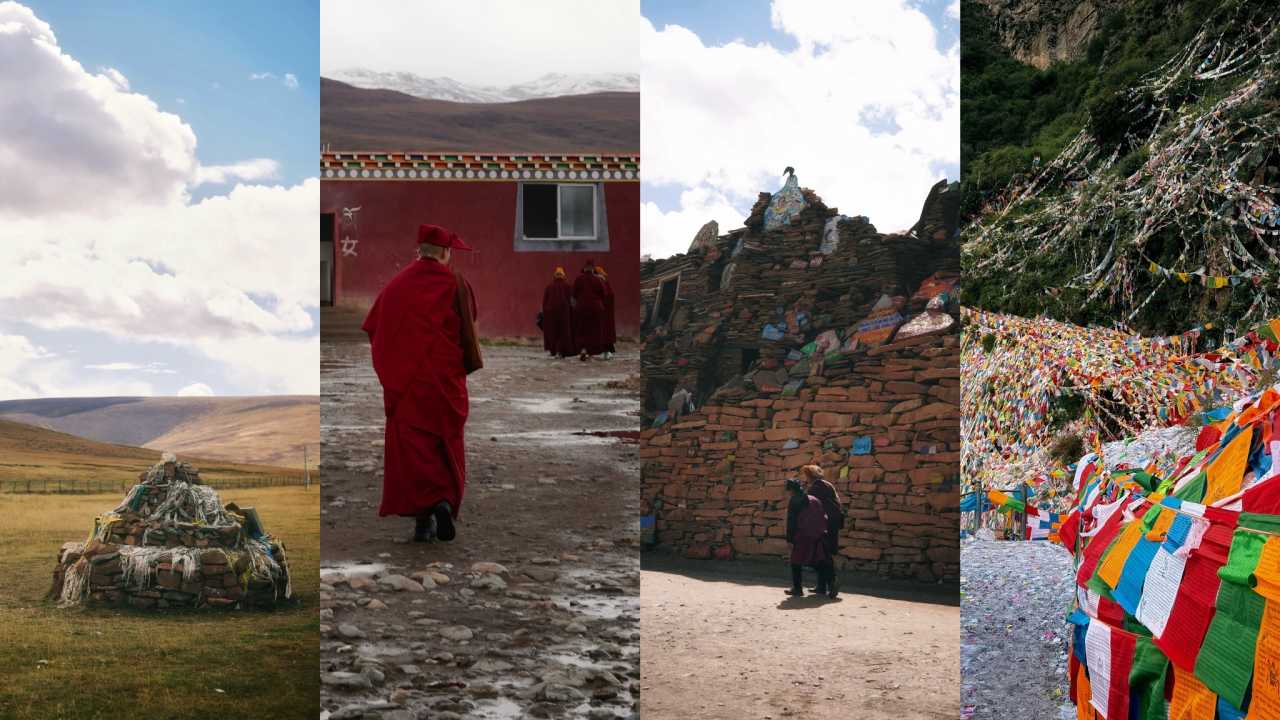
Climbing the stone steps at Guanyin Temple, you're surrounded by vast expanses of white, brown, and yellow. The silence is so deep you hear only your own breathing. Inside the main hall, a room filled with prayer wheels draws visitors in circles—elderly, children, adults, monks—all with bright, focused eyes.
At the center stands the Four-Armed Avalokiteshvara, a sacred figure in Tibetan Buddhism. The walls are lined with Buddha statues. Even as a non-Buddhist, I felt an overwhelming calm and deep compassion. That's the power of the 317 Cultural Journey—it reaches you regardless of belief.
Yarchen Monastery: The Crimson Forest
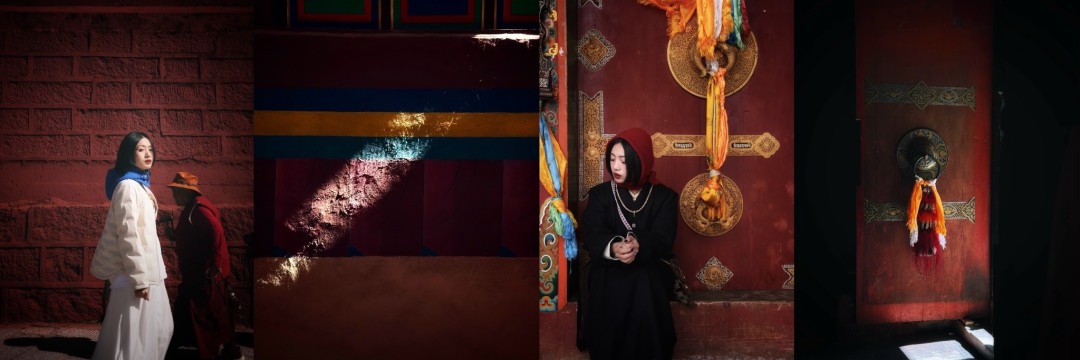
This is what brought me back to Western Sichuan. The documentary The Crimson Forest showed thousands of crimson-colored huts clinging to a mountainside, home to nuns and monks living in spiritual dedication. Seeing it in person is transformative.
Pro tip: Visit in the early morning for the best light and fewer crowds.
[Link: Tibetan Buddhist monasteries in Western Sichuan guide]
Practical Travel Tips for Western Sichuan
Best Time to Visit
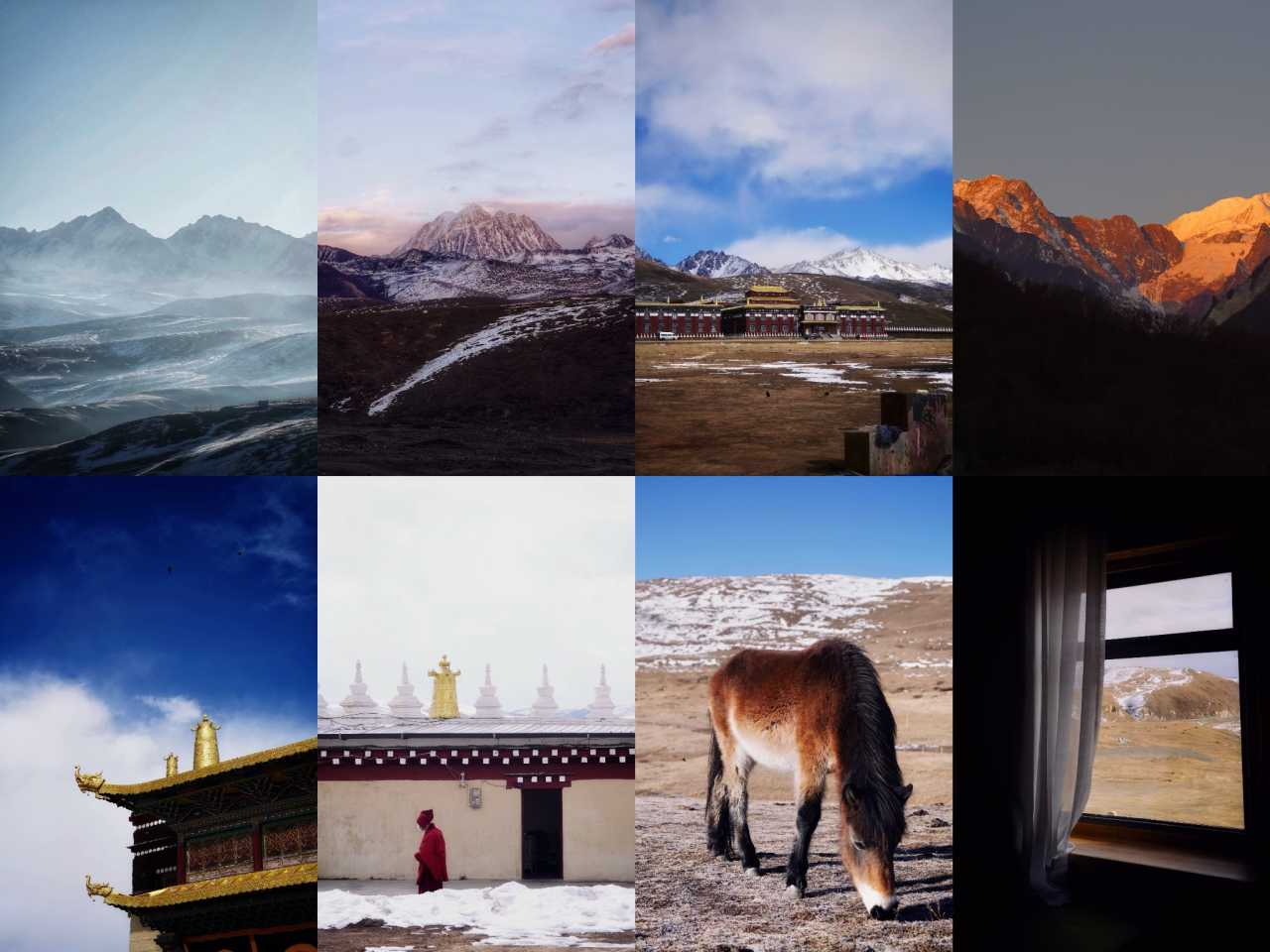 - October: Clear skies, autumn colors, manageable temperatures - May-June: Spring wildflowers, moderate weather - Avoid: July-August (monsoon season, road closures)
Essential Gear
- Portable oxygen concentrator (not canned oxygen)
- Portable humidifier for hotel rooms
- Pulse oximeter (monitor your oxygen levels)
- Warm layers (temperatures drop dramatically at night)
- Sun protection (UV is intense at high altitudes)
Transportation
- Highway 317: Well-maintained but winding. Allow extra time.
- Rongchang Expressway: Smooth sailing from Chengdu to Barkam.
- 4WD recommended: Some side roads to monasteries are unpaved.
FAQ: Your Western Sichuan Questions Answered
Q1: Can I do this trip if I got altitude sickness before?
A: Absolutely. I had severe altitude sickness on my first trip—vomiting every 30 minutes. On my second trip, using the 7-day acclimatization plan, I camped at 4,200m without issues. The key is starting low (2,500m) and gradually increasing elevation.
Q2: Is the 317 Cultural Journey suitable for beginners?
 A: Yes, with proper planning. The itinerary includes rest days and lower-elevation accommodations. Follow the acclimatization schedule, and you'll be fine. First-timers should avoid rushing to high elevations on Day 1.
Q3: Do I need to be Buddhist to appreciate this journey?
A: Not at all. The 317 Cultural Journey appeals to anyone interested in philosophy, architecture, nature, or personal growth. The spiritual sites are welcoming to all visitors who approach with respect.
Q4: How much does a 10-day Western Sichuan trip cost?
A: Budget $800-1,500 USD per person including accommodation, food, transportation, and entrance fees. Costs vary based on accommodation choices and whether you hire a driver.
Q5: What if I need medical help at high altitudes?
A: Major towns like Barkam, Dêgê, and Garzê have hospitals. Always carry emergency contact numbers. The most effective treatment for severe altitude sickness is immediate descent below 3,000m.
[Link: High-altitude travel insurance recommendations]
Conclusion: Your Western Sichuan Adventure Awaits
Western Sichuan is a place that either breaks you or transforms you. My first trip broke me. My second trip transformed me. The 317 Cultural Journey isn't just about seeing snow-capped mountains—it's about finding another way to breathe, both literally and metaphorically.
You don't need to be a superhuman athlete or a devout Buddhist. You just need a smart plan, patience with your body, and the courage to try again.
Ready to plan your 317 Cultural Journey? Start with the acclimatization schedule. Book your first night at 2,500m. Pack your oxygen concentrator and portable humidifier. And remember: your eyes can be in heaven, and your body can too.
Book your Western Sichuan adventure today. The crimson forests, ancient printing houses, and silent prayer halls are waiting.
Have questions about the 317 Cultural Journey? Drop them in the comments below. I've been through the altitude sickness battle and came out the other side—happy to help you do the same.
You may also like


