2026 Spring Tour of Luzhou: A Thousand-Year Pagoda, Century-Old Wine Aromas, and a City's Cultural Code
Meta Description: Discover Luzhou's cultural treasures on a 2026 spring tour: explore the 900-year-old Bao'en Pagoda, witness the living heritage of 1573 National Treasure Cellars, and experience Fangshan's Black Avalokiteshvara. Your ultimate guide to Sichuan's wine capital.
Introduction: Why Luzhou Should Be Your Next Spring Destination

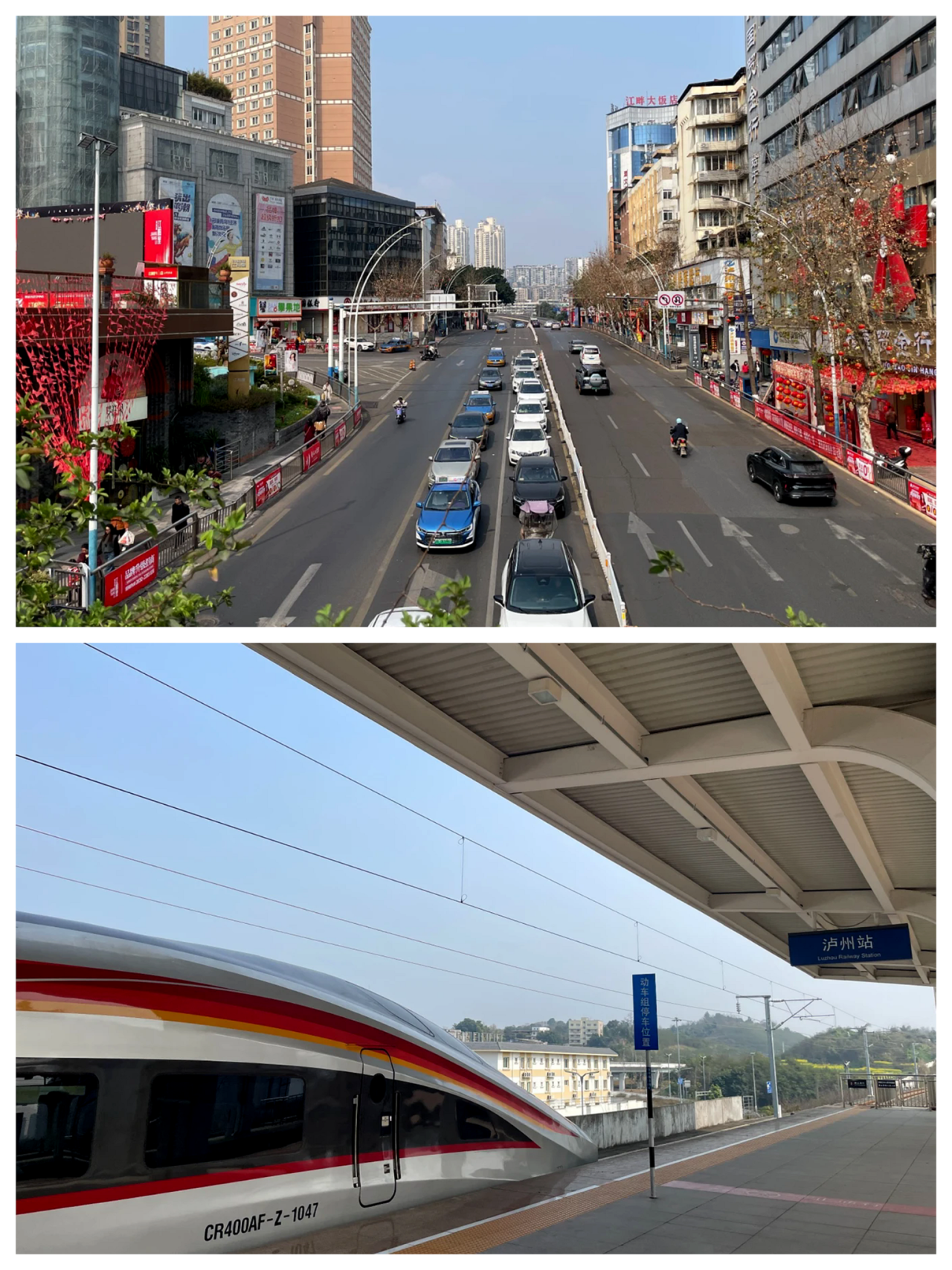
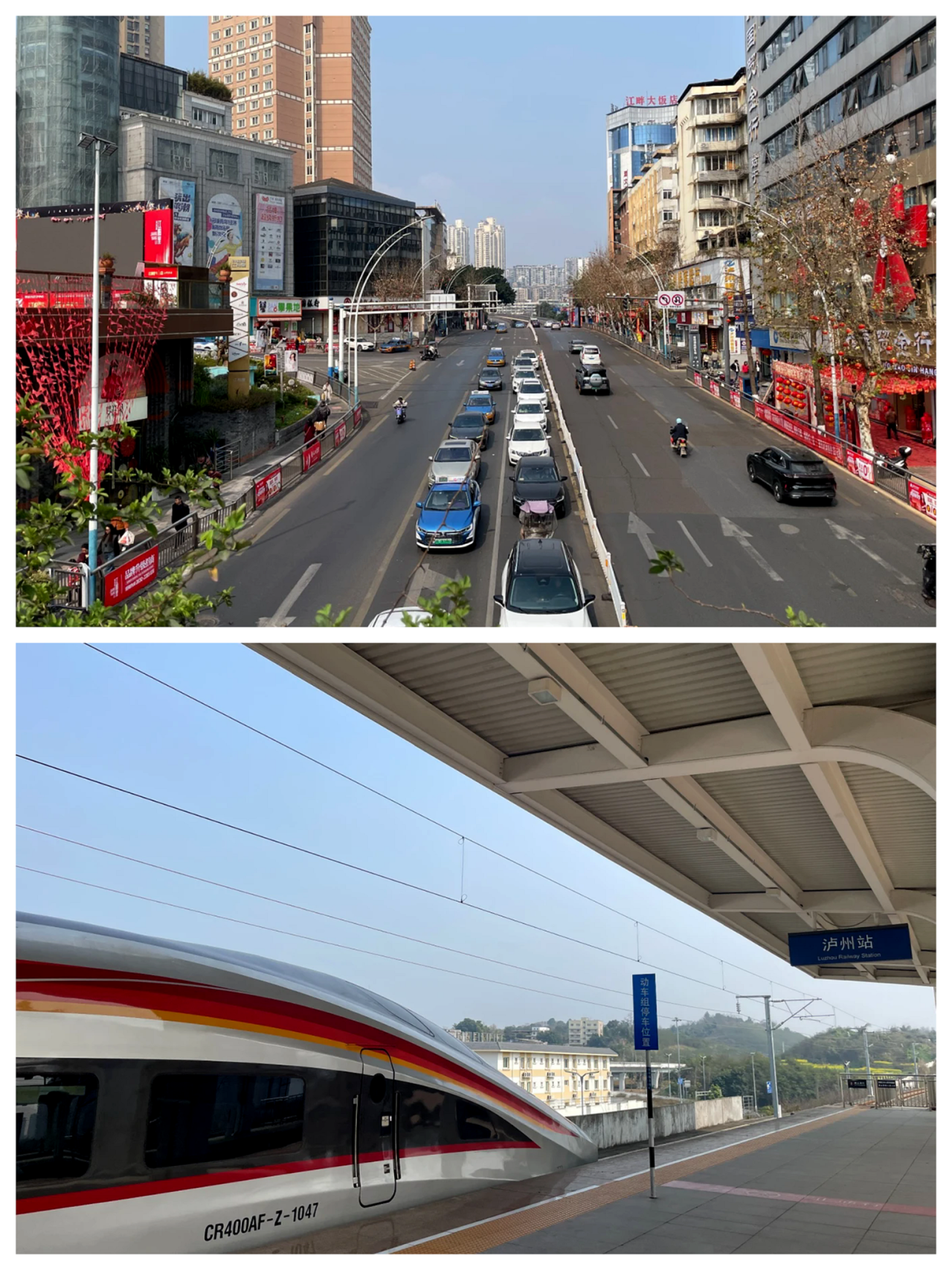
The high-speed train races forward, and the landscape of southern Sichuan unfurls outside the window like a flowing ink-wash painting. When the carriage broadcast announces "Luzhou Station," you realize: just over an hour from Chengdu, and you've arrived at this thousand-year-old city embraced by the Yangtze and Tuo Rivers. In the spring of 2026, I brought my family on this short trip, expecting nothing more than an ordinary Chinese New Year getaway. Little did I know that in a single day, we would traverse the Buddhist radiance of the Southern Song Dynasty, the cellars of the Ming Dynasty, the bells of the Qing Dynasty, and the compassionate heart of a painter.
This Luzhou spring tour guide will take you through the city's most iconic landmarks, revealing the cultural code that makes this Sichuan gem unforgettable.
H2: Dreaming of Lin'an: Filial Piety Under the Bao'en Pagoda
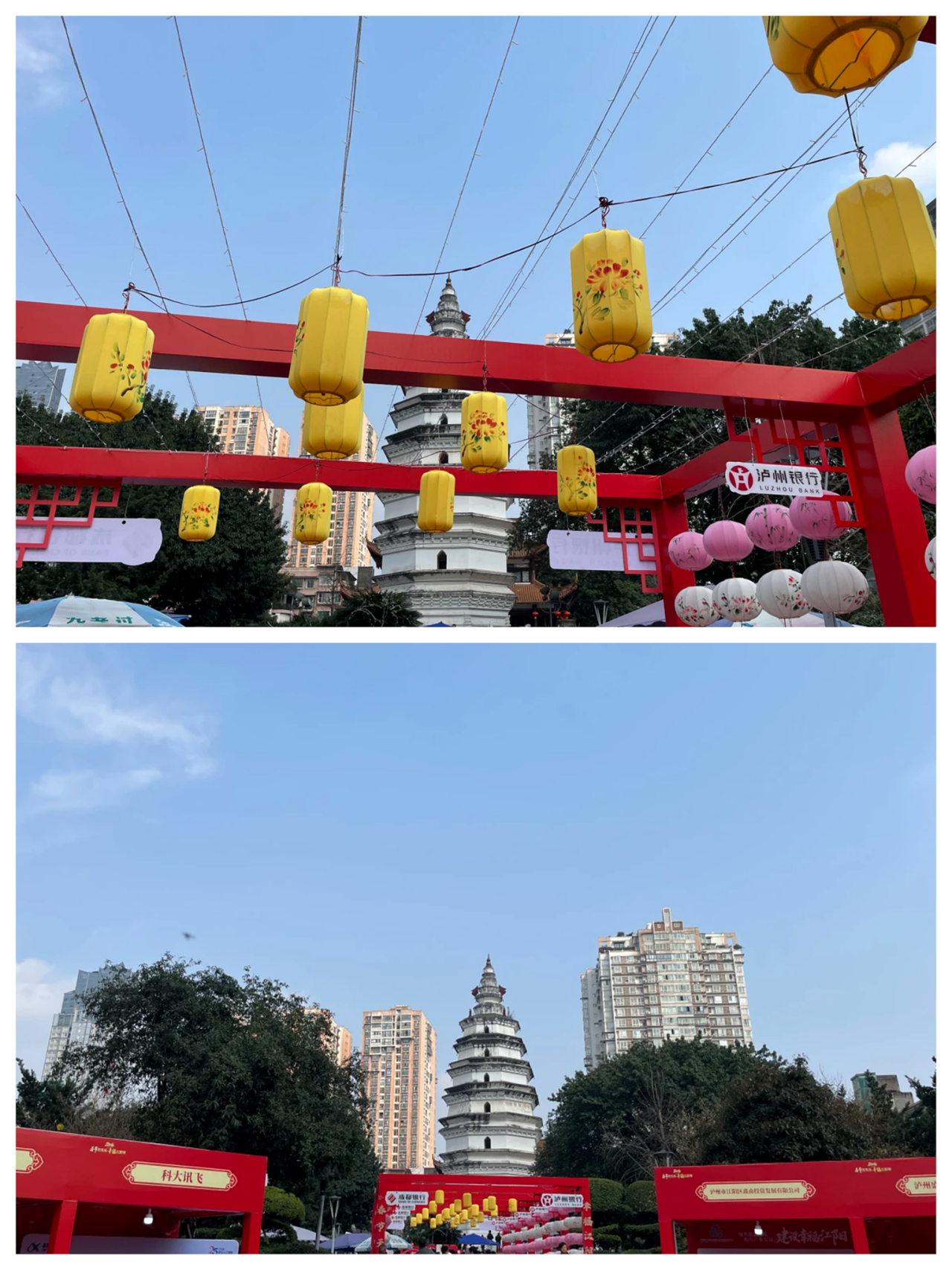
Shuijinggou Commercial Street buzzes with crowds. Red lanterns and "Fu" (blessing) characters adorn every shopfront for the Spring Festival. Pushing through the bustling throng, an ancient brick pagoda suddenly rises from between the modern commercial buildings, as if time itself has tied a knot at this very spot.
H3: The 900-Year-Old Southern Song Pagoda
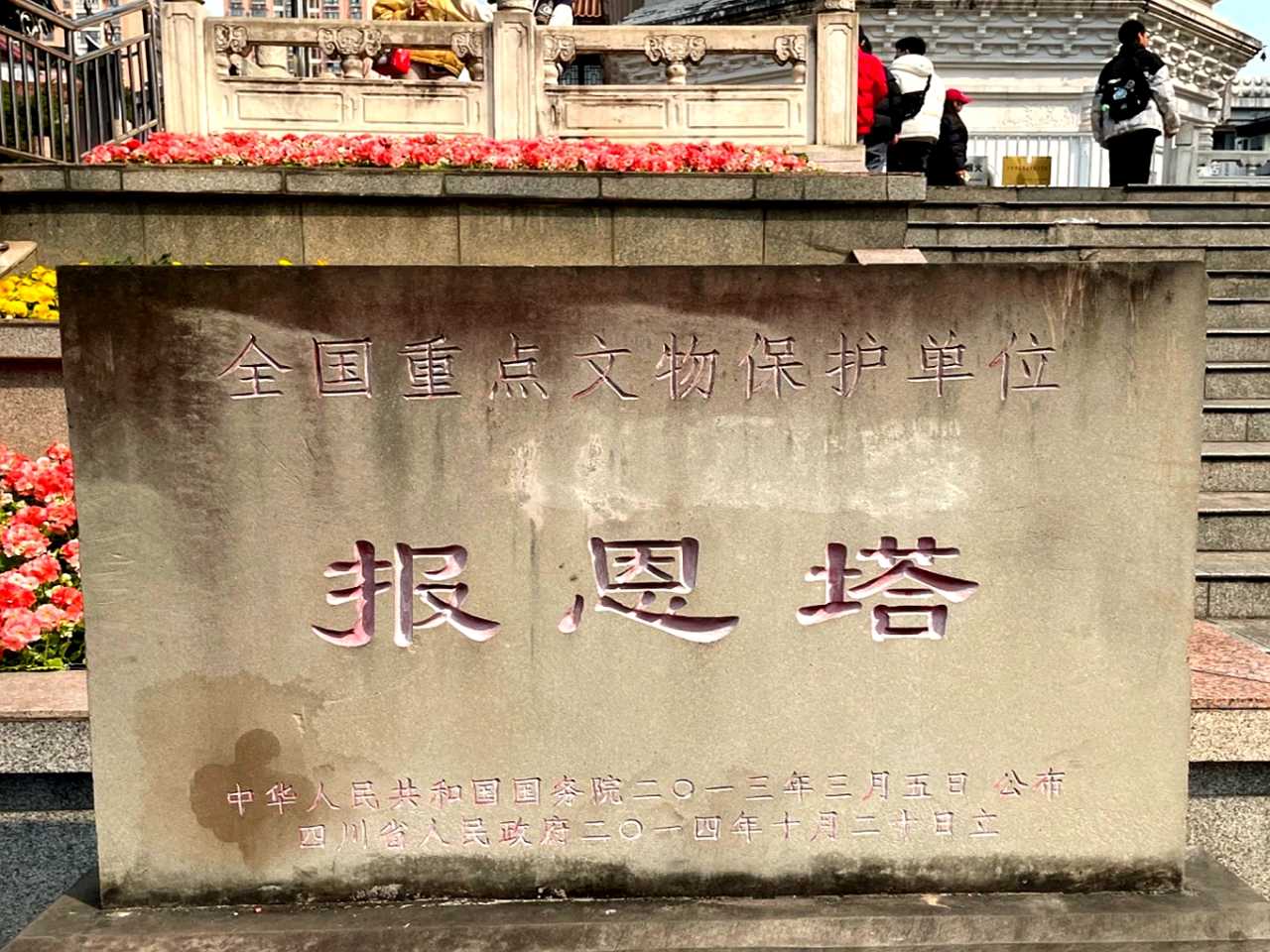
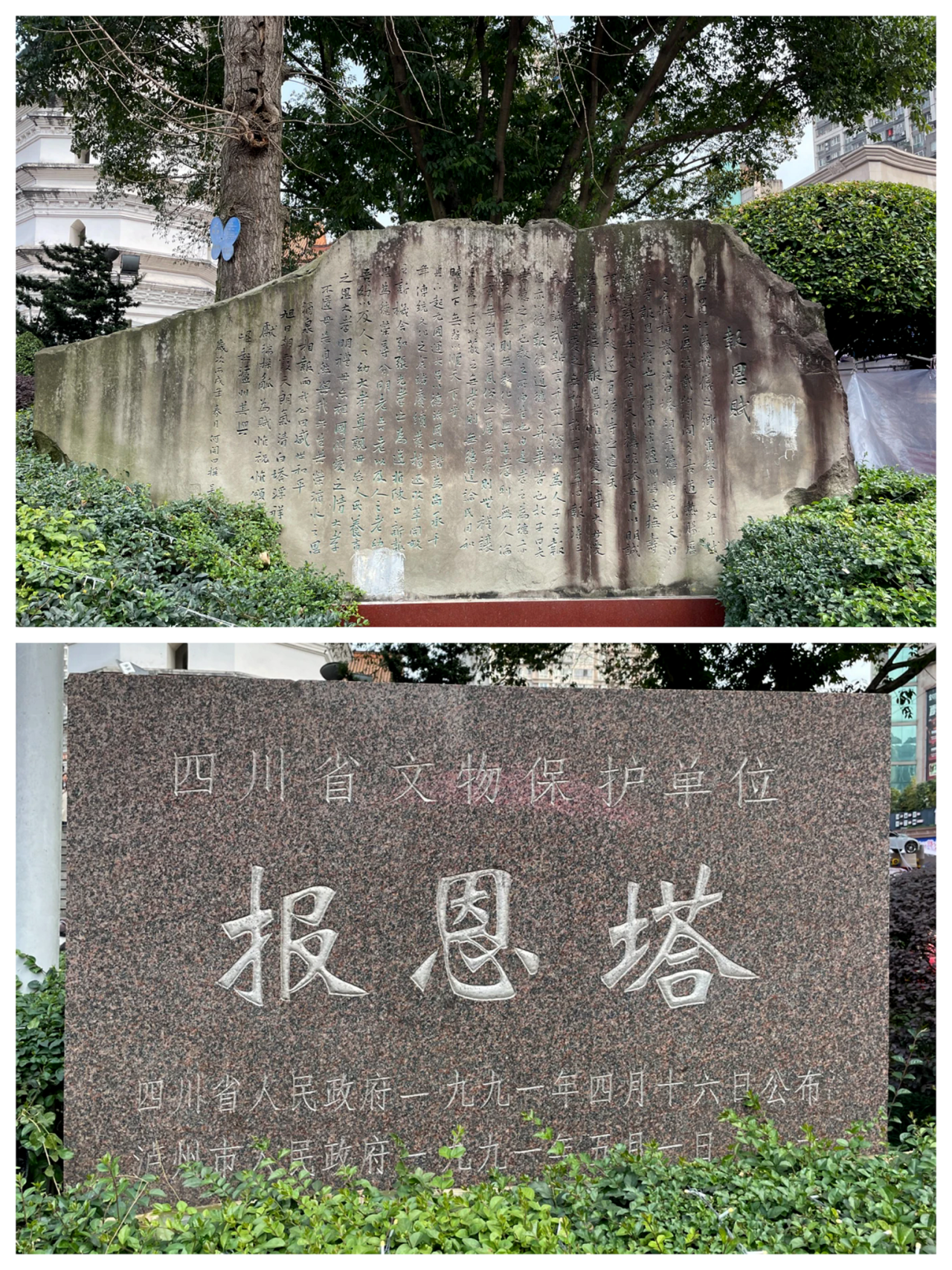
This is Luzhou's Bao'en Pagoda (Repaying Kindness Pagoda), built during the Shaoxing era of the Southern Song Dynasty, nearly nine hundred years ago. The pagoda is octagonal, seven stories tall, with double eaves in a pavilion style, reaching over thirty meters in height, constructed entirely of brick and stone. As you spiral up the narrow staircase, each floor reveals a wider view — from the lively street scenes of Shuijinggou to the distant outlines of blue mountains, the old and new cities intertwining before your eyes.
H3: Stone Carvings and Buddhist Relics
Most astonishing are the ninety niches on the pagoda's surface, housing over two hundred and fifty relief stone carvings of Buddhist figures. Though weathered by centuries of wind and rain, the folds of their robes remain distinct — some compassionate, some solemn, silently watching over the pilgrims who come to pay homage. According to historical records, the builder was Feng Ji, the Southern Song military governor of Lu'nan, who poured his entire fortune into constructing this pagoda in gratitude for his mother's nurturing grace. The name "Bao'en" — repaying kindness — is the simplest expression of filial piety.
During the Hongzhi era of the Ming Dynasty and the Guangxu era of the Qing Dynasty, the Bao'en Pagoda underwent multiple renovations, each restoration a relay of cultural heritage. Today, it is not only a historical landmark of Luzhou but also part of the city's spiritual foundation — beside a bustling commercial street, an ancient pagoda reminds every passerby: some things endure longer than time itself.
[Link: Best ancient pagodas in Sichuan for spring travel]
H2: A Flowing Legacy: The Living Heritage of Guojiao 1573
A ten-minute drive from the Bao'en Pagoda brings us to the Luzhou Laojiao Tourist Area. This site is celebrated as a place of "dual heritage" — home to both the nationally protected "1573 National Treasure Cellar Pools" and the national intangible cultural heritage of "Luzhou Laojiao's Traditional Liquor-Making Techniques."
H3: Luzhou Laojiao Museum: A Journey Through Wine History
Entering the scenic area, the first thing that catches the eye is a relief wall stretching dozens of meters, vividly recreating the thousand-year脉络 of Luzhou's liquor history: tracing back to the pre-Qin period, emerging in the Qin and Han dynasties, flourishing in the Tang and Song, taking shape in the Yuan, reaching its peak in the Ming and Qing, and gaining fame in the Republic of China era. Each historical chapter is like a jar of aged wine — the more you savor it, the richer the flavor.
Inside the Luzhou Laojiao Museum, you'll want to linger for a long time. A Song Dynasty stone carving depicts a "wine-serving lad" so lifelike that it seems he might pick up a jug and pour a drink for guests at any moment. The most eye-catching exhibit is the gold medal-winning piece from the 1915 Panama-Pacific International Exposition — "Wen Yong Sheng Old Cellar Daqu" (the predecessor of Luzhou Laojiao Tequ). That year, the Wen Yong Sheng distillery in Lu County introduced the world to the charm of Chinese strong-aroma liquor for the first time. A portrait of Wen Xiaoquan, the gold medal-winning ancestor, hangs on the wall, his gaze firm, as if to say: Good wine needs no bush.
H3: The 1573 National Treasure Cellars: Living Artifacts
But the true "treasure of the museum" are the national treasure cellars built during the Wanli era of the Ming Dynasty. They are renowned worldwide for being "early, complete, and enduring" — the earliest, the most intact, and the longest continuously used. The microbial colonies on the cellar walls have never been interrupted for over four hundred years. Every drop of liquor ferments and matures within these "living artifacts." Standing by the cellar pools, you can almost hear the fermenting grains breathing — that is the sound of time.
H3: Longquan Well and Poetic Inspiration
The scenic area also features a Longquan Well. The Qing Dynasty poet Zhang Wentao once wrote: "Below the city walls, houses float on water, a river bright beneath the red glow of taverns. Raising a cup, I find Luzhou delightful, ten fingers cool and fragrant, offering oranges to guests." Scoop up a handful of well water — icy and sweet. It is this very spring that has brewed the "Luzhou's charm" celebrated by countless poets and scholars over the centuries.
[Link: Top wineries and distilleries to visit in Sichuan]
H2: Compassion for All Beings: Quiet Moments at Fangshan's Black Avalokiteshvara
The afternoon sun spills over Fangshan Scenic Area in Naxi District. Known since ancient times as a "famous mountain in southern Sichuan" and "Little Mount Emei," it is the preferred destination for Luzhou residents to pray for blessings and climb heights during the Spring Festival.
H3: A Sacred Mountain in Southern Sichuan
Passing through the mountain gate, a Yinglong Bridge spans a stream. The stone lions on the bridge, though weathered, still retain their majesty. Ascending the steps, the Heavenly King Hall and the Great Buddha Hall unfold one after another. Amid curling incense smoke, devotees kneel and bow in reverence.
H3: The Rare Nanmu Black Avalokiteshvara
I am not a Buddhist, but the moment I step into the Avalokiteshvara Hall, I am deeply moved — a four-and-a-half-meter-tall statue of the Thousand-Armed Avalokiteshvara, carved from nanmu wood, entirely black in color, with a compassionate expression. A thousand arms spread out like a lotus, each hand holding a ritual implement or forming a mudra. Our guide tells us this is one of the few full-nanmu, black-faced, Thousand-Armed Avalokiteshvara statues in China, unmatched in its exquisite craftsmanship and immense scale.
I close my eyes and press my palms together. Not to pray for wealth or fortune, but standing before this statue, I suddenly understand the weight of the phrase "compassion for all beings" — a pity that transcends religion, an empathy for all the suffering of life.
H3: Summit Views and Bell Tower Chimes
Taking the cable car to the summit, look down to see the Yangtze River like a ribbon, and the entire city of Luzhou spread out before you. A mountain breeze brushes your face, and the distant chime of the bell tower drifts over, as if to say: Life is worth living.
[Link: Best hiking trails in Sichuan for spring 2026]
H2: Gathering Elegance: A Cultural Feast at the Luzhou Museum
By evening, step into the Luzhou Museum. This seemingly understated venue houses over ten thousand cultural relics, with a collection of ancient calligraphy and paintings ranking second in the province. It also features the only Jiang Zhaohe Art Museum in the country.
H3: Han Dynasty Stone Carvings and Song Dynasty Artifacts
The stone carving exhibition hall on the first floor is a feast for the eyes. A Han Dynasty gate tower from the tomb of Wang Ping, dating back to the Yongyuan era of the Eastern Han, serves as a physical testament to Luzhou's ancient name, "Jiangyang." On the stone coffins from the Song Dynasty, carvings depict a woman opening a door, a maid holding a wine pot at a banquet, and a warrior standing with a sword — all incredibly lifelike.
H3: Qing Dynasty Folk Art Treasures
A Qing Dynasty stone carving from the Kangxi era, titled "One Hundred Children," shows a hundred children at play, each with a distinct expression — a true folk art treasure. The museum's calligraphy and painting collection includes works by masters such as Zhang Daqian and Qi Baishi, making it a must-visit for art enthusiasts.
[Link: Top museums in Sichuan for history lovers]
H2: Frequently Asked Questions About Luzhou Spring Travel
Q1: What is the best time to visit Luzhou for spring tourism?
 A: The ideal time for a Luzhou spring tour is from late February to early April, when the weather is mild (15-25°C), cherry blossoms bloom along the Yangtze, and the Spring Festival atmosphere adds extra charm to the city's cultural sites.
Q2: How far is Luzhou from Chengdu, and how do I get there?
A: Luzhou is approximately 260 km from Chengdu. The high-speed train takes just over an hour from Chengdu East Station to Luzhou Station, making it an ideal weekend getaway from Chengdu.
Q3: What are the must-visit attractions for a one-day Luzhou itinerary?
A: For a compact Luzhou cultural tour, start at Bao'en Pagoda (1 hour), visit Luzhou Laojiao Tourist Area including the 1573 National Treasure Cellars (2-3 hours), head to Fangshan Scenic Area for the Black Avalokiteshvara (2-3 hours), and end at Luzhou Museum (1-2 hours).
Q4: Is Luzhou suitable for family travel with children?
A: Absolutely. Bao'en Pagoda offers a gentle climb with rewarding views, Luzhou Laojiao provides interactive exhibits, Fangshan has a cable car, and the museum's stone carvings fascinate kids. The Luzhou family travel experience is both educational and enjoyable.
Q5: What local foods should I try besides Luzhou Laojiao liquor?
A: Luzhou is famous for its river fish (especially Yangtze fish hotpot), Luzhou glutinous rice cakes, and Naxi dried tofu. Don't miss the local snack "Luzhou cold noodles" and the sweet "Longan" (dragon fruit) desserts.
H2: How to Plan Your 2026 Luzhou Spring Tour
Suggested 2-Day Itinerary
Day 1: Historical and Cultural Immersion - Morning: Arrive at Luzhou Station, visit Bao'en Pagoda - Lunch: Try local river fish at Shuijinggou - Afternoon: Explore Luzhou Laojiao Tourist Area and 1573 National Treasure Cellars - Evening: Stroll along the Yangtze River night promenade
Day 2: Nature and Art - Morning: Fangshan Scenic Area (cable car to summit) - Lunch: Vegetarian meal at Fangshan temple - Afternoon: Luzhou Museum and Jiang Zhaohe Art Museum - Evening: Return to Chengdu by high-speed train
Travel Tips
- Accommodation: Stay near Shuijinggou or the city center for easy access to attractions
- Transportation: Luzhou has a well-connected bus system; taxis are affordable
- What to pack: Comfortable walking shoes, a light jacket for spring evenings, and a camera for the pagoda and mountain views
[Link: Sichuan spring travel guide 2026: Top destinations]
Conclusion: Unlock Luzhou's Cultural Code
In just one day, Luzhou reveals layers of history that span nearly a millennium. From the Southern Song Bao'en Pagoda that embodies filial piety, to the Ming Dynasty cellars that breathe life into every drop of Guojiao 1573, from the Qing Dynasty bells at Fangshan to the compassionate Black Avalokiteshvara — this city is a living museum of Chinese culture.
Your 2026 spring adventure awaits. Whether you're a history buff, a wine connoisseur, a spiritual seeker, or a family traveler, Luzhou offers an experience that lingers long after you've returned home. The high-speed train makes it accessible, but the memories will last a lifetime.
Book your Luzhou spring tour today — and discover why this thousand-year city is one of Sichuan's best-kept secrets. Share your experiences with #LuzhouSpringTour and inspire others to explore this cultural gem.
[Link: Book Luzhou high-speed train tickets] [Link: Find Luzhou hotel deals for spring 2026]
Article last updated: January 2026. All information is accurate at the time of publication. Check local tourism websites for the latest opening hours and ticket prices.
You may also like