2025 Southwest Twin Cities: Chengdu + Chongqing, An 8-Day Journey Through Bashu
Meta Description: Plan your ultimate 2025 Bashu adventure with this detailed 8-day itinerary covering Chengdu and Chongqing. From panda encounters and Sanxingdui mysteries to spicy hotpot and mountain city views, discover insider tips, costs, and must-see attractions.
Introduction: Why Chengdu and Chongqing Should Be Your Next Destination
If you've been dreaming of exploring China's vibrant southwest, the twin cities of Chengdu and Chongqing offer an unforgettable blend of ancient culture, modern urban energy, and mouthwatering cuisine. This 2025 Southwest Twin Cities itinerary takes you through the heart of Bashu—a region where millennia-old artifacts meet neon-lit skyscrapers, and where the air itself seems to carry the aroma of simmering Sichuan peppercorns.
Whether you're a history buff, a foodie, or a nature lover, this 8-day journey delivers a perfect balance of iconic landmarks and hidden gems. Let's dive into everything you need to know before you go.
Chapter 1: Planning Your Bashu Adventure

Best Time to Visit Chengdu and Chongqing
Spring (March-May) and autumn (September-November) offer the most pleasant weather for exploring both cities. Avoid Chinese public holidays like National Day (October 1-7) and Labor Day (May 1-5) when domestic tourism peaks. Winter is mild but can be hazy, while summer brings heat and humidity—especially in Chongqing.
Getting There: Flights and Transportation
Most travelers fly into Chengdu Shuangliu International Airport (CTU) or the newer Chengdu Tianfu International Airport (TFU). From major Chinese cities like Beijing, Shanghai, or Guangzhou, direct flights take 2-3 hours. Budget airlines like Spring Airlines and China Eastern offer competitive fares when booked in advance.
Pro tip: Book flights 4-6 weeks ahead for the best prices. Our writer paid 1,135 yuan ($155 USD) total for two people from Hefei to Chengdu—just 567.5 yuan per person.
Accommodation: Where to Stay
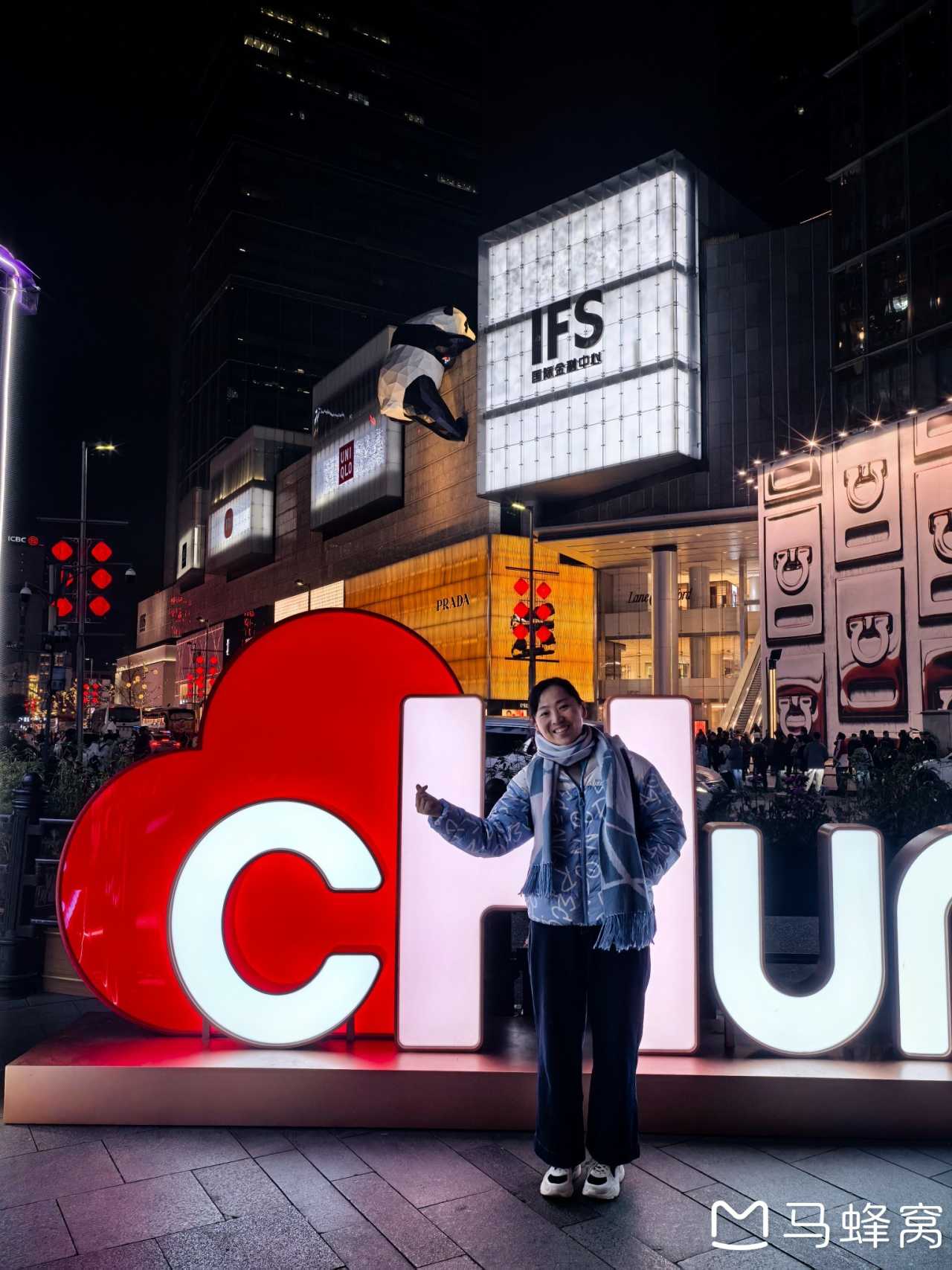
For maximum convenience, choose accommodation near Chunxi Road metro station in Chengdu. Our writer stayed opposite Exit E1—literally cross the street and you're at the shopping district. In Chongqing, consider areas near Jiefangbei (Liberation Monument) or Guanyinqiao for easy access to major attractions.
[Link: Best budget hotels in Chengdu and Chongqing]
Chapter 2: Chengdu Itinerary – Days 1-4
Day 1: Arrival and First Impressions
Chunxi Road + Taikoo Li: Fashion Meets Everyday Life
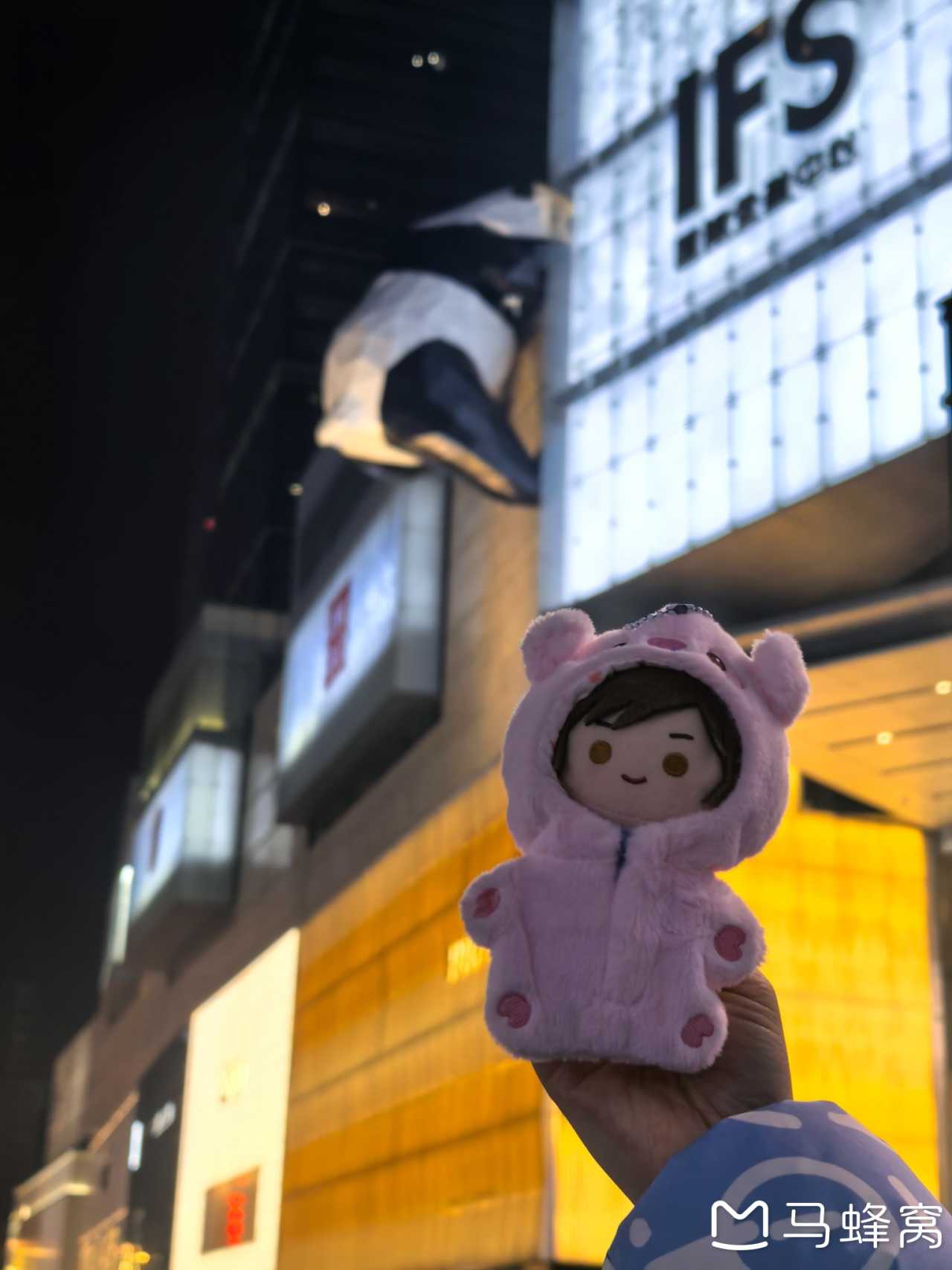
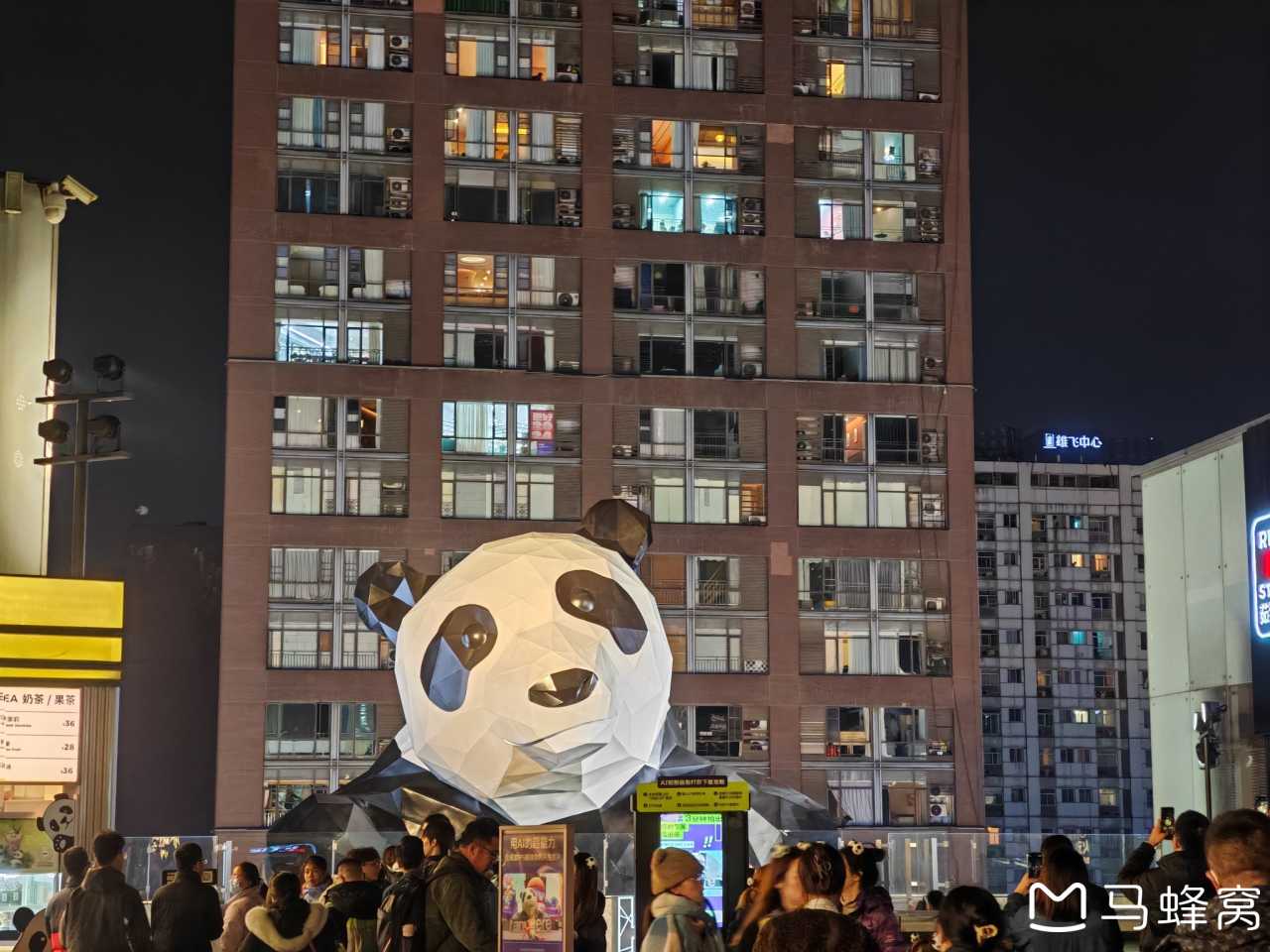
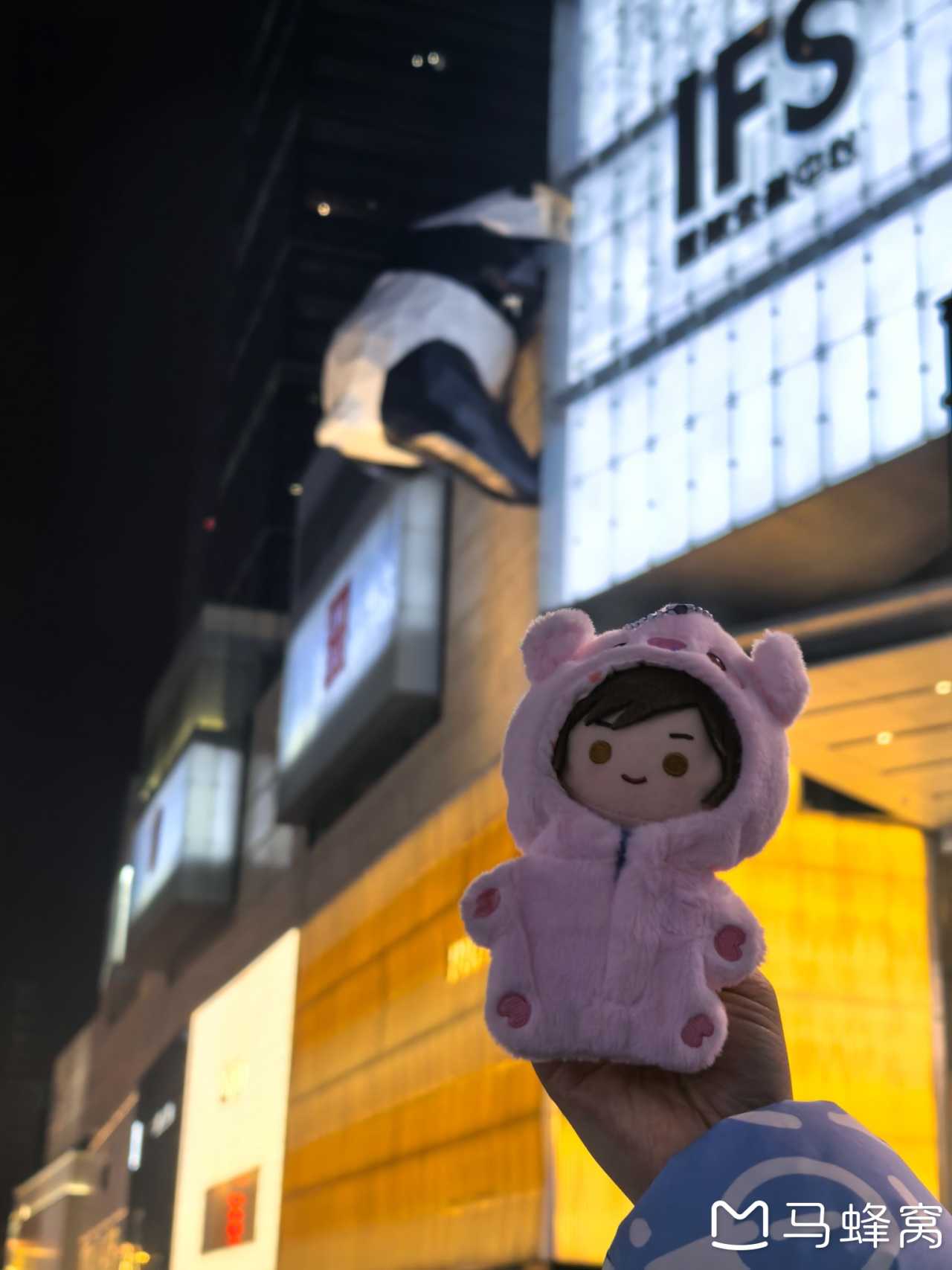
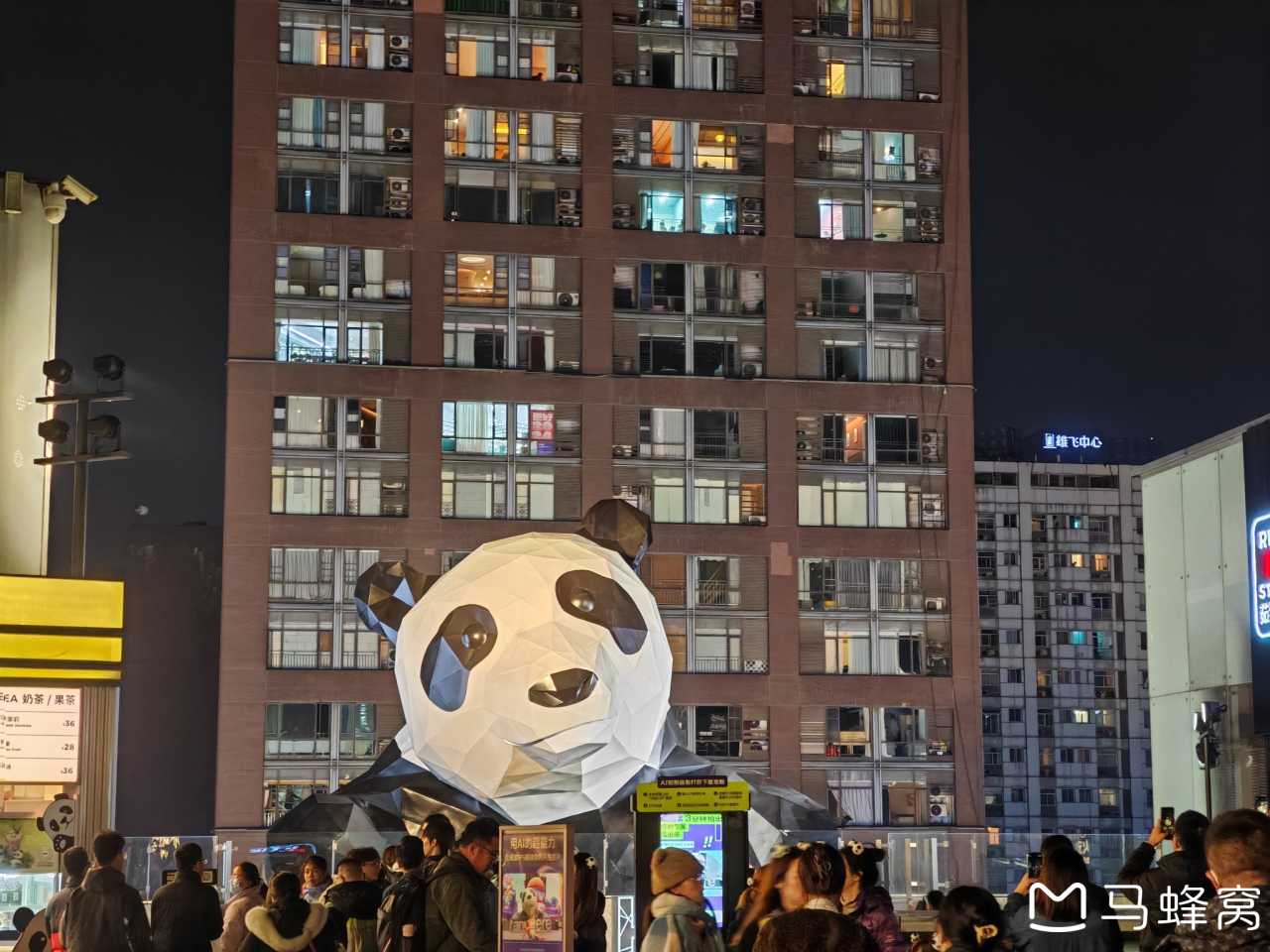
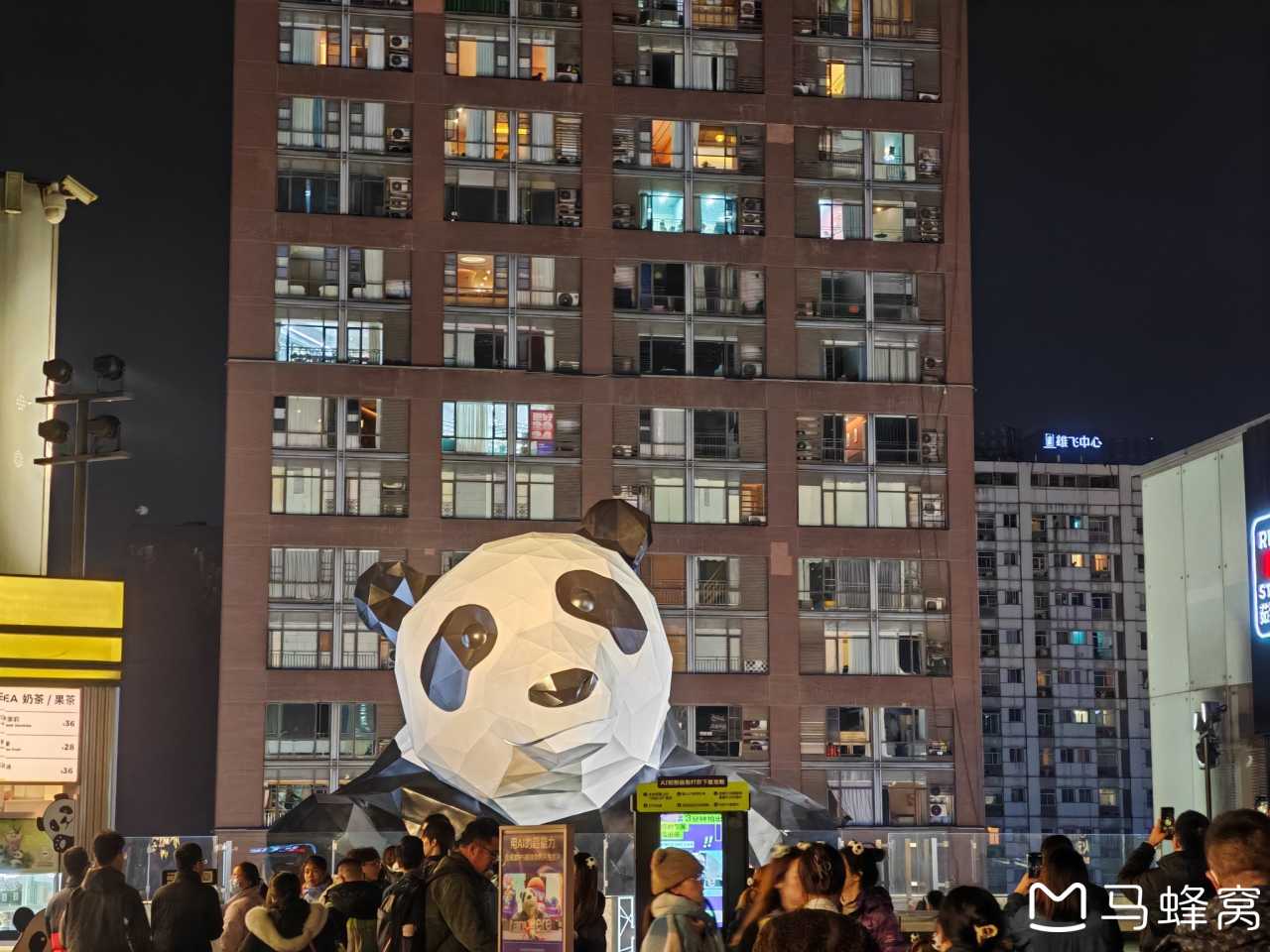
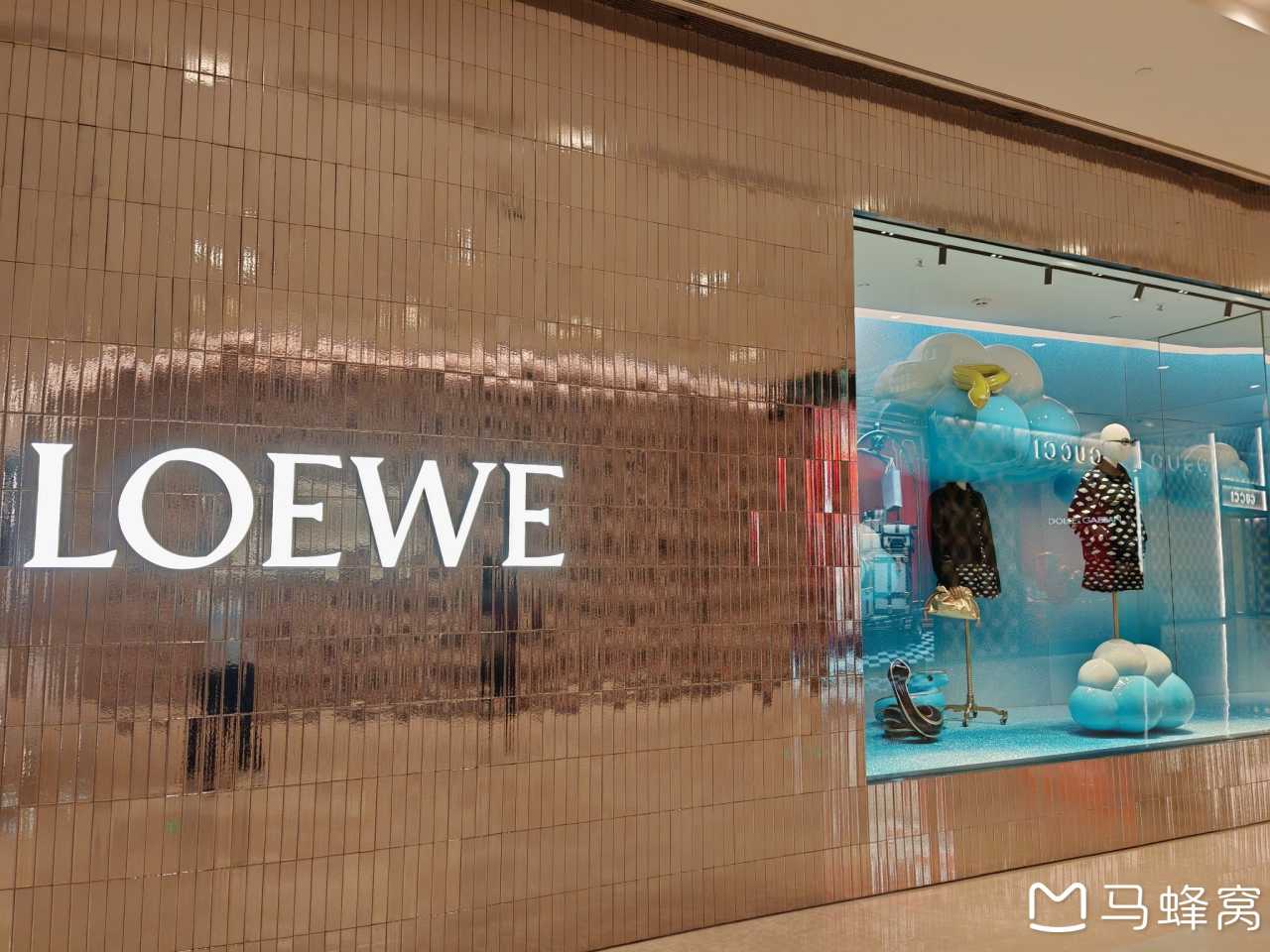
Your Chengdu adventure begins at Chunxi Road, the city's premier shopping district. The iconic climbing panda sculpture at IFS is a must-photograph spot—head to the 7th floor for the perfect shot of the panda's face. Nearby Taikoo Li blends traditional Sichuan architecture with luxury brands like Loewe, Hermès, and GAOYA.
What to expect: The moment you step off the airport bus near IFS, you'll smell it—that unmistakable aroma of hotpot base wafting through the air. Chengdu truly smells like a simmering cauldron of chili and Sichuan pepper.
Day 2: Historical Deep Dive
Jinsha Site Museum: Sunrise at an Archaeological Wonder
Arrive at 9 AM opening time for a crowd-free experience. The Sun and Immortal Birds Gold Ornament—a spinning golden pattern that serves as Chengdu's symbol—is the museum's crown jewel. By the time you leave, tour groups will have arrived, so early birds get the best experience.
Du Fu Thatched Cottage: The Poet Sage's Retreat
Built in 759 AD during Du Fu's exile, this thatched cottage by Huanhua Stream offers a serene escape from city life. The red walls are a prime photo spot—join the locals posing for Instagram-worthy shots. Don't miss the "Flowers Weigh Down Brocade City" plaque, a reference to Du Fu's famous poetry.
Wuhou Shrine + Jinli Ancient Street: Three Kingdoms History
First constructed in 221 AD, Wuhou Shrine honors Zhuge Liang, the legendary strategist of the Three Kingdoms period. Covering 150,000 square meters, it's one of China's most important historical sites. Exit directly into Jinli Ancient Street, a folk-culture pedestrian street where ear-cleaners' cries echo through the air.
Chengdu Museum + Kuanzhai Alley
Book tickets 5 days in advance—our writer secured slots for herself and her mother. The cultural creative sphere (168 yuan) is tempting but pricey. End your day at Kuanzhai Alley, three historic streets (Wide, Narrow, and Well Alleys) covering 32 hectares. Look for the "Panda Grandpa" vendor near Shaocheng Primary School for panda merchandise—though prices are higher than Pinduoduo.
Daily step count: 33,000+ steps. Wear comfortable shoes!
Day 3: Ancient Mysteries and Modern Creativity
Sanxingdui Museum: Sleeping for Millennia, Awakening to Shake the World
This is the highlight of any Chengdu trip. Tickets cost 72 yuan and are released 5 days in advance at 8 PM. Take the Chengdu public bus from under the "panda's butt" sculpture (25 yuan per person, 70-minute ride).
Must-see artifacts: - Bronze Standing Figure: 180 cm tall, 260.8 cm with base, weighing 180 kg—the "King of Bronze Statues" - Gold Scepter: 1.42 meters long, 500 grams, the largest gold artifact from its period - Bronze Mask with Protruding Eyes: Exaggerated eyeball design linked to ancient Shu ancestor worship - Sacred Tree No. 1: Three levels, nine branches with divine birds and a bronze dragon
Pro tip: Watch a Bilibili documentary or hire a guide before visiting to fully appreciate these mysterious artifacts.
Eastern Suburb Memory: Industrial Heritage Reborn
This creative park repurposes old factory buildings into galleries, cafes, and art spaces—perfect for an afternoon stroll.
Day 4: Panda Encounters and Ancient Engineering
Panda Valley + Dujiangyan
Spend the morning at Panda Valley, a less crowded alternative to the main breeding base. Afternoon at Dujiangyan, a 2,200-year-old irrigation system still in use today—a UNESCO World Heritage site and engineering marvel.
Chapter 3: Chongqing Itinerary – Days 5-8
Day 5: Arrival and Night Views
Giant Panda Breeding Research Base → Chongqing
Visit the main panda base in the morning before taking the high-speed train to Chongqing (about 1.5 hours). Check into your hotel near Jiefangbei and head to Hongya Cave for sunset—a stunning 11-story stilt house complex glowing with golden lights. Walk across Qiansimen Bridge for the best photo angle.
Day 6: Mountain City Exploration
Liberation Monument → Mountain City Trail → Eighteen Ladders → Baixiangju → Huguang Guild Hall → Raffles City → Kuixing Building
This route takes you through Chongqing's vertical urban landscape. The Mountain City Trail offers panoramic views, while Eighteen Ladders showcases traditional Chongqing architecture. Raffles City's sky bridge is a modern architectural wonder.
Day 7: Art, Shopping, and Cable Cars
Guanyinqiao → Chili Pepper Sculpture → Fangyuan Live → Suning Outlets → Beicang Cultural and Creative Park → Yangtze River Cableway → Longmenhao Old Street → Danzishi Old Street
The Yangtze River Cableway is a must-do—a 5-minute ride across the river with breathtaking city views. Beicang Cultural Park offers Instagram-worthy photo spots, while Longmenhao and Danzishi Old Streets preserve Chongqing's historic charm.
Day 8: Final Day Highlights
Chongqing Zoo → Liziba Station → Three Gorges Museum → People's Grand Hall
See the famous Chongqing pandas at the zoo, then visit Liziba Station where a metro train passes through a residential building. End your trip at the Three Gorges Museum and People's Grand Hall, two architectural landmarks.
FAQ: Your Top Questions Answered
1. How much does this 8-day trip cost?
A moderate budget of 4,000-6,000 yuan ($550-830 USD) per person covers flights, accommodation, food, and entrance fees. Our writer's flight from Hefei to Chengdu cost 567.5 yuan per person. Sanxingdui tickets are 72 yuan, and most museums charge 50-100 yuan.
2. Is it safe to travel to Chengdu and Chongqing?
Yes, both cities are extremely safe for solo and group travelers. The only concerns are occasional earthquake risks (rare in urban areas) and large crowds during holidays. Stick to well-lit areas at night and keep valuables secure.
3. What should I eat in Chengdu and Chongqing?
Chengdu: Hotpot, mapo tofu, dan dan noodles, kung pao chicken, and chuanchuan (skewers). Chongqing: Chongqing hotpot (spicier than Chengdu's), xiaomian (noodles), sour fish soup, and jianghu cai (street food).
4. How do I get between Chengdu and Chongqing?
High-speed trains run frequently (every 15-30 minutes) between Chengdu East Station and Chongqing North Station. The journey takes 1-1.5 hours and costs about 150-200 yuan per person.
5. Do I need to book tickets in advance?
Yes, especially for Sanxingdui (5 days ahead), Chengdu Museum (5 days ahead), and popular panda bases. Book accommodation at least 2 weeks in advance during peak season.
[Link: How to book tickets for Chinese attractions online]
Conclusion: Your Bashu Adventure Awaits
From the mysterious bronze masks of Sanxingdui to the neon-lit stilt houses of Hongya Cave, this 8-day journey through Chengdu and Chongqing offers an unforgettable taste of China's southwest. Whether you're marveling at pandas, hiking ancient irrigation systems, or dipping skewers into bubbling hotpot, every moment in Bashu is a sensory feast.
Ready to book your trip? Start by checking flight prices on Fliggy or Ctrip, reserve your Sanxingdui tickets, and pack comfortable walking shoes. The southwest is calling—answer it.
Share your experience: Tag us in your Chengdu and Chongqing photos using #BashuAdventure2025. Have questions? Drop them in the comments below!
You may also like


