2024 Summer Sichuan West Road Trip: Ultimate Guide to the Genie Southern Route & Hidden Gems
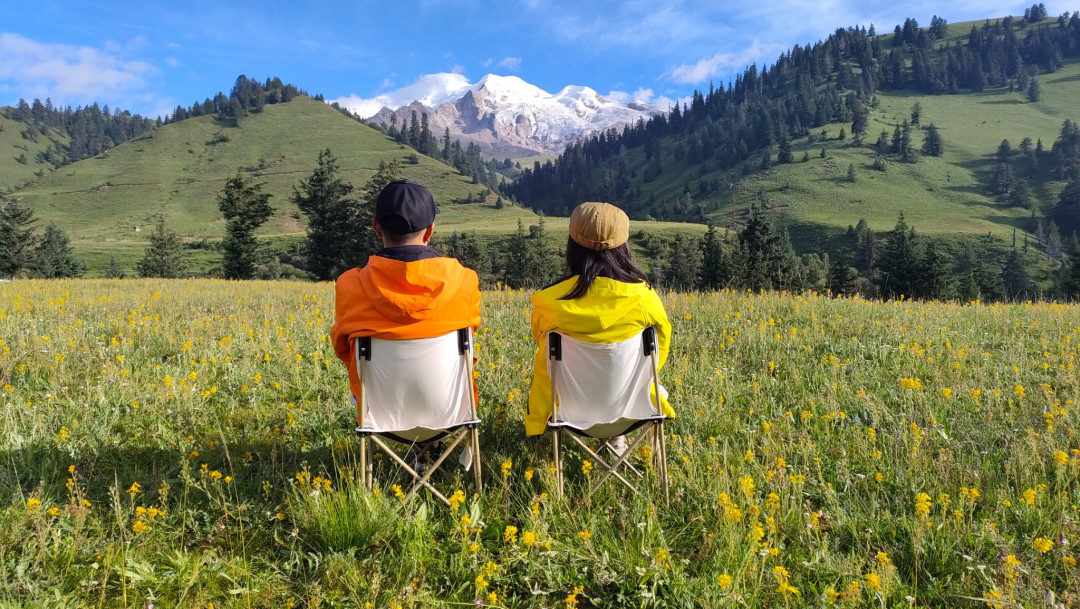
Meta Description: Discover the ultimate 2024 Sichuan West road trip itinerary through the Genie Southern Route. Explore Niugan Mafei Lake, Yuke Prairie, and remote monasteries. 10 days of hidden beauty, practical tips, and breathtaking landscapes.
Introduction: Why Western Sichuan Deserves a Second Look
The summer of 2024 saw tourism blazing hot across China. Social media feeds overflowed with check-in photos and traffic jam complaints. For travelers seeking genuine connection with nature—not queues and selfie sticks—the solution lay off the beaten path.
Western Sichuan is famous for National Highway 318, but its true magic hides in lesser-known corridors: the Li-Xiao Road, the Gan-Bai Road, and our chosen route—the Genie Southern Route (Genan Nanxian). This 10-day journey through Sichuan's hidden lands offers untouched lakes, high-altitude grasslands, ancient monasteries, and encounters with local Tibetan culture.
This guide covers our exact itinerary, practical tips for self-driving, altitude management advice, and honest reviews of each destination. Whether you're planning a 2024 summer road trip or dreaming of future adventures, this article will help you navigate Western Sichuan's best-kept secrets.
Itinerary Overview: 10 Days Through Sichuan's Hidden Corridors
Our route combined the Genie Southern Route with sections of National Highway 317, creating a loop that maximized scenic diversity while avoiding crowds.
Quick Itinerary Snapshot:
| Day | Route | Highlights |
|---|---|---|
| 1-2 | Guangdong → Chengdu | Rest, food, preparation |
| 3 | Chengdu → Guanyinqiao Town | First plateau exposure (2,700m) |
| 4 | Guanyinqiao → Niugan Mafei Lake → Yuke Town | Undeveloped alpine lake, prairie |
| 5 | Yuke Prairie → Daofu → Luhuo → Ganzi County | Grassland landscapes, Tibetan towns |
| 6 | Ganzi → Yajiang Temple → Baiyu County | Remote monastery, cultural immersion |
| 7 | Baiyu → Gato Monastery → Batang | Sister Lakes, spiritual sites |
| 8 | Batang → Hangda Campground | Reverse drive on Genie Southern Route |
| 9 | Genie's Eye → Litang → Yajiang | Iconic viewpoints, high-altitude passes |
| 10 | Yajiang → Xinduqiao → Yala Snow Mountain → Chengdu | Cloud-wrapped peaks, return |
[Link: Best time to visit Western Sichuan]
Day 1-2: Chengdu – The Gateway to Your Sichuan Adventure
Why Start in Chengdu?
Chengdu serves as the perfect launch point for any Western Sichuan road trip. The city's low altitude (500m) allows for acclimatization before heading to the plateau. Plus, you can't beat the food scene.
Practical Tips for Chengdu Preparation
Our group of nine rented two vehicles: a Tank 300 and a Toyota Highlander. Both handled rugged mountain roads and unpaved sections admirably. Before departure, we shipped all supplies directly to our Chengdu hotel—a smart move that saved luggage hassles.
Chengdu Must-Do Before Departure: - Rent vehicles with high ground clearance (4WD recommended) - Buy altitude sickness medication (Diamox, Rhodiola) - Stock up on snacks, water, and emergency supplies - Check weather forecasts for the entire route
The Slow Life Experience
I arrived a day early to meet old friends. Morning at People's Park—tea by the lake, newspaper in hand, ear cleaning service—that's the famous "bashi" (巴适) lifestyle. Even in 2024, this ritual remains unchanged.
Food highlights: hot pot, chuanchuan (skewers), and bobo chicken (cold spicy skewers). Don't skip these before heading into remote areas where options become limited.
[Link: Chengdu food guide for road trip preparation]
Day 3: Chengdu to Guanyinqiao Town – First Steps into the Plateau
The Drive: 270km of Transition
Leaving Chengdu, the roads were excellent. But as we entered mountainous terrain, traffic increased. Large trucks and narrow roads caused a few hours' delay. We arrived at Guanyinqiao Town after dark.
Guanyinqiao Town Essentials: - Altitude: 2,700m - Accommodation: Guesthouses along main street - Key advice: Avoid showering on arrival night to prevent altitude sickness
Altitude Management First Night
Our guesthouse owner carried luggage upstairs for us—a thoughtful gesture that helped everyone adjust. No one showered. Everyone hydrated. The first night passed smoothly, with no severe altitude reactions.
Wild Mushroom Season: August brings fresh foraged mushrooms to local restaurants. We ordered a simple pot—incredibly fresh, minimally spiced, perfect for Cantonese palates.
[Link: Altitude sickness prevention guide for Western Sichuan]
Day 4: Niugan Mafei Lake – Rain, Risk, and Reward
The Decision to Push Through
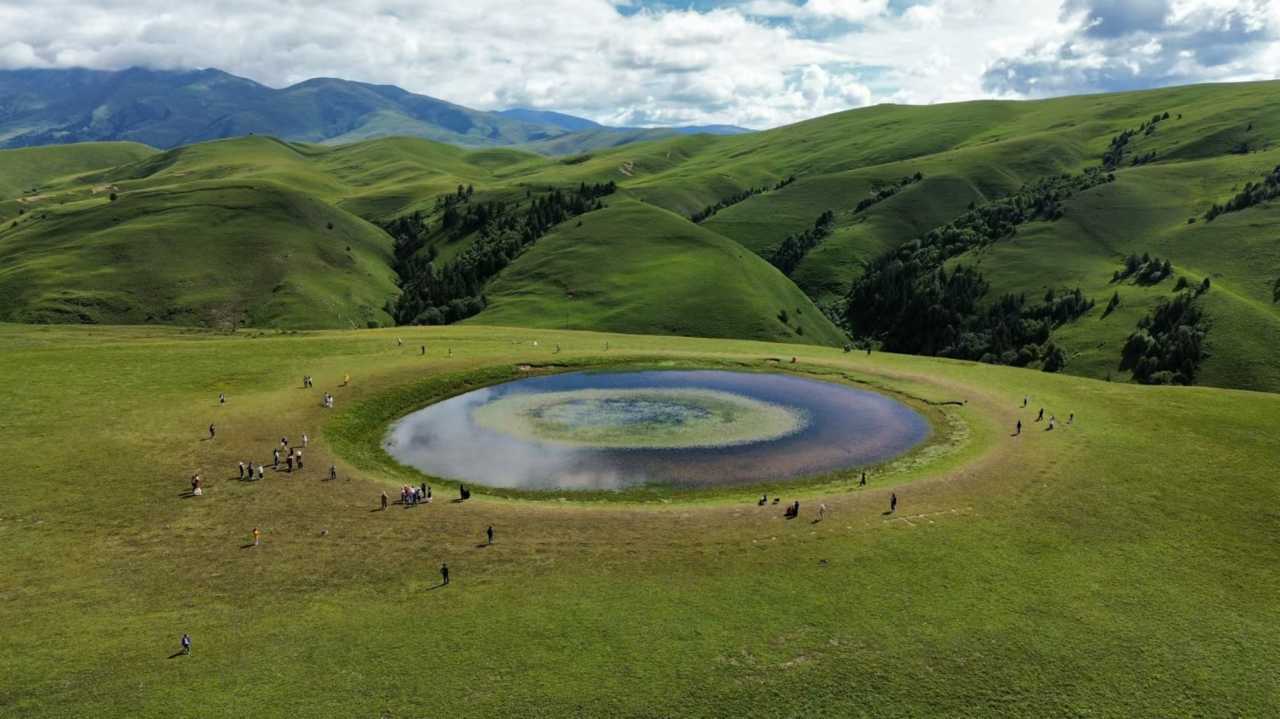
Rain had been falling since the previous night. Locals warned about road conditions to Niugan Mafei Lake (Ox Liver Horse Lung Lake). This undeveloped lake sits at 4,300m, accessible only via unpaved roads that turn treacherous in wet weather.
Our group unanimously decided to proceed. Why? Because hidden gems rarely reveal themselves to the cautious.
Navigation Details
Search for "Qudong Lacuo Campground" on maps. The orange wooden cabin marks the turnoff onto gravel road. After that, phone signals disappear entirely.
Road Conditions: - Gravel surface (better than mud) - Narrow, winding mountain paths - Almost no other vehicles (we saw only mushroom pickers and a few enthusiasts)
The Lake Experience
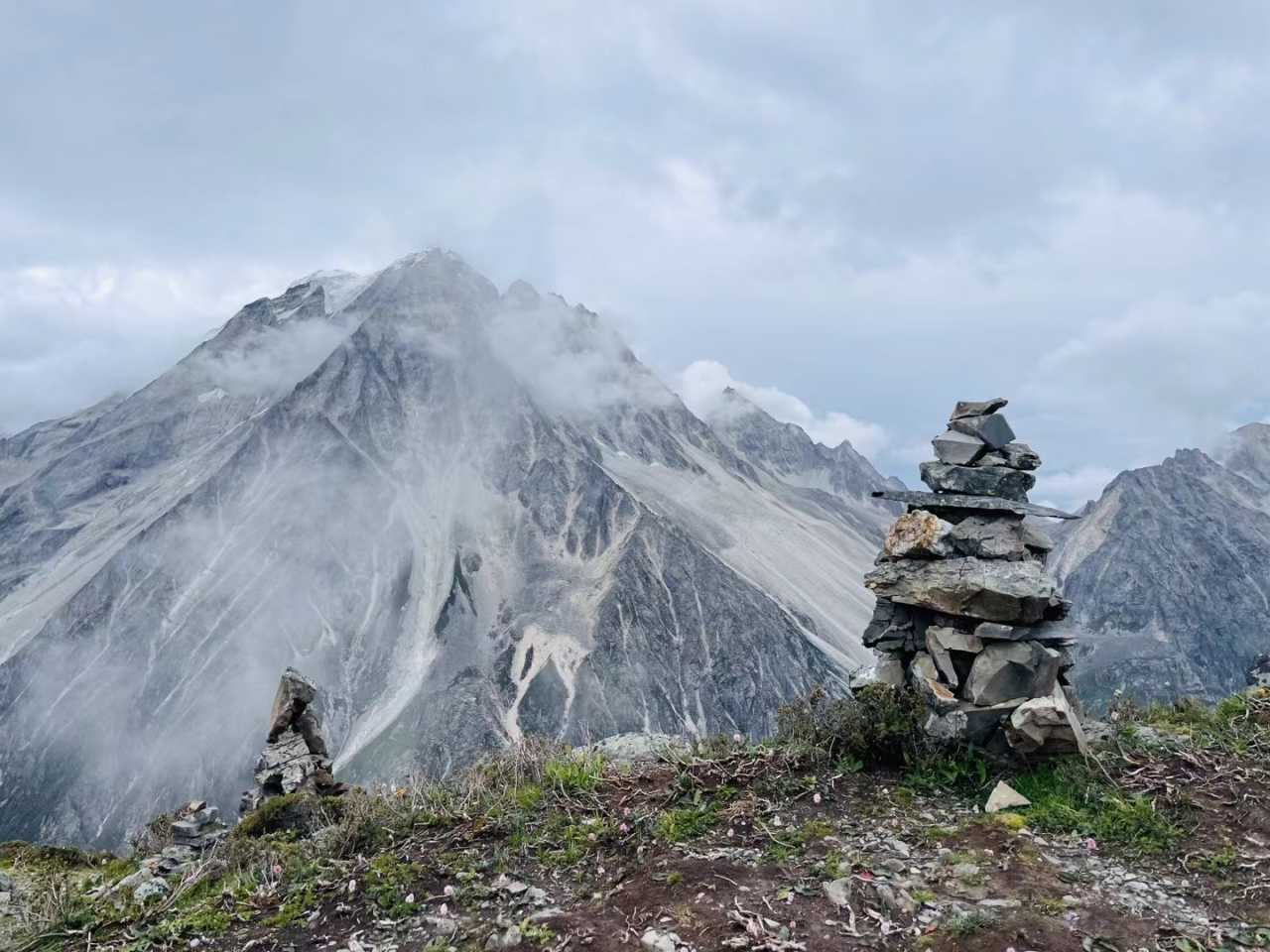
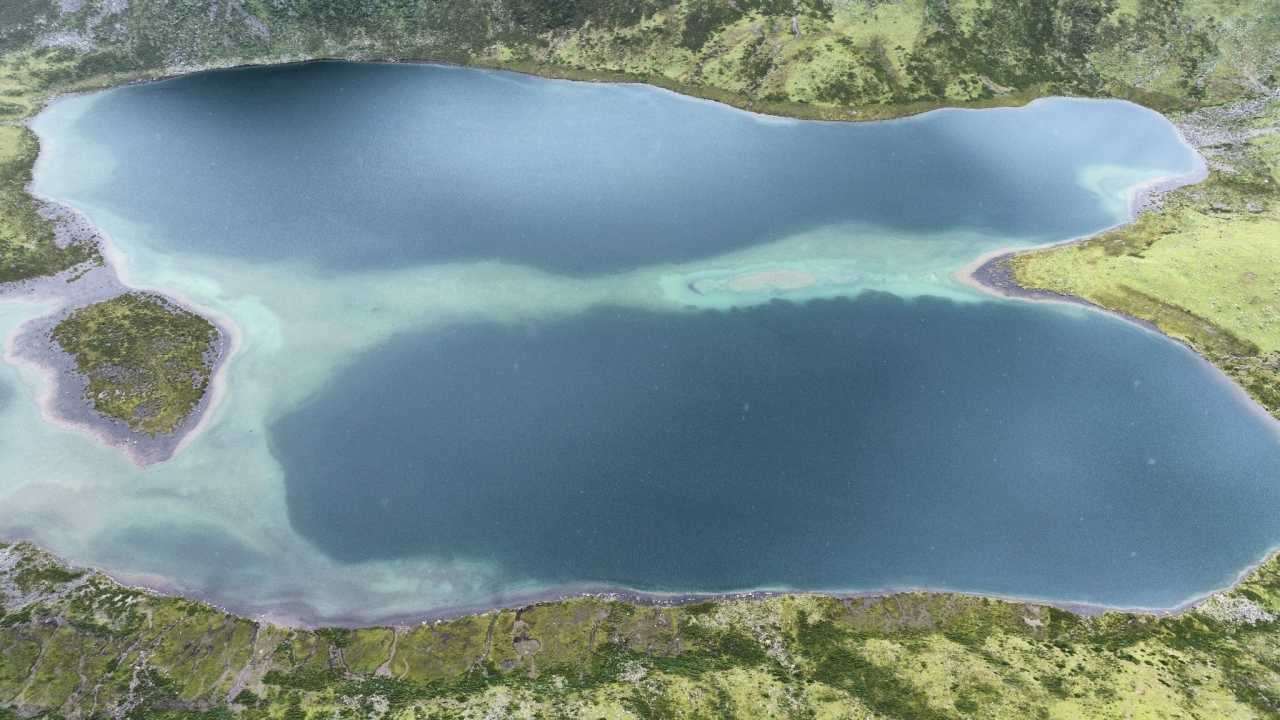
Even under gray skies, Niugan Mafei Lake stunned us. Half the lake resembles an ox liver, the other half a horse lung—nature's surreal artistry. Its official name, Qudong Lacuo, sounds more poetic.
At 4,300m with rain and low pressure, cold was real. Some companions experienced mild altitude sickness. But we came prepared: canopy, tea setup, picnic supplies. Drinking hot tea while watching rain fall on that extraordinary lake—that's a memory no crowded scenic spot can offer.
Pro Tip: One companion later said good tea paired with that atmosphere was the only way to truly appreciate it. Bring quality tea for your plateau picnic.
Unexpected Stop: Yuke Town
After descending, rain continued. We planned to reach Daofu County, but Yuke Prairie's beauty stopped us. Yuke Town is a small settlement where almost every household runs a guesthouse.
Our group's cleanliness-focused companion approved only two rooms. We "commandeered" the host's living room and kitchen. On a cold rainy day, hot butter tea (酥油茶) was pure comfort. The Tibetan lady prepared her signature yak meat—each person received a small Tibetan knife and cutting board. Eating and cutting as we went, full of ceremony.
[Link: Yuke Prairie travel guide]
Day 5: Yuke Prairie to Ganzi County – Grassland Majesty
Morning on the Prairie
Yuke Prairie stretches endlessly, dotted with yaks and Tibetan tents. Morning light after rain creates ethereal scenes. Take time to walk, breathe, and photograph.
The Route: Daofu → Luhuo → Ganzi
This section follows the 317 National Highway corridor. Landscape transitions from grassland to river valleys and forested hills. Daofu County offers simple restaurants. Luhuo has a notable Tibetan Buddhist temple worth a quick stop.
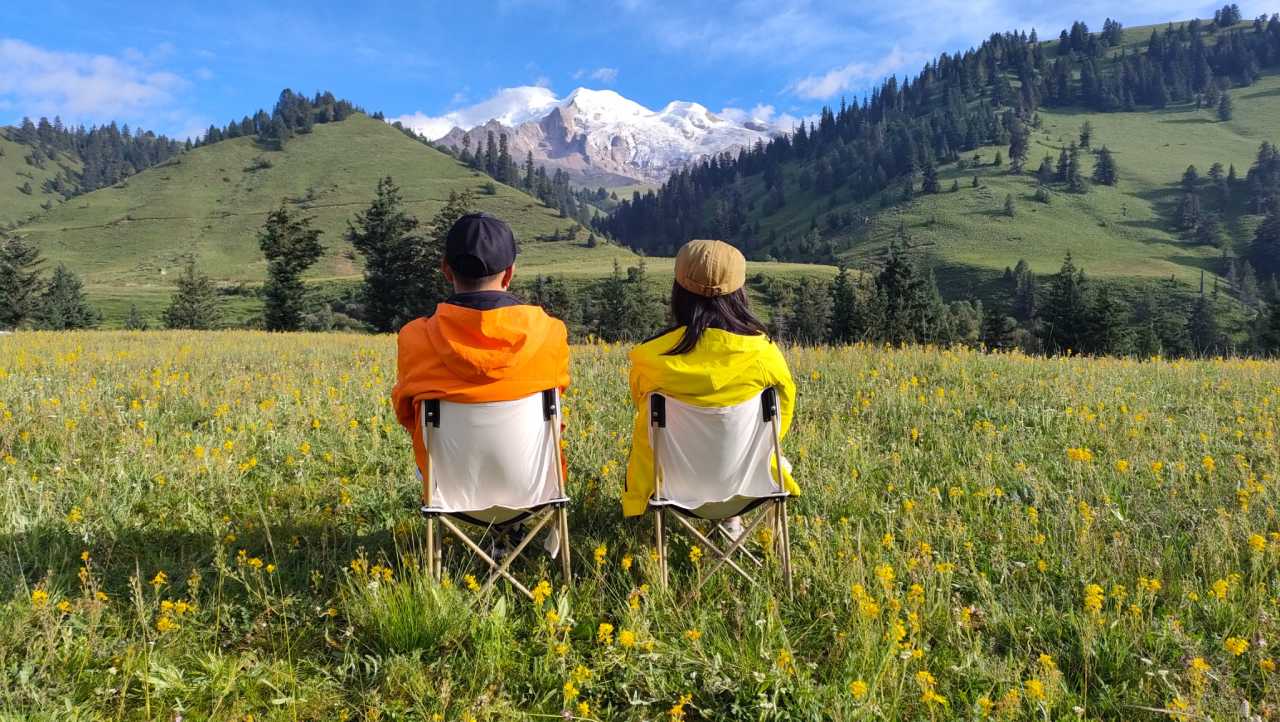
Ganzi County Arrival: - Altitude: 3,400m - Larger town with better accommodation options - Tibetan culture noticeably stronger
[Link: Ganzi County attractions]
Day 6: Ganzi to Baiyu County – Monasteries and Mountain Passes
Yajiang Temple (Yaqing Si)
This remote monastery sits in a valley surrounded by snow peaks. Unlike more famous temples, Yajiang sees few tourists. The atmosphere feels authentic, untouched.
Photography Note: Ask permission before photographing monks or religious ceremonies. Some areas prohibit photography entirely.
The Drive to Baiyu County
Mountain passes dominate this section. Altitude fluctuates between 3,500m and 4,200m. Drivers should watch for landslides, especially after rain.
Baiyu County Highlights: - Traditional Tibetan architecture - Local markets selling handmade crafts - Gateway to Gato Monastery
[Link: Yajiang Temple visitor guide]
Day 7: Baiyu to Batang – Sister Lakes and Sacred Sites

Gato Monastery (Gatuo Si)
Perched on a hillside, Gato Monastery offers panoramic views of the surrounding valley. The monastery's age shows in weathered wood and faded murals—evidence of centuries of devotion.
What to See: - Main prayer hall with ancient thangkas - Monk quarters with flower-filled courtyards - Mountain backdrop perfect for photography
Sister Lakes (Jie Mei Hu)
Near Batang, these twin lakes sit at different elevations. The contrast between their colors—one turquoise, one deep blue—creates a photographer's dream.
Best Time: Early morning for reflections. Afternoon winds often ripple the surface.
[Link: Batang travel tips]
Day 8: Batang to Hangda Campground – Reverse Genie Southern Route
Why Drive in Reverse?
Most tour groups take the Genie Southern Route from north to south. Driving reverse means encountering fewer vehicles and experiencing viewpoints from unique angles.
Hangda Campground Essentials: - Basic facilities (toilets, simple shelters) - Bring your own tent or sleep in vehicle - No food or water available—stock up in Batang
Night on the Plateau
Camping at 4,000m requires preparation: - Warm sleeping bags (rated to -10°C) - Proper tent with wind protection - Headlamps and backup batteries - High-calorie snacks for energy
Stargazing here is phenomenal. Zero light pollution reveals the Milky Way in stunning clarity.
[Link: High-altitude camping checklist]
Day 9: Genie's Eye to Yajiang – Iconic Views and Long Drives
Genie's Eye (Genie Zhi Yan)
This natural rock formation resembles an eye watching over the valley. Early morning light creates dramatic shadows. Arrive before 8am for best photography conditions.
Important: The viewing platform has no railings. Exercise caution, especially in windy conditions.
The Drive to Litang
Litang sits at 4,014m—one of China's highest towns. Known as the "City of Sky," it offers: - Horse racing festival grounds (summer events) - Tibetan medicine shops - Simple but hearty restaurants
Yajiang Overnight
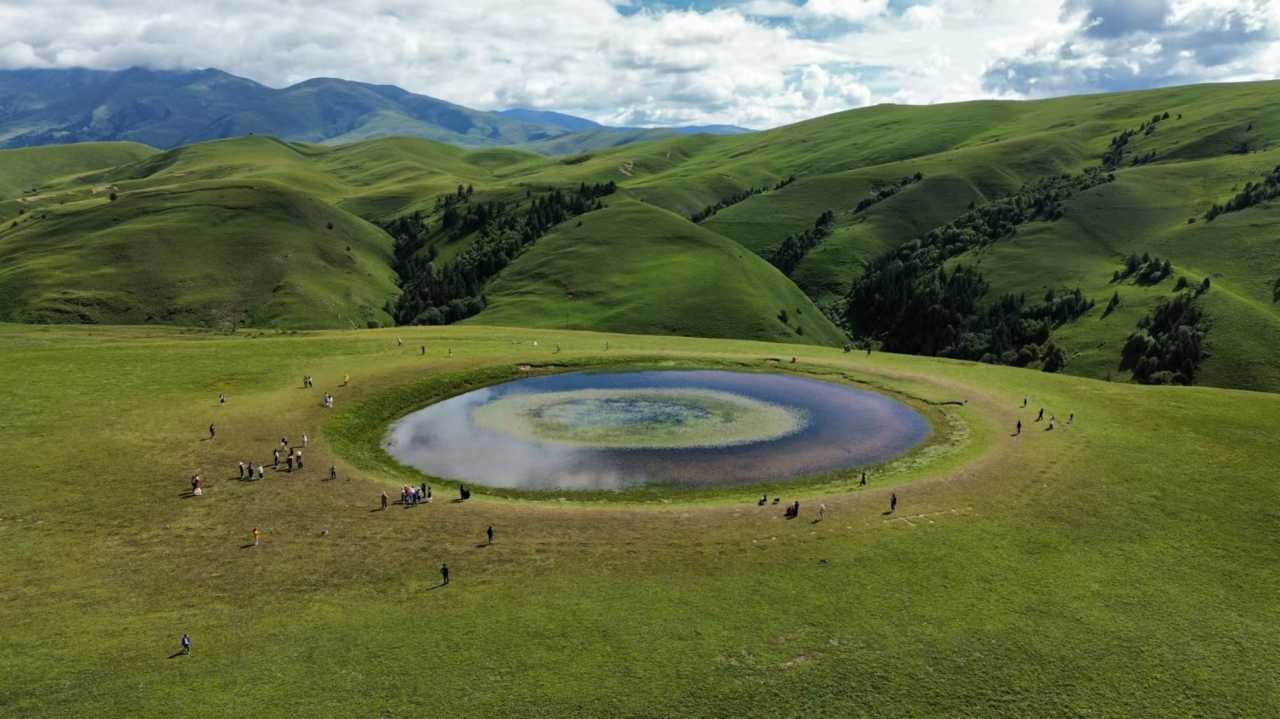
After a long driving day, Yajiang provides comfortable accommodation. Altitude drops to 2,600m—easier sleeping.
[Link: Litang travel guide]
Day 10: Yajiang to Chengdu – Final Scenic Push
Xinduqiao: Photographer's Paradise
Xinduqiao (New Bridge) is famous for its golden autumn light. Even in summer, morning mist over the river creates ethereal scenes.
Photo Spots: - River bend with distant snow peaks - Tibetan houses with flower gardens - Yak herds crossing shallow water
Cloud-Wrapped Yala (Yunrao Yala)
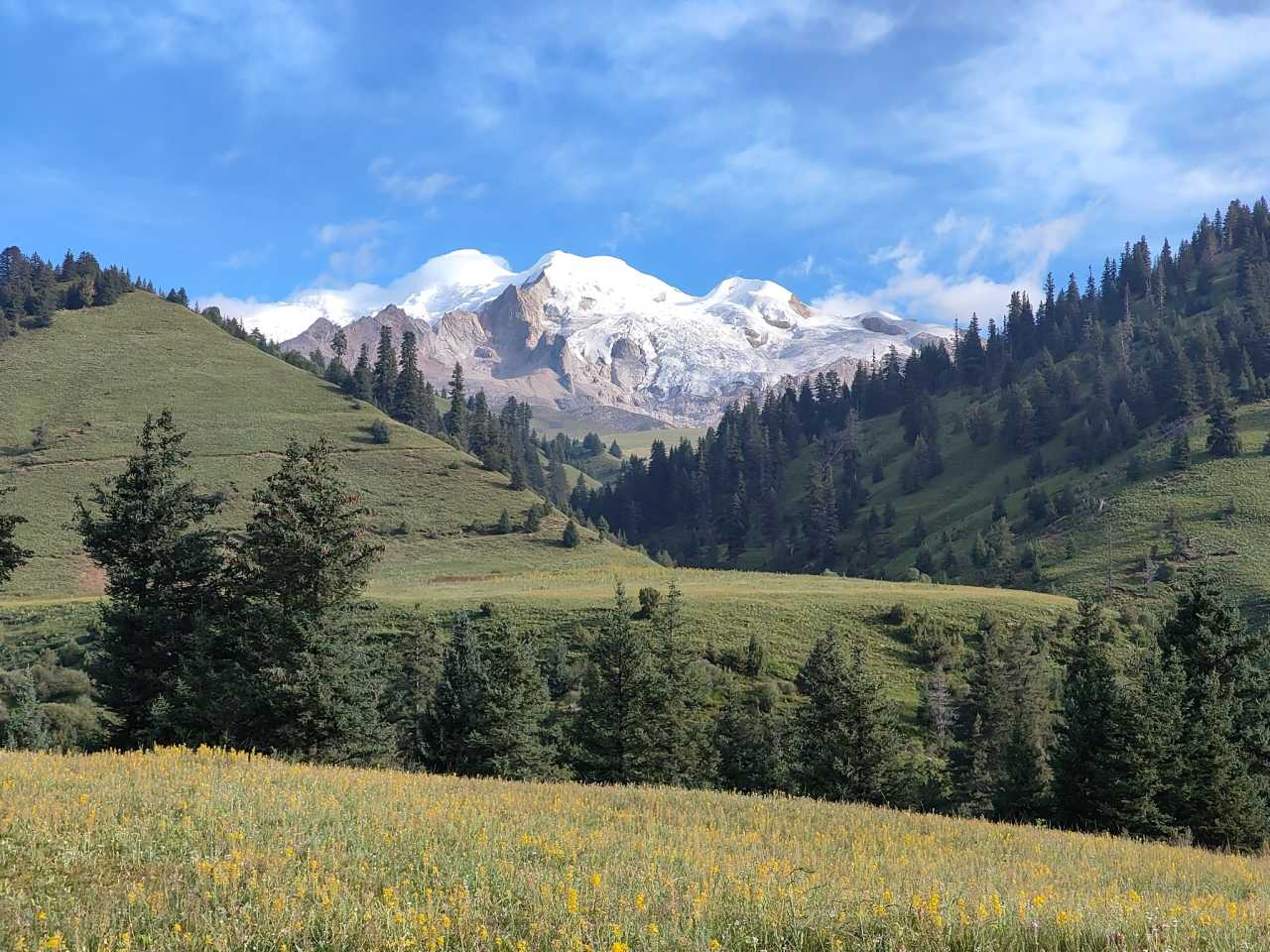
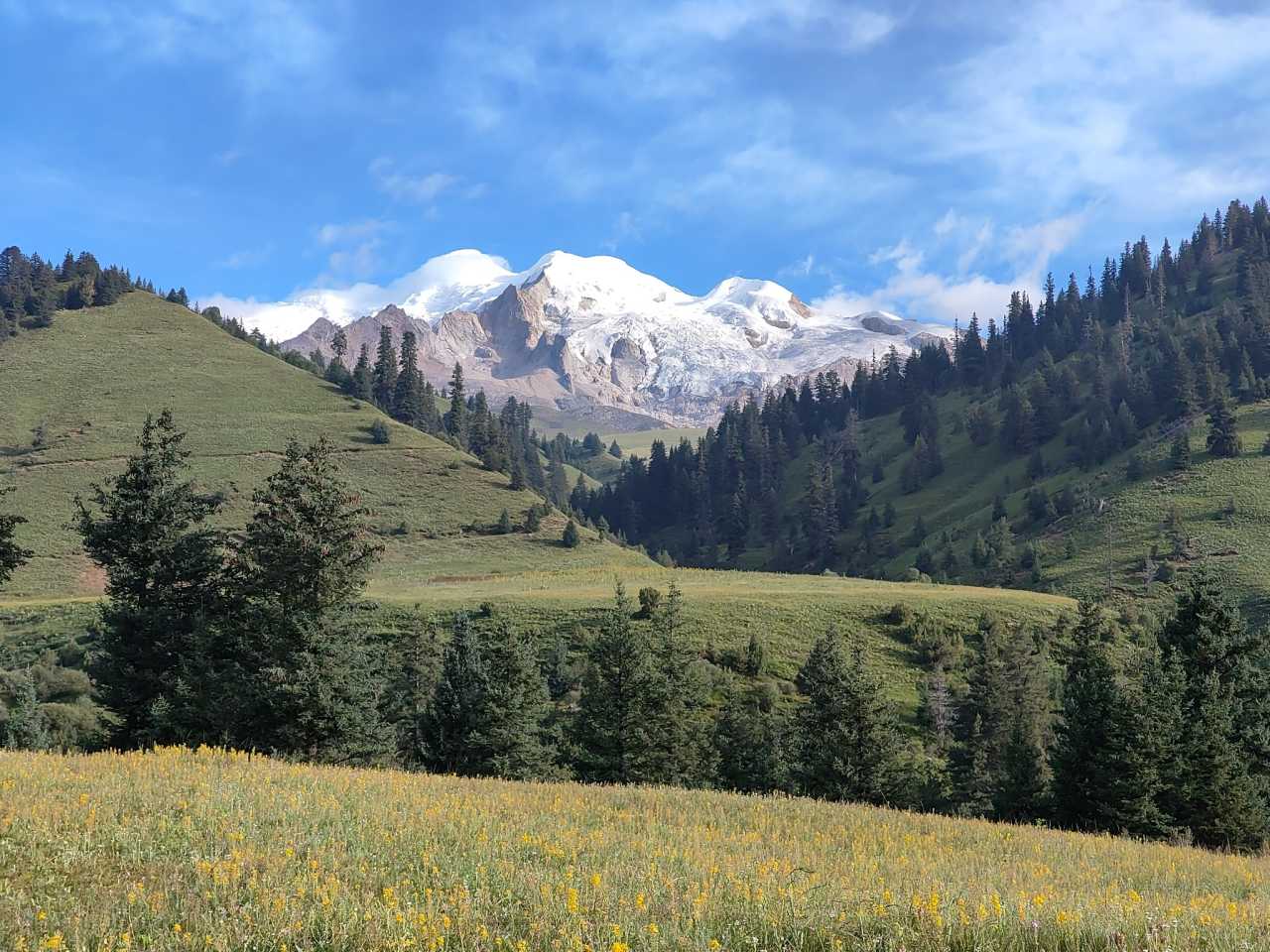
Yala Snow Mountain (5,820m) often hides in clouds. If you're lucky, clear skies reveal its pyramid-shaped peak. The viewing platform has basic facilities.
Return to Chengdu
The final drive takes 4-5 hours. Traffic increases approaching the city. Plan to arrive by late afternoon.
Celebration Dinner: Hot pot in Chengdu. After 10 days of plateau food, the familiar spice feels like coming home.
[Link: Xinduqiao photography guide]
Practical Tips for Your Western Sichuan Road Trip
Vehicle Requirements
- 4WD strongly recommended for unpaved sections
- Check tire condition before departure
- Carry spare tire and basic repair kit
Altitude Management
- Ascend gradually (no more than 500m gain per day above 3,000m)
- Stay hydrated (3-4 liters daily)
- Avoid alcohol first 48 hours
- Consider acetazolamide (Diamox) for prevention
What to Pack
 - Layered clothing (temperature swings from 5°C to 25°C) - Rain gear (sudden afternoon storms common) - Sun protection (UV intense at altitude) - First-aid kit with altitude medication - Power bank (charging opportunities limited)
Best Time for This Route
- June-September: Warmest weather, green landscapes
- July-August: Mushroom season, wildflowers
- Avoid October-May: Snow closes some passes
[Link: Western Sichuan packing list]
FAQ: Your Western Sichuan Road Trip Questions Answered
1. Is this route suitable for first-time plateau travelers?
Yes, but with precautions. The first night at Guanyinqiao (2,700m) allows gradual acclimatization. Avoid rushing to high-altitude destinations. Listen to your body—if symptoms worsen, descend immediately.
2. How difficult are the unpaved roads?
Some sections, especially to Niugan Mafei Lake and parts of the Genie Southern Route, require careful driving. Wet conditions increase risk. Drivers should have experience with mountain roads. Rent high-clearance vehicles.
3. Can I find accommodation without booking in advance?
In larger towns (Ganzi, Baiyu, Batang), yes. In smaller places (Yuke, Hangda), options are limited. Book popular guesthouses ahead during July-August peak season.
4. What's the best time of day for photography?
Golden hour (sunrise and sunset) works best for landscapes. Niugan Mafei Lake photographs well under overcast skies. Sister Lakes shine in morning light. Genie's Eye needs early morning for shadow effects.
5. How much does this 10-day trip cost?
Estimated budget per person (excluding flights to Chengdu): - Vehicle rental: ¥800-1,200/day (shared among 4-5 people) - Fuel: ¥1,500-2,000 total - Accommodation: ¥150-400/night - Food: ¥100-200/day - Total: Approximately ¥5,000-7,000 per person
[Link: Western Sichuan budget travel guide]
Conclusion: Your Hidden Sichuan Adventure Awaits
Western Sichuan offers more than the crowded 318 National Highway. The Genie Southern Route, Niugan Mafei Lake, Yuke Prairie, and remote monasteries reveal a different Sichuan—one where nature speaks louder than tourist crowds.
This 10-day itinerary balances adventure with comfort, risk with reward. You'll encounter rain, altitude, and unpaved roads. But you'll also find moments of pure magic: tea by a hidden lake, yak meat shared with Tibetan hosts, stars over a high-altitude campground.
Ready to plan your 2024 summer road trip? Start with these steps: 1. Book your flights to Chengdu 2. Reserve vehicles (Tank 300 or similar) 3. Download offline maps for areas without signal 4. Pack for all weather conditions 5. Share this guide with your travel companions
The hidden lands of Western Sichuan are waiting. Don't just follow the crowds—discover your own path.
[Link: Book your Western Sichuan road trip package] [Link: Rent 4WD vehicles in Chengdu] [Link: Download offline maps for Sichuan travel]
Have you driven the Genie Southern Route? Share your experience in the comments below. Questions about this itinerary? Ask away—we'll help you plan your perfect Western Sichuan adventure.
You may also like


