Years Pass, and the Distant Roads of Western Sichuan Beckon: A Complete Travel Guide to Gongga, Daocheng, and Lenggacuo
Meta Description: Discover Western Sichuan's hidden gems—from Gongga's golden sunlight to Lenggacuo's rugged trails. This 1500-word guide covers high-altitude survival tips, day-by-day itineraries, and FAQs for your next adventure.
Introduction: Why Western Sichuan Never Lets Go
Some places, once they take root in your soul, can never be erased. They’re like seeds, quietly growing in the soil of time, until one day you have no choice but to pack your bags and go meet that long-overdue promise. For me, Western Sichuan is exactly that kind of place.
Over the years, I’ve set foot on this land again and again, only to leave each time with reluctance. Every farewell plants a new seed in my heart, waiting for the next chance to sprout. The alpine lakes, the incense smoke, the wildflowers, the horses, the blue sky, the white clouds—they’re like gentle enchanters, using the simplest means to stir the weary souls trapped in cities.
Some say Western Sichuan travel is an itch you can never scratch. I think it’s more like a self-imposed exile—walking your own path in your own world, going a little crazy in your own way.
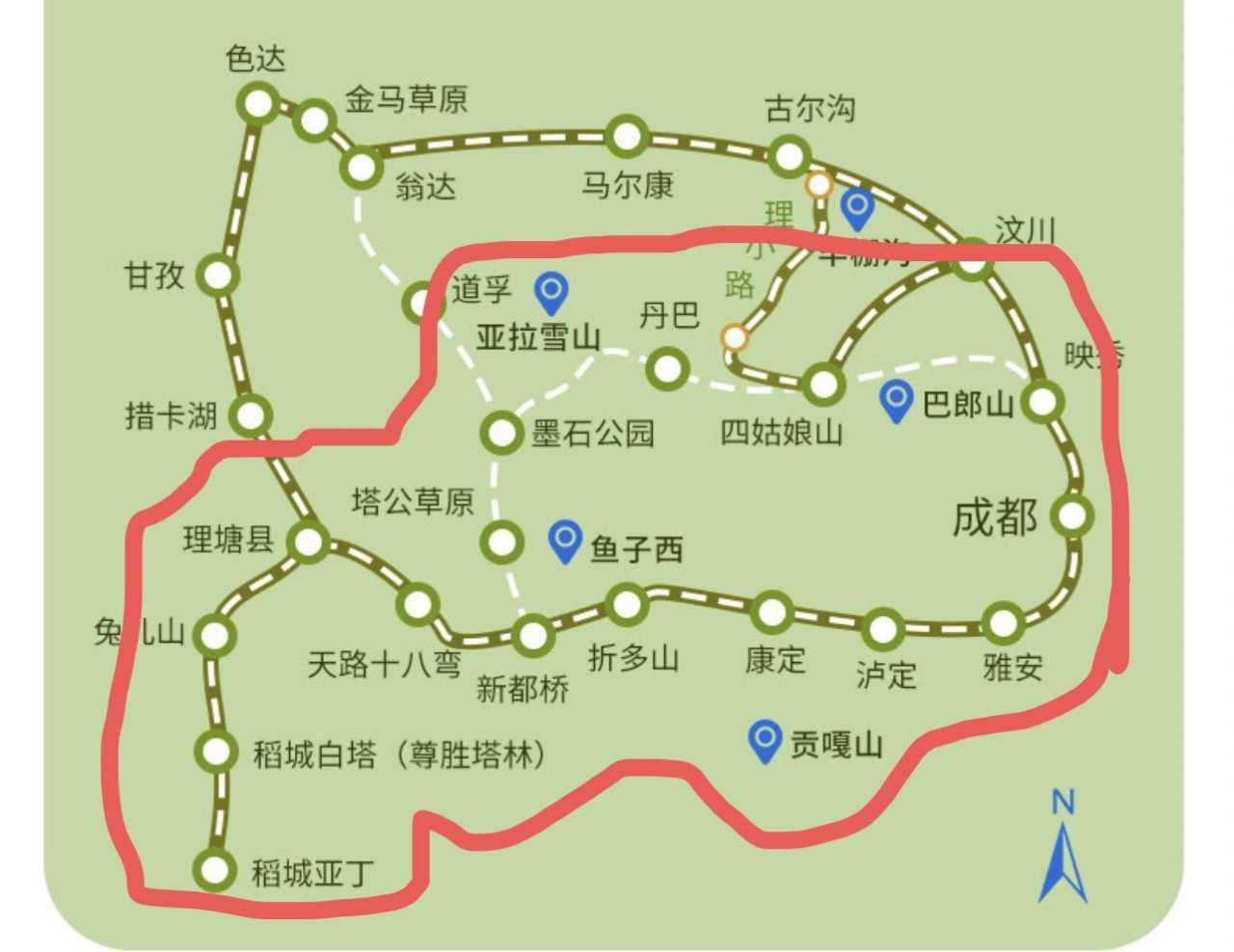
This time, three women, all battered by the city’s noise, clicked instantly and decided to charter a car and hit the road. Our goals were clear: first, to revisit Daocheng Yading (my last trip was in 2005, before it was developed); second, to explore Mount Gongga, the King of the Sichuan Mountains, and the lesser-known hidden gems around it—especially Lenggacuo, a place I’d dreamed of for years.
Pre-Trip Prep: Your High-Altitude Survival Guide

Essential Gear for Western Sichuan
In the highlands, gear is confidence. The weather in Western Sichuan is like a moody child—temperature swings between day and night are staggering, rain and snow can strike without warning, and mountain winds make umbrellas useless.
What to pack: - Outdoor three-layer waterproof gear – Your clothes must be seriously waterproof - Lightweight down jacket – Essential for cold evenings and high passes - Professional waterproof backpack – Protects your power bank, phone, and other electronics from rain or snow - Sturdy hiking boots – Trails can be muddy and uneven
Managing Altitude Sickness
Don’t panic. Headaches and dizziness are normal when you first arrive. Give yourself two days to acclimatize, and after that, you’ll be unstoppable. Stay hydrated, avoid alcohol, and consider bringing Diamox or natural remedies like ginger tea.
[Link: High-altitude trekking tips]
Day 1: Rainbows Over Gongga and Golden Sunlight on the Snow
From Chengdu to Red Lake: An Unexpected Rain
The September heat of Chengdu hadn’t fully faded when we set off at dawn. We sped along the highway, passed through the Erlang Mountain Tunnel, and felt the altitude climb steadily. After a short break in Kangding at noon, we headed straight for Red Lake.
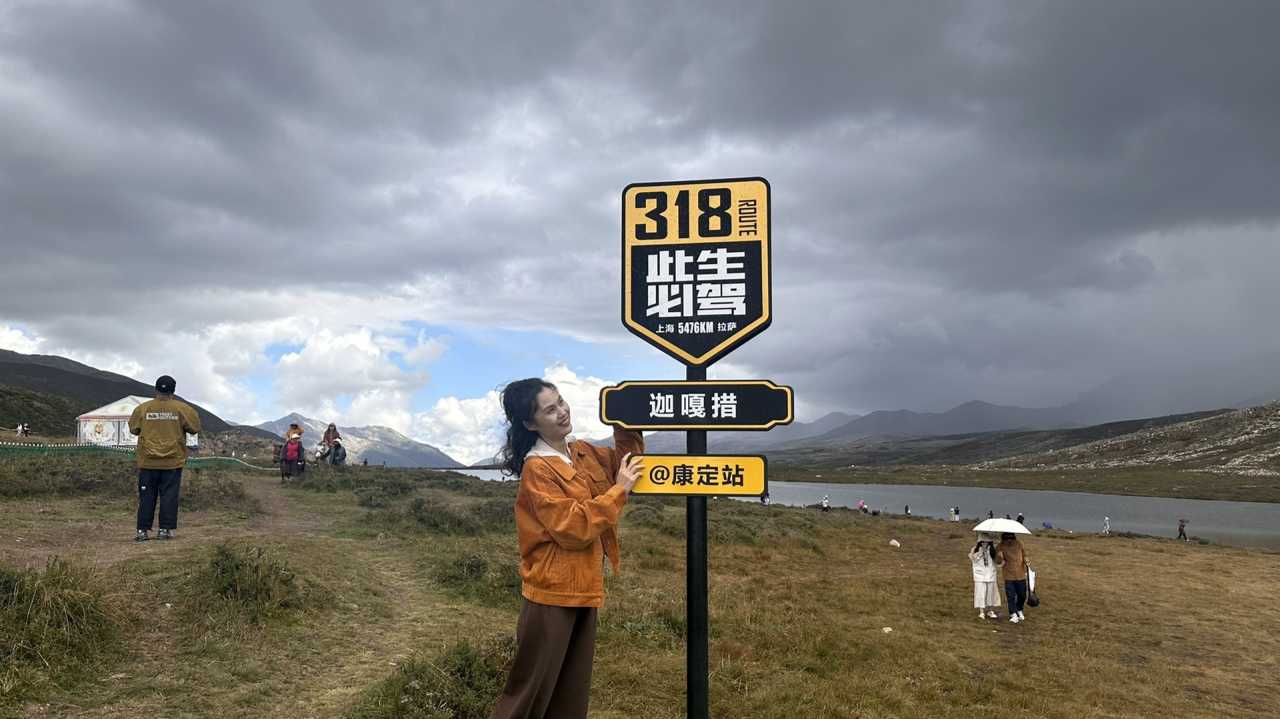
Red Lake—the name sounds a bit quaint, like a shy village girl. I didn’t expect much. But our driver, Xiao Ding, explained that it gets its name because, at sunset, the snow peaks of the opposite Brush Holder Mountain reflect in the lake, turning the entire surface a brilliant red, like a fairyland.
Unfortunately, romance didn’t arrive—rain did.
The sky over the plateau changes in an instant. One moment it was clear and bright; the next, gray clouds pressed down, mountain winds howled, and a light rain began to fall. Following the rule that temperature drops 6°C for every 1,000 meters of altitude gain, it was a full 24°C colder here than in Chengdu. We wrapped our jackets tighter and walked arm-in-arm toward the lake. The water looked black under the storm clouds—no blue sky, no snow peak reflection, just mist and drizzle.
But strangely, walking by the lake brought a deep calm. What we saw didn’t matter anymore. What mattered was the stillness that allowed for reflection, and the arc of life we sensed in that quiet.
Xiao Ding told us Red Lake is also called Gaga Lake. In winter, the blue ice here rivals Lake Baikal. On clear days, the lake mirrors the snowy peaks, giving it the charm of a sky mirror. But all we got was rain.
Gedilamu: A Rainbow Over the Sky City
Crossing the pass from Red Lake, the road turned brutal. The switchback road to Gedilamu was unpaved, full of crater-sized potholes and dizzying 360-degree turns. Xiao Ding said Hunan TV had recently come to film a show and had the road partially repaired—otherwise, it would’ve been even worse.
Our car crawled upward at 10 kilometers per hour. When we finally reached the summit, the view opened up before us. The highland wilderness stretched out under a blue sky dotted with white clouds, warm sunlight spilling over the meadows. Wide valleys, rolling mountains, meadows turning faintly yellow, and occasionally an eagle soaring overhead.
Then, a miracle. At the boundary between sunlight and clouds, a rainbow appeared. Highland rainbows are exceptionally vivid, massive in scale, hanging from the clouds so close you could almost touch them. For a moment, I felt like I was standing inside the rainbow itself. That intimacy is something a lowland rainbow can never give you.
Gedilamu sits at over 4,200 meters above sea level and is known as the “Sky City.” It’s another 360-degree viewing platform for Mount Gongga, following in the footsteps of Yuzixi. The place is rich in atmosphere, with a lighthouse, swings, abandoned motorcycles and buses—perfect for travel photos and wedding shoots. Some call it “the fairy-tale summit at sunset.”
Yuzixi: The Luck of Golden Sunlight on the Snow
From Gedilamu to Yuzixi, we wove through the Gongga mountain range. Xu Wei’s song played in the car: “Having tasted the warmth and cold of life, this smile remains warm and pure…”
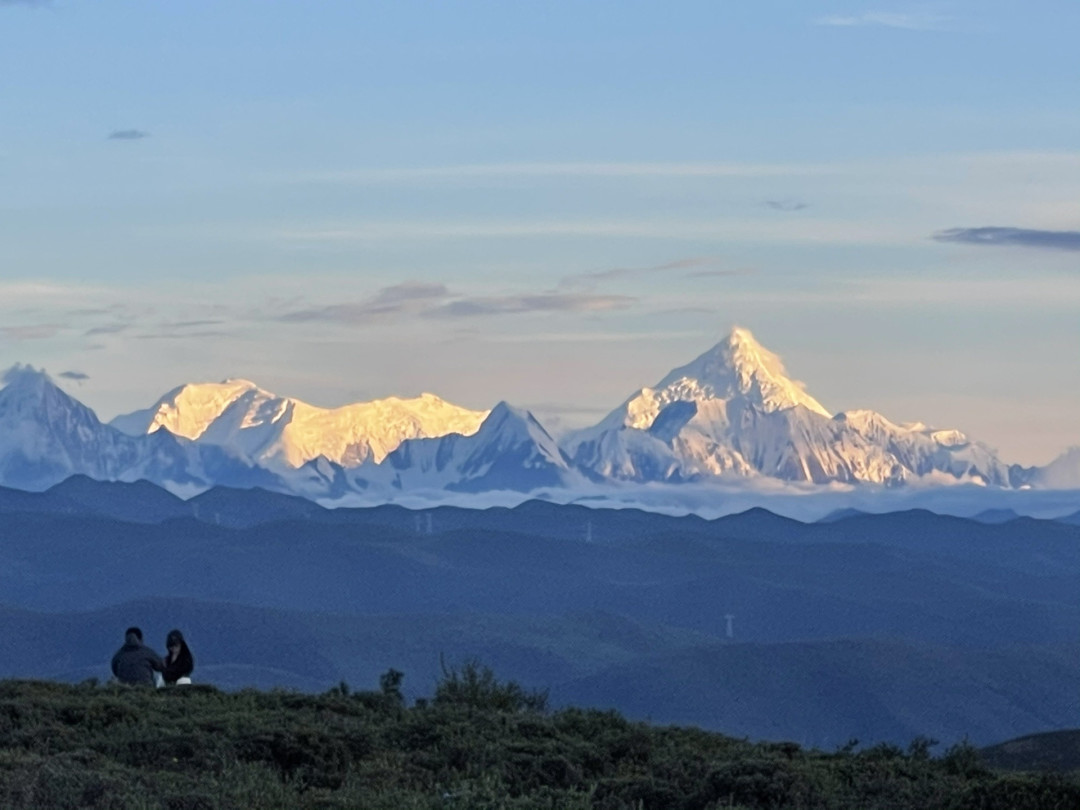
As the sun began to set, we reached Yuzixi, also at about 4,200 meters elevation, another 360-degree snow mountain viewing platform. Sunset here comes around 7 p.m. As the sun burned through the last clouds, the sky shifted from cornflower blue to carnation pink, finally dissolving into a romantic tangerine glow.
The snow-covered mountains stood before us, wrapped in silver, lonely and proud. Clouds drifted, mountains seemed to turn, and the earth was wrapped in the twilight blue of the sky. Dusty pink clouds brushed over the peaks and us, and then the mountains turned golden—the majestic Gongga donned a soft sunset, its grandeur and grace perfectly matched.
It lasted only a few minutes. Then the sun dipped below the horizon, and the temperature plummeted. That was it—the golden sunlight on the snow.
At the time, I didn’t realize how lucky we were. It wasn’t until later, when we tried twice to enter Lenggacuo and stood at Zimei Pass without seeing the golden light again, that I understood how precious that moment was.
We spent the night in Xinduqiao.
[Link: Best sunset viewpoints in Sichuan]
Day 2: The Bumpy Road to Lenggacuo and Empty Hands
The determination to visit Lenggacuo came from being poisoned by a few travel blogs online.
Today, we planned to take Route A: first Zimei Pass, then Lenggacuo for sunset. Lenggacuo has two routes—A and B. Route A has a gentler slope, friendlier for horse riding and hiking. Starting from where vehicles can’t go, you need to ride a horse or hike 7 kilometers, climbing from 4,500 meters—a serious test of endurance.
We set off from Xinduqiao along the Liqiu River. The last 30-plus kilometers were a gravel country road full of potholes and waterlogged sections. It rattled our brains and churned our insides.
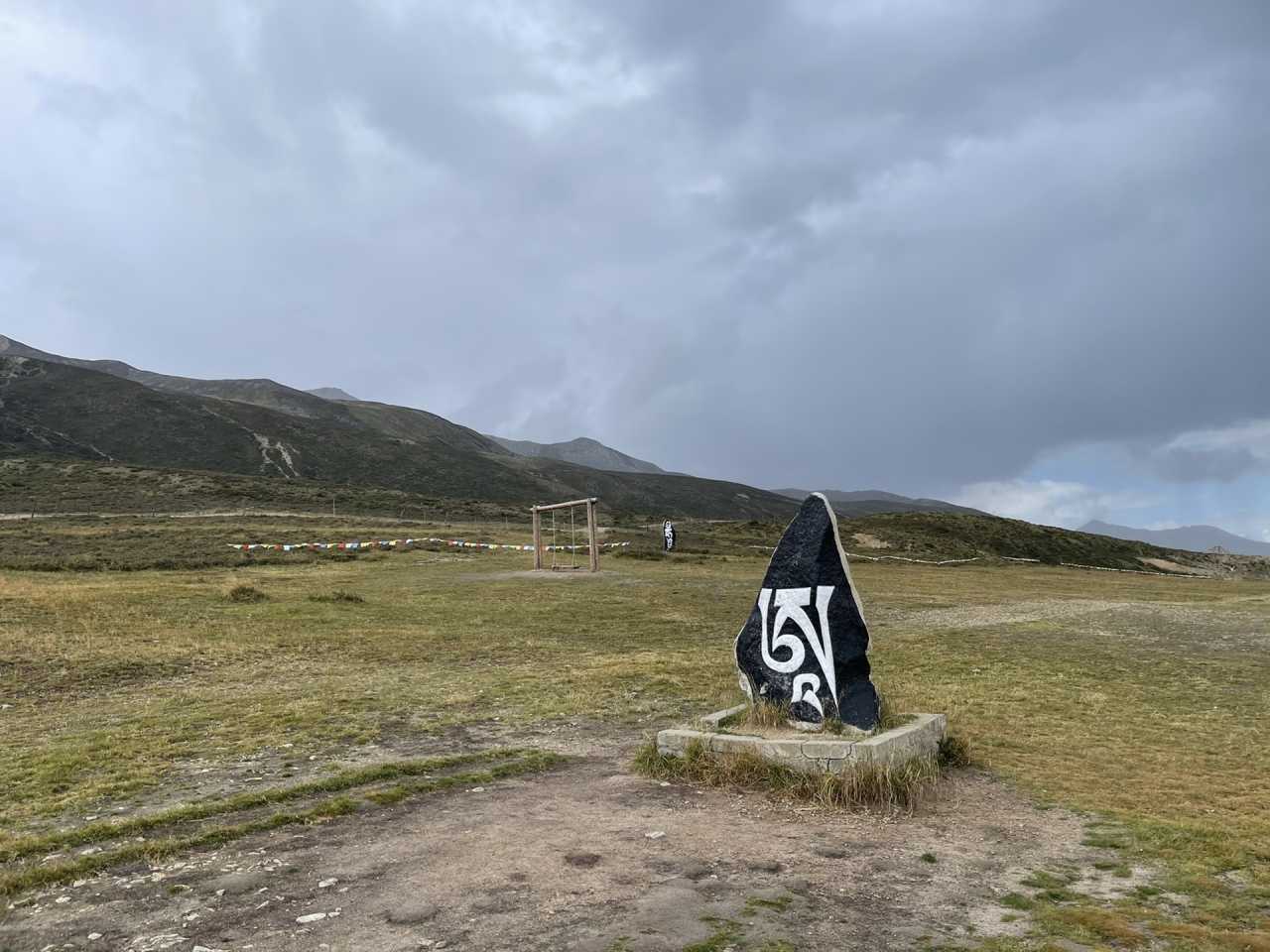
By noon, when we reached the base of Zimei Pass, the sun was blazing and the temperature high. I smugly thought: With weather like this, seeing the true face of Gongga should be no problem, right?
But as we climbed, the clear sky began to “go bad.” At the summit, our car drove straight into a cloud. Forget seeing Gongga 5 kilometers away—we couldn’t even see a person 5 meters in front of us. At the misty Zimei Pass, we scattered prayer flags and hung them, waiting over an hour. But we never caught even a glimpse of the sacred mountain.
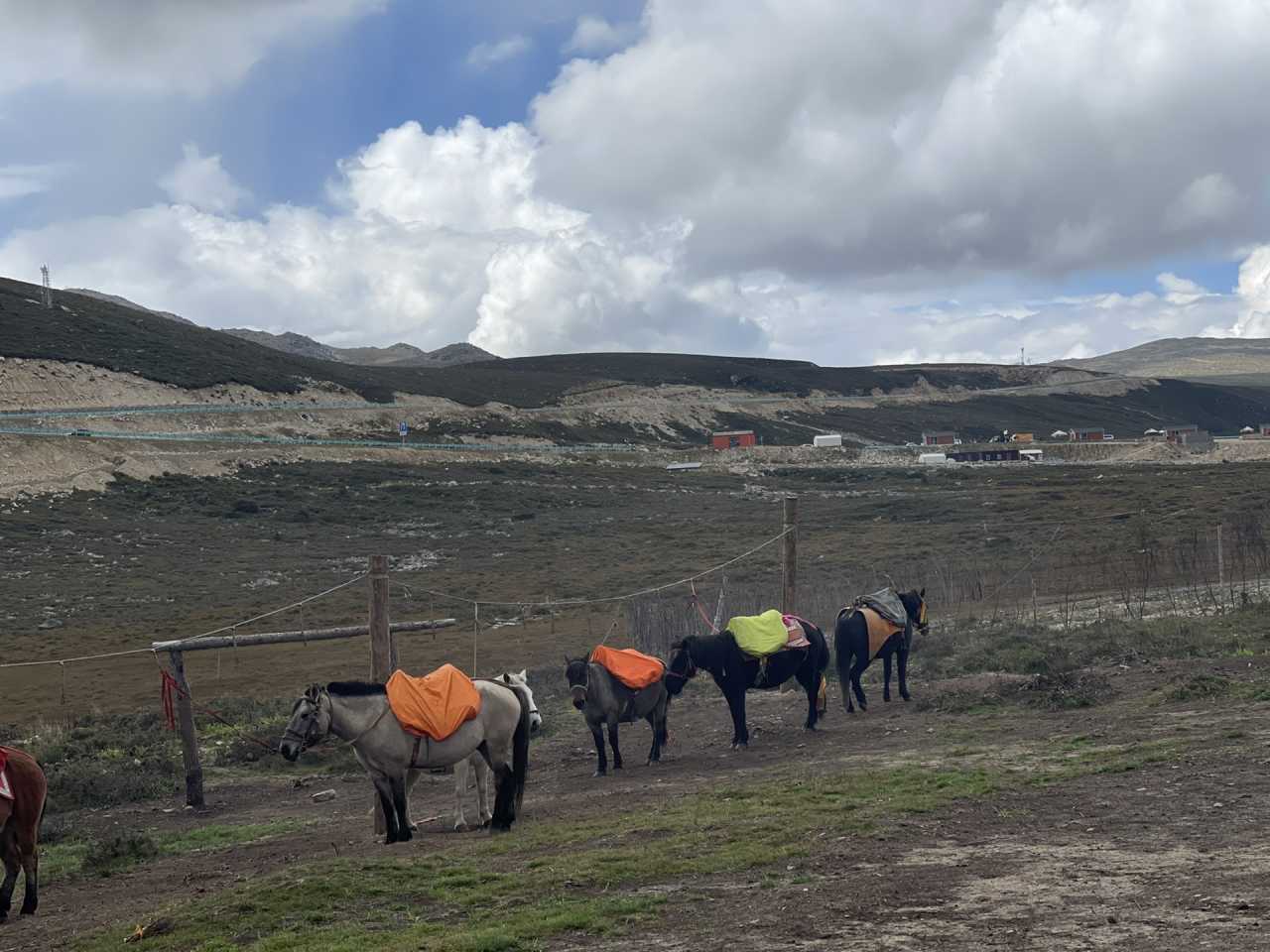
Dejected, we headed to Lenggacuo. At Yulongxi Village, the starting point for horse riding or hiking, we asked for horses. The villagers said there was a horse racing event on the grassland that day—all horses were participating. No horses available. Hiking 7 kilometers at 4,500 meters, with the sky still shrouded in clouds and a light drizzle falling, we figured we’d exh
[Link: Lenggacuo hiking routes and tips]
FAQ: Your Western Sichuan Travel Questions Answered
1. When is the best time to visit Western Sichuan?
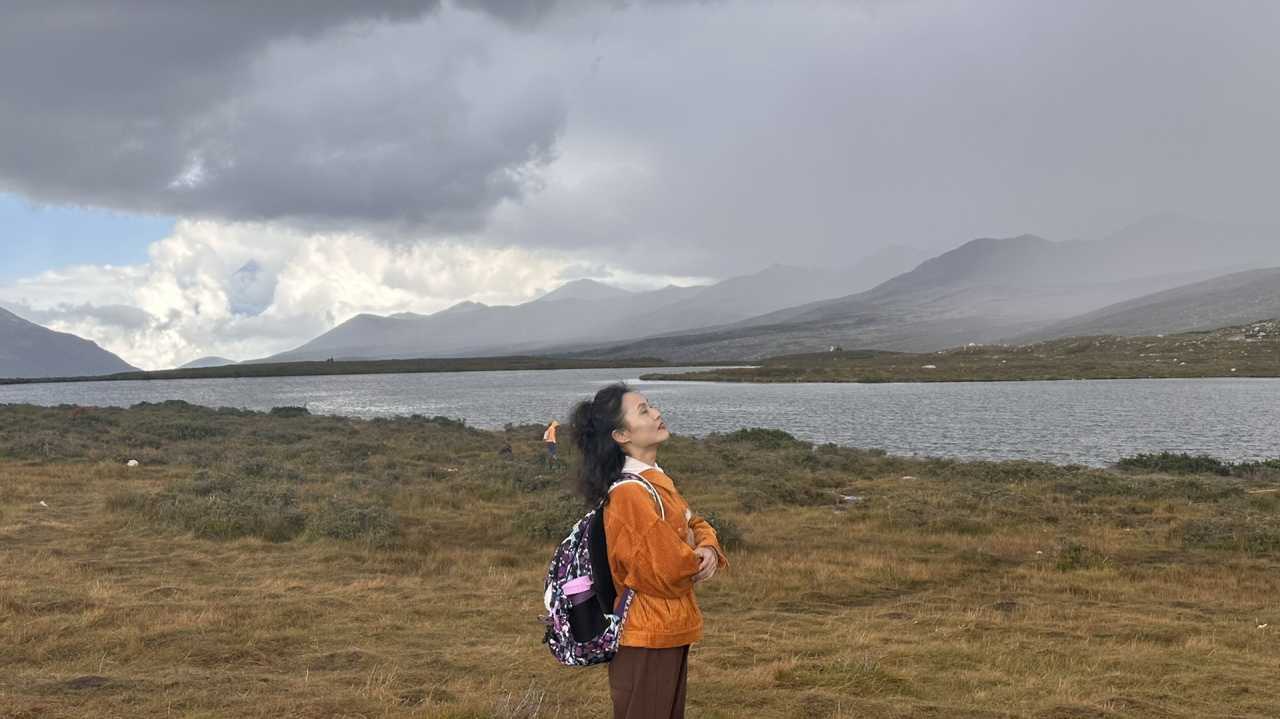 The best time for Western Sichuan travel is September to October when the weather is relatively stable, temperatures are mild, and autumn colors peak. However, be prepared for sudden weather changes at any time of year.
2. How do I prevent altitude sickness in Western Sichuan?
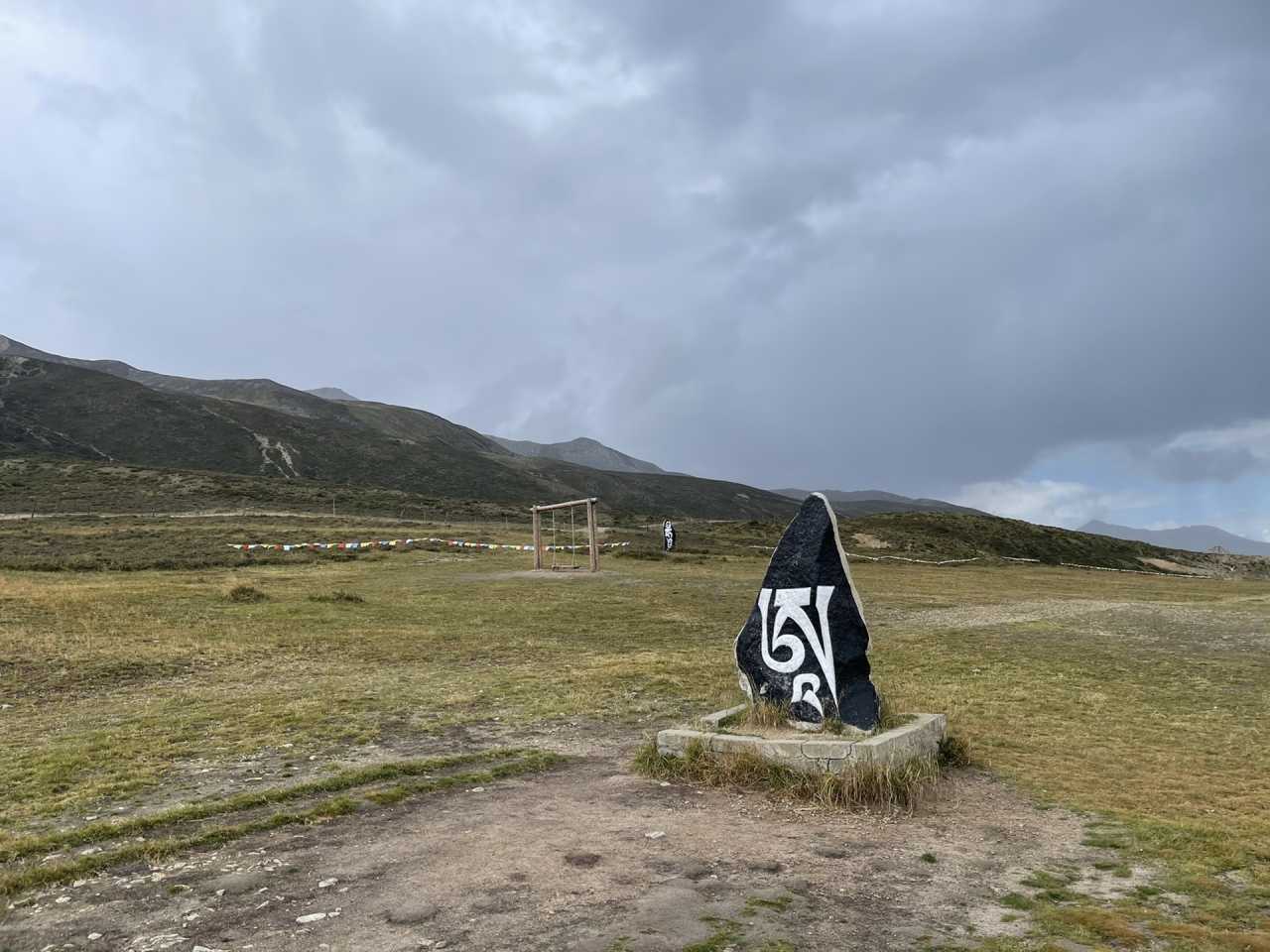 Acclimatize gradually—spend at least two days at moderate altitudes (3,000–3,500m) before heading higher. Stay hydrated, avoid alcohol, and consider Diamox (consult your doctor). If symptoms worsen, descend immediately.
3. Is Lenggacuo accessible without a guide?
Lenggacuo requires a 4WD vehicle and local knowledge. The road is rough, and horse availability depends on local events. Hiring a local driver (like our Xiao Ding) is highly recommended for safety and logistics.
4. What should I pack for a Western Sichuan road trip?
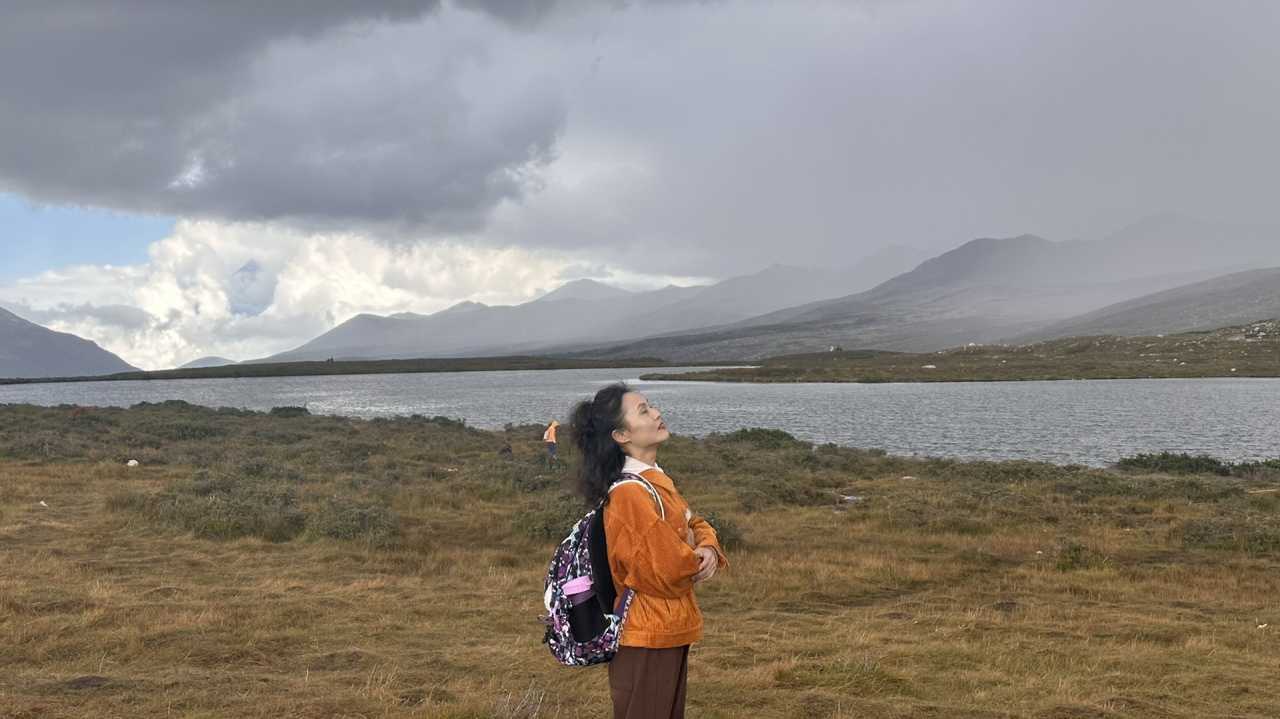 Essentials: Waterproof jacket and pants, down jacket, sturdy hiking boots, power bank, sunscreen, sunglasses, lip balm, snacks, water bottle, and a first-aid kit. Optional: Prayer flags for passes, camera with extra batteries.
5. Can I see Mount Gongga’s golden sunset without luck?
While golden sunlight on the snow is a weather-dependent phenomenon, visiting Yuzixi or Gedilamu during clear sunset hours (6–7 PM) increases your chances. Be patient—sometimes it lasts only minutes.
[Link: Best photography spots in Sichuan]
Conclusion: The Roads of Western Sichuan Will Wait
Our journey ended with empty hands at Lenggacuo, but full hearts. The rain at Red Lake, the rainbow at Gedilamu, the fleeting golden light at Yuzixi—each moment reminded us that Western Sichuan is not a destination to be conquered, but a relationship to be nurtured.
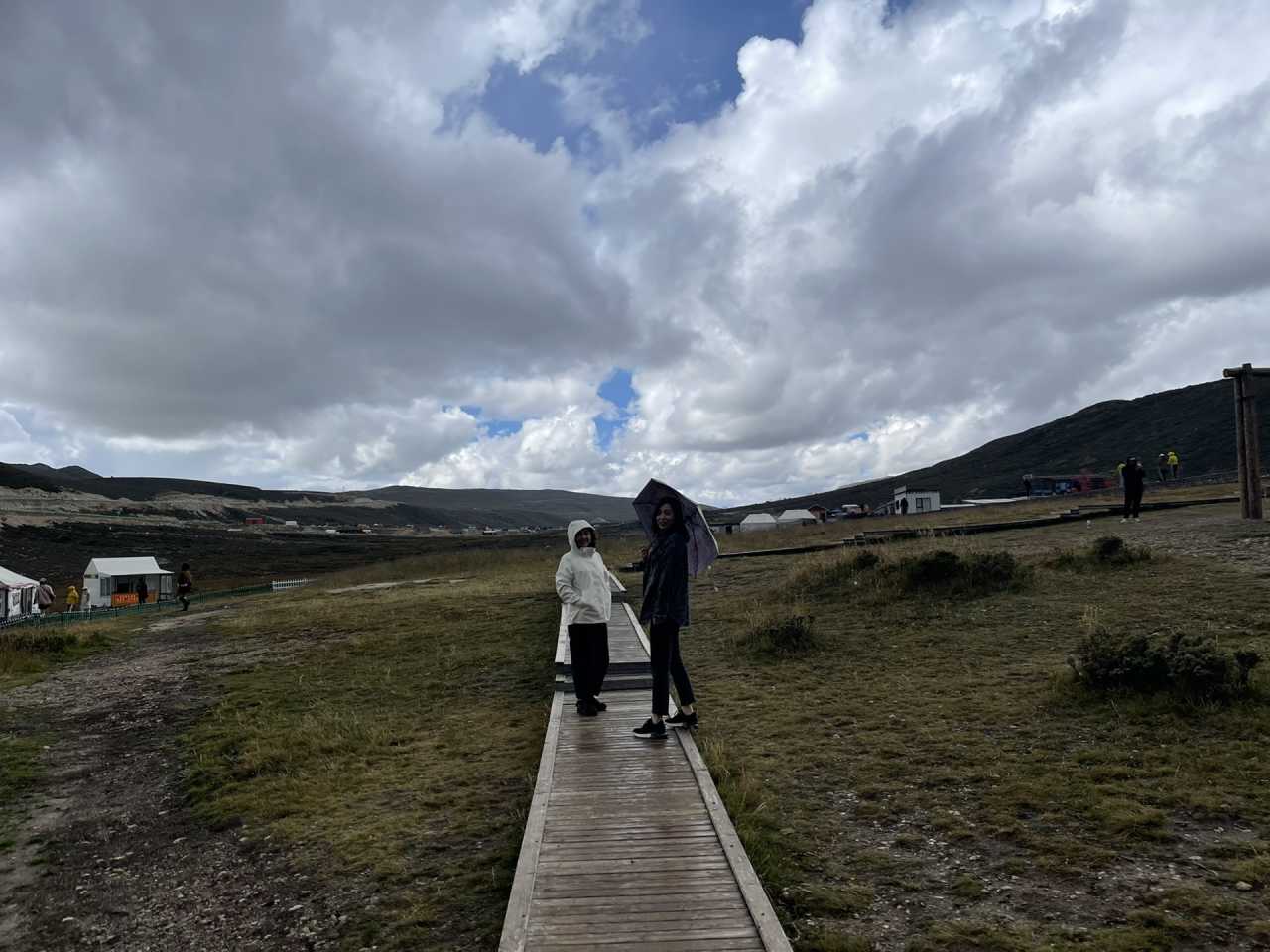
The roads may be rough, the weather unpredictable, and the altitude challenging. But that’s precisely why Western Sichuan travel is so rewarding. It strips away the noise of city life and forces you to be present—to feel the cold wind on your face, to marvel at a rainbow appearing out of nowhere, to accept disappointment with grace.
Years pass, and the distant roads of Western Sichuan beckon. They will always be there—waiting for you to answer the call.
Ready to Plan Your Western Sichuan Adventure?
Don’t let the road intimidate you. Whether you’re chasing Gongga’s golden light, hiking to Lenggacuo, or simply breathing in the alpine air, Western Sichuan offers an experience that will stay with you forever.
Start planning today: - Book your 4WD vehicle and driver in advance - Check weather forecasts for your chosen dates - Pack smart, travel light, and embrace the unexpected
[Book Your Western Sichuan Tour Now] | [Download Our High-Altitude Packing Checklist] | [Join Our Travel Community]
The mountains are calling. Will you answer?
You may also like


