Xichang Citywalk: A Complete Guide to the Blue-Purple Jacaranda Dream in Late Spring
Meta Description: Discover Xichang's hidden jacaranda paradise in late spring. Your ultimate guide to the best viewing spots, travel tips, and why this "Space City" transforms into a blue-purple wonderland. Plan your 2025 trip now.
Introduction: Why Xichang Deserves a Spot on Your Spring Travel List
I have always believed that every city speaks its own seasonal language. Some cities whisper winter romance through snowflakes; others compose autumn poetry with falling leaves. But Xichang—this understated county-level city in southwestern Sichuan—chooses to announce its unique tenderness to the world in late spring and early summer, using clusters of blue-purple blossoms that create a dreamscape unlike any other in China.
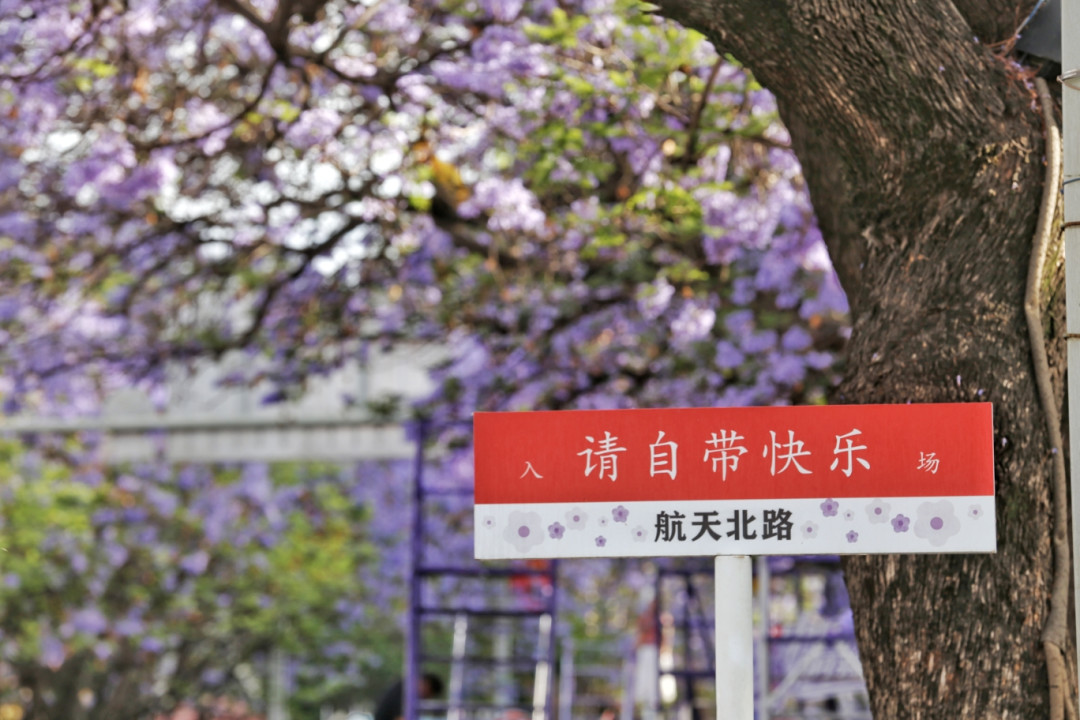
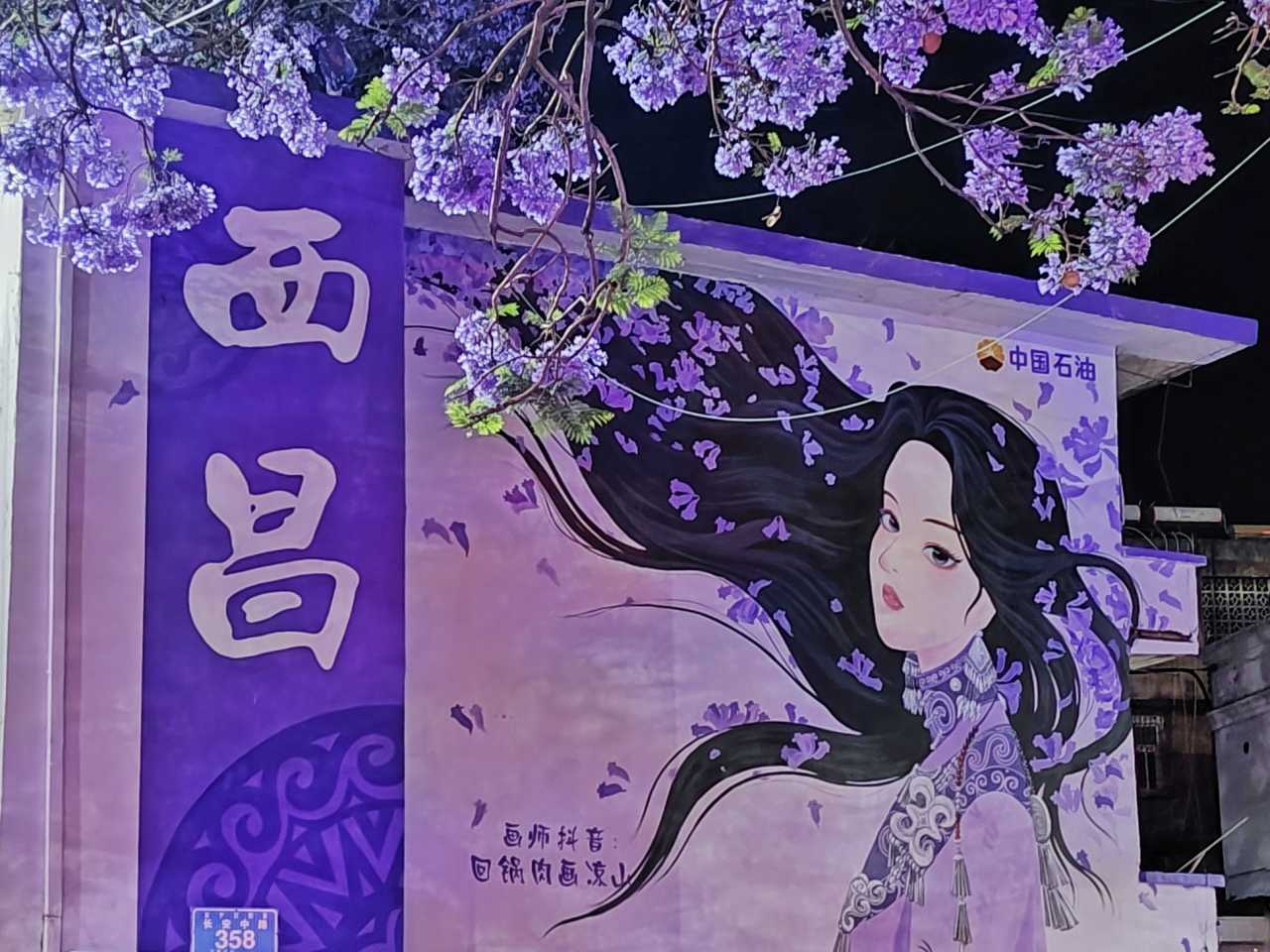
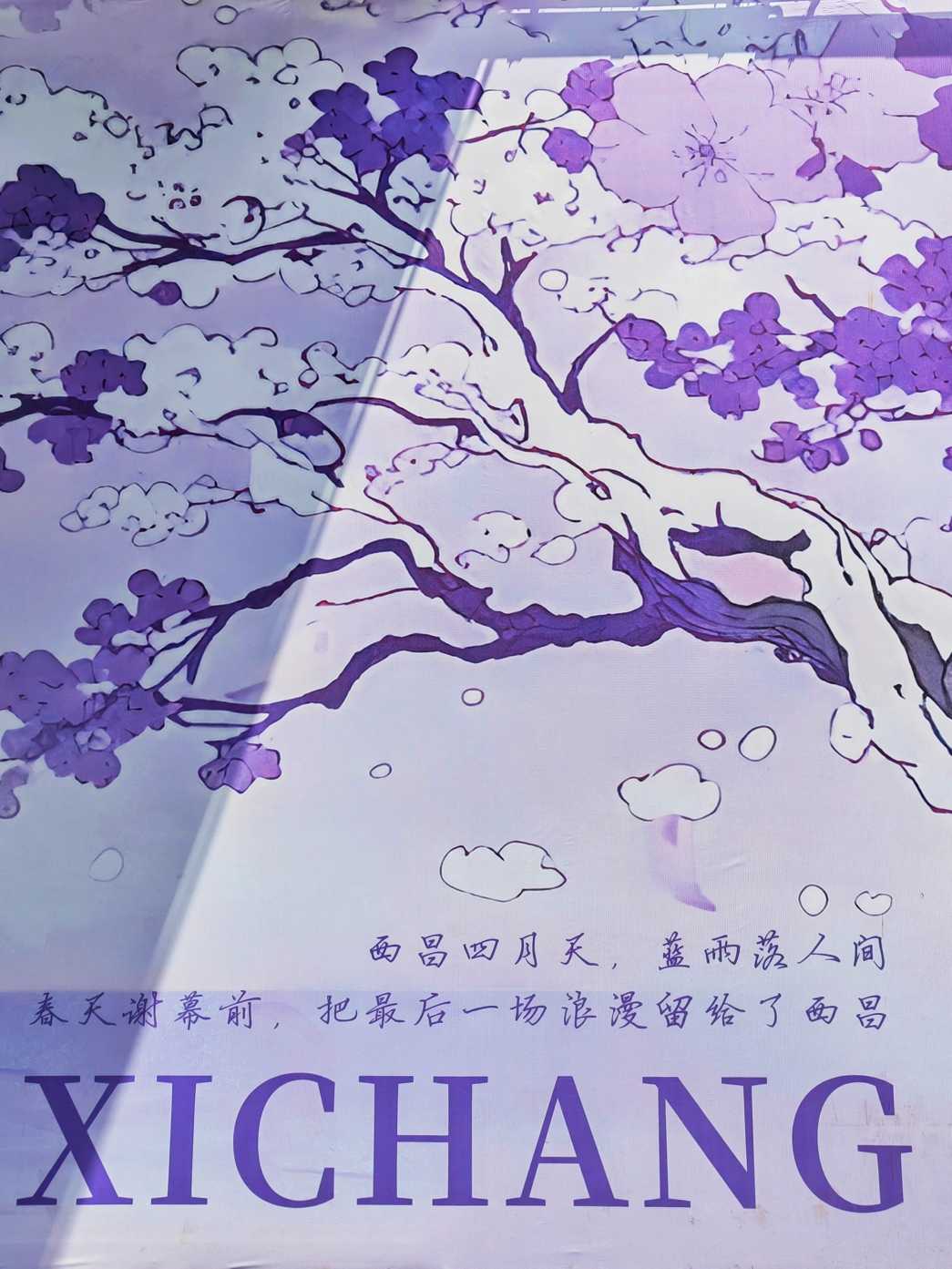
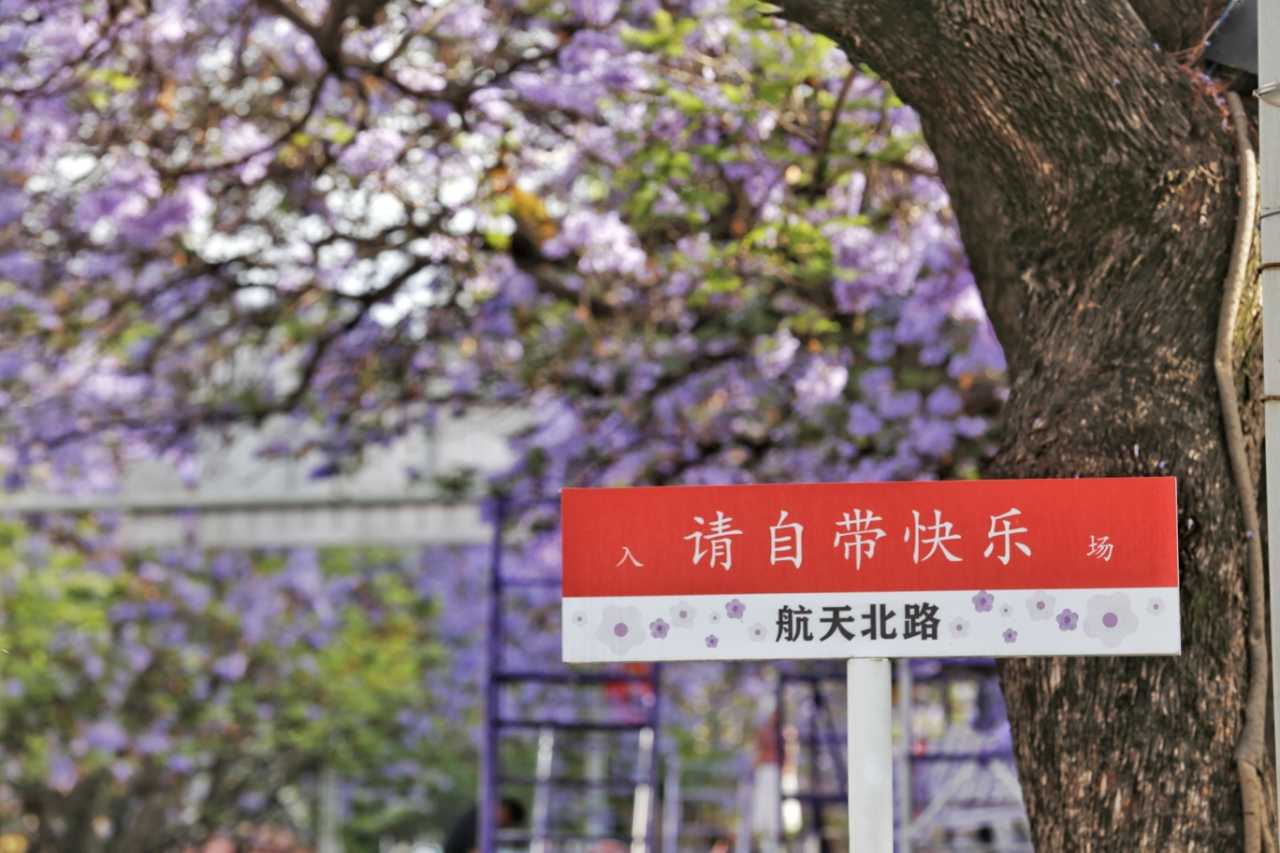
Taking advantage of a weekend, I set off from Beijing, traveling more than 4,500 kilometers round trip, just to keep a date with the jacaranda trees. When I arrived in Xichang as night fell, I forgot all about travel fatigue and headed straight for North Hangtian Road—the street that, according to legend, gets completely submerged in a sea of blue-purple flowers. Even past nine in the evening, people were still taking photos in front of the trendy painted wall. The city's passion for the blooming season was already evident in the night air.
This article will guide you through everything you need to know about Xichang jacaranda viewing, from the best Xichang citywalk routes to practical travel tips for your late spring Xichang travel adventure.
What Makes Xichang's Jacaranda So Special?
An Understated Town Hiding Spring's Last Romance
Xichang, known in ancient times as Qiongdu and Jianchang, is now the seat of the Liangshan Yi Autonomous Prefecture in Sichuan Province. Administratively speaking, it's only a county-level city. I've traveled to many cities—the surreal landscapes of Chongqing, the riverside energy of Wuhan, the vitality of Shenzhen—but making a dedicated citywalk trip to a county-level city? That was a first in my travel experience.
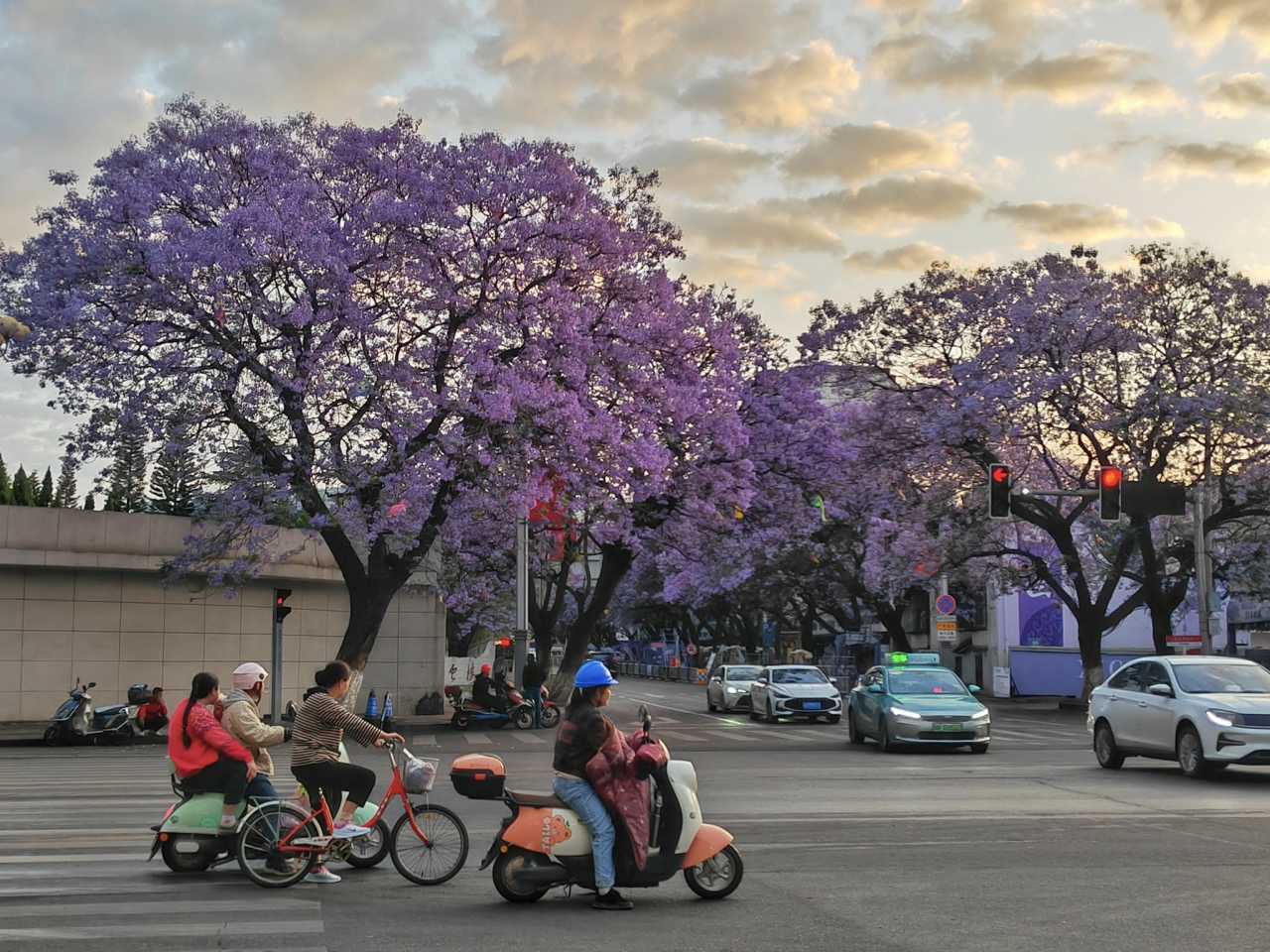
When most people think of Xichang, the first thing that comes to mind is space satellites. This "Space City" always makes headlines for rocket launches and technological breakthroughs. Few people know that around the May Day holiday each year, this city undergoes a stunning transformation—the tech-heavy space town turns into an incredibly romantic "Flower City."
The Unique Story of Jacaranda in Xichang
Jacaranda, a plant native to South America, is extremely picky about its environment, sunlight, and climate—which is why it's rarely seen in China. Many people have never even heard of its name. But being low-key doesn't mean it isn't breathtaking.
In recent years, jacaranda has gradually entered the public eye, with the most famous display being in Kunming, the "Spring City." However, what many don't know is that Xichang in Sichuan is actually the city with the longest history of planting jacaranda in China. With tens of thousands of trees, both in quantity and scale, it's unmatched domestically. You could say that Xichang's jacaranda landscape is an exceptionally rare spring spectacle.
"In the human world, by April, all flowers have withered," wrote Bai Juyi, capturing the melancholy of late spring when blossoms fade. But in Xichang, spring saves its final romance, allowing people to still enjoy the breathtaking beauty of "the finest April days on earth." Jacaranda has become Xichang's city tree, welcoming every visitor and earning heartfelt praise from those who love life.
A Quick Look at Jacaranda Flower Language
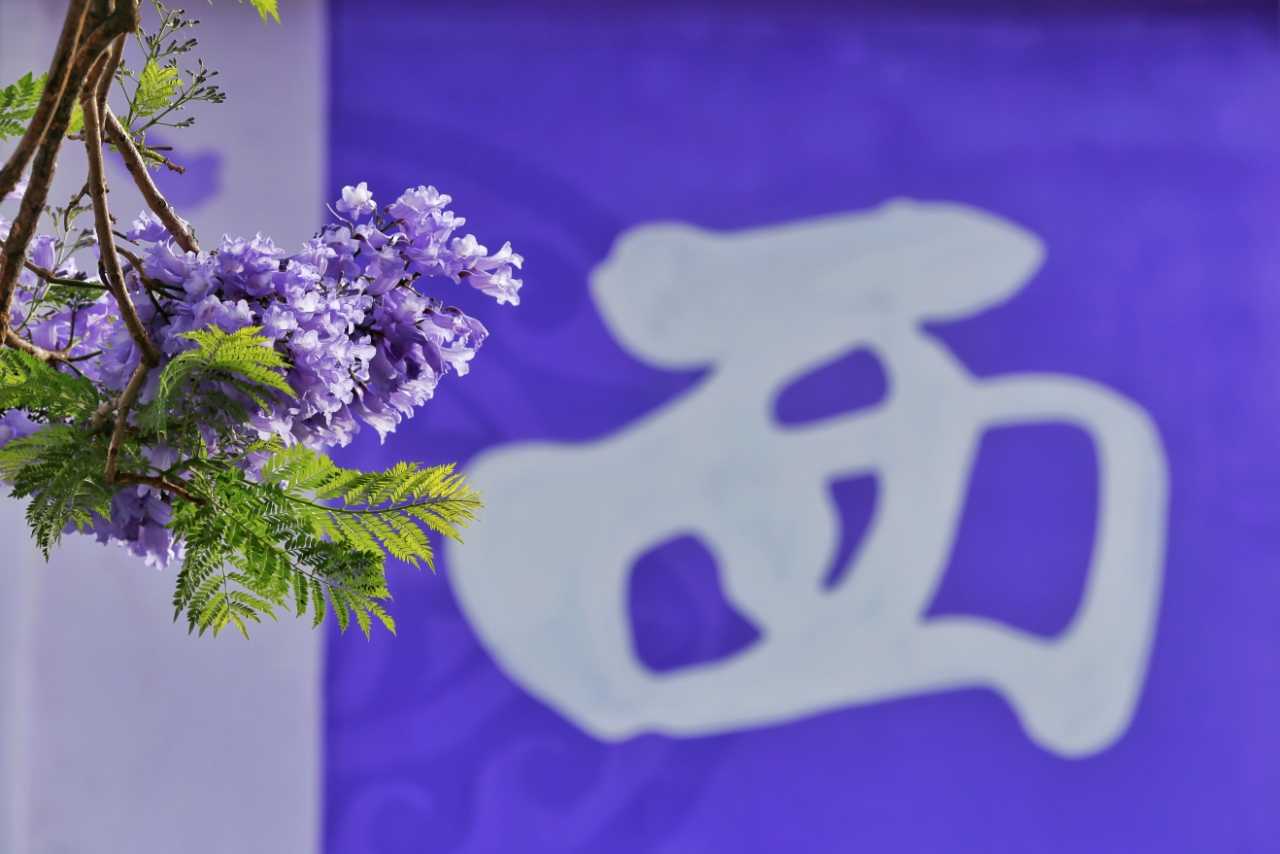
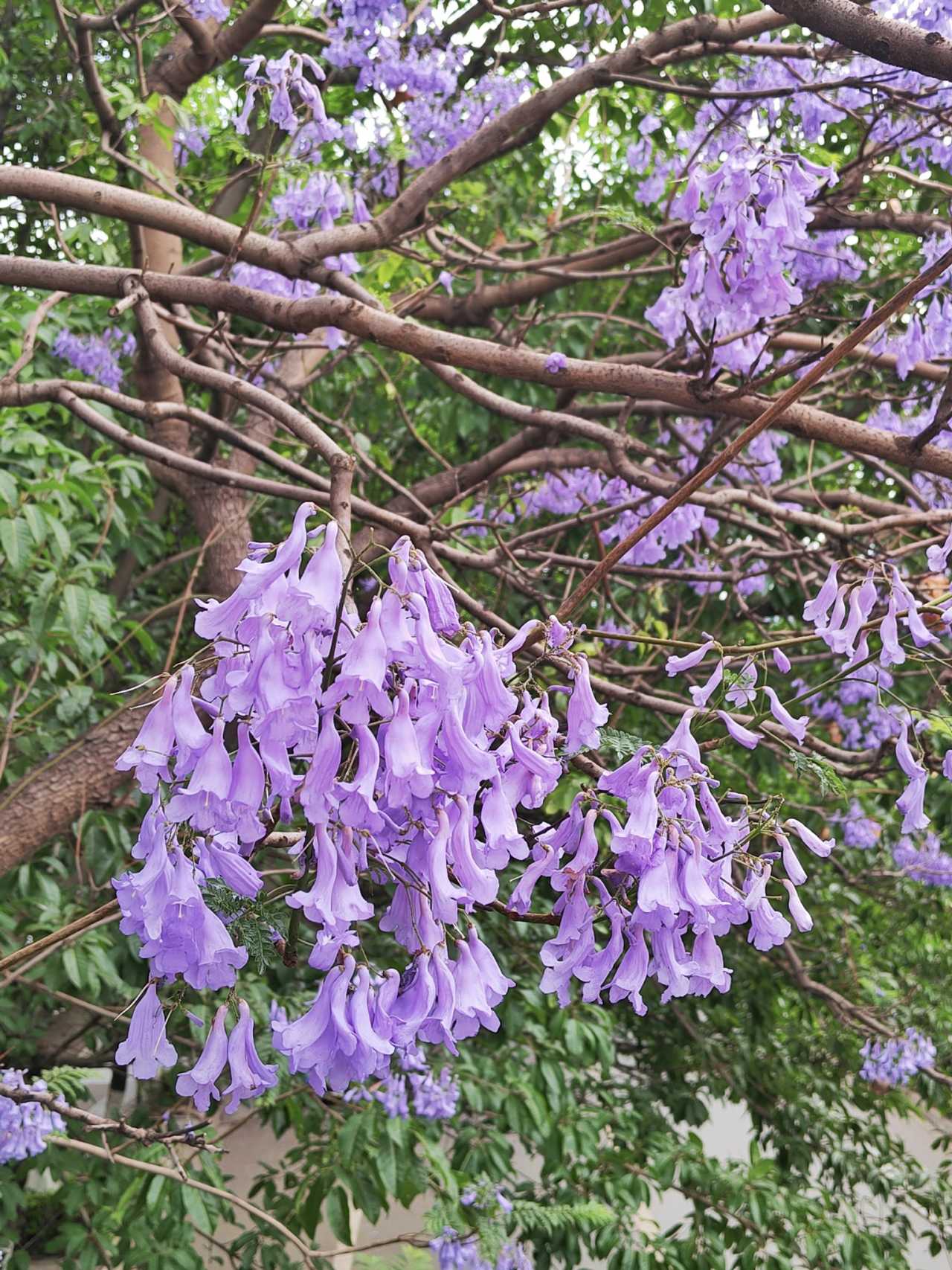
The flower language of jacaranda is quite unique: tranquility and depth, melancholy and coolness, waiting for love in despair; it also carries the positive connotation of finding glory even in defeat. Its flowers are bell-shaped—not particularly striking individually, and rather small—but their sheer abundance is overwhelming! Every late spring, jacaranda trees burst into bloom. They have no overwhelming fragrance; in fact, they carry a faint, slightly odd scent. But the sheer volume of flowers, layer upon layer, cluster after cluster, in an elegant shade that shifts between blue and purple, dreamlike and ethereal, fills Xichang's streets with a romantic aura, staging a visual feast of "a tree full of blossoms, living up to the spring."
Xichang Jacaranda Viewing Map: Best Spots for Your Citywalk
If you've seen the jacaranda on Jiaochang Middle Road in Kunming, you'll find that Xichang's jacaranda are even more impressive! So, where exactly should you go to see jacaranda in Xichang?
1. North Hangtian Road: The Must-Visit Internet-Famous Avenue

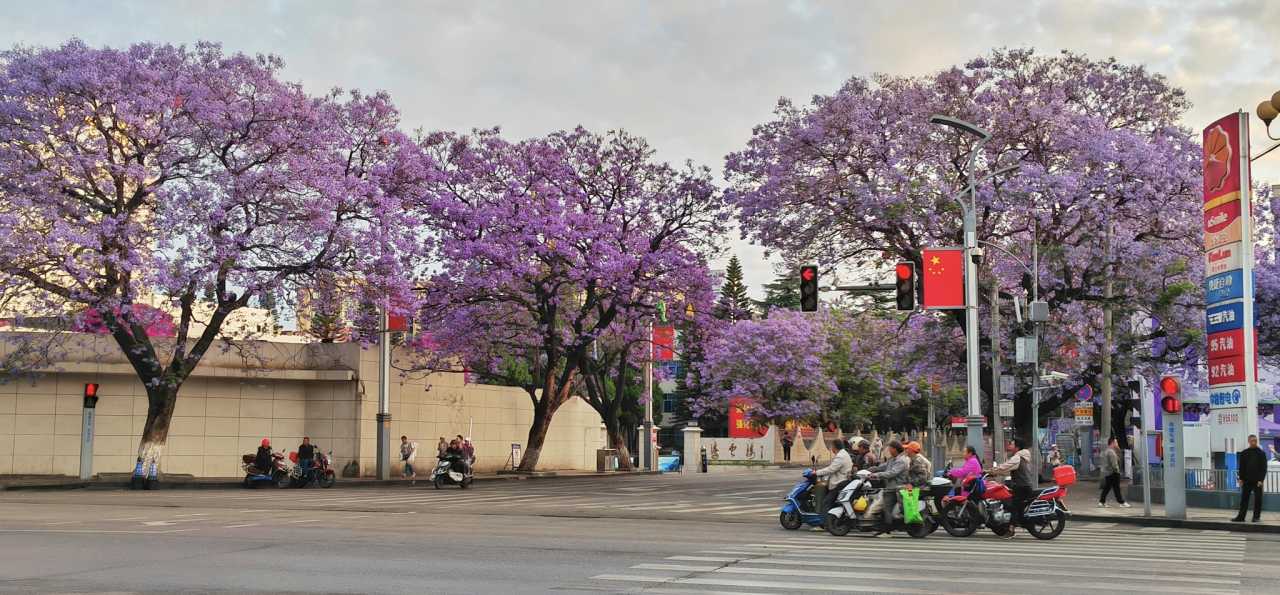
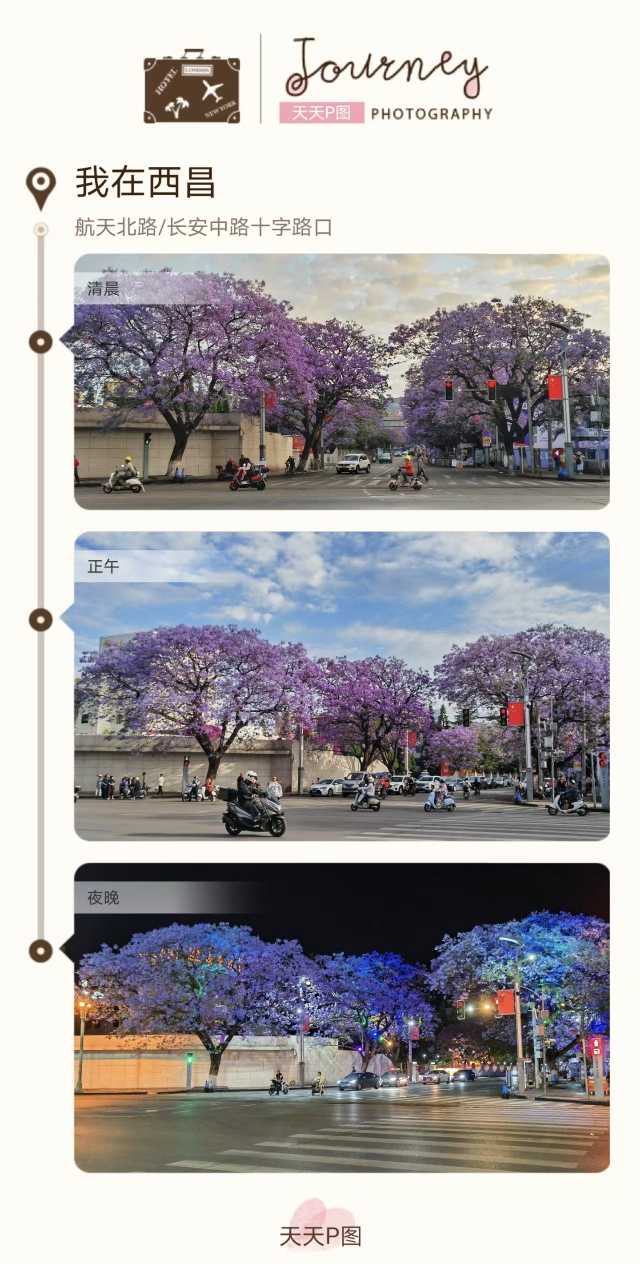
Every year, the blooming jacaranda carries the hopes of countless locals and tourists. You can spot jacaranda trees throughout Xichang's streets and alleys, but the best viewing spot is undoubtedly North Hangtian Road. The entire street is lined with jacaranda trees over 30 years old—abundant in number, grand in scale, and beautifully shaped—making it the famous jacaranda internet-famous avenue.
Why it's special: The branches are graceful and alluring, not shooting straight up like younger trees, but stretching sideways toward the open center of the road. The lush canopy forms a giant natural parasol, creating a green roof over the street. On the northern section, near West Hedong Road, the jacaranda trees on both sides grow toward each other, almost forming a jacaranda tunnel.
Pro tip: Visit early morning before sunrise to capture the magic transformation of flowers in changing light—sometimes looking like melancholic blue, sometimes like romantic purple, and occasionally taking on a soft pink hue. One tree at the entrance of No. 87 North Hangtian Road is particularly eye-catching—its side branches slant outward, spread downward, and curve elegantly, much like the famous Welcome Pine at Huangshan. [Link: Best time to visit Xichang for jacaranda]
2. Section 3 of Hangtian Avenue: A Great Spot for Eye-Level Views
If you find North Hangtian Road too crowded, head over to Section 3 of Hangtian Avenue, not far away. Navigate to the Holiday Inn Express (about a 1.8-kilometer walk). Next to the hotel, there's a bridge crossing the East River, and at the bridgehead, you'll find well-grown jacaranda trees.
Why it's special: You can view the jacaranda at eye level from up close, and the stepped scenery is great for photos, allowing you to capture layered street shots. This is a hidden gem for jacaranda photography in Xichang.
3. Jianchang Road: Flowers and an Ancient Pavilion in Harmony
Jianchang Road is also a great place to see jacaranda. There are quite a few trees lining the road, and their full blooms create a charming contrast with the antique-style pavilion. Climb up to the pavilion for a bird's-eye view of the jacaranda-lined street—it offers a unique perspective.
One slight drawback: The jacaranda trees here are younger than those on North Hangtian Road, so their shapes are more ordinary. However, the ancient pavilion backdrop makes it a worthwhile stop on your Xichang citywalk itinerary.
4. Health Road and Other Hidden Spots
Don't overlook Health Road and other lesser-known streets. Xichang has planted jacaranda throughout the city, and even a casual stroll can reveal stunning clusters of blue-purple blossoms. The beauty of a Xichang citywalk is that you never know when you'll stumble upon a hidden gem.
When to Visit Xichang for Jacaranda Season
The Xichang jacaranda bloom season typically peaks around the May Day holiday (late April to early May). This is when the city transforms into a blue-purple wonderland. However, the exact timing can vary slightly depending on weather conditions.
Best time of day for viewing: - Early morning (6:00-8:00 AM): Fewer crowds, soft golden light, and the magical color shift of flowers as the sun rises. - Late afternoon (4:00-6:00 PM): Warm golden hour light creates stunning photo opportunities. - Evening (after 8:00 PM): The flowers take on a different charm under streetlights and neon glow.
Practical Tips for Your Xichang Citywalk
Getting to Xichang
- By air: Xichang Qingshan Airport has direct flights from major cities including Beijing, Chengdu, Shanghai, and Guangzhou.
- By train: High-speed rail connects Xichang to Chengdu (about 3 hours) and other Sichuan cities.
- By car: The expressway network makes driving from Chengdu feasible (about 5 hours).
Where to Stay
 Consider hotels near North Hangtian Road or Hangtian Avenue for easy access to the main jacaranda viewing spots. The Holiday Inn Express mentioned earlier is a good option for its location near Section 3 of Hangtian Avenue.
What to Wear
- Comfortable walking shoes—you'll be covering a lot of ground on your citywalk.
- Light layers—Xichang's spring weather can be variable, with warm days and cooler evenings.
- Color suggestions: White, cream, or light gray outfits contrast beautifully with the blue-purple jacaranda backdrop.
Local Food to Try
Don't miss Xichang barbecue (a local specialty) and tuotuo meat (Yi-style meat skewers). The city's cuisine reflects its unique blend of Han and Yi cultures.
FAQ: Everything You Need to Know About Xichang Jacaranda
Q1: When is the best time to see jacaranda in Xichang?
A: The peak bloom period is typically from late April to early May, coinciding with the May Day holiday. However, blooming can start as early as mid-April and last until mid-May, depending on weather conditions. Check local flower forecasts before planning your trip.
Q2: How does Xichang's jacaranda compare to Kunming's?
 A: Xichang actually has the longest history of planting jacaranda in China, with tens of thousands of trees. While Kunming's Jiaochang Middle Road is famous, Xichang's jacaranda are more abundant, older, and form more dramatic canopies—especially on North Hangtian Road where branches create a natural tunnel effect.
Q3: Is Xichang worth visiting just for the jacaranda?
A: Absolutely! Many travelers make dedicated trips from as far as Beijing (like I did) just to experience the jacaranda bloom. The city's transformation into a blue-purple dreamscape is truly unique in China, and the relatively low tourist crowds compared to Kunming make it a more intimate experience.
Q4: What else can I do in Xichang besides seeing jacaranda?
 A: Xichang offers plenty of attractions beyond the flowers. Visit the Xichang Satellite Launch Center (with advance booking), explore the Qionghai Lake for stunning water views, hike Lushan Mountain, or immerse yourself in Yi culture at the Liangshan Yi Nationality Slave Society Museum. [Link: Xichang travel guide beyond jacaranda]
Q5: Are there any photography tips for capturing jacaranda?
A: Yes! Use a wide-angle lens to capture the full canopy effect on North Hangtian Road. Early morning or late afternoon light creates the best color saturation. Try including local elements like Yi ethnic costumes or the antique pavilion on Jianchang Road for unique compositions. If you're using a smartphone, try portrait mode to isolate flower clusters against the sky.
Your Xichang Jacaranda Adventure Awaits
Xichang may be small on the map, but it offers an outsized experience for those willing to seek out its seasonal treasures. The blue-purple dream of jacaranda in late spring is a gift that this understated city gives to the world—a reminder that beauty often hides in unexpected places.
As the poet said, "In the human world, by April, all flowers have withered." But in Xichang, spring saves its final romance just for you. Whether you're a seasoned traveler looking for your next unique destination, a photography enthusiast chasing the perfect shot, or simply someone who wants to witness nature's artistry, Xichang's jacaranda season delivers an unforgettable experience.
Ready to plan your trip? Book your flights to Xichang for late April 2025, pack your walking shoes and camera, and prepare to lose yourself in a sea of blue-purple blossoms. The jacaranda trees are waiting—and they have a message for you: "Finding glory even in defeat, waiting for love in despair, but always blooming with hope."
Start your Xichang citywalk today. The dream is real, and it's calling your name.
Have you visited Xichang during jacaranda season? Share your experience in the comments below! For more unique travel destinations in China, subscribe to our newsletter.
You may also like


