Xia Qiang La: The "Most Beautiful Fairy Mountain" Hidden in Western Sichuan – A Complete Pilgrimage Guide
Meta Description: Discover Xia Qiang La, the "Most Beautiful 5K Peak" in Danba County, Western Sichuan. Explore climbing routes, alpine lakes, and why mountaineers call this 5,470m peak a pilgrimage of dancing with mountain gods.
Introduction: The Call of the Hidden Fairy Mountain
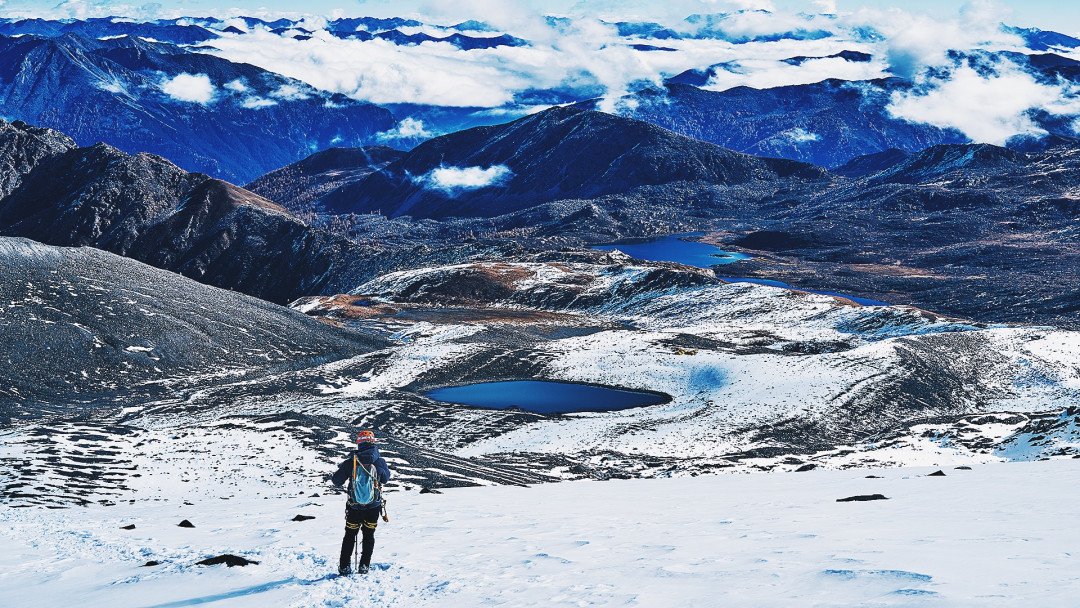
Deep within the Western Sichuan Plateau, hidden in the village of Dangling in Danba County, lies a mountain that climbers have crowned the "Most Beautiful 5K Peak" — Xia Qiang La. Her Tibetan name means "Beautiful Deep Mountain," yet every mountaineer who has witnessed her majesty agrees: this name is far too modest.
Xia Qiang La is not just a mountain. It is a complete narrative of nature, friendship, human limits, and the soul. For a group of mountaineers who call themselves "Spirits of the Great Mountains," this peak represents the ultimate escape from city life. As one climber put it: "The city is a place to survive; the snowy mountains are where life truly becomes poetry and distant horizons."
In this comprehensive guide, we'll explore why Xia Qiang La is considered the most beautiful fairy mountain in Western Sichuan, what makes its climbing experience unique, and how you can plan your own pilgrimage to dance with the mountain gods.
Why Xia Qiang La? The "Most Beautiful Fairy Mountain" Phenomenon
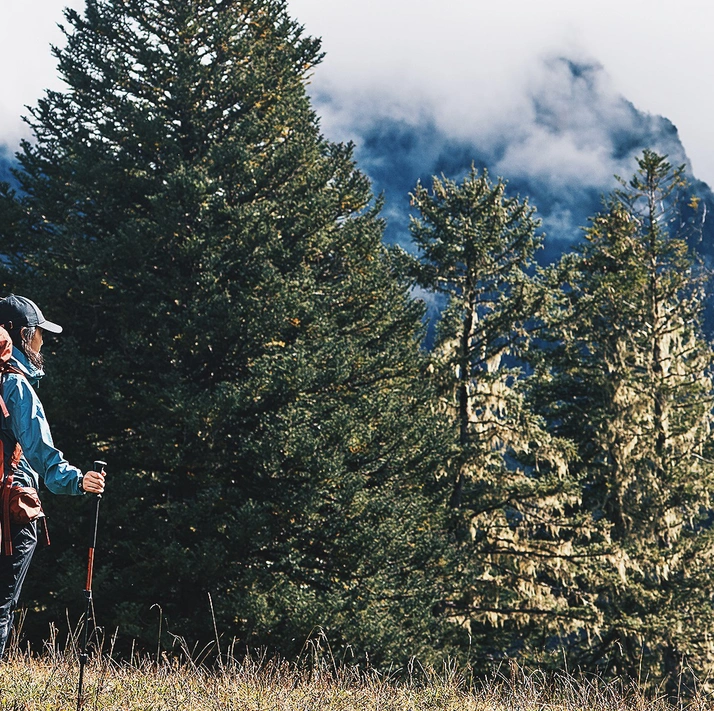
What Makes Xia Qiang La Special?

Standing at 5,470 meters (17,946 feet), Xia Qiang La is classified as an entry-level technical peak. First summited in April 2010, it's suitable for climbers with some experience. But what truly sets this mountain apart is a rare geological wonder: on a single climbing route, you can witness four strikingly different high-altitude lakes — an experience you can count on one hand in the mountaineering world.
The typical climbing period is seven days (counting from the assembly point in Chengdu), with the later sections demanding technical proficiency. Yet every step rewards climbers with views that defy imagination.
The Four Alpine Lakes of Xia Qiang La
1. Gourd Lake: A Dreamy Fairyland in Morning Mist
Gourd Lake is the destination for most tourists, hidden deep in the mountains but reachable without extreme effort. Its signature feature is the morning mist that often lingers until noon — far longer than typical mountain fog. The mist makes distant scenery gradually disappear, creating a dreamlike, ethereal atmosphere.
In autumn, faded greens and golds form the main palette — pure and elegant. On clear days, you can see Xia Qiang La's main peak reflected in the lake's surface. [Link: Best time to visit Western Sichuan for autumn colors]
2. Zhuoyong Lake: A Wild, Rough Highland Gem
Not far from Gourd Lake, Zhuoyong Lake presents an entirely different character. If Gourd Lake's beauty carries a hint of "delicacy," Zhuoyong Lake is rough and untamed. Dense forests give way to alpine meadows, and the majestic snowy peaks no longer hide behind veils. Under sunlight, the lake water takes on a pure, deep azure blue that seems to pull you into its depths.
As autumn turns to winter, the last traces of green fade away, and ordinary tourists are almost nowhere to be seen. This wild expanse belongs entirely to the mountaineers.
3. Jiayi Lake: A Sapphire Wrapped in Velvet
On the other side of the mountain, Jiayi Lake glows with a standard cobalt blue under sunlight. It's surrounded by dense forests, like a green velvet cloth carefully cradling a precious sapphire. [Link: Photography tips for alpine lake landscapes]
4. Nameless Lake: An Alien, Desolate Wilderness
The highest lake on Xia Qiang La, located in front of Camp 2 (C2), is a dark, mysterious body of water. The landscape here is even more barren — as if you have landed on another planet. This is where climbers feel most connected to the raw power of nature.
Seasonal Color Changes: A Year-Round Spectacle
Beyond the lakes, Xia Qiang La's seasonal transformations are a major attraction:
- Summer: Lush greenery covers every inch of the mountains
- Autumn: Rich, intense colors with forests woven in gold and red
- Winter: Everything sheds its finery, leaving the land ruled by pure white
Even within a single climbing season, the enormous elevation gain (from 3,350m to 5,470m) is enough to experience all four seasons in one journey.
The Mountaineer's Mindset: Why Do They Willingly "Seek Hardship"?
There are people in this world whose bodies seem born for the mountains. Whenever conditions allow, they escape the concrete jungle and disappear into remote, ancient forests. The world they love has no cell signal, no restaurants, no movie theaters — nothing from human civilization except the gear they carry on their backs.
When a gust of wind rolls in, dark clouds blot out the earth, raindrops patter against their clothes; when the temperature plummets and rain turns to snow; when the wind howls, filling their ears with nothing but a roaring "whoosh" — that is when they feel a peace they can find nowhere else.
These people are like snow leopards, drawn exclusively to high altitudes. Their feet have long grown accustomed to uneven mountain trails, covering twenty or thirty kilometers a day without complaint. Yet once back on flat city pavement, they become sluggish and lethargic. They are used to crisp, cold mountain air; in the city, they hide in rooms with air purifiers running.
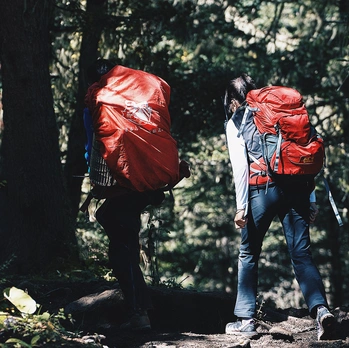
But the most magical transformation happens once they enter the mountains: all those city-bred airs of pampered young masters and princesses vanish. They help each other — applying muscle tape, fastening buttons, putting on crampons. A team becomes like sworn brothers and sisters, recognized by the great mountains as true spirits.
When they leave, they take only images, leave only footprints, and carry away unforgettable memories.
Climbing Chronicle: From Leisurely to Hell, Then to Heaven
Day One: The Leisurely "Airplane Meadow"
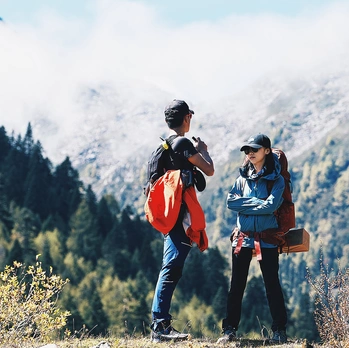
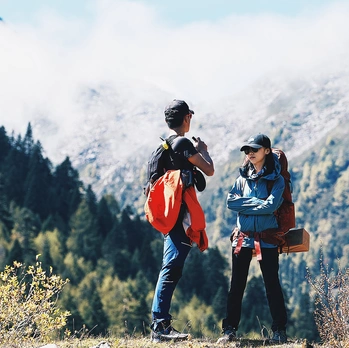
The climb starts from Dangling Village (3,350m). The first day's itinerary is very relaxed — just two hours of light hiking to reach 3,750m. Most climbers choose to hike light, with luggage carried by horses to Camp 1 (C1).
The scenery consists mainly of forests. Autumn colors are beautiful, but for experienced climbers, it's honestly quite ordinary. By noon, you reach "Airplane Meadow" — named for its flat, open terrain. There's even a family living here offering bunk beds, so no need to sleep in tents.
With plenty of time to spare, the climbing team's kitchen crew has the whole afternoon to cook. Two chefs manage to prepare a high-altitude version of sukiyaki hot pot for over twenty people — simple, quick, and healthy. If there are fewer guests, they make authentic Sichuan dishes paired with cold marinated meats. Life is pretty good at this altitude.
Day Two: First Glimpses of Beauty – Gourd Lake's Stunning Reveal
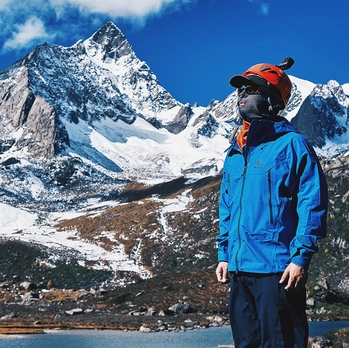
From Base Camp (BC) to C1, the elevation rises from 3,750m to 4,350m. Most of this section overlaps with the regular tourist route, all on dirt trails. By noon, you reach the Instagram-famous Gourd Lake, where the climbing team stops for lunch and photos.
The mist at Gourd Lake is truly "fairy-like" — it creates a dreamlike atmosphere that makes every photo look like a painting. This is where first-time climbers begin to understand why Xia Qiang La is called the "Most Beautiful Fairy Mountain."
Day Three to Seven: The Technical Challenge
The later sections of the route demand technical proficiency. Climbers must navigate:
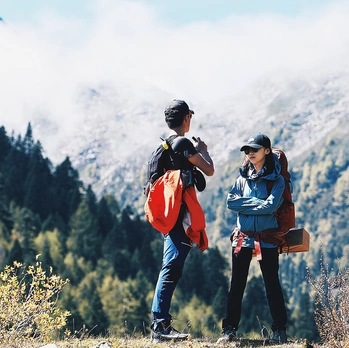
- Steep snow slopes requiring crampons and ice axes
- Rocky sections requiring careful route-finding
- High-altitude exposure above 5,000m
The summit push typically happens in the early morning hours, with climbers starting around 2-3 AM to reach the top by sunrise. The view from the summit — with all four lakes visible below and the vast Western Sichuan Plateau stretching to the horizon — is the ultimate reward.
[Link: Essential gear checklist for 5,000m+ peaks in Western Sichuan]
Practical Information for Your Xia Qiang La Pilgrimage
Location and Access
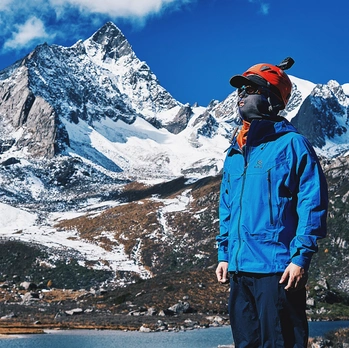
- Location: Dangling Village, Danba County, Garzê Tibetan Autonomous Prefecture, Sichuan Province
- Nearest major city: Chengdu (7-8 hours drive)
- Best climbing season: Late September to October (autumn), April to May (spring)
Difficulty and Requirements
- Altitude: 5,470m (17,946 feet)
- Classification: Entry-level technical peak
- Required experience: Basic mountaineering skills, altitude experience recommended
- Typical duration: 7 days from Chengdu
What to Expect
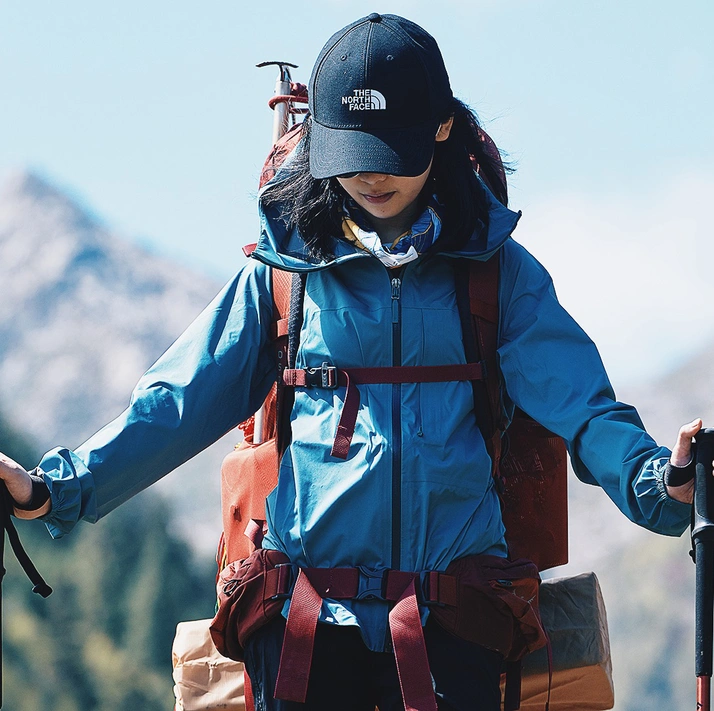
- Physical demands: 20-30km hiking days with significant elevation gain
- Weather: Extremely variable; prepare for rain, snow, and sun in the same day
- Accommodation: Tents at high camps, basic bunk beds at Airplane Meadow
- Food: High-altitude cooking by support staff; expect simple but nutritious meals
Frequently Asked Questions
Q1: Is Xia Qiang La suitable for beginner climbers?
Xia Qiang La is classified as an entry-level technical peak, meaning it's suitable for climbers with some experience. If you have prior hiking experience at altitude and are comfortable with basic mountaineering skills (using crampons, ice axes, and ropes), this mountain is achievable. However, complete beginners should first gain experience on easier peaks.
Q2: What is the best time to climb Xia Qiang La?
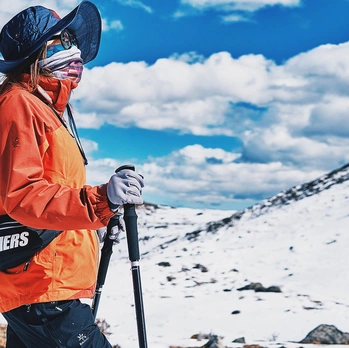
The best climbing seasons are late September to October (autumn) and April to May (spring). Autumn offers the most stable weather and spectacular fall colors. Summer (June-August) has more rain and cloud cover, while winter (November-March) brings extreme cold and avalanche risk.
Q3: How difficult is the climb compared to other 5,000m peaks?
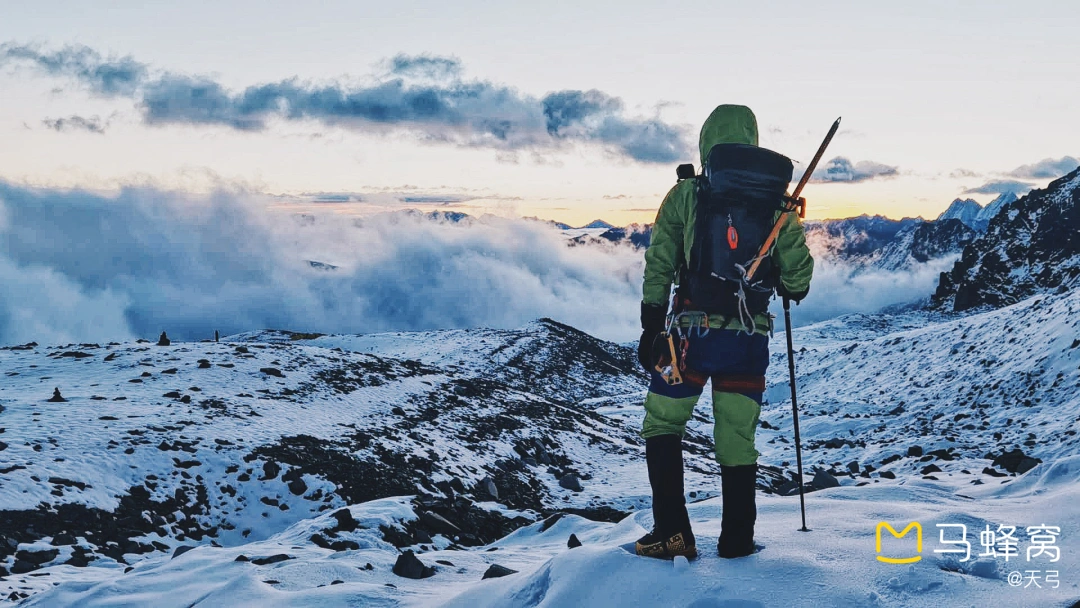
Xia Qiang La is considered moderate for a 5,000m peak. The technical sections are not extremely difficult, but the altitude and the variety of terrain (snow, rock, and ice) make it more challenging than non-technical peaks like Siguniang's Dafeng. It's comparable to the Yading Kora or Haba Snow Mountain in difficulty.
Q4: Do I need a guide or can I climb independently?
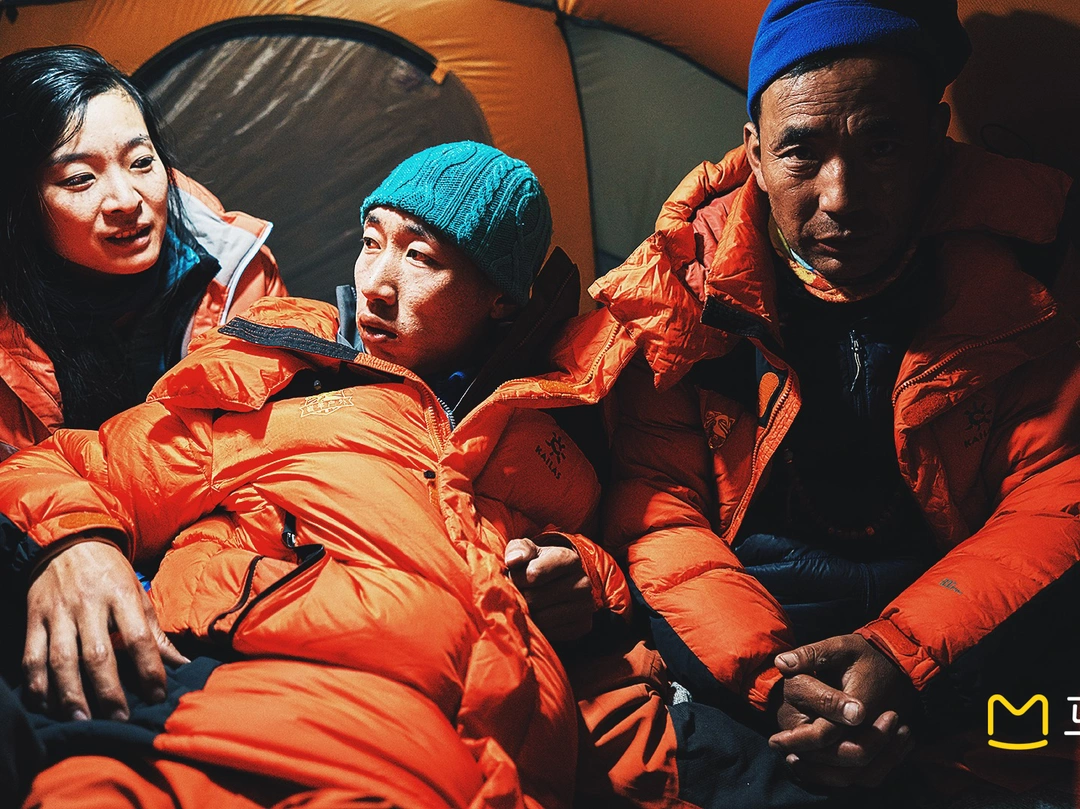
A guide is strongly recommended for Xia Qiang La. The route requires technical knowledge, and the remote location means rescue options are limited. Several reputable climbing companies in Chengdu offer guided expeditions. [Link: Recommended climbing operators in Western Sichuan]
Q5: What gear do I need for the climb?
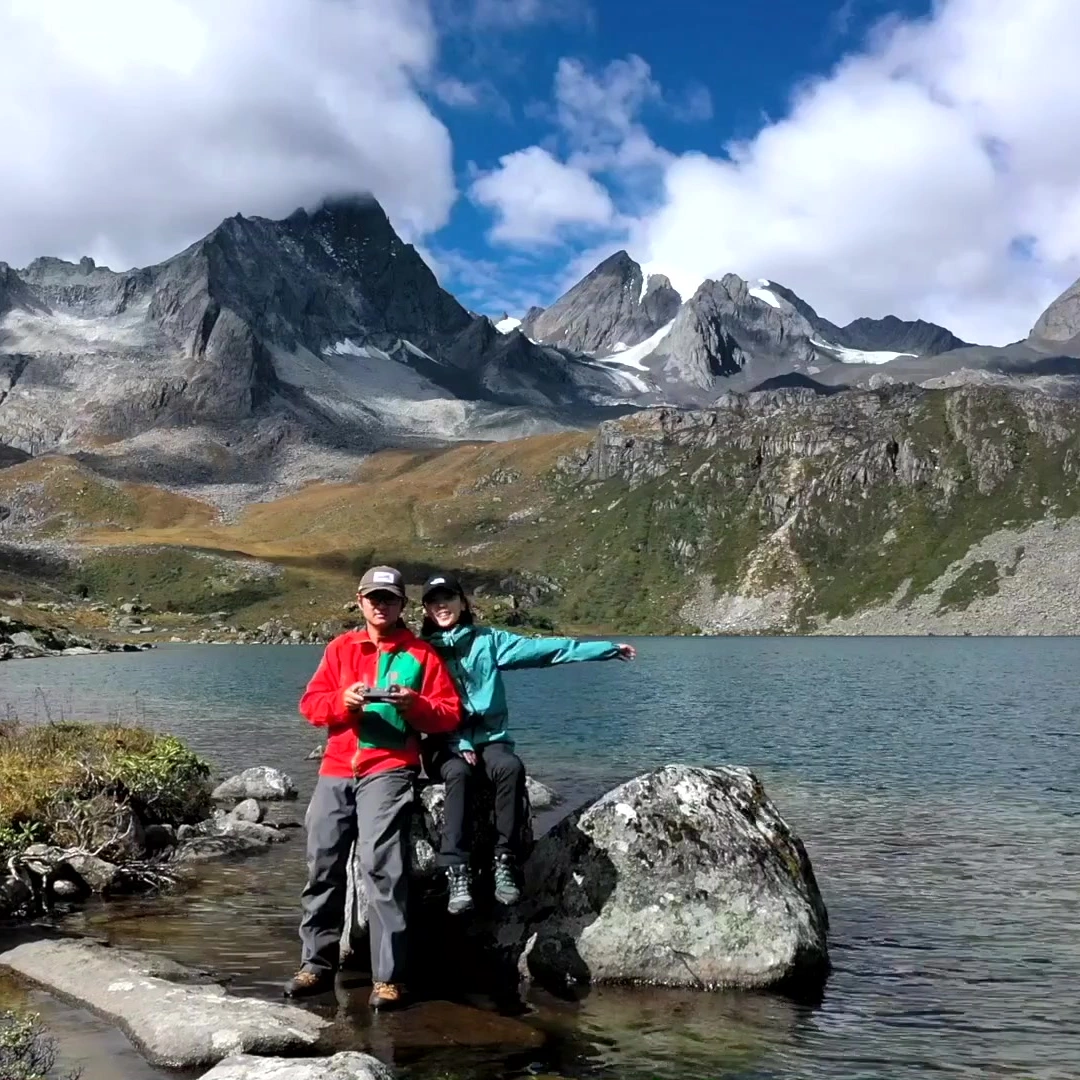
Essential gear includes: - Mountaineering boots (crampon-compatible) - Crampons and ice axe - Climbing harness and carabiners - 4-season tent and sleeping bag (rated to -15°C or lower) - Layered clothing system (base layer, mid-layer, shell) - Headlamp with spare batteries - High-altitude sunscreen and sunglasses - First aid kit including altitude sickness medication
Conclusion: Your Pilgrimage Awaits
Xia Qiang La is more than a mountain — it's a pilgrimage of dancing with mountain gods. From the dreamlike mist of Gourd Lake to the alien landscape of Nameless Lake, from the camaraderie of fellow climbers to the raw power of nature at 5,470m, every moment on this mountain transforms you.
The "Spirits of the Great Mountains" who gather here understand something profound: that the city is a place to survive, but the snowy mountains are where life becomes poetry. They come not to conquer, but to connect — with nature, with each other, and with something deeper within themselves.
Are you ready to answer the call of the fairy mountain?
Start planning your Xia Qiang La expedition today. Research climbing operators, prepare your gear, and train for the altitude. The mountain is waiting, and as every mountaineer who has stood on her summit will tell you: the journey is worth every step.
"Take only images, leave only footprints, and carry away unforgettable memories."
Related articles you might find useful: - [Link: Top 10 beginner-friendly 5,000m peaks in China] - [Link: Complete guide to altitude sickness prevention] - [Link: Best autumn hiking destinations in Western Sichuan] - [Link: How to choose the right mountaineering boots] - [Link: Tibetan culture and mountain worship in Garzê]
You may also like


