Weekend 2 Days in Luding: An Unexpected Sichuan Western Adventure – Your Ultimate Travel Guide
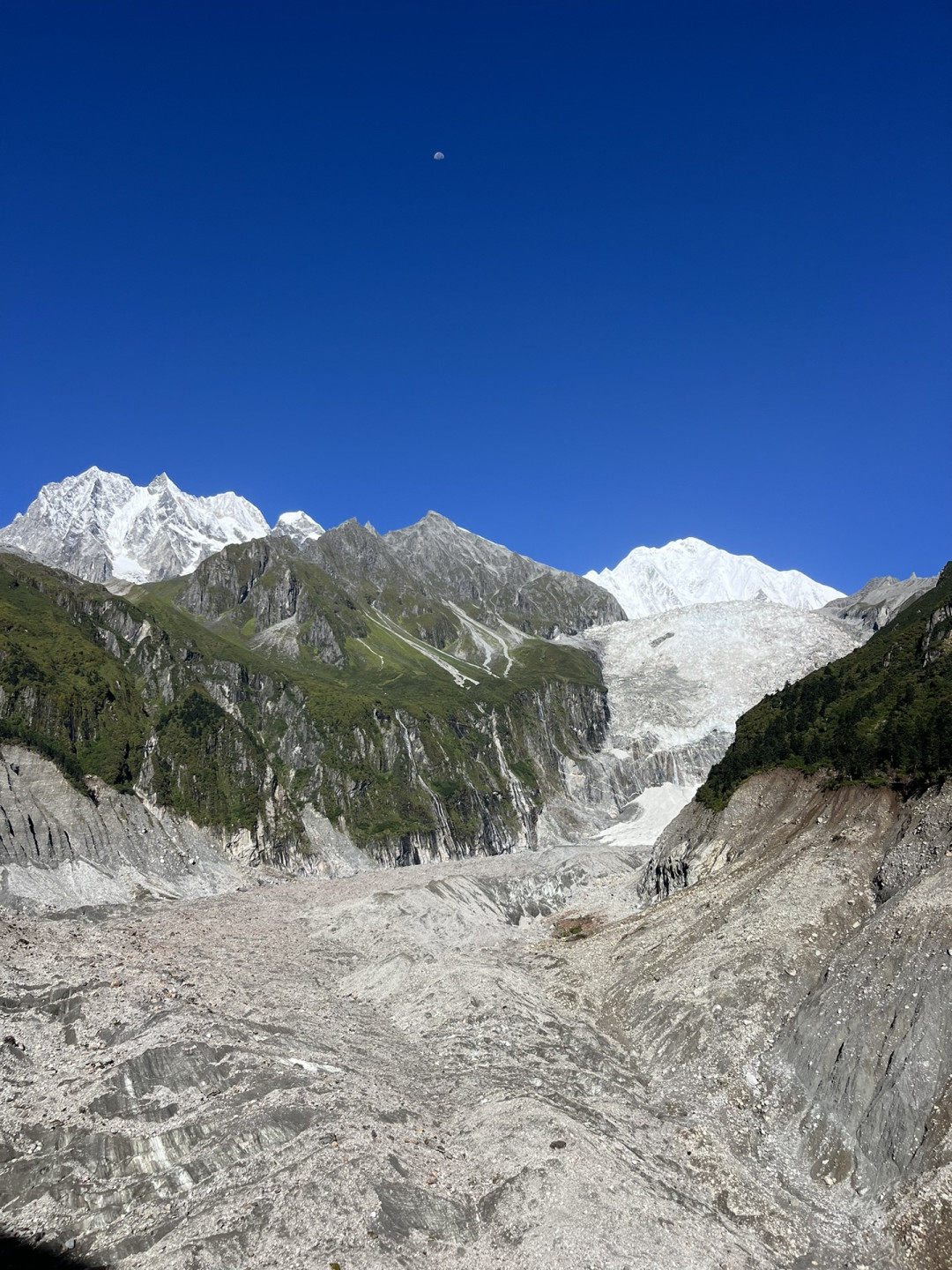
Meta Description: Discover the perfect 2-day Luding itinerary from Chengdu. Explore Hailuogou Glacier, Luding Bridge, and G318 highlights. Plan your Sichuan western weekend adventure with expert tips.
Introduction: When Rainy Season Sparks a Spontaneous Sichuan Weekend Getaway
Chengdu summers are notoriously muggy, with rain arriving uninvited and humidity clinging to everything. I sat in my air-conditioned room, scrolling through weather apps while nursing a bold plan: a weekend trip to Hailuogou Glacier in Luding County. This wasn't a fleeting impulse but a long-nurtured idea. Last summer, I'd let this glacier wonderland slip away due to hesitation. This time, I was determined.
Reality, however, threw its usual curveballs. During Sichuan's monsoon season, rain blankets the basin, and geological disaster warnings loom large. I feared the scenic area might close due to heavy downpours, and mudslides on mountain roads were a genuine concern. Even more frustrating? Not a single travel agency could organize a two-day group tour to Hailuogou. "Summer is off-season; no one signs up," customer service reps echoed. I even mapped a self-guided route using public transport—early bus from Chengdu's Xinnanmen Station to Luding, then transfer to Moxi Town, return the next day. But the thought of unpredictable transfers and long waits made my heart sink.
Just as I was about to abandon the plan, a miracle popped up on a travel agency page: "Hailuogou 2-Day Tour, 6 people already registered." I clicked "Book Now" without hesitation. And just like that, a trip I'd written off unexpectedly came together.
Later, I realized this "group tour" was more like a "semi-independent trip." The driver handled logistics; once at the sights, we had complete freedom. The itinerary was so relaxed I wondered if I'd joined a fake tour. But precisely this "fake independent travel" model let me enjoy both convenience and freedom—perfect for a weekend escape from Chengdu.
Day 1: From Chengdu to Luding – Engineering Marvels and Historical Echoes

The Internet-Famous Tianquan Service Area: Where G318 Begins
On departure day, we didn't leave Chengdu until nearly 8 a.m. No early wake-up call—I slept in peacefully. That's one of the best perks of a Luding group tour.
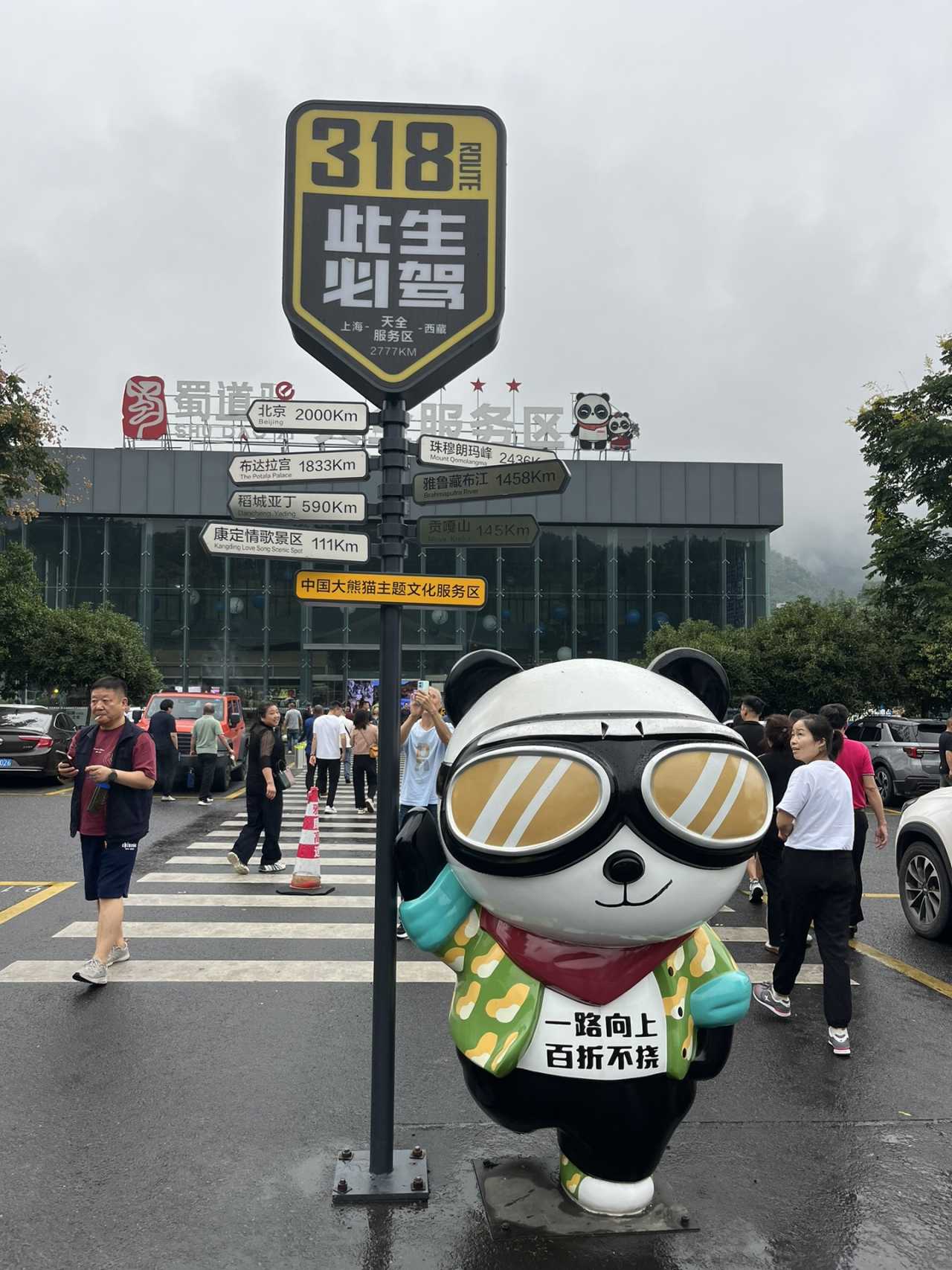
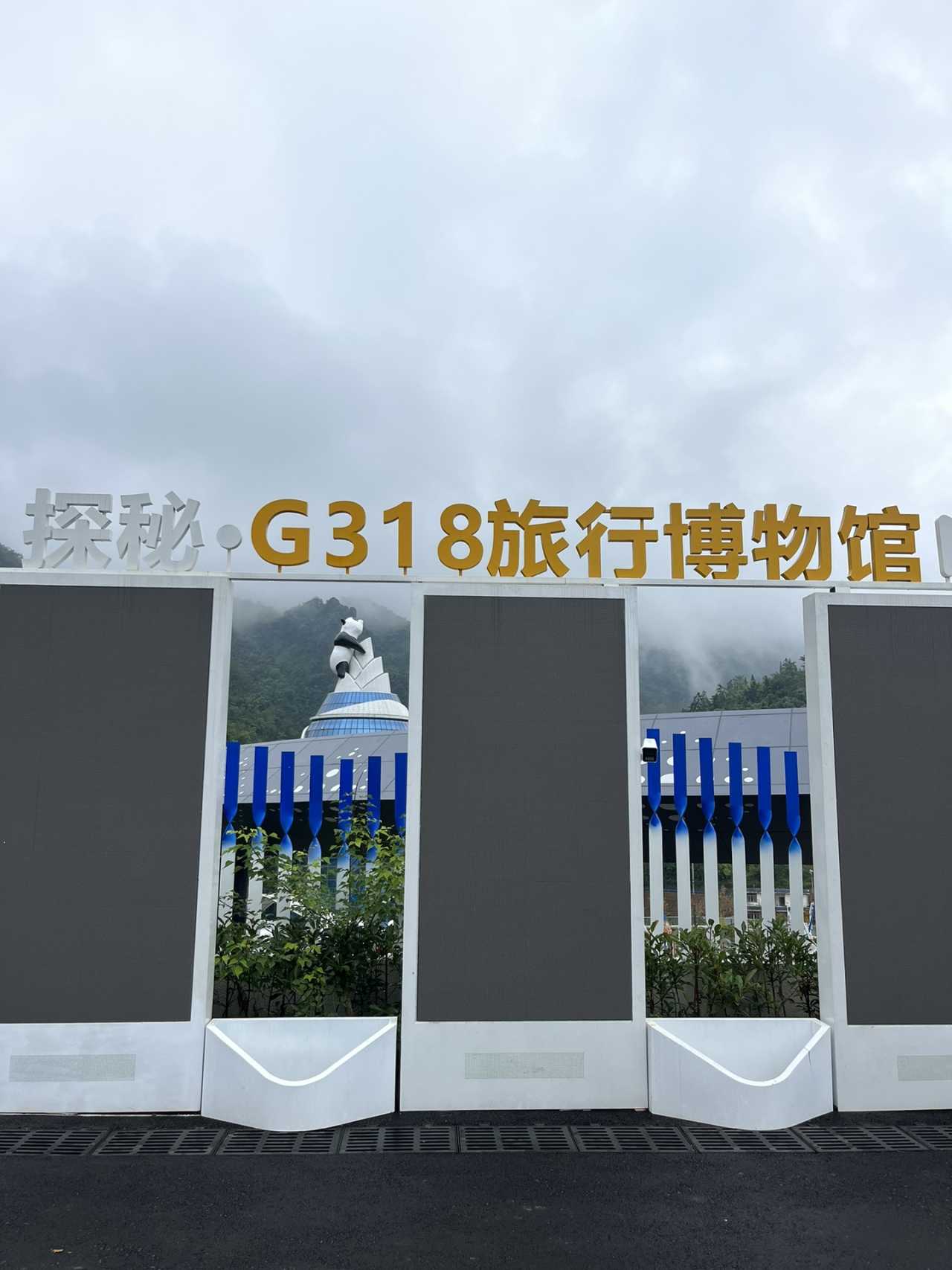
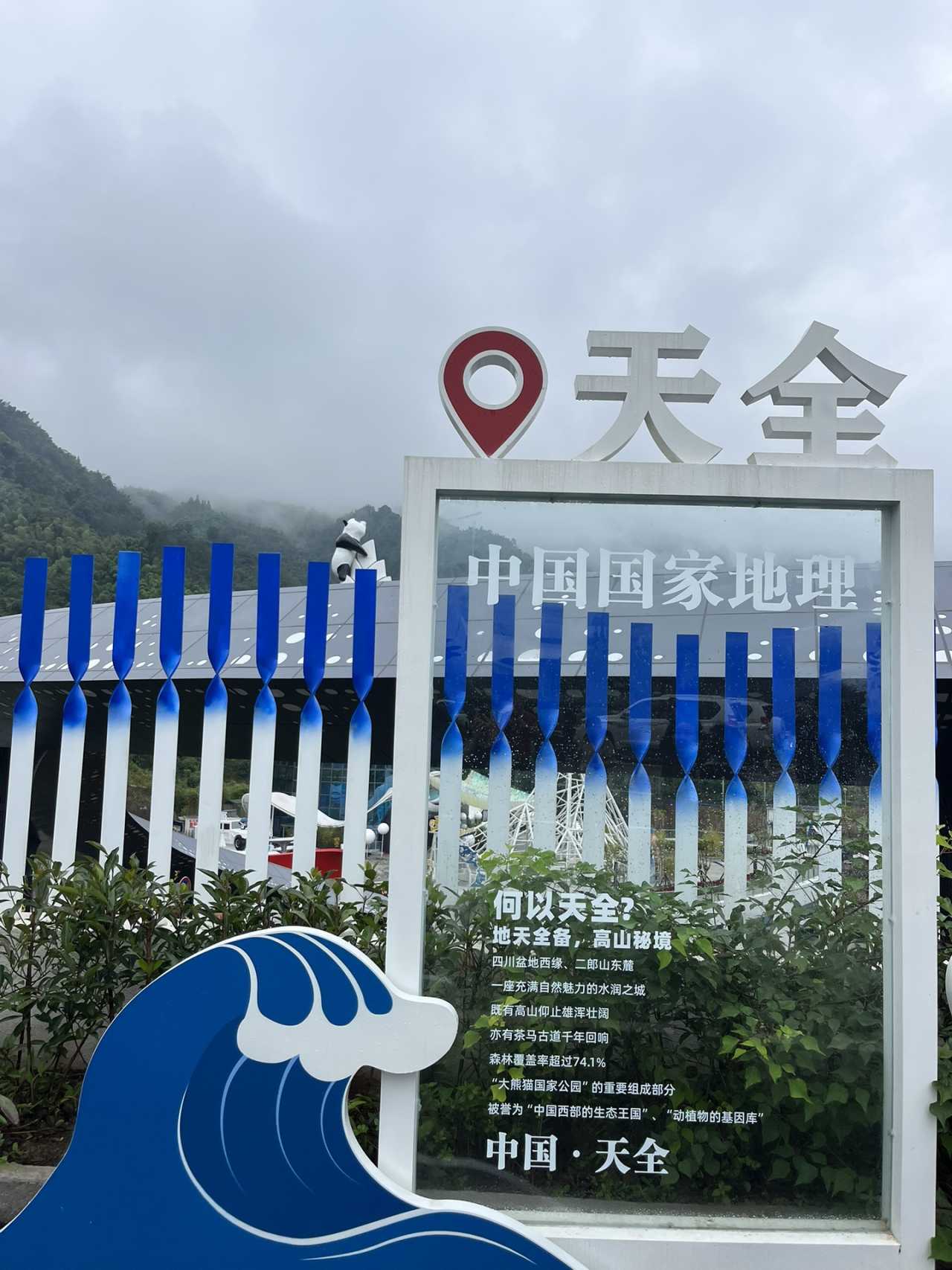
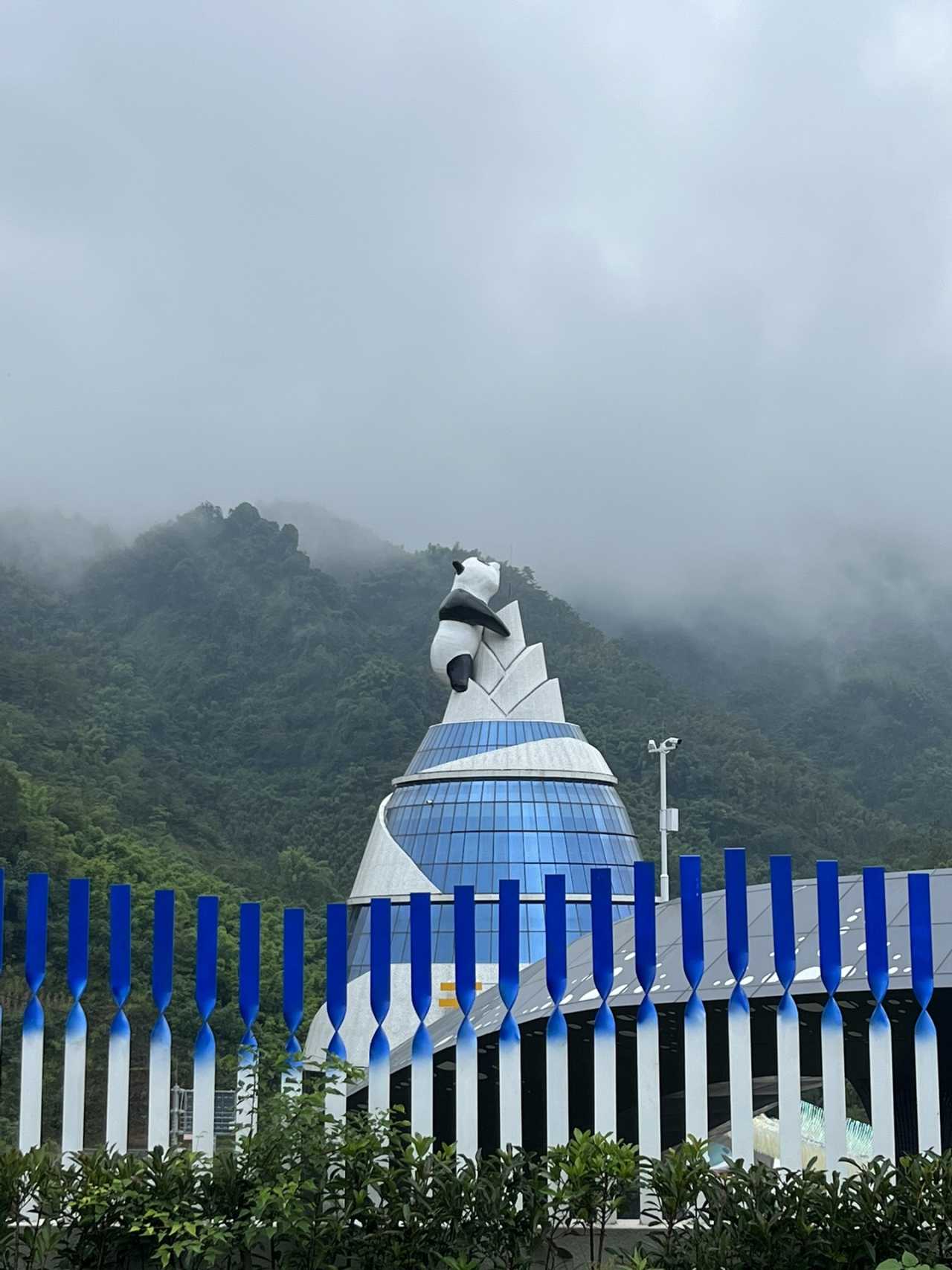
Our only rest stop was Tianquan Service Area, which the driver called an "internet-famous spot." I was skeptical—how "famous" could a highway service area be? But stepping out of the car, I was stunned: someone played guitar, their voice drifting on the highland wind; self-driving travelers gathered around a ground painting reading "318, A Must-Drive in Your Lifetime," snapping photos with palpable excitement; drones buzzed overhead, capturing the grandeur. Even more surprising: a Starbucks inside—a rare sight at Chinese service areas. Next to it stood a "G318 Travel Museum," though closed, so I could only peek through the glass.
After research, I learned that Tianquan Service Area sits at kilometer 41+975 on the Yakang Expressway, serving as the first stop for self-driving tours on the G318 Sichuan-Tibet Highway. Centered around two major IPs—"Panda Homeland" and "G318 National Highway"—it integrates self-driving gear supplies, specialty foods, and cultural products. In 2021, it was listed among China's national highway tourism-themed service areas and even houses a Sichuan-Tibet Highway Museum showcasing the "Two Roads Spirit." This isn't just a rest stop; it's a perfect fusion of transportation and culture—a must-visit for anyone planning a Sichuan western road trip.
[Link: Best G318 Sichuan-Tibet Highway stops for first-time travelers]
The Red Dragon Bridge: An Infrastructure Marvel
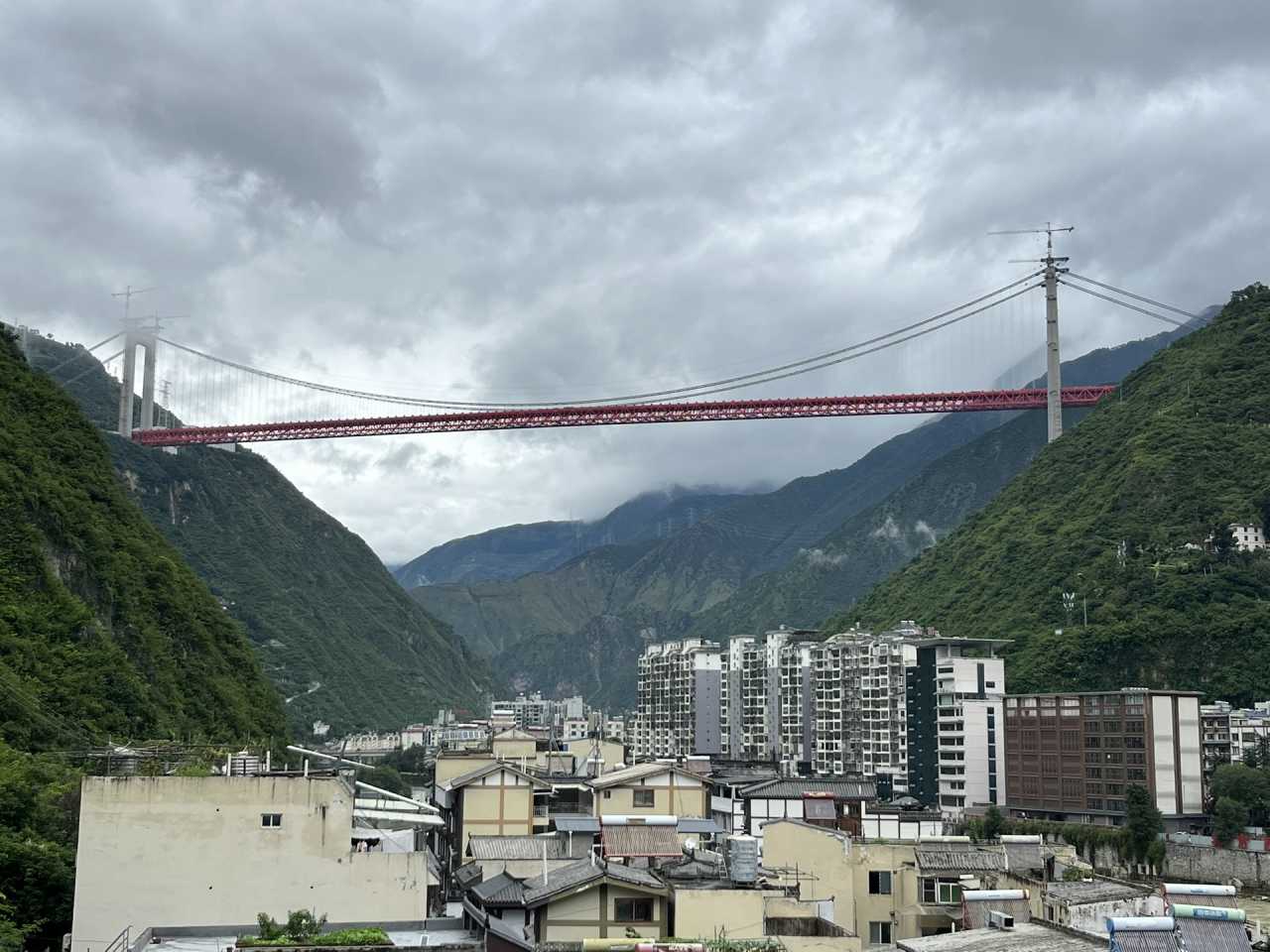
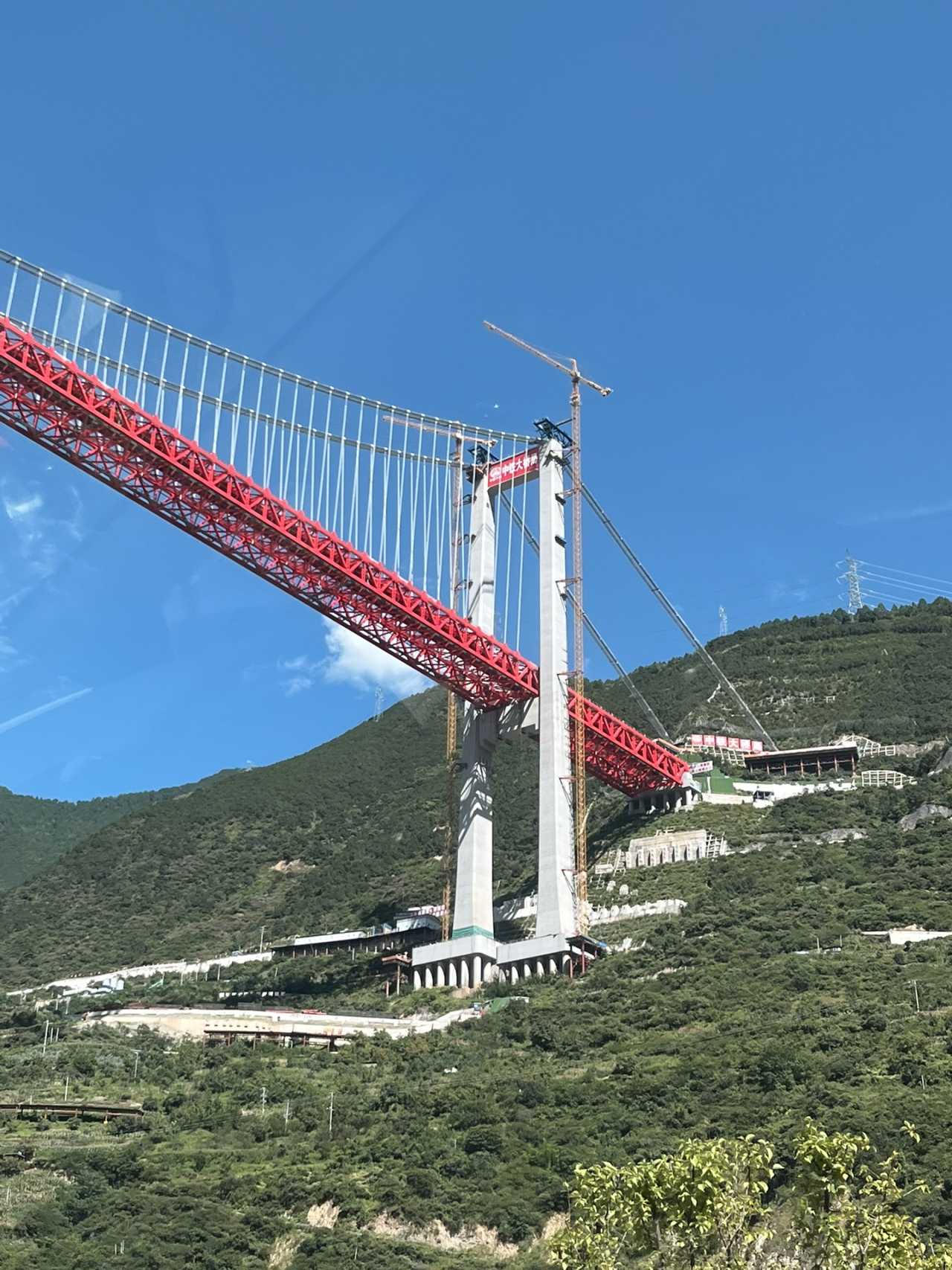
As the car neared Luding County, a massive red bridge suddenly came into view, spanning the Dadu River between two mountains. I was utterly awestruck. The red bridge stood vividly against blue sky and white clouds, rising a hundred meters above the river's surface with no central pillars.
The driver explained this was the Sichuan-Tibet Railway Bridge. My heart sank—if a road bridge carrying cars was nerve-wracking, imagine trains hundreds of times heavier speeding across. Moreover, the memory of the 2022 6.8-magnitude Luding earthquake was still fresh—that quake severely damaged Hailuogou, claiming 93 lives. Building a bridge in such geologically unstable terrain seemed impossible.
Later, I discovered Luding County also boasts a highway mega-bridge—the Xingkang Grand Bridge, hailed as the "First Bridge of Sichuan-Tibet." It won the "Gustav Lindenthal Gold Medal" at the 36th International Bridge Conference, often called the Nobel Prize of bridge engineering. And the "Ye" in "Yaye Expressway" surprisingly refers to Yecheng in Kashgar, Xinjiang. How many more marvels await discovery along highways and railways crossing the Qinghai-Tibet Plateau?
Recalling past trips—taking the Qinghai-Tibet Railway to Lhasa and riding the Sichuan-Tibet Railway's Chengdu-Ya'an section—I couldn't help but look forward to 2032, when the full line opens, allowing direct trains from Chengdu to Lhasa. I also dreamed of one day driving the G318 myself, experiencing the grandeur and peril of this "National Highway."
[Link: Sichuan-Tibet Railway construction timeline and travel tips]
The Luding Bridge: Walking Through History on Cold Iron Chains
To reach Hailuogou, passing through Luding County is almost unavoidable. And once in Luding, how could you skip the world-famous Luding Bridge?
The Battle of Luding Bridge is a glorious chapter in the Chinese Workers' and Peasants' Red Army's Long March history. Every Chinese person who attended middle school likely remembers this history—especially Chairman Mao's line, "The iron chains of the Dadu Bridge are cold," and those thrilling movie scenes. On May 29, 1935, 22 commandos of the Red Fourth Regiment charged through a hail of bullets, crawling along iron chains toward the opposite bank, ultimately capturing the bridge and thwarting Chiang Kai-shek's plan to annihilate the Red Army south of the Dadu River.
Today, Luding Bridge has wooden planks laid across its iron chains, with sturdy nets added on the sides to prevent tourist falls. Even so, crossing the bridge, the swaying sensation still sends chills down your spine. Before we set foot on it, the driver repeatedly warned us to secure our phones, lest they tumble into the Dadu River. I walked cautiously, not daring to take a single photo, thinking only: "If only my phone had a strap around my neck!"
The word "flying capture" sounds almost unbelievable, even mythical. But when you stand on the bridge, gazing at the hundred-meter-wide river, imagining the original "cold iron chains" after the planks were removed, and picturing those warriors clinging to the chains as they advanced through gunfire, you can't help but feel deep reverence. This history deserves to be remembered by every Chinese person.
[Link: Top historical sites along the Long March route in Sichuan]
The Memorial Hall of the Red Army's Capture of Luding Bridge
One advantage of joining a group tour is having ample time. When I spotted a sign pointing to the Memorial Hall of the Red Army's Capture of Luding Bridge just 1 kilometer away, I decided to walk over, pay my respects, and enjoy the scenery along the Dadu River.
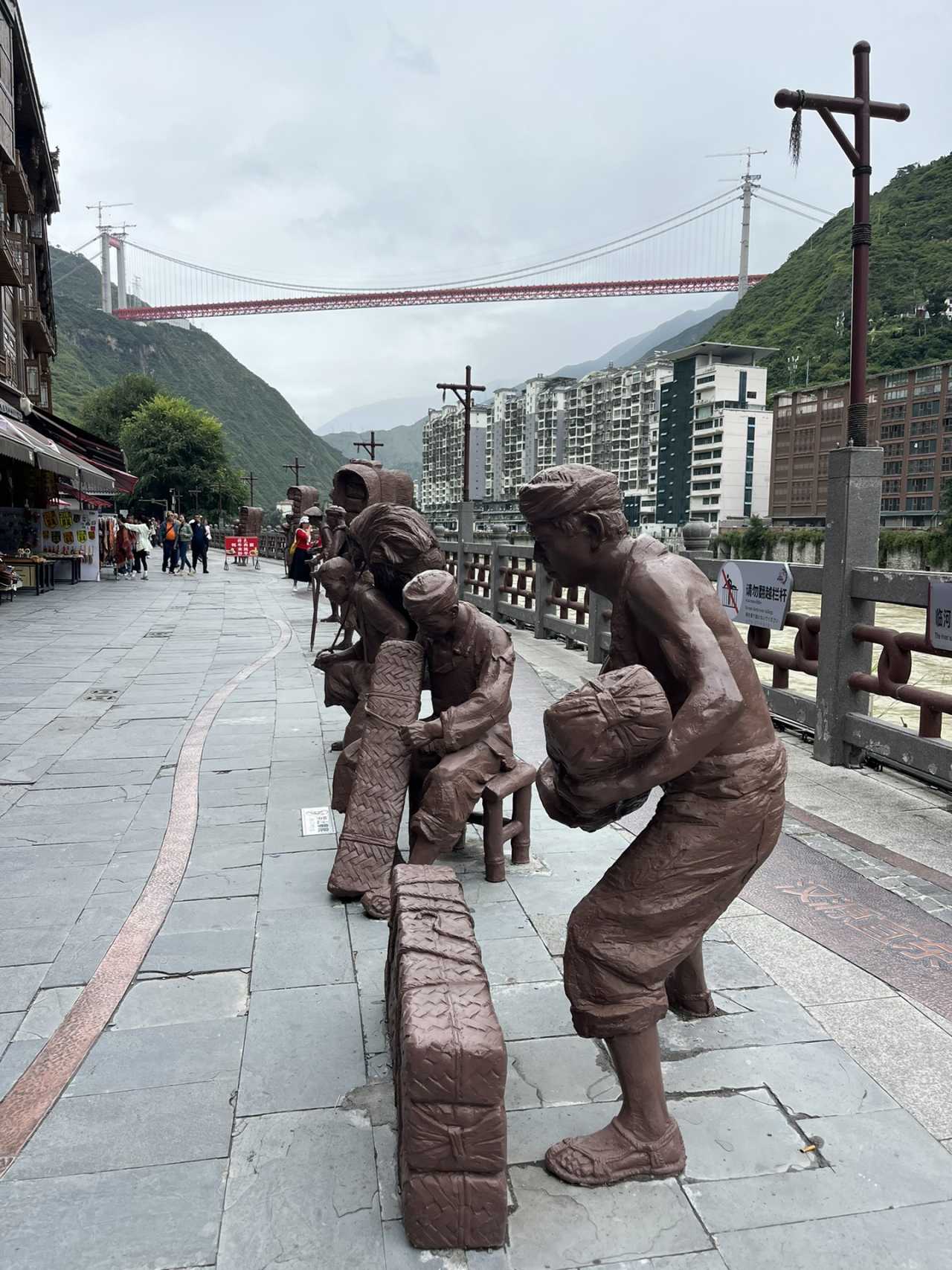
Luding County is built on a terrain of two mountains flanking a single river, with houses clinging to the slopes. The memorial hall offers an immersive Red culture experience, with detailed exhibits about the Long March, the battle strategy, and the bravery of the Red Army soldiers. It's a powerful complement to visiting the bridge itself, providing context that transforms a tourist stop into a meaningful historical pilgrimage.
Day 2: Hailuogou Glacier – A Wonderland at Your Feet
Hailuogou Glacier Forest Park: Summer's Hidden Gem
The main attraction of our 2-day Luding itinerary was Hailuogou Glacier Forest Park, located in Moxi Town. Despite summer being the off-season, the park offers a unique experience: hiking through lush forests to reach ancient glaciers, with views of Gongga Mountain (the "King of Sichuan Mountains") on clear days.
The park features multiple glaciers, including the largest and most accessible—the No. 1 Glacier. Unlike winter visits when snow covers everything, summer reveals the glacier's blue ice and crevasses in stunning detail. The contrast between green forests and white ice is surreal, making it a photographer's paradise.
[Link: Hailuogou Glacier tips – best seasons and routes]
The Semi-Independent Travel Model: Why It Works
Our "group tour" was more accurately a semi-independent travel package. The driver handled transportation, accommodation, and ticket bookings, but once inside the scenic area, we were free to explore at our own pace. This model is ideal for Sichuan western weekend trips because:
- No stress about logistics: Mountain roads can be challenging for first-time drivers, especially during rainy season.
- Flexibility: You're not tied to a guide's schedule—spend extra time at spots you love.
- Cost-effective: Group rates for tickets and hotels beat independent bookings.
- Safety: Professional drivers know the roads and weather conditions.
For those considering a self-guided trip from Chengdu to Hailuogou, this is worth researching. Many travel agencies now offer similar packages, especially during off-season.
FAQ: Planning Your Luding Weekend Adventure
Q1: Is it safe to visit Hailuogou during summer rainy season?
A: Generally yes, but with precautions. The scenic area monitors weather and may close during extreme rain. Check forecasts before departure, and book with reputable operators who prioritize safety. The 2022 earthquake damage has been repaired, and the park operates normally.
Q2: How do I get from Chengdu to Luding for a weekend trip?
A: Options include: (1) Join a group tour or semi-independent package (recommended for first-timers); (2) Drive yourself via the Yaye Expressway (about 3.5 hours); (3) Take a bus from Chengdu's Xinnanmen Station to Luding, then transfer to Moxi Town (more time-consuming but budget-friendly).
Q3: What should I pack for a 2-day Luding trip in summer?
A: Pack layers—mornings and evenings can be cool even in summer. Bring a rain jacket, comfortable walking shoes, sun protection (sunglasses, sunscreen, hat), and a reusable water bottle. If visiting the glacier, a light jacket is essential.
Q4: Can I visit both Luding Bridge and Hailuogou in one weekend?
A: Absolutely. Most 2-day itineraries include Luding Bridge on Day 1 (en route to Moxi Town) and Hailuogou on Day 2. This is the most efficient use of time for a weekend escape from Chengdu.
Q5: Is Hailuogou worth visiting in summer compared to winter?
A: Yes! While winter offers snow and ski experiences, summer reveals the glacier's blue ice, lush forests, and wildflowers. Crowds are thinner, and prices are lower. It's a completely different—but equally stunning—experience.
Conclusion: Your Sichuan Western Adventure Awaits
That weekend in Luding transformed from a near-cancellation into one of my most memorable Sichuan western adventures. From the engineering marvels of the Xingkang Grand Bridge to the historical weight of Luding Bridge, from the cultural surprise of Tianquan Service Area to the natural wonder of Hailuogou Glacier—every moment delivered unexpected beauty.
The rainy season didn't dampen the experience; it added a dramatic backdrop of clouds rolling over mountain peaks. The "off-season" meant fewer crowds and more intimate encounters with history and nature. And the semi-independent travel model proved that you don't have to choose between convenience and freedom.
Ready for your own unexpected adventure? Start planning your 2-day Luding itinerary today. Whether you book a group tour, drive yourself, or brave public transport, the journey from Chengdu to this corner of western Sichuan will reward you with sights and stories that linger long after you return.
Book your Hailuogou weekend package now or research self-driving routes on G318—your Sichuan western adventure is just a decision away.
Have you visited Luding or Hailuogou? Share your tips and questions in the comments below!
You may also like


