Ultimate Photography Guide to Daocheng Yading: A Photographer’s Secret Golden Season and Stunning Shooting Spots Fully Revealed
Meta Description: Discover the best time to photograph Daocheng Yading, China's "last pure land." Expert tips on autumn golden season, top shooting spots, accommodation, and shuttle bus routes for stunning landscape photography.
Introduction: Why Daocheng Yading Is a Must-Visit for Landscape Photographers
If you ask any landscape photographer which destination in China deserves a spot on every shooter's bucket list, nine out of ten will answer without hesitation: Daocheng Yading. Known as "the last pure land on this water-blue planet," this sacred region in Sichuan Province is not just a hiker's paradise—it's a dream creative sanctuary for photographers seeking untouched natural beauty.
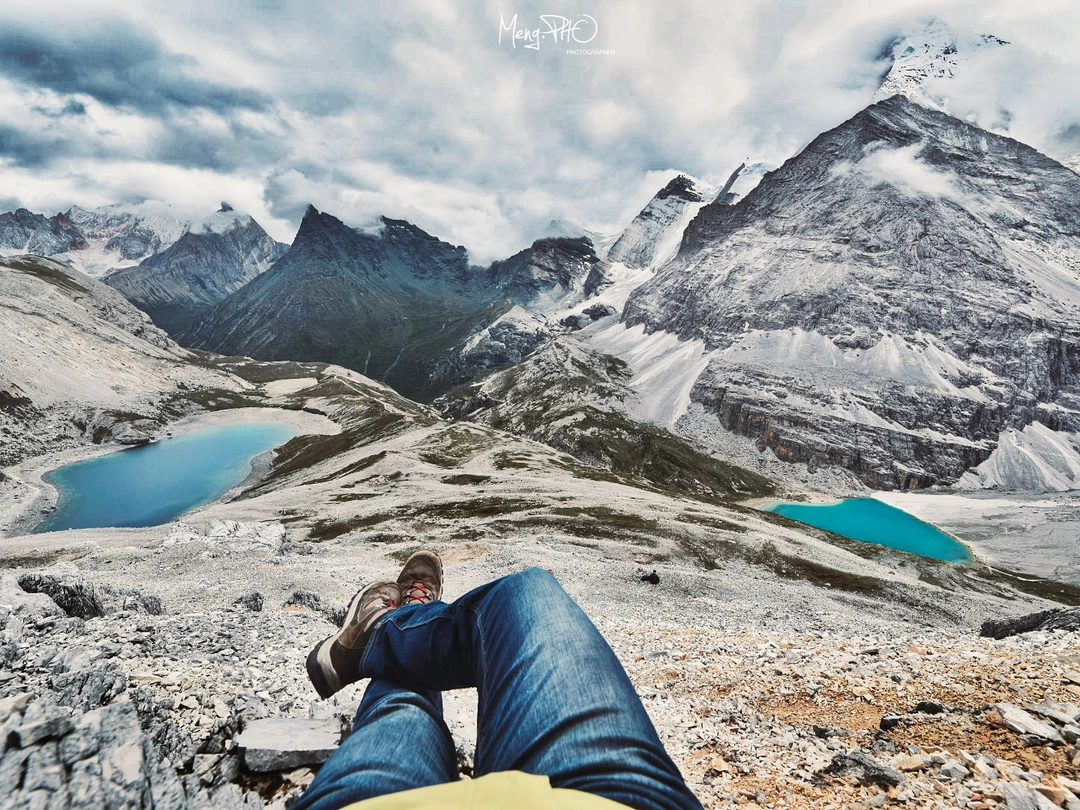
In 1928, American explorer Joseph Rock ventured into this hidden realm. The photos and articles he published in National Geographic stunned the world, earning Yading the title "the soul of Shangri-La." Today, three majestic sacred mountains, three emerald alpine lakes, golden highland meadows, and winding rivers continue to compose breathtaking scenes that call photographers from around the globe.
As a freelance photographer and photography guide who has spent years traversing western Sichuan, Gannan, and the Sichuan-Tibet Highway, I've led countless expeditions deep into this land. In this comprehensive guide, I'll share the best shooting seasons for Daocheng Yading photography, detailed travel tips, and exclusive camera positions—all to help you capture the most moving moments of this pure land through your lens.
[Link: Best landscape photography locations in western Sichuan]
Best Shooting Season for Daocheng Yading: Why Autumn Is the "Peak Moment"
Daocheng Yading's beauty transforms with each season, but if you ask me when to go for the most stunning shots, my answer is simple: Autumn.
Autumn: The Golden Window for Photographers
From late September to mid-October, Yading reaches its most enchanting state. The rainy season has just ended, the air becomes exceptionally clear, and the snow-capped mountains reveal themselves far more frequently. Meanwhile, the meadows and trees don their golden attire, creating a striking contrast against white peaks and azure sky. This visual impact is unmatched by any other season.
The autumn photography season offers higher shot success rates thanks to: - Crystal-clear air for sharp, haze-free images - Golden foliage that adds warmth and depth to compositions - Frequent snow-capped mountain visibility for dramatic foreground-background combinations - Pleasant daytime temperatures (5-15°C) for comfortable shooting
Other Seasons: What They Offer
- Spring and early summer (May-June): Azaleas bloom across mountainsides, adding splashes of pink and purple to the landscape. However, rainy weather can limit mountain visibility.
- Summer (July-August): Lush green meadows and vibrant wildflowers, but frequent afternoon thunderstorms and cloud cover reduce shooting windows.
- Winter (November-March): A silver blanket of snow, fewer tourists, and tranquil scenes. Ideal for photographers seeking solitude and minimalist compositions, but temperatures drop significantly.
Bottom line: For color richness, clarity, and overall shooting conditions, autumn is the undisputed king.
[Link: Best time to visit Daocheng Yading for photography]
How to Reach Daocheng Yading: Two Main Options
Daocheng Yading Scenic Area is located in Yading Village, Shangri-La Town, Daocheng County, Garzê Tibetan Autonomous Prefecture, Sichuan Province. Here are the two primary ways to get there:
Option 1: By Air (Recommended for Photographers with Limited Time)
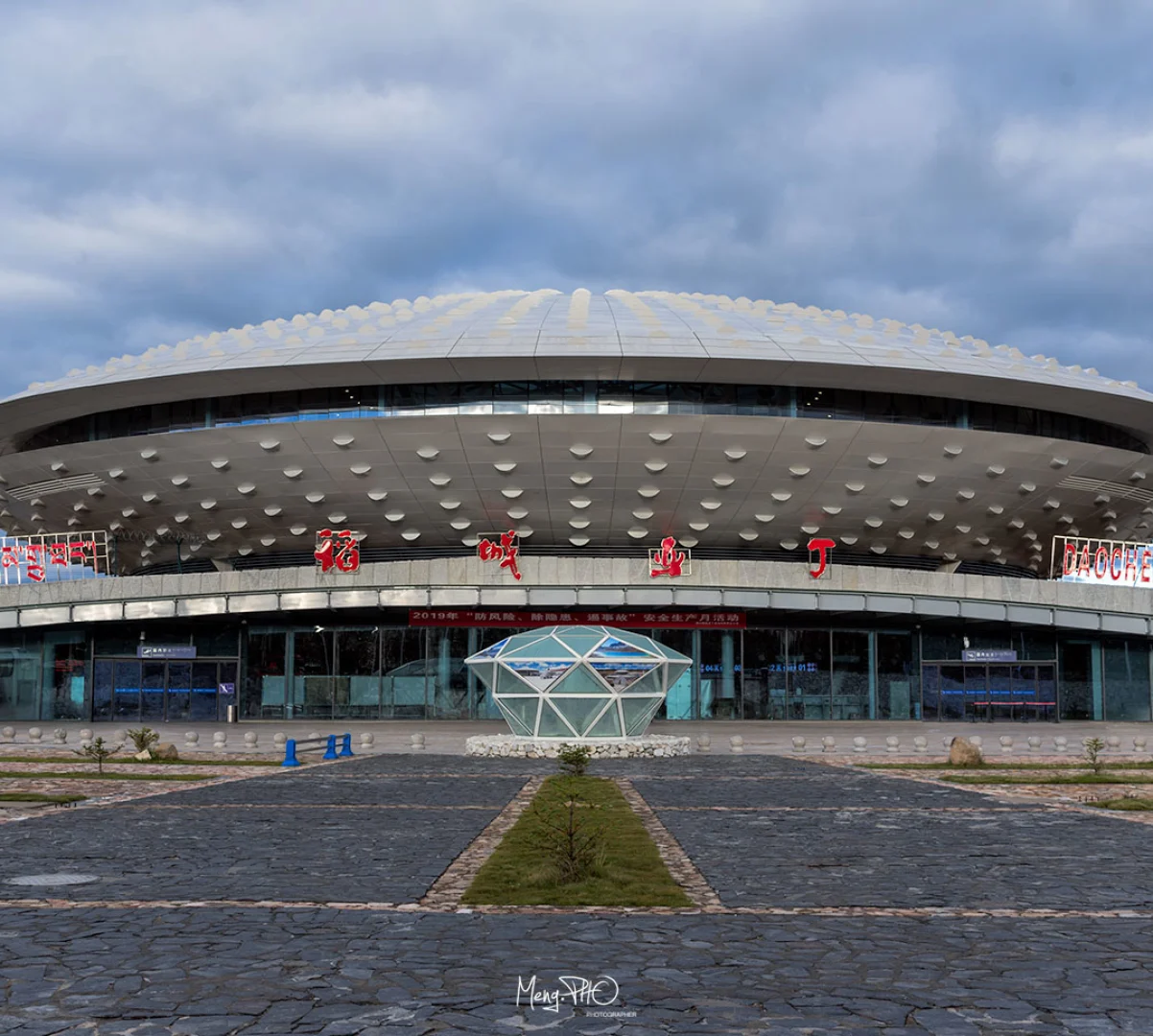
Daocheng Yading Airport sits at an elevation of 4,411 meters (14,472 feet)—the highest civilian airport in the world. Direct flights operate from cities like Chengdu and Chongqing.
Step-by-step: 1. Fly into Daocheng Yading Airport from Chengdu or Chongqing 2. Take the airport bus to Shangri-La Town (also called Riwa) – 85 RMB per person 3. Flag down a local bus (shaped like a coach) that stops on request – 5 RMB per person to the scenic area entrance
Critical tip for high-altitude photography: After landing at this extreme altitude, avoid any strenuous activity. Spend a night in Shangri-La Town to acclimatize before entering the scenic area the next day. Altitude sickness can ruin both your health and your photography plans.
Option 2: Self-Drive (Ideal for Deep Exploration and Heavy Gear)
Drive along National Highway 318 to Litang County, then turn onto Provincial Highway 217 to reach your destination.

Advantages: - Freedom to stop and shoot roadside scenery - Ability to carry heavy photography equipment - Flexibility to explore surrounding regions
Disadvantages: - Private vehicles are not allowed inside the scenic area - Must park at the entrance in Shangri-La Town - Pack light and bring only what you can carry on foot
[Link: Self-drive itinerary for western Sichuan photography]
Accommodation: Stay Inside or Outside the Scenic Area?
The Daocheng Yading tour route is divided into a short route (1 day) and a long route (1 day), so you need at least one night inside the scenic area. Here's how to choose:
Staying Inside the Scenic Area (Yading Village) – The Photographer's Choice
Biggest advantages: Saving time, saving on shuttle fees, and being able to shoot sunrise and sunset.
The scenic area's shuttle bus has six stops in Yading Village. I strongly recommend staying at Stop 2 for three reasons: 1. From Stop 2, you can see and photograph both Mount Xiannairi and Mount Xianuoduoji simultaneously 2. It is the largest stop with the most accommodation, restaurants, and shops 3. It is the most convenient for boarding and alighting buses
If Stop 2 is fully booked, Stop 1 or Stop 3 are good alternatives.
Staying Outside the Scenic Area (Shangri-La Town) – Budget-Friendly Option
If accommodation in Yading Village is too expensive or full, stay in Shangri-La Town. The town has many hotel options at relatively affordable prices.
Important re-entry process: - Inform the ticket seller in advance and register your details - The next day, with your previous day's ticket and a photo taken inside the scenic area, you can enter for free - You only need to pay half price for the shuttle bus ticket
[Link: Budget photography travel tips for Daocheng Yading]
Scenic Area Transport: Two Shuttle Buses You Must Know
Daocheng Yading Scenic Area is vast, and private vehicles are prohibited. You must use the scenic area shuttle buses. There are two types:
1. Mandatory Shuttle Bus
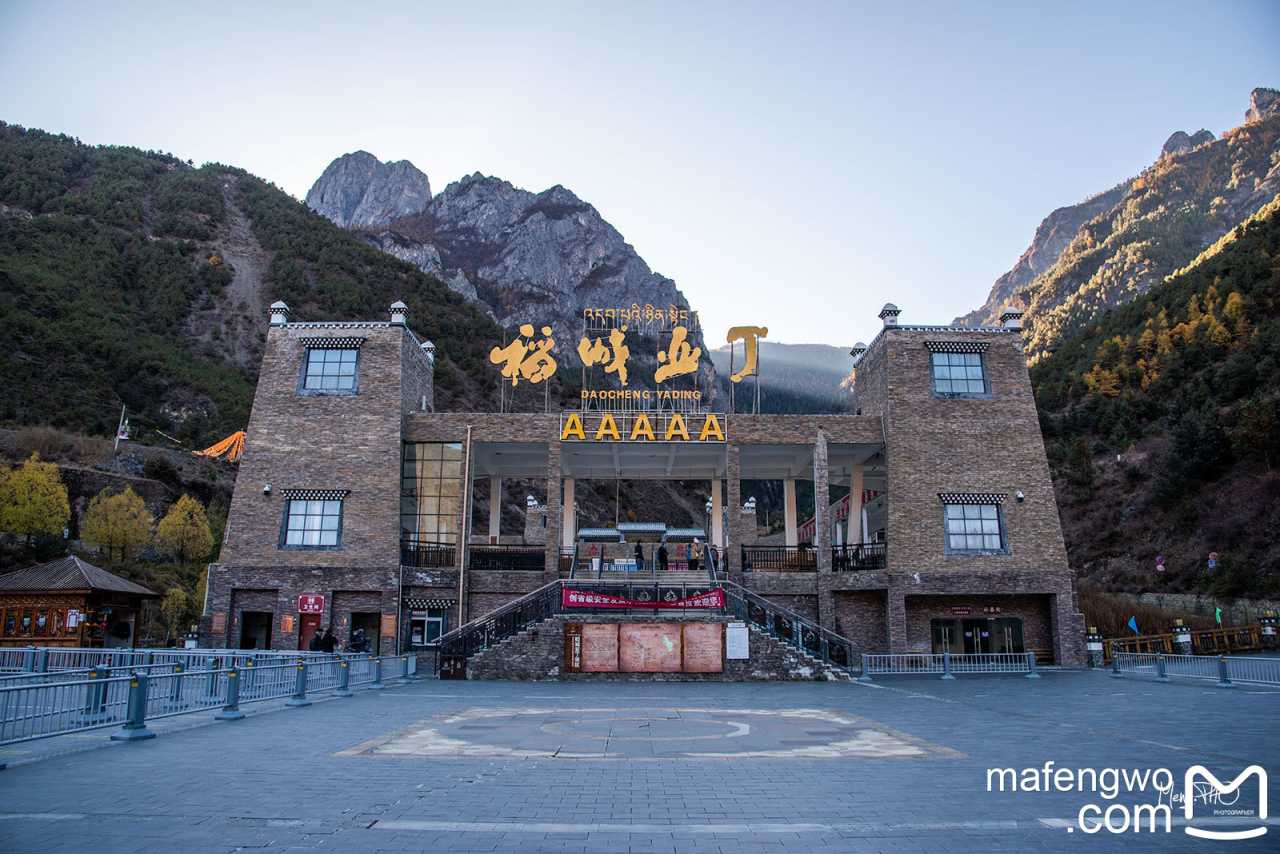
Purchased together with your entrance ticket. It runs from the scenic area entrance to the terminal stop "Zha Guan Beng," stopping at Yading Village Stops 1-6 along the way.
2. Optional Shuttle Bus (Interval Bus)
Used for the long route. It runs from Chonggu Meadow to Luorong Cattle Farm, costing 50 RMB one way and 70 RMB round trip.
Strong recommendation: Buy a round trip ticket. Walking this section takes 3-4 hours, while the shuttle bus takes just over ten minutes. More importantly, there are no particularly worthwhile shooting spots along the way—save your energy and time for the main attractions.
[Link: Daocheng Yading shuttle bus route guide]
Short Route Guide and Shooting Spots: Capture the Highlights in One Day
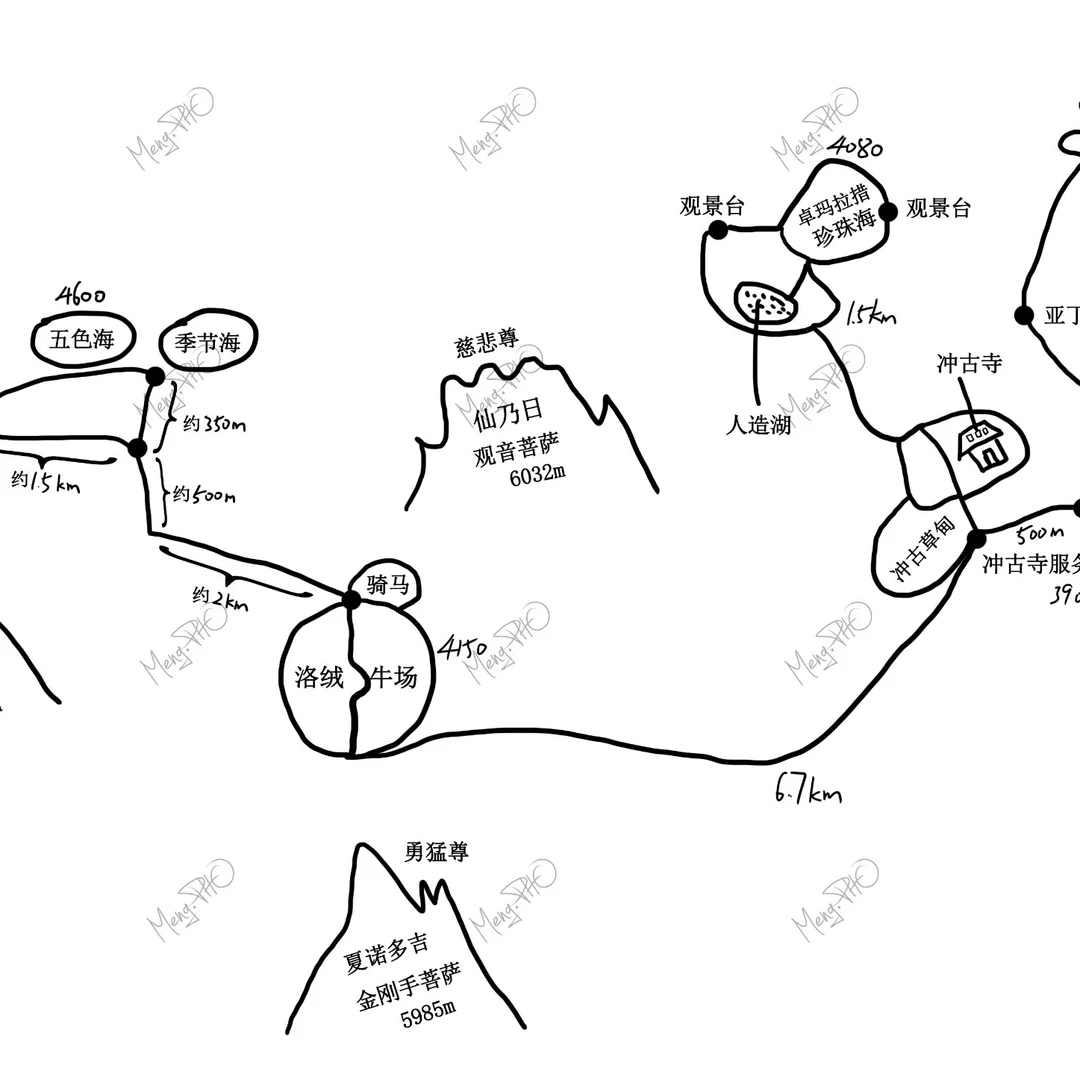
The short route starts from Zha Guan Beng, passes through Chonggu Temple, Pearl Sea, and Chonggu Meadow, then returns to Zha Guan Beng. The whole journey takes about 4-5 hours, making it ideal for the first day when you need to acclimatize to the altitude.
Chonggu Temple: Perfect Framing of Golden Roof and Snowy Peaks
After getting off at Zha Guan Beng, walk 500 meters uphill to the Chonggu Temple service area. Here, you have two path options: - Red arrow (vehicle road): Occasionally used by work vehicles - Blue arrow (stairway footpath): Recommended for photographers
I recommend taking the footpath, as you can capture the golden roof of Chonggu Temple alongside Mount Xiannairi in one frame.
Pro tip: Once you reach Chonggu Temple, don't rush back the same way! Exit through the door directly opposite the statue of Ksitigarbha Bodhisattva inside the temple and take an earthen path. This path has fewer tourists, better terrain, and avoids a repetitive route. Along the way, look back at Chonggu Temple—with luck, you might spot squirrels, deer, blue sheep, and other wildlife.
Pearl Sea: The Perfect Reflection of Mount Xiannairi

Follow the earthen path until you reach the first restroom, then merge onto the stairway path and continue uphill. You will pass an artificial lake where you can capture the reflection of Mount Xiannairi. Continue to the viewing platform at Pearl Sea—this is the classic spot for a "check-in photo" of Mount Xiannairi and Pearl Sea.
From Pearl Sea, continue along the boardwalk on the right-hand side to reach the viewing platform closest to Mount Xiannairi. This is an excellent position for a low-angle shot of the mountain.
Chonggu Meadow: Best Spot for Shooting Mount Xianuoduoji
Return to the Chonggu Temple service area, then take the boardwalk in the direction of Chonggu Meadow on the right. This is one of the best spots for photographing Mount Xianuoduoji. From here, you can also capture a different angle of Chonggu Temple and Mount Xiannairi in the distance.
Return reminder: When boarding the shuttle bus, make sure you're at the correct stop. Check the bus schedule to avoid delays.
[Link: Daocheng Yading short route photography tips]
Long Route Guide: Luorong Cattle Farm and Five-Color Lake
The long route requires a full day and higher physical fitness. Start early from Zha Guan Beng, take the optional shuttle bus from Chonggu Meadow to Luorong Cattle Farm, then hike to Five-Color Lake and Milk Lake.
Luorong Cattle Farm: Wide-Angle Paradise
This vast meadow offers panoramic views of the three sacred mountains. Use a wide-angle lens to capture the full grandeur of Mount Xiannairi, Mount Xianuoduoji, and Mount Yangmaiyong in one frame. Early morning and late afternoon provide the best golden hour light.
Five-Color Lake and Milk Lake: Alpine Reflections
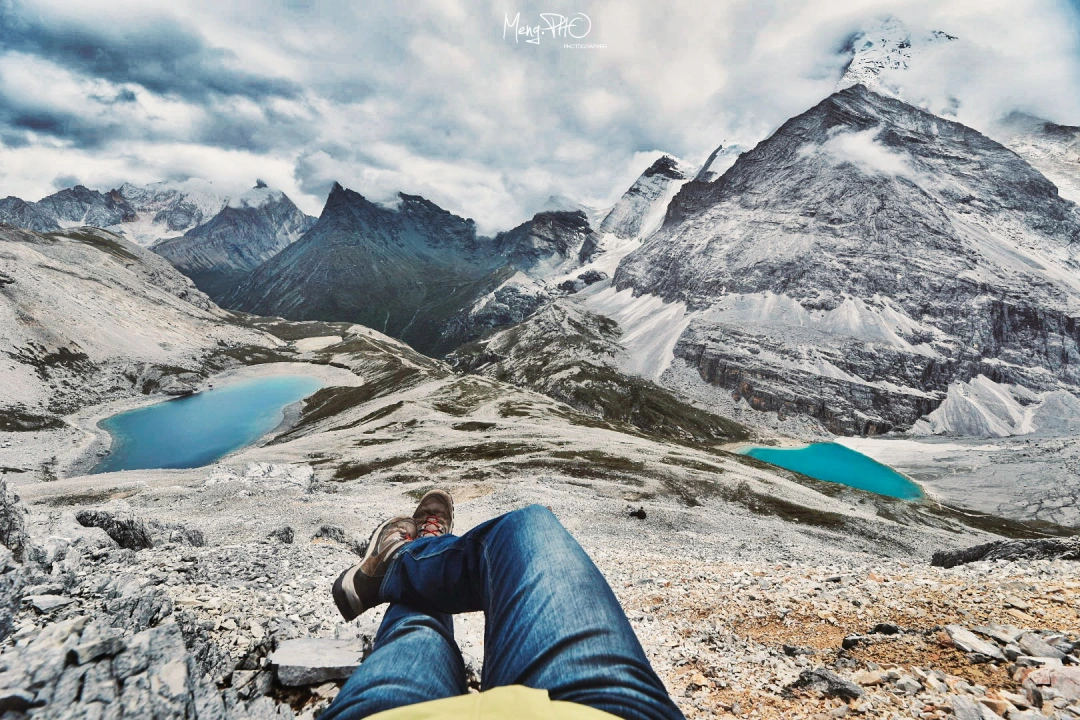
These two alpine lakes sit at the base of the sacred mountains. Five-Color Lake (also called Wuse Hai) offers stunning reflections on calm days. Milk Lake (also called Niu Nai Hai) features turquoise waters that contrast beautifully with surrounding rock formations.
Important: The hike from Luorong Cattle Farm to Five-Color Lake takes 2-3 hours each way. Carry plenty of water, snacks, and altitude sickness medication.
[Link: Daocheng Yading long route hiking guide]
FAQ: Photography in Daocheng Yading
Q1: What camera gear should I bring to Daocheng Yading?
Bring a wide-angle lens (16-35mm or similar) for landscape shots, a telephoto lens (70-200mm) for mountain details and wildlife, a sturdy tripod for low-light and reflection shots, and extra batteries (cold temperatures drain battery life quickly). A polarizing filter helps reduce glare from snow and water.
Q2: Is altitude sickness a problem for photographers?
Yes. Daocheng Yading's elevation ranges from 3,700 to 4,700 meters. Acclimatize for at least one night in Shangri-La Town before entering the scenic area. Stay hydrated, avoid alcohol, and consider bringing acetazolamide (Diamox) if you're prone to altitude sickness.
Q3: What is the best time of day for photography in Daocheng Yading?
Golden hour (sunrise and sunset) provides the best light. Sunrise around 6:30-7:30 AM offers warm light on the sacred mountains. Sunset around 5:30-6:30 PM creates dramatic shadows and golden tones. Midday light can be harsh, so use this time for hiking or resting.
Q4: Can I fly a drone in Daocheng Yading?
Drones are prohibited inside the scenic area due to environmental protection and safety regulations. Focus on ground-level photography instead—the landscapes are stunning enough without aerial shots.
Q5: How many days should I plan for photography in Daocheng Yading?
I recommend 3-4 days minimum: 1 day for the short route, 1 day for the long route, and 1-2 days for flexibility (weather delays, revisiting favorite spots). Add 1 day for travel and acclimatization.
[Link: Essential photography gear for high-altitude travel]
Conclusion: Capture the Soul of Shangri-La
Daocheng Yading is more than just a photography destination—it's a spiritual experience that will transform how you see landscape photography. The golden autumn meadows, sacred snow-capped peaks, and crystal-clear alpine lakes create compositions that will grace your portfolio for years to come.
Ready to plan your photography expedition? Start by booking your flights to Chengdu or Chongqing for late September to mid-October. Book accommodation at Stop 2 in Yading Village as early as possible—it fills up fast during the golden season.
Your next step: Download our free checklist for Daocheng Yading photography preparation [Link: downloadable resource]. Pack your gear, acclimatize properly, and prepare to capture the last pure land on Earth.
Share your best shots with us! Tag @YourPhotographyBrand on Instagram with #DaochengYadingPhotography for a chance to be featured in our community gallery.
Have questions about planning your Daocheng Yading photography trip? Leave a comment below, and I'll personally respond within 24 hours.
You may also like


