Three Days in Bangkok: Colorful Bangkok—A Retro Journey Through Chic and Offbeat Spots
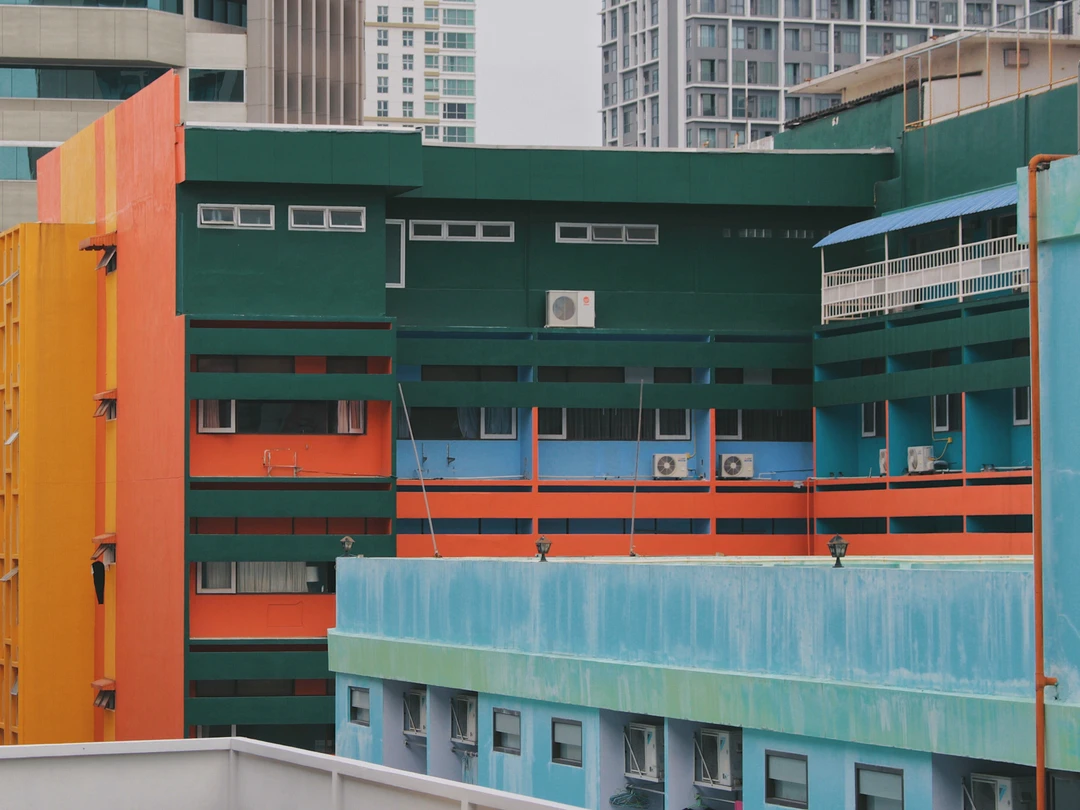
Meta Description: Discover Bangkok's hidden gems in this 3-day itinerary. From retro markets and street food to temple hopping, explore the city's chaotic charm with insider tips. Perfect for first-timers and repeat visitors.
Introduction: Why Bangkok Keeps Pulling You Back
Bangkok is a city of contradictions. It's gridlocked yet graceful, chaotic yet charming. The air smells of curry and jasmine, and every street corner feels like opening a blind box—you never know what you'll find. In July 2018, two friends and I flew from Shanghai for a five-day trip (three solid days of exploring), weaving through Bangkok's must-see landmarks and stumbling into a niche world of retro treasures.
If you're tired of cookie-cutter travel guides, this Bangkok travel itinerary might just spark some inspiration. Whether you're hunting for vintage bags at a night market or sweating through a temple visit, this guide covers the best of Bangkok's offbeat and iconic spots.
Pre-Trip Tips: Late-Night Flights and Duty-Free Deals
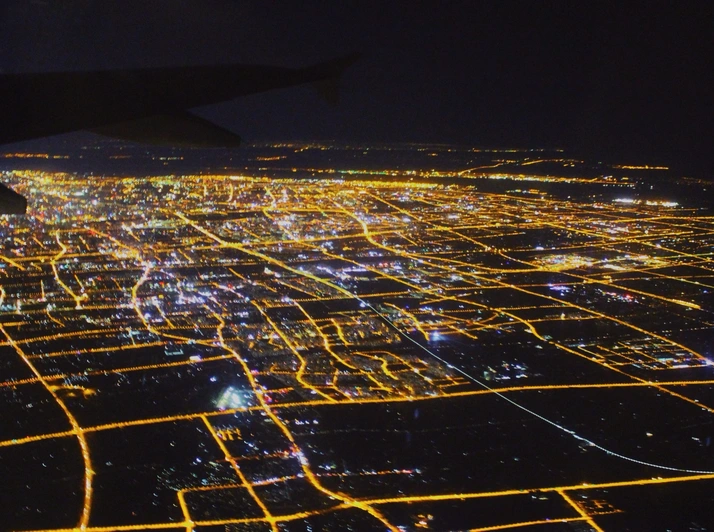
We booked a late-night Spring Airlines flight from Shanghai Pudong. Before leaving, I checked the Rishang duty-free app—and hit the jackpot. Estée Lauder's Advanced Night Repair was running a "buy two sets, get 15% off" deal. Stacked with a 5% discount coupon, each bottle came to just over 260 RMB. At that price, not buying would be a crime.

Pro tip: Popular items and lipstick shades required queuing at a separate counter. Skincare could be stored and picked up on return—super convenient.
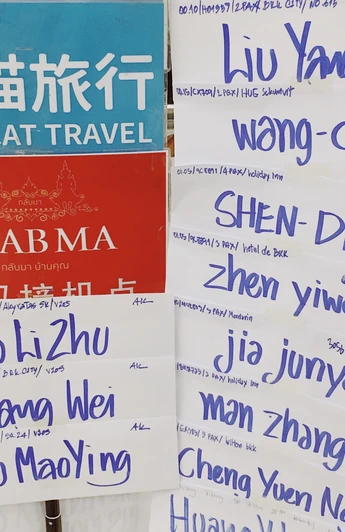
After a five-hour flight, we landed at Suvarnabhumi Airport at 1:30 a.m. local time. I'd pre-booked an airport transfer on Taobao, and the driver was waiting with a sign. The ride to the hotel was smooth. By 4 a.m., we were unpacked and asleep—tomorrow, the real adventure would begin.
Day 1: Bangkok's Iconic Landmarks and Street Food
Somboon Seafood: Is the Hype Worth It?
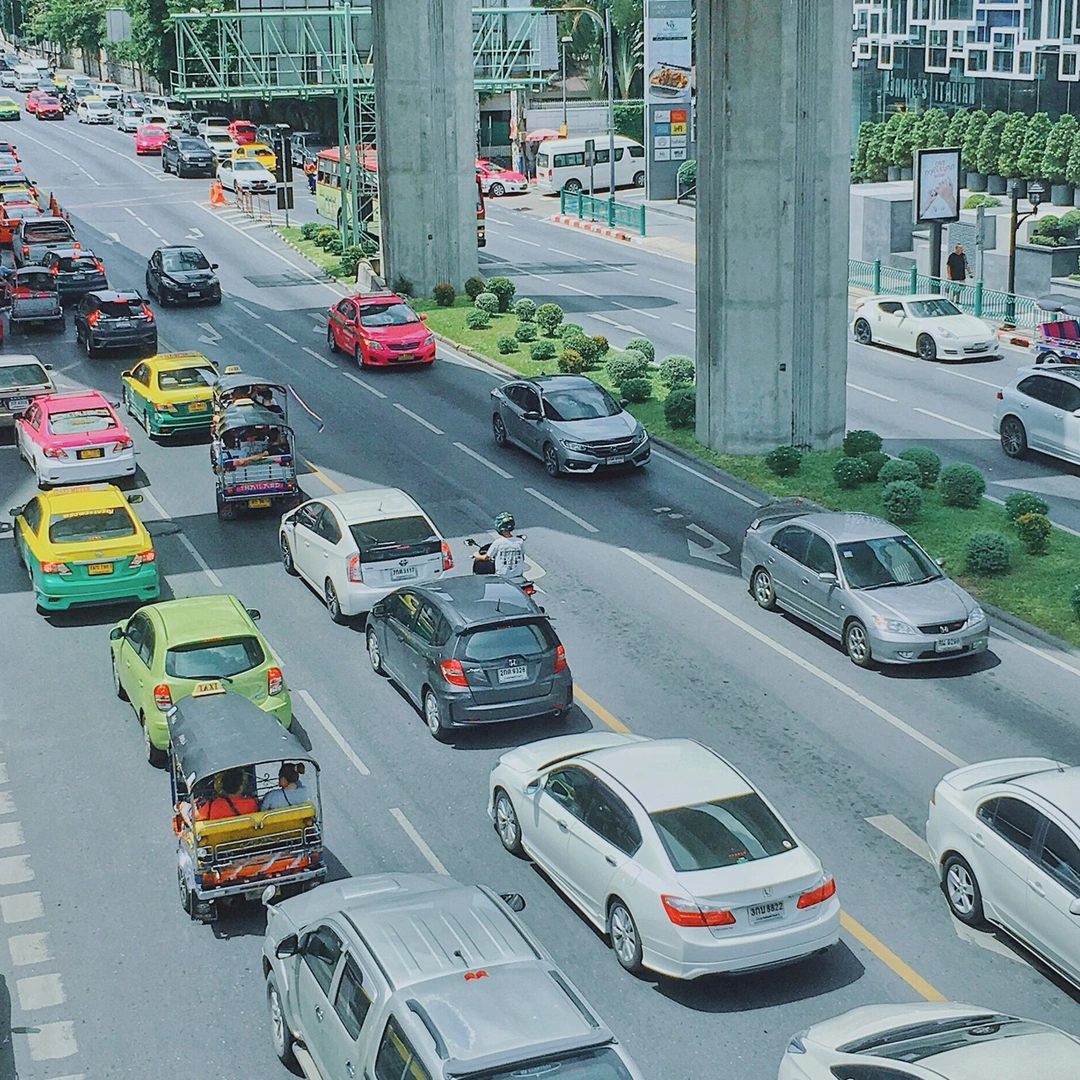
Bangkok traffic is legendary—locals spend an average of 96 minutes stuck in traffic daily. The BTS and MRT are lifesavers. We stayed near the Siam shopping district, a few minutes' walk from a BTS station.
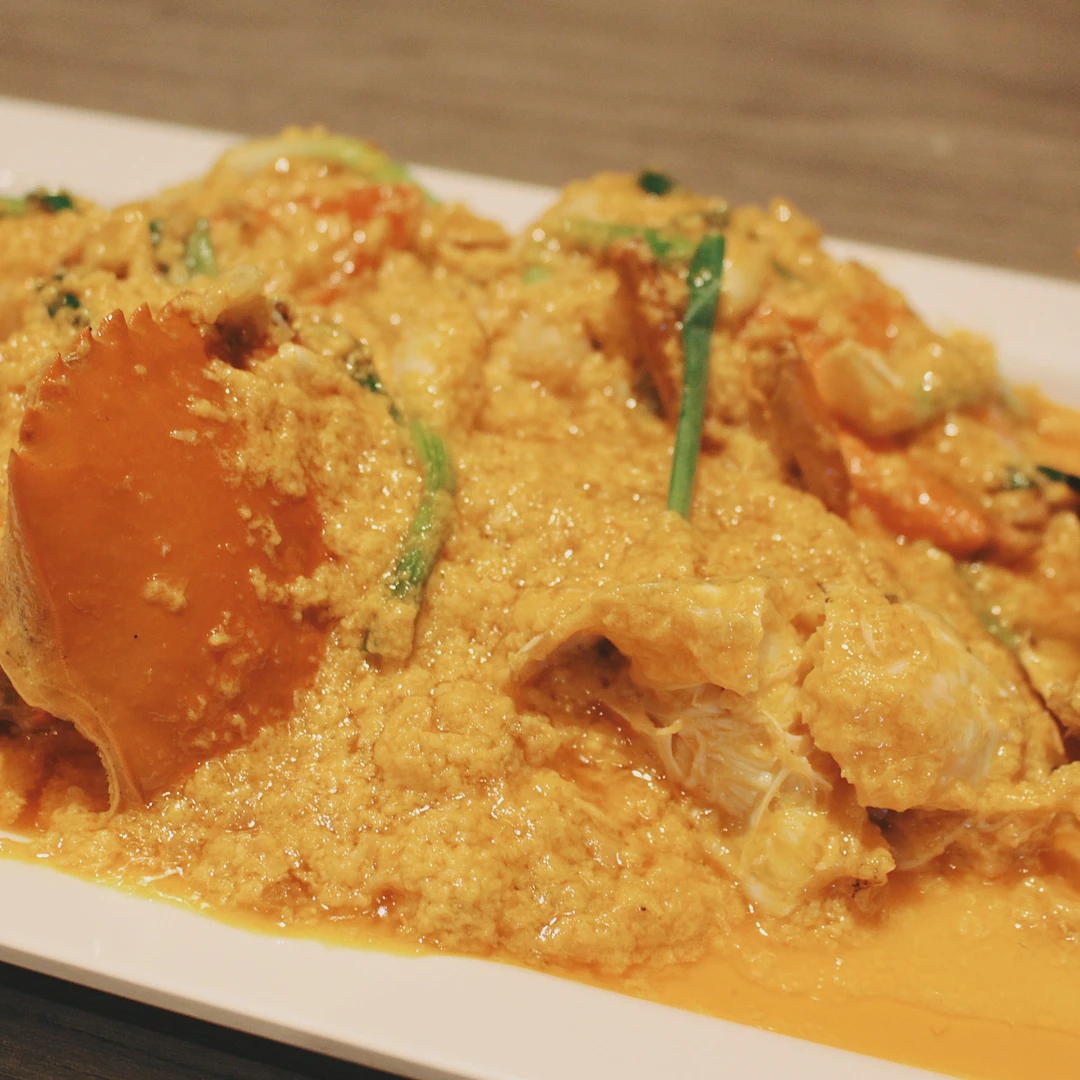
We grabbed lunch at Somboon Seafood, a网红 (internet-famous) restaurant hyped in countless blogs. The Siam Square branch was tucked away in a corner, but we found it easily. We arrived just after 11 a.m. and were seated immediately—no queue. Staff spoke fluent Chinese, and we paid with Alipay (best exchange rates in Thailand).
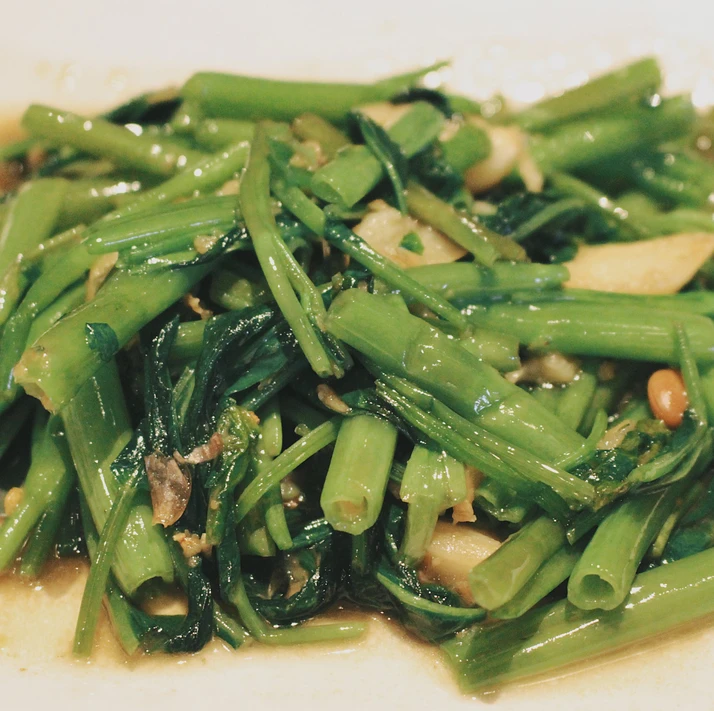
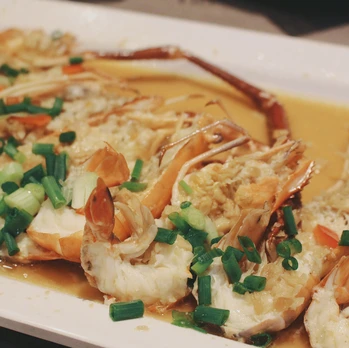
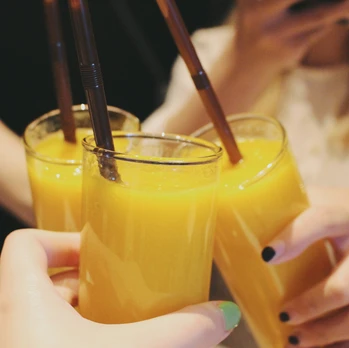
What we ordered: - Curried crab (best dish—mild, slightly sweet) - Stir-fried water spinach - Garlic prawns - Tom yum soup (acquired taste—skip if unsure) - Mango juice (thick and syrupy—skip ice)
Verdict: The ingredients didn't taste particularly fresh (we're from a coastal city). The meal came to about 135 RMB per person. If there's a long line, it's not worth the wait.
The Grand Palace: Gold, Sweat, and Dress Codes
We took a Grab from Siam Square to the Grand Palace—less than 20 minutes. The palace stops selling tickets at 3:30 p.m. Our driver dropped us at a gate for Thai nationals only. A friendly older man pointed us in the right direction.
Key details: - Tickets: 500 baht, cash only (ATMs and exchange booths nearby) - Dress code: Long pants, long sleeves, no sandals (vendors outside rent/sell clothes) - Time needed: About an hour (we snapped photos and fled, drenched in sweat)
Inside, tour groups surrounded us, with Chinese chatter echoing everywhere—it felt oddly like the Forbidden City in Beijing.
Erawan Shrine: Make a Wish, Keep a Promise
From the Grand Palace, we headed to Erawan Shrine. Legend says wishes made here come true—but you must return to fulfill your promise. Out of respect, we didn't take photos in front of the shrine.
We bought a set of incense, candles, and flowers (80 baht for mid-range). Note: they don't light the incense here.
Ratchada Train Night Market: Volcano Pork Ribs and Retro Treasures
Bangkok never sleeps, and Ratchada Train Night Market is said to be the most photogenic. But we beelined for food and forgot about photos.
Volcano pork ribs: Made famous by Douyin (TikTok's Chinese counterpart). The line was long, so we opted for takeout—done in 10 minutes. The owner spoke excellent Chinese and recommended the extra-large portion (6 ribs). We ordered large (3 ribs) for 70 baht less. One bite, and we regretted not getting more. The three of us could have happily drunk the broth.
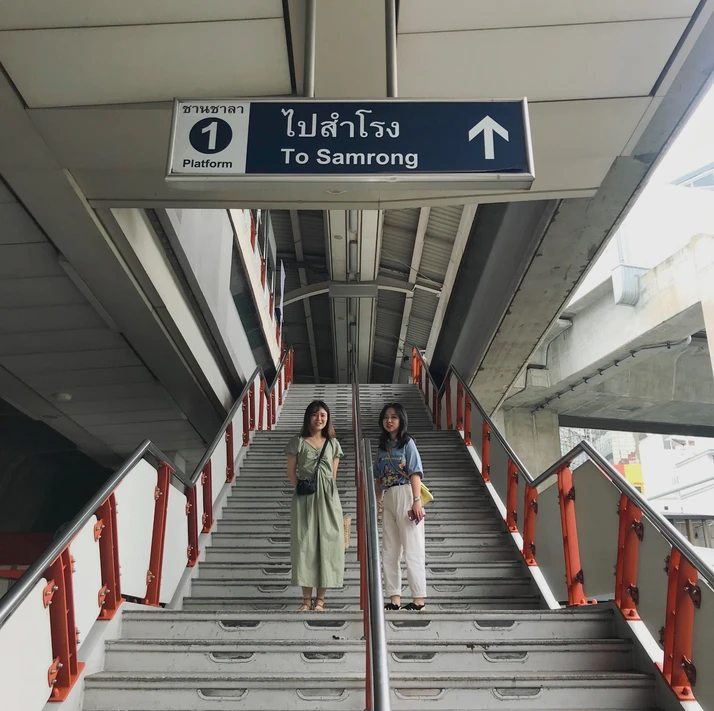
Smart move: We took the ribs to a barbecue place next door, ate there without queuing, and had a perfect meal.
Shopping: We found a shop called Bright, selling bags made from DuPont paper and eco-friendly plastic. Retro-chic color combos, one-of-a-kind pieces. We haggled for an hour but only got a small gift—we lost. The shop accepted Alipay with a 3% surcharge.
World Cup season: Bars were packed with tourists and locals watching matches, buzzing into the early hours.
Day 2: A Different Side of Bangkok—Retro and Chic
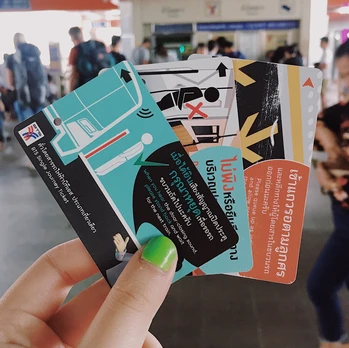
After a day of tourist hotspots, Day 2 was about wandering like a happy pig. The best part of travel is unexpected discoveries.
Bangkok Art and Culture Centre: More for Photos Than Art
We grabbed breakfast at 7-Eleven and took a Grab to the Bangkok Art and Culture Centre, near Siam Square. Open Tuesday to Sunday (closed Mondays), free entry.
Verdict: The center is commercial—packed with craft stalls and photo spots rather than serious exhibitions. Worth a quick visit for Instagram shots, but don't expect a deep art experience.
Exploring Siam Square's Hidden Alleys
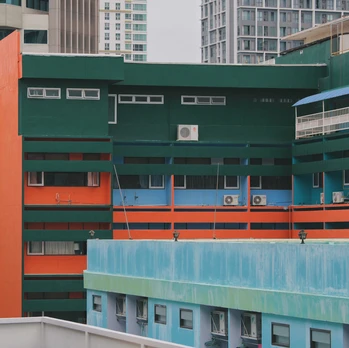
Siam Square is a maze of alleys filled with vintage shops, indie cafes, and street food stalls. We stumbled into a small vintage store selling 80s-inspired clothing and retro sunglasses. Prices were reasonable, and the owner didn't haggle—take it or leave it.
Must-try street food: - Mango sticky rice: Sweet, creamy, and perfect for a hot day - Grilled skewers: Pork, chicken, and squid with spicy dipping sauce - Coconut ice cream: Served in a coconut shell with toppings
Thonglor: Bangkok's Hipster Hub
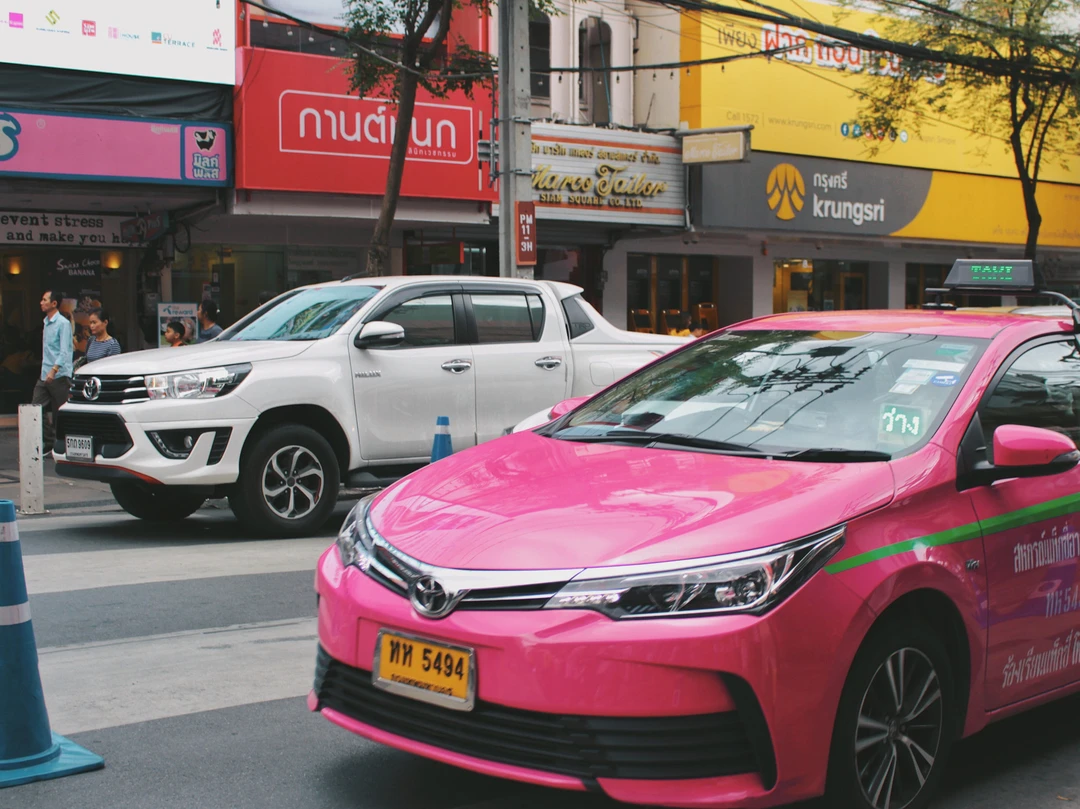
We took a Grab to Thonglor, Bangkok's trendiest neighborhood. It's known for Japanese restaurants, rooftop bars, and boutique shops. We wandered into a small art gallery showcasing local artists—free entry, and the owner offered us iced tea.
Dinner at a local eatery: We found a tiny restaurant serving boat noodles—a Bangkok staple. The broth was rich and spicy, with pork, beef, and meatballs. About 50 baht per bowl. We ordered three bowls each.
Day 3: Markets, Temples, and Last-Minute Shopping
Chatuchak Weekend Market: A Shopper's Paradise
Chatuchak Weekend Market is one of the largest markets in the world, with over 15,000 stalls. It's open Saturday and Sunday from 9 a.m. to 6 p.m. We arrived at 10 a.m. and spent four hours wandering.
What to buy: - Vintage clothing and accessories - Handmade crafts and home decor - Street food (try the grilled prawns and coconut pancakes) - Plants and antiques
Haggling tips: Start at 50% of the asking price. If the seller doesn't budge, walk away—they might call you back.
Wat Pho: The Reclining Buddha
After Chatuchak, we took a Grab to Wat Pho, home to the famous Reclining Buddha. Entry fee: 200 baht. The temple is less crowded than the Grand Palace, and the Buddha statue is stunning—46 meters long, covered in gold leaf.
Don't miss: The massage school at Wat Pho—you can get a traditional Thai massage for 300 baht per hour.
Asiatique: Night Market by the River
Asiatique is a night market on the Chao Phraya River, combining shopping, dining, and entertainment. We took a free shuttle boat from Saphan Taksin BTS station.
What we did: - Ate at a riverside restaurant (pad thai and green curry) - Bought souvenirs (keychains, T-shirts, and handmade soap) - Rode the giant Ferris wheel (300 baht per person)
FAQ: Bangkok Travel Tips
1. What's the best time to visit Bangkok? November to February is the cool season—less humidity and lower temperatures. Avoid April to June (hottest) and July to October (rainy season).
2. Is Bangkok safe for solo travelers? Yes, but stay alert. Avoid dark alleys at night, keep valuables secure, and use official taxis or ride-hailing apps like Grab.
3. How much cash should I bring? Many places accept credit cards, but small stalls and markets prefer cash. Carry 2,000-3,000 baht per day for food, transport, and shopping.
4. What's the dress code for temples? Long pants, long sleeves, no sandals. Vendors outside temples rent or sell appropriate clothing.
5. Can I use Alipay or WeChat Pay in Bangkok? Yes, in many tourist areas, restaurants, and shops. Alipay often offers the best exchange rates.
Internal Linking Suggestions
- [Link: Bangkok Street Food Guide]
- [Link: How to Haggle at Thai Markets]
- [Link: Best Temples in Bangkok]
- [Link: Bangkok Night Market Comparison]
Final Thoughts: Why Bangkok Deserves a Spot on Your Bucket List
Bangkok is a city that rewards the curious. It's not perfect—it's chaotic, sweaty, and sometimes frustrating. But it's also vibrant, delicious, and endlessly surprising. Whether you're digging through retro treasures at Ratchada, sweating through a temple visit, or sipping coconut ice cream in Siam Square, every moment feels like a discovery.
Ready to plan your trip? Book your flights, pack light, and bring an empty stomach. Bangkok is waiting.
Have questions about your Bangkok itinerary? Drop a comment below or share your own tips. Happy travels!
You may also like


