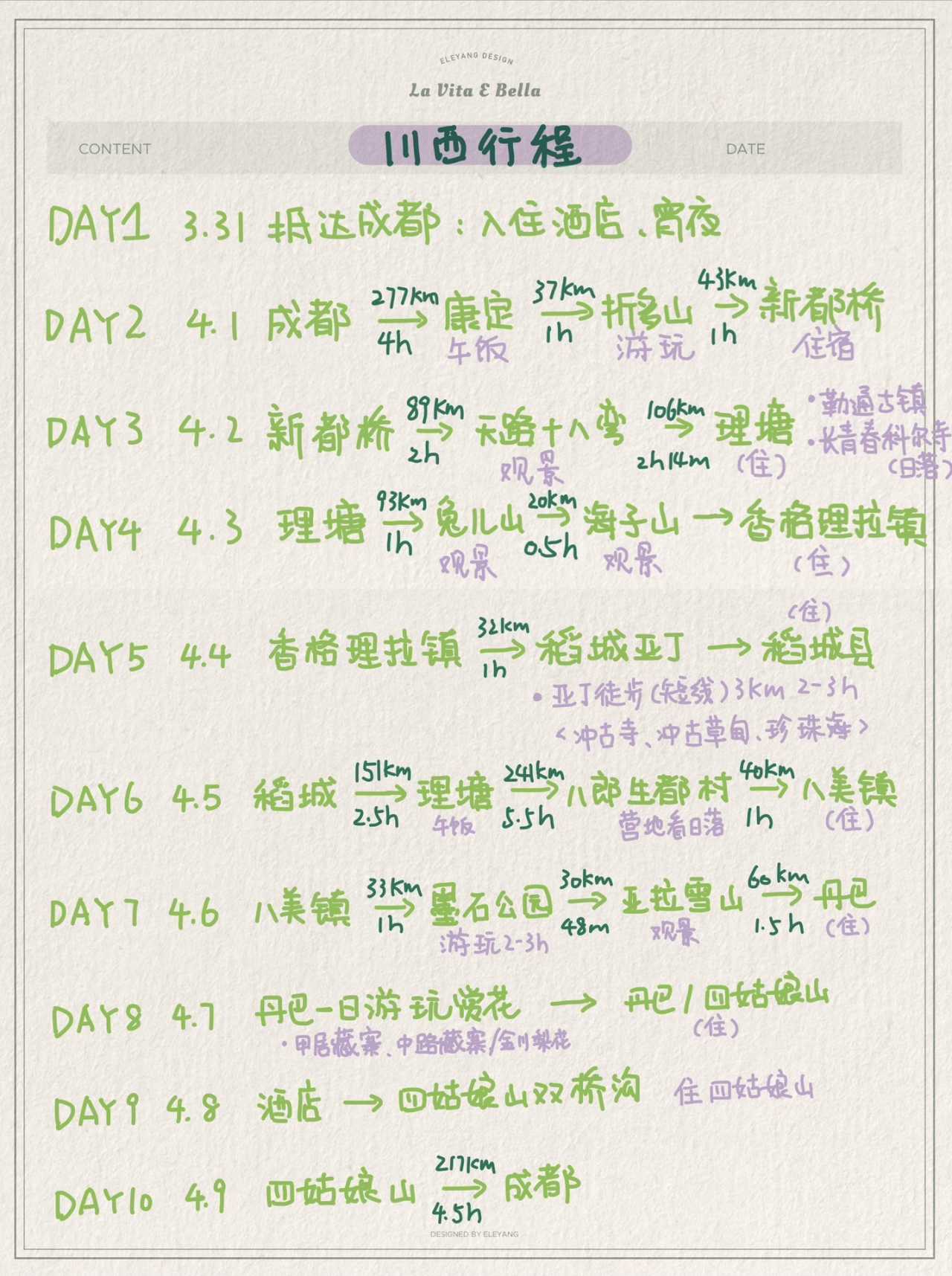
The Ten-Day Sichuan West Grand Loop: A Complete Travel Guide for April Adventures (Part Two)
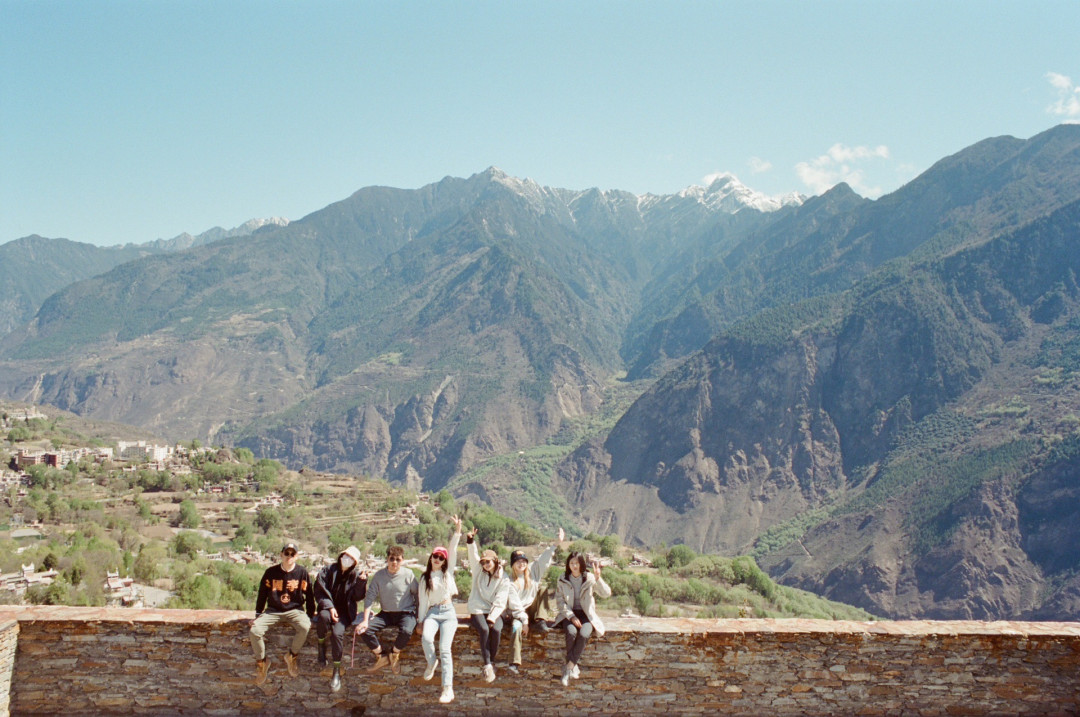
Meta Description: Discover the ultimate Sichuan West Grand Loop itinerary from Daocheng Yading to Chengdu. Includes tips on Litang night drives, Tagong camping, Moshì Park photography, and Danba Tibetan villages. Perfect for April travel planning.
Introduction: Why the Sichuan West Grand Loop Should Be Your Next Adventure
April in western Sichuan presents a paradox that every traveler should experience: the wind still carries winter's bite, but the sun has begun to warm the earth with unprecedented generosity. Our group of eight travelers, bound by an unspoken understanding, completed the second half of this remarkable ten-day journey—a route that took us from the sacred snowy peaks of Daocheng Yading, through the star-dusted skies of Litang, across the vast Tagong Grassland, and finally to a steaming, sizzling conclusion amid Chengdu's legendary hotpot culture.
If the first half of this Sichuan West Grand Loop was about the thrill of departure, the second half delivered something more profound: the unexpected magic of encounters. We collided head-on with wind, snow, golden mountains at sunset, and adventures we never saw coming.
Chapter 4: Night Drive to Litang – An Unforgettable Sichuan Road Trip Experience
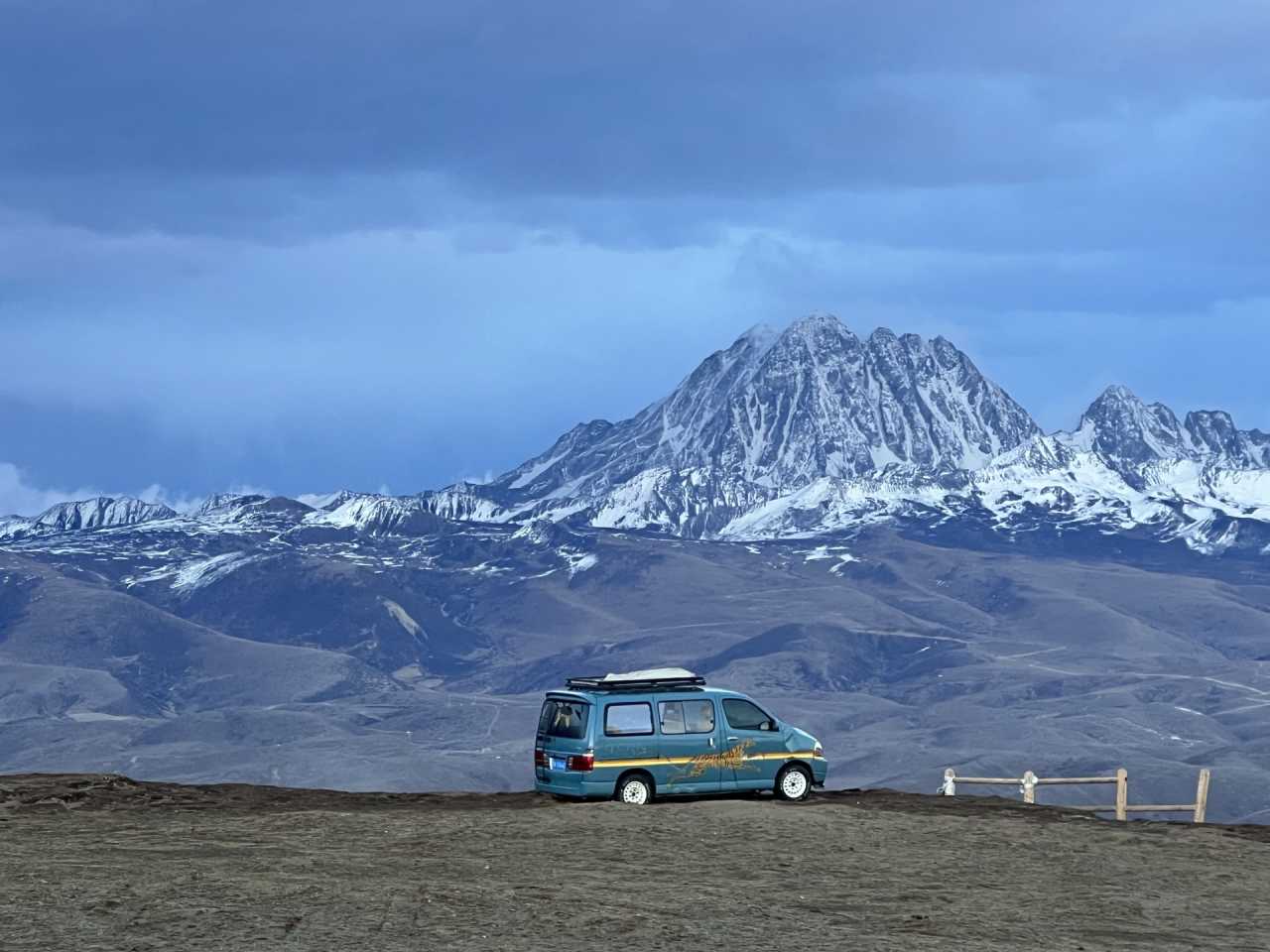
Day 4: Daocheng Yading to Litang – Sichuan Travel Tips
Descending from Daocheng Yading, our legs felt like jelly, but our spirits soared higher than the peaks we'd just conquered. Someone casually suggested, "Why not drive straight back to Litang tonight?" After a bowl of steaming noodles, our exhausted but exhilarated group cheerfully piled back into the car.
The stars outside the window were so bright they brought tears to your eyes—dense and scattered like a handful of crushed diamonds across the velvet sky. We played song-guessing games, video-called friends who couldn't join us, and somehow physical exhaustion seemed irrelevant in the face of such joy.
But every great Sichuan road trip has its unforgettable moments. Passing Rabbit Mountain (Tu'er Shan), someone desperately needed a restroom. The one they remembered was locked. As they prepared to find an alternative spot, a shadow suddenly darted out of an empty building. We screamed and ran back to the car, hearts pounding. To this day, none of us knows if it was a person or just our overactive imaginations.
Accommodation Tip for Litang: Our spontaneous decision to return to Litang led us back to the Loplingka Hotel (Luobulinka Da Jiudian) . The twin beds pushed together comfortably slept three people—excellent value for budget-conscious travelers.
Chapter 5: Balang Shengdu Sunset – Where the Wind Meets Golden Mountains
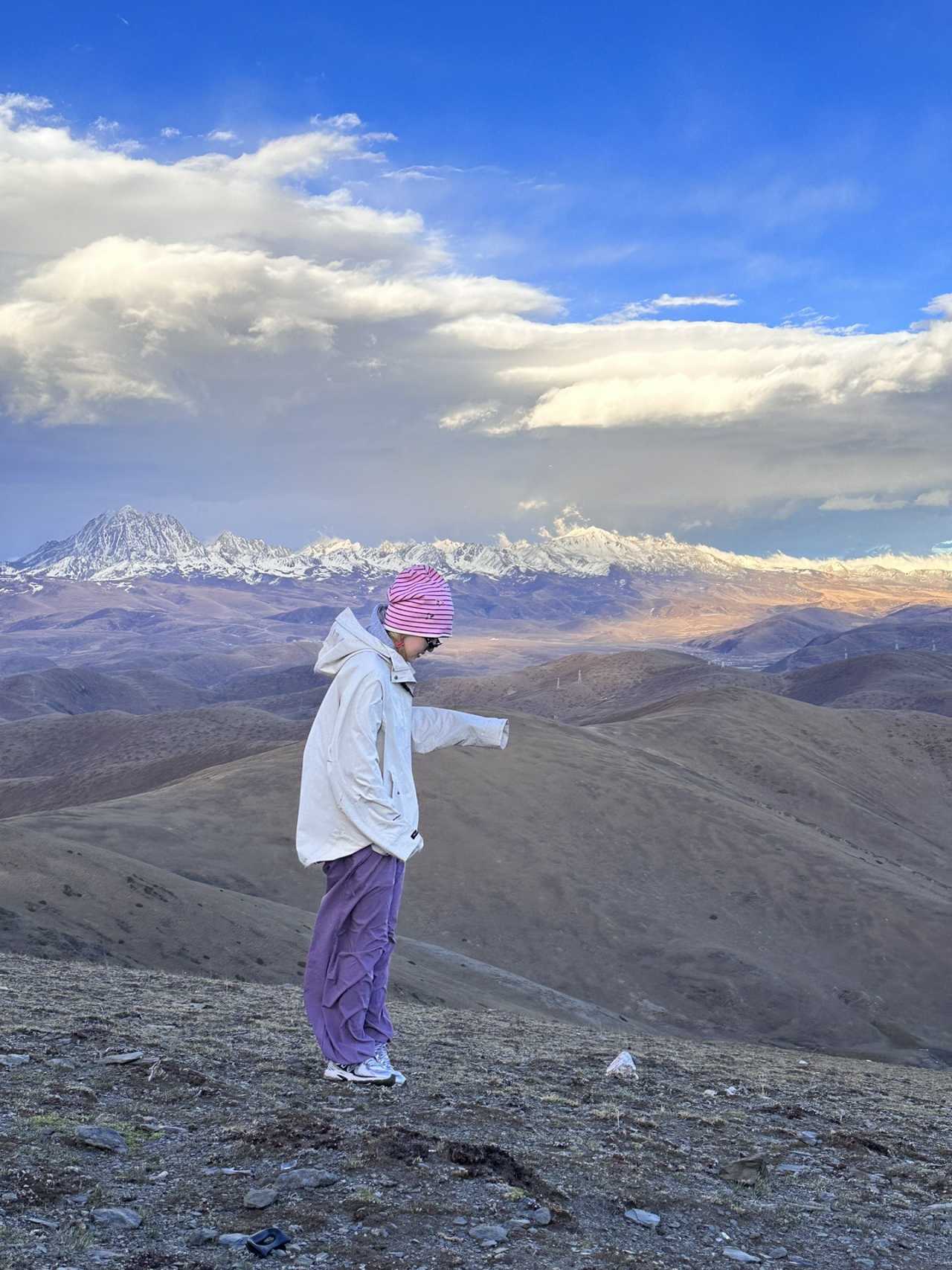
Day 5: Litang to Balang Shengdu Village and Tagong Grassland
Thanks to our night drive, Day 5 offered a relaxed schedule. Our single goal: reach Balang Shengdu before sunset.
At noon, we bought fresh fruit and lunch in Yajiang, then continued driving through increasingly spectacular scenery. Navigating to "Balang Shengdu Stargazing Camp," the final stretch tested our nerves—narrow roads with gravel sections that rattled us badly. Our off-road vehicle handled it effortlessly, but smaller cars would need to take extreme caution.
The landscape along the way felt unreal—snowy peaks, crystal streams, camping spots, and even a couple taking wedding photos against the dramatic backdrop. But we didn't stop, because the sunset at the summit was calling.
When we reached the camp, the wind was beyond anything we'd experienced. In twenty-plus years of travel, none of us had felt anything comparable—"even a typhoon couldn't compare," someone shouted over the gale. Fully bundled up, we were still shivering, but the snow-capped mountains and drifting clouds under the fading sun created a scene so beautiful it stole our breath.
Just as we prepared to descend, Xiao Z called everyone together for a film photo. Our messy hair, the cyberpunk-like clouds, and that unforgettable sunset were captured in what became my favorite set of pictures from the entire Sichuan West Grand Loop.
Then came the ultimate gift: just before leaving, we turned around and witnessed the golden mountains at sunset—a blazing fire on the peaks! Though my camera froze up, the blurry photo on my phone captures a memory that will last a lifetime.
Accommodation Tip: Originally planning to stay in Bamei Town, we discovered the Kangding Tagong Grassland Mandala Hotel on the Tagong Prairie—768 yuan for a four-person suite, 345 yuan for a standard room. The summer view must be spectacular, though during our April visit, the grassland remained withered yellow.
That evening, a game of Texas Hold'em brought mixed fortunes. The two "big losers" agreed to treat everyone to snacks the next day—a tradition that would continue throughout our journey.
Chapter 6: Moshì Park and Gunong Village Camping – Alien Landscapes and First-Time Camping
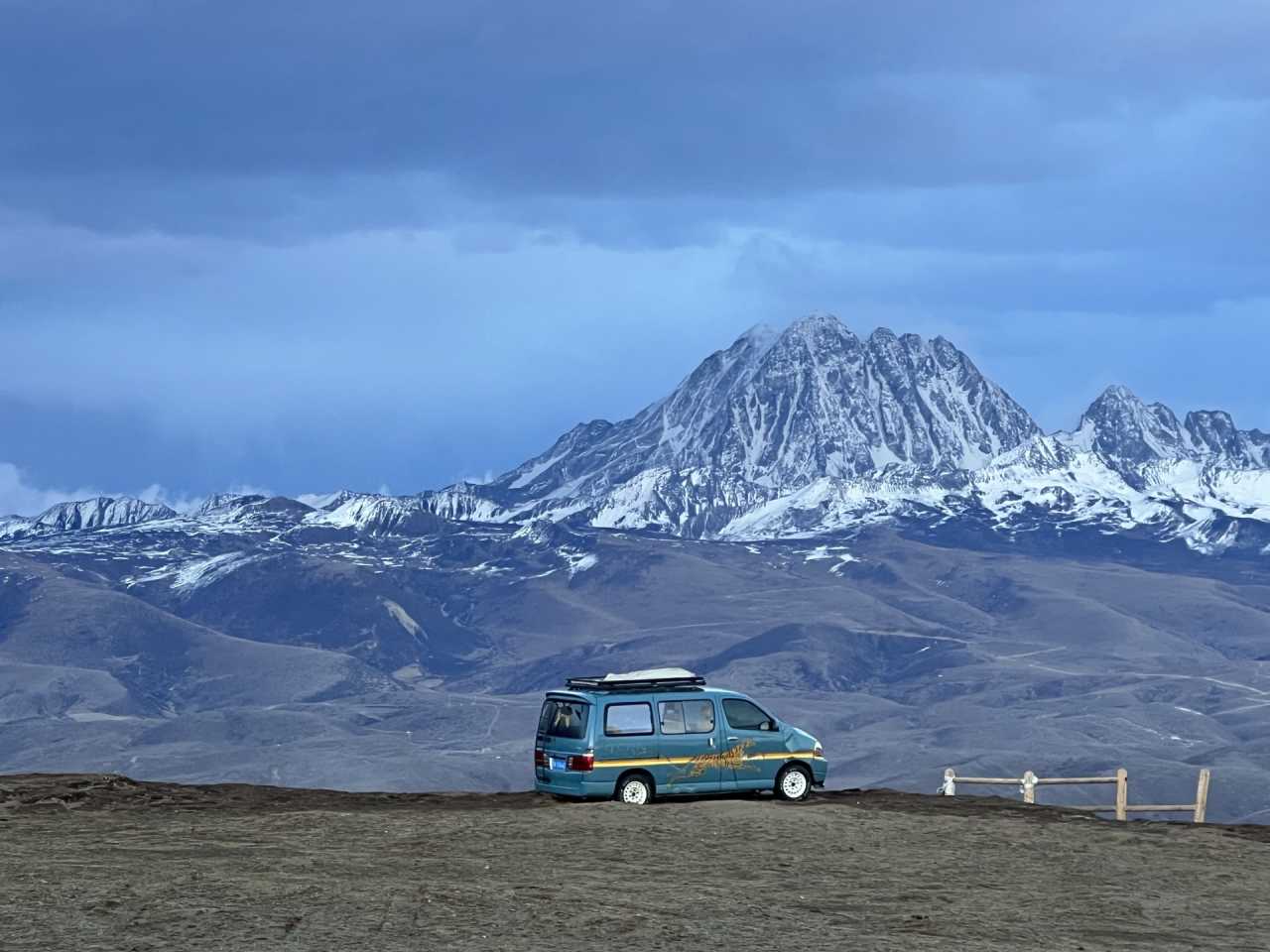
Day 6: Moshì Park to Gunong Village and Danba
Waking up to a world of white outside the window—heavy snow had fallen overnight. We rushed to the dining room just before breakfast ended, only to discover that once the sun emerged, the snow melted away with surprising speed.
Moshì Park (Moshi Gongyuan) Travel Guide: Admission costs 60 yuan per person, with a shuttle ticket at 20 yuan per person. Honestly, the shuttle covers only a short distance; if we'd researched beforehand, we would have walked. The park isn't large—you can explore thoroughly in one to two hours. You can get surprisingly close to marmots and capture photos that look like you're exploring an alien planet. Style tip: wear black, white, or gray with sunglasses—cool is the only requirement.
The funniest moment came when we discovered a gray metal installation that looked like an unfinished road. All eight of us started playing "battle royale" on it—pushing someone off meant elimination. Snowflakes drifted around us, and the southerners among us were as excited as children catching Pokémon.

Afterward, our original plan called for camping at Yala Snow Mountain scenic area, but a phone call revealed they didn't allow camping this season. We changed course on the fly and headed to Gunong Village instead.
Camping at Gunong Village: When we navigated there, we realized it was the same road we'd taken to Balang Shengdu the previous day. We simply stopped at the spot where we'd seen wedding photos being taken. The timing was perfect—around two or three in the afternoon, with no one else around.
We'd brought our camping gear from out of town: a canopy, five chairs, and a small table. A local young man charged us 40 yuan for camping; without the canopy, it was just 20 yuan for parking. The canopy proved tricky to set up, so we attached it to the roof of the car, with the trunk open to seat two more people.
The weather changed faster than flipping a page—just as we finished setting up, the sky was clear; then suddenly it snowed, the wind picked up, and our faces were covered in dust. We almost packed up to leave, but we held on, and soon the sky cleared again. Yala Snow Mountain under the clear sky was layered and stunning beyond belief.
The only aftermath: when we wiped our faces later, the tissue was covered in dust—a small price for such an unforgettable experience.
Chapter 7: Danba Tibetan Village and a "Love Show" Guesthouse
Day 7: Danba to Siguniang Mountain – Sichuan Accommodation Guide
While camping, we received a call from the guesthouse owner in Danba asking when we'd arrive. A quick navigation check showed three more hours of driving, so we left Gunong Village around 6 PM and headed straight for Danba.
On the way, we ate at a highly-rated Tibetan restaurant called Sige Daji Tibetan Restaurant (Sige Daji Zang Canting) . Honestly, it was more style than substance. But one dish stood out: raw beef salad with mustard—spicy, cool, and worth trying for adventurous eaters.
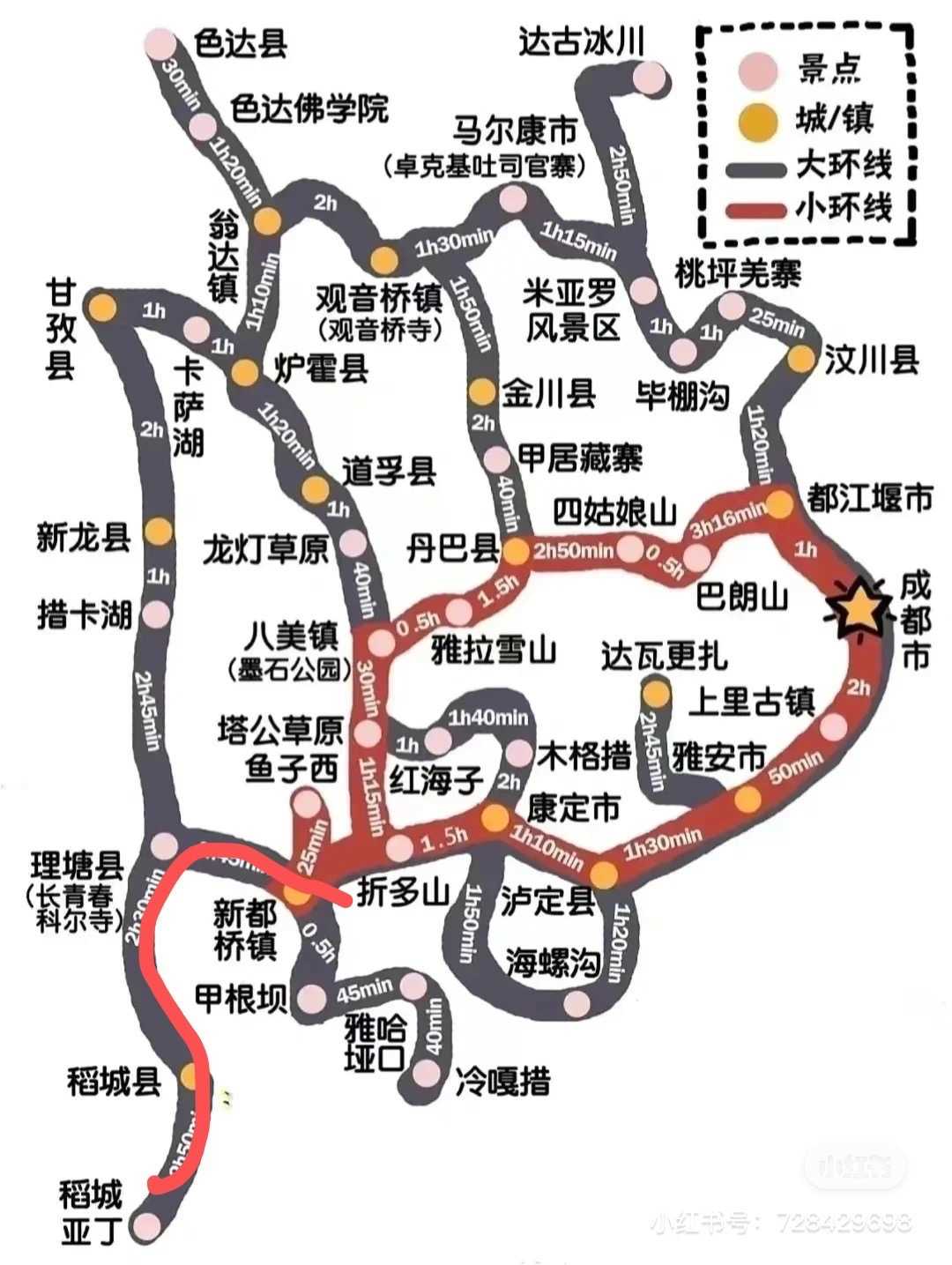
Jiaju Tibetan Village (Jiaju Zangzhai): Entrance to the scenic area costs 40 yuan per person. If you're just strolling through, it might not feel worth the price; but if you're staying inside, the atmosphere is absolutely immersive. The mountain roads in the village are winding and unlit, so night driving requires an experienced driver.
Accommodation Recommendation: I cannot recommend Danba Kapama Manor (Danba Kapama Zhuangyuan) enough! 677 yuan for a twin room—expensive, but absolutely worth every yuan. The guesthouse has only five rooms, and we booked four. Floor-to-ceiling windows, a projector for movie nights, and a golden retriever named "Huāshēng" (Peanut)—just call out "Huāshēng, come here!" and it'll wag its tail and come cuddle.
When our friends saw the transparent room with floor-to-ceiling windows, they exclaimed, "Are we filming a love show?" Someone suggested watching a horror movie that night, but we ended up laughing so hard we couldn't breathe—the perfect end to another unforgettable day on the Sichuan West Grand Loop.
Frequently Asked Questions About the Sichuan West Grand Loop
1. What is the best time to visit the Sichuan West Grand Loop?
 April offers a unique experience with fewer crowds, occasional snow, and the chance to see golden mountains at sunset. However, May through October provides warmer weather and greener landscapes. April is ideal for photographers seeking dramatic skies and empty trails.
2. How difficult is the driving on the Sichuan West Grand Loop?
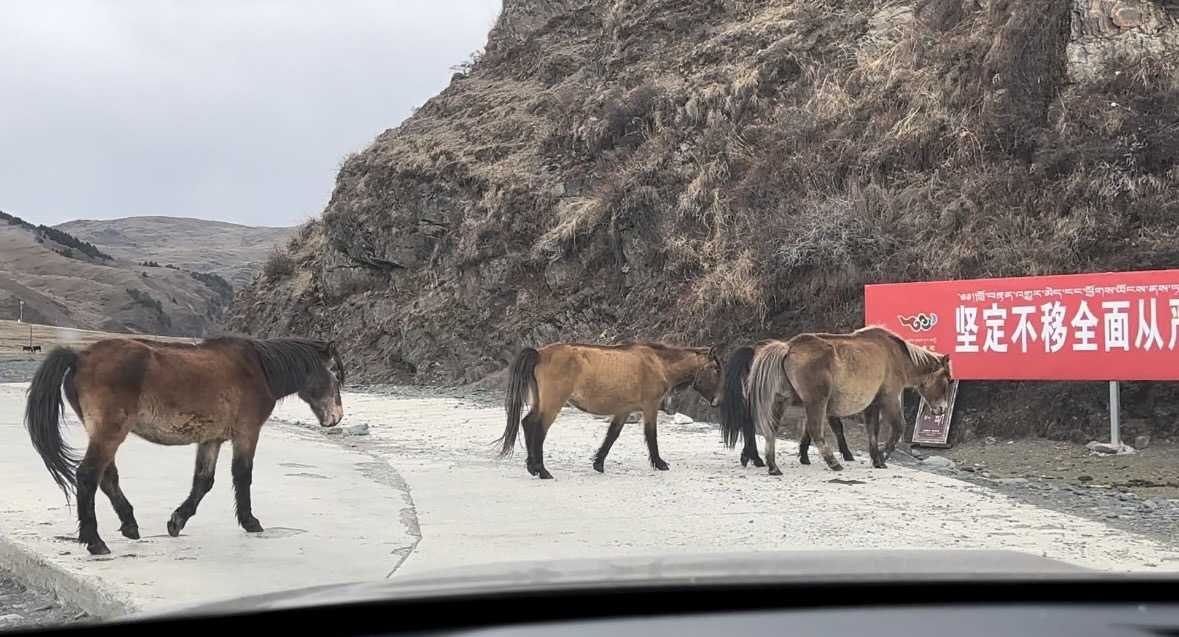
 The route includes narrow mountain roads, gravel sections, and unlit village roads at night. An experienced driver is essential, and an off-road vehicle is recommended for sections like the approach to Balang Shengdu. Smaller cars can manage but require extra caution.
3. What should I pack for an April trip to western Sichuan?
Pack layers for temperatures ranging from below freezing at night to mild during sunny afternoons. Essential items include: warm jacket, windproof outer layer, hiking boots, sunscreen, sunglasses, camera with extra batteries (cold drains them quickly), and camping gear if planning to stay at Gunong Village.
4. Is camping allowed at Yala Snow Mountain in April?
 No—during our visit, the scenic area did not allow camping this season. We recommend calling ahead to confirm current policies. Gunong Village offers an excellent alternative with beautiful views of Yala Snow Mountain.
5. How much does a ten-day Sichuan West Grand Loop cost?
Based on our experience, budget approximately 3,000-5,000 yuan per person including accommodation, meals, entrance fees, and fuel costs. Luxury options like Danba Kapama Manor (677 yuan/night) can increase costs, while budget hotels like Loplingka Hotel offer excellent value.
Internal Linking Suggestions
[Link: Sichuan travel guide for first-time visitors] [Link: Best time to visit western Sichuan] [Link: Tibetan village accommodation tips] [Link: High-altitude travel preparation guide] [Link: Sichuan road trip safety tips]
Ready to Write Your Own Sichuan West Grand Loop Story?
The Sichuan West Grand Loop isn't just a travel itinerary—it's a journey that transforms how you see the world. From the star-filled skies of Litang to the golden mountains of Balang Shengdu, from alien landscapes at Moshì Park to the warm hospitality of Danba's Tibetan villages, every moment offers something unforgettable.
Whether you're a seasoned traveler or planning your first adventure in western Sichuan, this route delivers experiences that will stay with you long after you've returned home. The wind, the snow, the unexpected encounters—they're all waiting for you.
Start planning your Sichuan West Grand Loop today. Book your accommodation in advance, pack for all weather conditions, and prepare for the adventure of a lifetime.
Have you traveled the Sichuan West Grand Loop? Share your experiences in the comments below, or contact us for personalized itinerary planning assistance.
You may also like


