The Reverse Travel Guide: A Winter Sichuan West Loop – Unlocking a Secret Paradise with Fewer Crowds and More Beauty
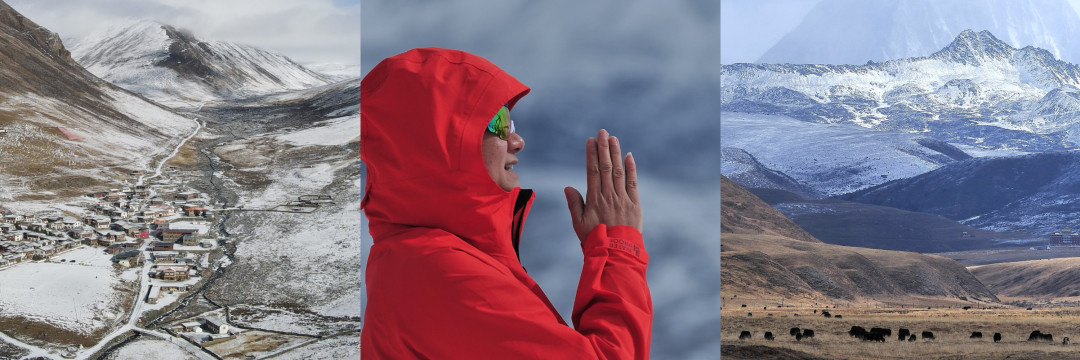
Meta Description: Discover the ultimate winter Sichuan West Loop itinerary: 5 days, 1,050 km, under 2,000 RMB. Escape crowds, enjoy snow-capped peaks, and find secret gems in Zhonglu, Moscowa, and Tagong Grassland.
Why Winter is the Best-Kept Secret for Western Sichuan Travel
When most travelers flock to western Sichuan (川西) between March and November for cherry blossoms, alpine rhododendrons, and autumn foliage, they endure long queues, traffic jams, and premium prices. But what if you flipped the script?
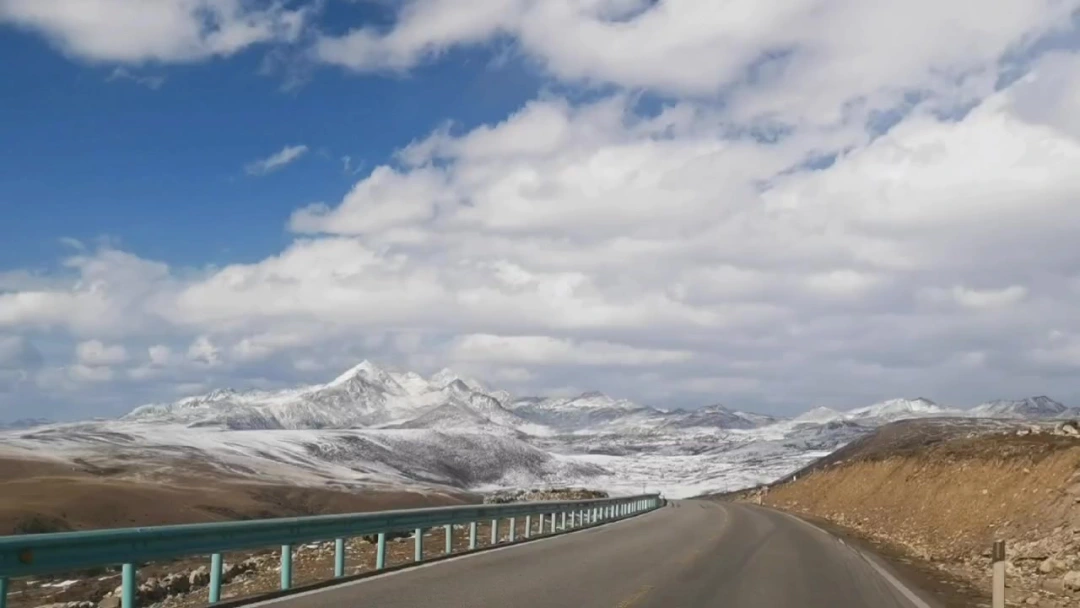
Winter transforms this region into a stark, pure paradise. The forests become ink-wash paintings—bare branches glazed with ice and snow, glinting under cold sunlight. The roads are empty. The silence is profound. And the value? Unbeatable.
Accommodation costs drop to 30% of peak season rates. Popular attractions have no queues. You’ll share the road with yaks, not tour buses. In short: stunning scenery, zero crowds, no traffic jams, and budget-friendly.
This 5-day, 4-night reverse travel itinerary—starting from Chengdu and looping through Dujiangyan, Jinchuan River Valley, Zhonglu Tibetan Village, Moscowa Village, Bamei Town, Tagong Grassland, Honghaizi, Xinduqiao, and back—delivers exactly that. Total distance: ~1,050 km. Per-person cost: under 2,000 RMB.
Winter Western Sichuan Loop: 5-Day Itinerary
Day 1: Chengdu → Dujiangyan → Jinchuan River Valley → Zhonglu Tibetan Village (322 km)
Depart Chengdu early, take the expressway to Dujiangyan, then merge onto China Panda Avenue (G350). This scenic route winds through the foothills of the Qionglai Mountains. Stop at the Maobiliang Viewing Platform for a distant view of Mount Siguniang (Four Sisters Mountain). In winter, clouds often shroud the peaks—but when the silhouette emerges, it’s breathtaking.
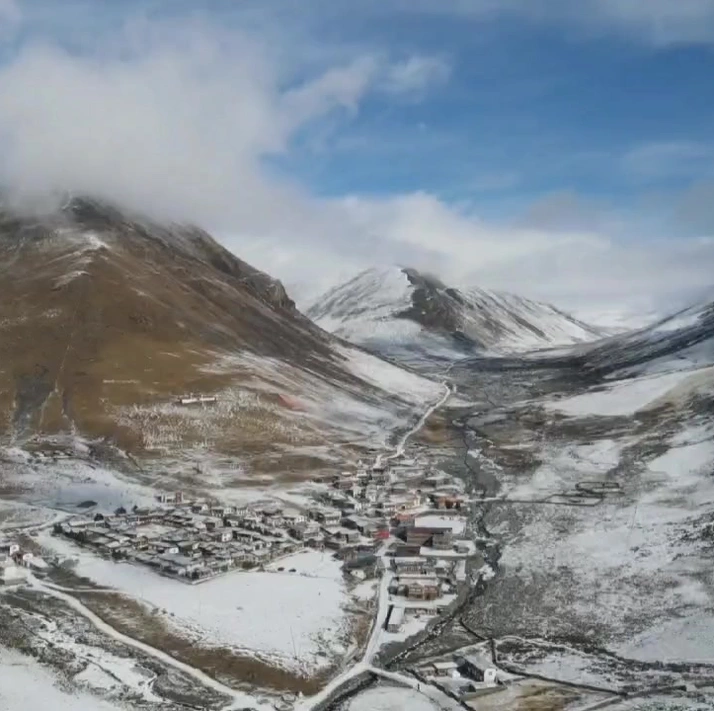
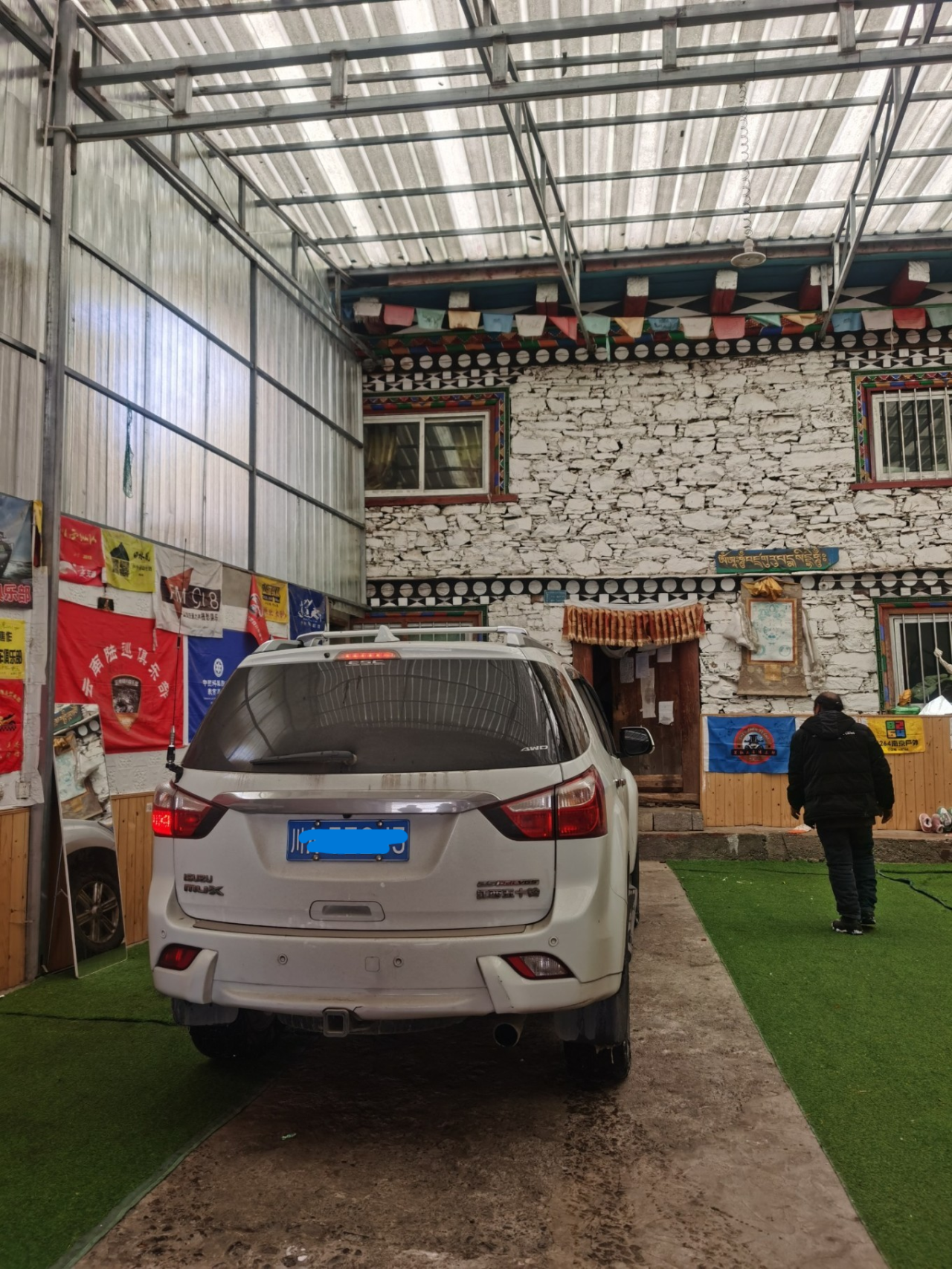
Arrive at Zhonglu Tibetan Village around 4:00 PM. Check into Murakami Junki Guesthouse, a clean, comfortable stay with a large courtyard and no lingering yak butter smell—a relief for first-time visitors to Tibetan accommodations.

From the rooftop terrace, gaze at Mordo Holy Mountain. Even without a dramatic sunset, the moment the setting sun gilds the snow-capped peaks is unforgettable.
Road Condition Note: Winter brings icy patches. Bring tire chains. China Panda Avenue is fully paved with good road conditions.
[Link: Best winter driving tips for Sichuan mountain roads]
Day 2: Zhonglu Tibetan Village → Danba County Town → Moscowa Village (90 km)
Wake to a clear sky. Visit Bamuo’s Home, a popular guesthouse in Zhonglu. The owner, a middle-aged man drying sheets on the terrace, warmly guides you to the rear terrace. The view is stunning: sunlight pours into the valley, illuminating village buildings one by one. A covered walkway with high stools invites you to linger over coffee.
What was planned as a 15-minute photo stop becomes an immersive hour.
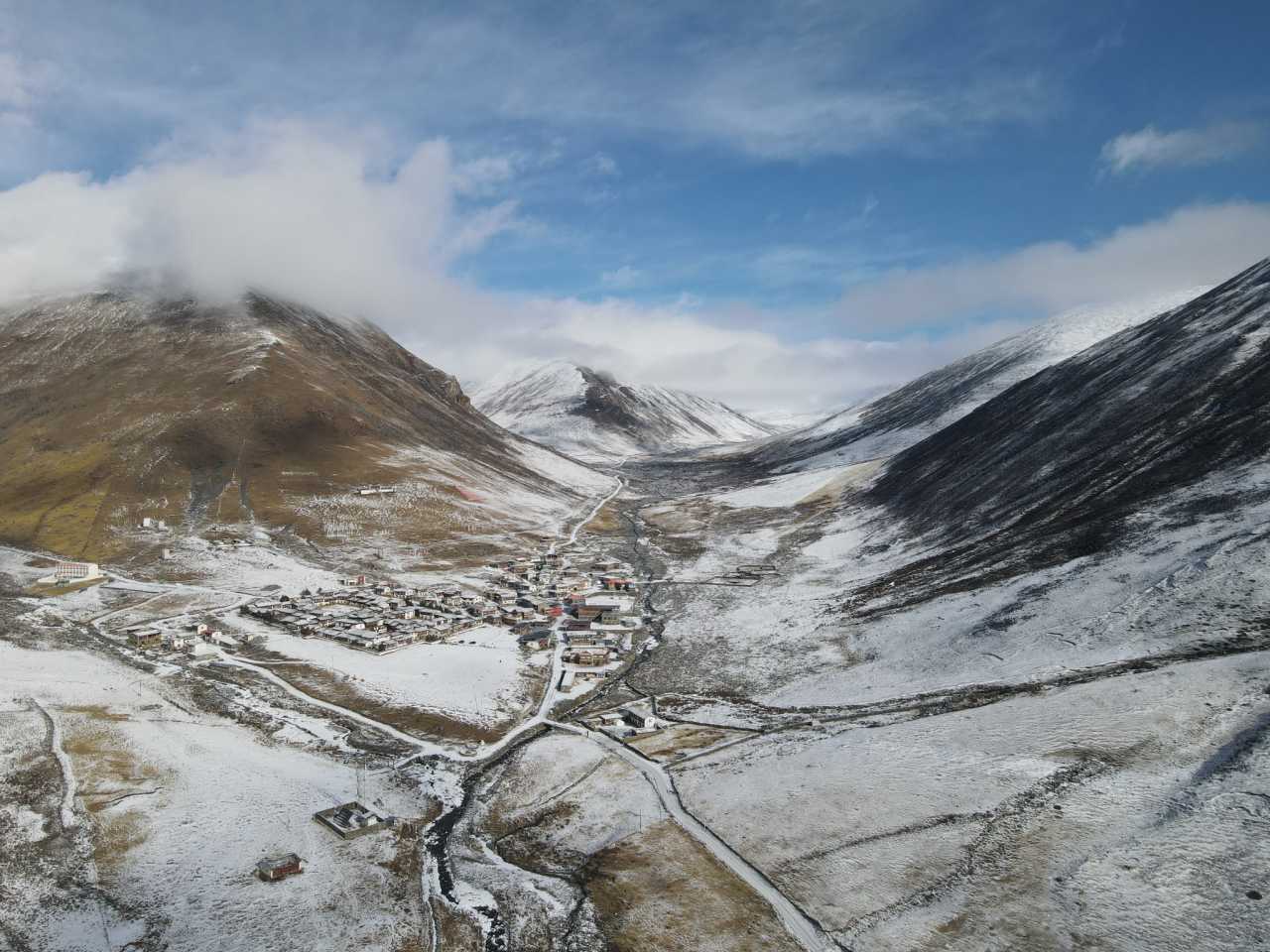
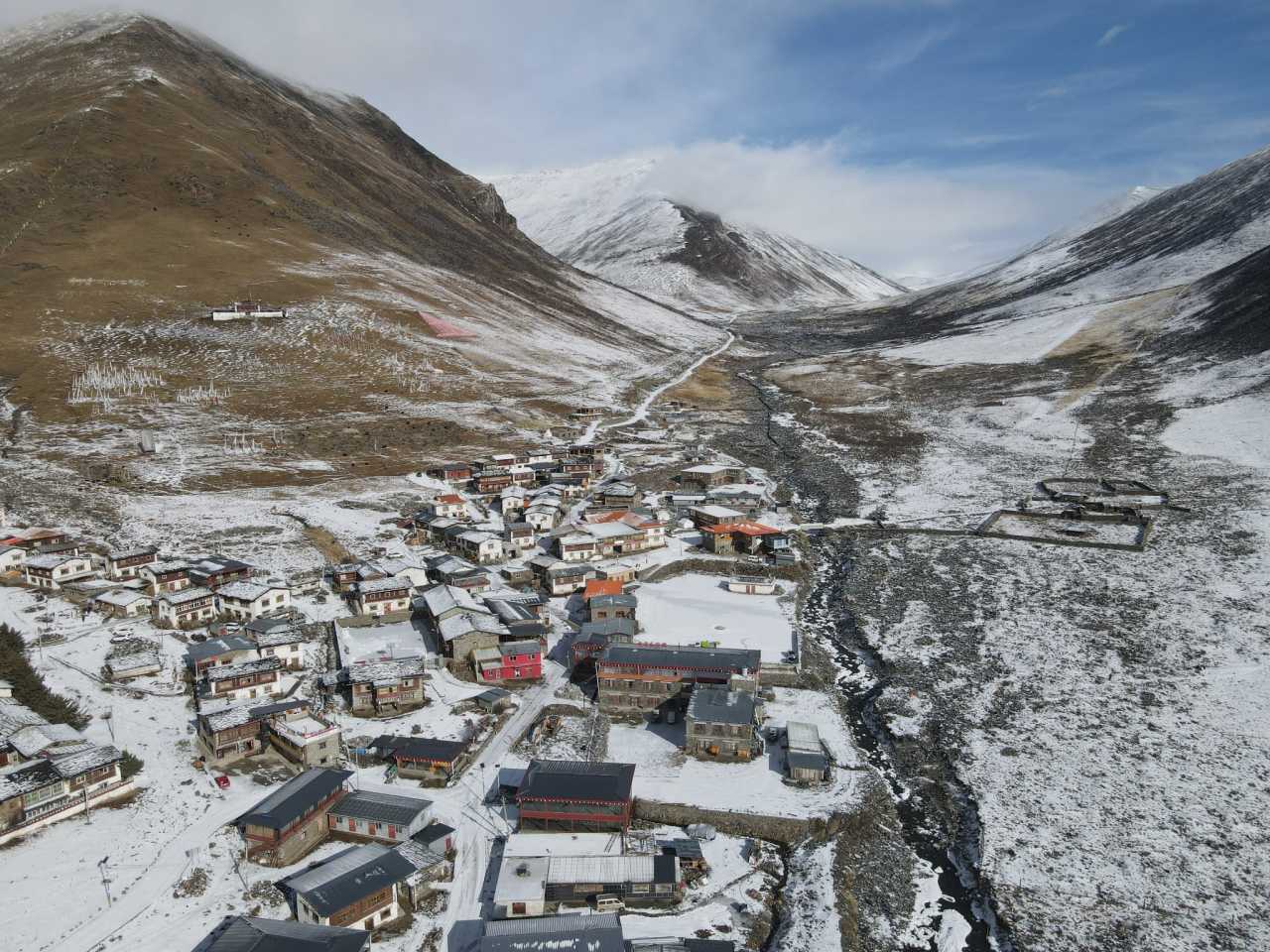
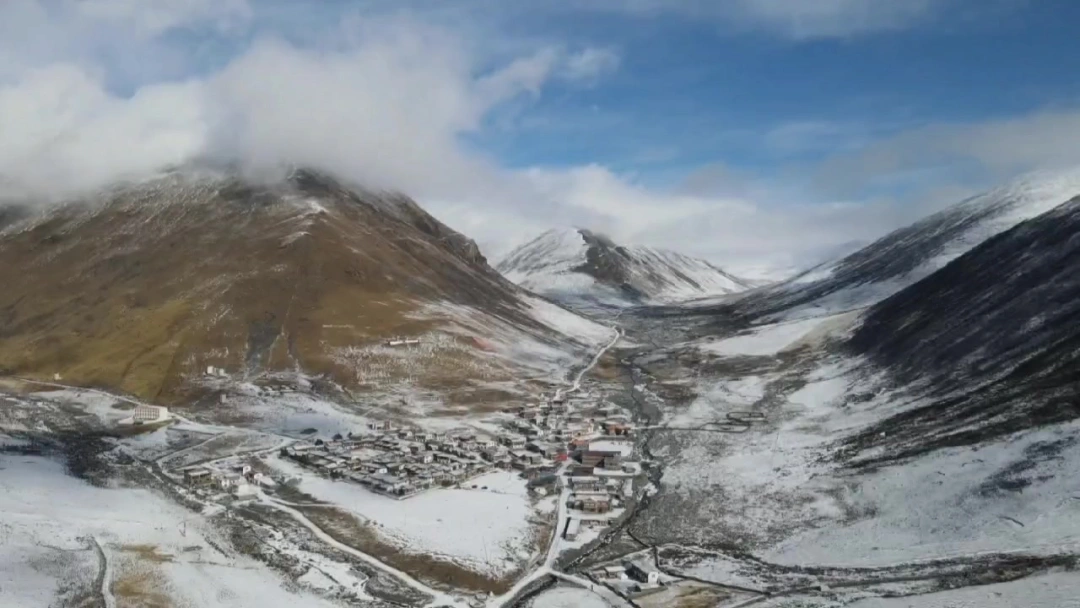
Continue to Moscowa Village, a secret enclave shrouded in the legend of King Gesar. Its Tibetan name means “auspicious and flat land.” Surrounded by three sacred mountains—Jinlong Mountain, Bai Pusa, and Dorje Zhadan—it sits at an altitude of 3,900 meters.
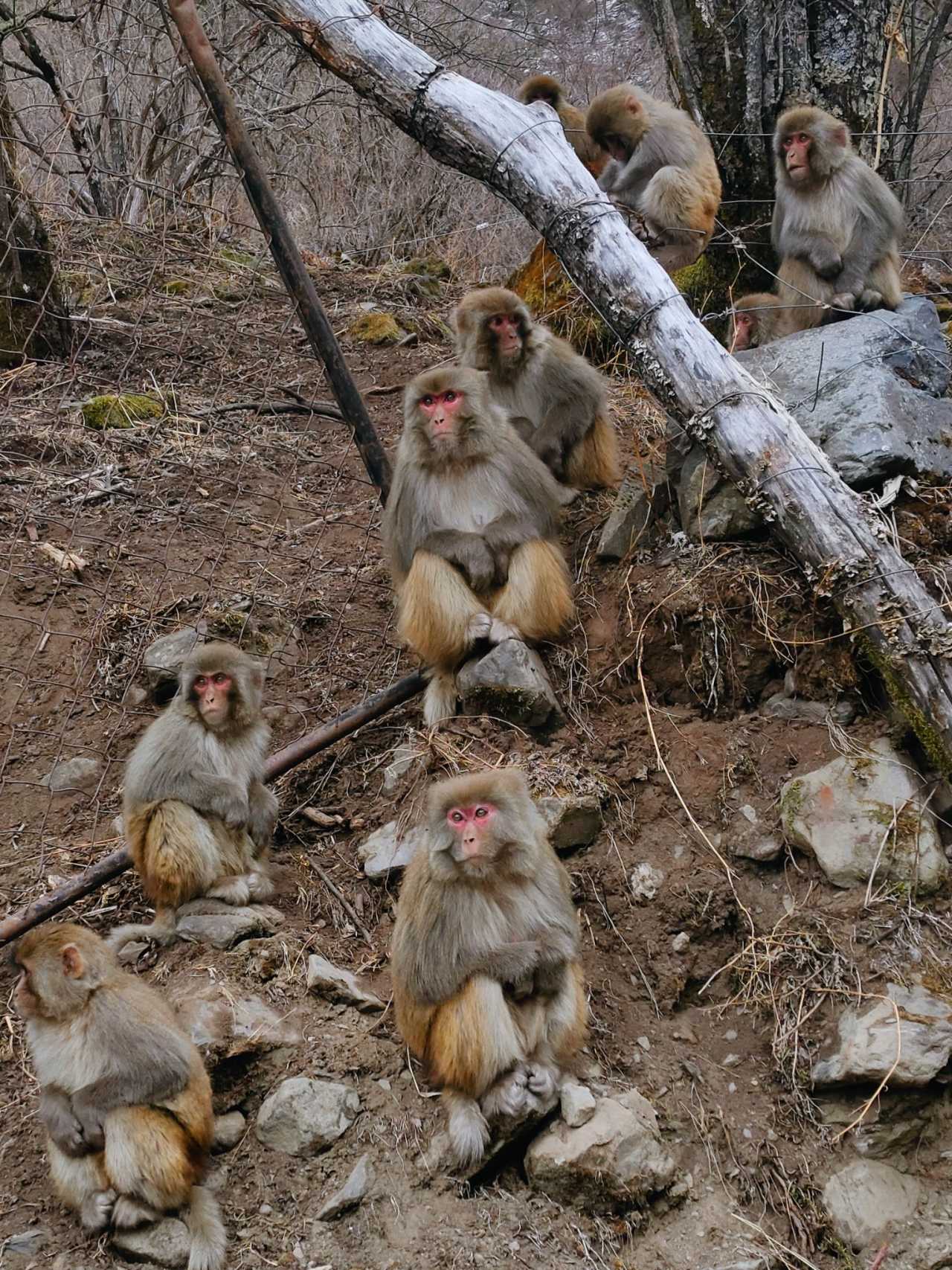
The road up is treacherous: narrow, icy, and barely wide enough for two cars. Even a 4WD SUV must crawl. But a monkey king and his family, perched by the alpine pasture, offer a welcome distraction.
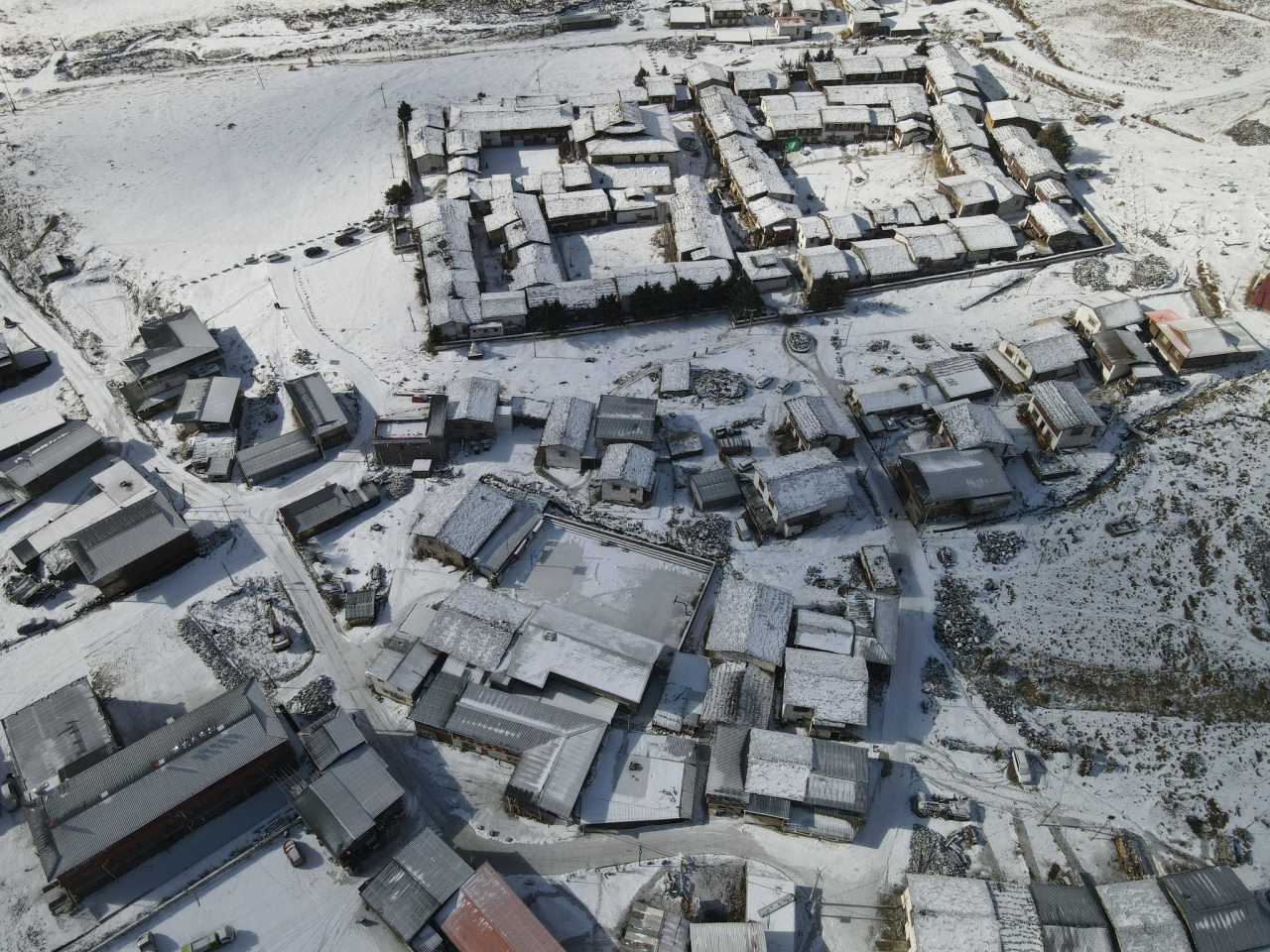
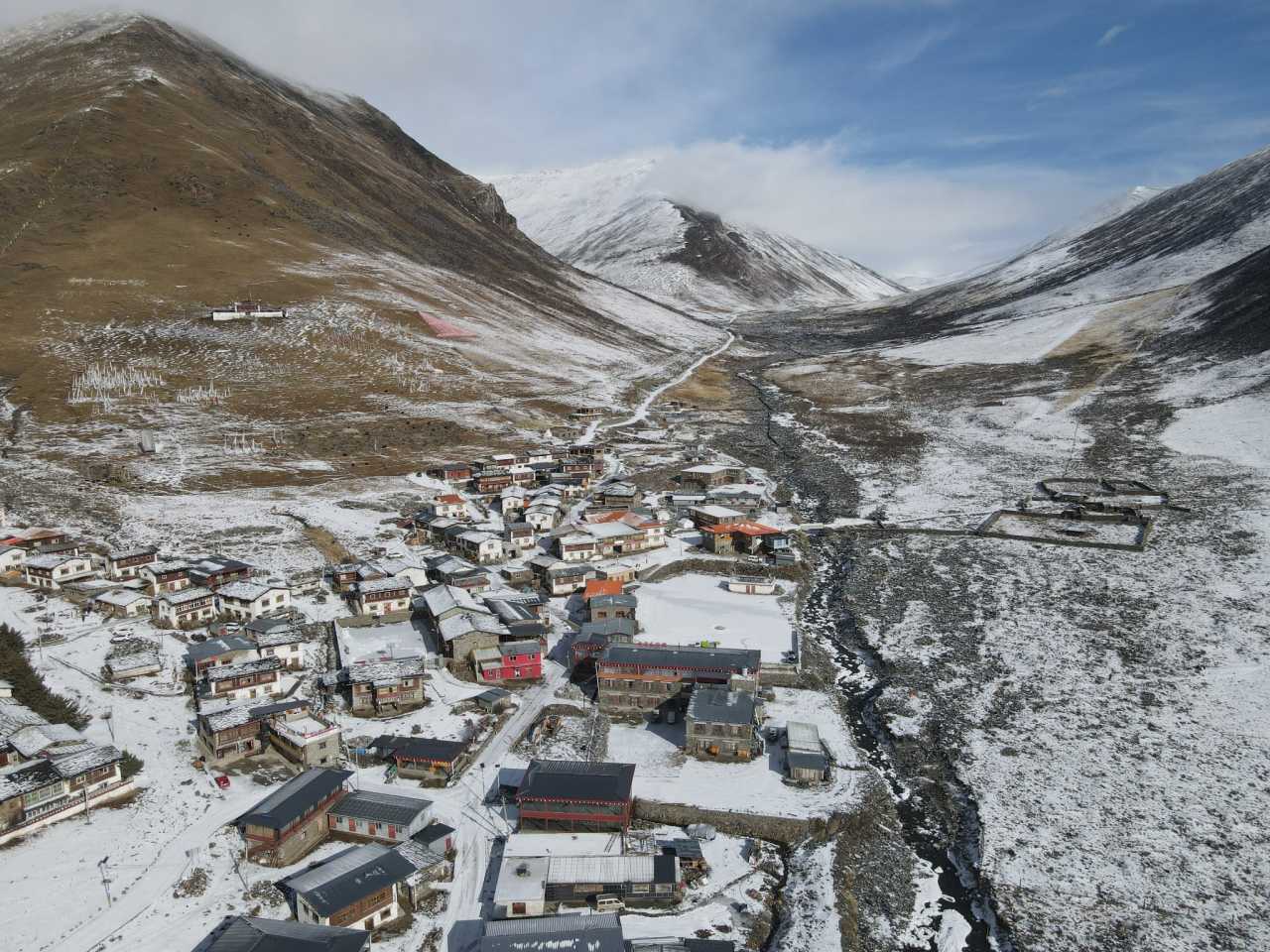
Inside the village, silence reigns. Most guesthouses are closed for winter. A young Tibetan man helps you find the only open accommodation: Pocket City Inn. The owner speaks limited Chinese, but basic communication works. Step into the living room—a fire stove burns in the center, boiling water atop it. It’s wonderfully warm.
Important Note: Most accommodations in Moscowa close in winter. Call ahead. Also, keeping your head warm at night at high altitudes is crucial for preventing altitude sickness.
[Link: Altitude sickness prevention tips for high-altitude travel]
Day 3: Moscowa Village → Danba County Town → Bamei Town (157 km)
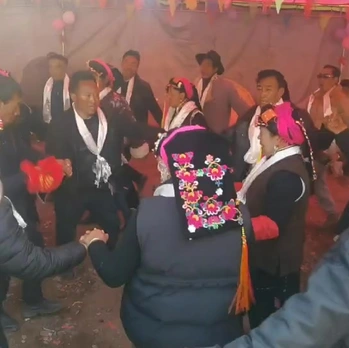
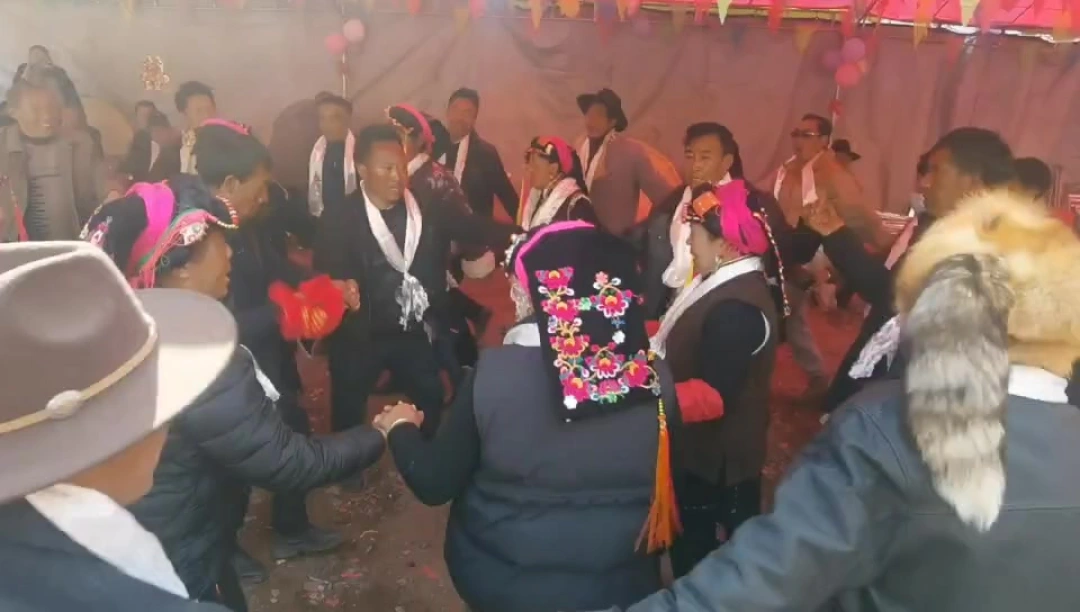
It’s the fifteenth day of the lunar month. Villagers gather at Jinlong Temple for chanting and prayer. Sunlight streams through clouds, illuminating the main temple building—peaceful and beautiful.
On the way down, you encounter villagers fetching water. In winter, the entire village’s water pipes freeze, leaving only one spring as the sole water source.
Leaving Moscowa feels easier. After passing the checkpoint, return to Danba County Town for lunch. The famous yak bone soup hotpot is closed for the season—a reminder that winter travel means adjusting expectations.
Continue along Panda Avenue to Bamei Town. In Tibetan, Bamei means “under the sacred cow.” Here, you find Tibetan White Horse Homestay—a gem. The room rivals a Hanting 3.0 hotel. Underfloor heating keeps it warm. Hot water is excellent. Finally, a proper shower and deep sleep.
The owner shares a secret: a small path to the right of the entrance leads to a hilltop with panoramic views of Yala Snow Mountain, distant pastures, prayer flags, and grazing yaks.
A Moment of Reflection: In the past, power transmission towers in such scenery might have annoyed you. But after a night without electricity in Moscowa, you see them differently. They represent China’s infrastructure achievements—smoother roads, cell signal in remote areas, underfloor heating in guesthouses.
Day 4: Bamei Town → Tagong Grassland → S434 → Honghaizi (Red Lake) → Juri Temple Pass → Xinduqiao (142 km)
Morning. Follow motorcycle tire tracks up a hillside near Bamei Town to a higher alpine pasture. The river below is frozen. Prayer flags flutter. Yaks graze leisurely, their bells chiming. Sunlight streams from the opposite mountain, outlining the yaks with a bright white silhouette.

Around 4:00 PM, arrive at Xinduqiao. Head to Juri Temple Pass for sunset views. The golden light on the snow-capped peaks is worth every mile.
[Link: Best photography spots on the Sichuan West Loop]
Day 5: Xinduqiao → Kangding → Chengdu (340 km)
The final leg takes you through Kangding, the gateway to western Sichuan. Stop for a bowl of local noodle soup before the expressway back to Chengdu. The journey ends, but the memories linger.
Frequently Asked Questions (FAQ)
1. Is winter travel in western Sichuan safe?
 Yes, but preparation is key. Carry tire chains, check weather forecasts, and drive cautiously on icy roads. Most major routes like China Panda Avenue are well-maintained. Altitude sickness is a concern above 3,500 meters—stay hydrated, avoid alcohol, and keep your head warm at night.
2. What is the budget for a 5-day winter western Sichuan loop?
 Per-person costs are under 2,000 RMB, including accommodation, fuel, meals, and minor expenses. Accommodation is the biggest saving—30% of peak season rates. Food is affordable, especially local noodle shops and Tibetan restaurants.
3. Which attractions are must-visit in winter?
 Zhonglu Tibetan Village for sunrise views, Moscowa Village for solitude and sacred mountain scenery, Bamei Town for underfloor heating and Yala Snow Mountain views, Tagong Grassland for prayer flags and yaks, and Honghaizi (Red Lake) for stark winter beauty.
4. What should I pack for a winter western Sichuan trip?
 - Warm layers (thermal base, fleece, down jacket) - Waterproof boots with good grip - Tire chains - Sunscreen and sunglasses (snow reflection is intense) - Headlamp or flashlight (for power outages) - Snacks and water (remote areas have limited options)
5. Can I visit Moscowa Village in winter without a 4WD?
A 4WD is strongly recommended. The road up is narrow, icy, and steep. Even with a 4WD, drive slowly. If you’re not confident, hire a local driver in Danba.
Internal Linking Suggestions
- [Link: Best winter driving tips for Sichuan mountain roads]
- [Link: Altitude sickness prevention tips for high-altitude travel]
- [Link: Best photography spots on the Sichuan West Loop]
- [Link: Top budget guesthouses in western Sichuan]
- [Link: How to plan a reverse travel itinerary for Chinese destinations]
Final Thoughts: Why You Should Go Now
Winter western Sichuan isn’t for everyone. It’s for the traveler who values silence over selfies, solitude over queues, and raw beauty over polished attractions. It’s for those who want to see snow-capped mountains without sharing the view with a hundred other cameras.
This reverse travel guide proves that switching seasons—and mindset—unlocks a secret paradise. Fewer crowds. More beauty. And a conversation with yourself that only the road can provide.
Ready to escape the crowds? Start planning your winter western Sichuan loop today. Book your guesthouse in advance (especially Moscowa), pack your tire chains, and prepare for an adventure that will change how you see this incredible region.
Your secret paradise is waiting. Go find it.
Article optimized for SEO with primary keyword “Winter Sichuan West Loop,” secondary keywords “reverse travel Sichuan,” “Sichuan winter itinerary 5 days,” “Moscowa Village winter,” “Tagong Grassland winter,” and “budget western Sichuan travel.”
You may also like


