The Most Authentic Way to Experience Chengdu: Discovering the Real City Between Smoke and Poetry
Meta Description: Discover Chengdu beyond the pandas and hotpot. This insider's guide reveals hidden teahouses, 1980s architecture, and local secrets for an authentic Chengdu travel experience.
Introduction: A Local's Perspective on Chengdu Travel
Born in Chongqing and raised in Chengdu, I've always felt torn between two hometowns. After graduation, I moved away for work, but in those quiet late-night hours, my mind would drift back to the aroma of hotpot wafting through Chengdu's streets, the creak of bamboo chairs in teahouses, and that lazy sunset lingering deep in the alleyways.
I love to travel and have carefully written travelogues for every destination—except for the city I know best. It wasn't until my younger sister in Shenzhen said she wanted to visit Chengdu that I, for the first time, looked at this city through the eyes of a tourist. After a few days showing her around, I compiled this trip with old photos accumulated over the years.
This isn't a standard Chengdu travel guide with "must-see attractions" lists. What it offers is the most genuine Chengdu I know from my daily life—a city where smoke from street stalls mingles with poetic tranquility.
Hidden Old Times Amidst Bustle: Off-the-Beaten-Path Chengdu

Mandarin Duck Building: A Trip Back to 1980s Chengdu
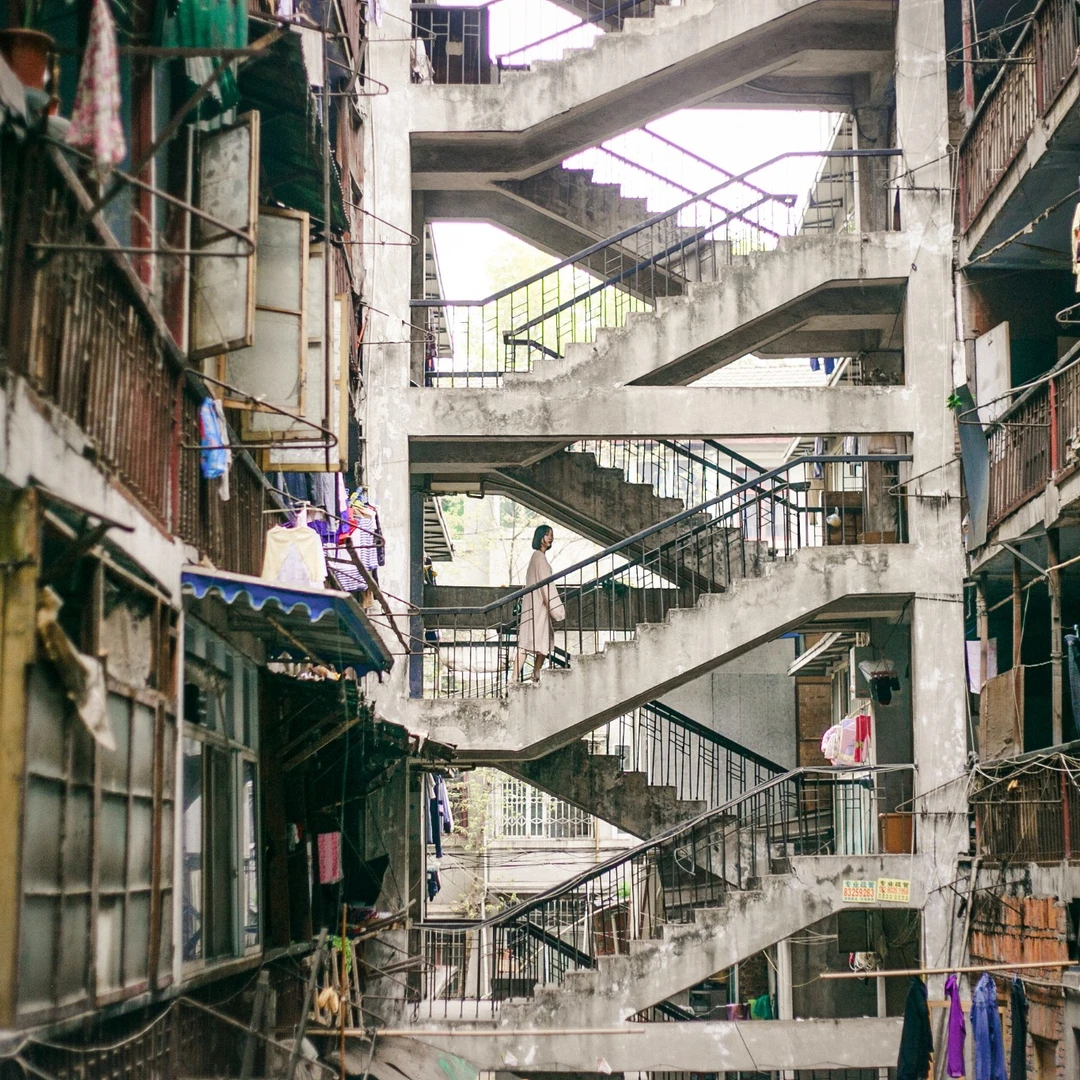
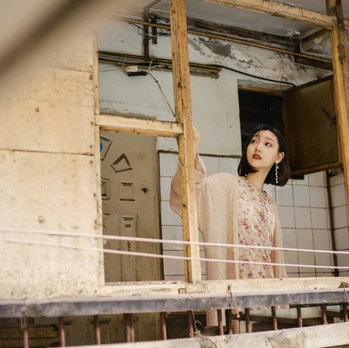
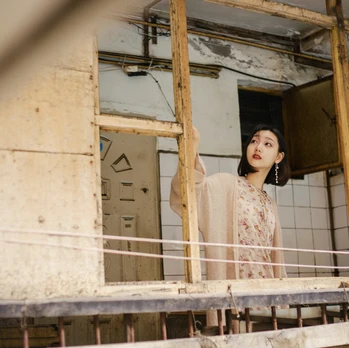
In this ever-changing city, corners forgotten by time remain. The Mandarin Duck Building at No. 18 Hongwasi Street is one such place.

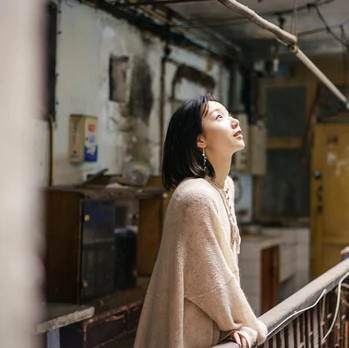
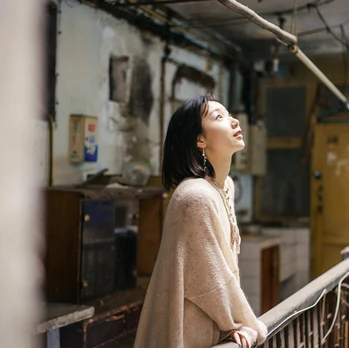
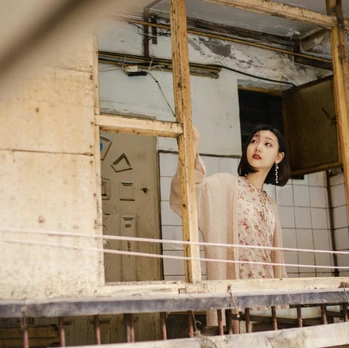
Built in the 1980s, this old structure features peeling walls, rusted railings, and tangled wires—like stepping into another era. Walking through the corridors, you can almost hear the chatter of neighbors from decades past and smell home-cooked meals drifting from every window. It's an aged building, but it carries the most authentic flavor of old Chengdu.
After exploring Sichuan University, exit through the small north gate and walk about ten minutes to get there. The area around the university is packed with affordable, high-quality eateries, so after visiting the Mandarin Duck Building, you can easily treat yourself along the way. Chengdu has developed so rapidly in recent years, with skyscrapers springing up like bamboo shoots after rain, making traces of old Chengdu architecture increasingly hard to find. If you love vintage buildings like I do, come here to feel the city's forgotten breath.
[Link: Hidden gems in Chengdu]
Chengdu Botanical Garden: Red Plum Blossoms and Cacti
Address: No. 1116 Rongdu Avenue, Tianhui Town, Jinniu District, Chengdu
Ticket Price: 10 RMB
Blooming Season: Mid-February
The Chengdu Botanical Garden is a fantastic spot for photography. Every mid-February, the red plum blossoms are in full bloom, turning the plum groves into a popular gathering spot for groups of aunties. But for me, the main mission here is taking pictures.
The cactus greenhouse in the garden is also worth a visit. The glasshouse feels almost like summer inside, and while it's not as grand as the one in Xiamen Botanical Garden, it's the most concentrated area for desert plants in Chengdu. The soft beauty of red plum blossoms and the ruggedness of cacti create a striking visual contrast here—a perfect spot for Chengdu photography locations.
[Link: Best parks in Chengdu]
Understanding Chengdu Through Tea: Three Teahouses, Three Kinds of Slow Living

As the "City of Leisure," Chengdu's people do business and meet friends over a cup of tea. For visitors, there's no better way to soak up the city's vibe than sipping a gaiwan tea (a lidded bowl tea). Here are three traditional Chengdu teahouses that define the city's slow living culture.
Heming Old Teahouse: A Century of Everyday Bustle
Located in People's Park, Heming Old Teahouse is one of the oldest surviving teahouses in China. Once just a place where elderly folks whiled away their time, it has now become a trendy hotspot, attracting tourists from all over the world.
There are six tea pavilions in People's Park. The others have either moved or been rebuilt, but Heming Teahouse has weathered the years and still retains its authentic old Chengdu tea culture. Bamboo chairs and wooden tables are set under the shade of trees; order a few cups of tea, and you can sit for an entire afternoon. On sunny days, it's nearly impossible to find an empty seat.
[Link: People's Park Chengdu guide]
Daci Temple Teahouse: Zen and Tea in the Heart of the City
Ticket Price: Free
Opening Hours: 8:00 AM – 8:00 PM; Vegetarian Restaurant: 10:00 AM – 2:00 PM, 5:00 PM – 7:00 PM
Transportation: Take Metro Line 2 or 3 to Chunxi Road Station, then walk
Daci Temple was first built during the Sui and Tang dynasties, over 1,600 years ago. Most people imagine temples as remote, secluded places. But Daci Temple has always been located in Chengdu's commercial center, surrounded by markets—a rarity in Chinese temple history. Today, this ancient temple still stands in the city's most bustling area—the Taikoo Li shopping district. On one side, a serene old temple; on the other, luxury brand stores—a unique sight.
Even though it's in the heart of the city, stepping into Daci Temple instantly calms you down. A single wall blocks out all the noise. There's also a teahouse inside, featuring Sichuan-style high-backed bamboo armchairs. Order a gaiwan tea for 15 RMB—a cup, a packet of tea leaves, and a pot of hot water—and brew it yourself while chatting with friends for the afternoon. When hunger strikes, you can head straight to Taikoo Li next door. The temple's cartoon zodiac animal sculptures add a playful touch to this ancient site, and the statue of a little monk meditating under a ginkgo tree, maintaining its serious pose through all seasons, has become a favorite photo spot for young people.
[Link: Taikoo Li shopping guide]
Peng Town Guanyin Pavilion Old Teahouse: Red Memories Frozen in Time
Peng Town Old Teahouse is a vintage Sichuan-style teahouse full of nostalgia. I once saw a series of photos a friend took there and fell in love with the place, always wanting to visit. In June, when two friends came to Chengdu, we finally made the trip together.
Guanyin Pavilion Teahouse is in Peng Town, Shuangliu District, Chengdu. There are several other teahouses in the old town, but this one is the most famous. It preserves the unchanged original tea culture of the past century and retains many traces of the Cultural Revolution era. Stepping inside feels like traveling back in time.

The elderly men here are completely used to tourists' cameras. For people-focused photography, come early in the morning or late in the afternoon; midday is quieter. A small blackboard at the entrance reads: "Photo 10 RMB, Tea 10 RMB, Photo + Tea 10 RMB." We all laughed—the owner's pricing logic is flawed; of course, everyone would choose photo plus tea.
There are small restaurants nearby that can deliver food to the teahouse. Eating in such an environment has a unique charm. The old teahouse is now a bit worn down, but what you're drinking here isn't just tea—it's the taste of old times. Red-era marks from the Cultural Revolution are everywhere: portraits of Mao Zedong and quotations from his Little Red Book are all on display.
[Link: Day trips from Chengdu]
Must-Visit for Tourists: Classic Routes in the City Center

I was supposed to write a travelogue, but I've gone off-topic again. When I took my sister around Chengdu, we spent two days hitting the usual city spots. If you don't mind, here's a reference for Chengdu city center attractions.
Kuanzhai Alley: Modern Life in Qing Dynasty Hutongs
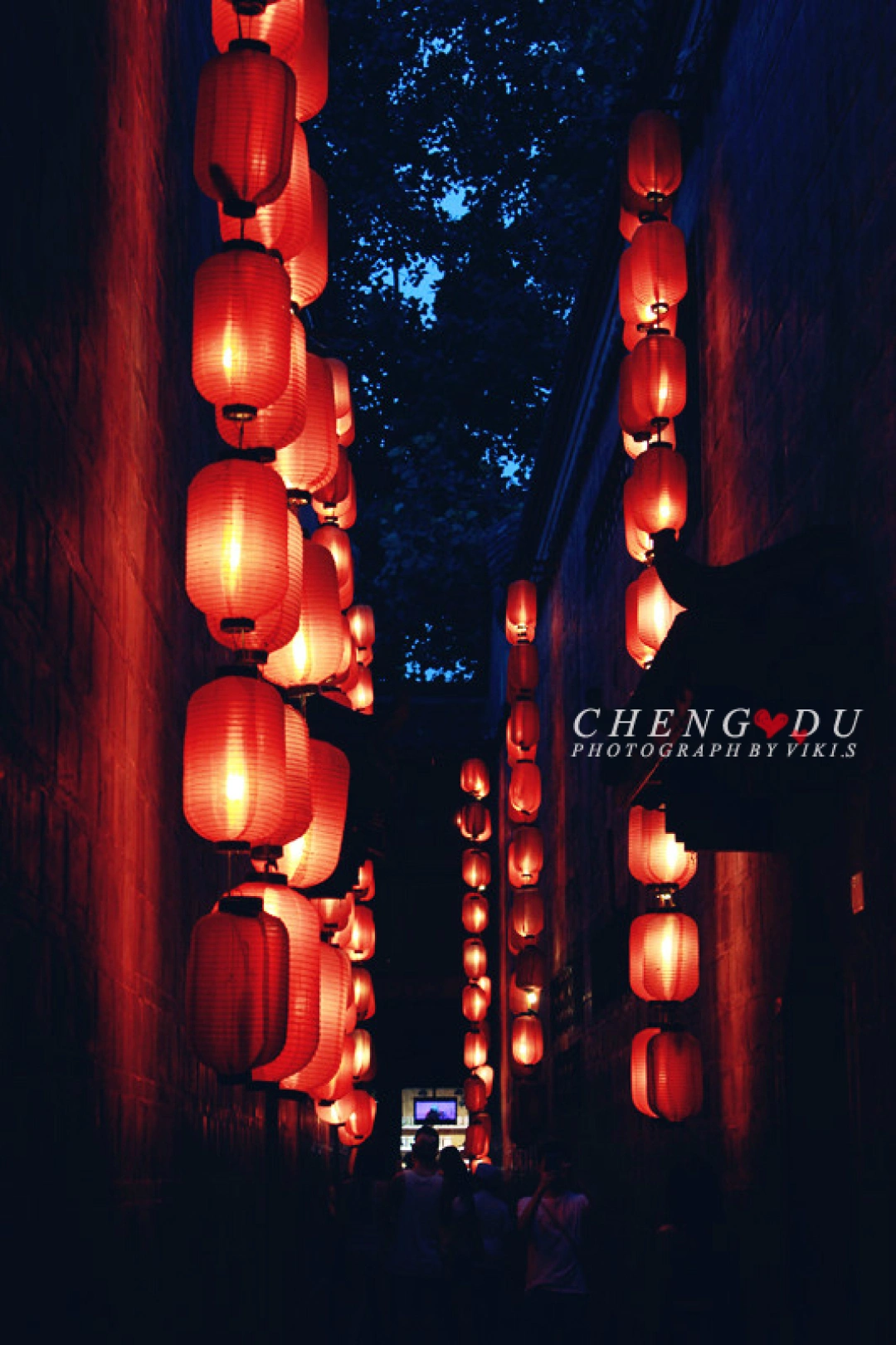
Kuanzhai Alley is near Changshun Street in Qingyang District. It consists of three parallel lanes—Kuan Alley, Zhai Alley, and Jing Alley—all lined with black-brick, grey-tiled, imitation quadrangle courtyards. This is one of the remaining large-scale Qing Dynasty streets in Chengdu and, along with Daci Temple and Wenshu Monastery, is one of the three major historical and cultural preservation areas in the city.
Transportation: Take Metro Line 4 to Kuanzhai Alley Station; or take buses 5, 13, 43 to "Jinhe Road" stop
Opening Hours: All day
Ticket Price: Free
During the late Qing Dynasty, Kuan Alley was called Xingren Hutong. Today, these alleys blend traditional architecture with modern boutiques, cafes, and Sichuan opera houses. While touristy, the alleys offer a glimpse into Chengdu's Qing Dynasty heritage and are worth a stroll, especially early morning before the crowds arrive.
[Link: Kuanzhai Alley tips]
FAQ: Your Chengdu Travel Questions Answered

What is the best time to visit Chengdu?
 Spring (March-May) and autumn (September-November) offer the most pleasant weather. February is ideal for plum blossoms at the Botanical Garden, while summer can be hot and humid.
How many days do I need in Chengdu?
 For a balanced experience, 4-5 days allows you to explore city attractions, visit a teahouse, and take a day trip to nearby attractions like the Leshan Giant Buddha or Chengdu Panda Base.
Is Chengdu expensive for tourists?
 Chengdu is relatively affordable compared to Beijing or Shanghai. Teahouse tea costs 10-15 RMB, local meals average 20-40 RMB, and major attractions like Kuanzhai Alley are free.
Can I visit Daci Temple and Taikoo Li in one day?
 Absolutely. Daci Temple is adjacent to Taikoo Li, making it easy to combine a peaceful teahouse visit with luxury shopping and dining.
What's the best way to get around Chengdu?
The metro system is efficient and covers most tourist areas. Buses and ride-hailing apps like Didi are also convenient for reaching off-the-beaten-path spots like Peng Town.

Conclusion: Experience the Real Chengdu
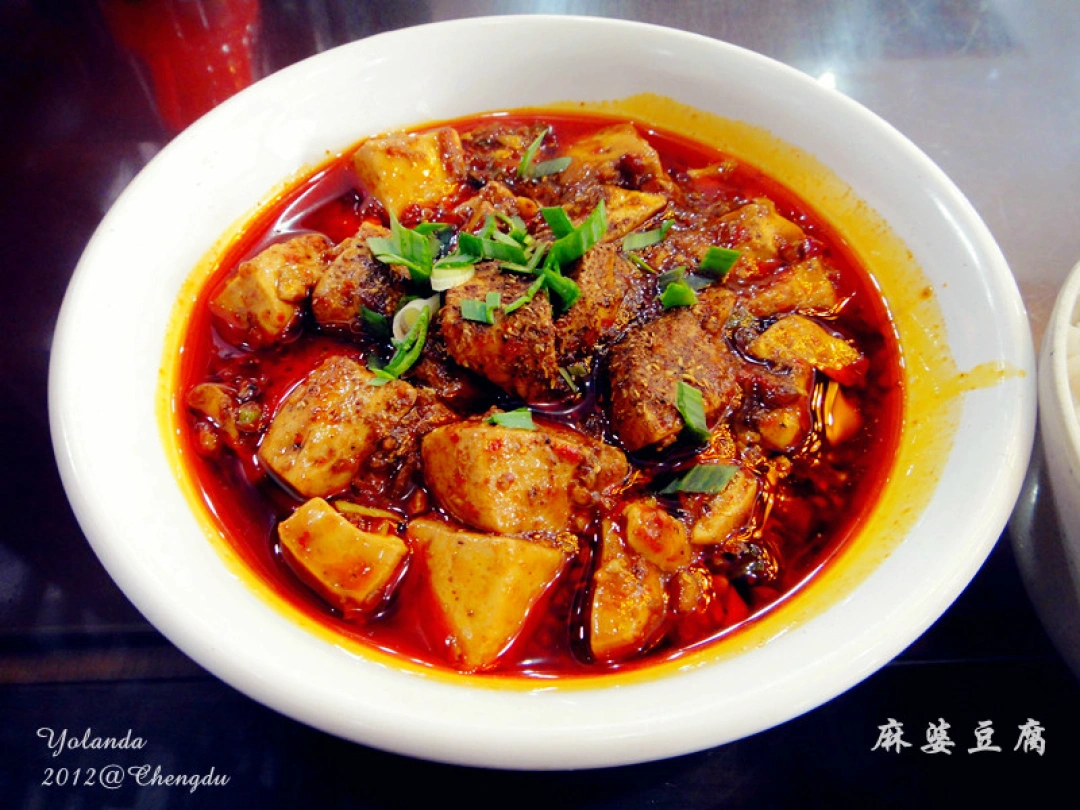
Chengdu isn't just about pandas and hotpot—though both are excellent. The real magic lies in its hidden corners: a crumbling 1980s building, a century-old teahouse buzzing with life, or a quiet temple garden in the middle of a shopping district. This is the Chengdu I know—a city that balances smoke and poetry, speed and stillness, tradition and modernity.
Whether you're sipping gaiwan tea under bamboo shade or wandering through Qing Dynasty alleys, take the time to slow down. That's the most authentic way to experience Chengdu.
Ready to plan your trip? Start with one teahouse, one hidden alley, and one meal of authentic Sichuan hotpot. The real Chengdu is waiting.
[Link: Sichuan food guide]