The Lost Horizon: Daocheng Yading – A Complete Guide to China's Last Shangri-La
Meta Description: Discover Daocheng Yading, China's "last pure land" and the real Shangri-La. This 8-day Western Sichuan itinerary covers sacred snow mountains, Milk Lake, Seda Buddhist Academy, and essential hiking tips for autumn 2024.
Introduction: Why Daocheng Yading Is Called the Soul of Shangri-La
Have you ever felt that sudden impulse to drop everything and chase a distant dream? For me, that dream had a name: Daocheng Yading.
In James Hilton's classic novel Lost Horizon, he described a mysterious Eastern paradise called Shangri-La. Today, the place most widely recognized as "the last Shangri-La" is Daocheng Yading in Sichuan Province. Known as "the last pure land on this water-blue planet," this sacred destination sits at the heart of the Tibetan Plateau and ranks among China's most breathtaking high-altitude landscapes.
At 26, carrying only a DSLR and a tripod, I spent eight days on a pilgrimage through this photographer's paradise. In October 2018, I discovered why Daocheng Yading is considered the soul of Shangri-La—a place where snow-capped peaks, alpine lakes, and red-walled monasteries create a dialogue between the soul and the mountains.
[Link: Best time to visit Western Sichuan]
What Makes Daocheng Yading a Must-Visit Destination?
Long before the movie From Your Whole World Passed By brought it mainstream attention, Daocheng Yading was already legendary among hikers and photographers. Here's what sets it apart:
The Three Sacred Mountains of Daocheng

- Xiannairi (Goddess of Mercy) – 6,032 meters
- Yangmaiyong (Goddess of Wisdom) – 5,958 meters
- Xianuoduoji (Vajra Hand) – 5,958 meters
Ranked among China's top ten most beautiful snow mountains by Chinese National Geography, these three peaks are sacred in Tibetan Buddhism. They form the spiritual core of Daocheng Yading.
Three High-Altitude Alpine Lakes
- Milk Lake (Ruo Rong Cuo) – Turquoise waters at 4,600 meters
- Five-Color Lake – Multi-hued gem at 4,700 meters
- Pearl Lake – Easier access at 4,080 meters
If Jiuzhaigou is the "face" of Western Sichuan, then Daocheng Yading is its soul. This isn't a place you can understand from a photo. It demands you measure it with your steps, feel it with your breath, and earn it with your sweat.
[Link: Top 10 hiking destinations in China]
Best Time to Visit Daocheng Yading: Autumn's Golden Window
When is the best time to visit Daocheng Yading? Without hesitation: mid-to-late October, during the peak of autumn.
During this season, Daocheng Yading transforms into a spilled palette of color: - Deep red Sangdui red grass meadows - Golden poplar forests - Azure skies that seem impossibly blue - Pure white snow mountains against crisp autumn air
I set off in early October. Though not quite peak season, it was already enough to steal my heart. For the perfect autumn experience, plan your visit between October 15–25.
Weather Considerations
| Month | Temperature Range | Conditions |
|---|---|---|
| October | 0°C to 15°C | Clear skies, cool days, cold nights |
| November | -5°C to 10°C | Colder, possible early snow |
| December | -10°C to 5°C | Heavy snow, limited access |
[Link: Autumn travel in Sichuan Province]
Complete 8-Day Western Sichuan Loop Itinerary
I spent 8 days covering 1,200 kilometers through the Aba and Garze Tibetan Autonomous Prefectures. Here's my exact route:
Day 1: Chengdu → Wenchuan → Miyaluo → Barkam
 - Distance: ~350 km - Highlights: Miyaluo Red Leaf Valley (autumn colors)
Day 2: Barkam → Guanyin Bridge → Seda Larung Gar Buddhist Academy
- Distance: ~280 km
- Highlights: Guanyin Temple, Seda night views, snow-covered red huts
Day 3: Seda → Kasa Lake → Garze County
- Distance: ~200 km
- Highlights: Morning at Seda Buddhist Academy, Kasa Lake reflection
Day 4: Garze County → Litang → Haizi Mountain → Sangdui → Daocheng County
 - Distance: ~350 km - Highlights: Haizi Mountain Nature Reserve, Sangdui Red Grassland
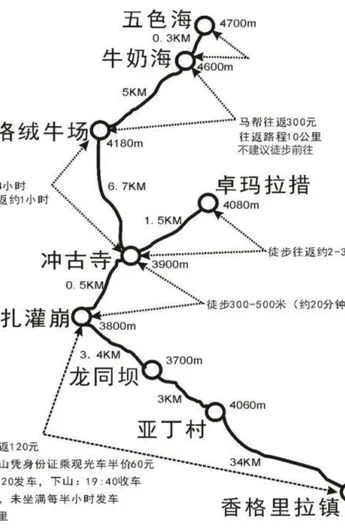
Day 5: Daocheng Yading Long Route (Milk Lake & Five-Color Lake)
- Hiking: 11 km, 4–6 hours
- Altitude: 4,180m to 4,700m
- Difficulty: ★★★★★
Day 6: Daocheng Yading Short Route (Chonggu Temple & Pearl Lake)
 - Hiking: 3 km, 2–3 hours - Altitude: 3,900m to 4,080m - Difficulty: ★★
Day 7: Daocheng County → Kangding → Ya'an → Chengdu
- Distance: ~500 km
- Highlights: Zheduo Mountain pass, Xindu Bridge
Travel Tip: If short on time, fly directly to Daocheng Yading Airport from Chengdu (1 hour). But the road trip scenery is worth every extra day.
[Link: Western Sichuan road trip guide]
Seda Larung Gar: A Red Sea of Faith
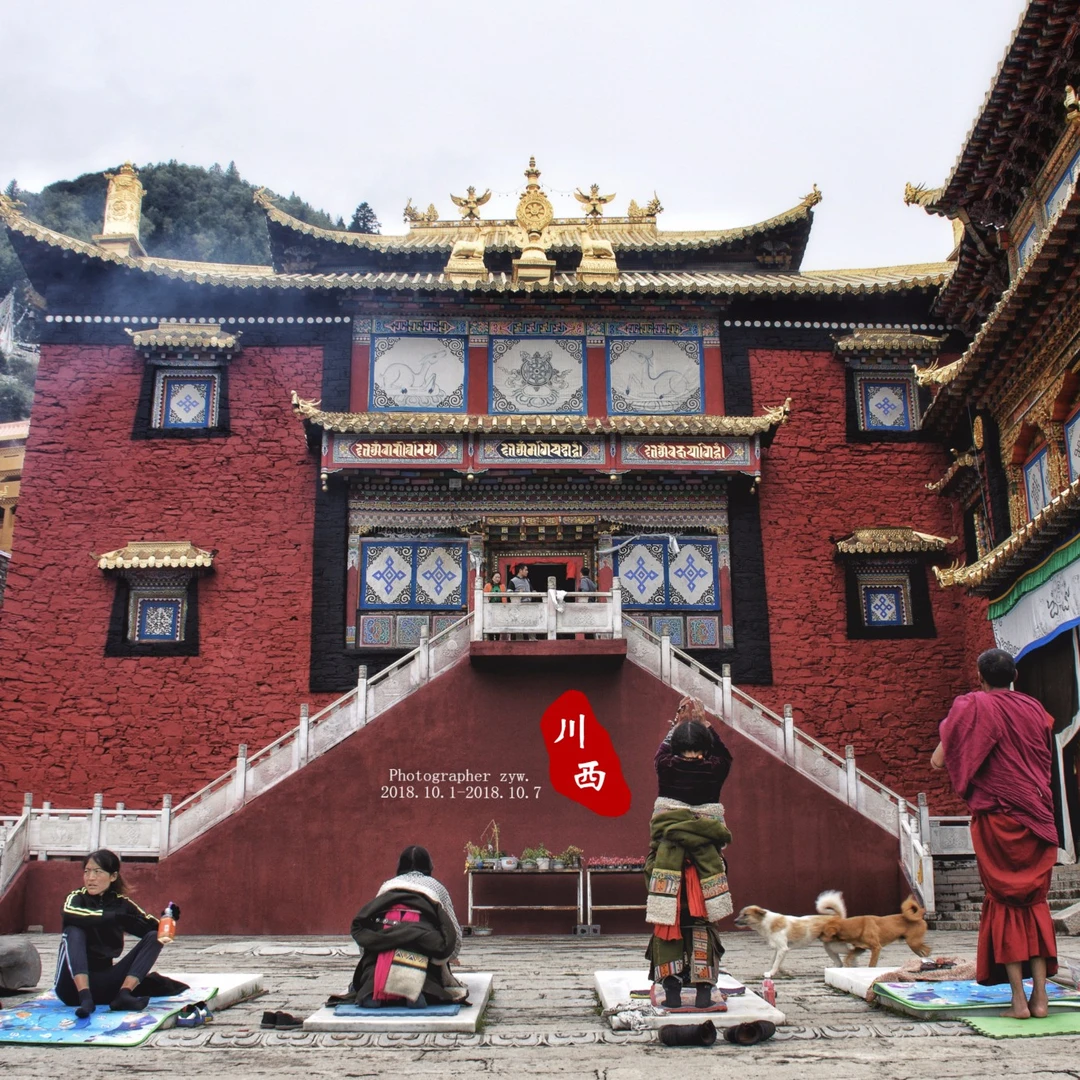
Guanyin Temple: Unexpected Beauty
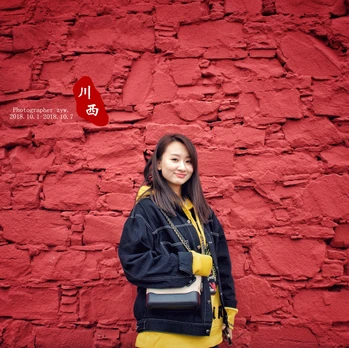
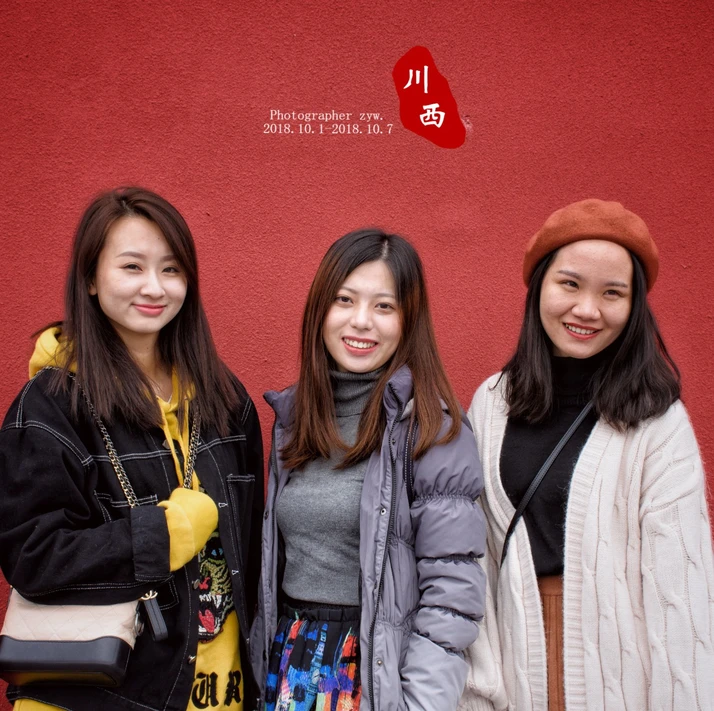
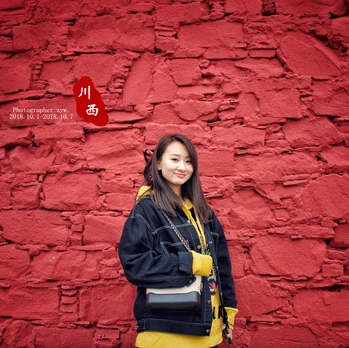
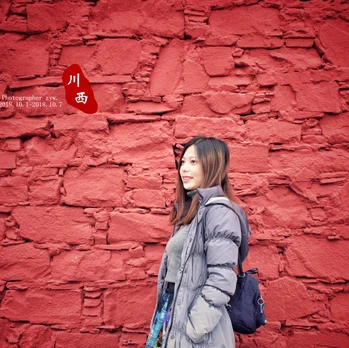
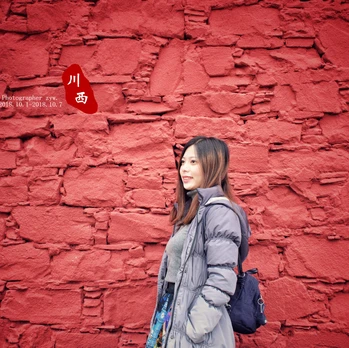
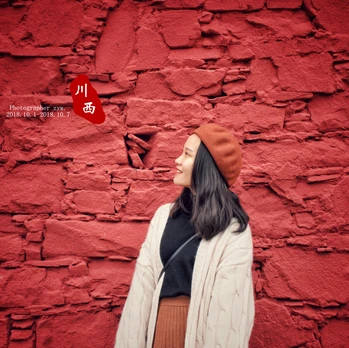
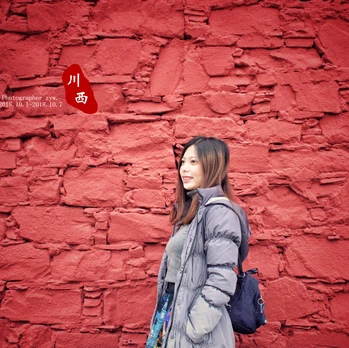
Our first stop was Guanyin Temple in Aba Prefecture's Guanyin Bridge Town. Though smaller than Jokhang Temple or Songzanlin Monastery, its red temple walls are incredibly photogenic. I met three young women there who became my first photography models.
Seda Buddhist Academy at Night
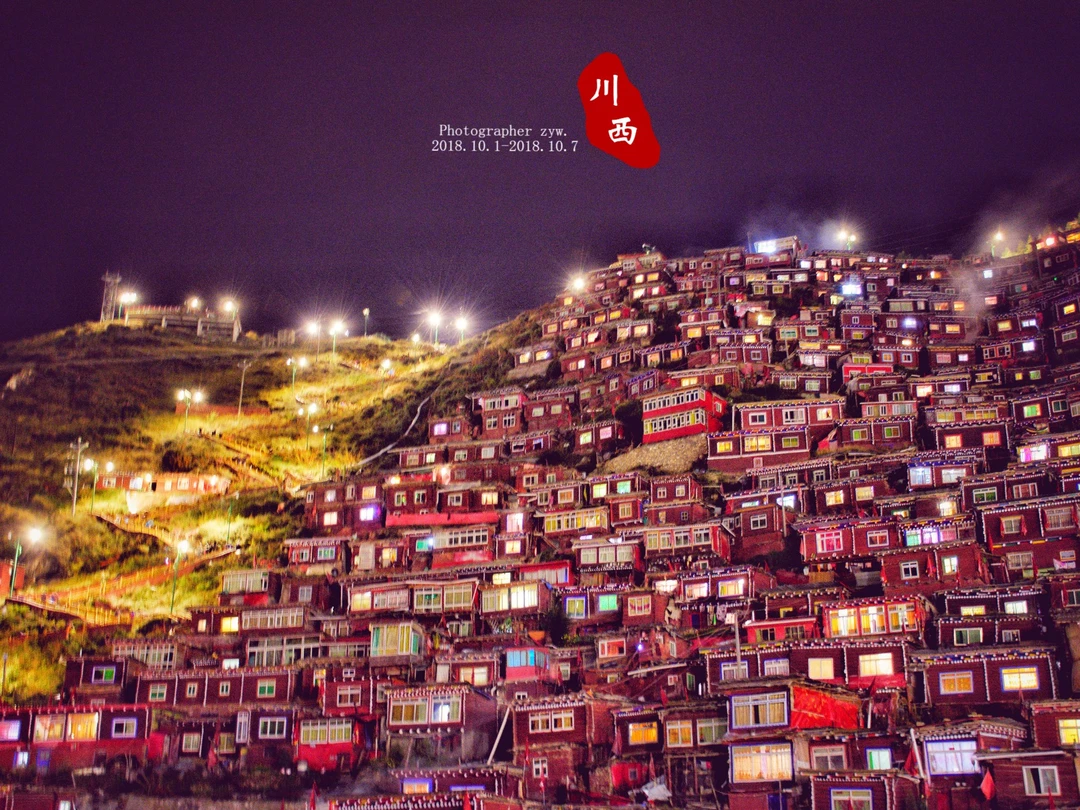
Arriving at Seda Larung Gar Five Sciences Buddhist Academy after dark was a revelation. Thousands of red wooden huts glowed with warm light, like stars scattered across the earth. I captured three of my favorite travel photos that night.
Then it began to snow—heavily. For a southerner who had never seen snow, it felt like a gift from heaven. By morning, Seda had transformed into a white wonderland. Red rooftops against fresh snow created a stunning contrast.
Climbing to the 4,000-meter observation platform was challenging, especially on icy slopes. But standing at the top, overlooking that sea of red huts, every step became worthwhile.
[Link: Tibetan Buddhist monasteries in Sichuan]
Daocheng Yading Hiking Guide: Two Routes Compared
Long Route: Luorong Pasture → Milk Lake → Five-Color Lake
Difficulty: ★★★★★ Duration: 4–6 hours round trip Distance: ~11 km Altitude Gain: 4,180m to 4,700m
This route pushed me to my limits. Walking at high altitude, every step left me gasping for air. We set off from Luorong Pasture at noon and reached Milk Lake at 3:30 PM.
When that turquoise blue lake appeared before my eyes, I almost cried. The water was as pure as milk, tinged with the sky's blue—so beautiful it didn't feel real.
Five-Color Lake is only 0.3 km from Milk Lake, but those 300 meters were the hardest I've ever walked. The steep slope forced me to stop every few steps. But standing at the highest observation point, embracing plateau meadows, snow mountains, and alpine lakes, I knew it was all worth it.
Short Route: Chonggu Temple → Pearl Lake
Difficulty: ★★ Duration: 2–3 hours round trip Distance: ~3 km Altitude Gain: 3,900m to 4,080m
Perfect for beginners or those short on time. The path is gentler and offers excellent views of Xiannairi.
Recommended Strategy
- Day 1: Long route (challenging, but you'll have energy)
- Day 2: Short route (easier recovery)
This approach lets your body adapt to altitude gradually.
[Link: High-altitude hiking tips]
Essential Packing List for Daocheng Yading
- Hiking poles – Absolutely essential for knee protection on steep descents
- High-energy food – Chocolate, energy drinks, self-heating rice meals (no shops on trail)
- Light pack – Bring only essentials; leave extra gear at hotel
- Altitude sickness medication – Consult your doctor before traveling
- Warm layers – Temperatures drop dramatically after sunset
- Camera with tripod – For star photography at Yading Village
Starry Nights: Photographing the Milky Way at Daocheng Yading
The most unforgettable part of this trip was photographing the stars at Yading Village. At night, I gathered fellow travelers, set up tripods beneath the three sacred mountains, and captured the Milky Way.
In that moment, it was just us and the stars. The snow mountains shimmered silver under moonlight. The Milky Way stretched across the sky like a celestial river. If you love astrophotography, Daocheng Yading offers some of China's darkest skies.
Best time for star photography: October–November, during new moon phases.
[Link: Astrophotography locations in China]
FAQ: Everything You Need to Know About Daocheng Yading
1. How difficult is the Daocheng Yading hike?
The long route (Milk Lake) is very challenging due to altitude (4,700m) and distance (11 km). The short route (Pearl Lake) is moderate. First-time hikers should start with the short route.
2. Do I need special permits to visit Daocheng Yading?
No special permits are required for domestic tourists. International visitors should check current regulations with their travel agency. The scenic area entrance fee is approximately ¥150 (subject to change).
3. What's the best way to get to Daocheng Yading?
Option 1: Fly from Chengdu to Daocheng Yading Airport (1 hour).
Option 2: Drive the Western Sichuan loop (7–8 days).
Option 3: Join a guided tour from Chengdu.
4. Can I visit Daocheng Yading in winter?
Yes, but access is limited. Heavy snow may close trails. November–March sees very few visitors. Bring extreme cold weather gear.
5. Is altitude sickness a serious concern?
Yes. Daocheng Yading's base elevation is ~3,700m, with trails reaching 4,700m. Symptoms include headache, nausea, and shortness of breath. Prepare by: - Staying hydrated - Avoiding alcohol - Taking it slow on the first day - Carrying oxygen cans (available in Daocheng County)
Final Thoughts: Your Pilgrimage Awaits
Daocheng Yading isn't just a destination—it's a dialogue between your soul and the snow mountains. It's where you push past your limits, earn every view with sweat, and discover a version of yourself you didn't know existed.
Whether you're a photographer chasing the perfect shot, a hiker seeking the ultimate challenge, or a traveler searching for Shangri-La, this sacred land will leave its mark on you.
Are you ready to answer the call of the last pure land?
Start planning your Daocheng Yading adventure today. Book your flights, pack your hiking boots, and prepare for an experience that will transform how you see the world—and yourself.
[Link: Book a Western Sichuan tour]
[Link: Find accommodation near Daocheng Yading]
[Link: Download a complete packing checklist]
Have you visited Daocheng Yading? Share your experience in the comments below. What was your most unforgettable moment?
You may also like


