The Gongga Great Loop: Ultimate Trekking Guide to Sichuan's King of Mountains
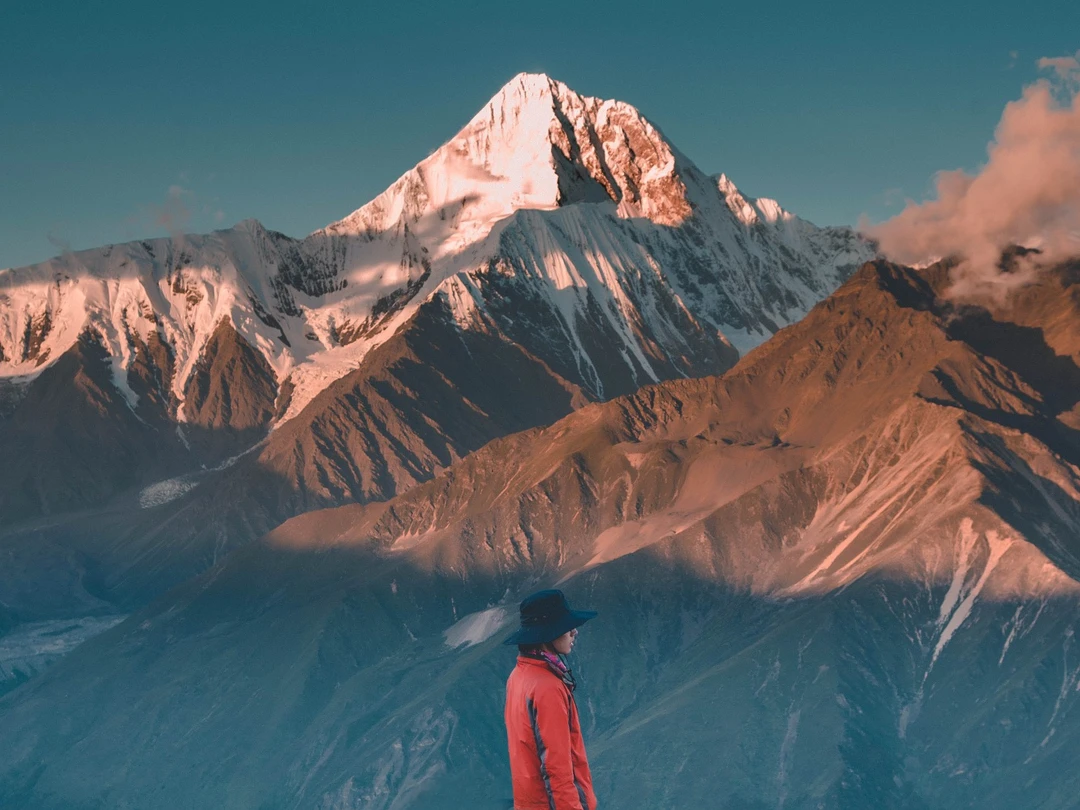
Meta Description: Discover the Gongga Great Loop, a 6-day, 80-km trek under the gaze of Mount Gongga (7,556m), the King of Sichuan Mountains. Expert itinerary, altitude tips, and why this is China's most spectacular high-altitude hike.
Introduction: Why the Gongga Great Loop Should Be Your Next Adventure
When summer heat melts ambition and travel fatigue sets in, the call of the wild becomes irresistible. That's exactly how I found myself staring at my ceiling, scrolling past expensive flight deals, until a friend casually asked: "How about trekking in western Sichuan?"
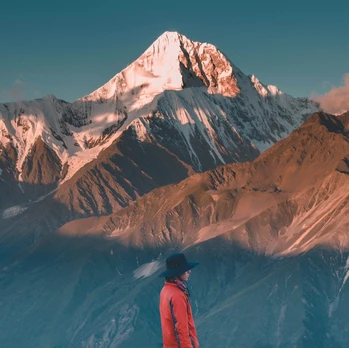
That question led us to the Gongga Great Loop—a six-day, 80-kilometer journey circling the highest peak in Sichuan Province. At 7,556 meters, Mount Gongga (also known as Minya Konka) isn't just a mountain; it's the undisputed King of Sichuan Mountains, a title earned through sheer geological drama and breathtaking beauty.
This isn't your typical travel article. This is a complete SEO-optimized guide to one of China's most rewarding treks, packed with practical advice, itinerary details, and the kind of insider knowledge that transforms a good trip into an unforgettable one.
What Makes Mount Gongga the King of Sichuan Mountains?

The Numbers Behind the Legend
Mount Gongga's elevation of 7,556 meters makes it the highest peak in Sichuan Province and the easternmost 7,000-meter peak on the Qinghai-Tibet Plateau. But numbers alone don't tell the story.
What truly sets Gongga apart is its relative elevation difference—the greatest of any mountain on Earth. From its summit to the Dadu River at its base, the vertical drop is nearly 6,000 meters. To put that in perspective: you can experience subtropical forests at the base and permanent snowfields at the summit in a single day.
Geographic Positioning: A Climatic Wonder
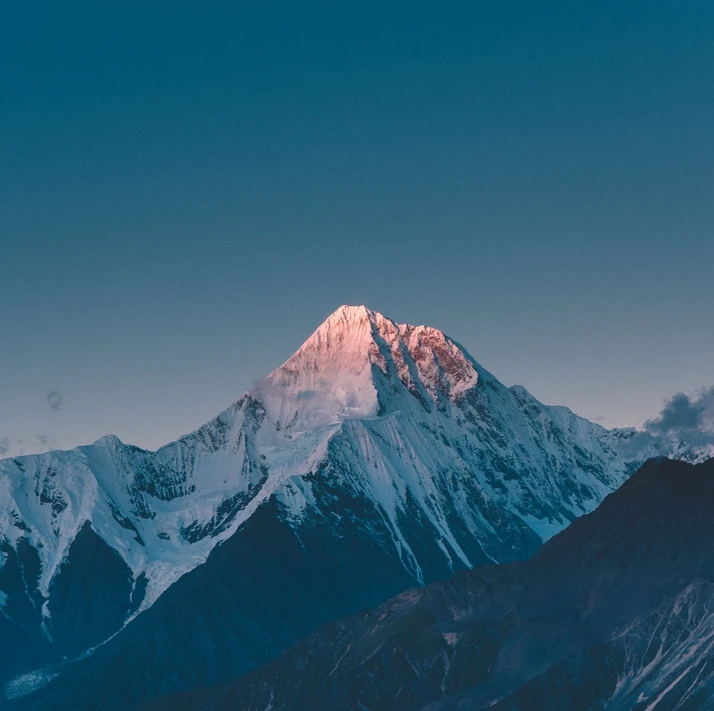
Located just 200 kilometers from Chengdu in a straight line, Gongga sits at the boundary between the Qinghai-Tibet Plateau and the Sichuan Basin. This unique position creates what locals call "one mountain, four seasons, ten miles, different weather."
The mountain's influence extends far beyond its own slopes. Famous viewpoints like Niubei Mountain, Siren Tong, and Heishi City have become pilgrimage sites for photographers seeking that perfect Gongga sunrise shot.
The Ecological Marvel
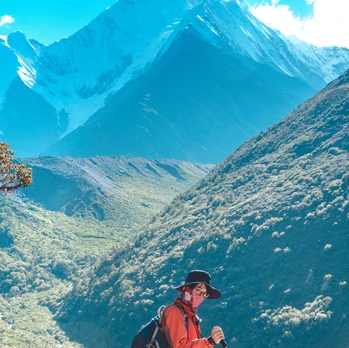
The 6,000-meter vertical drop creates a complete spectrum of climate zones: - Above 5,000 meters: Permanent snow and glaciers - 3,500-5,000 meters: Alpine meadows with low shrubs - Below 3,500 meters: Dense primary forests
This biodiversity makes the Gongga Great Loop not just a physical challenge but a naturalist's paradise.
Gongga Great Loop Itinerary: 6 Days, 80 Kilometers
Route Overview
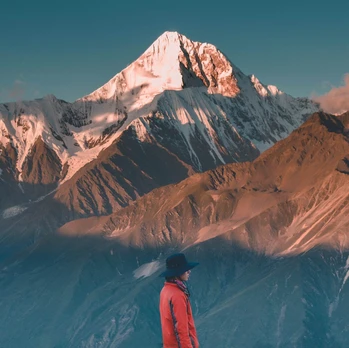
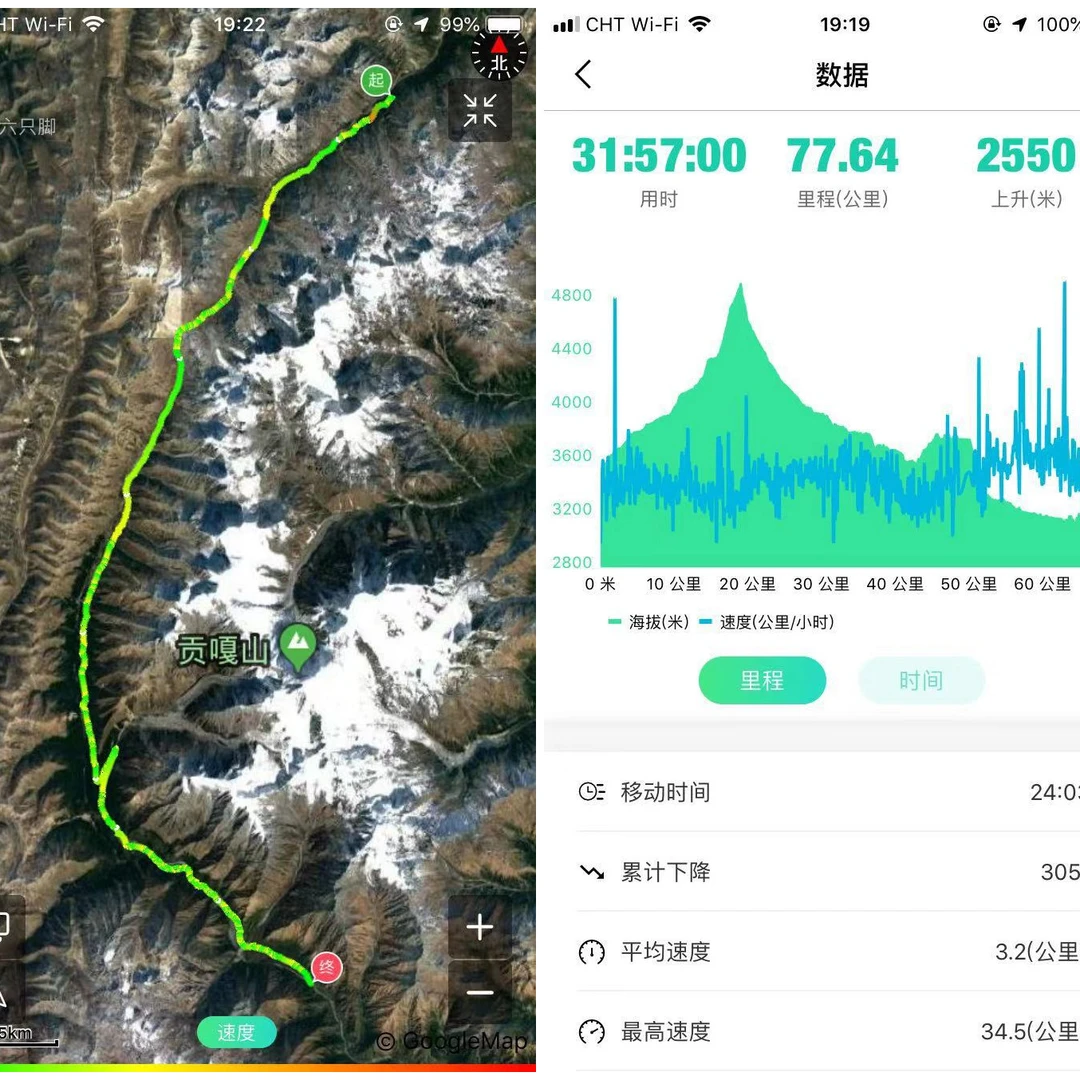
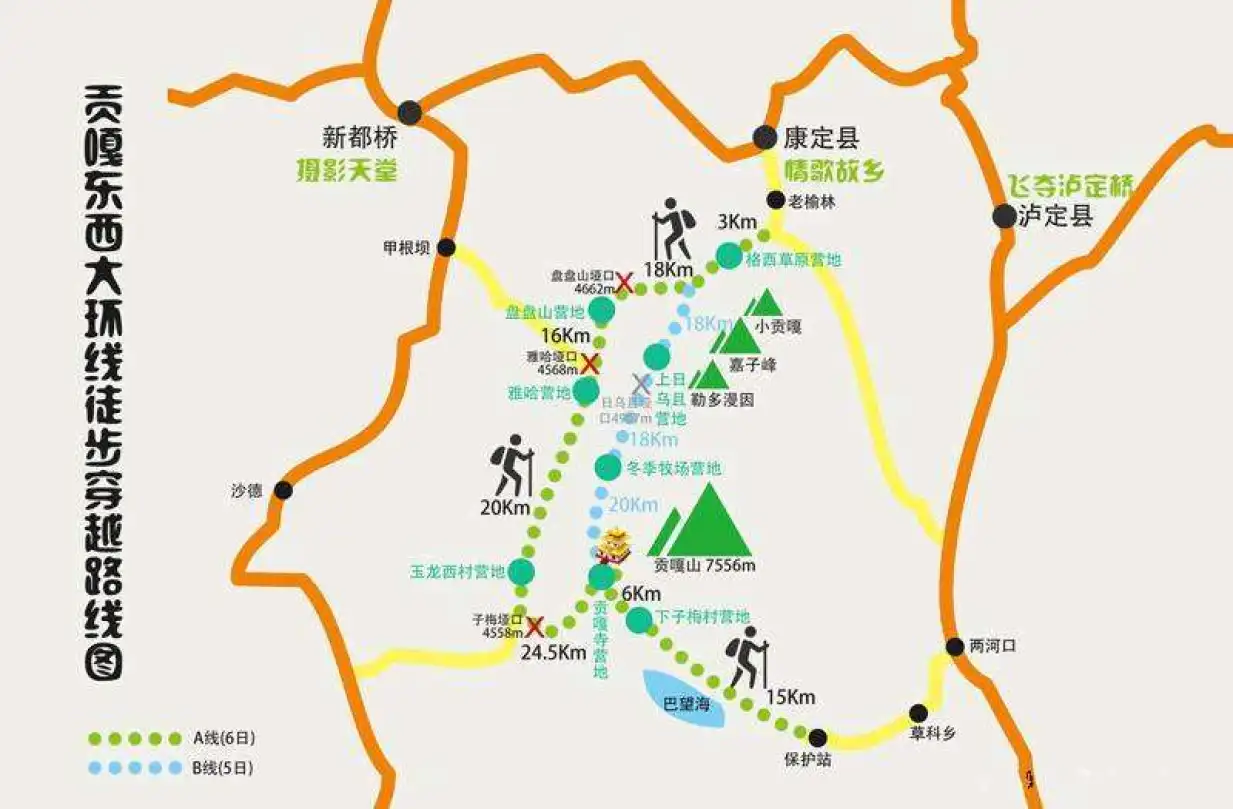
The classic Gongga Great Loop starts at the Yulin Power Station in Kangding, crosses the Riwuqie Pass at 4,920 meters, passes the historic Gongga Monastery at 3,800 meters, and ends at Lan Diaofang in Shimian County, Ya'an.
Total distance: Approximately 80 kilometers
Duration: 6 days of trekking
Difficulty: Moderate to challenging (high altitude, uneven terrain)
Day-by-Day Breakdown
Day 1: Chengdu → Kangding → Old Yulin → Gexi Grassland
- Distance: 456 km by car + 2 km on foot
- Elevation gain: 90 meters
- Highlights: Scenic drive through National Highway 318, first views of the Riwuqie Gully
The journey begins with a 5-6 hour drive from Chengdu to Kangding. Thanks to modern expressways, what once took a full day now takes half that time. After a final "big meal" in Kangding, you'll proceed to the Old Yulin Power Station—the trailhead.
The first day's walk is intentionally short—less than 2 kilometers to Gexi Grassland (3,500 meters). This allows for proper acclimatization. Set up camp, watch clouds roll over the peaks, and prepare mentally for the days ahead.
Pro tip: This is your last chance for a proper shower. Enjoy it.
Day 2: Gexi Grassland → Liangcha River → Upper Riwuqie Camp
- Distance: 16 km on foot
- Elevation: 3,500m to 4,300m
- Highlights: Red Stone Beach, Little Gongga views, first high-altitude camp
Wake at 6:30 AM to catch the first light on distant peaks. Today's trek follows the Yulin River upstream, passing through the famous Red Stone Beach—a unique phenomenon where primitive algae turns rocks crimson.
By midday, you'll reach Liangcha River Camp, where Little Gongga (a 6,000-meter peak) comes into view. The final push to Upper Riwuqie Camp at 4,300 meters tests your altitude adaptation.
Altitude tip: If you feel a dull headache today, you're normal. If it persists or worsens, consider descending.
Day 3: Upper Riwuqie Camp → Riwuqie Pass → Winter Pasture
- Distance: 17 km on foot
- Elevation: 4,300m to 4,920m (pass) then descent
- Highlights: Riwuqie Pass crossing, panoramic Gongga views
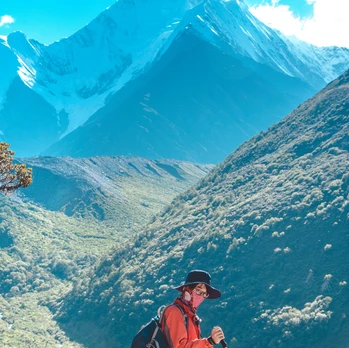
This is the most physically demanding day. The climb to Riwuqie Pass at 4,920 meters is steep and exposed. But the reward is unmatched: from the pass, you'll see Mount Gongga in all its glory, surrounded by 45 other peaks over 6,000 meters.
The descent to Winter Pasture offers relief and new perspectives. This section is often cited as the most spectacular of the entire loop.
Day 4: Winter Pasture → Gongga Monastery → Lower Zimei Village
- Distance: 24 km on foot (longest day)
- Elevation: Descent to 3,800m
- Highlights: Gongga Monastery, cultural immersion, Zimei Pass views
Today covers the most ground. The Gongga Monastery at 3,800 meters is a spiritual highlight—a working Tibetan Buddhist monastery that has served pilgrims for centuries. The surrounding landscape transitions from alpine to forested valleys.
Day 5: Lower Zimei Village → Gongga Monastery → Lower Zimei Village
- Distance: 16 km on foot (out and back)
- Elevation: 3,800m
- Highlights: Second visit to monastery, photography opportunities, rest day
This is effectively a rest day with a purpose. The out-and-back to Gongga Monastery allows for deeper exploration and photography. Many trekkers consider this the most photogenic section of the entire loop.
Day 6: Lower Zimei Village → Bawang Sea → Lan Diaofang → Caoke
- Distance: 16 km on foot
- Elevation: Final descent to 1,000m
- Highlights: Bawang Sea lake, end of trek, return to civilization
The final day descends through forests to Bawang Sea, a pristine alpine lake. From Lan Diaofang, transportation returns you to Caoke and eventually Chengdu.
Essential Tips for the Gongga Great Loop
Altitude Acclimatization Strategy
Altitude sickness is the biggest risk on this trek. Follow these guidelines: - Spend at least one night in Kangding (2,500m) before starting - Ascend no more than 500 meters per day above 3,000m - Stay hydrated (3-4 liters daily) - Consider Diamox (acetazolamide) with medical consultation
Gear Checklist
Essential items: - 4-season tent (temperatures can drop below freezing) - Sleeping bag rated to -10°C - Trekking poles (critical for steep descents) - Waterproof boots with ankle support - Layered clothing system (base, mid, shell) - Headlamp with extra batteries - First-aid kit including altitude medication
Pack Horse vs. Self-Carry
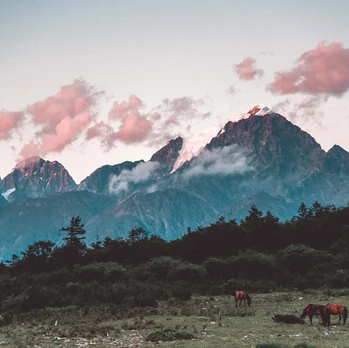
Most trekkers choose the pack horse option, which costs approximately 200-300 RMB per day per horse. This allows you to carry only a daypack while horses transport tents, food, and gear. For novice high-altitude trekkers, this is highly recommended.
Frequently Asked Questions
Q: When is the best time to hike the Gongga Great Loop?
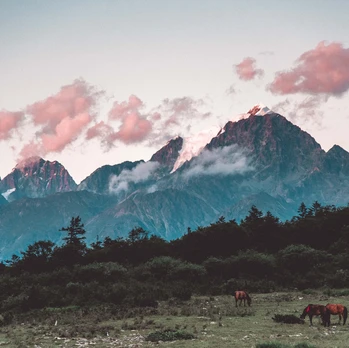 A: The optimal season is September to October when weather is most stable, temperatures are moderate, and autumn colors peak. July-August has more rainfall, while November-April sees heavy snow and extreme cold.
Q: Do I need a guide or can I go independently?
A: While independent trekking is possible, hiring a local guide from Kangding is strongly recommended for safety reasons. Guides know the terrain, weather patterns, and emergency protocols. [Link: Hiring local guides in western Sichuan]
Q: How difficult is the Riwuqie Pass crossing?
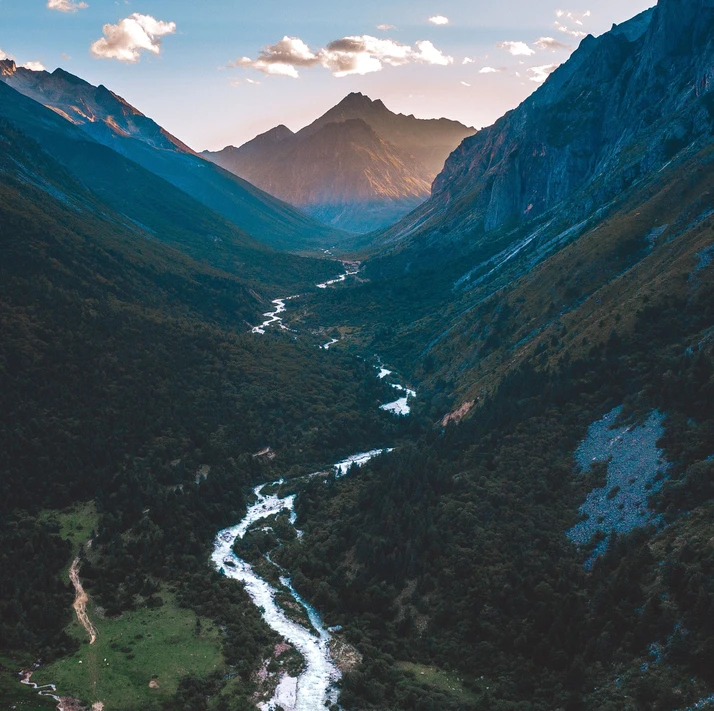 A: At 4,920 meters, the pass is the most challenging section. The climb is steep but non-technical (no climbing equipment needed). Proper acclimatization and fitness are essential. Most fit hikers complete the crossing in 4-6 hours.
Q: What about mobile phone reception?
 A: Expect no signal for 80% of the trek. Some high points may have intermittent coverage. Download offline maps and inform someone of your itinerary before departing.
Q: Is the Gongga Great Loop suitable for beginners?
A: Only if you have previous high-altitude experience (above 3,500m) and good cardiovascular fitness. This is not a beginner trek. Consider shorter western Sichuan treks like Mount Siguniang or Bipeng Valley for first-time high-altitude hikers.
Why This Trek Changes You
The Gongga Great Loop isn't just about covering kilometers or checking off a bucket list item. It's about the moments in between:
- Watching clouds break to reveal the King of Sichuan Mountains in full glory
- Sharing a laugh with your trekking team over a packhorse banner that reads "Building the World's Largest Pig Farming Service Platform"
- Sleeping under stars at 4,300 meters, feeling simultaneously small and infinite
- Discovering that the meaning of walking isn't in the destination, but in the rhythm of your own breath
As I sat in my tent on Gexi Grassland, watching the setting sun paint the mountains blood-red, I understood why people return to these mountains year after year. The Gongga Great Loop doesn't just test your body—it recalibrates your soul.
Ready to Walk Under the King's Gaze?
The Gongga Great Loop awaits. Whether you're a seasoned trekker looking for your next challenge or a nature lover seeking the ultimate Sichuan adventure, this trail delivers experiences that last a lifetime.
Your next steps: 1. Book your flights to Chengdu (September-October preferred) 2. Arrange a guide through Kangding trekking agencies 3. Train with weighted hikes and stair climbing 4. Pack smart, not heavy 5. Leave no trace—protect this pristine environment
[Link: Best trekking agencies in Kangding] [Link: Chengdu to Kangding transportation guide] [Link: Western Sichuan altitude sickness prevention]
The mountains are calling. Will you answer?
This article is based on firsthand experience from the Gongga Great Loop trek in western Sichuan, China. Elevations, distances, and recommendations are accurate as of the publication date. Always check current conditions and regulations before traveling.
You may also like


