The Blooming of Suoma Flowers in Daliangshan: A Slow Journey into the Hidden Heartlands of Yi Villages
Meta Description: Discover the blooming Suoma flowers in Daliangshan, Sichuan. Explore Meigu County, Yi villages, and off-the-beaten-path scenic spots. A 3-day slow travel itinerary for nature lovers.
Introduction: Why Escape to Daliangshan's Suoma Flower Season?
The May breeze awakens the sleeping mountains and wild fields, unfurling the brilliant sea of Suoma flowers deep within the Daliangshan region. While city attractions teem with crowds jostling shoulder to shoulder, have you ever considered giving yourself a truly relaxing break? Escape the noise, choose a little-known off-the-beaten-path destination, let your pace slow down, and allow your soul to breathe. This time, I chose to venture into the heart of Liangshan, spending three days on a rendezvous with the Suoma blossoms, and encountered the most authentic, everyday charm of Yi villages.
If you're searching for Suoma flower viewing spots in Sichuan, Yi culture travel experiences, or hidden gem destinations in Liangshan, this itinerary is your perfect guide.
Itinerary Overview: A Spontaneous Expedition into Hidden Realms
Day 1: Depart directly for Meigu County, stay overnight in Meigu
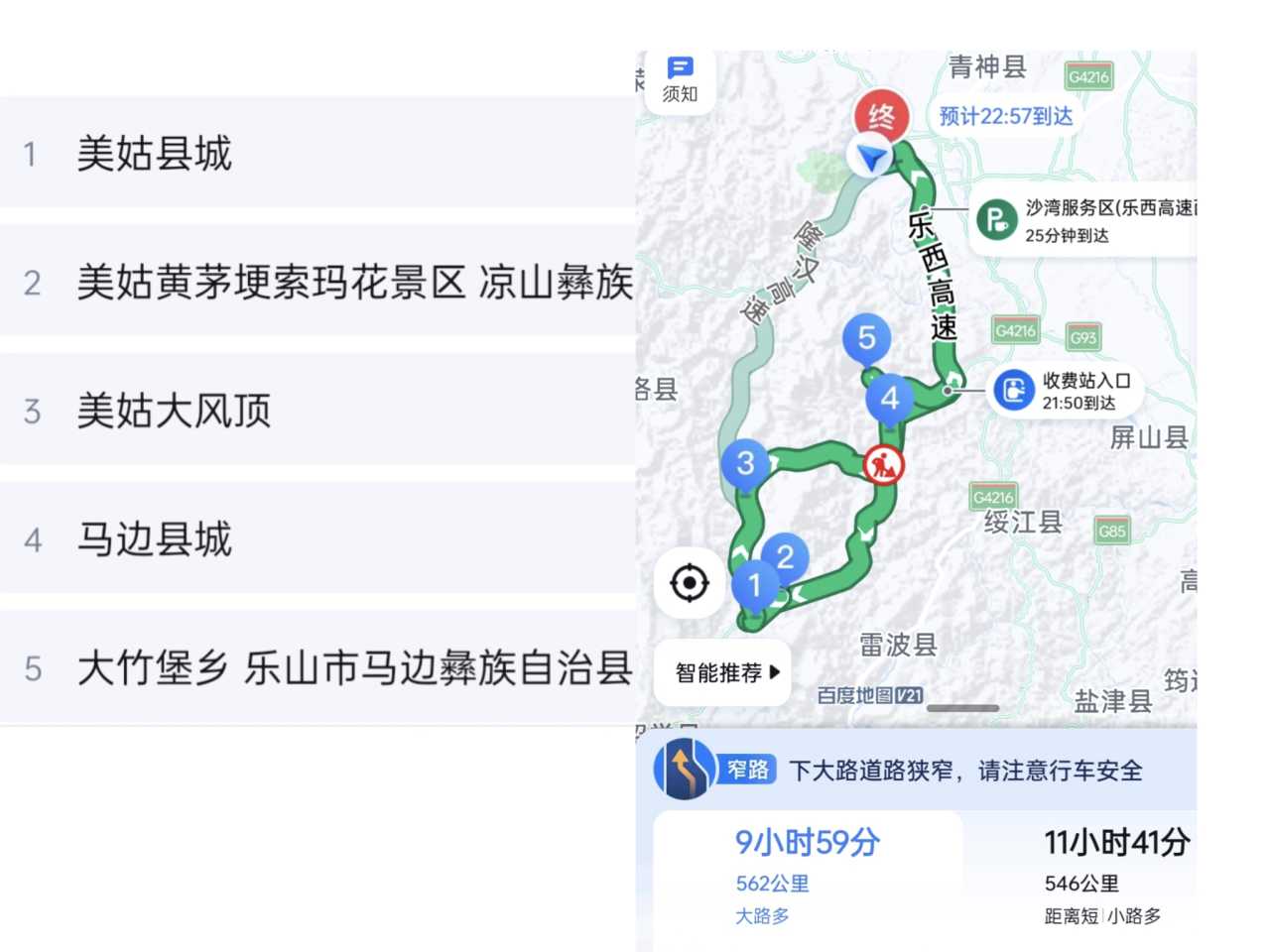
Day 2: Huángmáogěng Suoma Flower Scenic Area → Meigu Dafengding → Mabian County Town, stay overnight in Mabian
Day 3: Mabian Yi Culture Museum → Yangtianwo → Return journey
Day One: First Glimpse of Meigu, the Forgotten Yi Town
Heading Westward, Arriving at the "Land of Bimo"
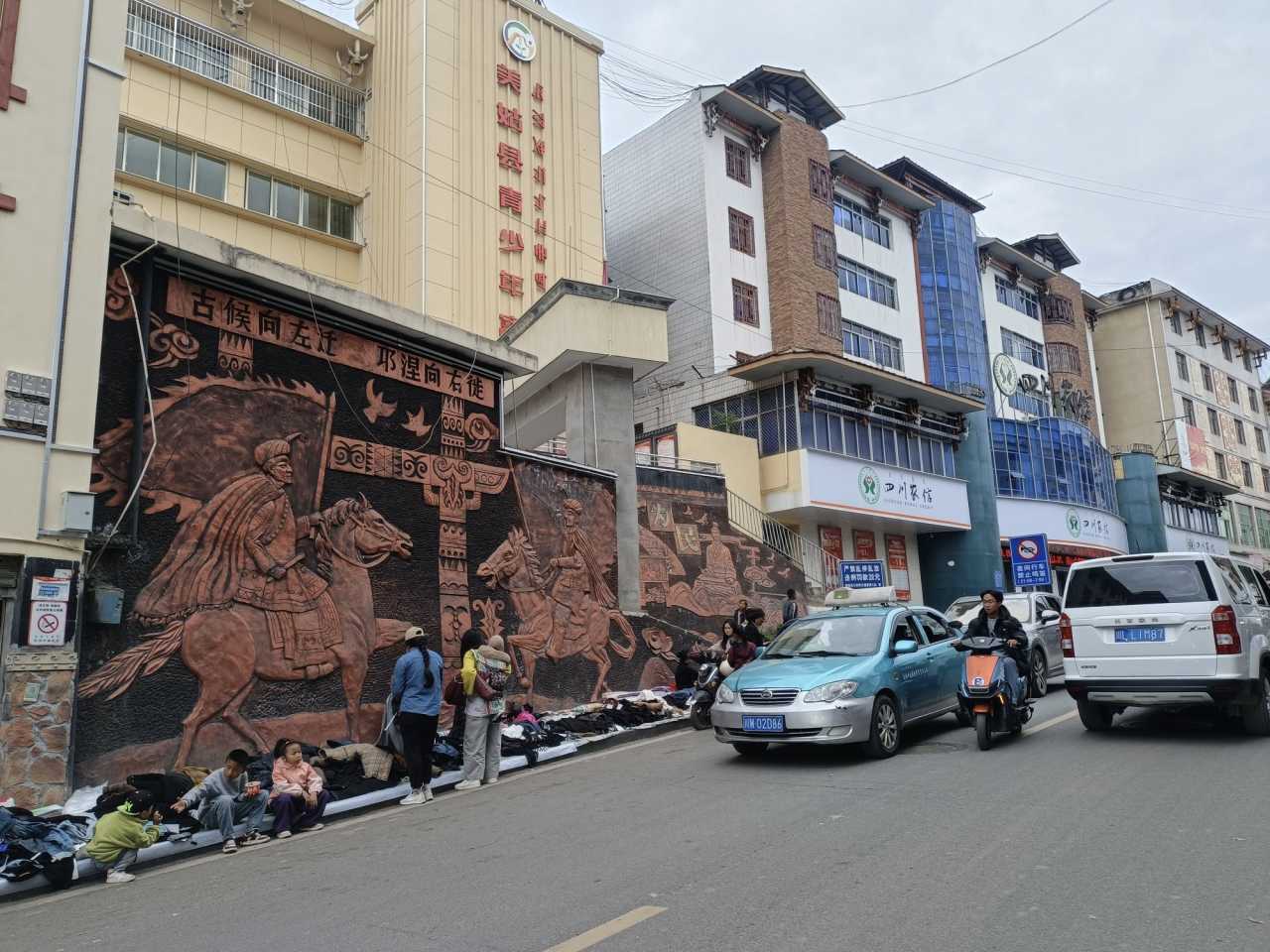
After lunch, we drove straight to Meigu. The name "Meigu County" itself carries a touch of mystery and poetry. It belongs to the Liangshan Yi Autonomous Prefecture in Sichuan Province, located in the southwestern part of Sichuan and the northeastern part of Liangshan Prefecture, at the convergence of the Hengduan Mountains on the southeastern edge of the Qinghai-Tibet Plateau and the southwestern rim of the Sichuan Basin. Covering an area of 2,731.6 square kilometers, this place is not only the birthplace and revival center of the Yi people in the Greater and Lesser Liangshan regions but also enjoys reputations such as the "Land of Bimo," "Land of Pandas," "Land of Wrestling," and "Land of South Red Agate." It is also one of the counties in China with the highest number of national-level intangible cultural heritage items.
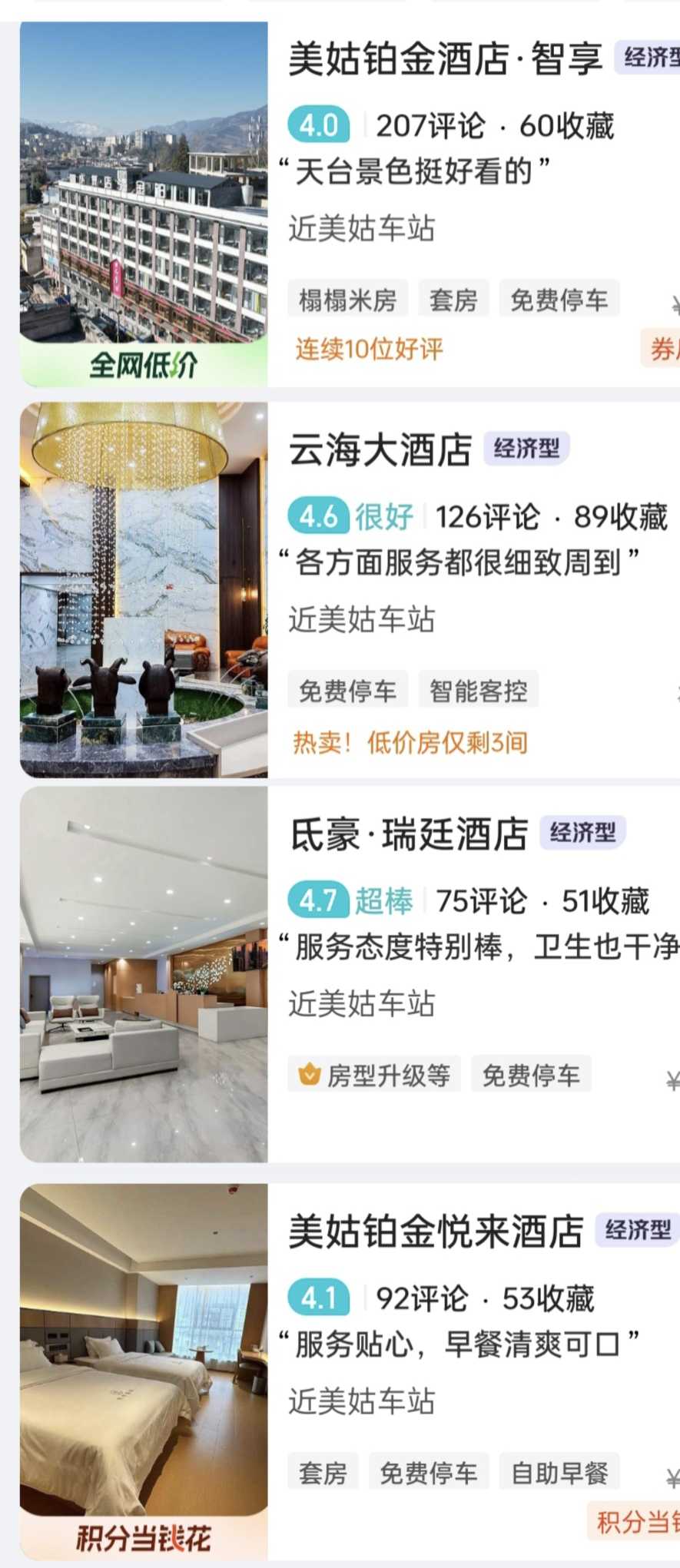
I had originally booked the Meigu Yunshang Hotel on a platform, but upon arrival, I found it was located on a hill at the edge of the county town, where dining options were inconvenient. Fortunately, the booking allowed free cancellation before 11:00 PM on the same day, so we decisively changed our strategy, scouting for new accommodation while driving. In the end, we chose a hotel with a convenient location, easy parking, and plenty of dining options nearby—breakfast was included, with a good variety, and you could even order freshly made rice noodles or noodles on the spot. Great value for money.
Strolling through Meimei Square: The Everyday Vibe of Yi Living
After settling our luggage, we set out to explore this small town. Meigu County town is not large, but it exudes a strong Yi ethnic atmosphere everywhere. Meimei Square can be considered the "heart of the city" and the "Yi living room" of Meigu. In the center of the square stand statues of Asulaze and Asusire, embodying the thousand-year-old Bimo culture and ancestral legends of the Yi people, serving as the spiritual symbol of the "Ancient Yi Holy Land." In promotional images, the statues appear solemn and dignified; in reality, they are surrounded by the hustle and bustle of daily life—stalls packed tightly together, a scene of lively chaos. Standing in the middle of the square, you can feel the vitality and warmth of this small town.
Dinner was at a barbecue restaurant directly opposite the hotel. Grilled suckling pig, pork intestines, fish stomach, tofu, white gourd, leeks—everything was delicious. Paired with a steaming bowl of lamb rice noodles, the total bill was only 128 yuan, leaving us more than satisfied. Meigu town is small, so after dinner, we took a walk along the streets to digest. The night view of Meigu had a unique charm. Across from Meimei Square, the smoke from street-side barbecue stalls rose gently, filling the air with the aroma of charcoal and cumin. After wandering around, we returned to the hotel to rest, saving our energy for the next day's journey.
Pro tip: For the best Meigu travel experience, consider staying near Meimei Square for easy access to local eateries and cultural sites. [Link: Best hotels in Meigu County]
Day Two: The Suoma Flowers of Huángmáogěng and the Vastness of Dafengding
Meigu in the Morning Light, the Warmth of Breakfast

We woke up naturally and went to the 8th floor of the hotel for breakfast. Looking out the window, Meigu County town slowly came to life in the morning light. The streets began to show signs of daily activity—the shouts of vendors, the laughter of children, the distant roar of motorcycle engines—all weaving together into a vivid tableau.
Huángmáogěng Suoma Flowers: A Floral Feast by the Roadside
After breakfast, we drove to our first stop of the day—Huángmáogěng Suoma Flower Scenic Area. Simply navigate to "Huángmáogěng Suoma Flower Scenic Area" to get there directly; it's not far from Meigu County town. There's also a camping base here, but the weather was still chilly, so it wasn't open yet. However, you can continue driving uphill from the visitor center, where the scenery becomes even more breathtaking.
Suoma flowers bloom on both sides of the road, in a rich array of colors—rose red, light pink, pure white... Although it wasn't yet the peak blooming season, it was already enough to captivate you. You can stop the car anytime, get out to take photos, and every spot is a perfect photo opportunity. There's a viewpoint by the roadside with an incredibly wide vista, almost reminiscent of the landscapes of Altay in Xinjiang. Further ahead, there's another camping base. Imagine pitching a tent here in summer, watching the flower sea during the day and counting stars at night—how delightful that would be.
Best time to visit Suoma flowers: Late April to mid-May for peak bloom. However, even early May offers stunning views if you time it right.
Longtoushan and the Wind Turbines: Landmarks in the Wind
Continuing on, we arrived at Longtoushan—the boundary marker between Meigu and Leibo counties. The wind was so strong it was hard to stand steady, but the scenery was so magnificent it made you forget the cold. We wanted to see the large wind turbines, but when we reached the end of the road, staff stopped us, saying access was not allowed at the moment. A bit disappointing, but we took some beautiful photos at the entrance, so it wasn't a wasted trip.
Note: Longtoushan wind turbine viewing is currently restricted. Check local regulations before planning this stop.
Dafengding: Where Wildness Meets Poetry
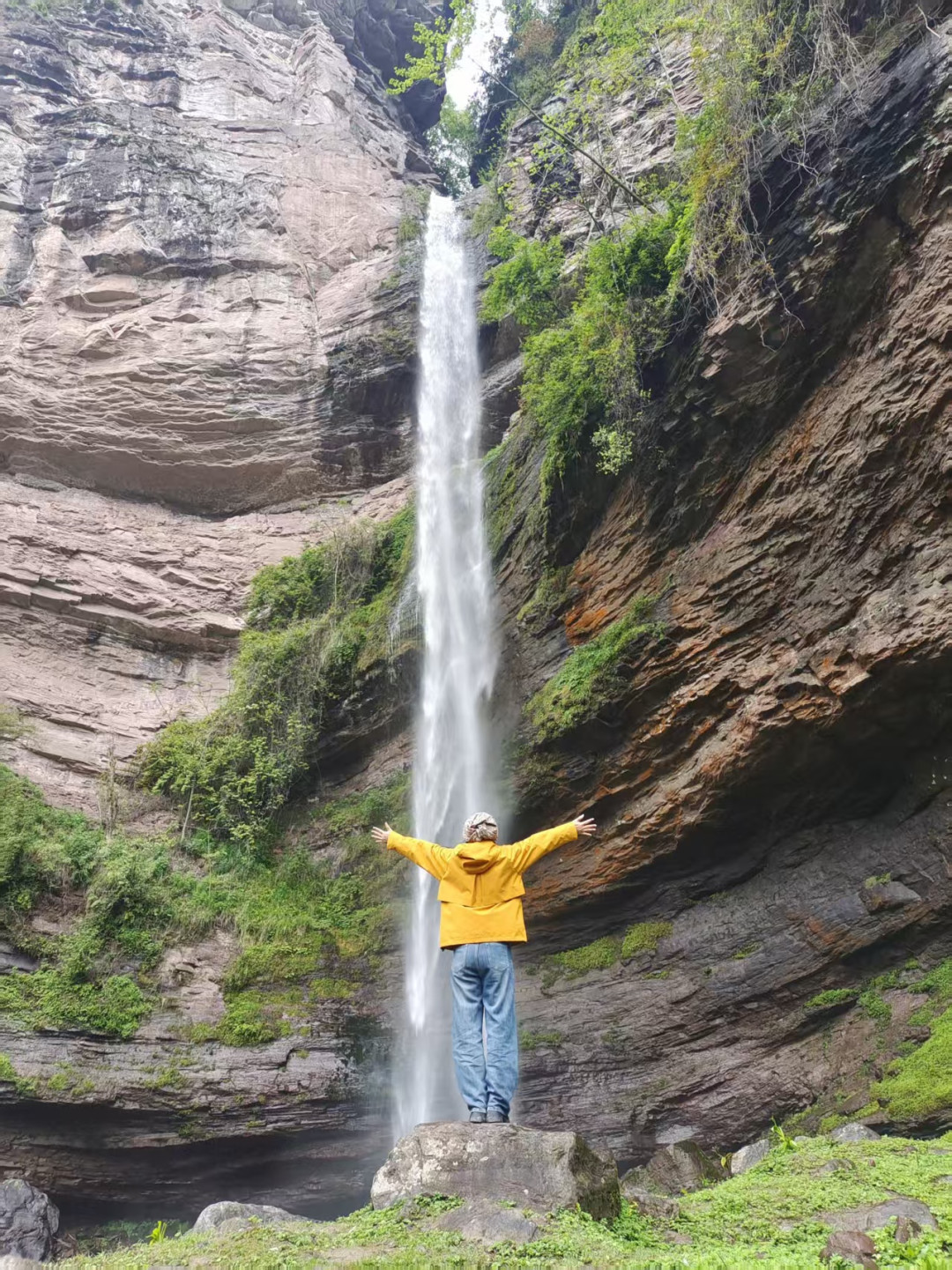
We returned from Huángmáogěng to Meigu County town, had a simple lunch, and then navigated to Meigu Dafengding. The weather was good. At the iconic landmark, I took a photo of my car as a souvenir, then continued driving. Along the way, a wild waterfall surprised us—it appeared unexpectedly by the roadside, water cascading from a height, splashing into layers of foam. We stopped, got out, and took some pictures. On a rock beside the waterfall, someone had written "Land of Chen Family Village." This unexpected delight became one of the most precious memories of the trip.
Why Dafengding is a must-visit: This area offers pristine natural beauty, including wild waterfalls, rugged terrain, and panoramic views. It's perfect for photography and spontaneous exploration. [Link: Top hiking trails in Daliangshan]
Overnight in Mabian: The Tranquility and Cuisine of a Small Town
From Dafengding, we navigated to Mabian County town, about 75 kilometers away. After arriving, we found an older hotel—Mabian Beiqiao Hotel. The facilities were basic, but parking was convenient and the location was decent. If you have higher accommodation standards, you could choose the Phosphorus Capital Hotel on the other side of the river.
After settling in, we went to explore Mabian County town. The most famous wonton shop in Mabian, "Yang Wonton," was packed with people, so we decided to go there the next morning instead. Paotai Mountain Park is a popular leisure spot for local residents. It's free to enter, the park is large, and there's a Qing Dynasty building at the top. Unfortunately, we were a bit tired from driving and didn't make it all the way up. For dinner, we went to Liuzi Restaurant in front of the hotel and ordered a Yi-style坨坨肉 (tuotuo meat)—it was a bit like a dry pot, with wood ear added, giving it a unique and delicious flavor. Paired with a simple cabbage soup, the total was only 88 yuan. Looking out the hotel window, the highest pavilion on Paotai Mountain stood silently in the night, like a quiet guardian.
Mabian travel tips: Try Yang Wonton for breakfast, and don't miss the Yi-style tuotuo meat at Liuzi Restaurant. [Link: Best restaurants in Mabian County]
Day Three: Mabian Yi Culture Museum and Yangtianwo
A Morning at the Mabian Yi Culture Museum
After a restful night, we headed to the Mabian Yi Culture Museum. This museum is a treasure trove for understanding Yi culture, history, and traditions. Exhibits include traditional Yi clothing, silverware, farming tools, and religious artifacts. The museum is well-maintained and offers English descriptions for international visitors. It's a must-visit for anyone interested in Yi ethnic culture tourism.
Opening hours: 9:00 AM – 5:00 PM (closed on Mondays). Admission is free.
Yangtianwo: A Scenic Finale
From the museum, we drove to Yangtianwo, a scenic area known for its lush forests and tranquil atmosphere. The drive itself is beautiful, winding through hillsides dotted with wildflowers. At Yangtianwo, you can take a short hike, enjoy a picnic, or simply sit and absorb the serenity. It's the perfect spot to reflect on the journey before heading home.
Yangtianwo highlights: Birdwatching, photography, and peaceful walks. Best visited in the morning or late afternoon.
FAQ: Your Questions About Suoma Flowers and Yi Village Travel
1. When is the best time to see Suoma flowers in Daliangshan?
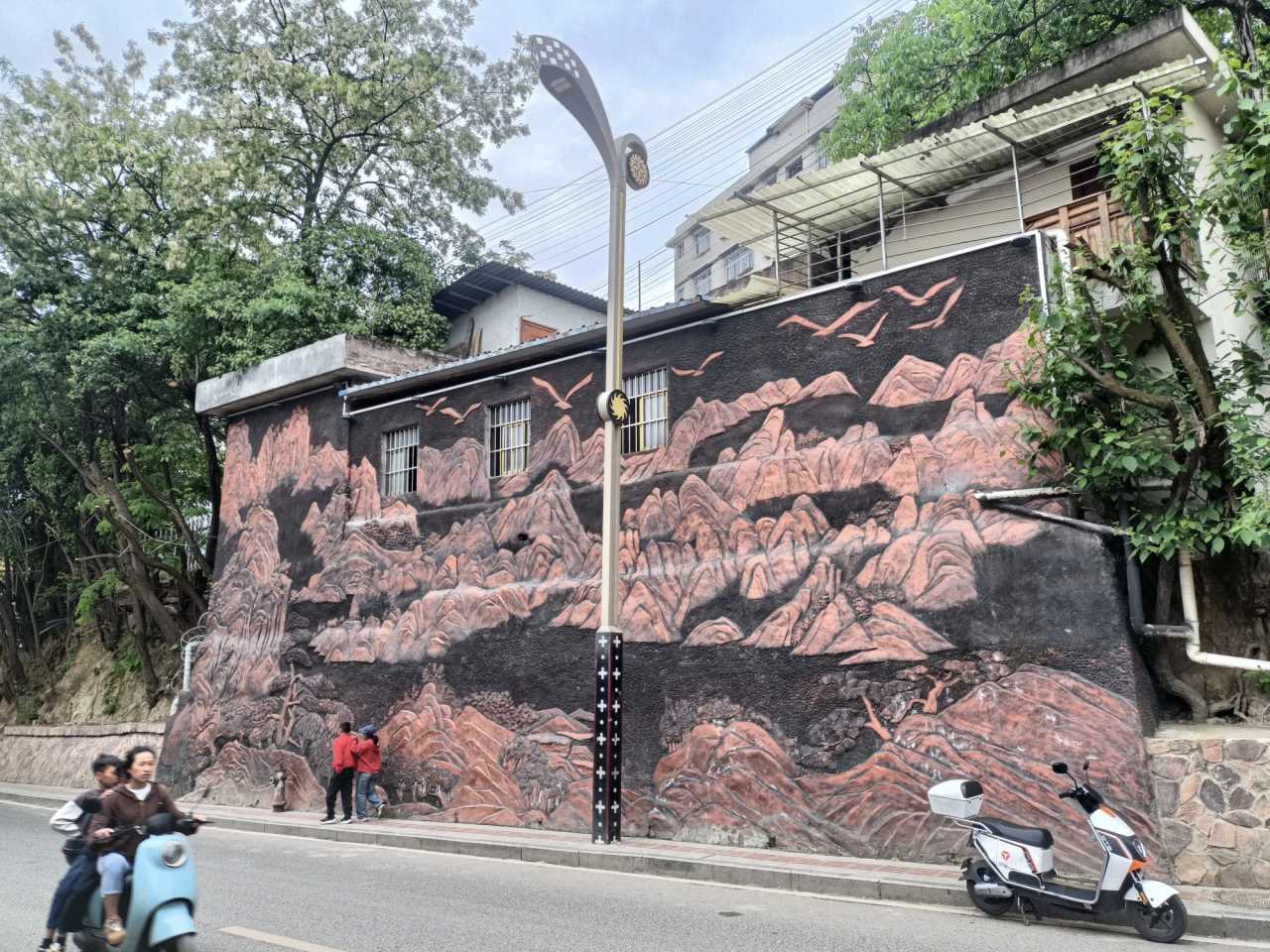
The peak blooming season for Suoma flowers is late April to mid-May. However, early May still offers beautiful blooms, especially at higher elevations. For the most vibrant displays, plan your visit between April 25 and May 10.
2. How do I get to Meigu County from Chengdu?
From Chengdu, take the G5 Expressway toward Xichang, then transfer to the S66 Expressway toward Meigu. The drive takes approximately 6–7 hours. Alternatively, you can take a bus from Chengdu's Chadianzi Bus Station to Meigu (about 8 hours).
3. Is it safe to travel to Daliangshan independently?
Yes, Daliangshan is safe for independent travelers. Roads are generally well-maintained, and local communities are welcoming. However, some scenic spots like Longtoushan may have restricted access. Always check local conditions and carry a physical map in case of poor mobile signal.
4. What should I pack for a trip to Daliangshan in May?
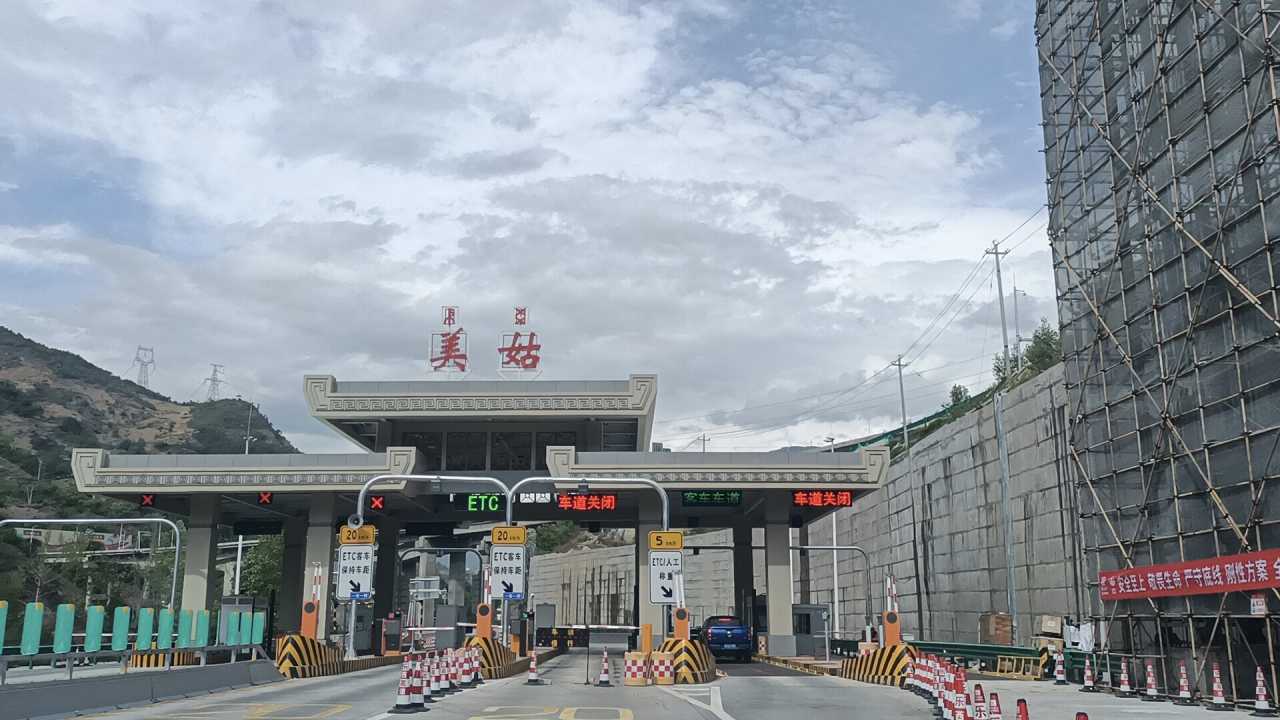
Pack layers: May temperatures range from 10°C to 25°C. Bring a warm jacket, comfortable hiking shoes, sunscreen, insect repellent, a reusable water bottle, and a camera. If camping, bring a tent and sleeping bag rated for cool nights.
5. Are there English-speaking guides available in Meigu?
English-speaking guides are limited but can be arranged through local travel agencies or hotels. For the best experience, consider hiring a local Yi guide who can share cultural insights. Alternatively, use a translation app for basic communication.
Internal Linking Suggestions
- [Link: Best time to visit Sichuan wildflower destinations]
- [Link: Yi culture and traditions in Liangshan]
- [Link: Road trip tips for Daliangshan]
- [Link: Top camping spots in Sichuan]
- [Link: Sichuan off-the-beaten-path travel guide]
Call to Action: Plan Your Slow Journey to Daliangshan
Are you ready to trade crowded tourist spots for a serene encounter with nature and culture? The Suoma flowers in Daliangshan are waiting for you. Whether you're a photography enthusiast, a culture lover, or simply seeking a peaceful escape, this 3-day itinerary offers the perfect blend of beauty, authenticity, and adventure.
Start planning now:
- Book your accommodation in Meigu or Mabian early during peak season.
- Download offline maps for the Dafengding and Huángmáogěng areas.
- Pack your camera, hiking boots, and an open mind.
Share your experience with us on social media using #SuomaFlowersDaliangshan and inspire others to discover this hidden gem. For more travel tips and itineraries, subscribe to our newsletter or follow us on Instagram.
Don't wait—the flowers are blooming, and the Yi villages are calling. Your slow journey into the heart of Daliangshan begins now.
Article originally inspired by a Mafengwo user post. Optimized for SEO by an AI content strategist.
You may also like


