Ten Days in Western Sichuan: A Complete Travel Guide to Paradise on Earth
Meta Description: Discover the ultimate Western Sichuan travel guide covering Daocheng, Yading, Siguniang Mountain, and more. Learn how to survive altitude sickness while exploring paradise. Plan your trip now!
Introduction: Why Western Sichuan Should Be Your Next Adventure
Life is a journey with no turning back, and we are all but fleeting travelers. Some say travel is merely going from a place you're tired of to a place someone else is tired of. But every departure is an encounter with the unknown version of yourself. Western Sichuan—a land blessed by the gods—offers exactly that transformative experience.

In August 2018, I shouldered my backpack and set foot on this sacred ground. Daocheng, Yading, Siguniang Mountain—these names had lingered on my travel list for far too long. This summer, I finally used my own feet to measure their reality. What followed was ten days of breathtaking beauty, crushing altitude sickness, and unforgettable memories.
This Western Sichuan travel guide will help you prepare for your own journey, whether you're a seasoned trekker or a first-time high-altitude explorer.
Planning Your Western Sichuan Trip: Essential Preparation
What to Pack for High-Altitude Travel in Sichuan
Before departing from Heze, Shandong Province, I stuffed a waterproof jacket, trekking poles, Rhodiola rosea, and altitude sickness pills into my 60-liter backpack. In my camera bag lay a Canon 5D Mark III with two lenses—a 12-24mm f/4 and a 70-200mm f/2.8. A tripod, a Gorillapod, and a flash—not a single piece was left behind.
My packing list also included cold medicine, ibuprofen, and Yunnan Baiyao aerosol spray. As it turned out, none of these preparations were unnecessary.
Pro tip: Oxygen canisters are essential for Yading. Buy them in Chengdu for 20 RMB a bottle—they cost 30 RMB in Yading Village and even more up the mountain.
Finding Travel Companions for Western Sichuan
At the Chengdu Longemont Yashe Hotel, I met all my travel companions for this trip. There was Kexin, the adorable girl from Beijing, and her mother Hong Jie; Xiao Liu and Xiao Fan, a duo of best friends from Guilin; Teacher Yuanyuan from Anhui, along with her personal photographer, Teacher Dalong; and our guide—Hu Lai from Chengdu, a legendary figure who could turn a group tour into a free-spirited adventure.
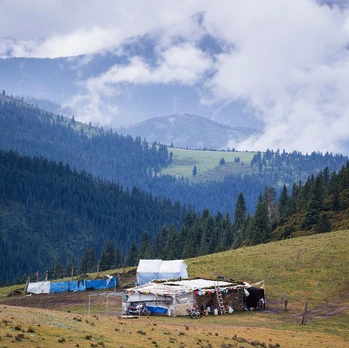
And me, from Shandong, the only "burly man" in the group carrying a DSLR and still gasping for air.
[Link: How to find reliable travel groups for Sichuan tours]
Day 1: Siguniang Mountain—A Harsh Welcome to the Plateau
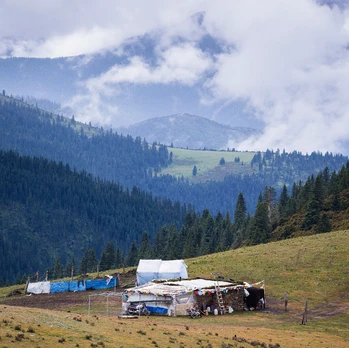
Chengdu to Siguniang Mountain: Scenic Drive Through Western Sichuan
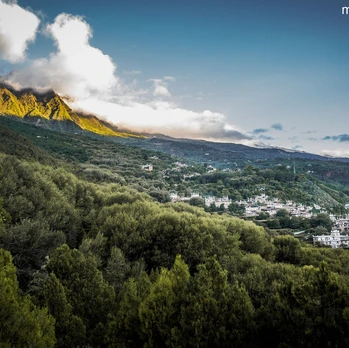
We departed Chengdu at dawn, heading westward. The scenery outside the window shifted from urban concrete and steel, gradually transitioning to lush green mountains and rivers, then to highland meadows. Siguniang Mountain lay ahead, four snow-capped peaks lined up in a row. Yao Mei Peak, at 6,250 meters, is the second-highest peak in Sichuan Province, known as the "Queen of Sichuan Mountains."
Altitude sickness hit faster than I expected. Just a few steps uphill while getting out of the car to take photos, and my heart was pounding like it wanted to burst out of my chest. But little Kexin, my travel companion, hopped around like a young deer, scrambling up and down. Ah, to be young.
Siguniang Mountain Rafting: Worth Every Yuan
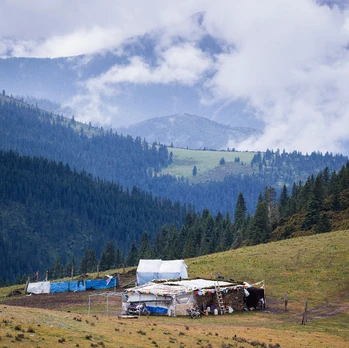
The rafting activity in the scenic area is worth a try—80 RMB per person, about 20 minutes. The rapids were swift, with picturesque scenery on both banks. The raft bounced through the torrents, and screams of thrill mixed with laughter echoed through the valley.
Jiaju Tibetan Village: A Cultural Immersion
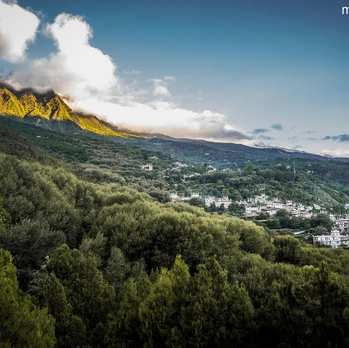
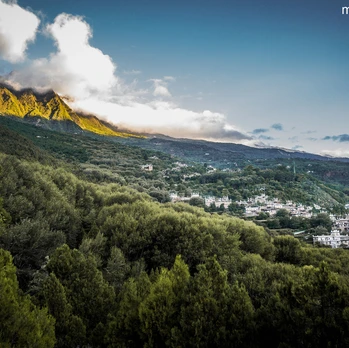
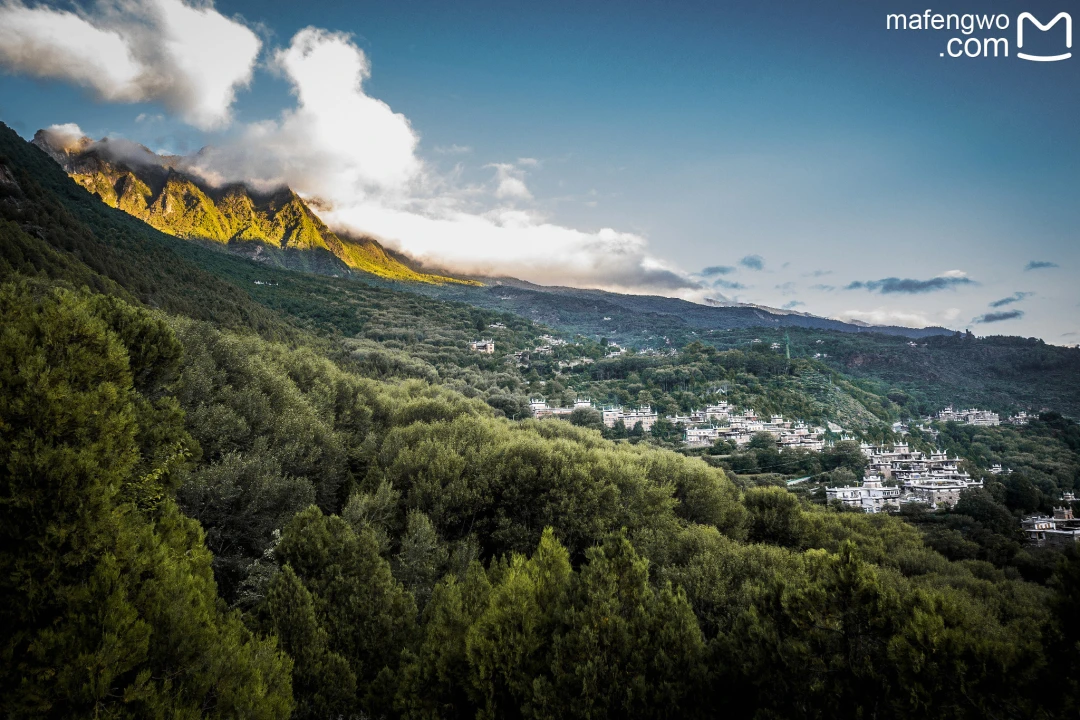
By evening, we arrived at Jiaju Tibetan Village and checked into a characteristic guesthouse. Dinner was a Jiarong Tibetan feast, followed by a bonfire performance after the meal. The firelight illuminated everyone's faces as Tibetan locals danced the Guozhuang. We clumsily joined in, twisting and turning. At that moment, altitude sickness seemed to be cast far away.
[Link: Best Tibetan guesthouses in Jiaju Village]
Day 2: Jiaju Tibetan Village to Xinduqiao—Photographer's Paradise
Jiaju Tibetan Village Sunrise: What to Expect
To capture the sunrise, I dragged myself out of bed at 5:40 AM and walked 20 minutes to Observation Deck No. 3. Only to discover—Jiaju Tibetan Village has no sunrise. The mountains to the east blocked the sun entirely, and by the time sunlight actually spilled over, it was already high in the sky.
Even though I didn't get the sunrise shot, I still managed to take some satisfying photos. The Tibetan houses were built along the mountainside, red and white structures scattered in an orderly yet organic way, with morning mist swirling around them like a traditional ink painting.
On the way down, I passed Observation Deck No. 1, where our guide Old Hu was already waiting. The fruit sold at a stall was freshly picked from the trees. One bite, and it was sweet all the way to the heart.
Tagong Grassland: Freedom at 3,730 Meters
Tagong Grassland is located in Tagong Town, Kangding City, at an altitude of 3,730 meters. The entrance fee is 10 RMB. If you plan to ride a horse, be cautious—safety comes first.
Climbing up onto the grassland, the view opened up dramatically. In the distance stood Yala Snow Mountain; up close, herds of yaks dotted the meadow like black specks. A local Tibetan said those yaks were their "money"—roaming freely on the mountains and even "making more money" by reproducing.
Xinduqiao: Managing Expectations in Summer
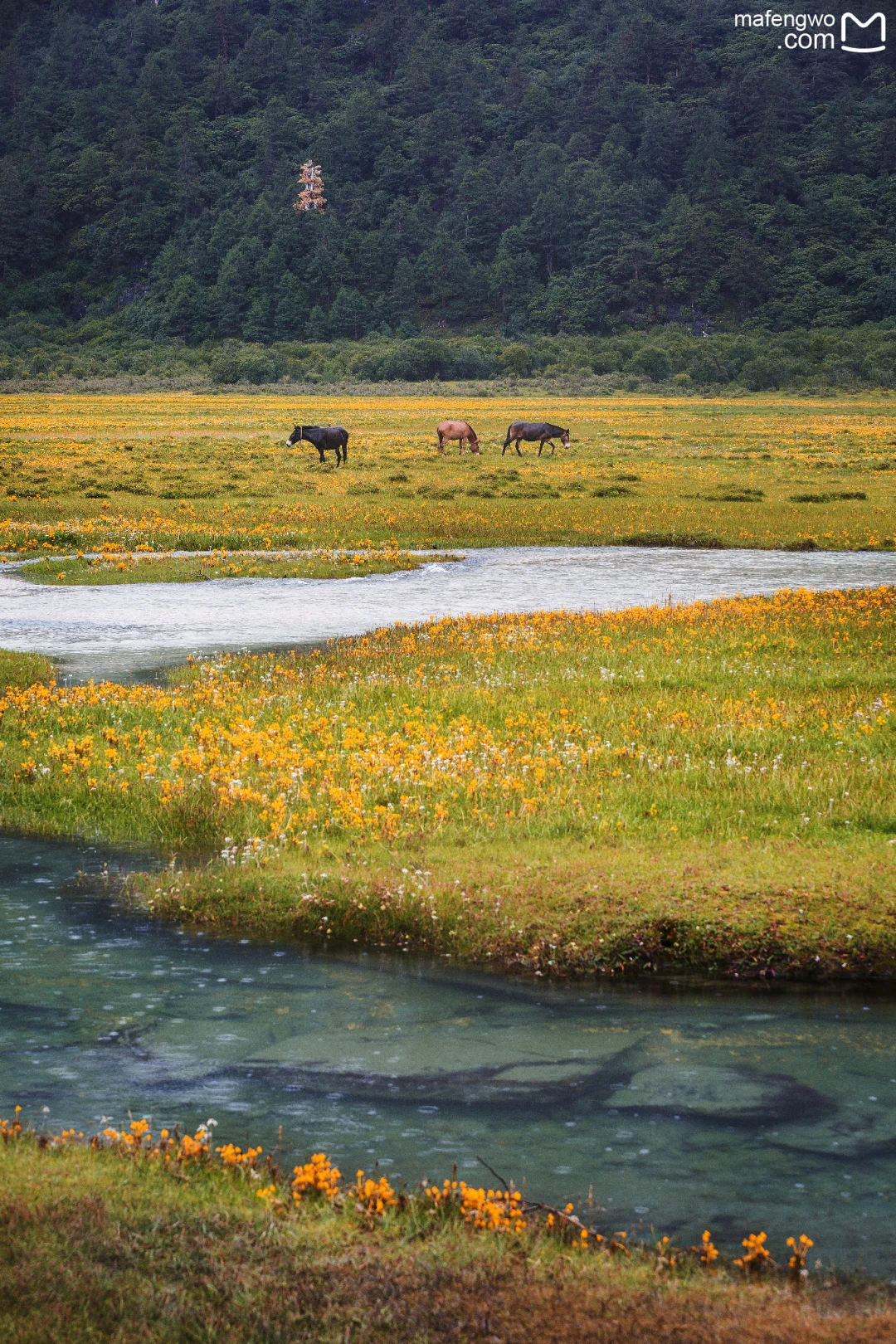
Xinduqiao is a photographer's paradise along National Highway 318. But the summer rainy season robbed it of its usual brilliance. A stream ran through the pasture, but the locals wouldn't let us in. The poplar trees were a dull green, lacking the golden hues of autumn. The red grassland hadn't turned red yet...
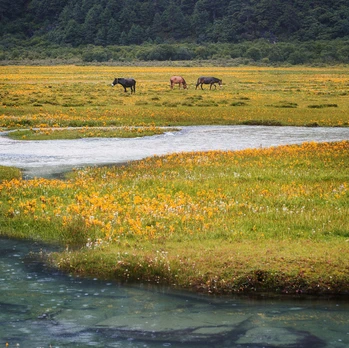
A large field of Galsang flowers could have been entered for photos, but some tourists were too uncivilized, trampling the flowers wantonly. The locals set up a cordon and banned entry. Looking at that trampled flower field, my heart felt heavy.
Best time to visit Xinduqiao: October for golden poplar trees and autumn colors.
[Link: Best photography spots along National Highway 318]
Day 3: Kazila Mountain to Daocheng—The Sky Road
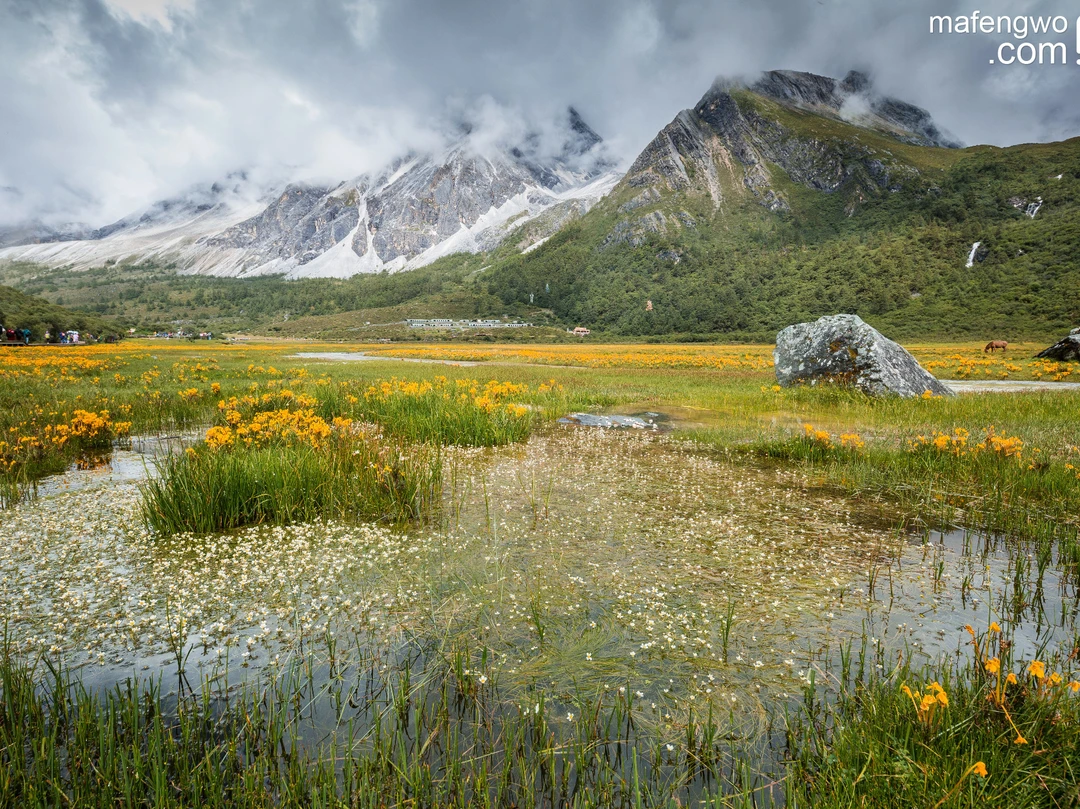
Kazila Mountain: Walking Above 4,700 Meters
Kazila Mountain stands at 4,718 meters, with sparse trees and mostly alpine meadows. Standing here and looking at the mountains, layer upon layer stretched into the distance—each layer farther and paler than the last, all the way to the horizon. It truly felt like walking on a "sky road."
We happened upon some cyclists, pedaling hard against the highland wind. I rolled down the car window and gave them a thumbs-up. They smiled back and pressed on.
On the way, we passed a place selling "the number one noodle"—30 RMB a bowl. Unless you're really hungry, I'd suggest just moving on—the taste was honestly nothing to write home about.
Daocheng White Pagoda: A Symbol of Faith
The Daocheng White Pagoda, also known as the Victory Stupa, is called "Langjie Qudeng" in Tibetan. It is said that when Shakyamuni Buddha entered Nirvana, he instructed the construction of this pagoda, representing the Dharmakaya (truth body). The white pagoda gleamed under the blue sky, with prayer flags fluttering in the wind.
That evening, we watched a performance called "Heavenly Yading." I particularly loved the song "Tibetan Girl." Its melody was melodious, as if it could pierce through the highland night sky.
[Link: Top things to do in Daocheng County]
Day 4: Yading—Eyes in Paradise, Body in Hell
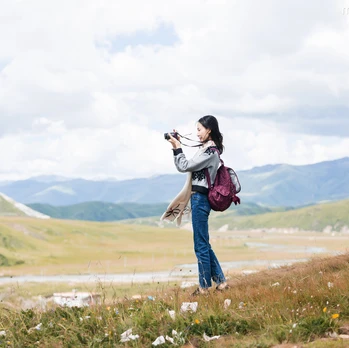
Yading Travel Tips: Managing Expectations in Rainy Season
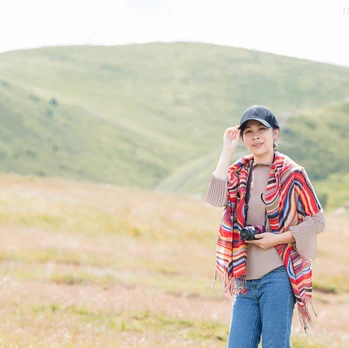
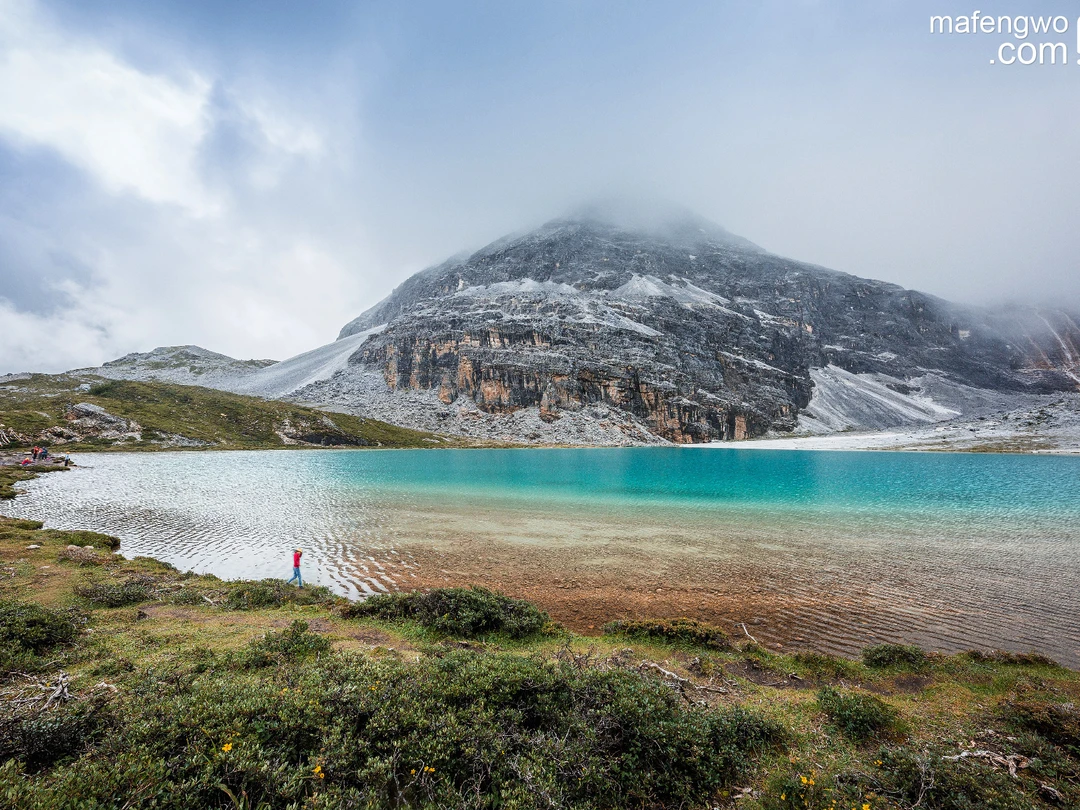
Yading was the most important destination of this trip. I came with the mindset that "every snapshot would be a masterpiece," only to hit the rainy season. I stayed two days, and it rained for three.
Altitude sickness hit me so hard I questioned my existence. I'd been taking Rhodiola rosea a week in advance, and after arriving, I added altitude sickness pills and American ginseng lozenges. But what was coming still came.
Yading Altitude Sickness Survival Guide
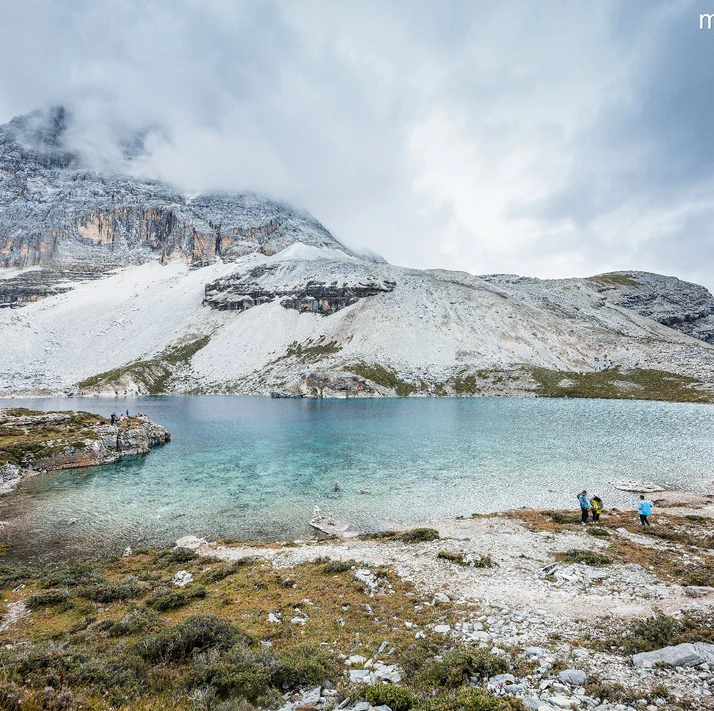
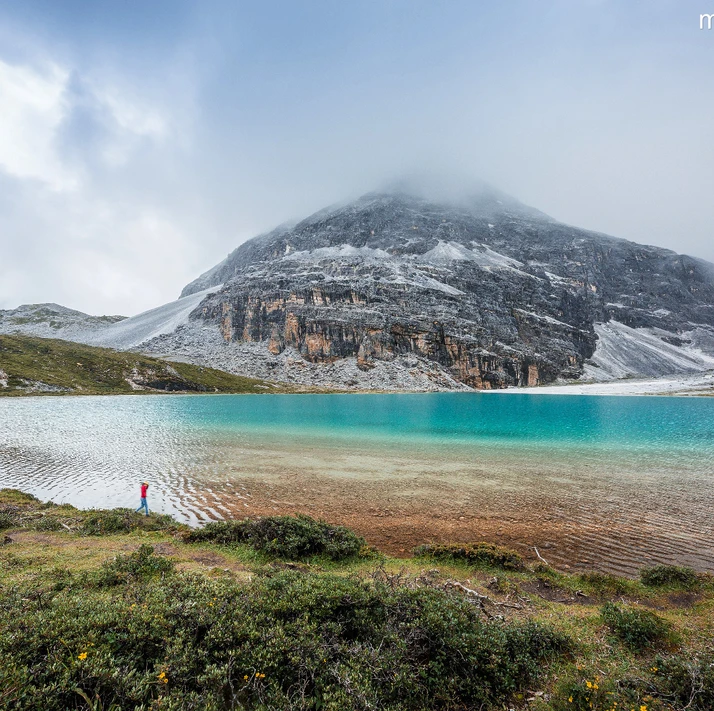
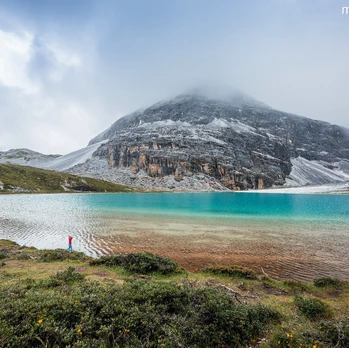
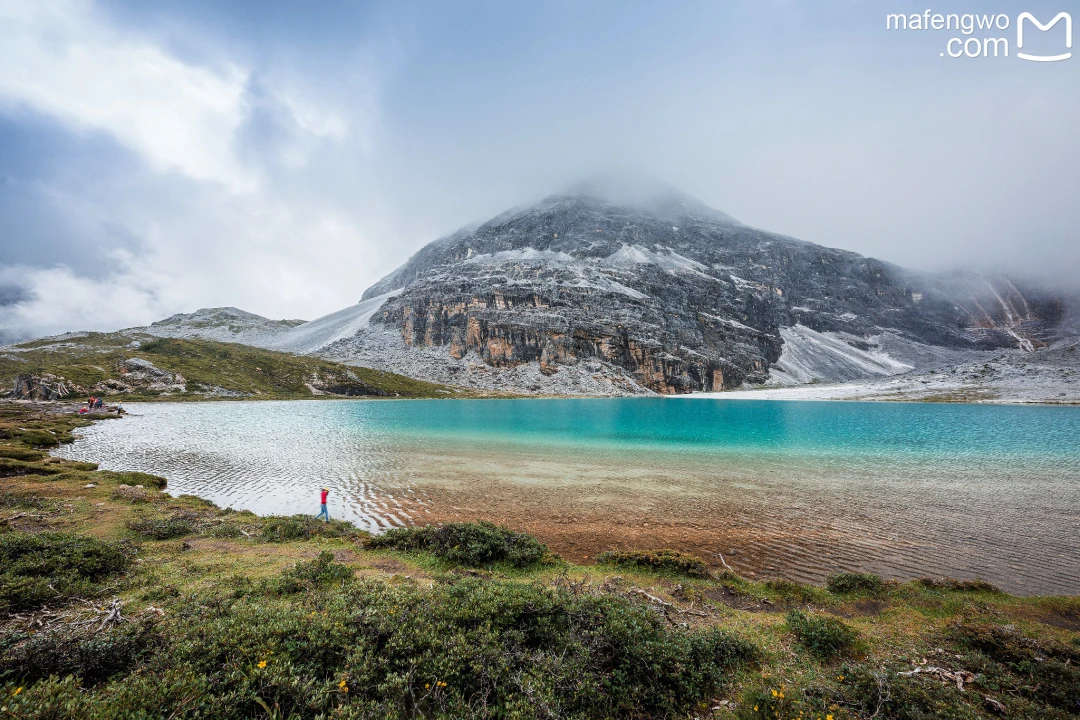
Yading's altitude is all above 4,000 meters, with Five-Color Lake nearly reaching 5,000 meters. Oxygen canisters are a must. On the first day, I started climbing after 10 AM, taking the long route to Milk Lake and Five-Color Lake. The altitude sickness was severe, and I had to turn back halfway.
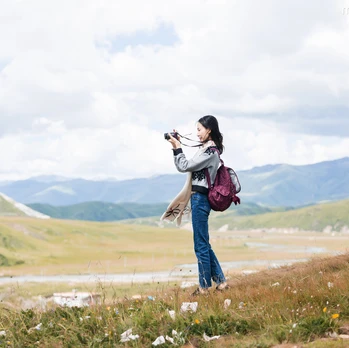
At the Cliff of Self-Sacrifice, I ran into Hong Jie and Kexin—they hadn't made it up either. Altitude sickness isn't something you can just push through. When you really can't go on, you can't.
The other companions all made it to the top. By the time we regrouped, the lesson was clear: respect the altitude, or it will humble you.
[Link: Complete Yading National Park hiking guide]
FAQ: Western Sichuan Travel Questions Answered
1. What is the best time to visit Western Sichuan?
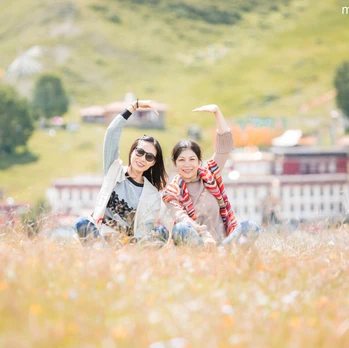
The best time is September to October when autumn colors peak and skies are clearest. Summer (June-August) has heavy rainfall and limited visibility. Winter (November-March) offers snow views but extreme cold.
2. How do I prevent altitude sickness in Yading?
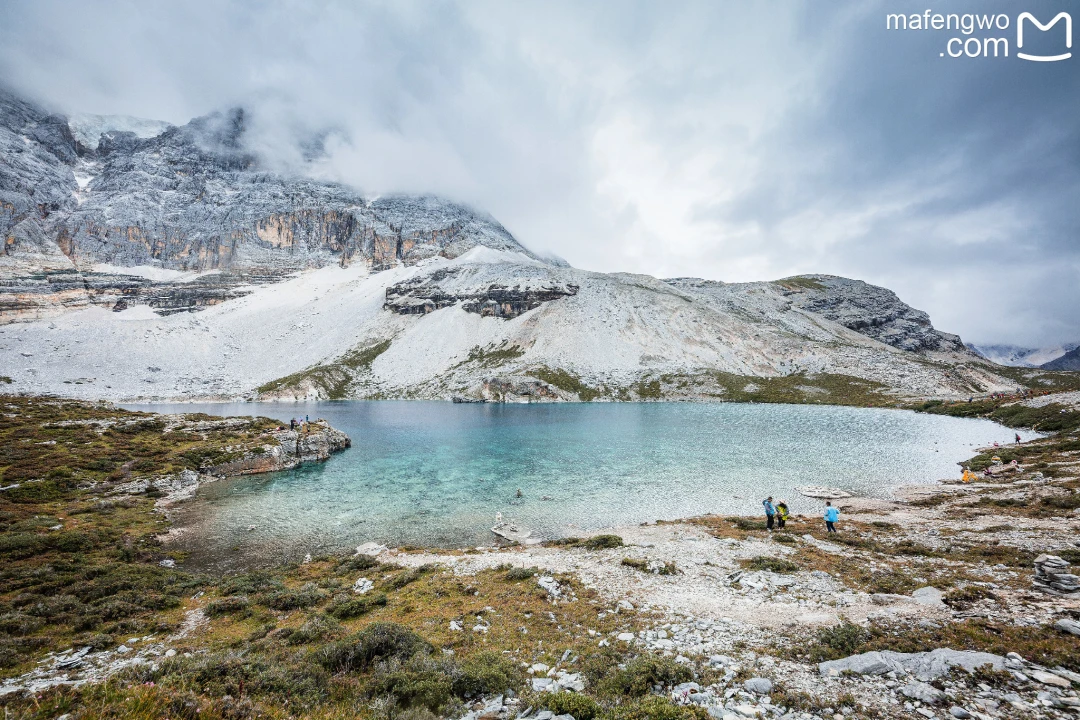
Start taking Rhodiola rosea one week before your trip. Carry oxygen canisters (buy in Chengdu for 20 RMB). Stay hydrated, avoid alcohol, and ascend slowly. If symptoms worsen, descend immediately.
3. Is Western Sichuan suitable for solo travelers?
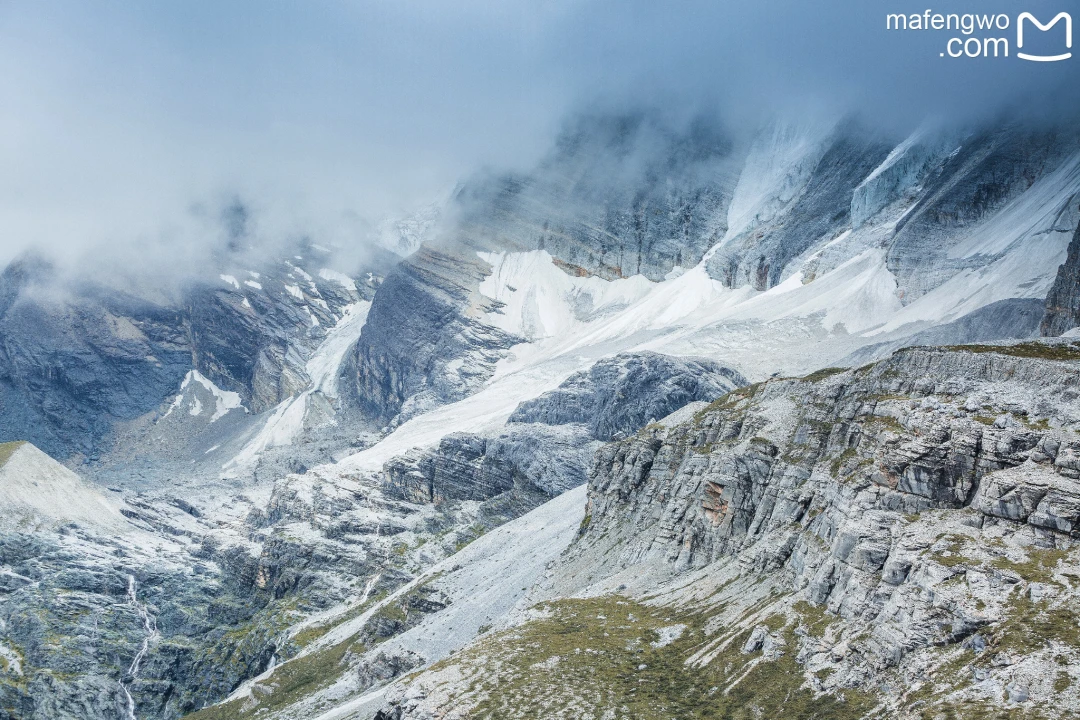
Yes, but joining a group tour is recommended for first-timers. The terrain is challenging, and altitude sickness can strike anyone. Group tours provide support, transport, and local expertise.
4. How much does a 10-day Western Sichuan trip cost?
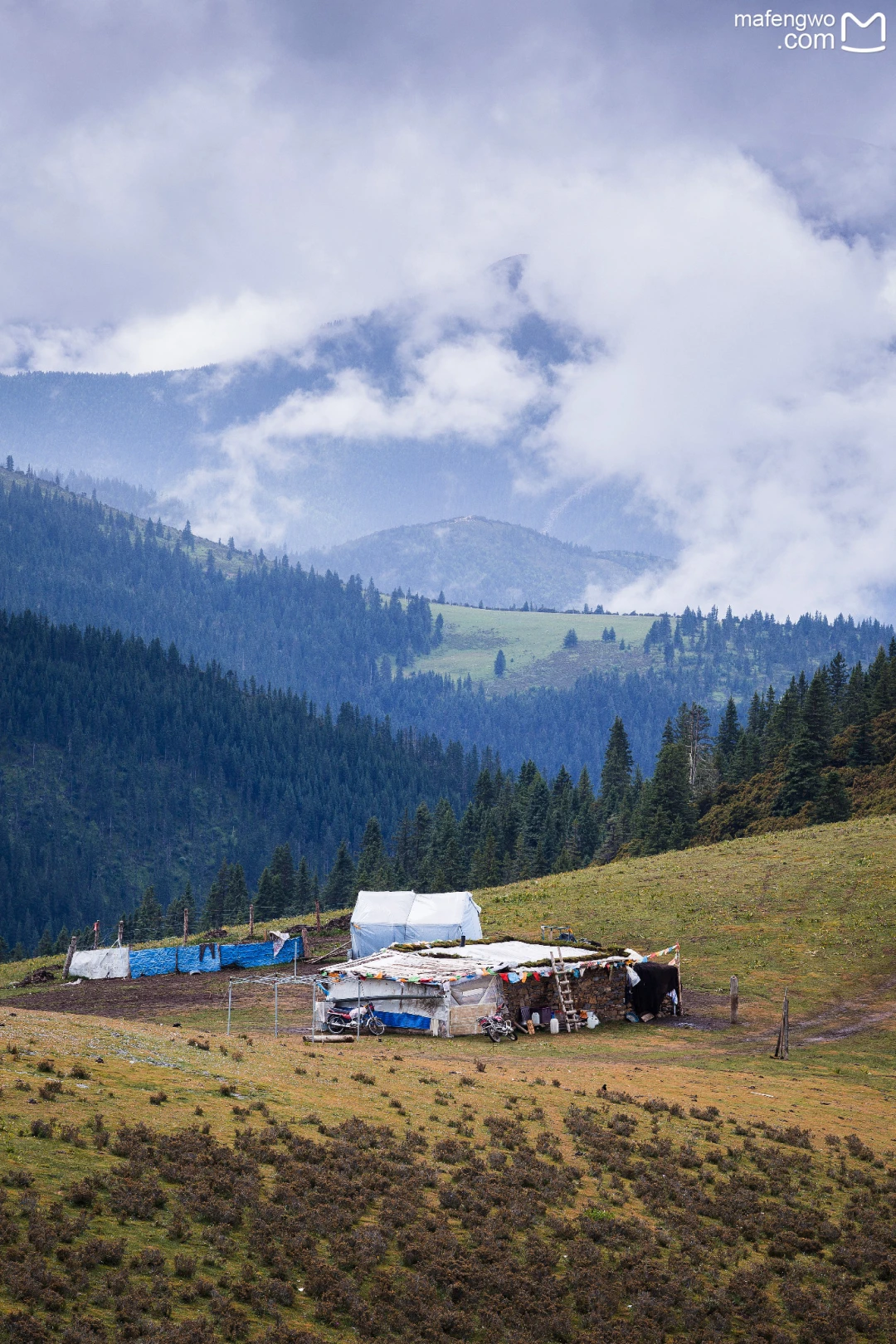
Expect to spend 3,000-6,000 RMB (excluding flights from your home city). Costs include transport, accommodation, meals, entrance fees (Yading: 266 RMB), and equipment rental.
5. What should I pack for Western Sichuan?
Essentials: waterproof jacket, trekking poles, altitude sickness medication, oxygen canisters, warm layers, sunscreen, lip balm, and a good camera. Pack light—you'll carry everything yourself.
Conclusion: Why You Should Still Choose to Set Out
Ten days in Western Sichuan taught me that paradise has a price. The eyes feast while the body endures hell. But every step—every gasp for air, every moment of doubt—was worth it.
When I stood on that trampled flower field in Xinduqiao, I felt heartbreak. When I turned back from Milk Lake, I felt failure. But when I watched the bonfire dance in Jiaju, when I saw the Yala Snow Mountain from Tagong Grassland, when I heard "Tibetan Girl" echo through the highland night—I knew I'd made the right choice.
Your adventure awaits. Don't let fear of altitude sickness or imperfect weather stop you. Western Sichuan will humble you, challenge you, and reward you in ways you never imagined.
Ready to plan your Western Sichuan journey? [Link: Book your Western Sichuan tour package today] or [Link: Download our complete Western Sichuan packing checklist]
Have you visited Western Sichuan? Share your experience in the comments below!
Keywords: Western Sichuan travel guide, Yading National Park, Daocheng travel, Siguniang Mountain hiking, altitude sickness prevention, Sichuan plateau travel, Jiaju Tibetan Village, Tagong Grassland, Xinduqiao photography, Kazila Mountain
You may also like


