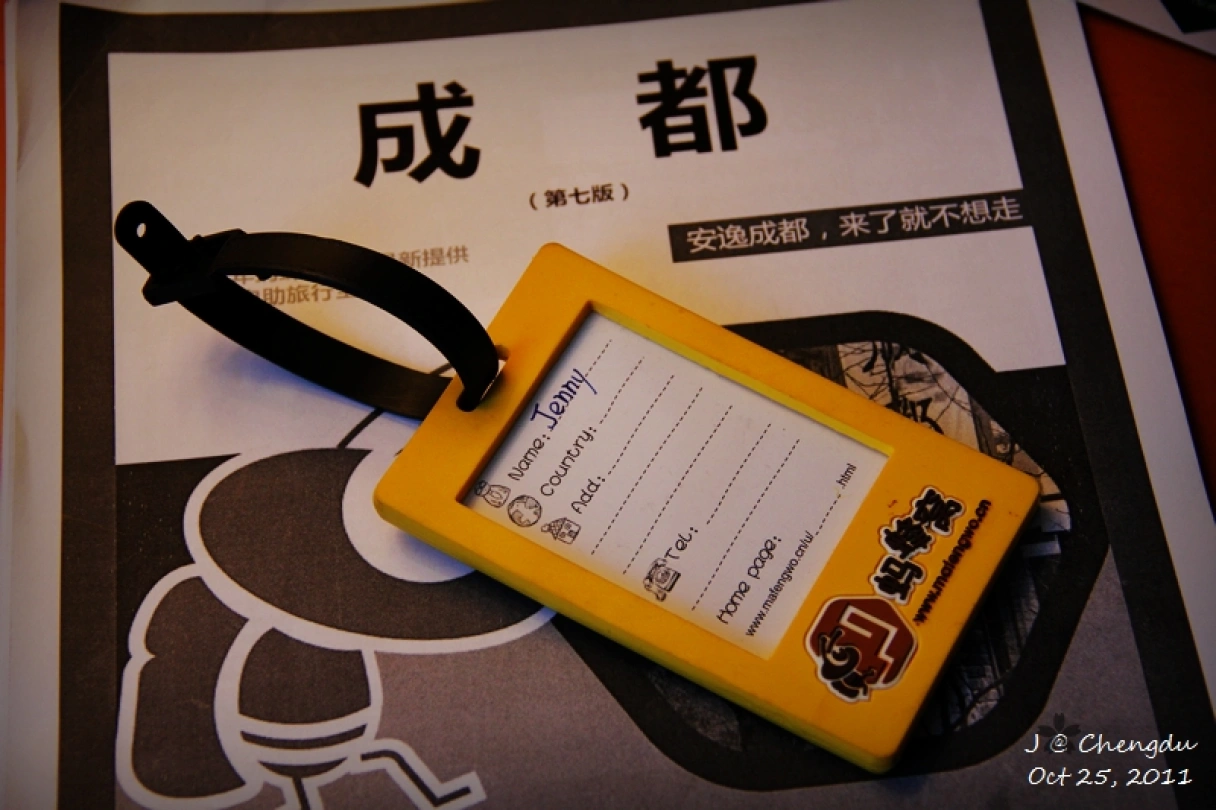
Slow Time in Twin Cities: Rediscovering the Rhythm of Life in Chengdu and Chongqing
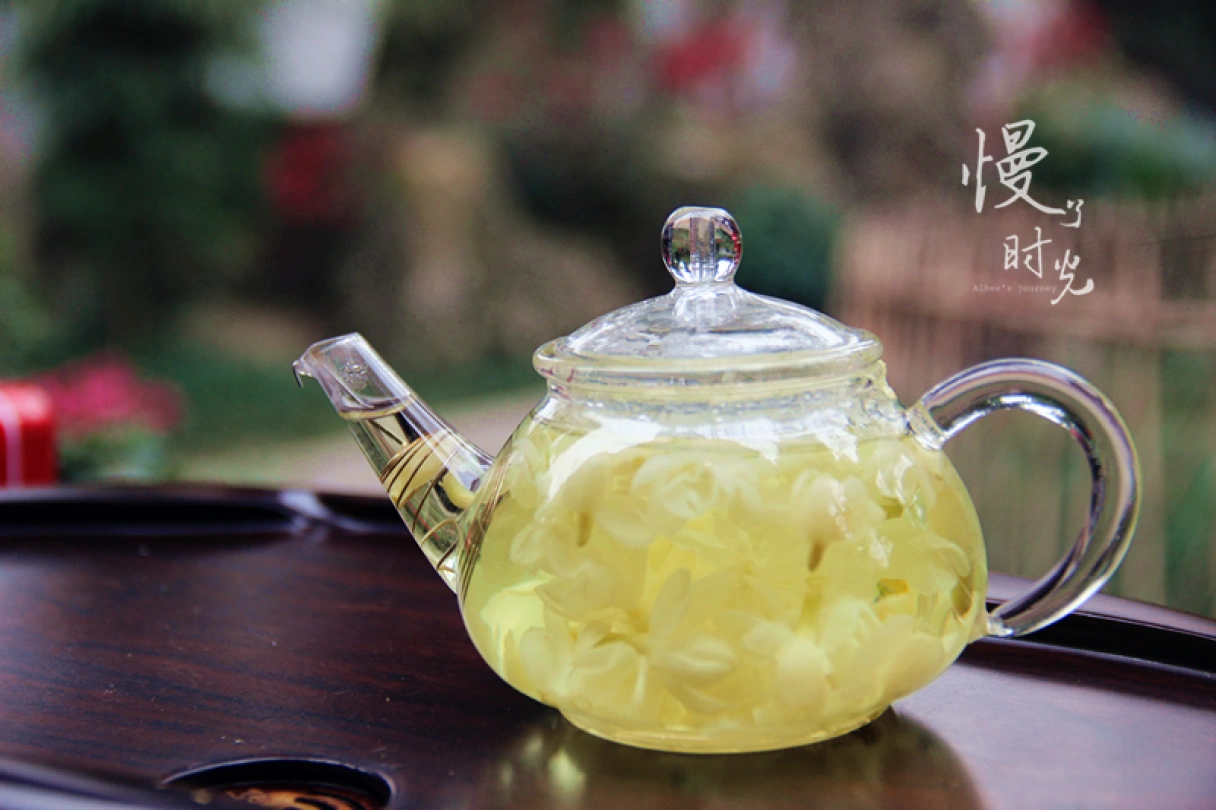
Meta Description: Discover the art of slow living in Chengdu and Chongqing. From panda encounters and tea houses to spicy street food and ancient towns, experience the rhythm of life in China's twin cities.
Introduction: When Travel Becomes a Gentle Escape
Sunlight filters through the gaps in the curtains, casting dappled shadows across my keyboard. Soft melodies flow through my headphones as I sit at my computer, trying to capture with words the memories of a journey that has just ended. Strange, isn't it? Even though I've only just returned from the road, my heart is already stirring with nostalgia.
That's the magic of travel, I suppose — it lets us meet our truest selves in unfamiliar cities. For anyone seeking Chengdu travel tips or a Chongqing food guide, this journey through the twin cities offers a blueprint for rediscovering life's simple pleasures.
As a seasoned veteran of long-distance relationships, my boyfriend and I see each other only a handful of times a year. Winter and summer breaks, occasional holidays, plus one or two trips annually — that's the sum total of our time together. So every time we reunite, I want to hold him tight, bury my face in his shoulder, and whisper, "I've missed you."
After this year's winter break ended, I decided to embark on a long-planned food adventure. I'm grateful to my chubby Mr. Right for being willing to go along with my wild ideas, making every seemingly risky dream feel possible.
This time, our destinations were Chengdu and Chongqing — two cities with vastly different personalities, yet both equally captivating.
Departure: Learning to Embrace the Slow Pace on the Train
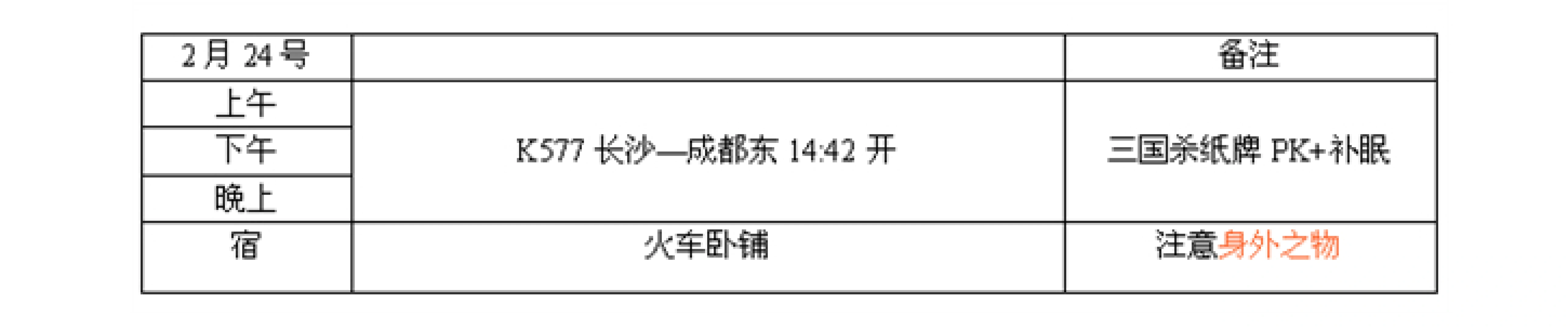
From Changsha to Chengdu, I didn't choose to fly. Instead, I booked a sleeper train ticket. A 20-hour journey sounds endless, but once you're on board, time passes far more quickly than you'd expect.
Playing cards, chatting with fellow passengers, staring into space, listening to the rhythmic "clack-clack" of the tracks... I was surprised to find myself so perfectly at ease with this feeling of being on the move. I don't struggle with unfamiliar beds or pillows — I can fall asleep soundly even in strange surroundings. Maybe it's because he's beside me, making me feel safe.
Pro tip for slow travel in China: Train journeys offer a unique window into local life. [Link: Slow travel in China]
Chengdu: The City You Never Want to Leave
Chengdu is often called "the land of abundance," and for good reason. The city's laid-back atmosphere, affordable living, and incredible food culture make it a magnet for travelers. Here's your Chengdu itinerary for experiencing the city's best slow-living spots.
First Impressions: Slow Living at People's Park
Our first stop upon arriving in Chengdu was People's Park. There, we found the famous Heming Teahouse (Crane's Call Teahouse), where clusters of elderly people sat together playing cards, sipping tea, and chatting. Their utterly relaxed expressions made me instantly understand why people say Chengdu is "a city you never want to leave."
Next to the teahouse was a shop called Zhong Shui Jiao (Zhong's Dumplings). The dumpling wrappers were thin and delicate, bursting with savory flavor with every bite. We also tried Lai Tang Yuan (Lai's Glutinous Rice Balls) — soft, sweet, and chewy, the perfect comfort on a winter's day.
Why People's Park is essential for your Chengdu travel guide: It's where you witness authentic Chengdu slow living. [Link: Best parks in Chengdu]
Kuanzhai Alley: A Time Tunnel Where Old Meets New
Kuanzhai Alley is probably one of Chengdu's most famous landmarks. Wide Alley, Narrow Alley, and Well Alley — three parallel historic streets that carry the city's past and present.

There are plenty of snack stalls in the alleys, but prices are generally high and the flavors aren't always authentic, so I wouldn't recommend eating a full meal here. Still, the elegant door numbers, quirky ceramic shops, and flowing red silk decorations make it impossible not to stop and take photos.
At one panda-themed shop, I spotted a cute panda hat priced at 35 yuan. I hesitated and didn't buy it. But when we turned right out of the alley, we found a panda wholesale store selling the exact same hat for just 15 yuan. Lesson learned: shop around.
Budget tip for Chengdu shopping: Always compare prices before buying souvenirs near tourist attractions.
Tazi Mountain Park: A World of Wonders at the Lantern Festival
In the evening, we went to Tazi Mountain Park for the lantern festival. Student tickets were only 12.5 yuan — a real bargain. Though the park is on the outskirts of the city, crowds of people streamed in to see the displays.
The Eiffel Tower, the Egyptian pyramids, St. Basil's Cathedral, the Sydney Opera House, the Statue of Liberty... all kinds of world landmarks were recreated as exquisite lanterns, glowing brilliantly against the night sky. There were also three-dimensional sugar paintings so delicate that you'd hate to eat them.
Why visit Tazi Mountain Park: It's one of the most affordable and visually stunning Chengdu attractions during festival seasons. [Link: Lantern festivals in Sichuan]
Sichuan University West China Campus: Old Times on Campus
Whenever I visit a city, I like to stroll through its university campuses. The West China Campus of Sichuan University is where my friend S studies. The architecture leans toward the old-fashioned, which is exactly my style.
On the third floor of a teaching building, we could see quiet classrooms through the windows. Sunlight poured in, casting warm shadows on the floor. In the empty rooms, time seemed to stand still.
S took us to what she considers the best danhonggao (egg puff cake) in Chengdu, just outside the campus gate on Daxue Road. Vegetable fillings cost 1.5 yuan each, meat fillings 2 yuan. When the vendor realized we were from out of town, she threw in an extra one for free. The taste was fantastic.
Insider tip: University neighborhoods offer some of the most authentic and affordable street food in Chengdu.
Eastern Suburb Memory: A Pilgrimage Site for Artsy Souls
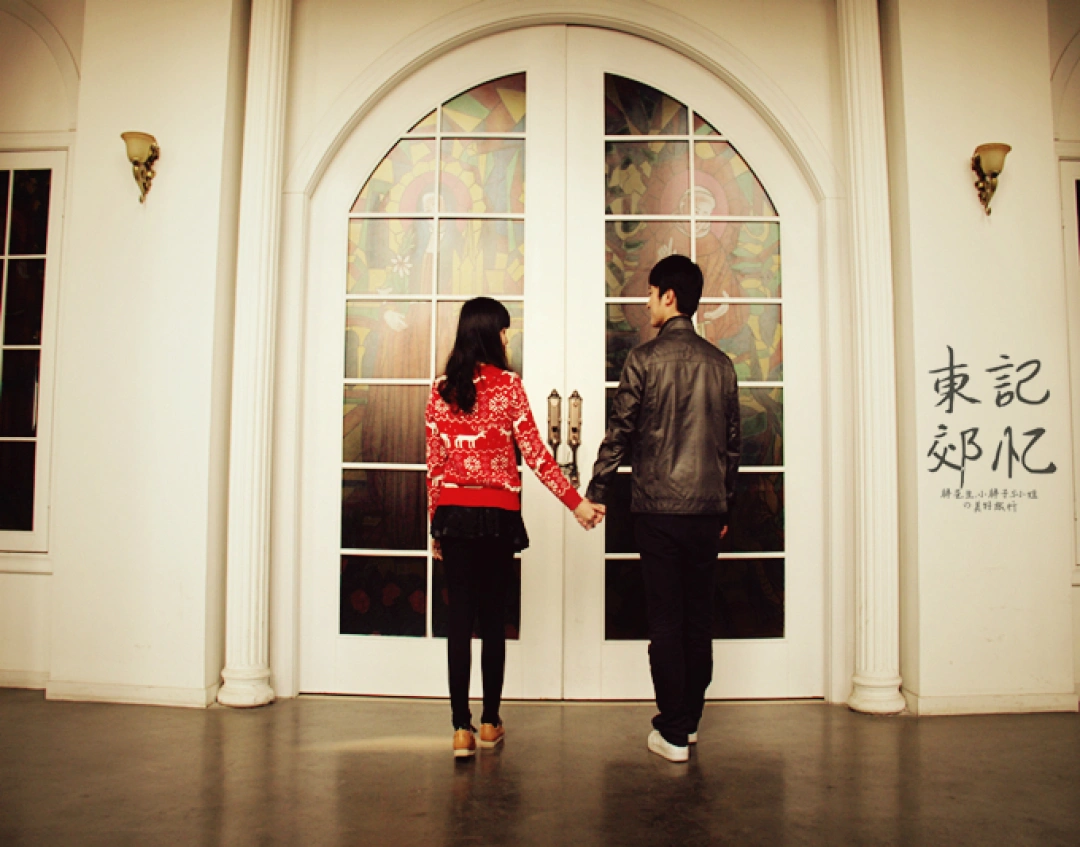
"Eastern Suburb Memory," originally called "Music Park," is a place brimming with artistic atmosphere. There are stylish little shops, uniquely designed buildings, and even couples taking wedding photos. Maybe because it wasn't the weekend, there weren't many visitors — which made me love it even more.
When my friends saw the photos I took here, they all said they looked forward to the day I'd wear a white wedding dress. Honestly, I'm looking forward to that day too.
Why Eastern Suburb Memory is a must-visit: It's a photographer's paradise and a haven for creative souls. [Link: Artsy spots in Chengdu]
Panda Base: When Cuteness Rules the World
How could you visit Chengdu without seeing the pandas? The Panda Base is located outside the Third Ring Road, about an hour by bus from Tianfu Square. A student ticket costs 29 yuan — great value for money.
The baby pandas were utterly irresistible. One little guy was lured by a keeper holding out a cornbread bun, standing up on his hind legs to reach for it. His clumsy yet earnest expression had us all laughing. There was also a pair of twin sisters — Wenli and Yali. Wherever the older sister went, the younger one followed, two round bundles of fluff huddled together munching on bamboo, so adorable you wanted to scoop them up and kiss them.
Here, I truly understood the panda philosophy: "If you can sit, never stand; if you can lie down, never sit." Watching them lazily chew bamboo, bask in the sun, and let out contented sighs, I genuinely felt that being a panda must be wonderful.
Why the Panda Base is a top Chengdu attraction: It's the best place in the world to see giant pandas up close. [Link: Giant panda conservation in China]
Jinli: A Feast of Food and Night Scenery
From the Panda Base, we transferred buses to Jinli. Even on a weekday, the crowds were astonishing.
Jinli is famous for its street food, and the flavors and presentation lived up to the hype. The crispy chili peppers weren't actually spicy — they were chili skins wrapped around peanuts, crunchy and fragrant. The "pissing beef balls" (撒尿牛丸, saniúwán) were tender and juicy. The "three cannons" (三大炮, sāndàpào) were actually glutinous rice balls drizzled with brown sugar syrup. The "heartbroken noodles" (伤心凉粉, shāngxīn liángfěn) were so spicy they could make you cry — but as a Hunanese, that level of heat was no challenge.
Jinli at night had a completely different charm. The iced fermented rice wine (冰醪糟, bīng láozāo) was rich and aromatic, absolutely delicious. One shop sold ribs for 10 yuan per small piece — expensive, but the flavor was outstanding.
Chengdu street food guide tip: Jinli is perfect for sampling a wide variety of local snacks in one place. [Link: Best street food in Chengdu]
Huanglongxi: Old Town with a Touch of Everyday Life
With an extra day to spare, we decided to visit Huanglongxi, an ancient town on the outskirts of Chengdu. We took a direct bus from Xinnanmen Bus Station, costing 14 yuan per person.
As soon as we got off, we were greeted by vast fields of golden rapeseed flowers. I ran into them in pure excitement. Huanglongxi is actually quite a modernized ancient town, but thankfully there weren't many tourists that day.
We had douhua (tofu pudding) for 5 yuan a serving, served with chili sauce — a different approach from the sweet version we have back home, but the tofu was incredibly silky. I also got my beloved brown sugar glutinous rice cake (红糖糍粑, hóngtáng cíbā) .
Why Huanglongxi is worth the trip: It offers a glimpse of rural Sichuan life away from the city crowds. [Link: Ancient towns near Chengdu]
Chongqing: The City That Never Sleeps (But Knows How to Relax)
After soaking in Chengdu's slow charm, we headed to Chongqing — a city famous for its spicy hotpot, hilly terrain, and futuristic skyline. While Chongqing feels more energetic, it too has its own version of slow living.
Chongqing Hotpot: A Culinary Ritual
No Chongqing food guide is complete without hotpot. We found a local favorite near Jiefangbei. The bubbling red broth, loaded with Sichuan peppercorns and dried chilies, was a sensory overload in the best way.
We ordered tripe, beef, lotus root, and mushrooms. The ritual of cooking ingredients at the table, dipping them in sesame oil with garlic, and sharing laughter between bites — this is how Chongqing slows down.
Hotpot etiquette tip: Always order more tripe than you think you need. It's the star ingredient.
Hongyadong: A Cliffside Wonderland
Hongyadong is a stunning complex of stilted buildings clinging to a cliff face. At night, it's illuminated in golden lights, reflecting on the Jialing River below. We wandered through the narrow alleys, stopping at a small bar for a local beer.
Why Hongyadong is a must-see: It's the most photographed spot in Chongqing for good reason. [Link: Chongqing night views]
Ciqikou: An Ancient Town with Modern Energy
Ciqikou Ancient Town is a lively maze of streets filled with souvenir shops, tea houses, and street performers. We found a quiet corner tea house overlooking the river and spent an hour just watching boats drift by.
Chongqing travel tip: Visit Ciqikou in the morning to avoid the worst of the crowds.
FAQ: Your Questions About Chengdu and Chongqing Travel
1. How many days should I spend in Chengdu and Chongqing?
For a comfortable trip, plan 4-5 days in Chengdu (including a day trip to Huanglongxi or Leshan) and 2-3 days in Chongqing. This allows you to experience the highlights without rushing.
2. What is the best time to visit Chengdu and Chongqing?
 Spring (March-May) and autumn (September-November) offer the most pleasant weather. Summers can be hot and humid, especially in Chongqing. Winter is mild but can be overcast.
3. Is it easy to get between Chengdu and Chongqing?
Yes! The high-speed train takes about 1.5 hours and costs around 150-200 yuan. Buses and flights are also available. [Link: High-speed rail in China]
4. What are the must-try foods in Chengdu and Chongqing?
In Chengdu: Mapo tofu, dan dan noodles, kung pao chicken, and hotpot (although Chongqing's is spicier). In Chongqing: Chongqing hotpot, spicy chicken (辣子鸡), and sour fish soup (酸菜鱼). Don't miss street snacks like "three cannons" and "heartbroken noodles."
5. Is Chengdu or Chongqing more budget-friendly?
Both are very affordable compared to Beijing or Shanghai. Expect to spend around 200-300 yuan per day on mid-range meals, attractions, and local transport. Street food and public buses keep costs low.
Conclusion: Rediscovering the Rhythm of Life
As I sit here writing, the memories of those slow days in Chengdu and Chongqing feel like a warm blanket wrapped around me. The clack-clack of the train, the sizzle of hotpot, the lazy yawn of a panda — these sounds are the rhythm of a life well-lived.
If you're looking to escape the rush of modern life, Chengdu and Chongqing offer a gentle invitation to slow down. Whether it's sipping tea in People's Park, watching pandas nap, or sharing a steaming pot of spicy broth with loved ones, these twin cities remind us that the best moments in life are often the simplest.
Ready to plan your own slow travel adventure? Start by booking your train ticket, packing your appetite, and leaving your hurry behind. The twin cities are waiting to welcome you.
[Call to Action]
Have you visited Chengdu or Chongqing? Share your favorite slow-living moments in the comments below! And if you're planning a trip, download our free Chengdu-Chongqing Travel Planner for insider tips and hidden gems. [Link: Free travel planner download]
You may also like