Shunde Food Guide 2019: The Ultimate "A Bite of Shunde" Travel Companion for National Day
Meta Description: Planning a Shunde food trip for National Day? This detailed guide follows "A Bite of Shunde" with real restaurant reviews, must-try dishes, and insider tips. Discover where to eat, stay, and what to skip.
Introduction: Why Sh顺德 Deserves a Spot on Your Culinary Map
If you're a food lover but haven't heard of Shunde, there's a massive black hole on your culinary map. In 2016, the documentary A Bite of Shunde transformed this small city under Foshan, Guangdong, into a pilgrimage site for food enthusiasts. Under director Chen Xiaoqing's lens, the people of Shunde use the simplest ingredients and the most refined techniques to embody the legend: "Eat in Guangzhou, cook in Fengcheng."
On the eve of the 2019 National Day holiday, I set out from Chengdu with my family, driving south for five days on this pilgrimage. This article isn't a travelogue – it's a guide infused with real experience: surprises, disappointments, hard facts, and reflections.
[Link: Best time to visit Shunde for food festivals]
Where Is Shunde? Understanding the Geography of Guangdong's Food Capital
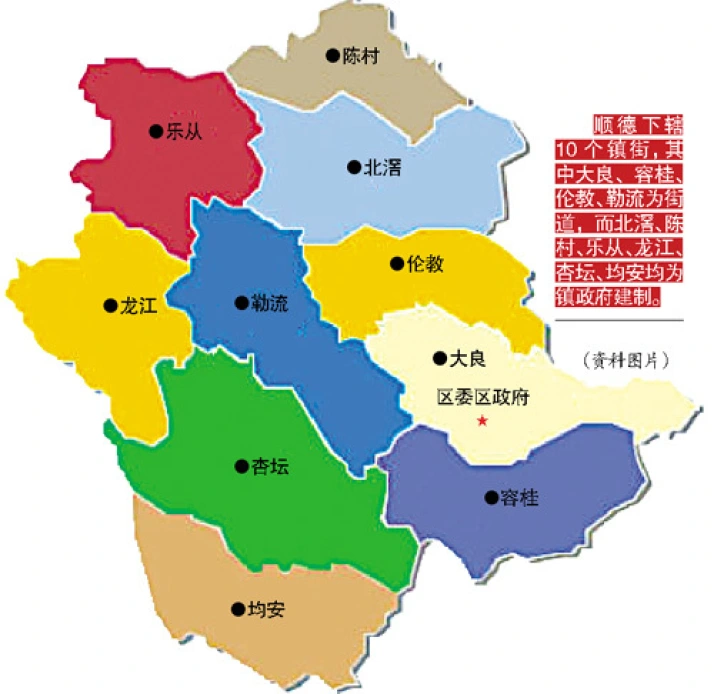
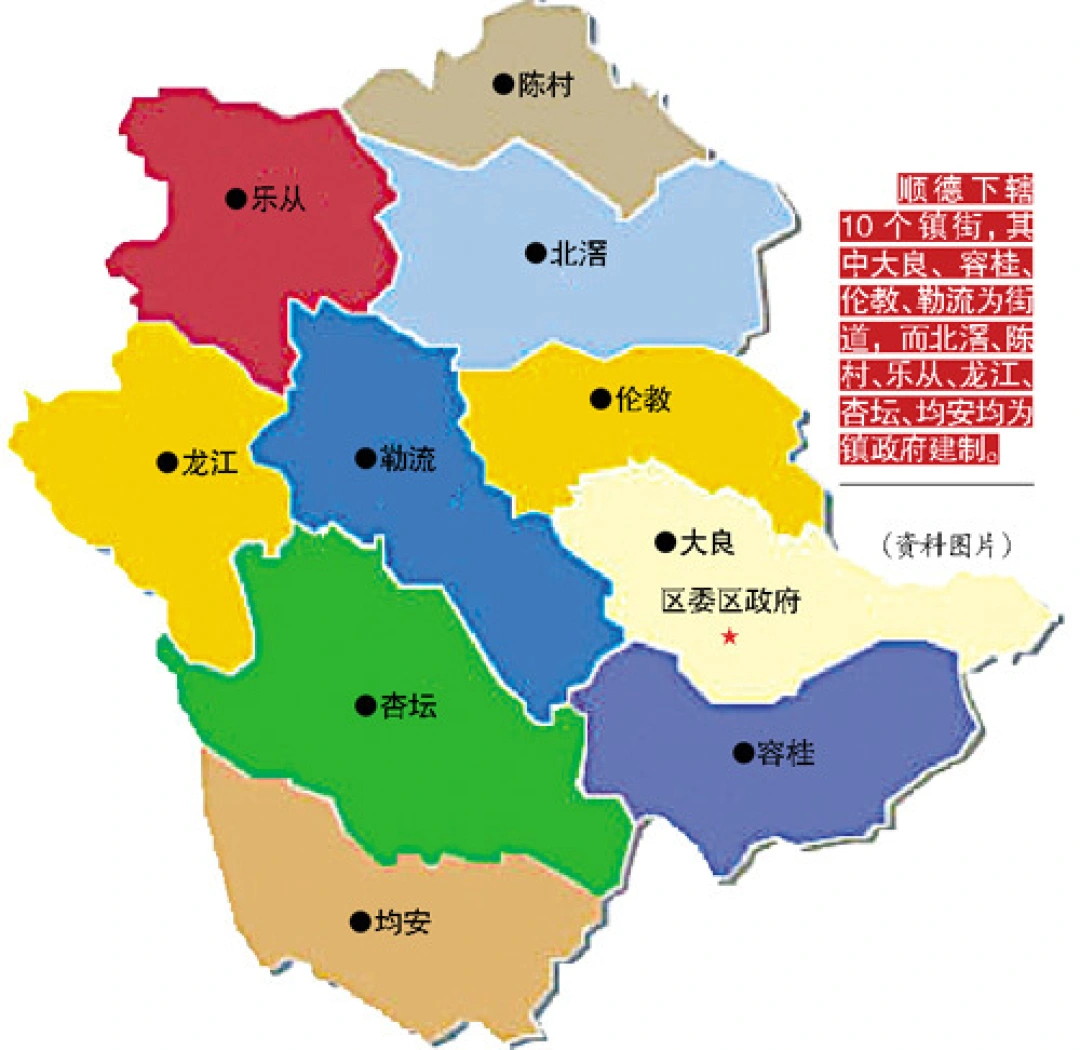
Shunde isn't a "city" – it's one of five administrative districts under Foshan City, Guangdong Province. Shunde District governs four subdistricts (Daliang, Ronggui, Lunjiao, and Liulei) and six towns (Chencun, Jun'an, Xingtan, Longjiang, Lecong, and Beijiao). Shunde is 32 kilometers from Guangzhou, 127 kilometers from Hong Kong, and 80 kilometers from Macau.
Don't underestimate this "district." In 2018, Shunde's GDP exceeded 300 billion yuan, home to giants like Midea, Country Garden, and Galanz. Its villages and towns boast thriving economies and towering skyscrapers – a far cry from the image of a northern "small town."

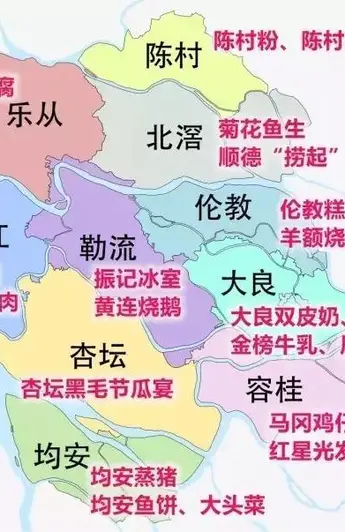
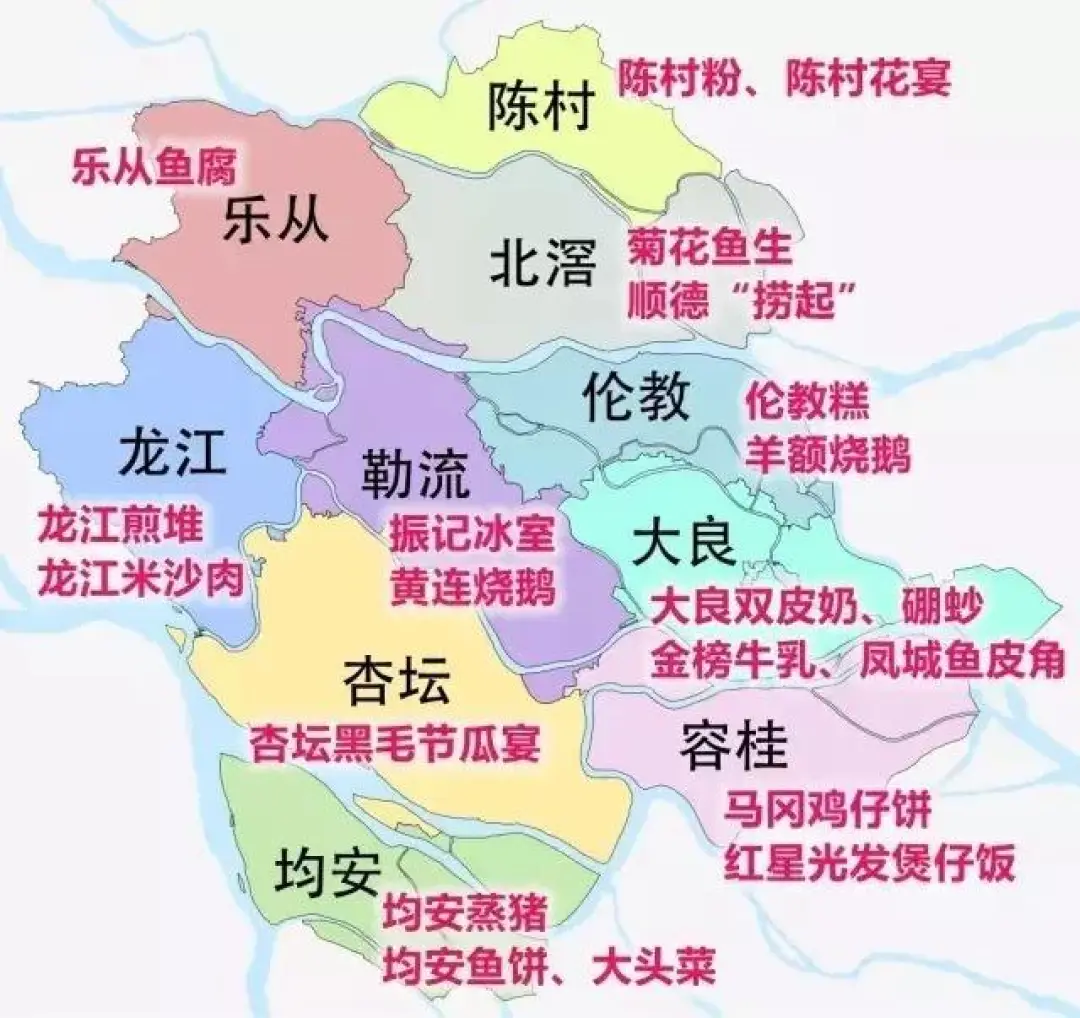
Culinarily, each town and village has its specialty: 伦教糕 (Lunjiao rice cake, from Lunjiao Town), 均安烤猪 (Jun'an roasted pork, from Jun'an Town), 陈村粉 (Chencun rice noodles, from Chencun), and 大良双皮奶 (Daliang double-skin milk pudding, from Daliang Town). Daliang is Shunde's center, Ronggui is a gastronomic powerhouse, and Xingtan is renowned for its ancient Lingnan village layout and rustic private kitchens.
Accommodation Tip: If you're driving, I recommend the Holiday Inn in Lunjiao, next to the Poly development. It opened in 2019, with new facilities and excellent service. If you don't have a car, staying in Daliang or Ronggui is more convenient.
[Link: Top hotels in Shunde for food travelers]
The Culinary Code from A Bite of Shunde: Key Ingredients and Techniques
Here are the key specialty ingredients highlighted in the documentary:
- 凤眼果 (phoenix eye fruit, also known as ping pong fruit or Chinese chestnut): Resembles chestnuts, with a harvest season of only 40 days (July–August).
- 腌头菜 (pickled mustard greens): Pickled mustard greens, nicknamed "Shunde abalone."
- 节瓜 (hairy gourd): Similar to winter melon, harvested in June–July.
- 粉葛 (kudzu root): Also known as kudzu root in traditional Chinese medicine, available in July–August.
- 沙葛 (jicama): Also called ground pear, botanically known as yam bean.
- 红米酒 (red rice wine): A soy-sauce-aroma liquor made with pork fat.
- 鱼类 (fish varieties): 鲮鱼 (mud carp), 鲩鱼 (grass carp), 和顺鱼 (peaceful fish), 九肚鱼 (Bombay duck), 鳙鱼 (bighead carp), and 三泥鱼 (three-mud fish).
Shunde stir-fries are an outlier in Cantonese cuisine – cooked over high heat with intense 镬气 (wok hei, the "breath of the wok"), which quickly sears the ingredients, locking in moisture and producing aroma without excess sauce. Signature dishes include "桂花芽菜炒龙虾球 (osmanthus sprout stir-fried lobster balls)" and "头菜炒猪颈肉 (pickled mustard greens stir-fried with pork neck)."
Local Ingredient Name Guide: 节瓜 (hairy gourd), 胜瓜 (silk gourd, i.e., loofah), 凉瓜 (bitter melon), 佛手瓜 (Buddha's hand gourd); 猪生肠 (pig fallopian tubes), 竹肠 (a short, thick, and crunchy section near the pig's stomach outlet), 粉肠 (front section of small intestine), 肠头 (pig large intestine near the anus); 牛膀 (ox pancreas), 牛展 (ox tendon leg meat), 牛欢喜 (cow's reproductive organ, literally "cow happiness").
[Link: Understanding Cantonese ingredient names for foodies]
Shunde Restaurant Reviews: Which Are Worth It and Which to Skip
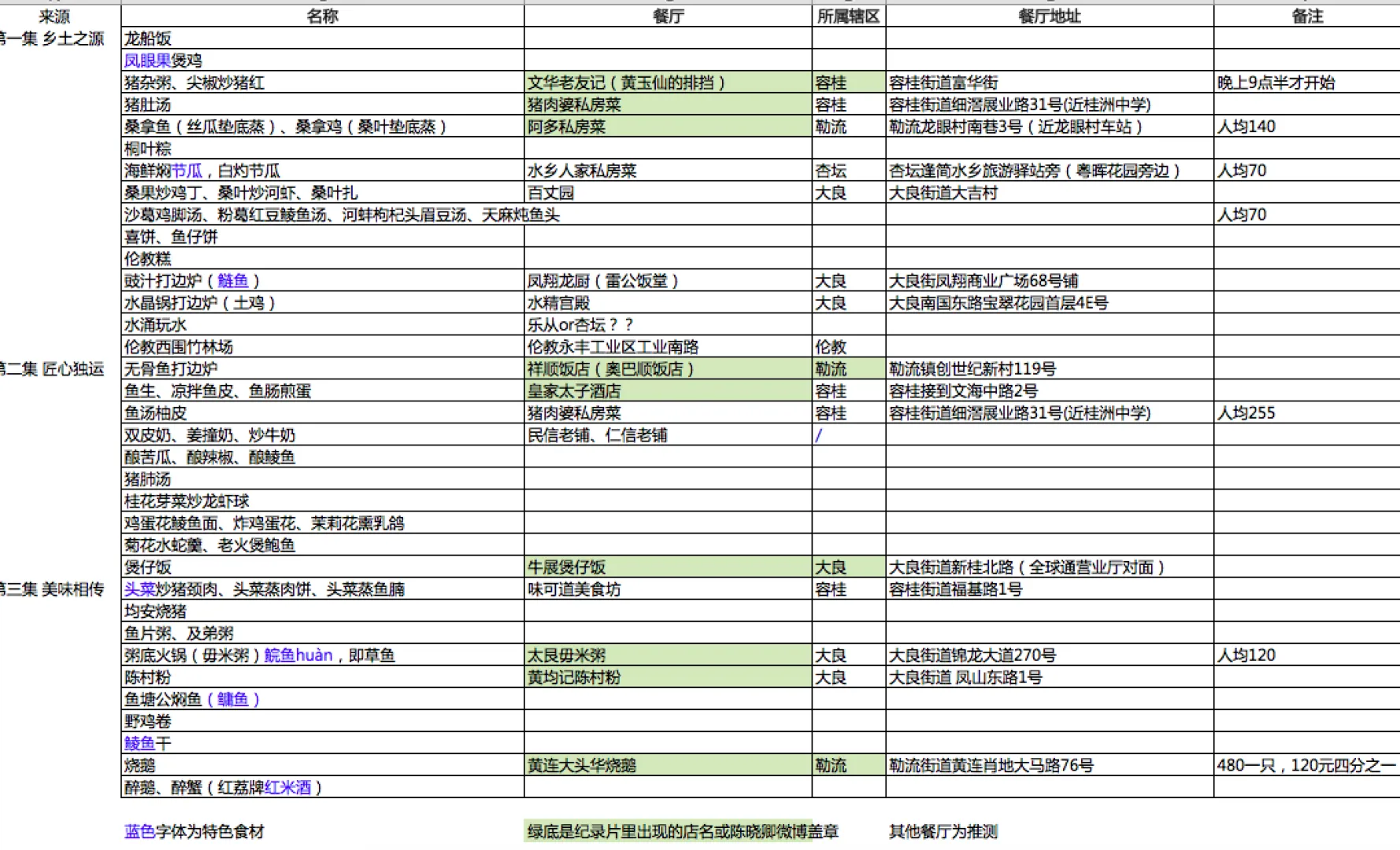
Maijiazhuang Private Kitchen (Steamed Chicken/Fish)
Rating: ★★★
Located in Chencun, it's convenient if you're passing by from Baiyun Airport. Open for lunch until mid-afternoon, making it a good choice if you've missed regular meal times. The courtyard is an old residential building, considered a cultural relic.
The chicken, fish, and seafood are steamed, served with a dipping sauce of soy sauce and ginger oil. It gets greasy after a while. The seafood is fresh, the chicken tender, but the fish lacks springiness. Everything is steamed on lotus leaves – no mulberry leaves used here.
Alternative: Aduo Private Kitchen
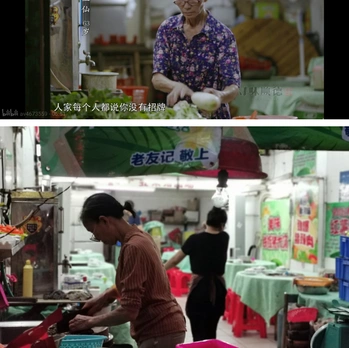
Wenhua Laoyouji (Congee Dishes)
Rating: ★★★
No phone reservations accepted. Opens at 9:30 PM. When I arrived, there were still seats. After ordering, some stir-fried dishes came first, and we finished eating by midnight. Without queuing, it still took two and a half hours.
The pork with tendons and pork tongue were good – firm and springy. The braised pork liver had a tender, chewy texture. But the congee was extremely salty, the clams weren't fresh and had a fishy smell, and the chive and blood tofu soup was complimentary for every table.
Conclusion: As a late-night snack, try it if there's no queue. Otherwise, not worth it.
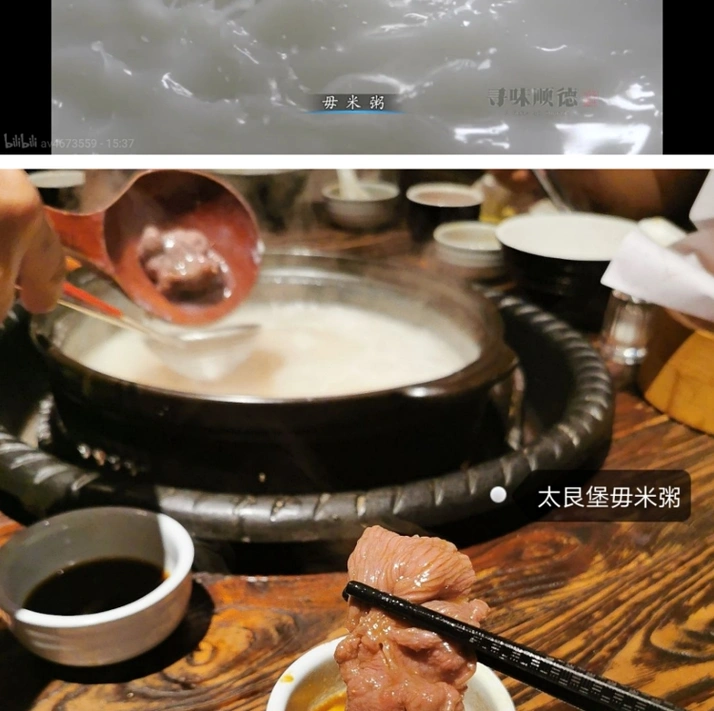
Taigenbu Wumi Porridge (Congee Hot Pot)
Rating: ★★★★★
A must-visit! Much better than Wenhua Laoyouji. Attentive service, fresh seafood and fish, and the final congee you drink is sweet and delicious. The whole experience was very satisfying.
Must-orders: 鲩鱼片 (grass carp slices) and 牛展 (ox tendon leg meat). The abalone is generously sized. Before drinking the congee at the end, add some shredded greens. The side dishes, like squid cakes and pan-fried fish fillets, were also tasty.
Alternative: Zhenji Restaurant
Zhuroupo Private Kitchen
Rating: ★★★★
Extremely famous – a must-eat private kitchen in Shunde. Phone reservations available. Lunch has two seatings: 11:00 AM and 1:00 PM. Book early during holidays.

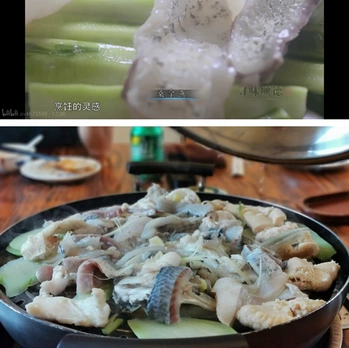
Our group of four adults and one child ordered several signature dishes. By the end, only the pork stomach soup was finished; the rest had leftovers (not because portions were huge). If you love sashimi, definitely try 顺德鱼生 (Shunde raw fish salad) – it's very refreshing. The 煎焗竹肠 (pan-fried bamboo intestine) was crunchy. The fish soup with pomelo peel had a unique texture, like taro, but the flavor was just okay. The signature 美极干煎罗氏虾 (Maggi-style dry-fried freshwater prawns) – people say they're so good you'll lick your fingers, but even after licking the shells, the flavor was barely noticeable.
Looking at the wall full of awards, I believe Zhuroupo must have been delicious once. But with the flood of diners, the kitchen has become a production line. Mass-produced food lacks soul – the Zhuroupo you and I eat isn't the same one Chen Xiaoqing tasted.
Alternatives: Leneng Private Kitchen (Shunde stir-fries – I regret not going), Deyunju, Yihu Private Kitchen, Shundepo Private Kitchen, Longqiao Private Kitchen (modern style)
Gengyuan Private Kitchen (Fengjian Water Town)
Rating: Not recommended
Not good. We ordered four of the top five recommended dishes on Dianping. The dried vegetable stir-fried beef was sweet? The 酿鲮鱼 (stuffed mud carp) wasn't authentic, the shredded fish soup and clams were average, and only the hand-made squid balls were passable.
Alternatives: Huang Mama Signature Private Kitchen, Shuixiang Renjia Private Kitchen
Hongxing Guangfa Claypot Rice
Rating: ★★★★
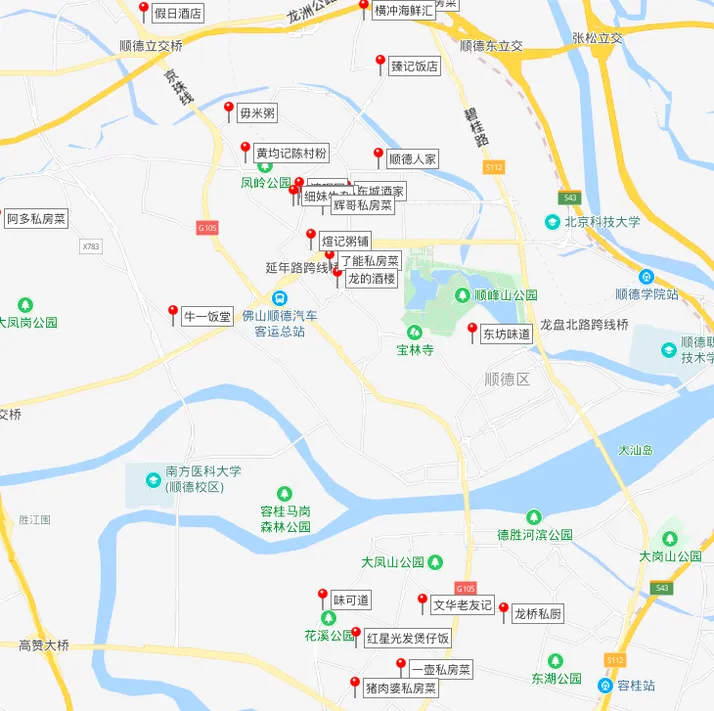
Best to come for lunch; beef and pork might run out by evening. The 腊味煲仔饭 (cured meat claypot rice) is the best.
Alternatives: Shabao Brothers, Niuzhan
Morning Tea: Shunde Renjia vs. Xiangyunxuan
Shunde Renjia (opens at 8:00 AM, large space, but go early on holidays; queues start after 9:00 AM) Rating: ★★★★. Standard morning tea experience. Fast service, wide variety, affordable prices.
Xiangyunxuan (more upscale, smaller portions but higher quality) Rating: ★★★★. Excellent for a leisurely dim sum session with premium ingredients.
[Link: Best morning tea spots in Shunde]
Shunde Food FAQ: Answering Your Top Questions
1. What is the best time to visit Shunde for food?
 Shunde is a year-round food destination, but the best time is during the cooler months (October to March) when the weather is pleasant for walking between food stalls. The harvest season for key ingredients like phoenix eye fruit is July–August.
2. How many days do I need for a Shunde food trip?
A minimum of 2–3 days is recommended to cover the main food areas (Daliang, Ronggui, Lunjiao). For a comprehensive trip including private kitchens and water towns, allocate 4–5 days.
3. Is it necessary to book private kitchens in advance?
 Yes, especially during holidays like National Day. Many private kitchens have limited seating (10–20 tables) and fill up weeks in advance. Phone reservations are standard; some accept WeChat bookings.
4. What are the must-try dishes for first-time visitors?
 Don't miss: 顺德鱼生 (raw fish salad), 双皮奶 (double-skin milk pudding), 陈村粉 (Chencun rice noodles), 均安烤猪 (Jun'an roasted pork), and 伦教糕 (Lunjiao rice cake). For congee hot pot, Taigenbu Wumi Porridge is the top choice.
5. How do I navigate Shunde without a car?
Public transport is limited. Taxis and ride-hailing apps (Didi) are the most practical options. If you stay in Daliang or Ronggui, many restaurants are within walking distance or a short taxi ride.
[Link: Shunde transportation guide for food travelers]
Final Tips for Your Shunde Food Pilgrimage
Plan ahead: Private kitchens require reservations. Use Dianping (大众点评) for real-time reviews and menus.
Go early: Popular spots like Taigenbu Wumi Porridge and Hongxing Guangfa Claypot Rice run out of key ingredients by evening.
Embrace local ingredients: Don't shy away from dishes like 酿鲮鱼 (stuffed mud carp) or 煎焗竹肠 (pan-fried bamboo intestine) – they're part of Shunde's culinary DNA.
Stay flexible: Some restaurants may be closed during holidays. Have backup options ready.
Pace yourself: Shunde food is rich and filling. Share dishes to sample more varieties.
[Link: Complete Shunde travel itinerary for 3 days]
Ready to Experience Shunde's Food Paradise?
This guide is your starting point, not the final word. Every food lover's journey is unique. Use these reviews and tips to build your own Shunde food itinerary, and don't be afraid to explore beyond the tourist trail.
Your turn: Have you visited Shunde? What was your favorite dish? Share your experience in the comments below, or tag us in your food photos on social media.
Bookmark this guide for your next National Day trip, and share it with fellow food enthusiasts who dream of tasting the best of Guangdong's culinary capital.
Live fully, leave without attachments. Providing valuable travel information.
You may also like


