【Rongzhou Memories】The Time Code of the First City on the Yangtze River: From Bo People's Hanging Coffins to Wuliangye's Rebirth
Meta Description: Discover Yibin (Rongzhou), the "First City on the Yangtze River." Explore ancient Bo people's hanging coffins, Wuliangye's baijiu heritage, Yibin ranmian noodles, and the city's unique time code bridging past and present.
Introduction: Unlocking the Time Code of Yibin, the First City on the Yangtze River
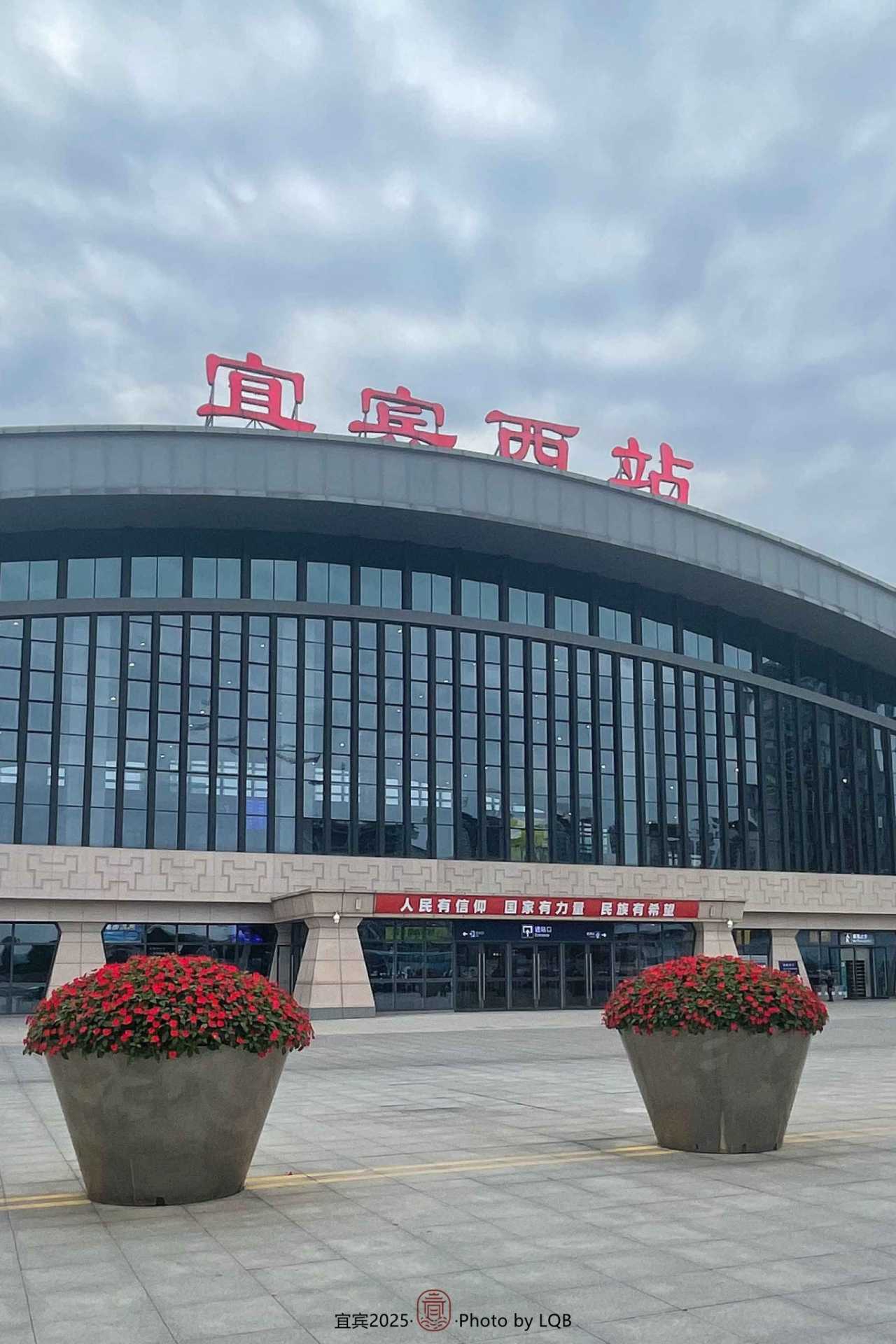
As the high-speed train roars through the Qinling Mountains, tunnels flashing past one after another, you begin to understand what "natural moat" truly means. From the Guanzhong Plain to the Sichuan-Chongqing Basin, this dividing line that stretches across northern and southern China once thwarted Zhuge Liang's six campaigns through the Qishan Mountains. Yet now, in just over two hours, you travel south from Guangyuan, leaving the towering Qinling range behind.
When the Jialing River comes into view again, you know you have returned to this "Land of Abundance."
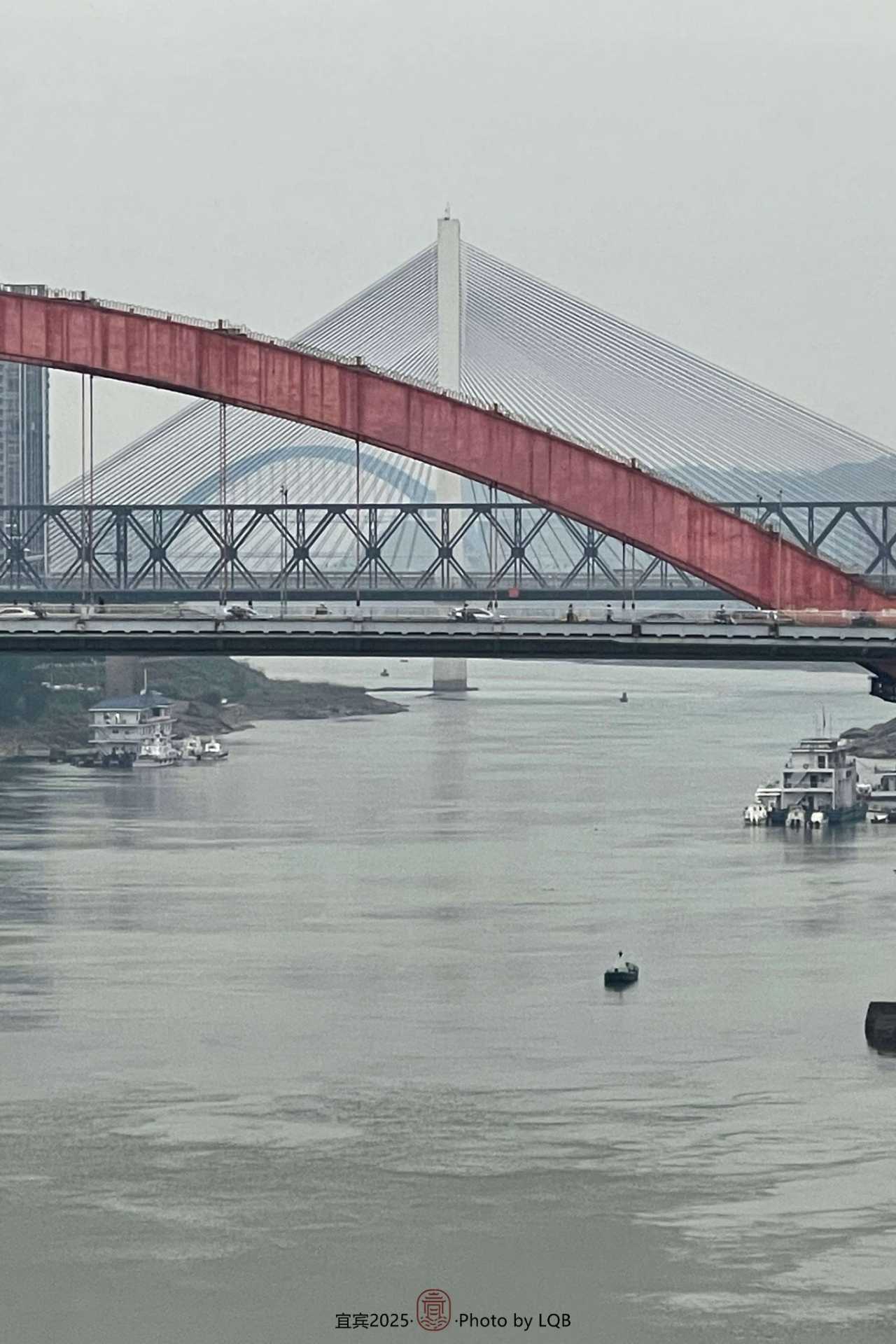
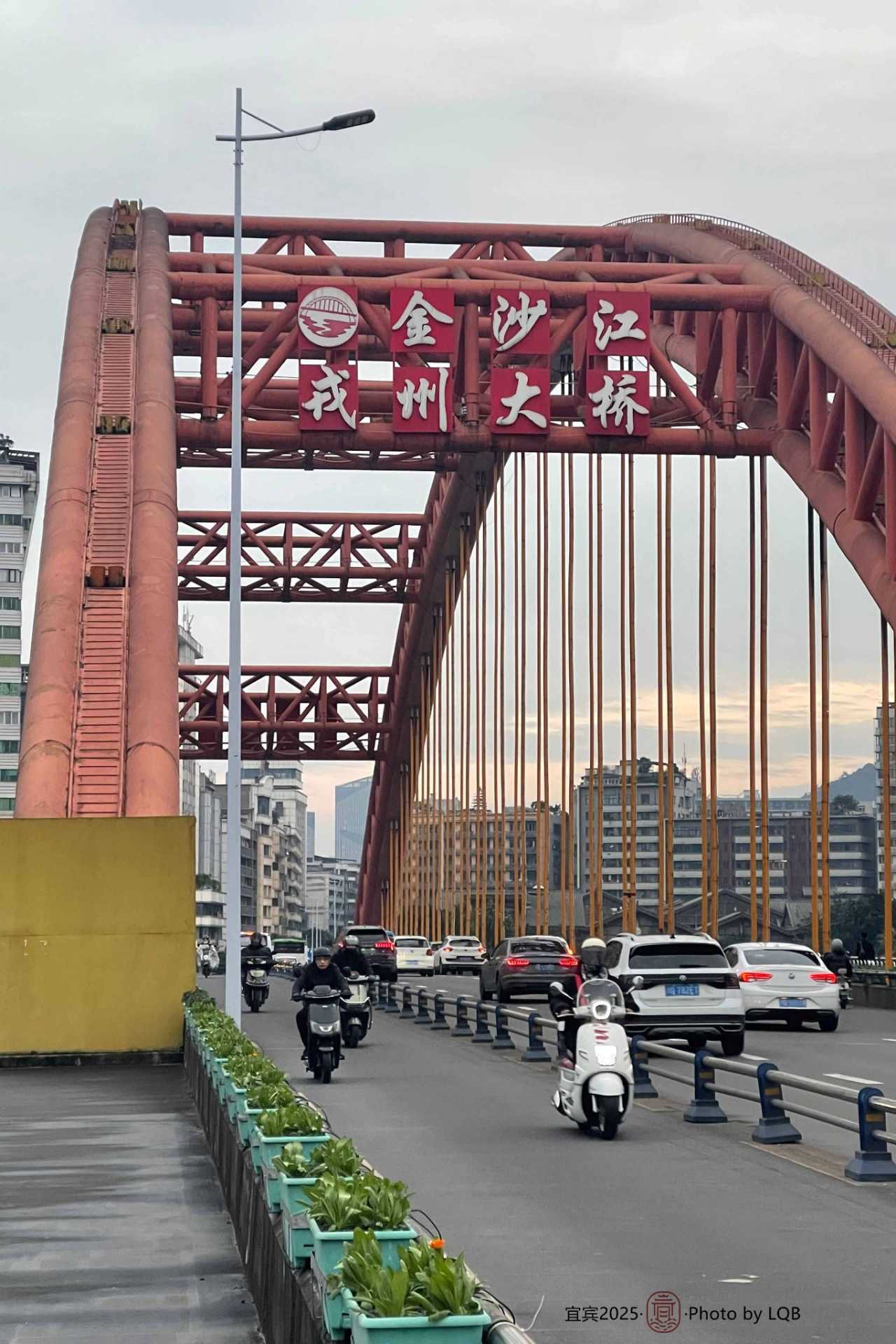
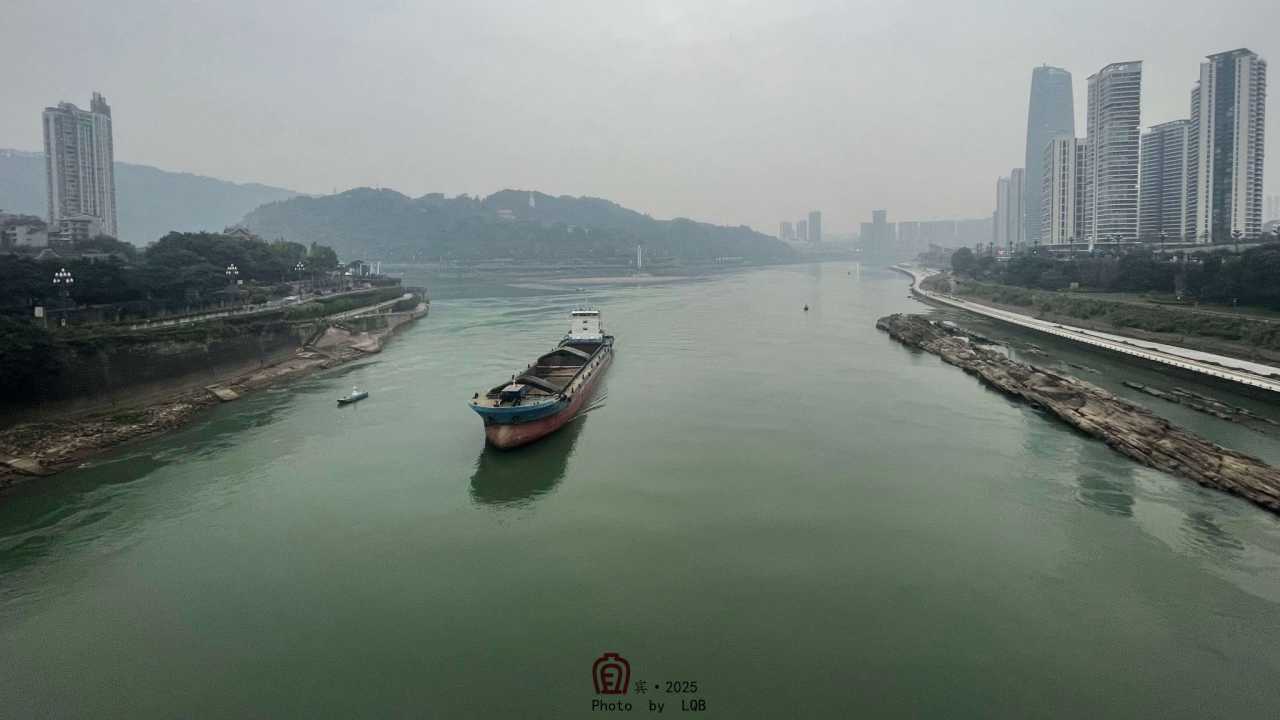
The air is thick with warm moisture—a stark contrast to the dry cold of the Guanzhong Plain. Here, at the junction of Yunnan, Guizhou, and Sichuan provinces, the Jinsha River and the Min River embrace, giving birth to the mighty Yangtze. Standing on Rongzhou Bridge and looking west, you can see Nanmen Bridge, Zhongba Bridge, and the Jinsha River highway-railway bridge lined up in a row. And there, halfway up the mountain, the White Pagoda stands like a silent guardian, witnessing the millennia-long cycles of this "First City on the Yangtze River."
Why is Yibin called Rongzhou? This question sent me searching through this city for seven whole days.
[Link: Yibin travel guide - Best things to do in Yibin]
Chapter One: The Soul of Yibin – Morning Mist, Noodles, and Everyday Life
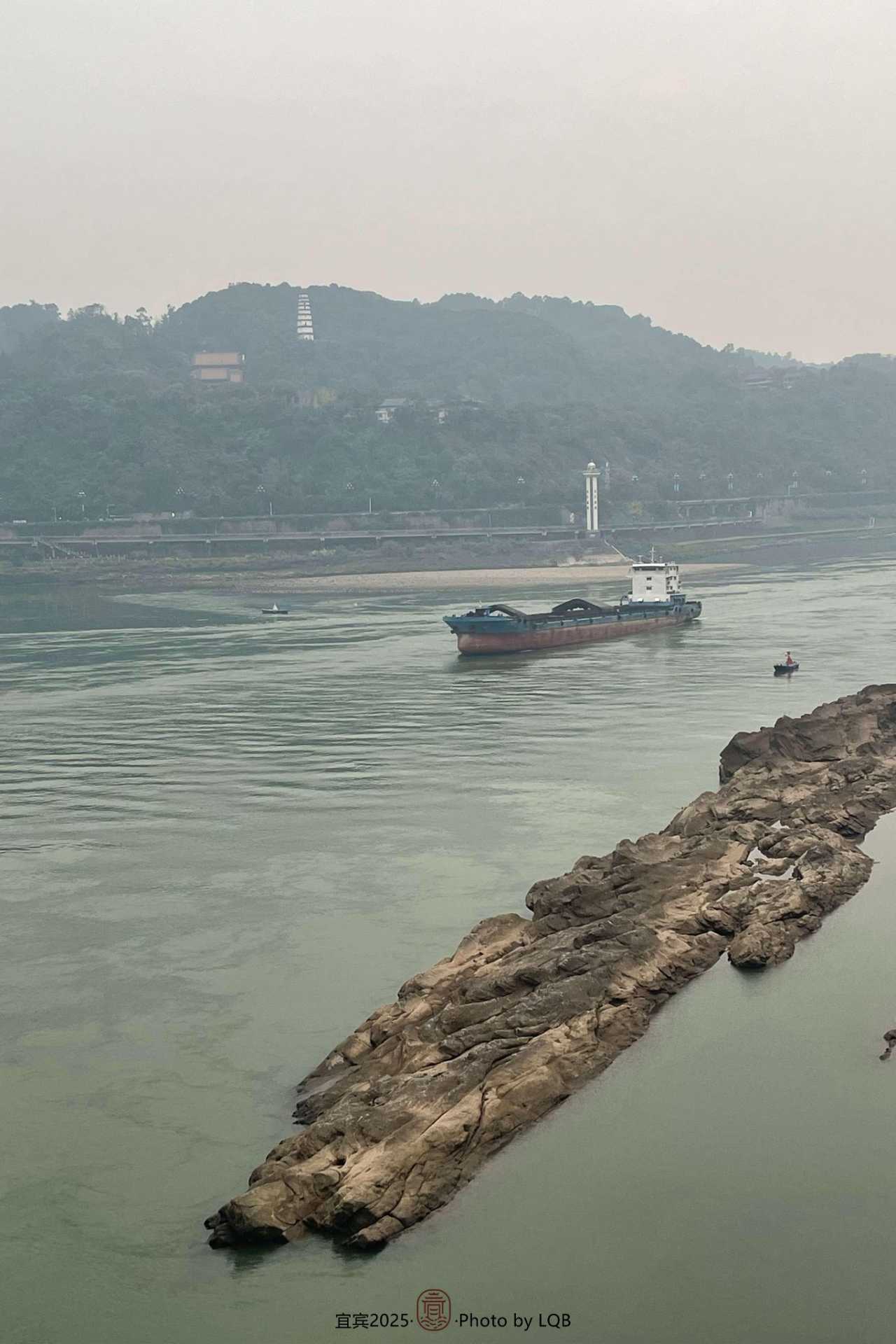
A Mirage in the River Fog at Hejiangmen
"Dogs barking at the sun"—sunlight is a rare commodity in the Sichuan Basin, especially in winter. But that morning, as I crossed the Jinsha River Bridge and turned to see the rising sun scattering golden ripples across the water, my heart inexplicably leaped with joy.
Then the river fog began to rise from Hejiangmen, swirling and spreading. I had witnessed sunrises in the Sahara and sunsets over the North Atlantic, but I never expected to find the most beautiful mirage right here. Ethereal clouds of mist drifted along the riverbank in the morning light, while the city's busy commuters hurried past, oblivious. Only I stood there, gaping like a country bumpkin seeing the big city for the first time.
At a breakfast stall, amidst clouds of steam, I caught fragments of a conversation between two young women:
"Sun's out again today?" "Yeah, it's out again." "Nice..."
I buried my face in my bowl of soy milk and thought: Yeah, I agree. Nice.
Yibin Ranmian: The World-Famous Noodles of the First City on the Yangtze River
My first meal in Yibin was on South Bank's Rongzhou West Road. Pumpkin and frog hotpot shops lined the street every few steps, as dense as the roujiamo (Chinese meat sandwich) stalls in Xi'an. But what really put this outsider in his place was the "mild" spice level—so hot it made my eyes water, so hot that I, a self-proclaimed chili lover, surrendered completely.
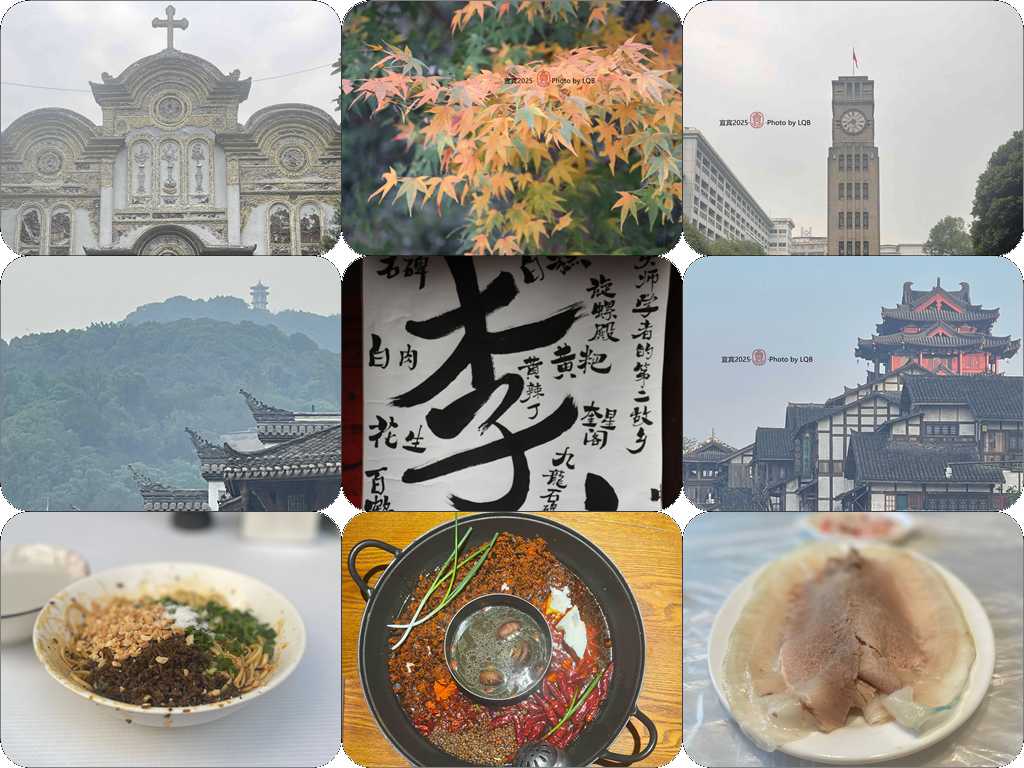
The taste of Yibin's famous ranmian (dry-spiced noodles) was still fresh in my memory. The humble noodle stall I frequented fifteen or sixteen years ago had now become a trendy online-famous noodle shop. Zhongdukou Noodle King, Lu Erqian Noodles, Heping Street No. 5, Liuchen Street Noodles—each has its devoted followers.
Heping Street No. 5 isn't so much a road as it is a vegetable market. There's no shiny storefront, no long queues of customers. Just a tiny, easily overlooked shop, barely lit by streetlights, with only two or three tables. Yet a bowl of noodles here costs just eight or nine yuan—compared to the thirty or forty yuan at Hangzhou's Fuxing Noodle Shop, it's hard to believe this is one of Sichuan's top three economic powerhouses.
The best flavors are always hidden deep in the city's veins. The corner shops without neon signs, the street vendors with their pushcarts, the simple home-style dishes—these flavors, carrying time and emotion, are often more memorable than the trendy restaurants in bustling commercial districts. Amidst the apparent disorder and chaos lies something called the city's soul.
Besides ranmian, there were just as many douhua fan (tofu pudding rice) stalls. Big basins were set up by the roadside, seemingly unfazed by the dust and exhaust fumes. I tried youcai tai (rapeseed sprouts) for the first time, discovered zhuerba (sticky rice dumplings) and yaerba (duck-shaped rice cakes), and was once again dazed by the "mildly spicy" maocai (Sichuan-style boiled vegetables).
It turns out that no matter how much you've read, how many places you've visited, or how many foods you've tried, there's always something new to discover.
[Link: Best Yibin food guide - Where to eat in Yibin]
Chapter Two: Wuliangye – The Sacred Site of Baijiu Culture and the Rebirth of an Ancient Spirit
The Past and Present of Wuliangye: From Tang Dynasty to Modern Baijiu
Between the Jinsha and Min Rivers lies Yibin's old town. On the southern bank of the Min River to the north, there's a cluster of retro-style buildings—the Wuliangye 501 Ancient Cellar Cultural Project. Though completed only this June, these "ancient buildings" carry centuries of brewing history.
The Wuliangye Ecological Park consists of three parts: - The 503 Ming Dynasty Ancient Cellar Living Protection Community on the south bank of the Jinsha River - The headquarters factory base on the north bank of the Min River - The 501 Ming and Qing Dynasty Ancient Cellar Cluster on the south bank of the Min River
This is known as the Sacred Land of Chinese Baijiu Culture. The eight major aromatic baijiu styles all originate from here.
Walking into the Origin Museum, the past and present of Wuliangye unfolded before me: from the Tang Dynasty's Zhongbi Wine, to the Northern Song Dynasty's Yaozi Xueli, to the early Ming Dynasty's Chen Family Secret Recipe, and finally to the 1909 naming of Wuliangye.
In 765 AD, Du Fu passed through here on his way east from Shu, invited by Rongzhou Governor Yang for a banquet. He wrote "Banquet at Governor Yang's Eastern Tower in Rongzhou": "Sipping the Zhongbi Wine, peeling light red lychees. The tall tower stirs melancholy, the horizontal flute never ceases." Old Du was, as always, melancholic. And Zhongbi Wine was the predecessor of today's Wuliangye.
In 1097, Huang Tingjian was exiled to Rongzhou and wrote "Ode to the Spring of Peace and Happiness" praising the local wine Yaozi Xueli. Old Huang was frustrated in officialdom and drowned his sorrows in drink. The "five grains" in Wuliangye, as they're known today, are sorghum, rice, glutinous rice, wheat, and corn.
Touring the Wuliangye Ecological Park: A Journey Through Baijiu History
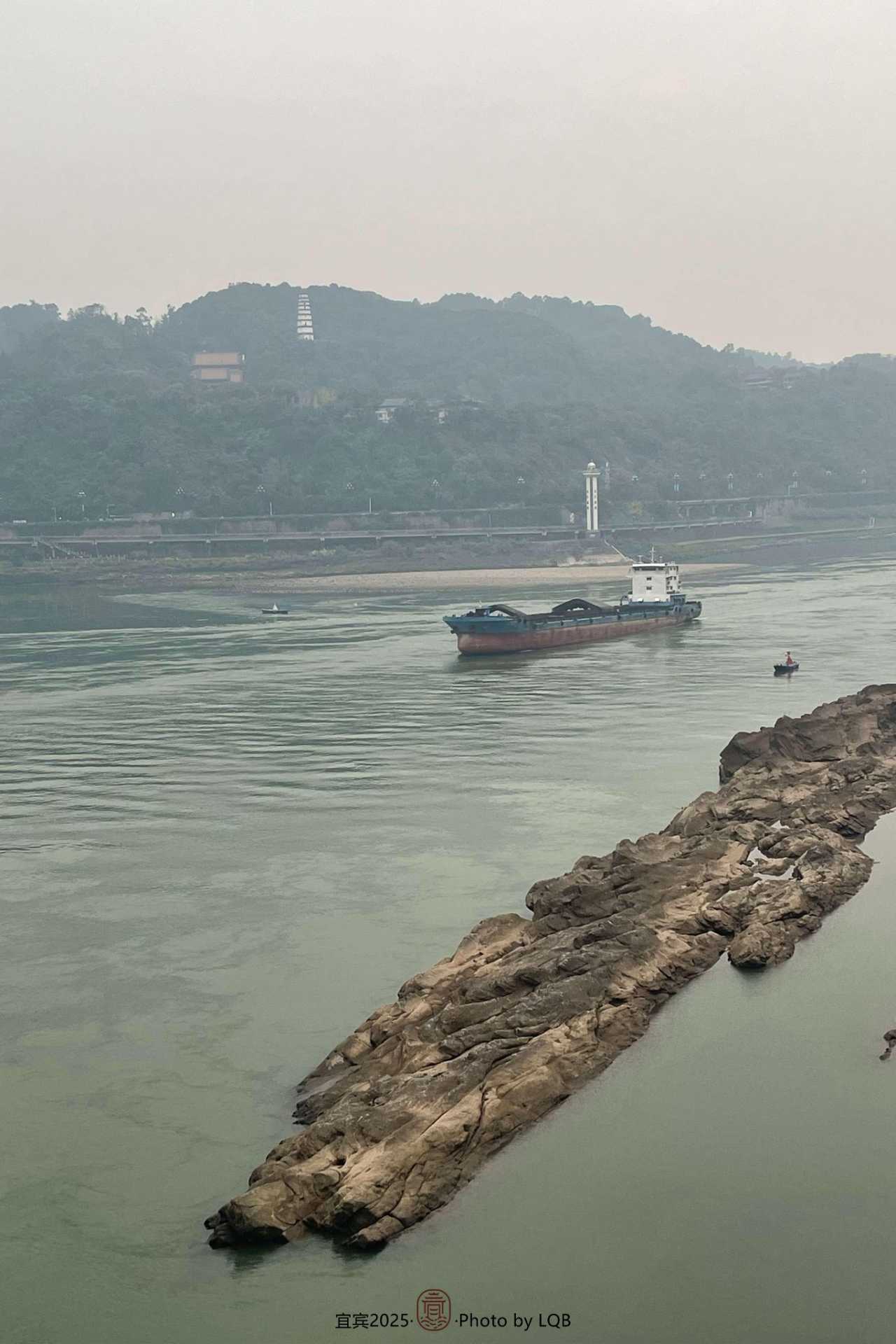
Crossing to the north bank of the Min River, west of the Second Bridge. The newly opened Min River Second Bridge has greatly eased the traffic pressure on the fifty-year-old Min River Bridge. Beside me, the Jiuzhou Pagoda has been overlooking the mighty river for over nine hundred years.
Legend has it that after Nezha was reborn with a lotus body by the help of Taiyi Zhenren, he furiously pursued his father Li Jing for revenge. Li Jing was trapped by the Nine-Dragon Divine Fire Pagoda thrown by Burning Lamp Daoist. To repay the gift of the pagoda, Li Jing built a tower exactly as instructed—and that was the Jiuzhou Pagoda.
Today is December 18, 2025, and it coincides with Wuliangye's 12·18 Consensus, Co-construction, and Sharing Conference. Last year, production and sales revenue reportedly exceeded 200 billion yuan. Such glory will be hard to replicate this year, so they need to work even harder.
Every city has its unique scent: Liuzhou smells of snail rice noodles, Xi'an of lamb soup and roujiamo, and cities across Sichuan and Chongqing of spicy and numbing flavors. But Yibin smells of distillers' grains—especially around the factory area.
The ecological park is divided into: 1. The Museum – Wuliangye's present 2. The Spring of Peace and Happiness – Wuliangye's past 3. The Sacred Mountain of Wine – Wuliangye's totem
Displayed from right to left are the eight generations of Wuliangye's evolution. The first generation began in 1909, changing the name from Yaozi Xueli to Wuliangye, meaning "the essence of five grains refined into jade liquor."
[Link: Wuliangye distillery tours - How to visit the baijiu sacred site]
Chapter Three: The Bo People's Hanging Coffins – An Ancient Mystery on the Yangtze River

The Time Code of the First City: Millennia of Human History
No exploration of Yibin's time code would be complete without understanding the Bo people's hanging coffins. These ancient burial sites, suspended on cliffs overlooking the Yangtze River, represent one of China's greatest archaeological mysteries.
The Bo people, an ancient ethnic group that once inhabited the Yunnan-Guizhou-Sichuan border region, practiced a unique form of burial: placing their dead in wooden coffins and suspending them on cliff faces, often hundreds of meters above the river. The exact methods used to raise these coffins remain unknown, adding to the mystique of this ancient civilization.
These hanging coffins serve as a powerful metaphor for Yibin itself—a city suspended between past and present, tradition and modernity. The Bo people's legacy is a reminder that this land has been inhabited for thousands of years, long before Wuliangye's baijiu or Yibin's famous noodles.
FAQ: Everything You Need to Know About Yibin (Rongzhou)
1. Why is Yibin called the "First City on the Yangtze River"?
Yibin is located at the confluence of the Jinsha River and the Min River, where they join to form the Yangtze River. This makes Yibin the first major city along the Yangtze River's course, earning it the title "First City on the Yangtze River."
2. What is the best time to visit Yibin?
Spring (March to May) and autumn (September to November) offer the most pleasant weather. Winter mornings are famous for the river fog at Hejiangmen, creating a magical atmosphere.
3. What should I eat in Yibin?
You must try: - Yibin ranmian (dry-spiced noodles) – the city's signature dish - Douhua fan (tofu pudding rice) - Maocai (Sichuan-style boiled vegetables) - Zhuerba and yaerba (local rice cakes)
4. How can I visit the Wuliangye distillery?
The Wuliangye Ecological Park is open to visitors. You can tour the Origin Museum, the Ancient Cellar Living Protection Community, and the Sacred Mountain of Wine. The 12·18 Conference in December is a major annual event.
5. Are the Bo people's hanging coffins still visible?
Yes, several hanging coffin sites remain visible along the cliffs near Yibin. The most famous sites are in the Gongxian County area, about an hour's drive from downtown Yibin.
[Link: Yibin travel tips - Best time to visit and how to get there]
Conclusion: Your Journey to the First City on the Yangtze River Awaits
Yibin is not just a city—it's a living time code. From the ancient Bo people's hanging coffins to the modern rebirth of Wuliangye, from the morning mist at Hejiangmen to the fiery spice of ranmian noodles, every corner of this "First City on the Yangtze River" tells a story.
Whether you're a history buff fascinated by ancient civilizations, a food lover seeking authentic Sichuan flavors, or a baijiu enthusiast wanting to visit the sacred site of Chinese spirits, Yibin offers an unforgettable experience.
Ready to unlock the time code of the First City on the Yangtze River?
Start planning your trip today. Book your high-speed train ticket to Yibin, pack your appetite, and prepare to discover a city where millennia of history come alive in every bowl of noodles, every sip of Wuliangye, and every breath of river mist.
Your journey to Rongzhou memories starts now.
Keywords used: Yibin travel guide, First City on the Yangtze River, Rongzhou memories, Bo people hanging coffins, Wuliangye distillery tour, Yibin ranmian noodles, Hejiangmen river fog, Sichuan baijiu culture, Yibin food guide, ancient cellars Yibin, Wuliangye 12·18 conference, Jiuzhou Pagoda, Zhongbi Wine history, Huang Tingjian Rongzhou, Du Fu Yibin poem.
You may also like