Pocketing Food and Love, Roaming the Streets of Chengdu: A Complete Travel & Food Guide
Meta Description: Discover the best of Chengdu travel with our guide to Qingcheng Mountain, Wuhou Shrine, and hidden food gems. From spicy chicken soup to Spanish paella, experience Chengdu's culinary soul. Plan your trip now!
For me, travel has never been about reaching a destination. It's about throwing yourself into the smoky, bustling soul of a city and letting it carry you along. Chengdu is the place I willingly let myself be "kidnapped"—spicy, charming, ancient yet artistic, like a bubbling hotpot whose surface seems calm but hides endless passion beneath.
I've lived in Chengdu for years, yet I still feel like a wide-eyed newcomer, endlessly curious about this city. When work tires me out, a steaming plate of food is the best cure. When I have time to kill, a random stroll down the street reveals scenery around every corner. This Mid-Autumn Festival, I successfully "tricked" my old friends from home into coming to Chengdu for a gluttonous feast. Without going far, we had a small, satisfying trip. Stringing together these few days felt like a double feast for both taste buds and eyes.
Why Chengdu Should Be Your Next Travel Destination
Chengdu is more than just a stopover for pandas and spicy food. It's a city where ancient history meets modern creativity, where Taoist mountains sit just an hour from neon-lit streets. Whether you're a foodie traveler, a history buff, or a nature lover, Chengdu offers something unforgettable. In this guide, I'll take you through our three-day itinerary—from the misty peaks of Qingcheng Mountain to the vibrant flavors of Spanish cuisine in the heart of Sichuan.
Green Mountains and Clear Waters: Seeking the Tao on Qingcheng Mountain

Early Autumn on Qingcheng: A Poem of Serenity
Qingcheng Mountain is divided into the front and back sections. The front is a Taoist sacred site, wreathed in incense smoke; the back is a treasure trove of natural scenery, a summer paradise for escaping the heat. With limited time, we headed straight for the back mountain—after all, the mountain's reputation as "the most tranquil place under heaven" isn't earned for nothing.
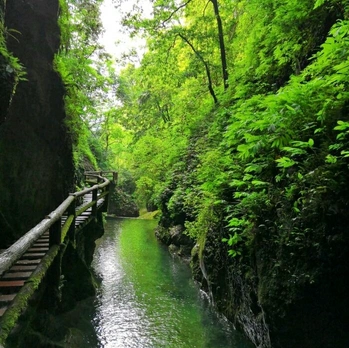
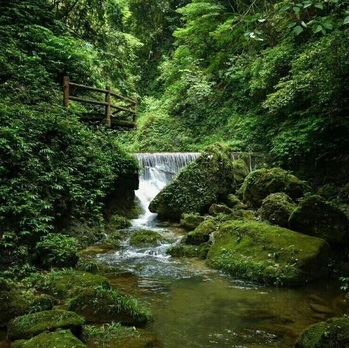
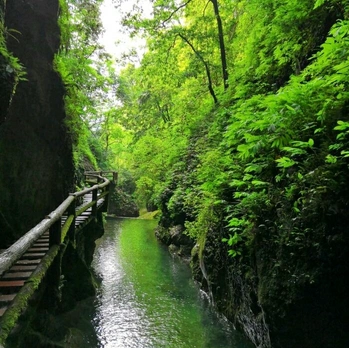
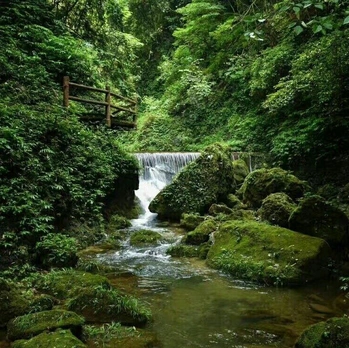
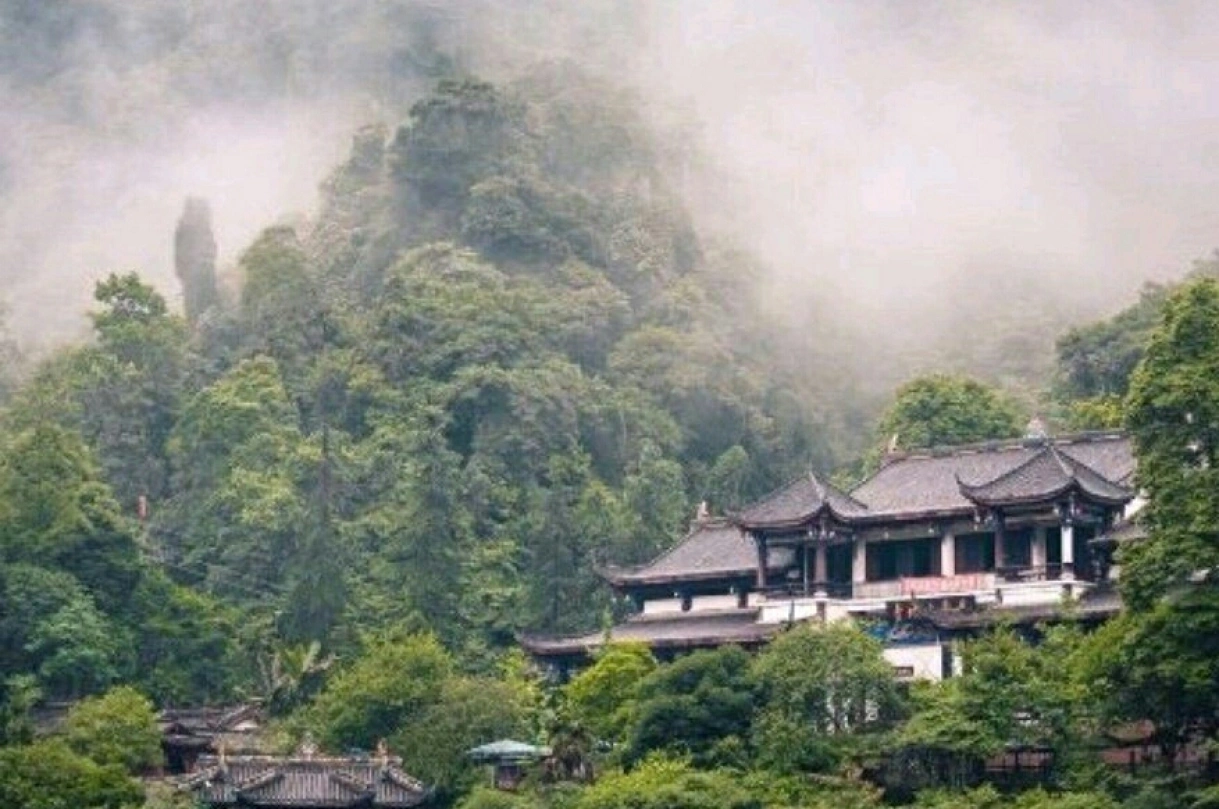
As soon as we entered the mountain gate, we were greeted by layers of peaks, lush and dripping with green. Mountain springs babbled, streams meandered, and temples and pavilions peeked out from the dense, verdant trees. After the rain, Qingcheng was wrapped in mist and clouds, the air carrying a coolness and the fragrance of grass and trees. Taking a deep breath, I felt completely refreshed.
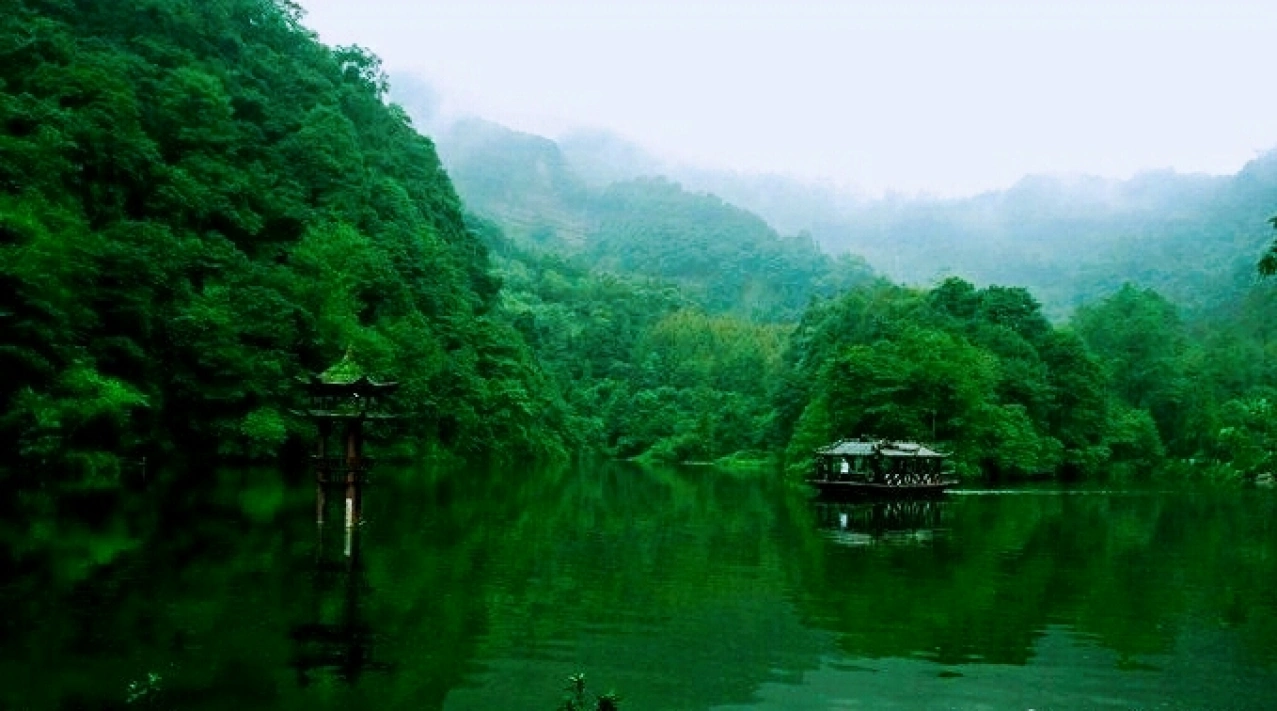
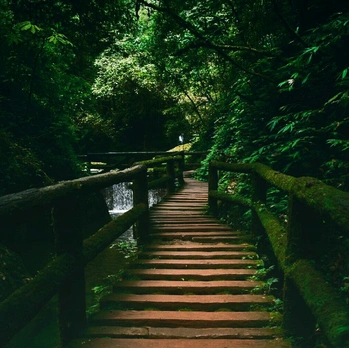
Climbing higher and looking out, the peaks surrounded us like arms, thin mist like a veil. The mountain ridges were bold or graceful, like a splashed-ink landscape painting. The stone steps wound and twisted beneath our feet, clean and orderly, each step bringing a sense of peace and quiet. The early autumn trees were still lush, blending perfectly with the streams, springs, and primitive vegetation. No wonder the ancients named it "Qingcheng"—Green City—for the entire mountain is a fortress of green.
At a turn in the path, an old roof with moss-covered tiles exuded a deep sense of history. The stones at the bottom of the mountain spring were jagged, covered in moss like wrinkles of time. We climbed, soaking in the mountain's silence, feeling as if we had stepped into a fairyland. Even our breathing slowed. In that moment, the noise of the city was left far behind.
Pro tip: If you're visiting in early autumn, bring a light jacket. The mist and elevation make it cooler than Chengdu city. [Link: Best time to visit Qingcheng Mountain]
Carrying the Scenery, Rushing Back to Chengdu for Food
Buzhan Huajiao Ji: The "Fighter Jet" of Chicken Soups in Chengdu
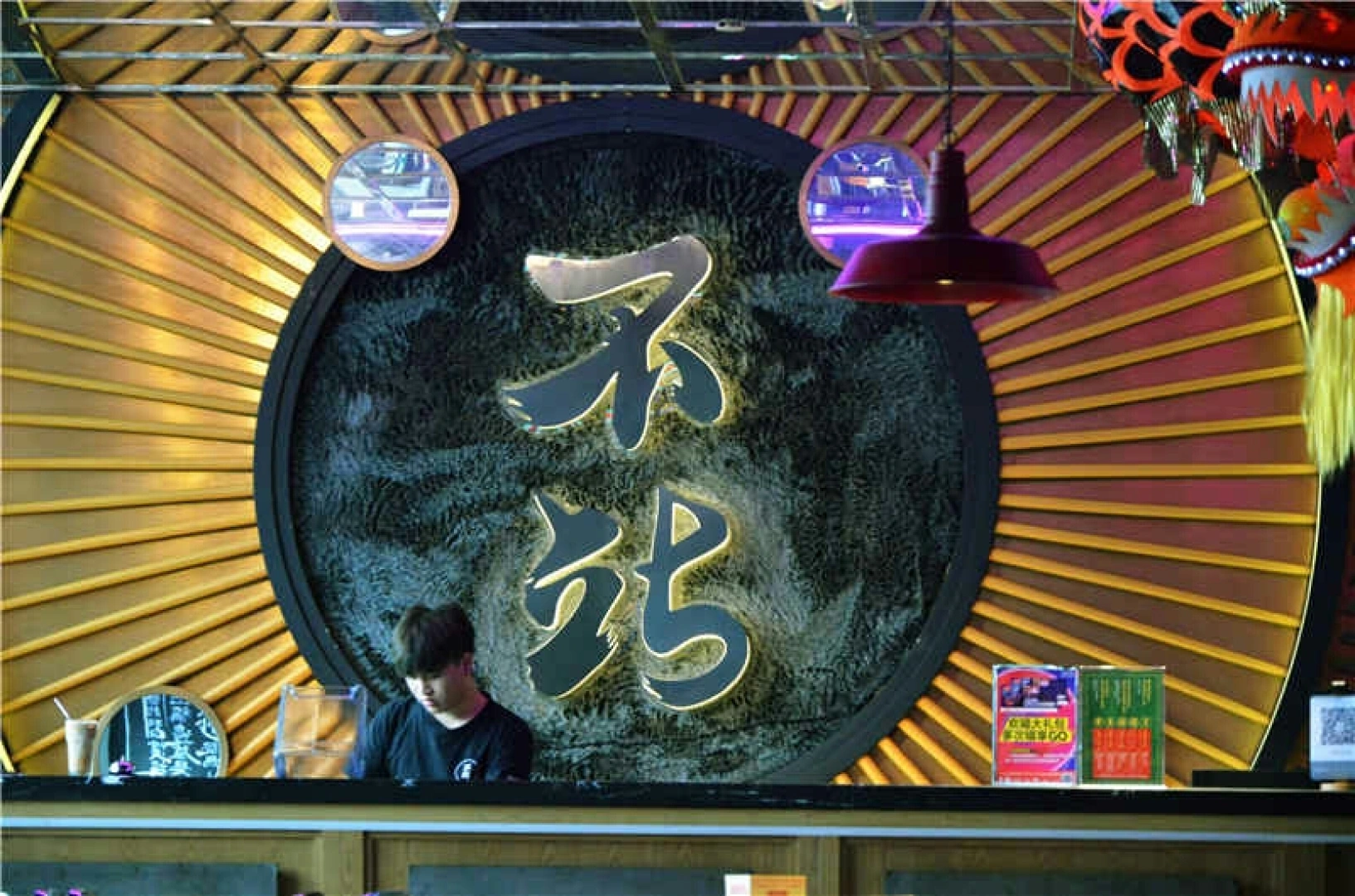
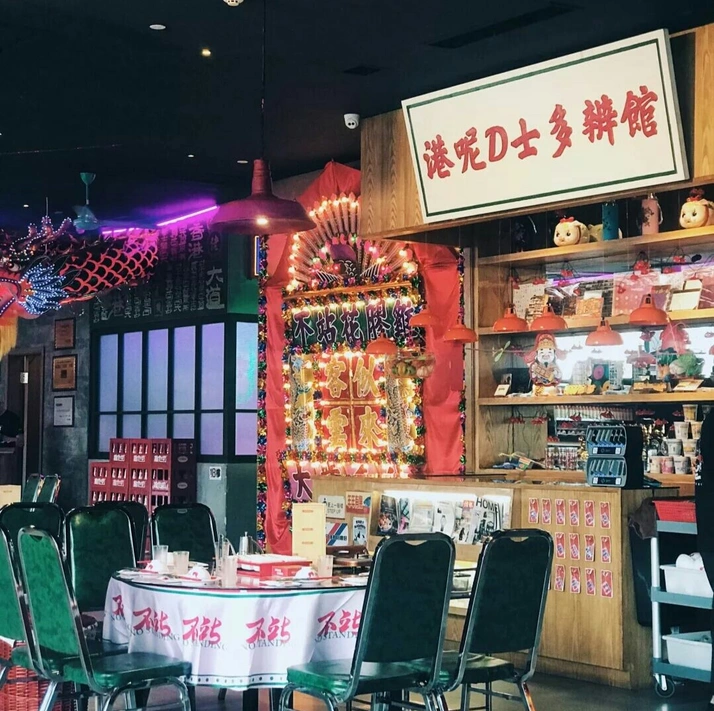
After climbing Qingcheng Mountain, we were exhausted. My friends clamored for a "recharge," so I took them to my secret spot, Buzhan Huajiao Ji (a restaurant specializing in chicken soup with fish maw). In my book, it's the "fighter jet" of Chengdu's chicken soups. There are countless chicken soups in Chengdu, but this one is my absolute favorite.
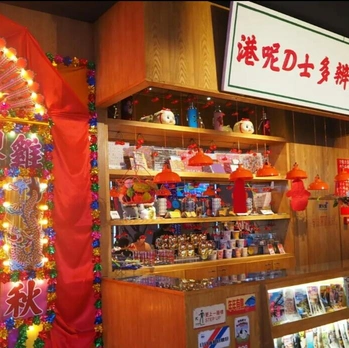
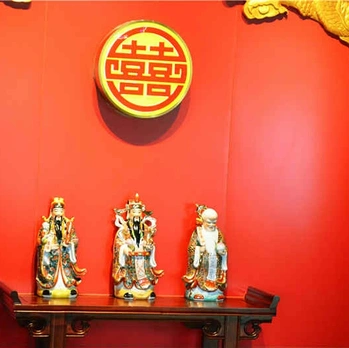
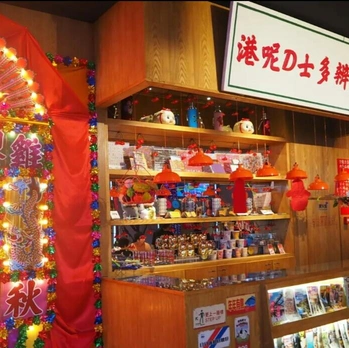
As soon as they walked in, my friends were stunned. The place was pure Hong Kong style—neon signs, vintage posters, retro tables and chairs, all bright lights and bustling atmosphere. For a second, they felt like they'd time-traveled to Hong Kong. Two cities in one day? What a brilliant move. Everyone was busy snapping photos, phones working overtime.
We ordered a pot of gold-medal free-range chicken with fish maw (花胶鸡) . The golden broth was irresistible, the chicken tender and juicy, and the fish maw, the soul of the dish, made the soup even richer and more flavorful. The collagen-packed fish maw was chewy and bouncy. One bite, and I felt my skin glowing. My friends downed three bowls before reluctantly putting them down.
The signature golden silver rice (金银捞饭) was the perfect finish. The rice, mixed with shrimp and other ingredients, soaked up all the essence of the broth. With crispy fried dough sticks and homemade pickles, every bite was pure comfort. The live shrimp were so fresh they were still "jumping"—their legs were still twitching when they arrived at the table. The waiter quickly peeled them for us, so we could just enjoy the shrimp. That fresh, sweet taste was a world apart from any frozen shrimp from the supermarket.
Where to find it: Buzhan Huajiao Ji is located in the downtown area. It's popular with locals, so book ahead. [Link: Best chicken soup restaurants in Chengdu]
Passionate Tango: Exotic Flavors and Delights in Chengdu
Bulano: A Spanish Romance in Chengdu
To love life, you must first respect food. A full stomach gives you the strength to see more beautiful sights. Spain is a paradise for food lovers, much like Chengdu—though I've never been to Spain, it doesn't matter. In Chengdu, another food paradise, you can also taste authentic Spanish flavors.
Bulano is a Spanish-style restaurant. Its main tones are red and black, with dark red decorations that balance stability with passion. The lighting is warm and soft, creating a romantic atmosphere, as if someone might break into a flamenco dance at any moment.
The classic Spanish seafood paella is the star. Shrimp, clams, squid, prawns, and other seafood are cooked with Spanish rice, slowly simmered and reduced to an astonishingly flavorful dish. The sauce clings to every translucent grain of rice, and the rich aroma of seafood fills the air. One bite tastes like the ocean.
The Australian grain-fed steak is marinated, grilled, and seasoned with simple spices—just right. Cutting into it, you can feel the remarkable springiness of the beef. It's tender and juicy, bursting with meaty flavor. The Spanish Iberian ham with sweet melon is sliced paper-thin, almost translucent. It has a slight richness that slowly releases its savory sweetness in your mouth, perfectly balanced by the sweet melon.
Why it works: Chengdu's food scene is incredibly diverse. You can find authentic international cuisine without leaving the city. [Link: Best international restaurants in Chengdu]
Meeting the Three Kingdoms, Strolling Ancient Streets
Wuhou Shrine: A Thousand Years of Heroic Spirit
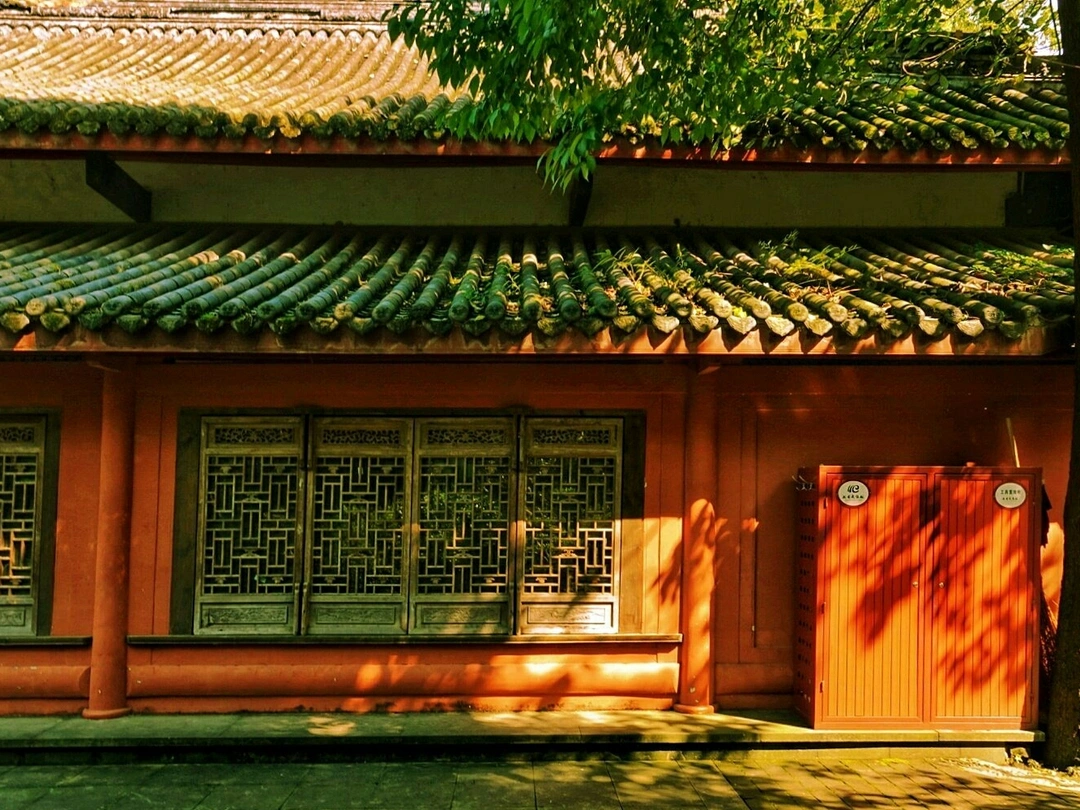
In the afternoon, we wandered over to Wuhou Shrine. It's separated from Jinli Ancient Street by just a wall, but the atmosphere is completely different. I've been here twice, and still feel a deep sense of awe. Stepping into Wuhou Shrine feels like entering the era of the Three Kingdoms, when heroes vied for power. Though "the gleam of swords and spears has long faded," the statues of civil and military officials in the side corridors bring those familiar stories to life.
The west side is the corridor of military officials, the east side the corridor of civil officials. Further in is the solemn gate of the Wuhou Shrine. Amid tall pines and cypresses, the Han Zhaolie Temple (temple of Liu Bei) appears and disappears. Passing through one courtyard after another, we quietly approached Zhuge Liang's hall. Unlike the dimness of a typical Buddhist temple, this hall was once the chancellor's office—bright, with upright pillars and a righteous aura. In the center is a gold-plated statue of Zhuge Liang, wearing a silk headband and holding a feather fan, flanked by statues of his son and grandson.
When Du Fu lived in Chengdu, he wrote his famous poem "The Chancellor of Shu" for Zhuge Liang: "Where is the chancellor's shrine to be found? Outside the city of Brocade, under cypress trees deep. The steps are carpeted with spring grass green, the orioles sing idly among the leaves. Thrice the emperor sought his counsel for the realm, he served two reigns with a loyal heart. But before his campaign could succeed, he died, leaving heroes forever in tears." Standing here, reading this poem again, the feeling was entirely different.
Following the sound of flowing water, we passed a green pond and walked along a red-walled ancient path under green bamboo, arriving at Huiling—the only clothing tomb in the country. In front of Liu Bei's tomb stands a stone tablet from the Qianlong era inscribed "Tomb of Emperor Zhaolie of Han." The tomb is a small hill covered in lush, young pine trees. Against the crowd, it's a quiet place for reflection.
Don't miss: After Wuhou Shrine, step into Jinli Ancient Street for snacks, souvenirs, and street performances. [Link: Complete guide to Wuhou Shrine and Jinli]
FAQ: Planning Your Chengdu Food & Travel Adventure
1. What is the best time to visit Chengdu for food and sightseeing?
 The best time is spring (March to May) and autumn (September to November) . The weather is mild, and the city's outdoor attractions—like Qingcheng Mountain and Wuhou Shrine—are most enjoyable. Avoid summer if you dislike humidity.
2. How many days do I need in Chengdu?
 A 3-4 day itinerary is ideal. Spend one day on Qingcheng Mountain, one day exploring Wuhou Shrine and Jinli, and dedicate the rest to Chengdu's food scene—from hotpot to hidden gems like Buzhan Huajiao Ji.
3. Is Chengdu food too spicy for foreigners?
 Not at all! While Sichuan cuisine is famous for its heat, many restaurants offer mild versions of classic dishes. Places like Bulano serve non-spicy international options. Always ask for "bu la" (not spicy) if you're sensitive.
4. Can I visit Qingcheng Mountain and Wuhou Shrine in one day?
 It's possible but rushed. We recommend separate days for each. Qingcheng Mountain requires at least half a day for the back mountain hike, while Wuhou Shrine and Jinli can be explored in an afternoon.
5. What are the must-try dishes in Chengdu?
Beyond hotpot, try mapo tofu, dan dan noodles, chicken with fish maw at Buzhan Huajiao Ji, and Spanish paella at Bulano. Don't forget street food like jianbing and chuanchuan (skewers).
Your Chengdu Adventure Awaits
From the misty peaks of Qingcheng Mountain to the neon-lit streets of downtown, from the heroic spirit of Wuhou Shrine to the sizzling pans of Spanish paella—Chengdu is a city that feeds both your stomach and your soul. Whether you're a first-time visitor or a returning traveler, there's always something new to discover.
Ready to plan your trip? Start by booking your flights to Chengdu, then map out your food stops. Don't forget to reserve a table at Buzhan Huajiao Ji and Bulano—they fill up fast. And if you're looking for more hidden gems, check out our guide to [Chengdu's best local food spots] or [day trips from Chengdu].
Pocket the flavors, carry the memories, and let Chengdu kidnap your heart.
Have you visited Chengdu? Share your favorite food or sight in the comments below!
You may also like


