One Person, 15 Days, Six Cities: Wandering with a Dream – The Ultimate Solo Travel Guide to Sichuan
Meta Description: Discover the ultimate solo travel itinerary through Sichuan: 15 days, 6 cities. From Chongqing’s surreal skyline to Sertar’s red monasteries, this guide covers budgets, tips, and hidden gems.
Introduction: Why Solo Travel in Sichuan Is a Dream Worth Chasing
We all say, “I’ll travel when I have time,” but time waits for no one. In January 2017, I was a college student, a photographer, and a travel experience ambassador. During my university years, I achieved financial independence through my own efforts and visited over a hundred cities. This time, I decided to go solo—15 days, six cities, with my camera and my dreams packed away, heading into Sichuan.
This wasn’t a spontaneous whim, but a long-planned conversation with myself. From the bubbling hotpot of Chongqing to the snow-capped mountains of Mount Emei, from the red-walled faith of Sertar to the cloud-shrouded peaks of Dawa Gengza, and finally to the fairy-tale beauty of Jiuzhaigou—I set out with anticipation and returned with stories.
If you’re planning a Sichuan solo travel itinerary, this guide will walk you through every step—budget, transportation, accommodation, and the unforgettable moments that define the journey.
Chongqing: A Three-Dimensional, Surreal Metropolis

On my first day in Chongqing, I was stunned by the city’s “three-dimensionality.” You walk into a building on the first floor, take the elevator to the top, open the door, and find yourself standing on another street. This is Chongqing—a city built into the mountains, full of surprises at every turn.
Mountain City Stroll: The Breath of Old Chongqing
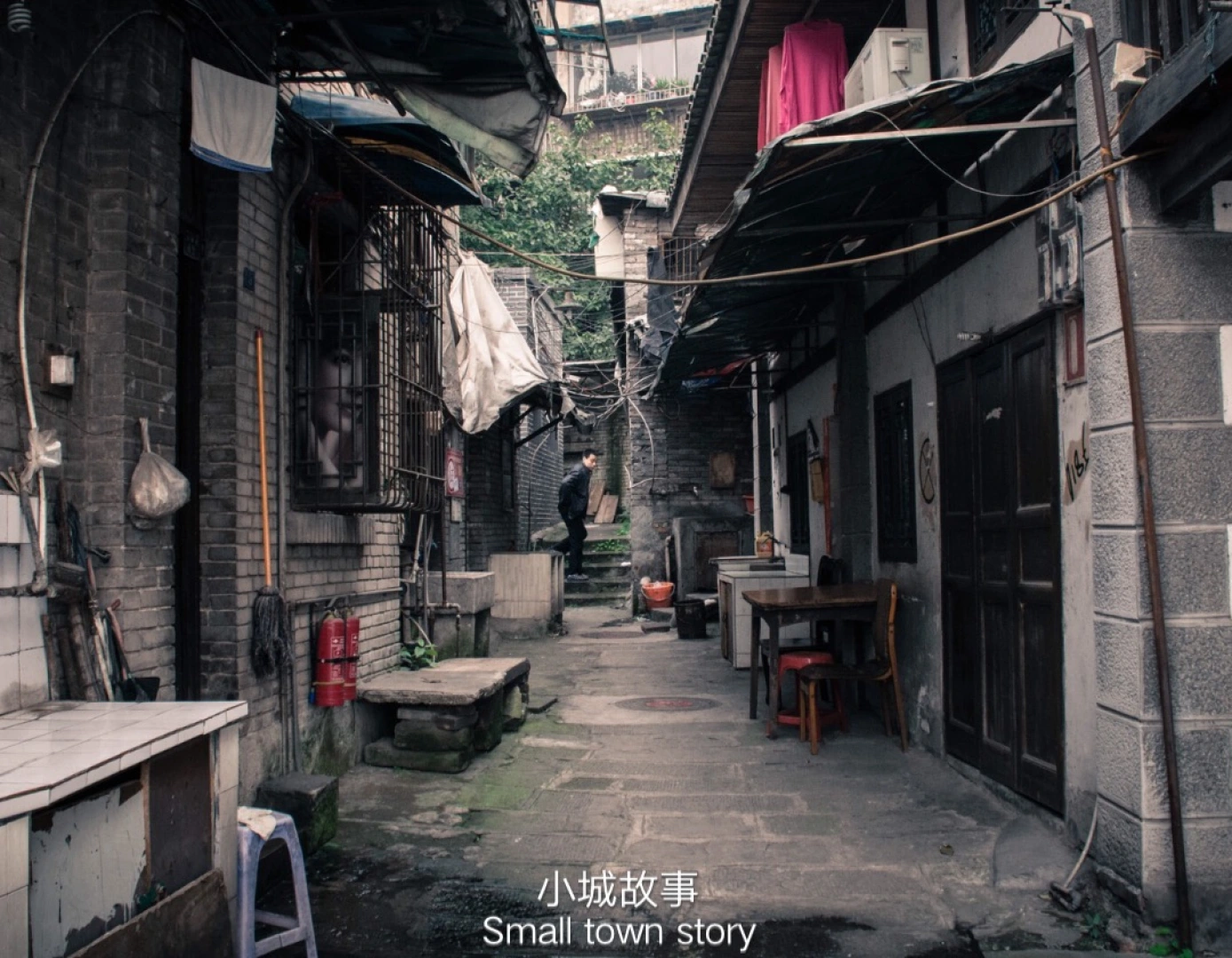
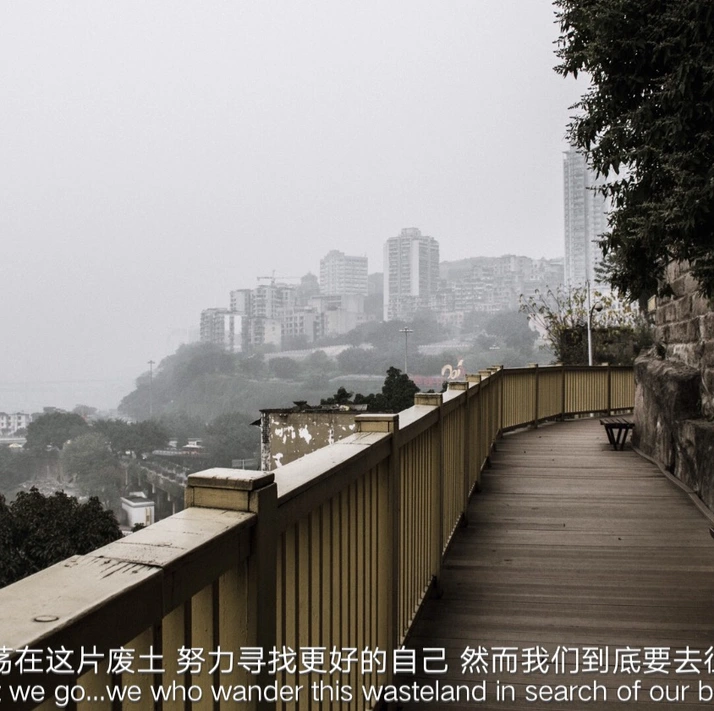
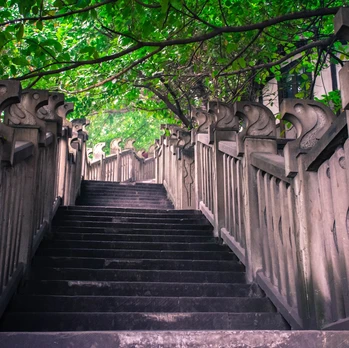
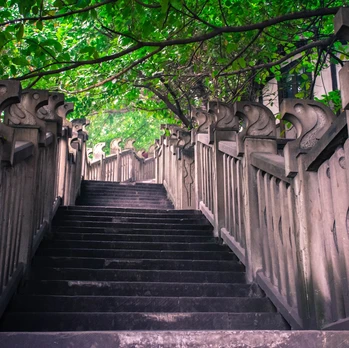
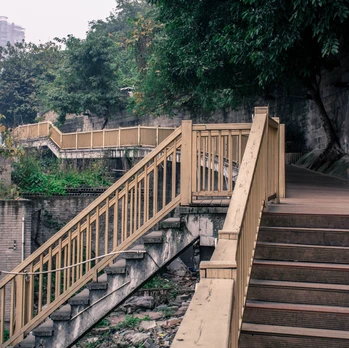
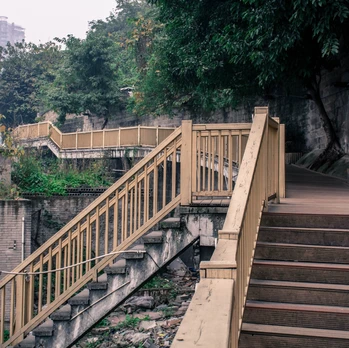
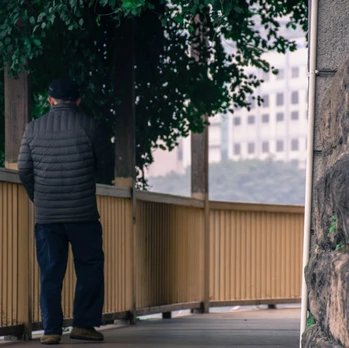
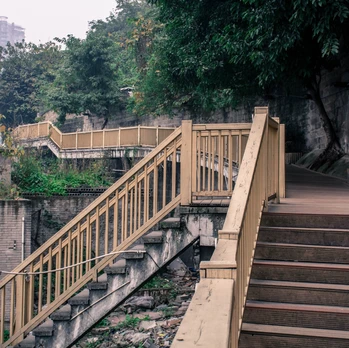
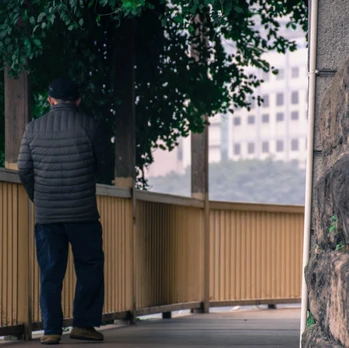
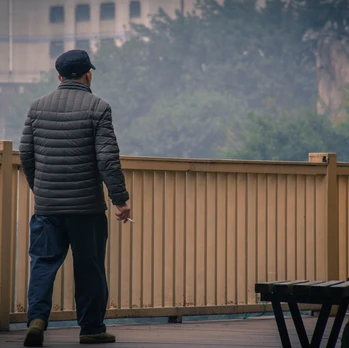
My first stop was the Mountain City Stroll (Shancheng Budao). This is one of the few quiet corners of Chongqing. The walkway clings to the hillside, lined with old homes where longtime residents still live. The buildings show their age, moss creeping up the walls, and I heard they’re slated for demolition soon. Walking here, you see the city’s most authentic texture—people strolling, exercising, or repairing the path. Amidst the haze that blankets the city, this place feels like a fresh crack of clarity, perfect for walking slowly and thinking quietly.
Snack Street and Liberation Monument: Fireworks and Bustle
Chongqing’s Snack Street is much like food streets in other cities across China, but the hot and sour noodles (suānlà fěn) here are truly outstanding. I ordered a bowl from “Haoyoulai” for 7 yuan—sour, spicy, and refreshing. One bite, and I was wide awake. The pig intestine noodles (féicháng fěn) are also worth trying; the intestines are tender and flavorful, with no unpleasant aftertaste. As for Chongqing’s famous small noodles (xiǎomiàn), I might not have found the right shop—they were just okay.
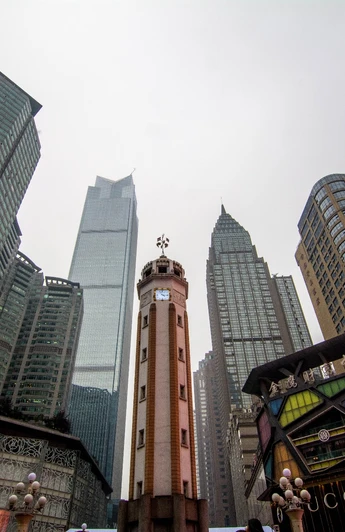
Liberation Monument (Jiěfàng Bēi) is Chongqing’s commercial heart, with towering skyscrapers and sprawling shopping malls. But for a broke student like me, shopping held little appeal. I wandered briefly before heading to the Yangtze River Cableway. The round trip cost 30 yuan, and honestly, it felt like any other cable car—except that beneath you flows the Yangtze River. That alone made it worth it.
Hongya Cave and Nanshan Night View
During the day, I explored Ciqikou Ancient Town. The architecture was distinctive, with shops selling food, crafts, postcards, and even bars. I had another bowl of pig intestine hot and sour noodles, confirming once again that Chongqing’s version is truly delicious.
At night, the lights of Hongya Cave (Hóngyá Dòng) lit up, and in that moment, the entire city became romantic. This was the highlight of the day.
Unfortunately, when I went to Nanshan Yikeshu (One Tree) to see the city’s nightscape, a thick fog rolled in. The whole city seemed veiled in gauze, barely visible. Photography enthusiasts set up their tripods and waited over an hour, but the fog never lifted. I left with a sense of regret, but I knew this was part of travel—not every view will reveal itself to you.
Practical Information: - Accommodation: Stay in Yuzhong District—it’s central, close to Snack Street, Liberation Monument, and the Mountain City Stroll. - Transportation: Chongqing’s light rail is well-developed; most attractions are accessible by metro. - Food Recommendations: Hotpot, hot and sour noodles (suānlà fěn), pig intestine noodles (féicháng fěn), and fried dough twists (máhuā).
[Link: Best budget hotels in Chongqing]
Mount Emei: Hiking Through Snow, Meeting Interesting People
I planned two days for Mount Emei. To both experience the hike and cover the main sights, I chose a “bus + hike” approach.
Monkey Zone: Lost a Water Bottle, Gained a Lot of Laughter
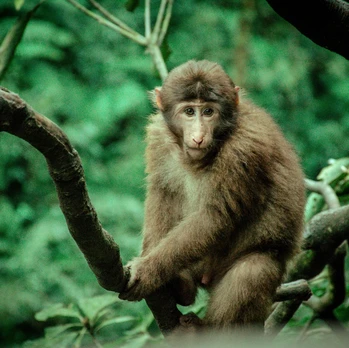
I took a bus from Baoguo Temple to Wuxiangang and started hiking. The One-Line-Sky (Yīxiàntiān) and Monkey Zone are the highlights of Emei. The monkeys here are true bandits—they’ll snatch things right out of your hands. I lost a water bottle and a glove, but when a little monkey climbed onto me and stared with big, curious eyes, all my frustration melted away.
Night Hike to Taiziping
After the Monkey Zone, I retraced my steps, hiked to Wannian Temple, and then took a bus to Leidongping. The road from Wannian Temple to the parking lot was long and winding, climbing up the mountain. But the scenery began to change—snow appeared on the ground, the temperature dropped noticeably, and rime ice clung to the branches.
Dinner at Leidongping brought me together with a group of backpackers who had hiked the entire way. We hit it off and decided to stay together at Taiziping (Tàizǐpíng), so we could get an early start to catch the sunrise at Golden Summit. The temple accommodation at Taiziping cost 30 yuan per bed, with electric blankets. It was basic, but sleeping in a temple was a unique experience in itself.
Regret Is Also a Kind of Beauty
We woke up at 6 a.m. the next morning and hiked for half an hour to Golden Summit. Result? Thick fog at the summit. Nothing was visible. Sunrise, sea of clouds—all a washout.
We went to the temple for a vegetarian meal—10 yuan for all you can eat. The food was average, but the experience was the point. As I took the cable car down, looking at the snow-covered landscape and rime ice from above, the view was breathtaking. And then, luck struck: it started snowing. As a kid from the south, seeing snowflakes fall for the first time, I was so excited I nearly jumped out of the cable car.
Travel always has its regrets. Leave them behind, and you’ll have a reason to come back.
Practical Information: - Getting Up the Mountain: I recommend “bus + hike.” Take a bus from Baoguo Temple to Wuxiangang, hike through the Monkey Zone, then bus to Leidongping, and finally hike or take the cable car to Golden Summit. - Accommodation: Golden Summit costs 300+ yuan; Taiziping temple is 30 yuan per bed (with electric blankets). Avoid staying at Leidongping—you’ll have to queue for the cable car early the next morning. - Food: Prices are high within the scenic area. The temple at Golden Summit serves a vegetarian meal starting at 7 a.m. for 10 yuan, all you can eat.
[Link: How to hike Mount Emei on a budget]
Sertar: A Sea of Red Houses, Unforgettable
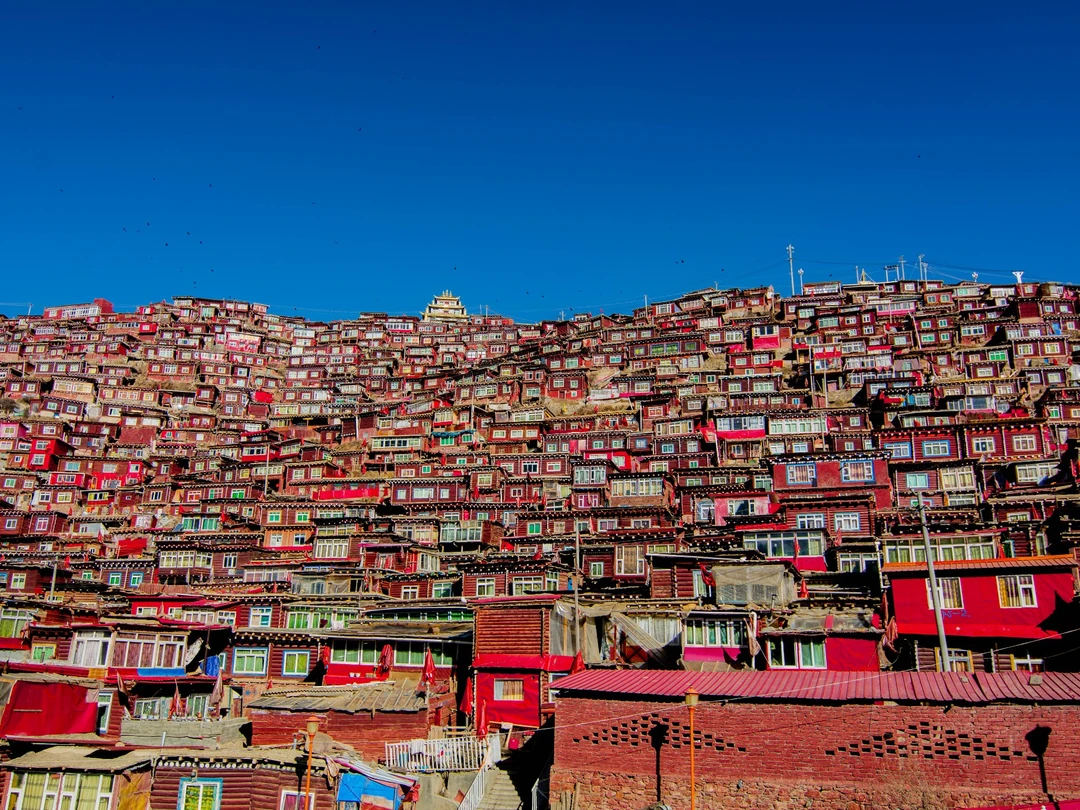
Sertar (Sèdá) was the most unforgettable part of this trip. Hillsides covered in red houses, monks in crimson robes deep in practice, stunning scenery along the way, and the travel buddies I met—every frame is a memory.
Freedom Within a Group Tour
I joined a “free group tour” for just over 500 yuan, covering four days. Winter in Sertar is freezing, so there’s no need to stay longer. The advantage of a group tour is that it’s budget-friendly and hassle-free—you’re free to explore once you arrive, perfect for remote areas.
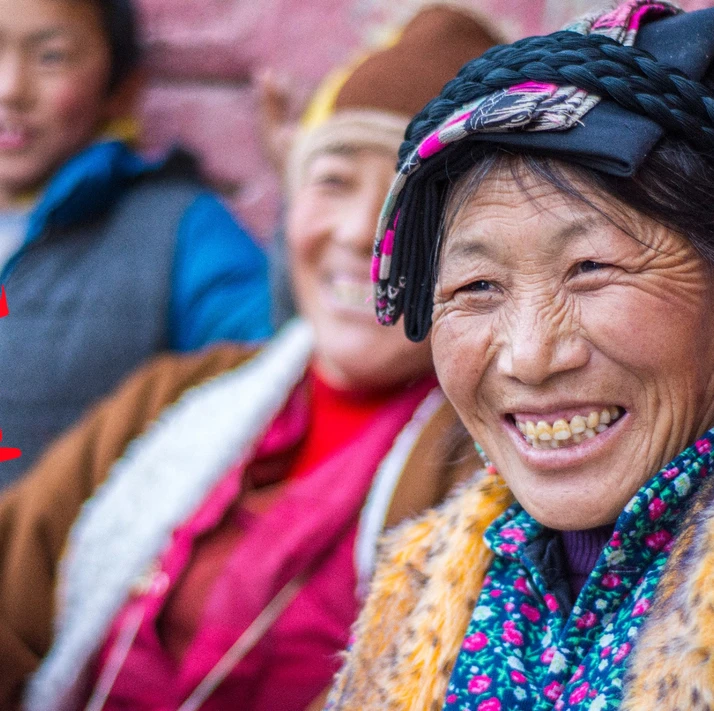
Day one started from Chengdu, arriving at Guanyinqiao Town in the afternoon. This was my first time in a Tibetan area, and seeing so many devout locals prostrating and turning prayer wheels, I dared not even raise my camera. I joined them in turning the prayer wheels and chatted with a few locals. Though their Mandarin was limited, they were incredibly warm, and the children were adorable. Dinner was local Tibetan food—the taste was average, but experiencing the culture was the real point.
Sky Burial: Shocking and Unforgettable
On the second day, I arrived at the Sky Burial site around noon; the ceremony started at about 1 p.m. At an altitude of 3,000 to 4,000 meters, every few steps left me breathless—but the experience was profound. The sky burial is a sacred Tibetan Buddhist practice, and witnessing it with respect and silence is essential. Photography is strictly prohibited. I left the site with a heavy heart but a deep sense of awe.
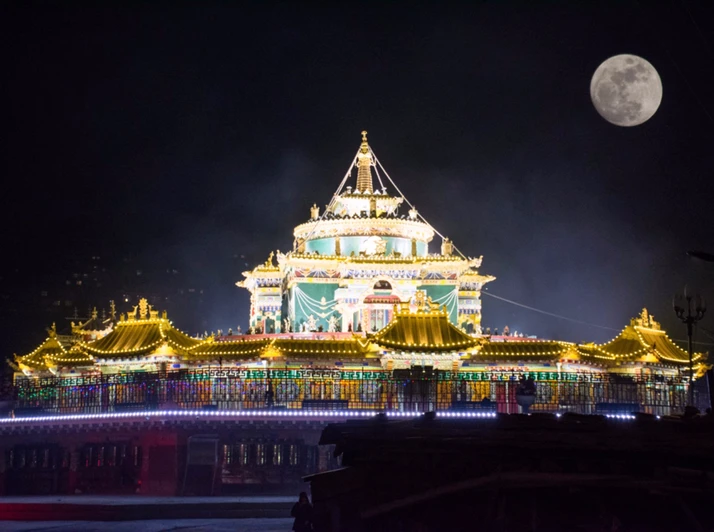
The red houses of the Larung Gar Buddhist Academy stretch across the valley like a crimson sea. Walking through the narrow alleys, you hear chanting, see monks debating, and feel an atmosphere of peace that is rare in the modern world.
Practical Information: - Best Time to Visit: Winter is freezing but less crowded. Summer offers green hillsides but more tourists. - Altitude: 3,800–4,000 meters. Take it slow, drink water, and consider altitude sickness medication. - Accommodation: Basic guesthouses in Sertar town or on-site dormitories. - Respect Rules: No photography at the sky burial site. Dress modestly.
[Link: Tibetan cultural etiquette guide]
Dawa Gengza & Jiuzhaigou: Cloud-Shrouded Peaks and Fairy-Tale Beauty
Dawa Gengza is a hidden gem in western Sichuan—a sacred mountain revered by locals. The hike was strenuous, but the views of snow-capped peaks piercing through clouds were worth every step. I spent a night in a local homestay, sharing stories with fellow travelers over yak butter tea.
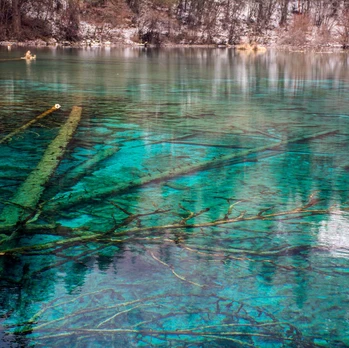
Jiuzhaigou needs no introduction. Even in winter, the turquoise lakes and frozen waterfalls are mesmerizing. The park is well-maintained, with shuttle buses connecting major spots. I spent a full day here, walking along wooden boardwalks, snapping photos of Five Flower Lake and Pearl Shoal Waterfall.
Practical Information: - Dawa Gengza: Requires a 4WD vehicle. Best visited from April to October. - Jiuzhaigou: Winter tickets are cheaper (around 80 yuan). The park opens at 8:30 a.m. Arrive early to avoid crowds.
[Link: Best time to visit Jiuzhaigou]
FAQ: Solo Travel in Sichuan
1. Is it safe to travel solo in Sichuan as a woman?
 Yes, Sichuan is generally safe for solo female travelers. Stick to well-lit areas at night, use reputable transport, and trust your instincts. The locals are friendly and helpful.
2. How much does a 15-day trip to Sichuan cost?
 On a budget, expect to spend around 3,000–5,000 yuan (excluding flights). Accommodation in hostels or temple lodgings, street food, and group tours keep costs low.
3. What is the best time to visit Sichuan?
 Spring (April–May) and autumn (September–October) offer mild weather and clear skies. Winter is cold but less crowded and cheaper.
4. Do I need to speak Chinese to travel in Sichuan?
 Basic Mandarin phrases help, especially in rural areas. Download a translation app and carry a phrasebook. Many tourist spots have English signs.
5. How do I deal with altitude sickness in Sertar?
Ascend gradually, stay hydrated, avoid alcohol, and consider medication like acetazolamide. If symptoms worsen, descend immediately.
Your Turn: Pack Your Dreams and Go
Solo travel isn’t just about seeing new places—it’s about meeting yourself in the midst of the unknown. From the neon lights of Chongqing to the silent snow of Mount Emei, from the crimson devotion of Sertar to the turquoise wonder of Jiuzhaigou, this 15-day journey through six cities changed me.
So stop waiting for “someday.” Pack your camera, your courage, and your curiosity. The road is waiting.
Ready to plan your own Sichuan adventure? [Link: Download our free Sichuan travel checklist] or [Link: Book budget-friendly group tours to Sertar and Jiuzhaigou]. Share your story with us in the comments below!
You may also like


