Not of This World: Exploring Lianbao Yeze in the Blooming Season – A Complete Travel Guide
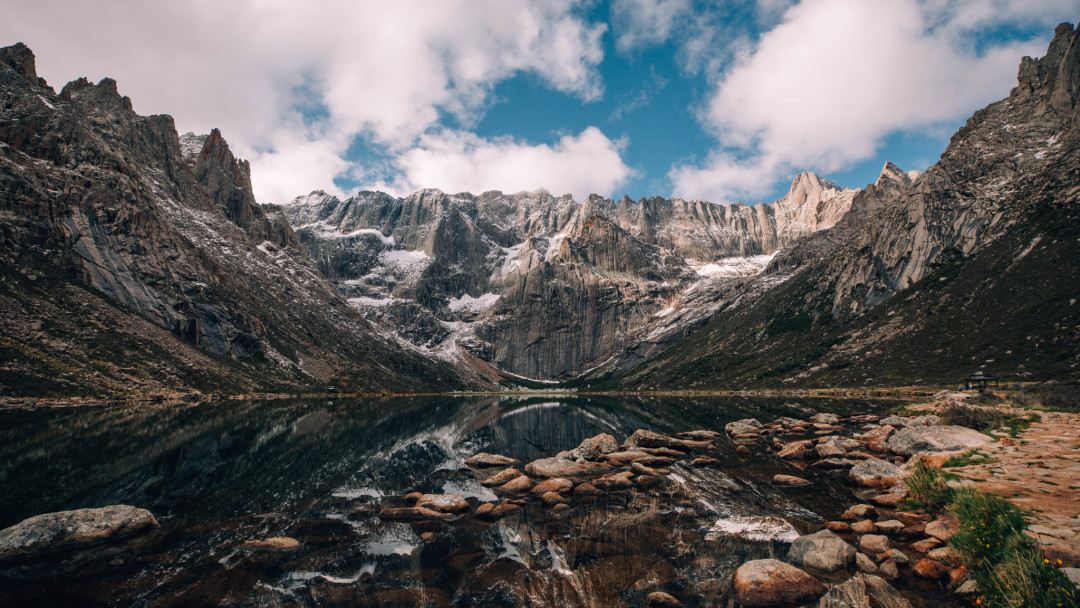
Meta Description: Discover the ethereal beauty of Lianbao Yeze in blooming season. From sunrise at sacred peaks to alpine meadows carpeted in wildflowers, this 1500-word guide covers everything you need for an unforgettable Sichuan plateau adventure.
Introduction: When a Photo Changes Everything
Have you ever scrolled past a photo and felt your heart stop? That was me in June 2023. A friend casually mentioned, "Lianbao Yeze is stunning in June." One image search later, I was booking flights from Hangzhou to Chengdu.
The peaks piercing clouds like celestial swords. The alpine meadows embroidered with wildflowers. It looked like a landscape from another world—and I had to see it for myself.
During the Dragon Boat Festival, I pieced together an eight-day "Special Forces" trip: 3 AM wake-ups, high-altitude hikes, and a camera bag that weighed as much as my soul. Total cost: over 10,000 RMB. Every penny worth it.
This guide covers my complete Lianbao Yeze itinerary, including hidden gems like Shenmu Lei, Dawa Gengzha, and Zhaga'er Lake—plus practical tips for navigating the blooming season.
Trip Overview: From the Plains to the Clouds
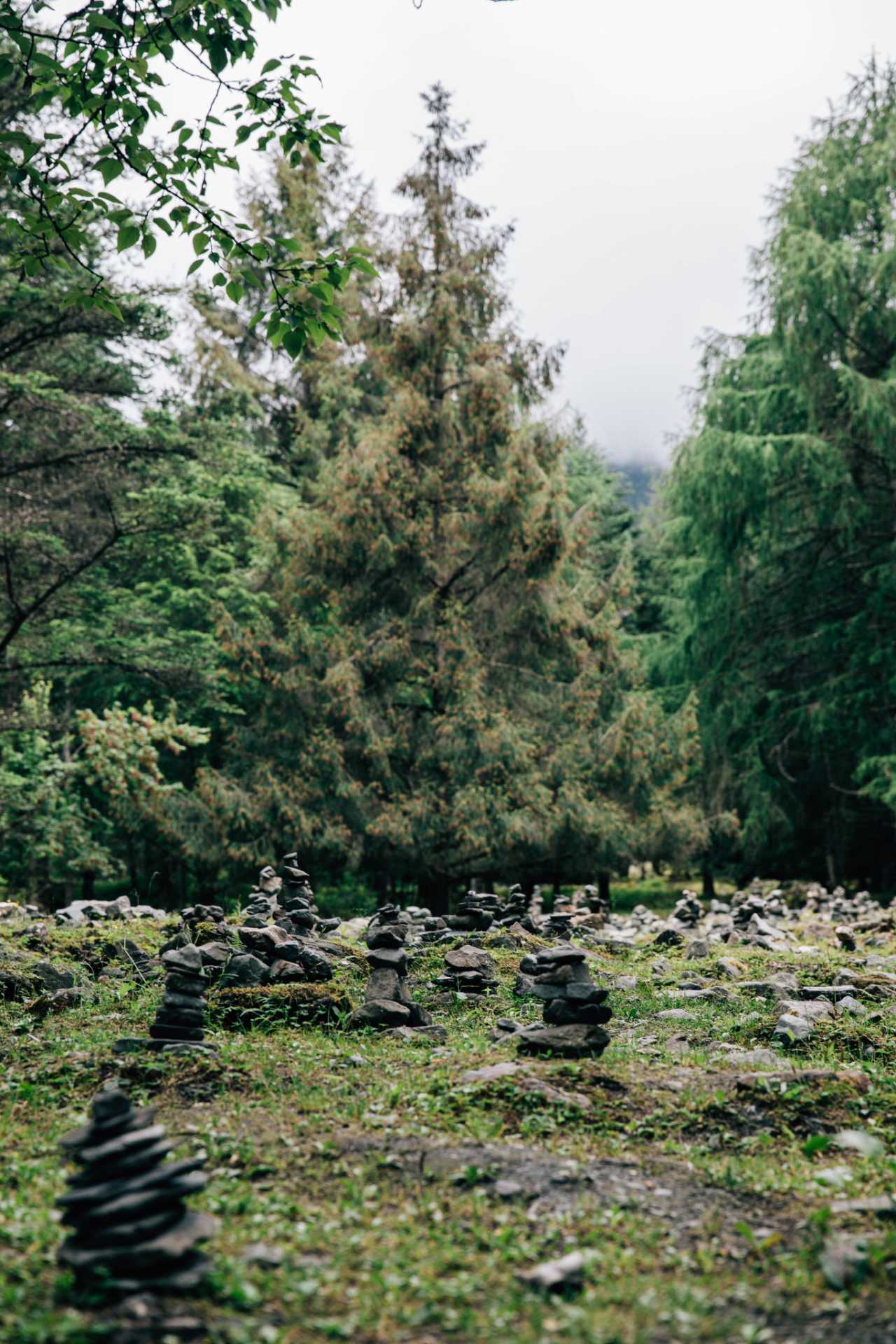
Travel dates: June 17 – June 24, 2023
Route: Chengdu → Ya'an Baoxing (Shenmu Lei, Dawa Gengzha) → Aba (Gemo Monastery, Lianbao Yeze, Zhaga'er Lake, Zhumu Lake, Jonang Sage Monastery, Langyi Monastery)
Gear: Canon 5D4 + 16-35mm (primary), 24-70mm (mostly unused), 70-200mm, ND filter; DJI Pocket 1 (image quality lacking—invest in a drone)
Key takeaway: This route combines sacred mountains, alpine lakes, and Tibetan Buddhist monasteries. Perfect for photographers, hikers, and spiritual seekers.
First Stop: Qiaoqi Lake – A Long-Awaited Embrace of Nature
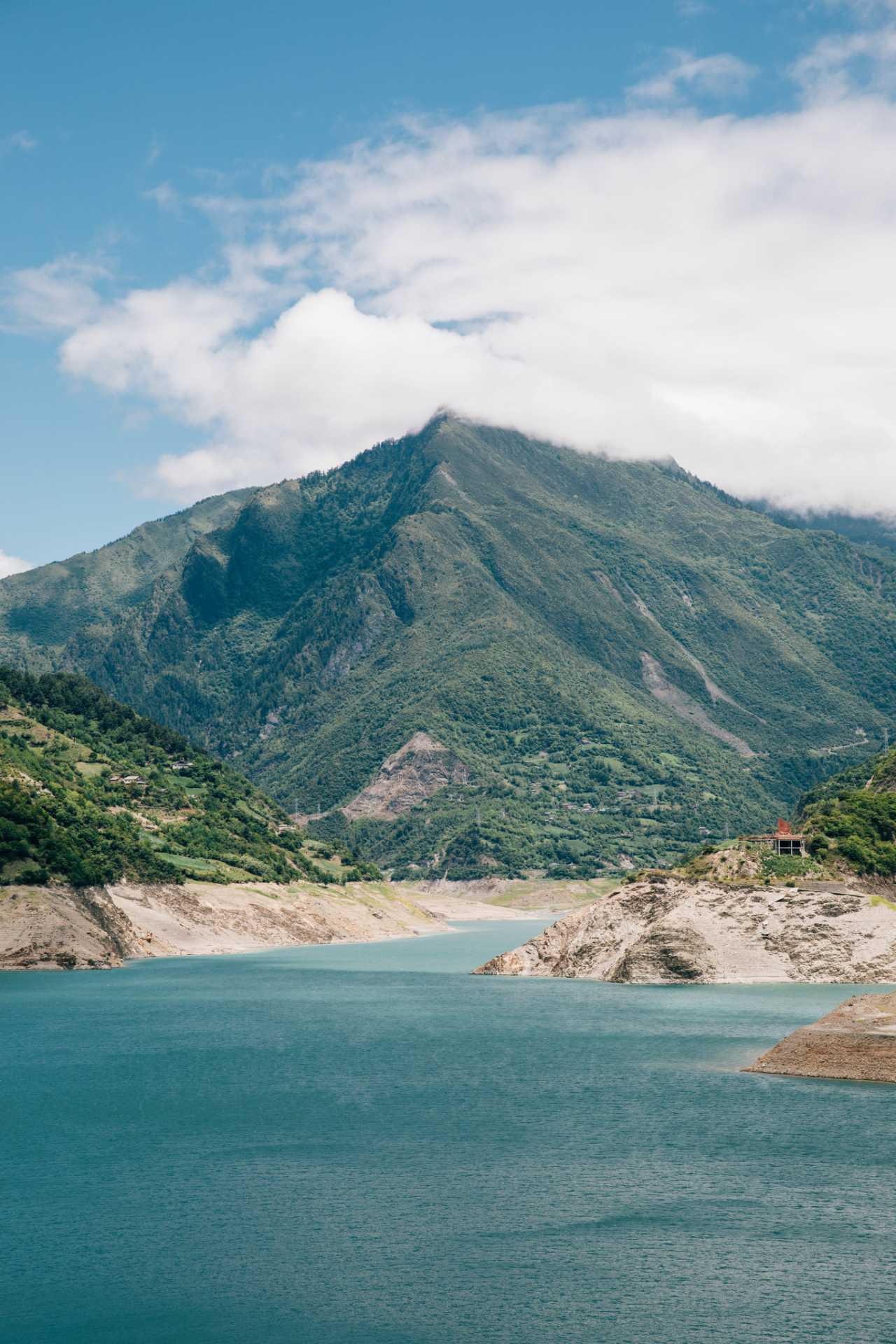
Leaving Chengdu, our first destination was Qiaoqi Lake in Baoxing County, Ya'an. Technically a reservoir formed by the Qiaoqi Hydropower Station, but you'd never guess it.
The emerald-green water spread like a giant piece of jade, reflecting distant mountains. The wind whipped everyone's hair and coat tails into the air. At 2,400 meters, I felt no altitude discomfort—only a profound sense of being embraced by nature.
Photography tip: Visit in late afternoon for golden hour reflections. [Link: Best photography spots in Sichuan plateau]
Shenmu Lei: Where the Immortals Play
In Tibetan, "Shenmu Lei" means "the place where immortals play." It's not wrong.

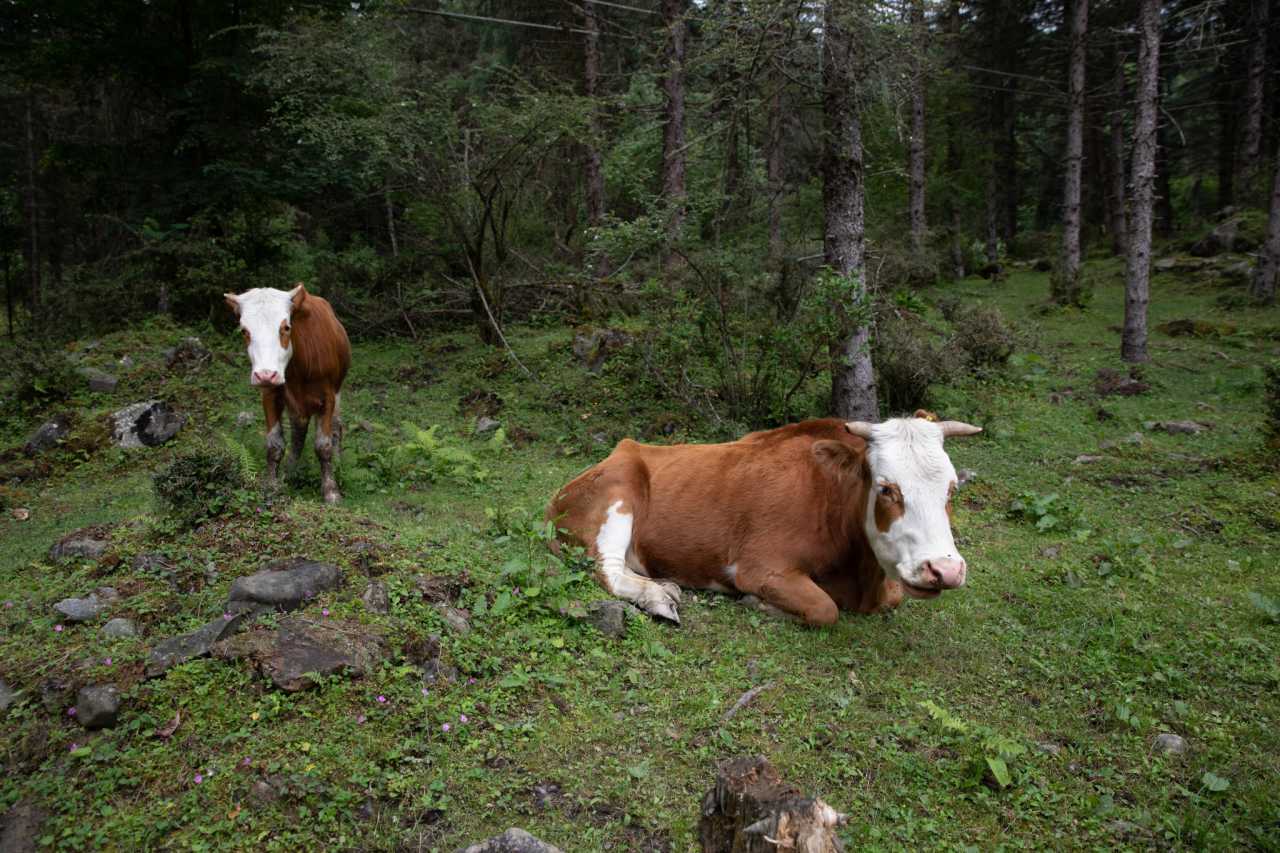
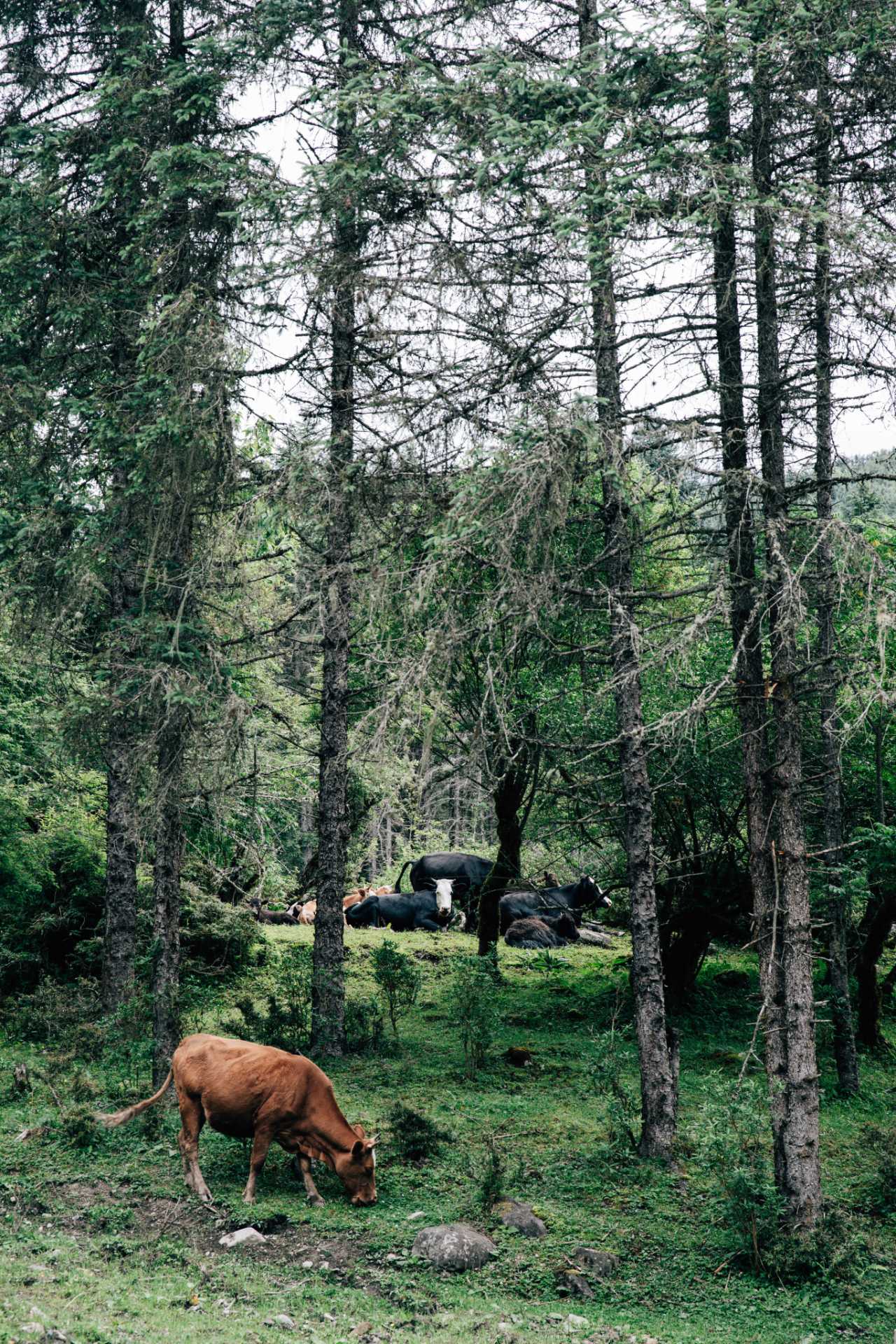
This pristine landscape combines forests, snow-capped mountains, streams, and alpine meadows. There's a sightseeing shuttle, but walk if you can. Stroll along the boardwalk, surrounded by towering trees. Wild strawberries appear at your feet. Cattle and sheep cross your path.
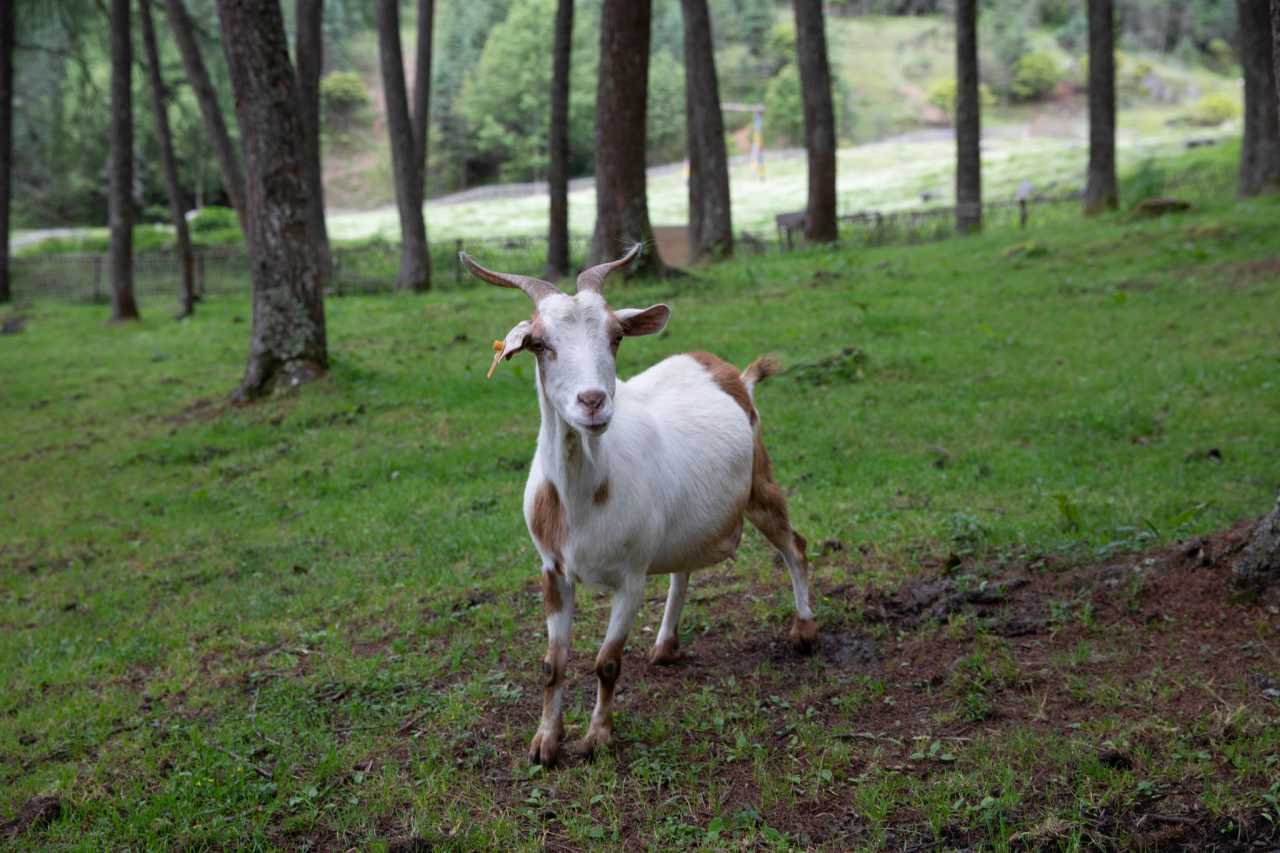
The highlight? A little lamb that hopped right up to me and tilted its head. I felt less like a tourist and more like a guest welcomed by this land.
At the meadow, altitude climbed higher. My breathing became labored. But sitting on the grass, watching clouds drift—that was worth every gasp.
Dawa Gengzha: The Beautiful Sacred Mountain
We set off before dawn for Dawa Gengzha, located in Baoxing County, Ya'an City. Known as "Asia's best 360° viewing platform," this sacred mountain belongs to the Qionglai Mountain Range. In Tibetan, its name means "beautiful sacred mountain."
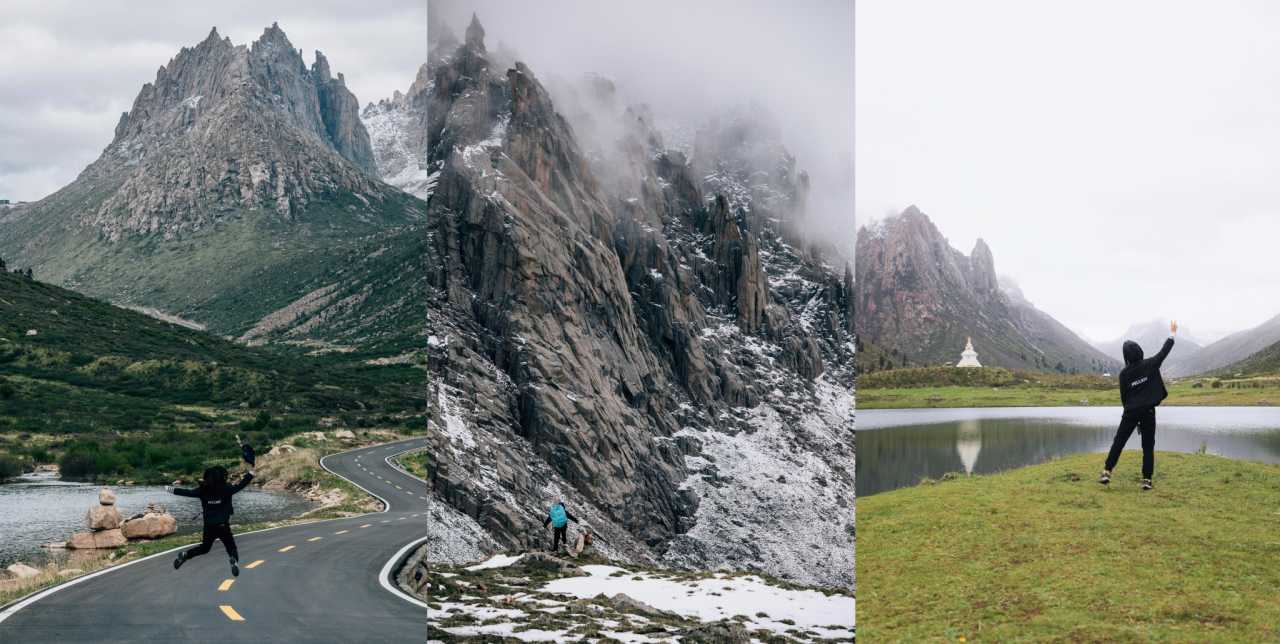
Ticket info: 60 RMB entry + 80 RMB shuttle bus. After disembarking, you're at 3,600 meters. Expect a 30-50 minute climb. Many hikers use oxygen canisters. I slowed my pace—one step, one gasp.
Why it's worth it: A sea of clouds rolled like white waves between mountains. Sunlight broke through gaps, painting slopes with light and shadow. Halfway up, a photo spot called "Ashore" had students shouting, "I'm going to get into XX university!" Their voices echoed through the valley. In that moment, everyone believed dreams could come true.
Tip: Arrive before sunrise for the best cloud sea experience. [Link: Best time to visit Dawa Gengzha]
Gemo Monastery: Solemnity at Sunset
On June 19, the Lianbao Yeze journey officially began. We left Chengdu, heading west toward the Aba Tibetan and Qiang Autonomous Prefecture. The road wound through mountains, with golden monastery spires flashing occasionally. We passed a "roadside coffee truck"—I had to stop. Drinking coffee on the plateau has an absurd romance.
We arrived at Gemo Monastery in the evening. Built in 1790, it's one of the three major Gelug monasteries in Aba Prefecture. The Maitreya Hall houses Asia's largest indoor seated Maitreya Buddha—37 meters tall. Inside, relics of Tsongkhapa, exquisite murals, butter sculptures, and thangkas.
Unfortunately, monks had finished their duties, so we couldn't enter. But the sunset outside was captivating. The golden roof glowed under setting sun. Monks climbed to the rooftop to watch. I photographed them; they photographed me. In that moment, we were all passersby in this vast landscape.
Note: Clouds were thick, and the sun never fully showed. But some beauty doesn't need perfection.
Lianbao Yeze: Sunrise Failure and Success
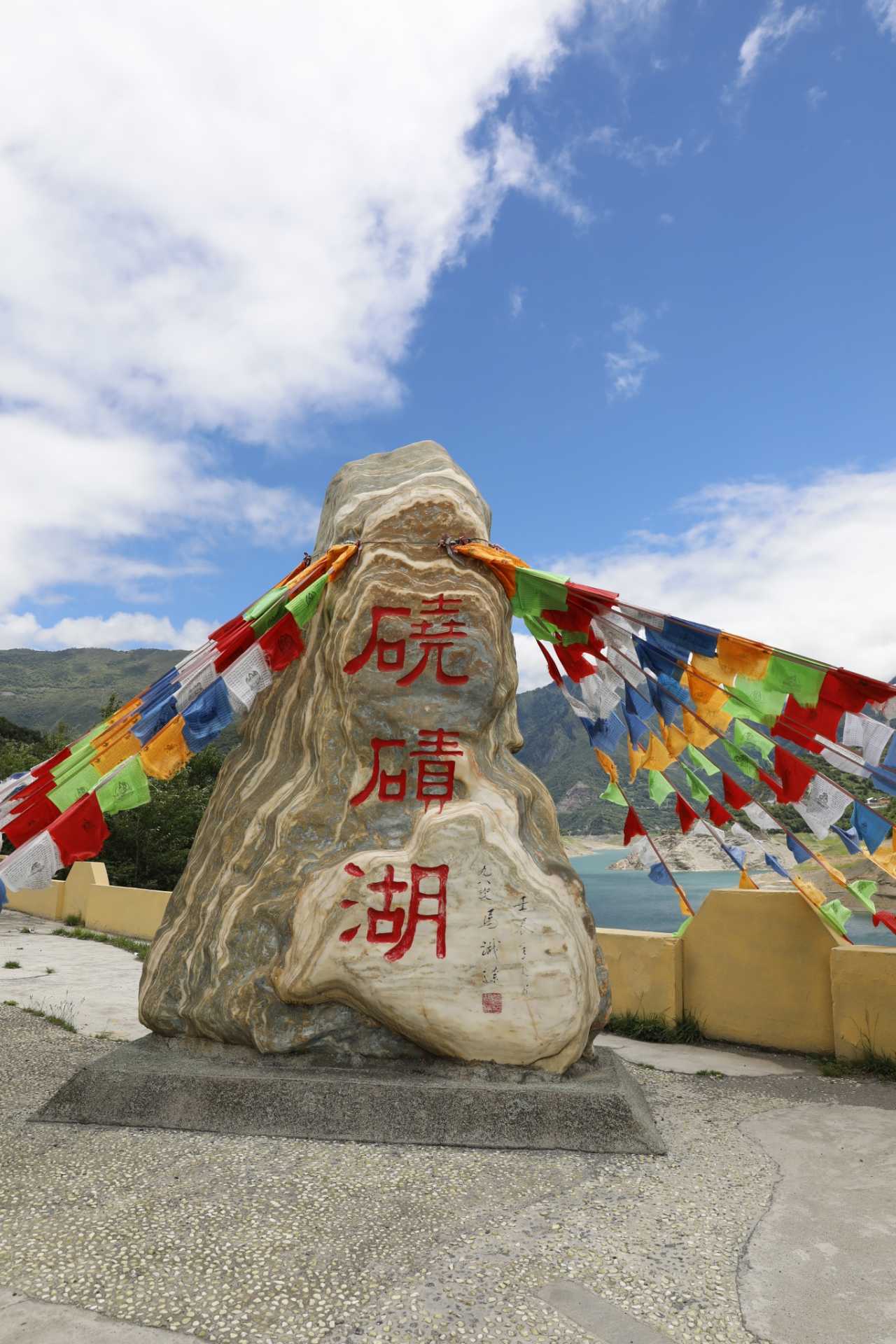
Day One: Seeing Flowers Through the Fog
We woke at 3:30 AM and entered Lianbao Yeze in darkness. Target: the classic photo spot. Met with: nothing but fog.
At first, we could vaguely make out mountain contours. Half an hour later, mountains had completely "disappeared." I relied on imagination to paint the picture. We drove up to the observation deck, hiking to find flowers. I huffed and puffed—found none. Probably eaten by yaks and sheep.
At 4,400 meters, a thin layer of snow covered the lake's edge. The sky was gloomy. My mood sank. Blooming season comes with rainy season—everything is uncertain.
On the way back, I took long-exposure shots in front of a white stupa. Clouds were thick as a wall, hiding distant peaks. But occasionally, clouds tore open, revealing a patch of blue. In that moment, Lianbao Yeze's mountain shapes were unusually clear—steep, solemn, like a silent giant.
Day Two: The Sunrise I Hoped For
Another 3 AM wake-up. This time, luck was on our side.
From the observation deck, morning glow slowly spread, as if someone knocked over a palette on the horizon. When sunlight hit the mountain, Lianbao Yeze seemed to awaken—knife-edged straight lines, snow on peaks, drifting clouds, sharp contrasts of light and shadow. The visual impact was overwhelming. I almost forgot to breathe.
In blooming season, the landscape was dotted with flowers, gaining a touch of softness. I photographed my own shadow—my way of taking a photo with this sacred mountain.
Pro tip: For sunrise photography, arrive at least 45 minutes before sunrise. Bring a tripod for long exposures. [Link: Lianbao Yeze photography guide]
Zhaga'er Lake: The Sacred Lake
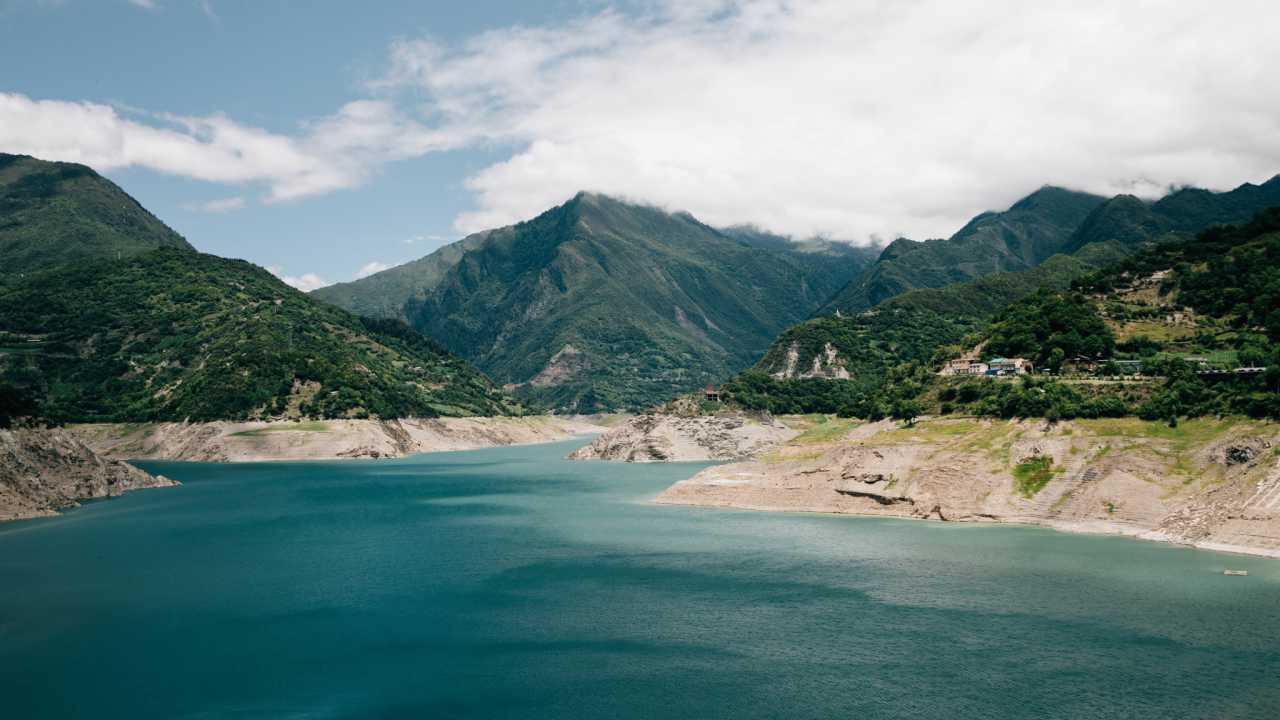
Zhaga'er Lake lay like a piece of jade set among mountains. We parked by the boardwalk and walked down. The lake was clear and tranquil. The best part? The U-shaped valley directly opposite, contrasting with sharp stone peaks to the west. All of it reflected on the lake's surface.
Photography tip: Use a polarizing filter to reduce glare and enhance water clarity. Early morning offers the calmest conditions.
FAQ: Everything You Need to Know About Lianbao Yeze
1. When is the best time to visit Lianbao Yeze?
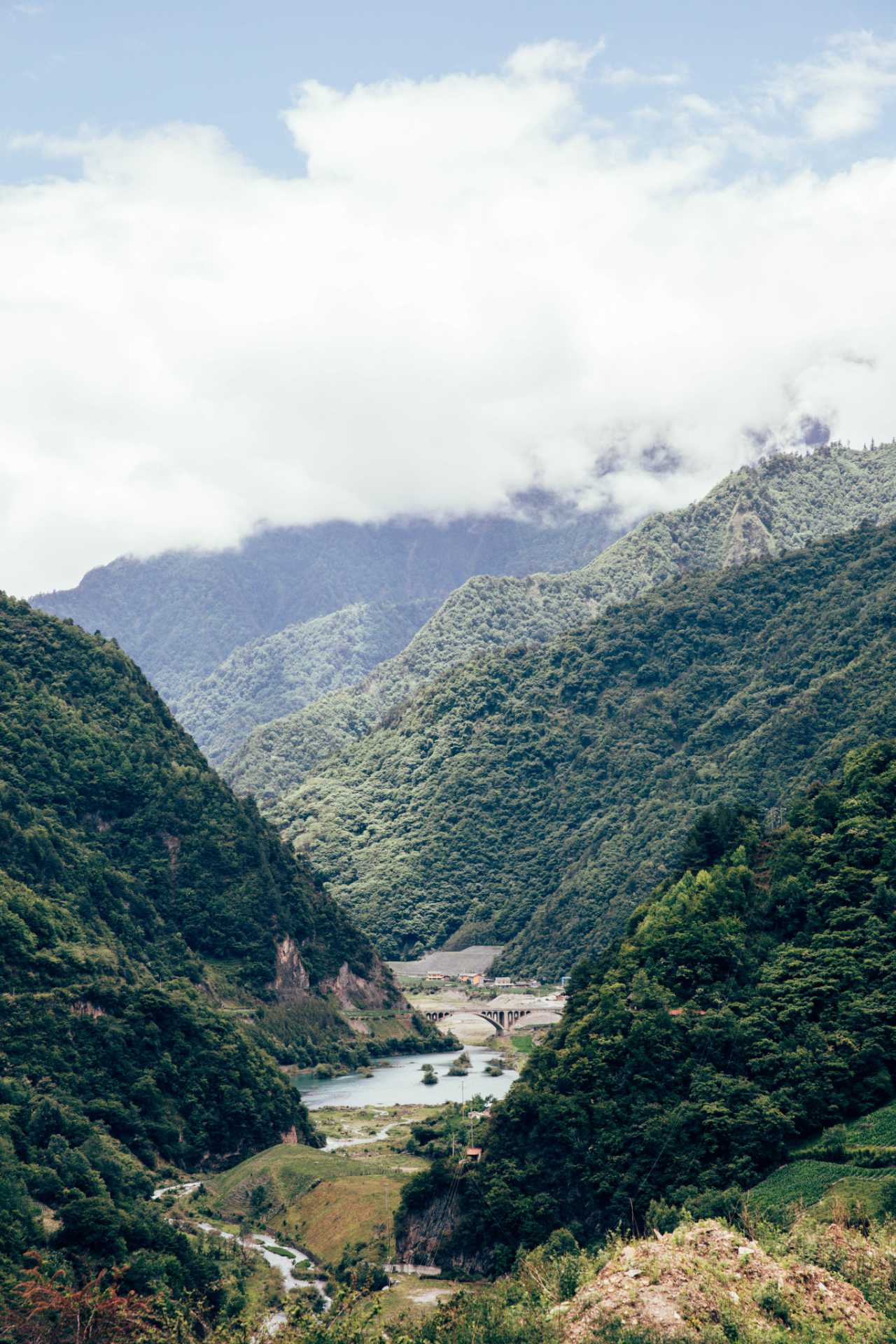
June through August is the blooming season, when alpine meadows are carpeted with wildflowers. However, this coincides with the rainy season, so expect fog and clouds. For clear skies, visit in September or October. For snow-covered peaks, consider May or November.
2. How do I get to Lianbao Yeze from Chengdu?
Drive from Chengdu to Aba Tibetan and Qiang Autonomous Prefecture (about 7-8 hours). Alternatively, take a bus from Chengdu to Aba County, then hire a local driver. Public transportation is limited, so renting a car or joining a tour is recommended.
3. What altitude should I expect, and how do I prepare for altitude sickness?
Lianbao Yeze sits at 4,000-4,400 meters. Dawa Gengzha is at 3,600 meters. Symptoms include headache, nausea, and shortness of breath. Prepare by: ascending gradually, staying hydrated, avoiding alcohol, and carrying oxygen canisters. Acclimatize in Chengdu (500 meters) or Ya'an (600 meters) before heading higher.
4. What should I pack for a Lianbao Yeze trip?
Essentials: warm layers (temperatures drop to near freezing at night), waterproof jacket, hiking boots, sunscreen, sunglasses, hat, water bottle, snacks, oxygen canisters, camera gear, and a power bank. In blooming season, bring insect repellent.
5. Can I visit Lianbao Yeze independently, or do I need a guide?
Independent travel is possible if you have a car and are comfortable with high-altitude driving. However, local guides can help with route navigation, altitude management, and cultural insights. Many scenic areas require a shuttle bus or permit.
Internal Linking Suggestions
- [Link: Best photography spots in Sichuan plateau]
- [Link: Best time to visit Dawa Gengzha]
- [Link: Lianbao Yeze photography guide]
- [Link: High-altitude travel tips for beginners]
- [Link: Top Tibetan Buddhist monasteries in Aba]
Conclusion: Your Lianbao Yeze Adventure Awaits
Lianbao Yeze in blooming season is not just a landscape—it's an experience. The 3 AM wake-ups. The fog that hides mountains. The sunrise that reveals them. The wildflowers that soften stone. The monks watching sunset alongside you.
This trip cost over 10,000 RMB, but looking back, every penny was worth it. The memories of standing at 4,400 meters, watching clouds part to reveal sacred peaks, will stay with me forever.
Ready to plan your own Lianbao Yeze adventure? Start with these steps:
- Book flights to Chengdu – the gateway to western Sichuan
- Research accommodation – book early for blooming season (June-August)
- Pack your gear – don't forget your camera and oxygen canisters
- Share your journey – tag us on social media with #LianbaoYezeBlooming
The mountains are calling. Are you ready to answer?
Have you visited Lianbao Yeze? Share your experience in the comments below. For more Sichuan plateau travel guides, subscribe to our newsletter.
You may also like


