Memories of Chengdu: Strolling Through "Shaocheng" – Reading Chengdu in the Cracks of Time
Meta Description: Explore Chengdu's hidden "Shaocheng" district – a 300-year-old Manchu garrison turned cultural gem. Discover Kuanzhai Alley, People's Park, and Sichuan history in this 4-day walking itinerary. Perfect for history lovers and budget travelers.
Introduction: Uncovering Chengdu's Lesser-Known Soul
Chengdu, a city crowned with elegant nicknames like "Rongcheng" (City of Hibiscus), "Jincheng" (City of Brocade), and "Jinguancheng" (City of the Brocade Official), hides a lesser-known name – "Shaocheng" (The Lesser City). It is like an old book yellowed by time, each page filled with the clattering hooves of Manchu and Mongol Eight Banner soldiers, the smoky hearths of Sichuan-style courtyards, and the remarkable sparks born from the collision of modern commerce and historical relics.
In May 2025, I brought my partner and spent four days measuring this land on foot, trying to piece together a complete picture of "Shaocheng" from its grey bricks, black tiles, tea fragrances, and wine-soaked alleys. The trip cost about 800 yuan per person, and we stayed near Kuanzhai Alley (Wide and Narrow Alleys) – convenient and immersive.
Whether you're a first-time visitor or a seasoned Chengdu traveler, this guide will help you experience Chengdu's historical neighborhoods like a local, uncovering stories that typical tourist itineraries miss.
[Link: Top 10 Things to Do in Chengdu]
What Is "Shaocheng"? A Brief History
The history of Shaocheng dates back to the 57th year of the Kangxi reign of the Qing Dynasty (1718). After suppressing the Dzungar rebellion, the Qing court had General Nian Gengyao build a Manchu city on the site of the original "Shaocheng" constructed by Zhang Yi during the Qin Dynasty – a city exclusively for Manchu and Mongol Eight Banner troops. This became today's "Shaocheng."
Its layout resembles a "fish backbone," with orderly streets that blend the openness of northern hutongs (narrow alleys) with the courtyard characteristics of western Sichuan residences – a true early example of Chengdu's urban planning. Today's Jinhe Hotel stands on the former site of the "General's Mansion."
Time has flowed on, and the "Shaocheng" that once housed the Eight Banner troops no longer exists. But as a "unique specimen" of northern hutong culture in the south, and as a witness to the fusion of tradition and modernity, north and south, it continues to breathe new life into historic neighborhoods.
The two best-preserved areas are: 1. Three old streets – "Xingren Hutong" (now Wide Alley), "Taiping Hutong" (now Narrow Alley), and "Ruyi Hutong" (now Well Alley) 2. Shaocheng Park (today's People's Park), opened in 1911 by Chengdu General Yukun, which was China's first public space to be called a "park."
[Link: Chengdu Travel Guide – History & Culture]
Pre-Trip Preparation: Where to Stay and What to Expect
Where to Stay Near Kuanzhai Alley
Staying near Kuanzhai Alley is a smart choice. The area is well-equipped, close to attractions, and offers a range of accommodations – from budget hostels at around 100 yuan to boutique hotels costing 1,000–2,000 yuan, suiting every budget.
If you want to soak in the historical atmosphere, consider staying at the Jinhe Hotel on the original site of the "General's Mansion," with prices starting at 400 yuan.
Suggested 3-Day Itinerary
| Day | Focus Area | Key Stops |
|---|---|---|
| Day 1 | Kuanzhai Alley Cultural District | Wide Alley → Narrow Alley → Well Alley → Paulownia Tree Street → Small Passage Alley → Kuixing Tower Street |
| Day 2 | People's Park | Panda Post Office → Railway Protection Movement Museum → Crane Call Teahouse → Wood Fragrance Flower Corridor → Zhong Dumplings |
| Day 3 | Ancestral Temple Street | Former Juxingcheng Bank Office → Xinhua Bookstore Site → Sichuan Fine Arts Association Site → Old Jia Teahouse → Xinhua Daily Site |
Day 1: Kuanzhai Alley Cultural District – Three Alleys, a Century of Change
Kuanzhai Alley, with its three parallel lanes, carries 300 years of transformation – from Qing Dynasty garrison to modern cultural tourism landmark. Its value lies not only in the grey-brick, black-tiled Sichuan courtyards but also in the architectural "unicorns" born from the fusion of northern and southern cultures.
Though commercialization has sparked debates about being a "tourist trap," the mottled brick walls at dawn and the warm lantern light on stone slabs at midnight still reveal the last remnants of the "Thousand-Year Shaocheng."
Wide Alley: Shopping and Culture
Route: Wuliangye Cultural Experience Hall → Sixian Cottage → China Red (Golden Nanmu Collection Hall) → Zhang Shengzang's Former Residence → Jianshan Bookstore → POPMART → Three Ears Hotpot → Shibijia → Kailu
Wuliangye Cultural Experience Hall
The entrance is distinctly Chinese. Step over the threshold, and you're greeted by displays of famous liquors from various years. The second room offers a beautiful view – grey bricks paired with black tiles, pomegranate flowers alongside banana leaves. Here you'll find "Duzhan Aotou" (Leading the Way) liquor and "Wuri Bu Chunfeng" (Everlasting Spring Breeze) roses. Wuliangye's merchandise – the twelve zodiac head-shaped cups – is both playful and exquisite.
Sixian Cottage (Zhang Caiqin's Former Residence)
Originally the home of Zhang Caiqin, one of the "Three Zhangs of Shu" (alongside Zhang Daqian and Zhang Shanzi). Mr. Zhang taught fine arts at various Sichuan universities for over 50 years and founded the "Sichuan Fine Arts Association" during the War of Resistance.
Today, it has been converted into a "Panda Pastry Theme Hall," offering traditional Chengdu pastries, flavored teas, and a photo-ready panda-themed area. The background music features the adorable, baby-like calls of "Huahua" – the panda who serves as Chengdu's Deputy Director of Cultural Tourism.
China Red (Golden Nanmu Collection Hall)
Golden nanmu (Phoebe zhennan) was the "imperial wood" of the Ming and Qing dynasties – resistant to decay and insects, warm to the touch in winter and cool in summer, and naturally fragrant. The carved lotus patterns on the entrance are lifelike. Craftsmen skillfully use the wood's natural color and grain, pursuing perfection in mortise-and-tenon joints, pattern carving, and polishing. Each piece of craftsmanship exudes spirit – grand yet refined.
Zhang Shengzang's Former Residence (Temporarily Closed)
Zhang Shengzang was the 13th-generation descendant of Ming Dynasty Chancellor Zhang Juzheng. He mastered nine languages, studied at Harvard, Oxford, and the University of Berlin, and earned five doctoral degrees. In 1951, entrusted by Deng Xiaoping to investigate cultural relics, he discovered the "Ziyang Man" skull fossil in Ziyang County. Though the residence is temporarily closed, his story lives on.
Jianshan Bookstore
The name means "With a book in hand, open the door to see the mountain" – suggesting that reading leads directly to the essence of things. In April 2016, Premier Li Keqiang visited, buying "Old Chengdu: Hibiscus Dreams of Autumn" and postcards, and wrote: "In books, you can see mountains and rivers, see the vast world, see past and present, East and West, see the ways of the world and the human heart."
The bookstore has a dedicated "Chengdu Culture Bookshelf" featuring works by Sichuan writers and books about old Chengdu. You can also stamp panda-themed souvenir marks.
POPMART
POPMART's offline store in Kuanzhai Alley features Molly dressed in panda elements. Upstairs, you'll find all kinds of cute figurines, including Labubu, which has recently become a hit overseas.
Three Ears (Hotpot Culture Experience Hall)
The name "Three Ears" comes from founder Nie Zhiwei's surname (the traditional character "聶" consists of three "ears"), symbolizing "listening to heaven, earth, and the people's voice; going with the wind, the water, and good fortune."
The building blends Sichuan residential architecture with ancient charm – grey bricks, black tiles, a courtyard with a skylight, and carved screen walls. A wooden plaque reading "Shun Feng Da Ji" (May the Wind Carry Good Fortune) from the century-old house is preserved. The hotpot pioneered the "cold pot fish" style nationwide in 1998, using pure rapeseed oil and green Sichuan pepper for the broth – bright red soup, tender fish, and the motto: "Cold pot, hot fish, eating in comfort."
Shibijia
A century-old cultural brand in Chengdu, Shibijia represents the city's deep-rooted tradition of craftsmanship and local culture.
[Link: Best Sichuan Hotpot in Chengdu]
Day 2: People's Park – China's First Public Park
People's Park (formerly Shaocheng Park) was opened in 1911 by Chengdu General Yukun, making it China's first public space to be called a "park." Today, it remains a vibrant hub for locals and visitors alike.
What to See at People's Park
- Panda Post Office – Send postcards with exclusive panda stamps
- Railway Protection Movement Museum – Learn about the 1911 uprising that shaped modern China
- Crane Call Teahouse – Experience traditional Sichuan tea culture in a century-old setting
- Wood Fragrance Flower Corridor – A peaceful walkway lined with fragrant blooms
- Zhong Dumplings – Try the legendary Sichuan dumplings that have been served here for generations
Day 3: Ancestral Temple Street – A Walk Through Republican-Era Chengdu
Ancestral Temple Street offers a glimpse into Chengdu's early 20th-century history, when it was a hub for banking, publishing, and the arts.
Key Stops
- Former Juxingcheng Bank Office – A relic of Chengdu's financial history
- Xinhua Bookstore Site – Where revolutionary ideas were once printed and distributed
- Sichuan Fine Arts Association Site – Founded during the War of Resistance
- Old Jia Teahouse – A classic Sichuan teahouse with a loyal local following
- Xinhua Daily Site – The former headquarters of a major Republican-era newspaper
FAQ: Visiting Chengdu's Shaocheng District

1. What is the best time to visit Kuanzhai Alley?
Early morning (7:00–9:00 AM) or late evening (after 9:00 PM) are the best times to experience Kuanzhai Alley without crowds. At dawn, the mottled brick walls and empty streets reveal the area's authentic historical character. At midnight, the warm lantern light on stone slabs creates a romantic, quiet atmosphere.
2. How much does a trip to Shaocheng cost?
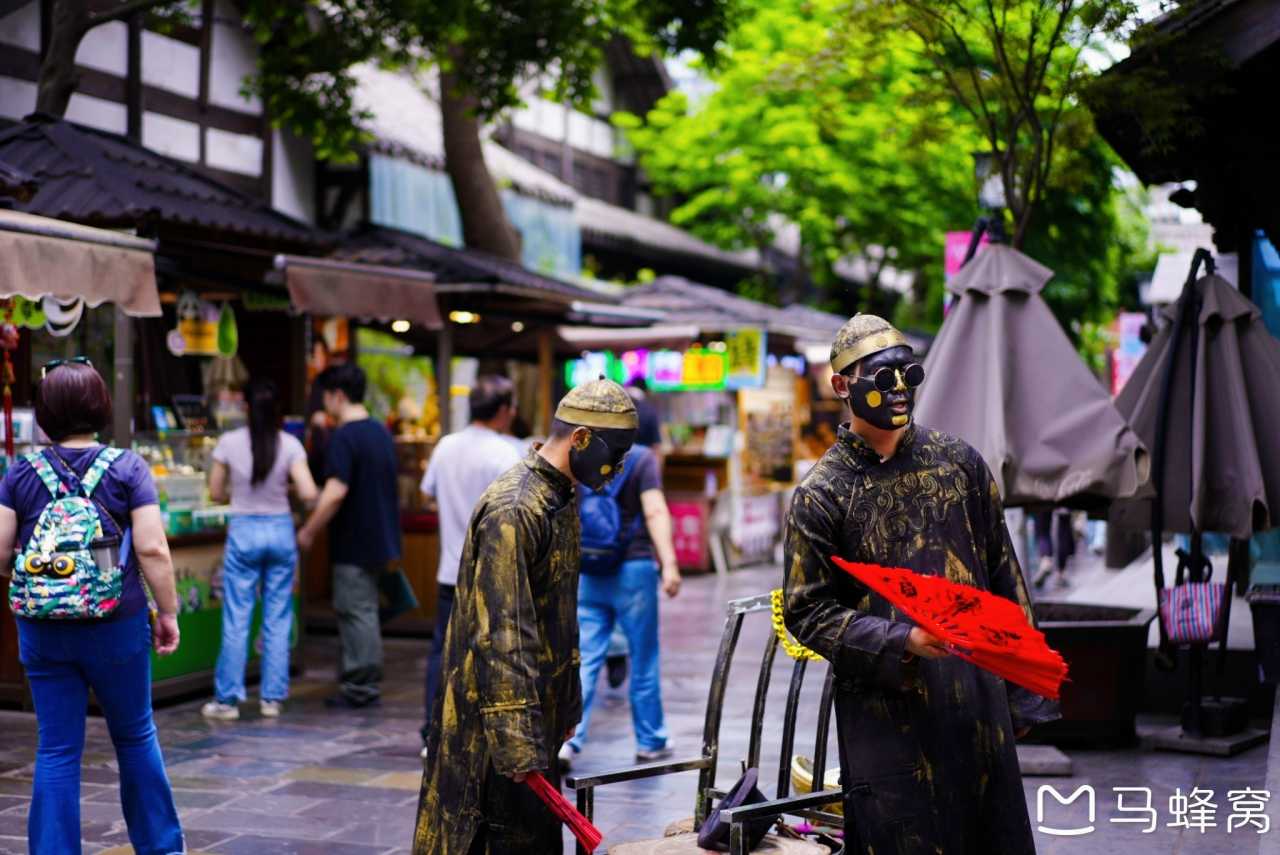
A 4-day trip to explore Shaocheng costs approximately 800 yuan per person, including accommodation near Kuanzhai Alley, meals at local eateries, and entrance fees to museums and cultural sites. This budget-friendly estimate makes it accessible for backpackers and budget-conscious travelers.
3. Is Kuanzhai Alley worth visiting despite commercialization?
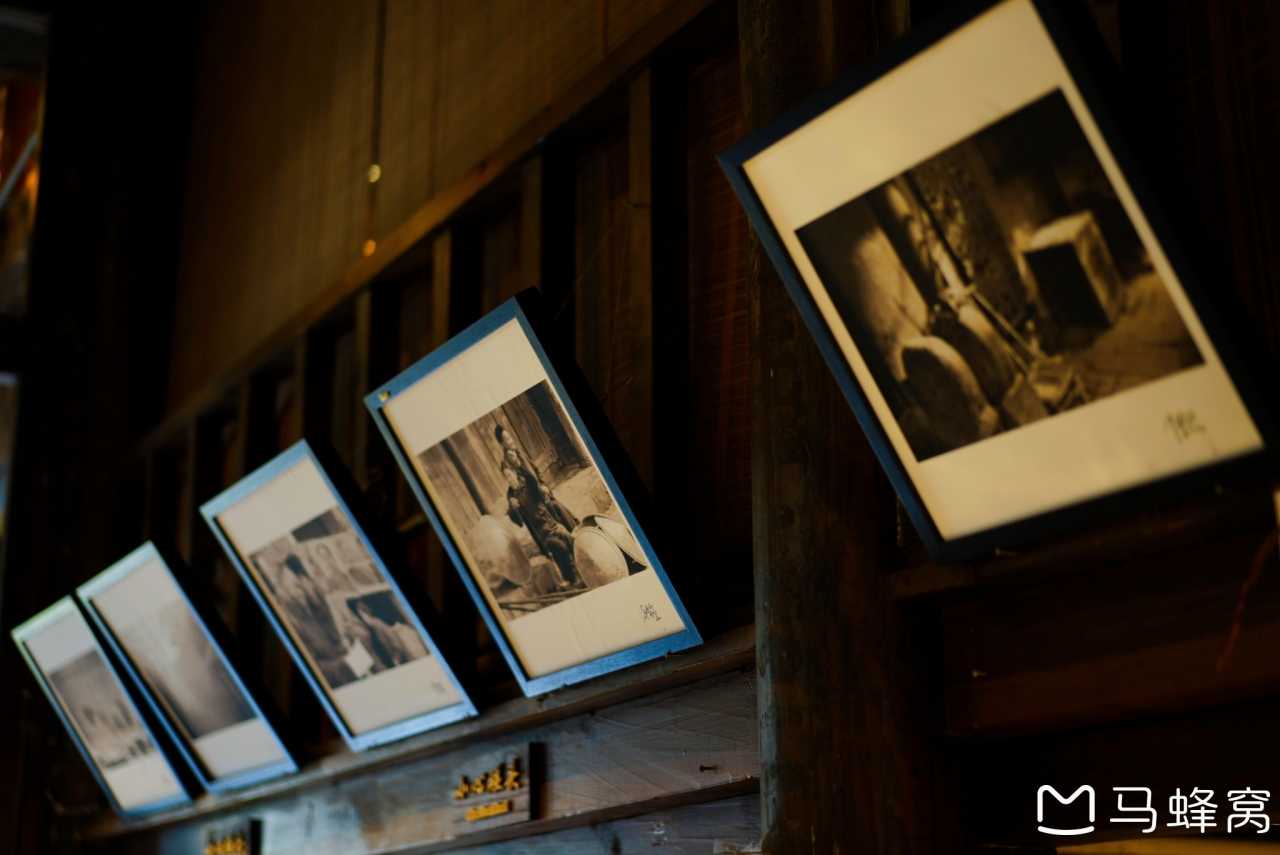
Yes. While some criticize it as a "tourist trap," Kuanzhai Alley retains genuine historical value. The architecture – grey bricks, black tiles, and Sichuan courtyards – is authentic. Visiting during off-peak hours reveals the last remnants of the "Thousand-Year Shaocheng." Plus, the area offers unique cultural experiences like Jianshan Bookstore and Three Ears Hotpot that you won't find elsewhere.
4. What is the difference between Wide Alley, Narrow Alley, and Well Alley?
- Wide Alley (Kuan Xiangzi) – Originally "Xingren Hutong," now a shopping street with boutiques, art galleries, and cultural experience halls
- Narrow Alley (Zhai Xiangzi) – Originally "Taiping Hutong," featuring traditional Sichuan courtyard restaurants and teahouses
- Well Alley (Jing Xiangzi) – Originally "Ruyi Hutong," a quieter lane with local food stalls and artisan workshops
5. Can I visit People's Park and Kuanzhai Alley in one day?

Yes. The two areas are within walking distance (about 15 minutes). Start at Kuanzhai Alley in the morning, have lunch at a local restaurant, then walk to People's Park in the afternoon. This allows you to experience both the commercial history of Shaocheng and its public park heritage in a single day.
Conclusion: Reading Chengdu in the Cracks of Time
Chengdu's Shaocheng district offers more than just a tourist experience – it's a living museum where 300 years of history unfold in the cracks between grey bricks and black tiles. From the clattering hooves of Eight Banner soldiers to the modern hum of tea houses and hotpot restaurants, this area tells the story of a city that has always balanced tradition with transformation.
Whether you're sipping tea at Crane Call Teahouse, browsing books at Jianshan Bookstore, or tasting the legendary cold pot fish at Three Ears, you're participating in a cultural conversation that spans centuries.
Ready to explore Chengdu's hidden history? Start planning your trip today. Book accommodation near Kuanzhai Alley, pack comfortable walking shoes, and prepare to discover the city that locals call "Shaocheng" – the lesser-known, deeply authentic soul of Chengdu.
Have you visited Chengdu's Shaocheng district? Share your experience in the comments below – we'd love to hear your favorite hidden spots!
[Link: Book Your Chengdu Tour Now] [Link: Chengdu Hotel Deals Near Kuanzhai Alley]
You may also like