Jiuzhaigou in the Dry Season: An Underrated Visual Feast
Here is the SEO-optimized, rewritten article based on your source material. It is structured for high readability, keyword density, and user engagement, targeting approximately 1500 words.
Jiuzhaigou in the Dry Season: An Underrated Visual Feast Worth the Winter Trip
Meta Description: Discover why Jiuzhaigou in the dry season is a hidden gem. Get the ultimate winter travel guide, route strategy, and packing tips for a breathtaking off-season adventure.
Introduction: Why Winter is the Best-Kept Secret in Jiuzhaigou
"Never go to Jiuzhaigou during the dry season." I heard this warning at least a dozen times before my trip. Friends insisted that visiting Jiuzhaigou in winter was a waste of money—low water levels, bone-chilling cold, and no autumn foliage. Honestly, I was almost convinced to cancel.
But I went anyway. And the moment I stood before those alpine lakes, every doubt vanished. This trip was worth it—and then some.
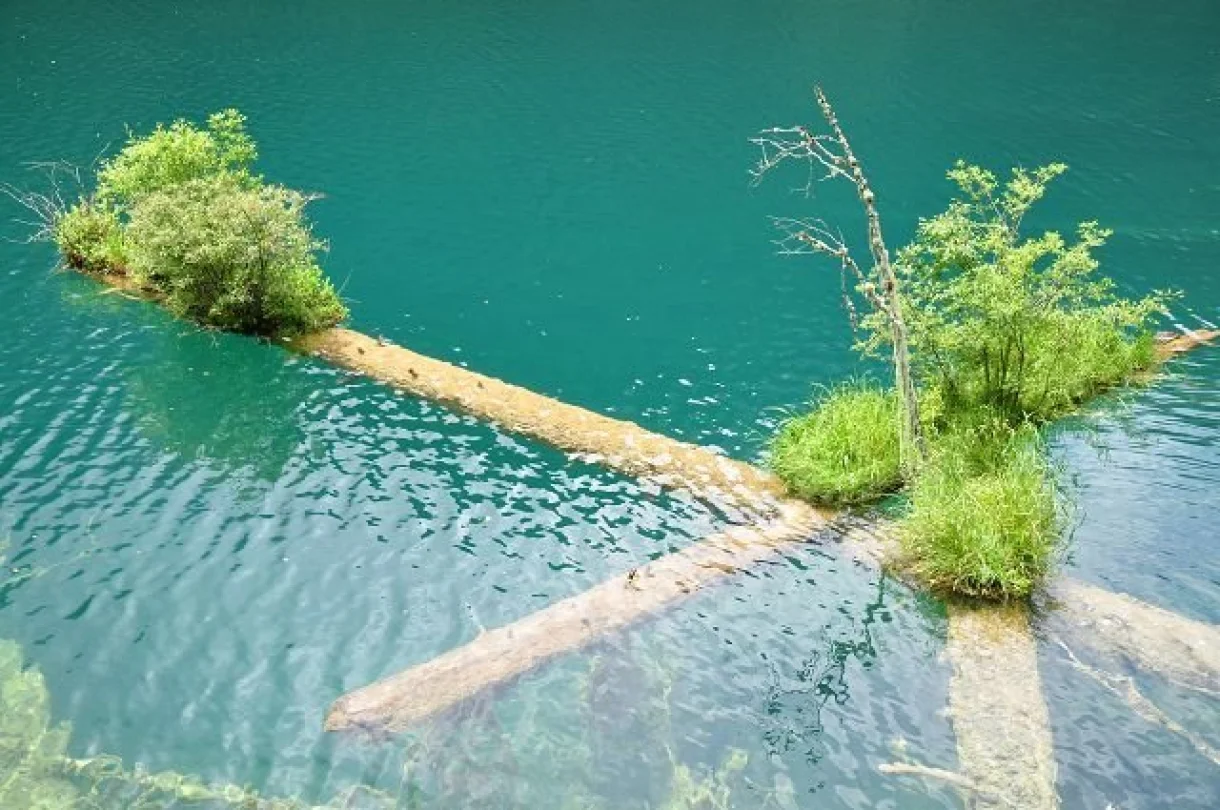
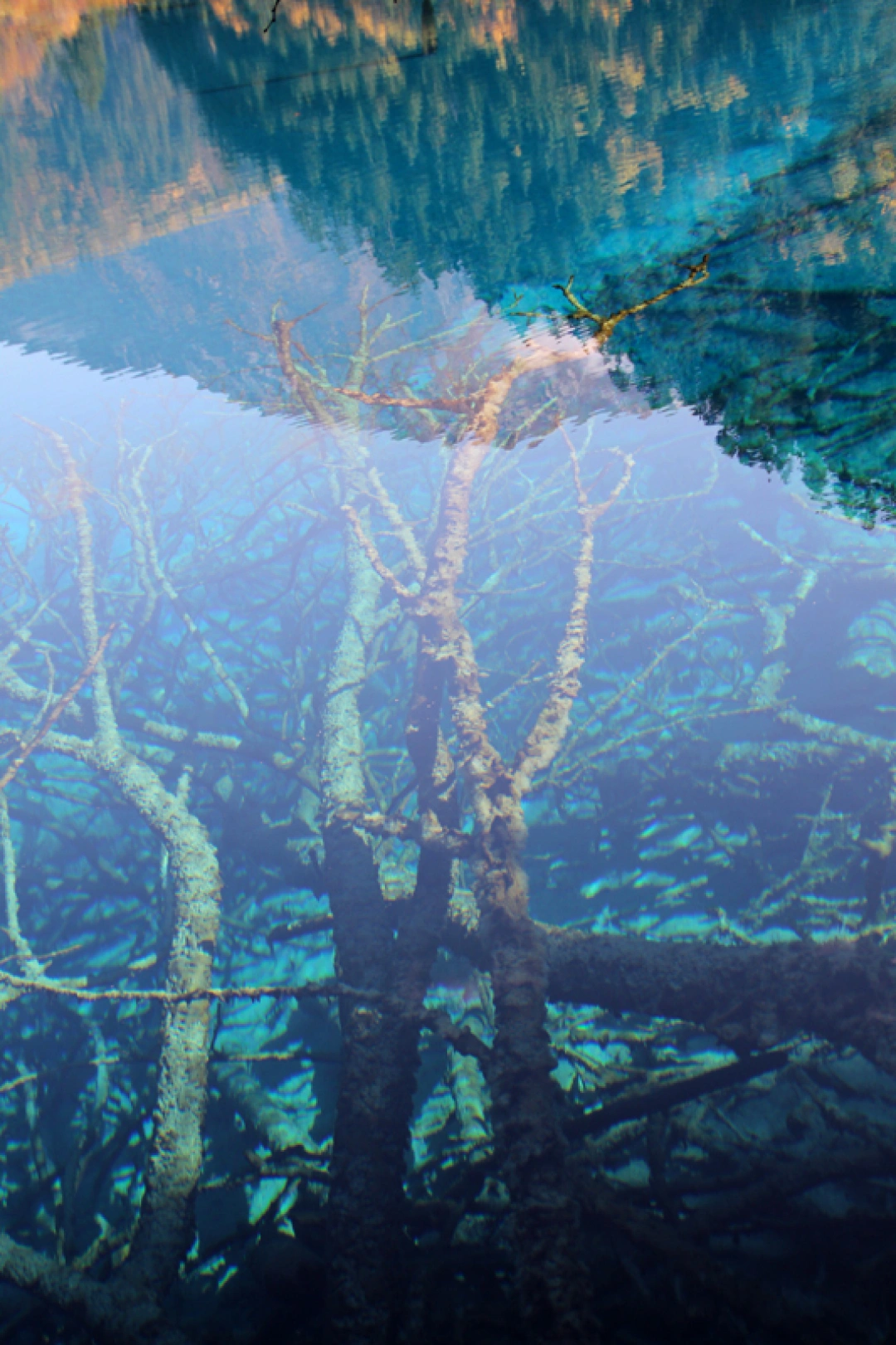
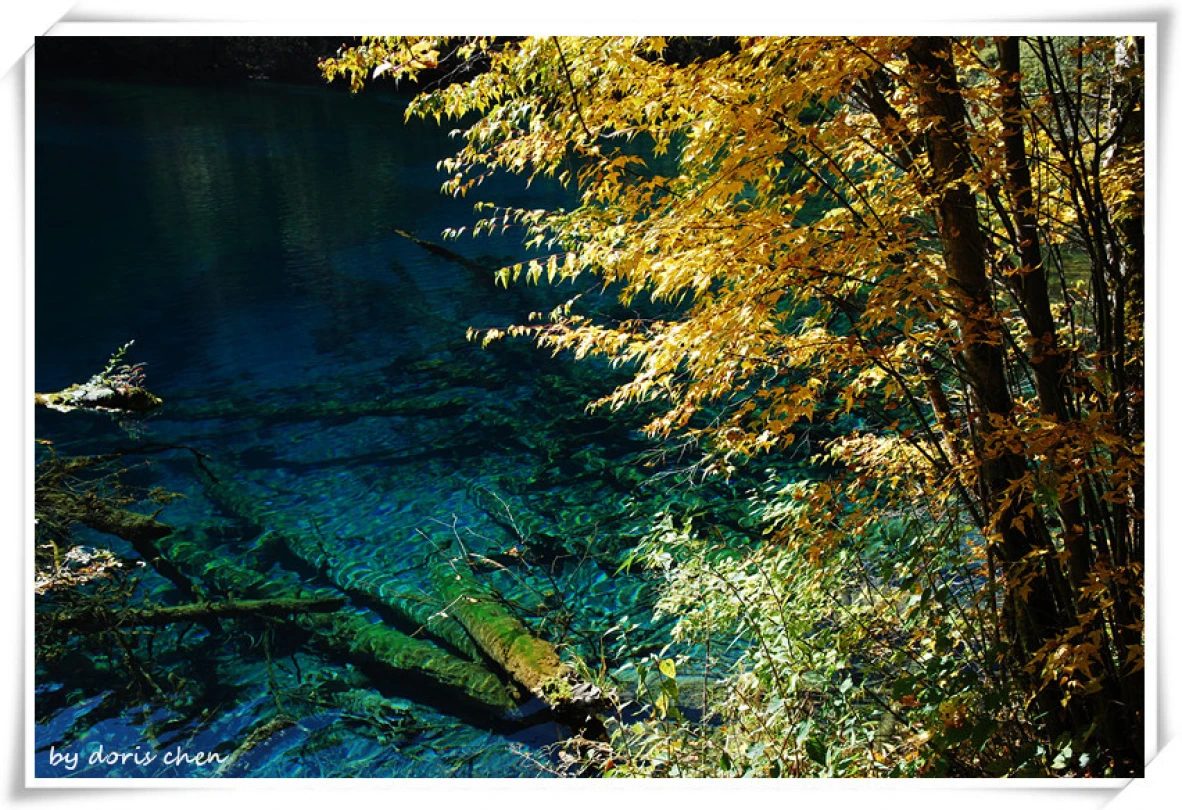
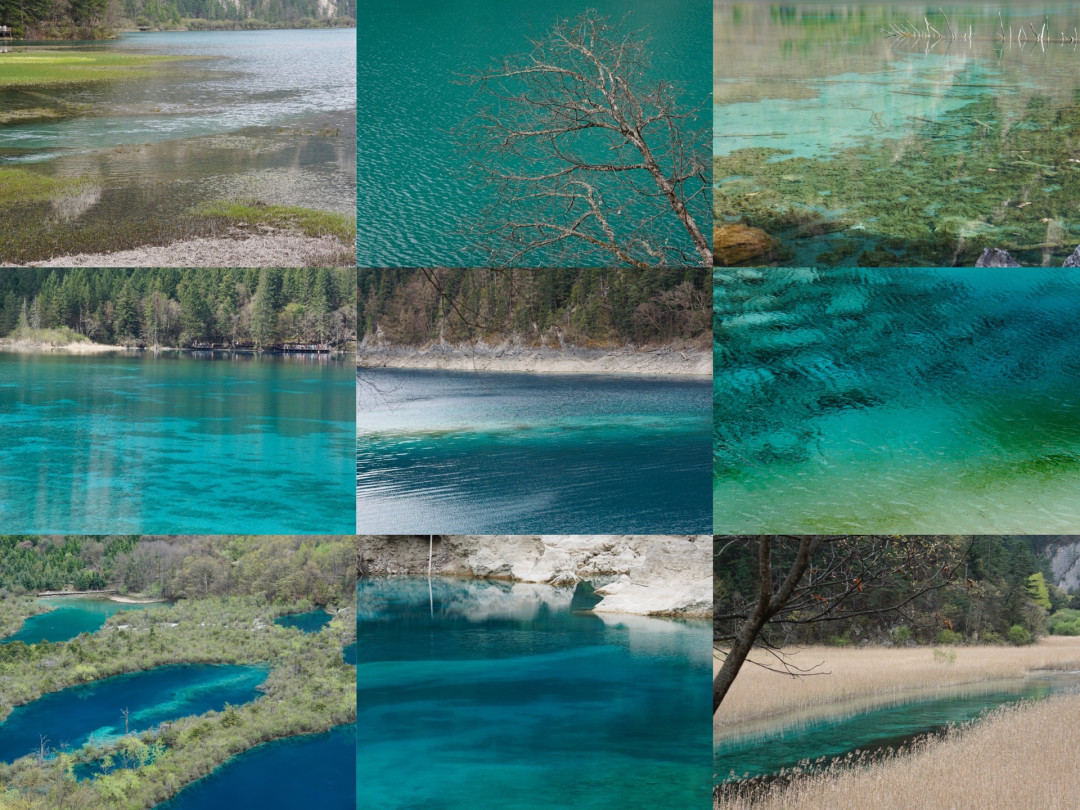
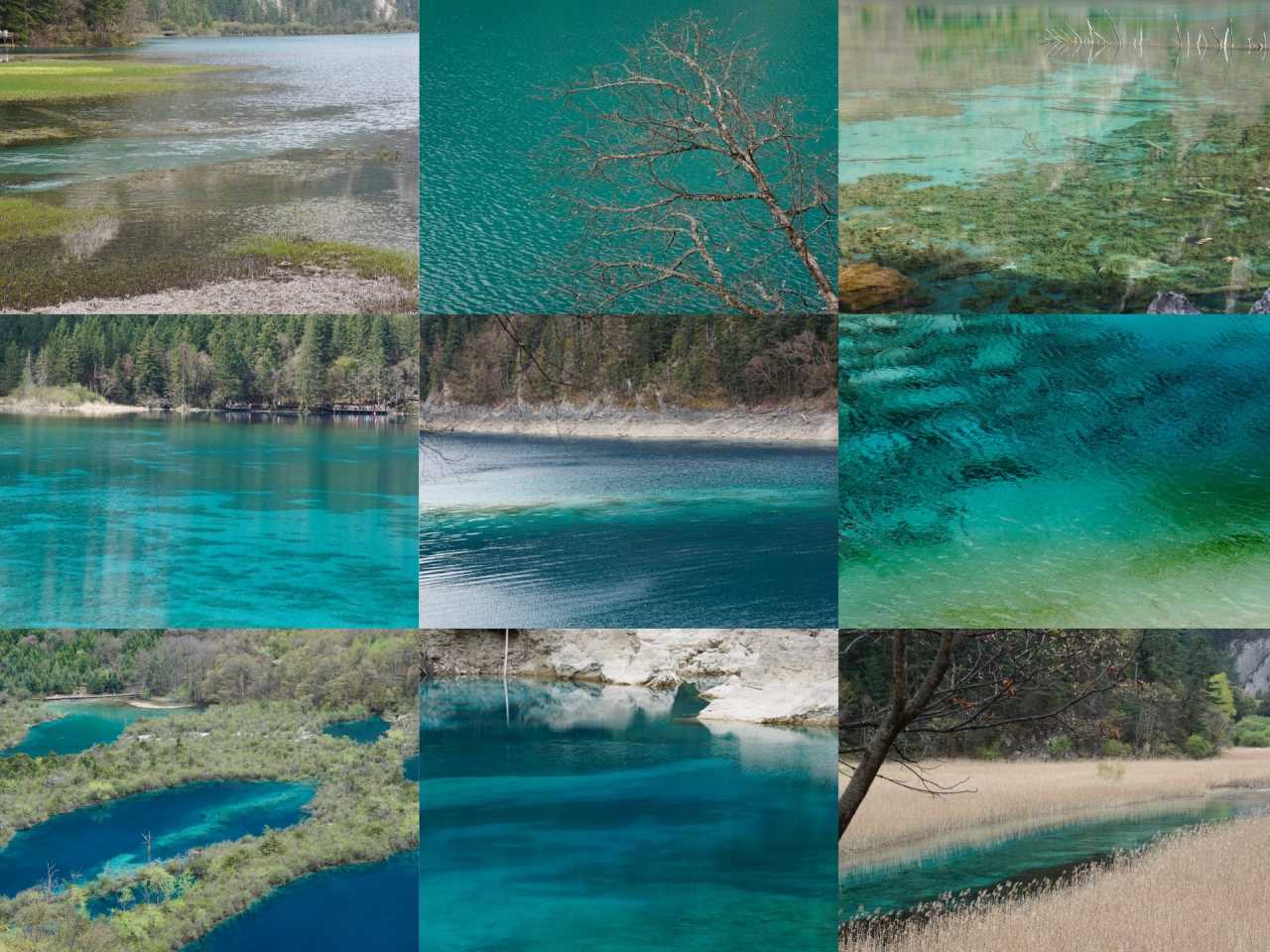
The photos are stunning, but standing there in person, feeling the crisp air and seeing the surreal colors with your own eyes—that sense of awe is something no camera can replicate. Each lake has its own unique hue: some pure blue, others deep, mysterious green, as if nature had tipped over its palette right here.
If it's this beautiful during the dry season, it must be absolutely mind-blowing when the water is high. I finally understood the saying: "After visiting Jiuzhaigou, no other water scenery will ever impress you." In that moment, I silently made a wish: I have to come back in every season.
H2: Is Jiuzhaigou Worth Visiting in the Dry Season? Absolutely.
Many travelers assume that winter means "dead" scenery. But Jiuzhaigou in the dry season offers something unique:
- Crystal-clear visibility: With fewer tourists and lower humidity, the lakes are incredibly transparent.
- Dramatic contrasts: Snow-capped peaks frame turquoise waters, creating a visual feast you won't find in summer.
- Peaceful trails: You'll have more space to yourself, making it a photographer's paradise.
- Lower costs: Off-season flights and hotels are significantly cheaper.
The "dry season" is actually a misnomer for disappointment. It's a season of clarity and serenity.
H2: Practical Guide to Jiuzhaigou in Winter (Dry Season)
H3: Getting There: From Chengdu to Jiuzhaigou
Outbound Route:
We chose the safe option: fly into Chengdu Tianfu Airport. Although Jiuzhaigou Huanglong Airport is closer, high altitude and unpredictable weather cause frequent delays.
- Step 1: Walk 10 minutes from Tianfu Airport to the high-speed rail station.
- Step 2: Take a 27-minute train to Chengdu East Station.
- Step 3: Board a 1-hour-45-minute high-speed train to Huanglong Jiuzhai Station.
- Step 4: Take a shared minivan for the 1.5-hour drive to your hotel.
Warning: The road from the train station to the scenic area entrance is all winding mountain roads with single-lane traffic. Official shuttle buses drive slowly and safely, but local minivan drivers often overtake on blind curves. If you're nervous about mountain roads, take the official bus or ask your driver to slow down.
Return Trip Tip:
We had only one day in Jiuzhaigou and needed to get back to Chengdu that night. The last train from Huanglong Jiuzhai Station departs at 7:00 PM, meaning we had to leave the scenic area by 4:00 PM.
Hidden Gem: Songpan Station is about 20 minutes further by car but has late trains at 8:40 PM and 9:37 PM. We left the scenic area at 5:00 PM and easily caught the 8:40 PM train.
H3: Jiuzhaigou Route Strategy: The Logistics System Is Perfect
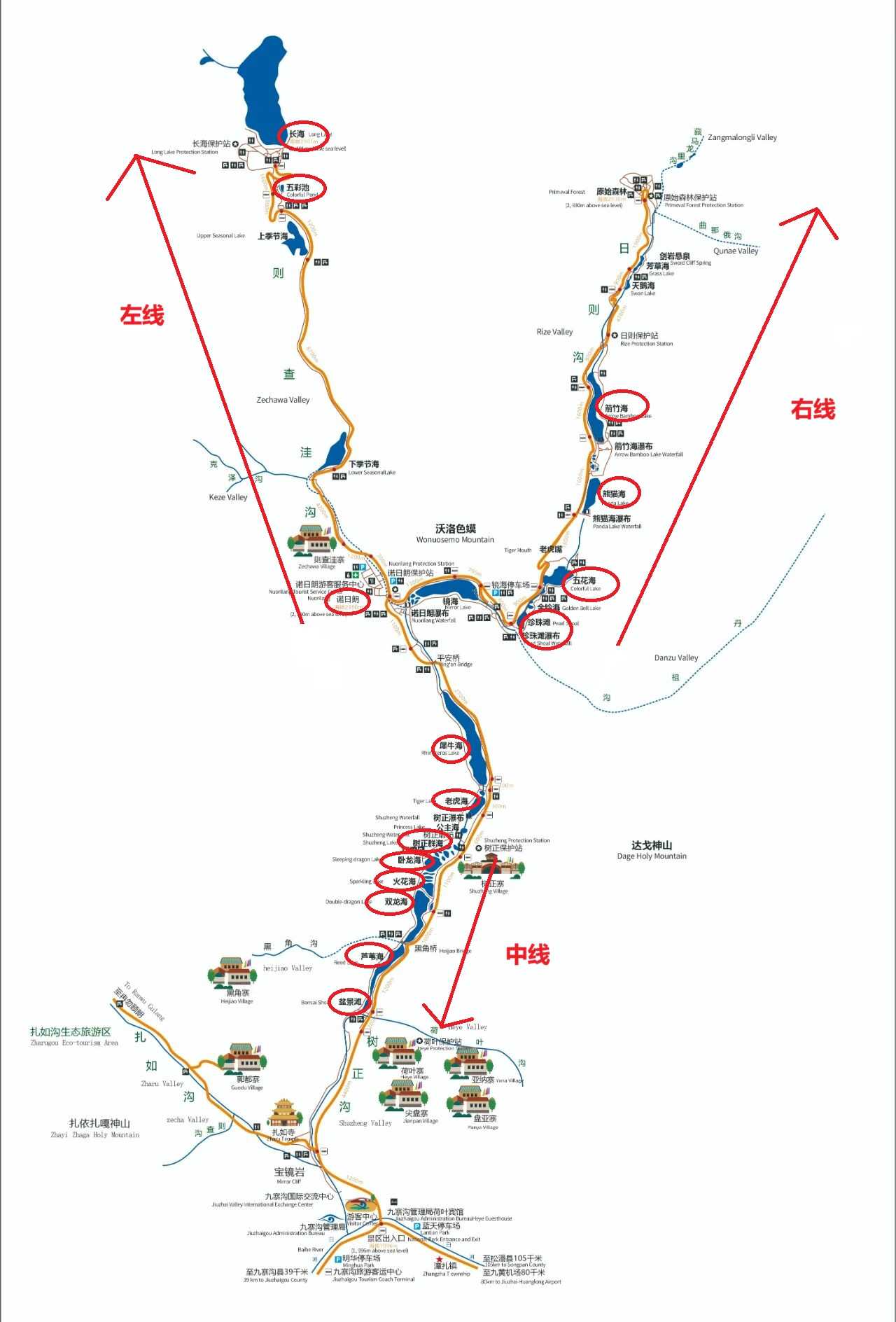
Jiuzhaigou's sightseeing routes are divided into three lines: Left Line, Right Line, and Central Line, with the Nuorilang Visitor Rest Center as the hub.
After entering the ticket gate, you queue for the sightseeing bus. Which line you're assigned to is random—but don't worry. The system is practically tailor-made for visitors. No matter which line you get, you can see all the highlights without backtracking.

Order of Play for the Three Lines:
If assigned to the Left Line: - Get off at Long Lake → walk to Five-Color Pond → take the bus to Nuorilang → transfer to the Right Line bus. - Right Line order: Primordial Forest (skip if you only have one day) → Arrow Bamboo Lake → Panda Lake → Five-Flower Lake → Pearl Shoal → Mirror Lake → back to Nuorilang. - Central Line order: Rhinoceros Lake → Tiger Lake → Shuzheng Group Lakes → walk to Double Dragon Lake → Five-Flower Lake → Reed Lake → take the bus from Bonsai Shoal back to the entrance.
If assigned to the Right Line: Same logic as the Left Line, just in reverse order.
If assigned to the Central Line (which happened to us): - Get off at Shuzheng Village → walk to Tiger Lake and Rhinoceros Lake → board the bus at Rhinoceros Lake Station. - The bus will randomly assign you to either the Left or Right Line. - After finishing both lines, take the bus from Nuorilang to Shuzheng Group Lakes, then walk downhill to Double Dragon Lake → Five-Flower Lake → Reed Lake → take the bus from Bonsai Shoal back to the entrance.
H3: Weather and What to Wear: Four Seasons in a Single Day
The plateau weather changes dramatically within a single day—sunny in the morning, snowing by afternoon. You only know the day's temperature on the day itself.
Mornings and evenings are cold, while midday sun makes it warm. When we set out, it showed 5°C, but for us Cantonese, it felt like 14°C. I wore a long-sleeve shirt plus a medium-weight jacket, and a skirt without tights. I recommend bringing a neck gaiter—it's especially useful at high-altitude spots like Long Lake.
Packing Checklist for Jiuzhaigou Dry Season: - Thermal base layer - Medium-weight jacket - Neck gaiter or scarf - Comfortable walking shoes - Sunscreen (sun is strong even in winter) - Water bottle (hydration is key at altitude)
H2: Travelogue: A Whimsical Journey of Three Dizzy Explorers
H3: Stop One: Exhausted Before Even Entering the Scenic Area
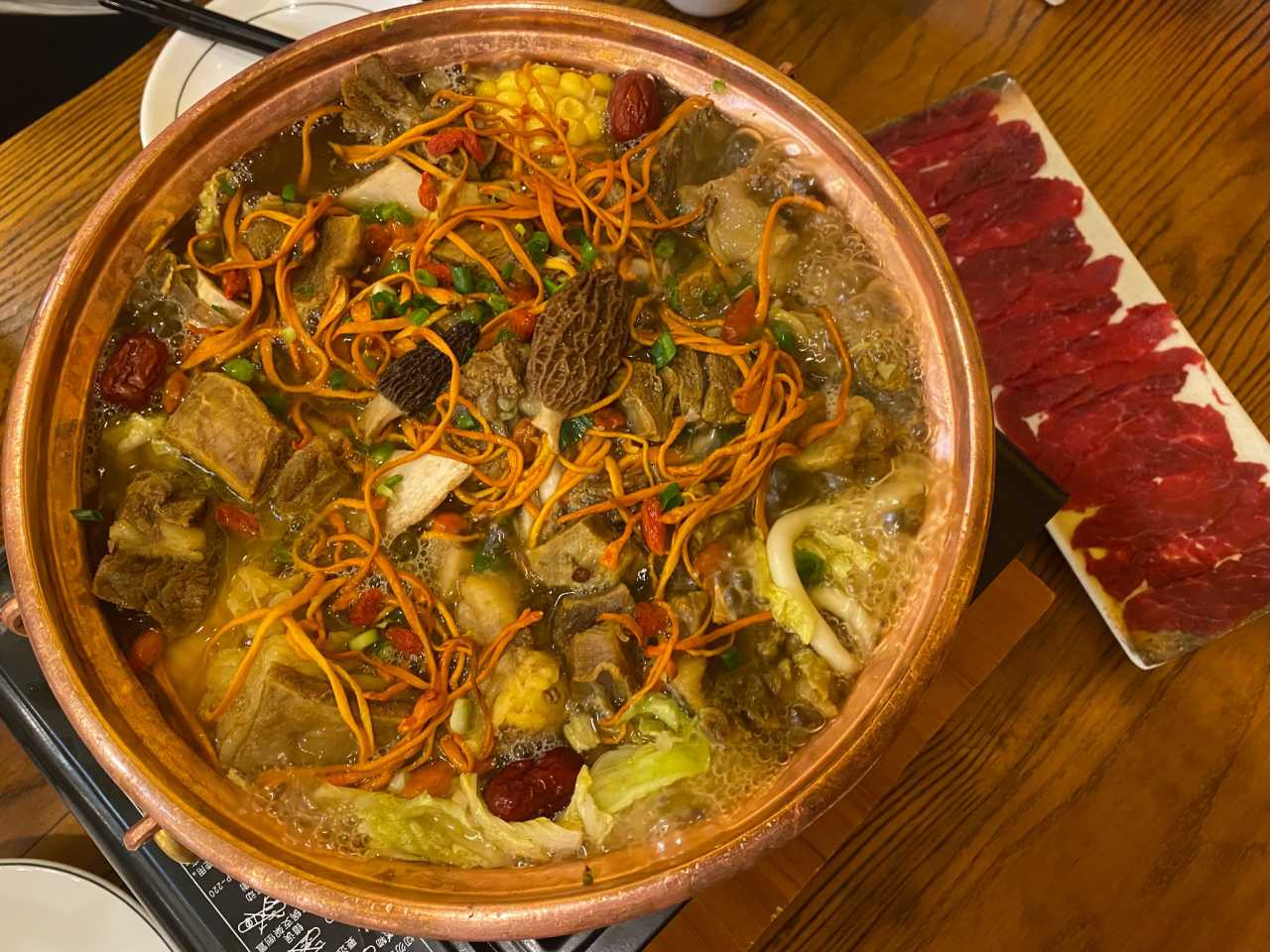
We woke up at 6:00 AM to catch our flight and didn't reach the hotel until 8:00 PM. During those grueling hours, we endured the plane's bumpy descent (almost threw up), the stifling heat of Chengdu East Station (drenched in sweat), the ear pain from the high-speed train's altitude climb, and the minivan's wild swerving on winding mountain roads (felt like throwing up again). By the time we got out, the three of us were completely drained. Thank goodness the restaurant was right next to the hotel.
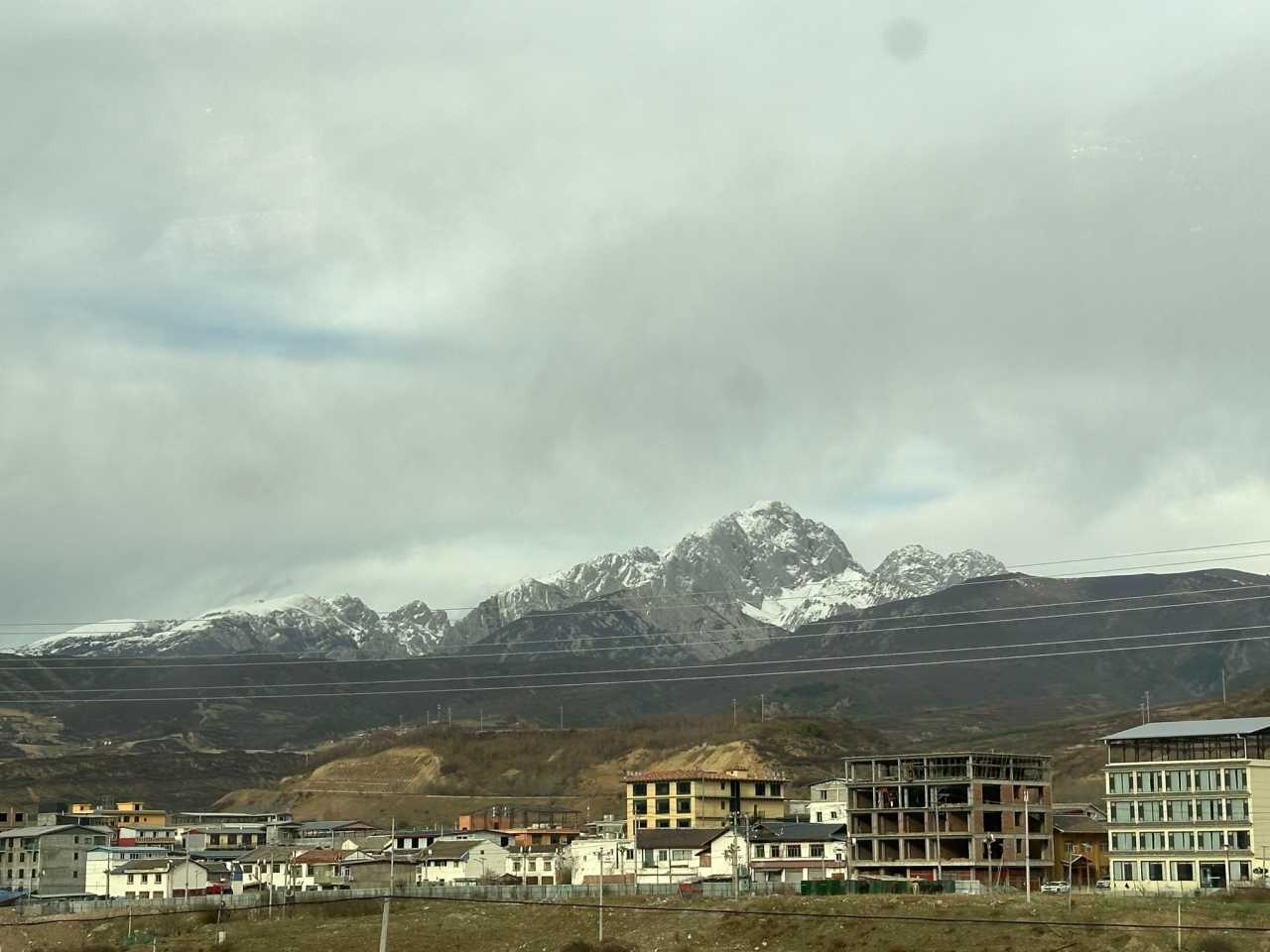
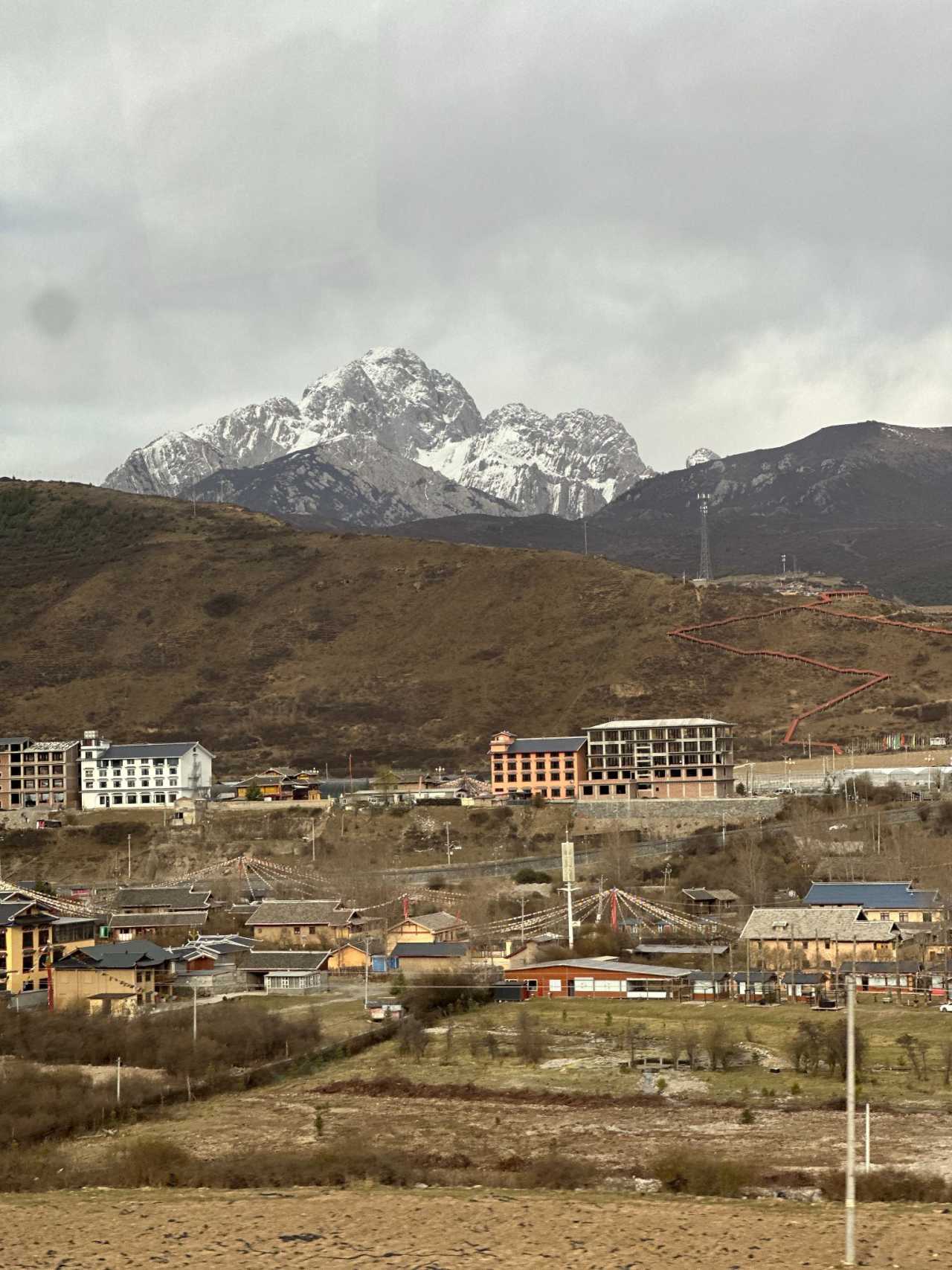
Huanglong Jiuzhai Station is a bit shabby, but seeing the snow-capped mountains on the way to Jiuzhaigou instantly lifted our spirits.
H3: Stop Two: The Unexpected Surprise of the Central Line
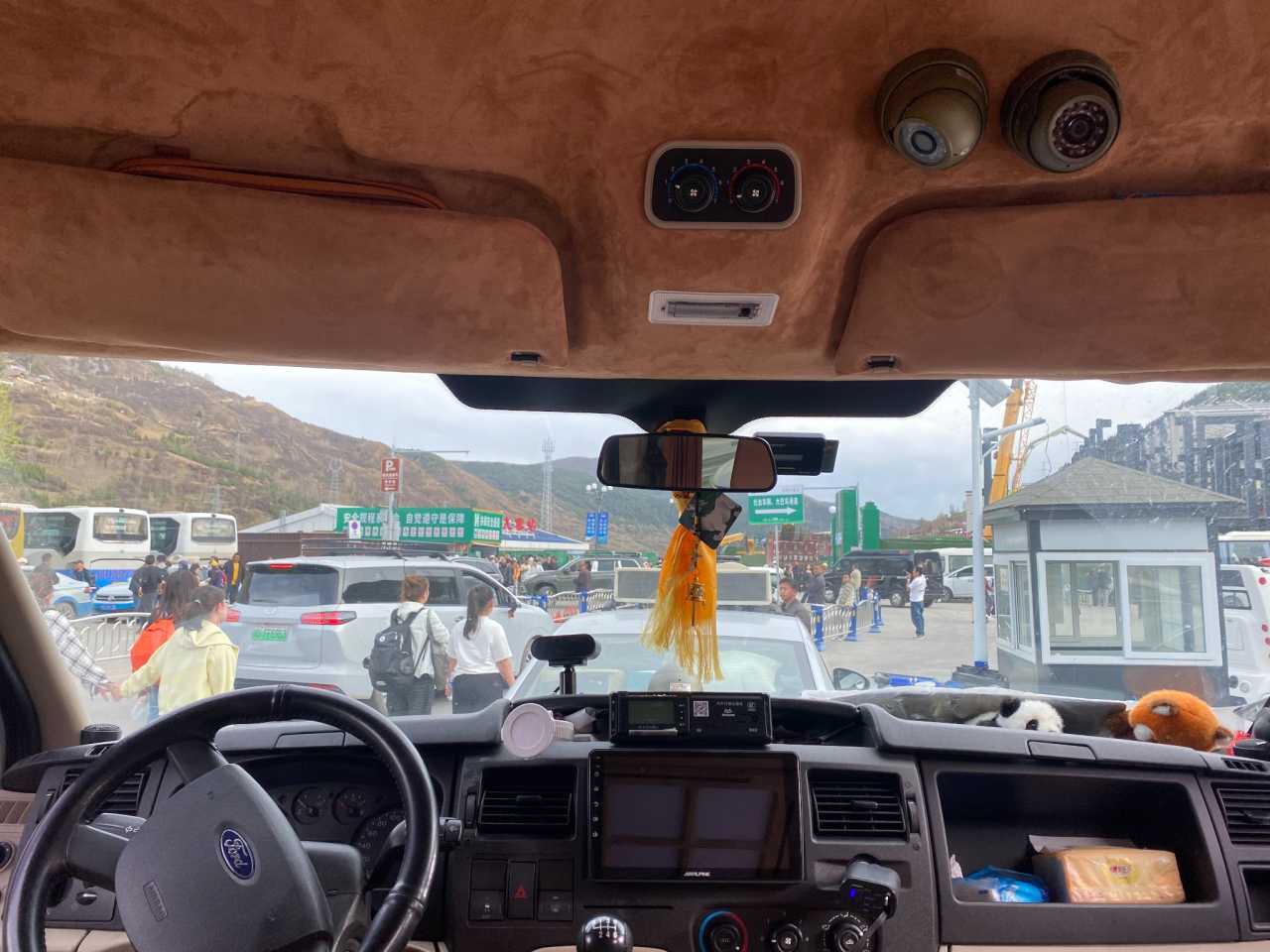
We got up at 6:30 AM, packed our gear, had breakfast, and set off. Our accommodation was about a 20-minute walk from the scenic area, but we flagged down a taxi—5 yuan per person. We entered the scenic area at 8:20 AM.
All our pre-trip research had focused on the Left and Right Lines. So when the tour guide on the sightseeing bus announced, "Please get off at Shuzheng Village," we realized there was a Central Line. We had absolutely no strategy for it. At that moment, the three of us looked at each other with expressions that can only be described as 👀👀👀.
But every sightseeing bus comes with a guide. After listening for a few minutes, we understood how it worked. The Central Line meant getting off at Shuzheng Village, walking 1.2 kilometers uphill to Rhinoceros Lake Station, then transferring to a bus heading to either the Left or Right Line. It might have seemed like we drew the "short straw," but we trusted that everything happens for a reason.
A quick rant: There are plenty of sightseeing buses, so you never have to wait long, but the tourists' behavior leaves much to be desired. Elderly aunties and uncles push and shove aggressively—but that's a story for another day.
H2: Frequently Asked Questions About Jiuzhaigou in the Dry Season
Q1: Is Jiuzhaigou beautiful in the dry season?
 Absolutely. While water levels are lower, the clarity of the lakes is at its peak. Snow-capped mountains and fewer crowds create a serene, almost magical atmosphere. It's a visual feast you won't find in summer.
Q2: What is the best month to visit Jiuzhaigou in winter?
December to February offers the most consistent snow coverage. January is the coldest but also the least crowded. If you want a balance of snow and accessibility, early February is ideal.
Q3: Do I need to book tickets in advance for Jiuzhaigou in winter?
 Yes. Even in the dry season, tickets can sell out on weekends and holidays. Book at least 3-5 days in advance on the official Jiuzhaigou website or a trusted travel platform.
Q4: How long should I spend in Jiuzhaigou in winter?
One full day is enough to see the main highlights if you follow the route strategy above. However, a two-day visit allows you to explore deeper trails and enjoy the scenery at a relaxed pace.
Q5: Is Jiuzhaigou safe to visit in winter?
Yes. The park maintains trails and shuttle services year-round. However, be prepared for icy paths at higher elevations. Wear sturdy shoes and use handrails when available.
H2: Internal Linking Suggestions
To enhance your travel planning, check out these related guides:
- [Link: Best Time to Visit Jiuzhaigou for Fall Colors]
- [Link: How to Get to Jiuzhaigou from Chengdu on a Budget]
- [Link: Top 10 Must-See Spots in Jiuzhaigou National Park]
- [Link: Packing List for High-Altitude Travel in China]
- [Link: Jiuzhaigou vs. Huanglong: Which is Better for a Day Trip?]
Conclusion: Don't Let the "Dry Season" Fool You
Jiuzhaigou in the dry season is not a compromise—it's a revelation. The clarity, the solitude, the snow-capped peaks framing turquoise waters—it's a side of Jiuzhaigou that most tourists miss.
If you've been told to skip winter, I'm here to tell you: Go anyway. The journey might be exhausting (we nearly threw up twice), but the reward is a visual feast that will stay with you forever.
Ready to plan your winter escape? Book your Jiuzhaigou tickets now and discover why this underrated season is the best-kept secret in Sichuan travel.
Call to Action: Start your adventure today—check flight prices to Chengdu and secure your Jiuzhaigou entry pass before the crowds discover this hidden gem.