Japan GO!GO!GO! – A Complete Travel Diary from Tokyo to Osaka

Meta Description: Plan your ultimate Japan trip with this detailed 11-day travel diary from Tokyo to Osaka. Discover Ghibli Museum tips, Shinkansen hacks, USJ Express Pass advice, and hidden ramen gems.
Introduction: Why This Japan Travel Diary Will Save You Time and Money
Planning a trip to Japan is like preparing for a beautifully orchestrated symphony—every detail matters, from the timing of your flights to the exact moment you step into a ramen shop. My journey from August 30 to September 9 was nothing short of a whirlwind adventure, packed with cultural discoveries, culinary delights, and a few unexpected surprises (hello, typhoon!). Whether you're a first-time visitor or a seasoned Japan traveler, this comprehensive Tokyo to Osaka travel guide covers everything: visa tips, accommodation hacks, theme park strategies, and the best local eats.
Let me take you through the highs, the lows, and the absolute must-dos for your own Japan itinerary.
Pre-Trip Preparation: Visa, Tickets, and Essential Japan Travel Tips
Japan Visa Application: What to Expect
I applied for my visa through Mafengwo, and despite being told it would take eight days, it arrived in just six—reliable and efficient. Pro tip: Apply at least two weeks before departure, especially during peak seasons like cherry blossom or autumn foliage.
Flights and Connectivity: Suica Card, SIM Card, and Wi-Fi
My flights were booked round-trip from Chongqing, flying into Tokyo and out of Osaka—a classic open-jaw route that saves backtracking. For connectivity, I grabbed a Suica card, a SIM card, and a portable Wi-Fi device (picked up at the airport). Word to the wise: the Wi-Fi won't throttle your speed, but the SIM card might. Consider renting a pocket Wi-Fi for unlimited data, especially if you rely on Google Maps for navigating Japan's complex train systems.
Theme Park Tickets: Universal Studios Japan and Ghibli Museum

For theme park enthusiasts, I snagged Universal Studios Japan tickets with a seven-item Express Pass from the official flagship store. And for the Studio Ghibli Museum, I booked through Mafengwo—trust me, you don't want to miss this. Critical tip: Ghibli Museum tickets sell out within hours on the 10th of each month for the following month. Use a reliable booking service to secure your spot.
Kimono Rental and Other Essentials
I reserved a kimono through the official Ghibli website. Pro tip: Don't use a QQ email for the reservation—it won't send you a confirmation. After multiple failed attempts, I switched to a Live email and finally got my receipt. Also, bring the passport of the person who booked the tickets for verification at the museum.
Accommodation: Where to Stay in Tokyo and Osaka
- Tokyo: Booked through Booking.com, right in Tsukiji Market. Convenient for IC card top-ups at the nearby Lawson and close to Tsukiji, Ginza, and Higashi-Ginza stations. [Link: Best hotels near Tsukiji Market]
- Osaka: Booked through Mafengwo, in the Namba area near Daikokucho Station. Just one stop from Shinsaibashi and Namba—perfect for shopping and food.
Day 1: Tokyo – Ghibli Magic and Skyline Views
Morning: Tsukiji Market Seafood Bowl
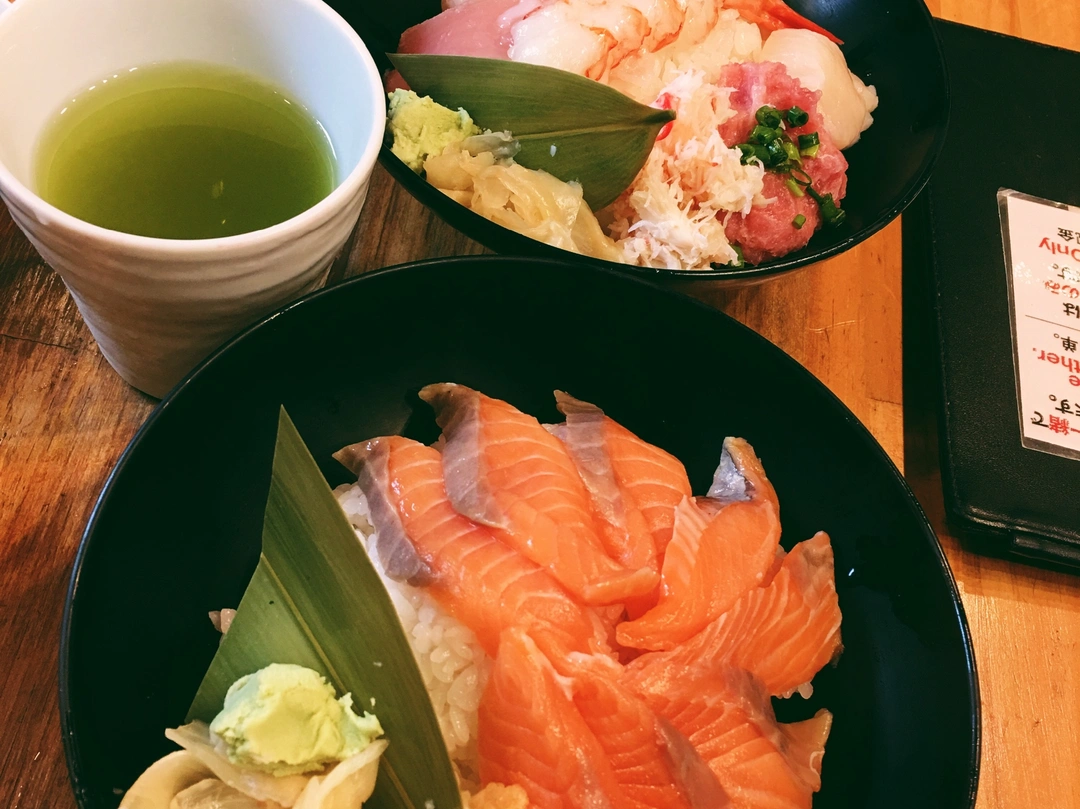
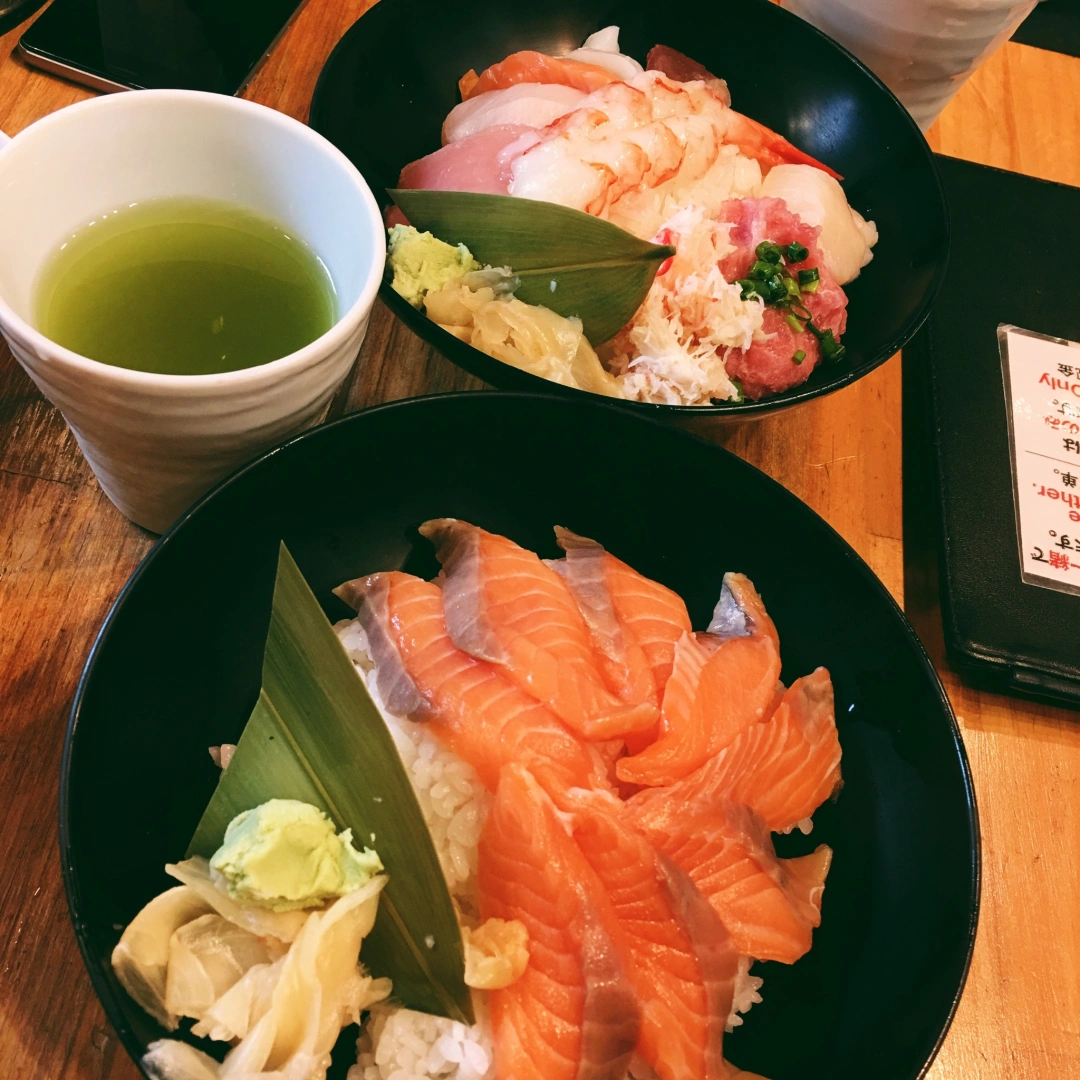
We started our day with a seafood bowl at Tsukiji Market. Walk to the end of the market, turn left at the T-junction, and you'll find a small shop about 20 meters down. Fresh, yes, but a bit pricey and not mind-blowing. Insider tip: Go early (before 8 a.m.) to avoid crowds and get the freshest catch.
Ghibli Museum: A Dream Come True
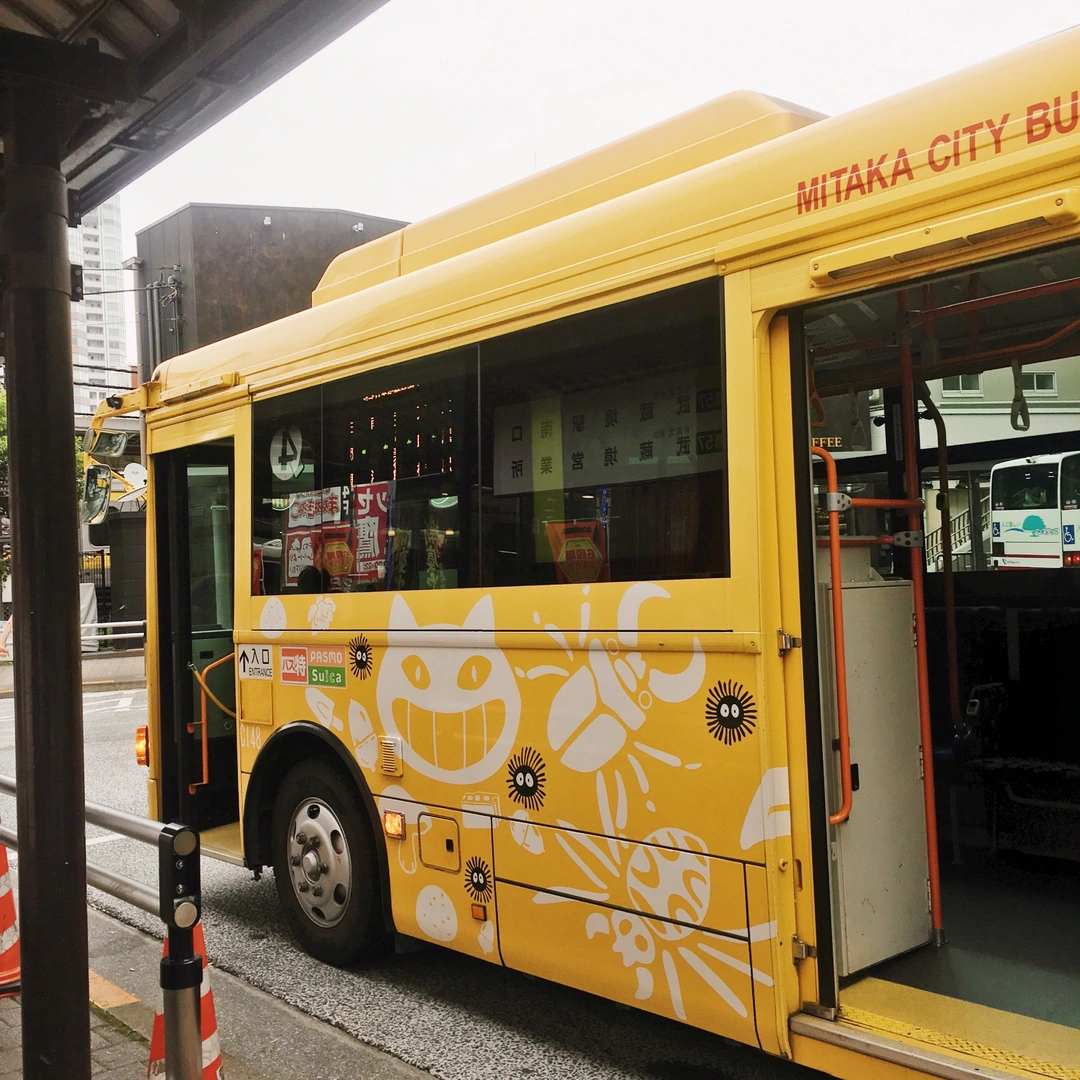
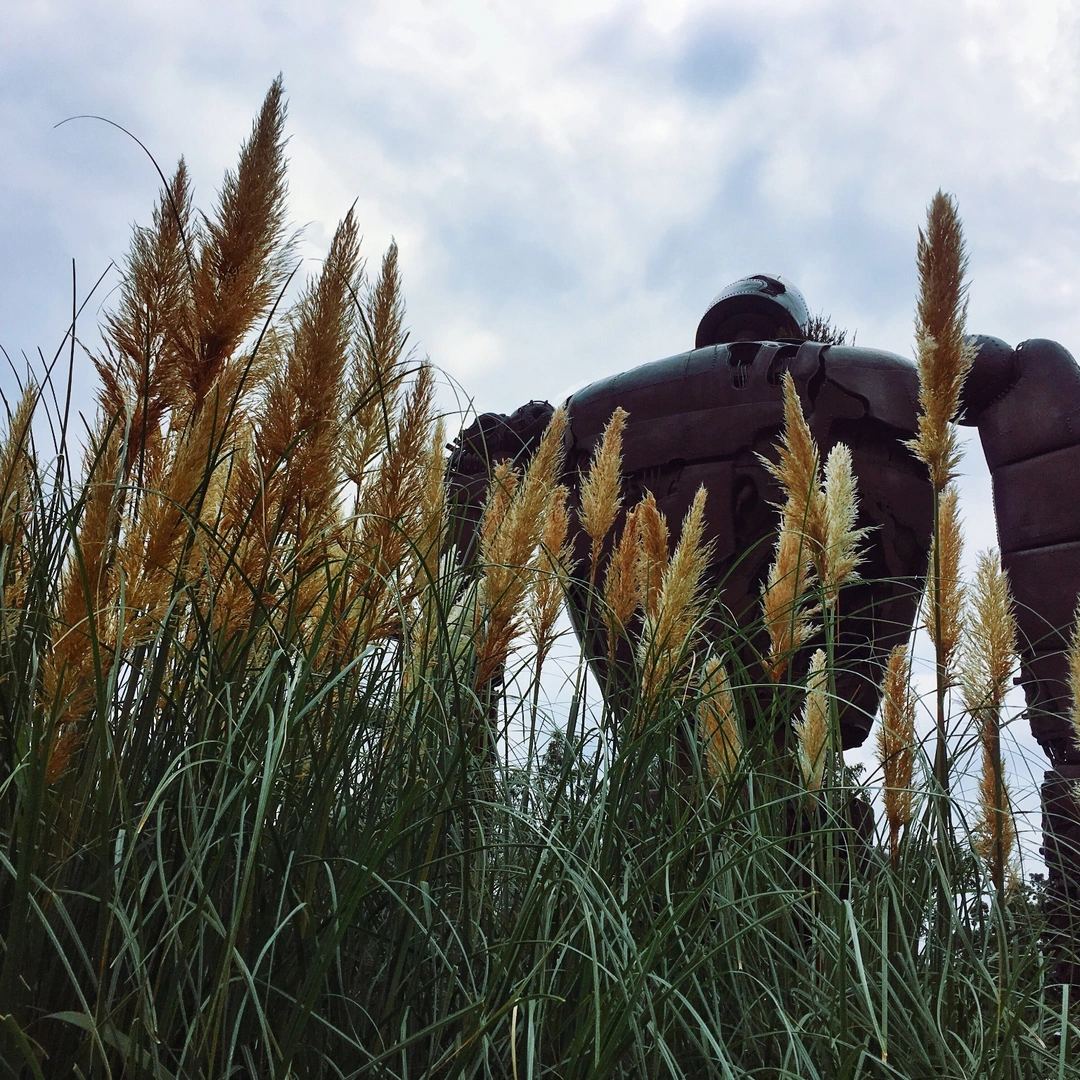
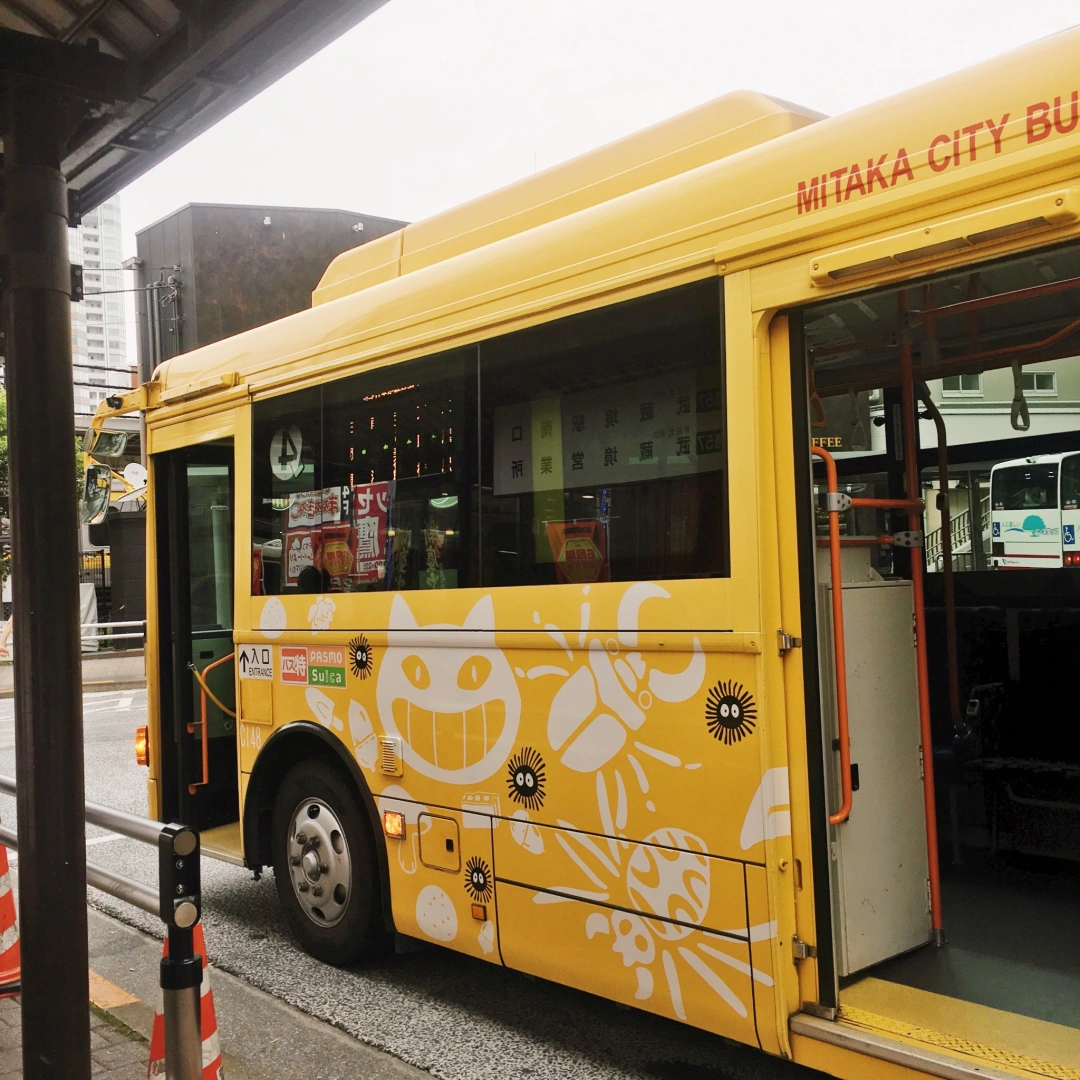
Tickets for the Ghibli Museum go on sale on the 10th of each month for the following month, and they sell out fast. Leave it to a reliable booking service. Take the JR to Mitaka Station, then hop on the iconic yellow Cat Bus (you can use your Suica card). Remember: Bring the passport of the person who booked the tickets for verification. Inside, no photos are allowed, but the museum is a treasure trove of hand-drawn sketches and animation principles. The short film shown with your ticket is a must-see.
Afterward, we stumbled upon Bunzo Ramen—hands down the best ramen of our trip. It's a small, unassuming spot across from a red apartment building. The eggs are marinated with a soft, runny yolk. If it's raining, the staff even hands out umbrellas to waiting customers. [Link: Best ramen in Tokyo]
Roppongi Hills: Tokyo Tower and Beyond
Take the Hibiya Line to Roppongi Station (5-minute walk) or the Toei Oedo Line (4-minute walk). The plaza features a giant black spider sculpture called "Maman," one of three worldwide. Tickets cost around 1,800 yen for the observation deck and architecture exhibit. The 52nd-floor Tokyo City View is a 360-degree glass-walled wonder—perfect for watching the sunset over Tokyo Tower, Rainbow Bridge, and the city skyline.
Next door, Shake Shack serves what's touted as the world's best burger. I ordered the Shack Stack (basic burger with a cheese mushroom patty), and it lived up to the hype.
Day 2: Kamakura and Odaiba – Coastal Charms and Futuristic Visions
Kamakura: A Pilgrimage to the Sea
Start at Komachi Street and Tsurugaoka Hachimangu Shrine, then buy an Enoden day pass (600 yen) for unlimited rides on the charming coastal tram. Stop for a squid cracker at a vending machine shop—deliciously flattened and grilled. The walk to Enoshima Island is long but scenic, though the island itself feels a bit commercial, like a Japanese version of Gulangyu (the famous pedestrian island in Xiamen, China). [Link: Kamakura day trip from Tokyo]
Odaiba: The Future is Here
Take the Yurikamome Line—a driverless train that feels like a ride into the future. Sit in the front row for a breathtaking view of skyscrapers and bridges. Highlights include the giant Gundam statue (with shows every 30 minutes—don't miss it!), Rainbow Bridge, and a Ferris wheel. The area also houses two live venues, Zepp Tokyo and Zepp DiverCity, often hosting concerts.
Day 3: Mount Fuji and Surrounding Villages
Fuji Five Lakes Day Tour
I booked a small group tour through Mafengwo. Despite a typhoon warning, we were lucky—the clouds parted just as we reached the 5th Station. Summer isn't the best time for snow-capped views, but the experience was still magical. [Link: Best Mount Fuji day tours from Tokyo]
Kawaguchiko and Saiko
These quiet villages at the foot of Fuji are perfect for a leisurely beer and pottery-making. Food options are limited—mostly soba noodles. Fun fact: Local grapes cost about 11 yuan each! The scenery is reminiscent of a European alpine village, especially with the large nursery at Saiko.
Oshino Hakkai and Ninomura
Another charming village with meltwater from Fuji. Don't miss the tofu shop just outside the main store, and explore deeper for stunning photo spots.
Shibuya and Akihabara
Shibuya is a foodie's paradise, but note that restaurants in the Harajuku area close and reopen frequently. I tried a lobster burger but wasn't impressed. Akihabara is the heart of otaku culture—check out AKB48's café and the infamous Toranoana store, which has adult sections for all tastes. [Link: Akihabara shopping guide]
Day 4: Typhoon Chaos and the Shinkansen
Breakfast at Tsukiji

Look for a small, nameless beef bowl stall with a large pot—often run by an elderly man or a middle-aged woman. The beef bowl with a raw egg and green onions is unforgettable.
The Shinkansen Saga
From Shinagawa to Osaka, you need two tickets: a base fare (8,750 yen) and an express ticket (4,870 yen). A once-in-25-years typhoon delayed us for 16 hours, forcing three train changes. We arrived at 4 a.m., and the station refunded our express tickets—or we could use them for a free future ride. Pro tip: Always carry a backup plan—download offline maps, bring snacks, and have travel insurance.
Day 5: Osaka – Ramen, Temples, and Shopping
Mutenka Ramen
In Namba, Mutenka serves rich tonkotsu (pork bone broth) and shoyu (soy sauce-based) ramen. Order from the top row of the vending machine, and choose a "light" flavor if you prefer. Their takana (pickled mustard greens) is so good, they sell it in vacuum packs. [Link: Best ramen in Osaka]
Shitennoji Temple and Osaka Castle
Both are worth a visit, but be prepared for long walks. The typhoon had left trees toppled everywhere, and crows cawed overhead. Osaka Castle Park is also a popular spot for street musicians.
Shinsaibashi and Dotonbori
This is shopping and food paradise. For dessert, try Shitamachi no Tokeidai—a white house-shaped shop with a clock. Their chocolate-dusted pancakes take 30 minutes but are worth the wait. For drugstores, Tsuruha is well-stocked and non-pushy, while Daikoku is cheaper but staff may pressure you into buying extras.
Day 6: Kyoto – Temples, Kimonos, and Celebrities
Gion and Kiyomizudera
We spotted comedian Li Dan (yes, the tall one!) near Gion. For wagyu beef rice, head to Tengyu. After renting a kimono from Ghibli's Yasaka Shrine branch, we trudged up the slopes of Ninenzaka and Sannenzaka. Kiyomizudera is under renovation in parts, and the omamori (charms) lines are long—consider visiting smaller temples instead. [Link: Kyoto kimono rental guide]
Fushimi Inari and Kamogawa
The thousands of torii gates are mesmerizing. The fox-shaped ema (votive tablets) are unique. Kamogawa River offers a quiet, scenic stroll with plenty of snacks and shops.
Day 7: Universal Studios Japan – A Full-Day Adventure
Tips and Tricks
Download the USJGuide app (iOS only) for maps and wait times. With a seven-item Express Pass, we hit everything. Must-buy: Butterbeer at the Wizarding World of Harry Potter. Pro tip: Arrive at least 30 minutes before opening—crowds build fast. [Link: Universal Studios Japan Express Pass guide]
FAQ: Common Questions About Japan Travel
Q1: Do I need a visa for Japan? A: Yes, most nationalities require a visa. Apply at least two weeks in advance through a reliable service like Mafengwo. Processing usually takes 6-8 days.
Q2: Is the Suica card enough for all transport? A: Yes, Suica works on JR lines, subways, buses, and even vending machines. You can also use it at convenience stores like Lawson and 7-Eleven.
Q3: How do I buy Ghibli Museum tickets? A: Tickets go on sale on the 10th of each month for the following month. They sell out within hours. Use a booking service like Mafengwo to secure your spot.
Q4: What should I do if a typhoon delays my Shinkansen? A: Stay calm. JR East and JR West will refund express tickets or offer a free future ride. Always carry snacks, water, and offline maps.
Q5: Is Universal Studios Japan Express Pass worth it? A: Absolutely, especially during peak seasons. The seven-item Express Pass lets you skip long lines for popular rides like Harry Potter and Minion Mayhem.
Conclusion: Start Planning Your Japan Adventure Today
From the whimsical world of Studio Ghibli to the neon-lit streets of Dotonbori, this Tokyo to Osaka journey is packed with unforgettable experiences. Whether you're navigating typhoons, savoring runny-yolk ramen, or riding the Shinkansen at dawn, every moment adds to the magic.
Ready to book your trip? Start with these three steps: 1. Secure your Japan visa and flights 2. Reserve Ghibli Museum and USJ tickets early 3. Book accommodation near major stations
For more Japan travel tips, check out our guides on [Link: Best time to visit Japan], [Link: Japan rail pass guide], and [Link: Budget-friendly Japan itinerary].
Have questions? Drop them in the comments below—I'd love to help you plan your perfect Japan adventure!
You may also like


