Into the Wild: Gongga Southwest Slope Trek – A Complete Guide to Becoming a Child of the Mountains
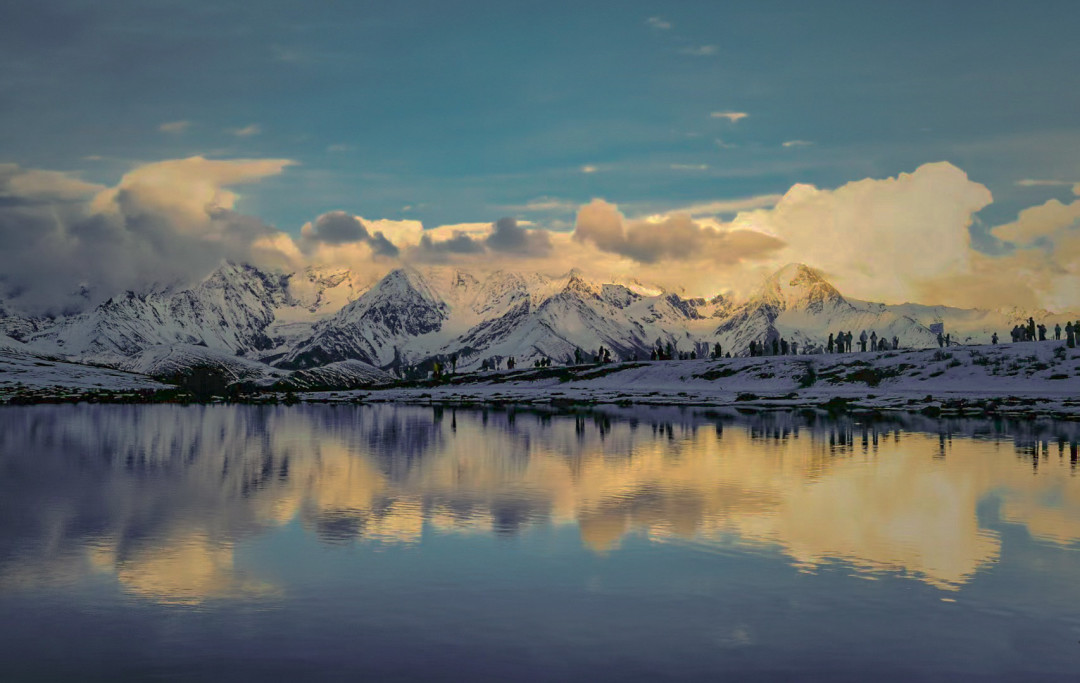
Meta Description: Discover the ultimate Gongga southwest slope trekking guide. From permits to preparation, learn how to become a child of the mountains on this epic Sichuan hiking adventure. Includes route details, altitude tips, and gear essentials.
Introduction: Why We Seek the Wild
"How can I spend my entire life busy, only to feed a body that will eventually decay, without ever cherishing the soul that will accompany me until death?" This question haunts many of us who feel trapped in the daily grind. The answer, for an increasing number of adventurers, lies in the wilderness.
The Gongga southwest slope trek isn't just a hike—it's a pilgrimage to reconnect with something primal. My body requires little to survive, but my soul craves sunlight, mountains, rivers, freedom, and solitude. In the wild, there is an indescribable comfort, like a gentle breeze brushing your face. There is a carefree joy in traveling miles with the wind, claiming mountains, lakes, and seas as your own. And there is a power of rebirth through fire, teaching you to be more reverent and grateful.
Stepping into the wilderness, nestled in the embrace of the mountains, listening to the whispers of clouds, chasing the songs of the wind—this is how you become a true child of the great mountains. This Gongga southwest slope trekking journey offers exactly that transformation.
[Link: Best time to trek Gongga Mountain]
Planning Your Gongga Southwest Slope Adventure
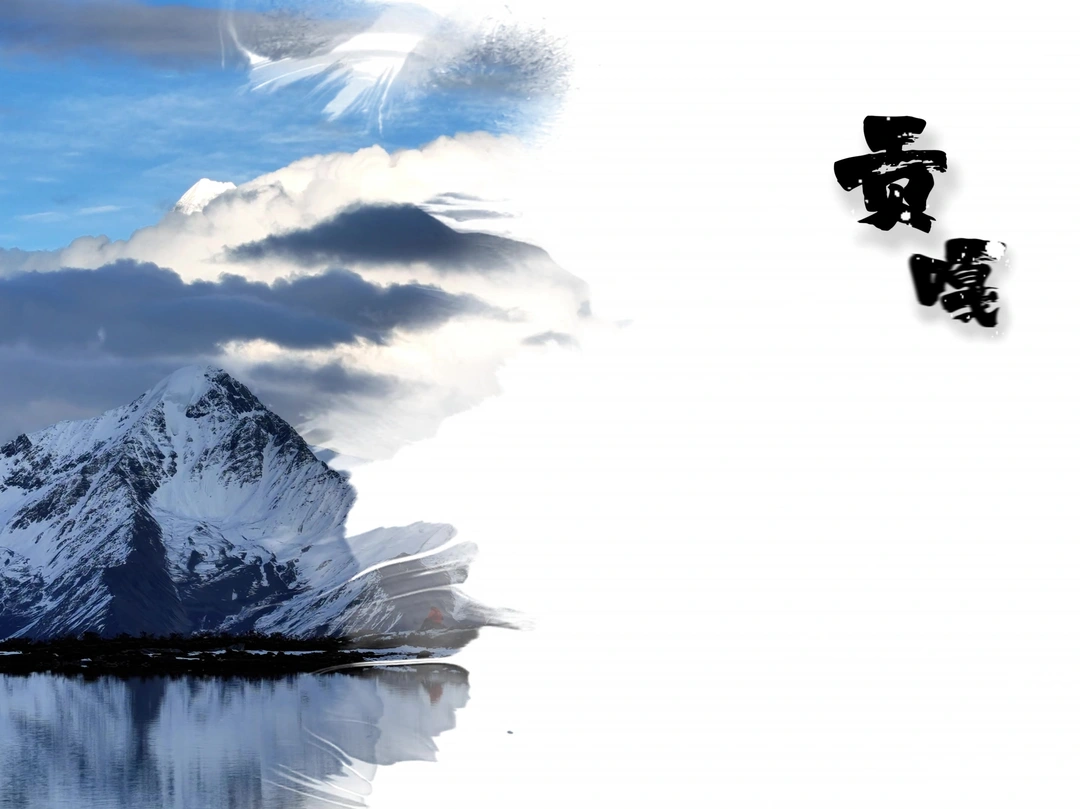
Destination Overview: Western Sichuan
Location: Gongga Mountain (Minya Konka), Sichuan Province, China
Altitude: Main peak 7,556m; trekking routes typically 3,500m–4,800m
Duration: 6 days (including travel)
Difficulty: Moderate (suitable for semi-beginners with proper preparation)
The Gongga southwest slope trek is part of a larger network of routes around the "King of Sichuan Mountains." Unlike the grueling Gongga Grand Loop, the southwest slope offers a more accessible entry point for hikers seeking high-altitude beauty without extreme technical challenges.
The Pre-Trip Challenge: Securing Tickets
One of the first hurdles in planning any Chinese outdoor adventure is transportation. For this May Day departure, tickets sold out within seconds of release. After frantic searching, I managed to secure a spot by checking earlier dates—a lesson in persistence that set the tone for the journey.
Pro tip: For popular holiday periods, book transportation at least 3-4 weeks in advance. Consider flying into Chengdu and arranging ground transport through your outdoor club.
Gear Check and Preparation
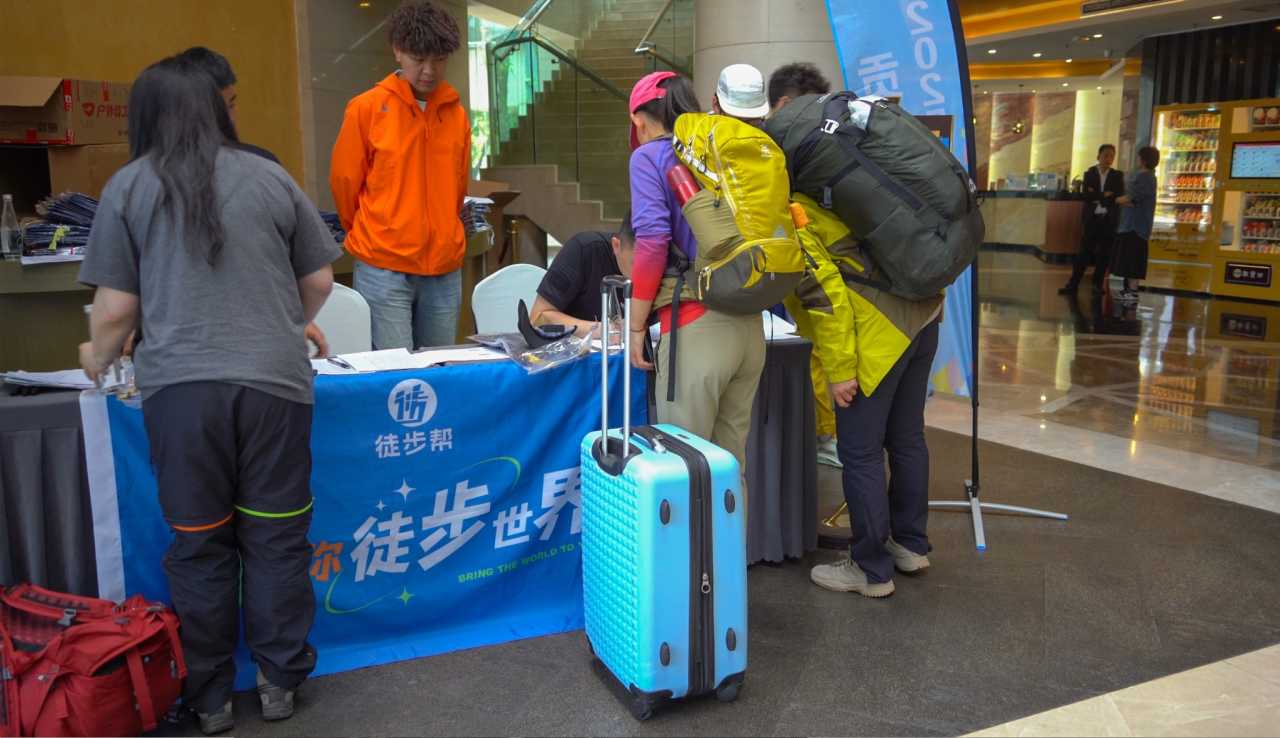
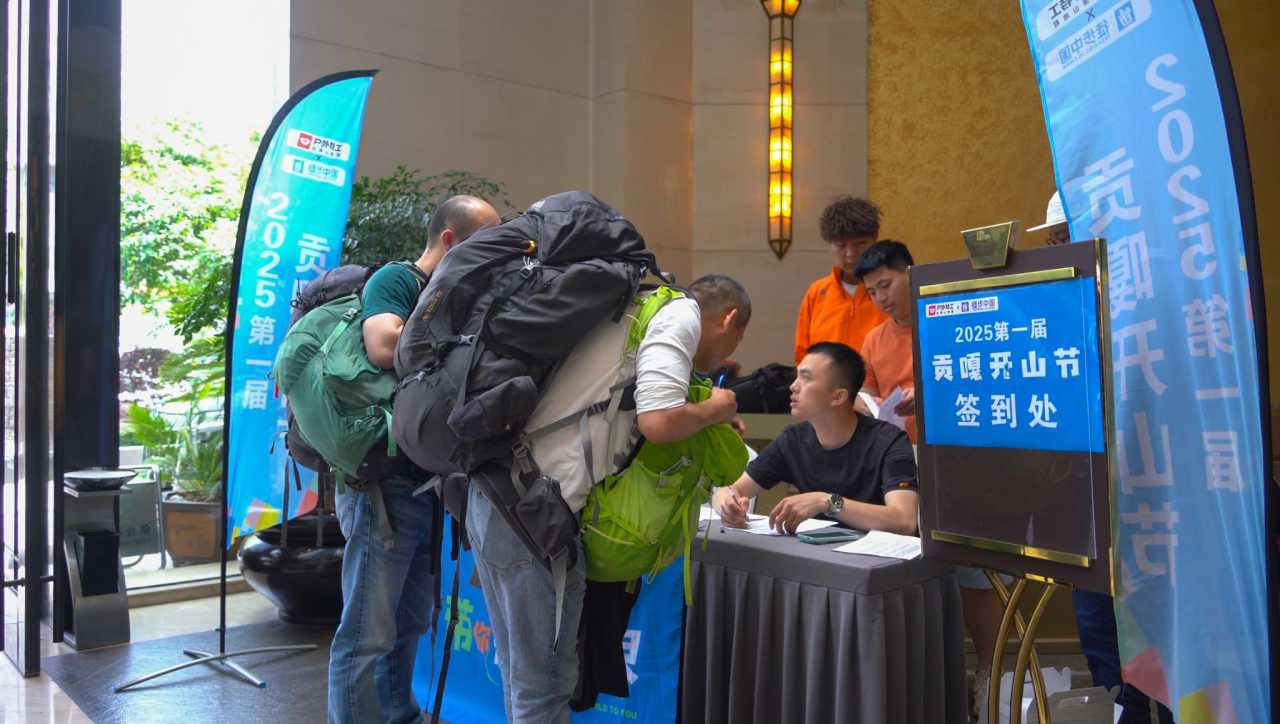
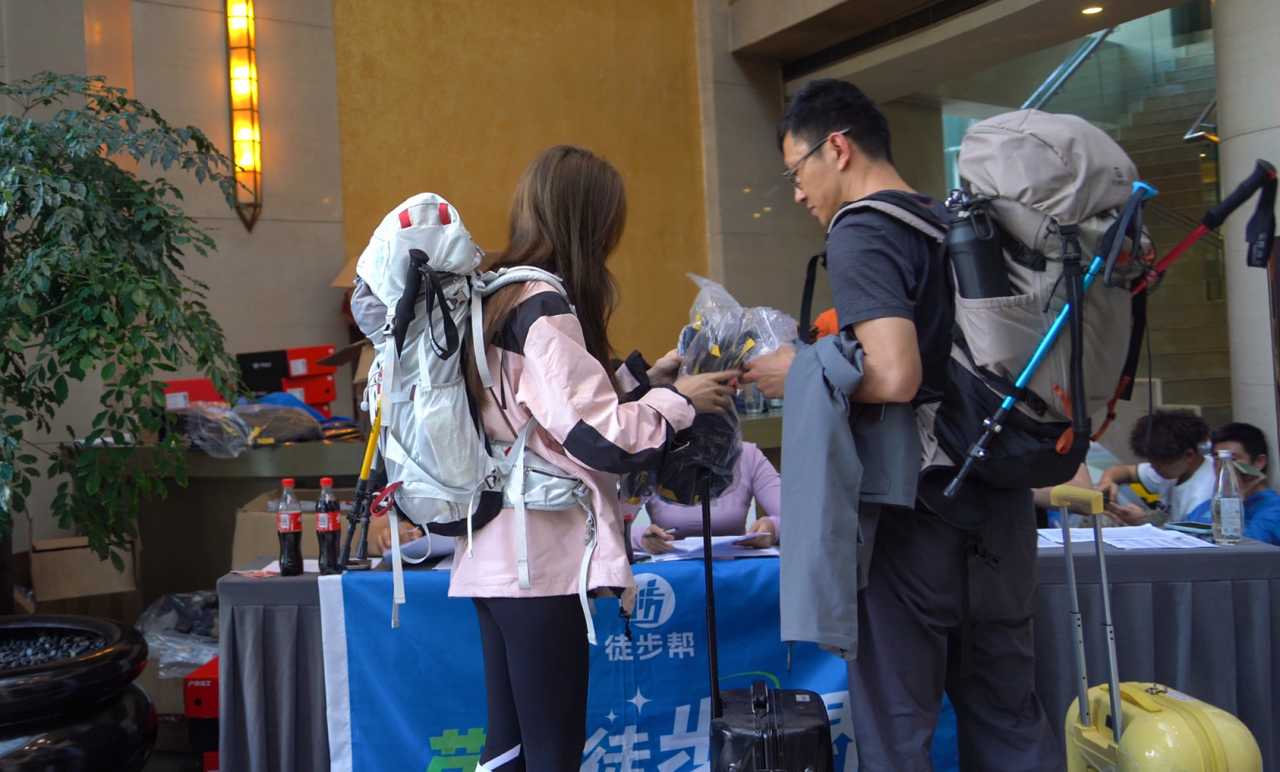
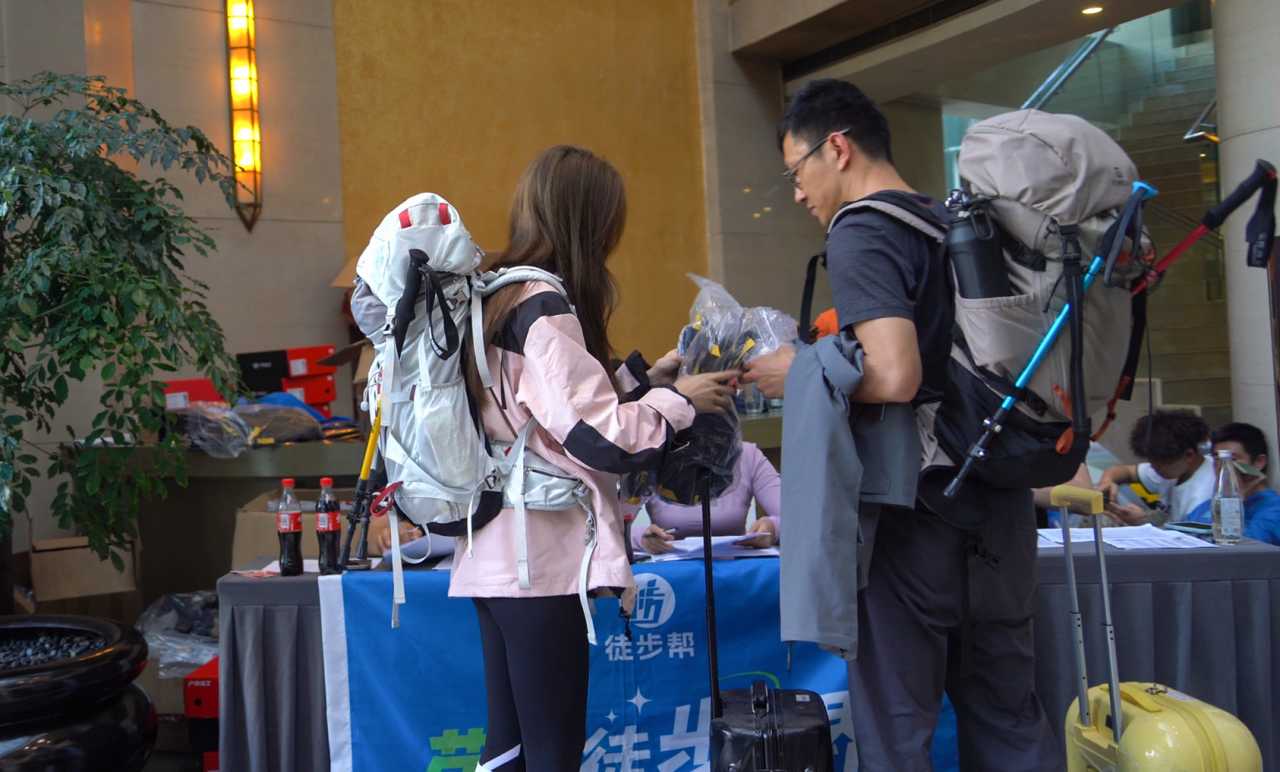
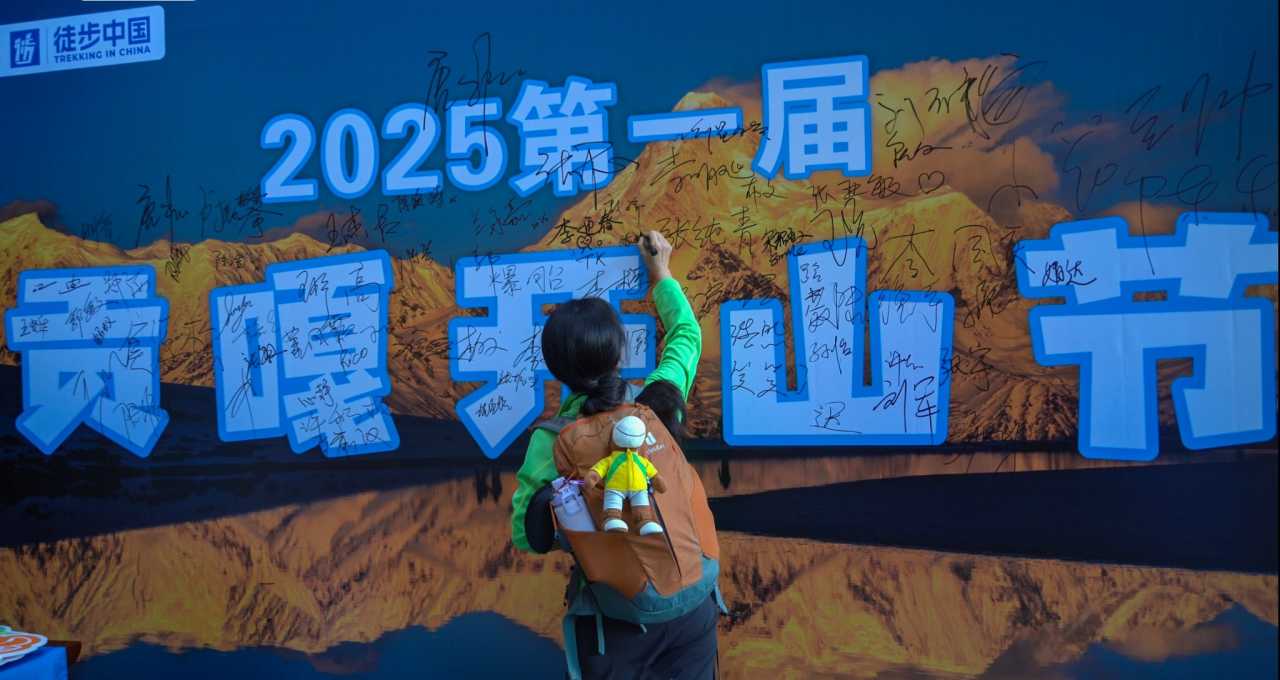
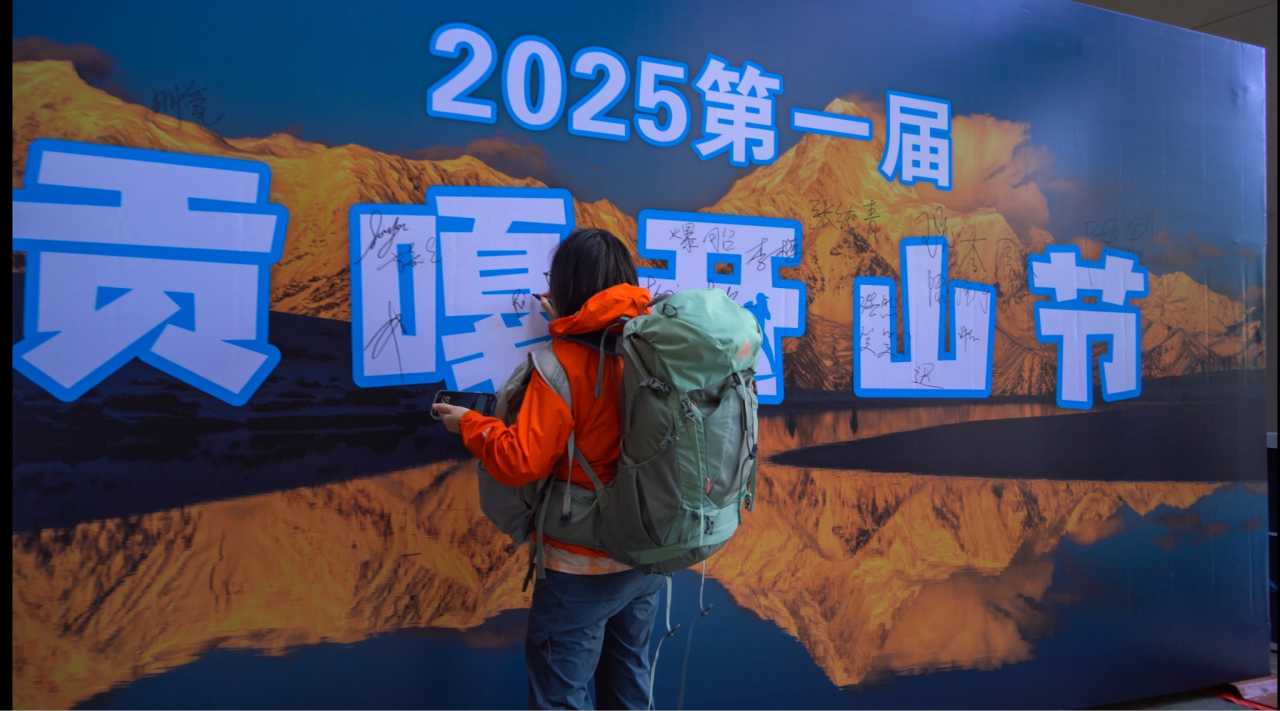
Upon check-in, participants received gaiters, hats, headscarves, and T-shirts—the full ceremony that gives any expedition instant gravity. Our team leader conducted individual room checks to verify equipment and clothing, emphasizing the importance of:
- Layered clothing system for temperature fluctuations
- Waterproof boots with good ankle support
- Sleeping bag rated to -10°C (14°F)
- Headlamp and backup batteries
- High-energy snacks for altitude days
[Link: Essential gear for high-altitude trekking]
Day 1: Setting Off – From City to Xinduqiao

The Journey Begins
At 5 a.m., teammates gathered in the hotel lobby. The city slept as we headed toward the wilderness. The bus moved steadily along National Highway 318, winding through early morning light where distant mountains rose in layers, their peaks tinged with dark blue.
Crossing Zheduo Mountain: The First Pass of Kham
A significant milestone came at Zheduo Mountain. Its highest peak reaches 4,962 meters, with the pass at 4,298 meters. This is the first high-altitude mountain pass on the Sichuan-Tibet Highway, known as the "First Pass of Kham." It serves as:
- The watershed between the Dadu and Yalong Rivers
- The cultural dividing line between Han Chinese and Tibetan regions
- The official gateway to Kham Tibetan territory
The traffic jam at the pass reminded me that even remote areas see heavy holiday traffic. Patience is essential.
Arriving in Xinduqiao
We reached Xinduqiao around 3 p.m.—a small town that serves as a hub for Western Sichuan adventures. After a quick meal, we regrouped for the transfer to Yuzixi campsite.
Yuzixi: A 360° Snow Mountain Viewpoint
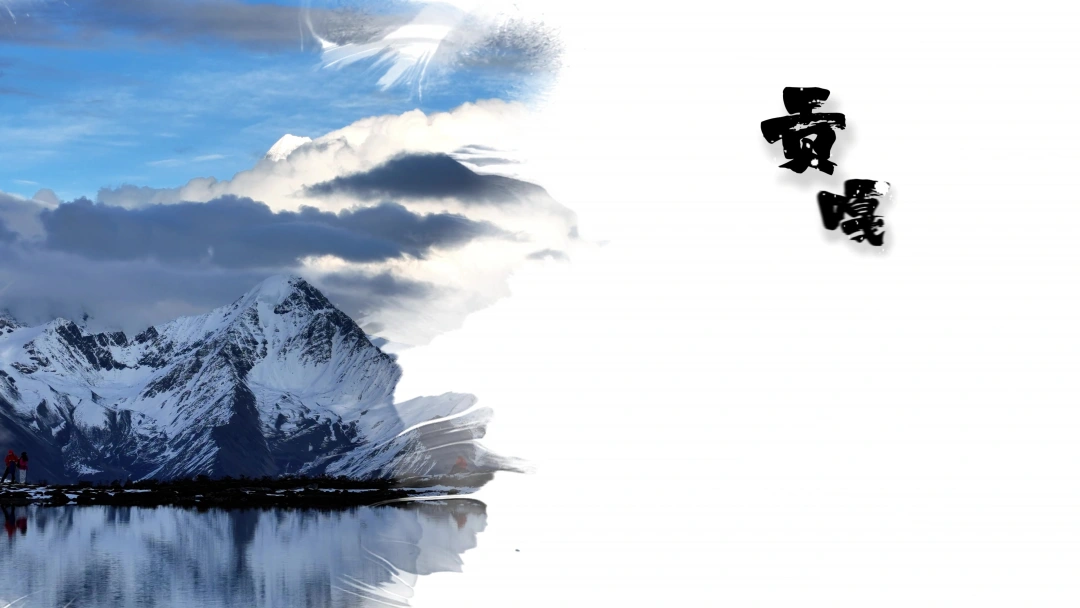
The Yuzixi campsite sits at 4,200 meters on the summit of Yuzixi Village in Kangding City. It's a 360-degree panoramic viewing spot where you can see:
- Yala Snow Mountain (5,884m) – One of the four sacred mountains of Tibet
- Gongga Snow Mountain (7,556m) – The "King of Sichuan Mountains"
- Siguniang Mountain – The "Four Girls Mountain"
The hour-long drive from Xinduqiao to Yuzixi is all gravel and dirt—rugged and bumpy. This is your first taste of the raw terrain ahead.
What to expect at Yuzixi: - Famous for golden sunset glow and starry Milky Way - Popular social media hotspot for "sunlight kissing golden mountains" - Prayer flags flapping in mountain wind - Raw, wild beauty under any weather conditions
Unfortunately, dark clouds covered the sky during our visit. The chances of seeing golden mountains or the Milky Way were slim. Yet even under gloomy skies, gazing at Gongga and Yala's majestic forms was a rare treat. Prayer flags flapped loudly in the mountain wind. In the distance, the mountain ranges looked like an indestructible wall rising at the edge of the sky.
[Link: Best photography spots on Gongga southwest slope]
Day 2-5: The Trekking Experience
Note: The source article becomes incomplete at this point. Based on standard Gongga southwest slope itineraries, here's what trekkers typically experience:
Trail Highlights
The Gongga southwest slope trek generally follows these key points:
- Yuzixi to Shangmuju – Descending through alpine meadows and rhododendron forests
- Shangmuju to Moxi Town – Crossing streams and glacial valleys
- Glacier viewing points – Close encounters with Gongga's massive ice fields
- Hot springs at the base – Soothing tired muscles after days of hiking
Altitude Management Tips
- Ascend slowly: No more than 300m gain per day above 3,000m
- Hydrate constantly: 3-4 liters minimum daily
- Watch for symptoms: Headache, nausea, dizziness
- Carry medication: Acetazolamide (Diamox) if prescribed
- Know when to descend: Never ignore severe symptoms
Frequently Asked Questions
Q1: Is the Gongga southwest slope trek suitable for beginners?
A: Yes, it's considered a moderate route suitable for "semi-beginners" with basic fitness and proper preparation. Unlike the Gongga Grand Loop, the southwest slope has less technical difficulty and lower altitude extremes. However, you should have some prior hiking experience and be comfortable with multi-day camping.
Q2: What is the best time to trek Gongga southwest slope?
A: The ideal trekking season is May to October. May offers spring wildflowers and stable weather. July-September provides the warmest temperatures but more rain. October brings clear skies and autumn colors. Avoid November-April when heavy snow blocks trails.
Q3: Do I need a permit or guide for this trek?
A: Yes, independent trekking in Gongga region requires permits. Most trekkers join organized outdoor clubs (like the one in this story) that handle permits, transportation, and logistics. This is strongly recommended for safety and legal compliance.
Q4: What altitude sickness risks should I prepare for?
A: The trek reaches 4,200m+ at Yuzixi campsite. Symptoms include headache, nausea, and fatigue. Prevention includes gradual ascent, proper hydration, and avoiding alcohol. Carry acetazolamide if prescribed. Descend immediately if symptoms worsen.
Q5: How physically demanding is this trek?
A: Moderate. Expect 6-8 hours of hiking daily with a backpack (15-20kg). Terrain includes gravel paths, stream crossings, and some steep sections. Cardiovascular fitness and leg strength are important. Practice with loaded day hikes before the trip.
Internal Linking Opportunities
[Link: Complete Gongga Mountain trekking guide] [Link: Western Sichuan hiking routes comparison] [Link: High-altitude trekking safety checklist] [Link: Best outdoor clubs for Sichuan adventures] [Link: Yuzixi campsite photography tips]
Conclusion: Your Call to the Wild
The Gongga southwest slope trek is more than a vacation—it's a transformation. In the vast wilderness, regardless of age or name, nature's inclusiveness stirs the most primitive instincts within us. To truly become a child of the mountains, leaving joy, laughter, playfulness, and freedom to the peaks—that is the most authentic expression.
This journey taught me that the wild offers an indescribable comfort, like a gentle breeze brushing your face. It offers carefree joy in traveling miles with the wind, claiming mountains, lakes, and seas as your own. And it offers a power of rebirth through fire, teaching you to be more reverent and grateful.
Ready to answer the call? Start planning your Gongga southwest slope adventure today. Book your permits, train your body, and prepare your gear. The mountains are waiting to welcome another child home.
CTA: Share your own Gongga trekking story in the comments below, or contact us for personalized trip planning assistance. Your journey into the wild begins with one step.
Note: This article is based on a personal trekking experience in May 2025. Conditions, routes, and regulations may change. Always verify current information with local authorities and experienced guides before planning your trip.
You may also like


