In the Name of the Mountain: Meeting Your True Self on the Sacred Locke Trail
Meta Description: Discover the transformative power of the Locke Trail in Daocheng Yading. Trek 80 km through sacred peaks, meet your true self, and embrace the last pure land on Earth. Your soul’s journey starts here.
Introduction: Why the Mountain Calls You
Some places are not meant to be visited—they are meant to be lived. Daocheng Yading, often called the last pure land on Earth, is one such place. But the way to truly reach its heart has never been the cushioned seat of a sightseeing bus. It is a trail carved by time and faith over nearly a century: the Locke Trail.
In the autumn of 2017, I set out with eleven companions. For six days, we trekked eighty kilometers, weaving through a high-altitude plateau at 4,800 meters above sea level. Every step was a battle against thinning oxygen; every heartbeat rang clear as a drum against my eardrums. Yet it was precisely this almost masochistic journey that allowed us to pass through the realm of the gods, gazing up at three snow-capped peaks blessed by Guru Padmasambhava—the Three Protectors.
If you are searching for a life-changing high-altitude trek that tests your limits and rewards your soul, this is your sign. Let’s walk the path together.
H2: The Curve Drawn by God: Daocheng Yading Trekking Overview
She lies sleeping in the ice rivers of time, preserving the oldest memories of nature and its most innocent face. For millions of years, as the sun rose and set, she silently guarded her breathtaking beauty, as if forgotten by time itself. Some call her the last pure land on this blue planet.
In 2016, the film I Belonged to You (从你的全世界路过) thrust Daocheng Yading back into the spotlight. But for me, the attraction wasn't the movie's romantic plot—it was a world-class trekking route: the Locke Trail.

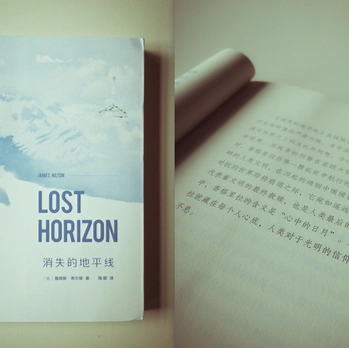
Over seventy years ago, the American explorer Joseph Rock set out from Muli, crossing through Daocheng and Yading deep into the Gongga Ling region. The photographs and articles he published in National Geographic inspired British writer James Hilton to create Lost Horizon, painting this land as the "Shangri-La" that the world yearned for.
Yet only a small portion of the Locke Trail has been developed (the Yading Scenic Area). Most sections are impassable by vehicle; you must hike to cross them. This is a virgin land barely touched by human feet. To witness its splendor, you must trek deep into the mountains, circling the three sacred peaks. The hardship is directly proportional to the reward—because the scenery you'll see isn't just beautiful. It's so beautiful it makes you cry.
[Link: Best time to trek the Locke Trail]
H2: The Three Protector Snow Mountains: Embodiments of Wisdom, Compassion, and Courage
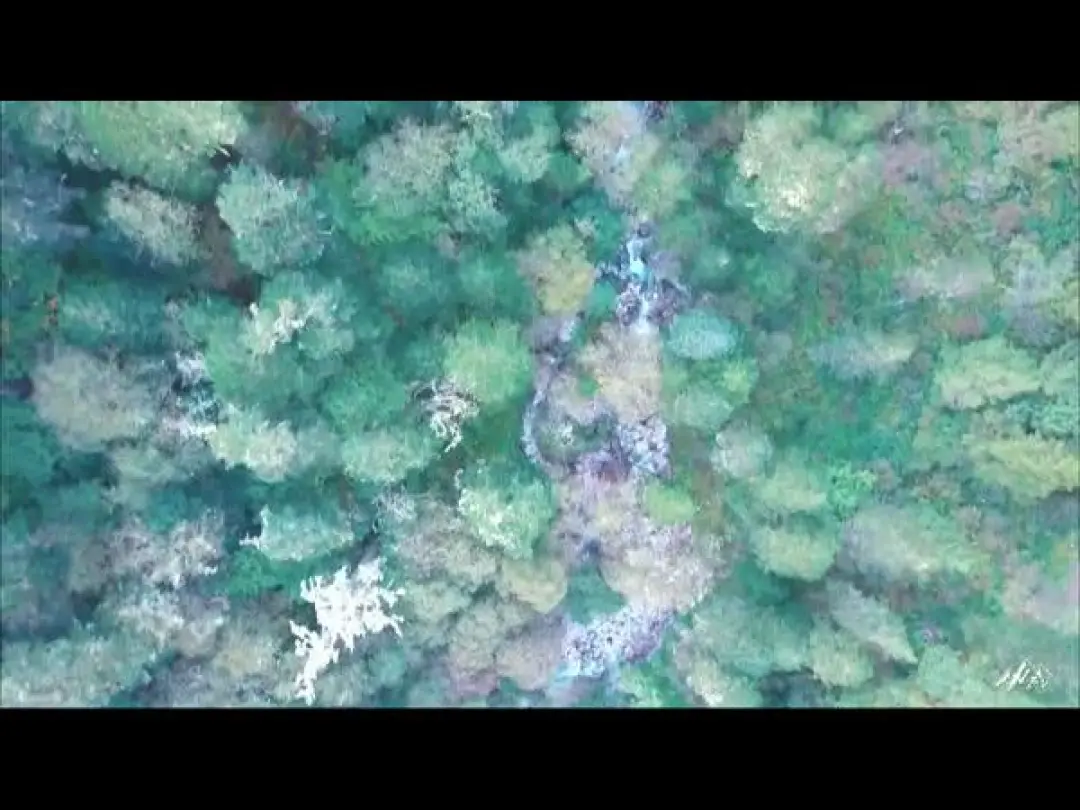
Before setting out, it's essential to understand the meaning behind these three sacred peaks.
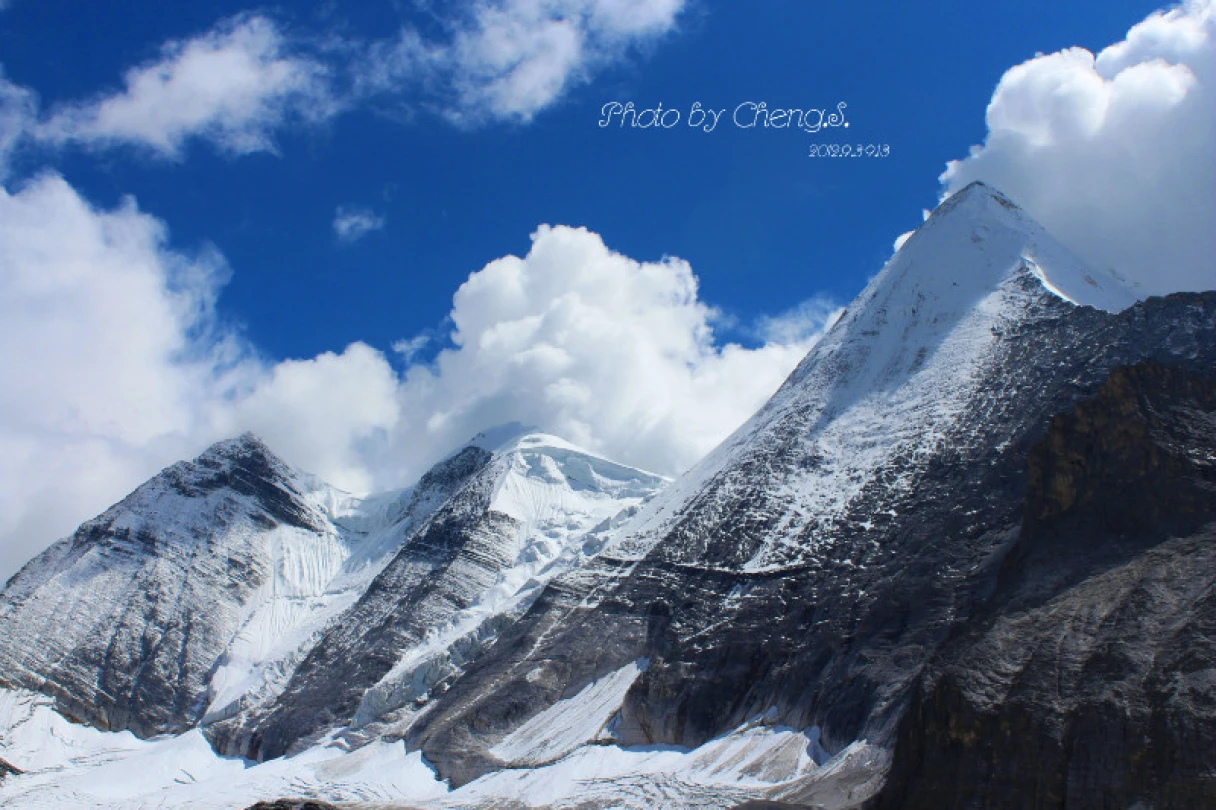
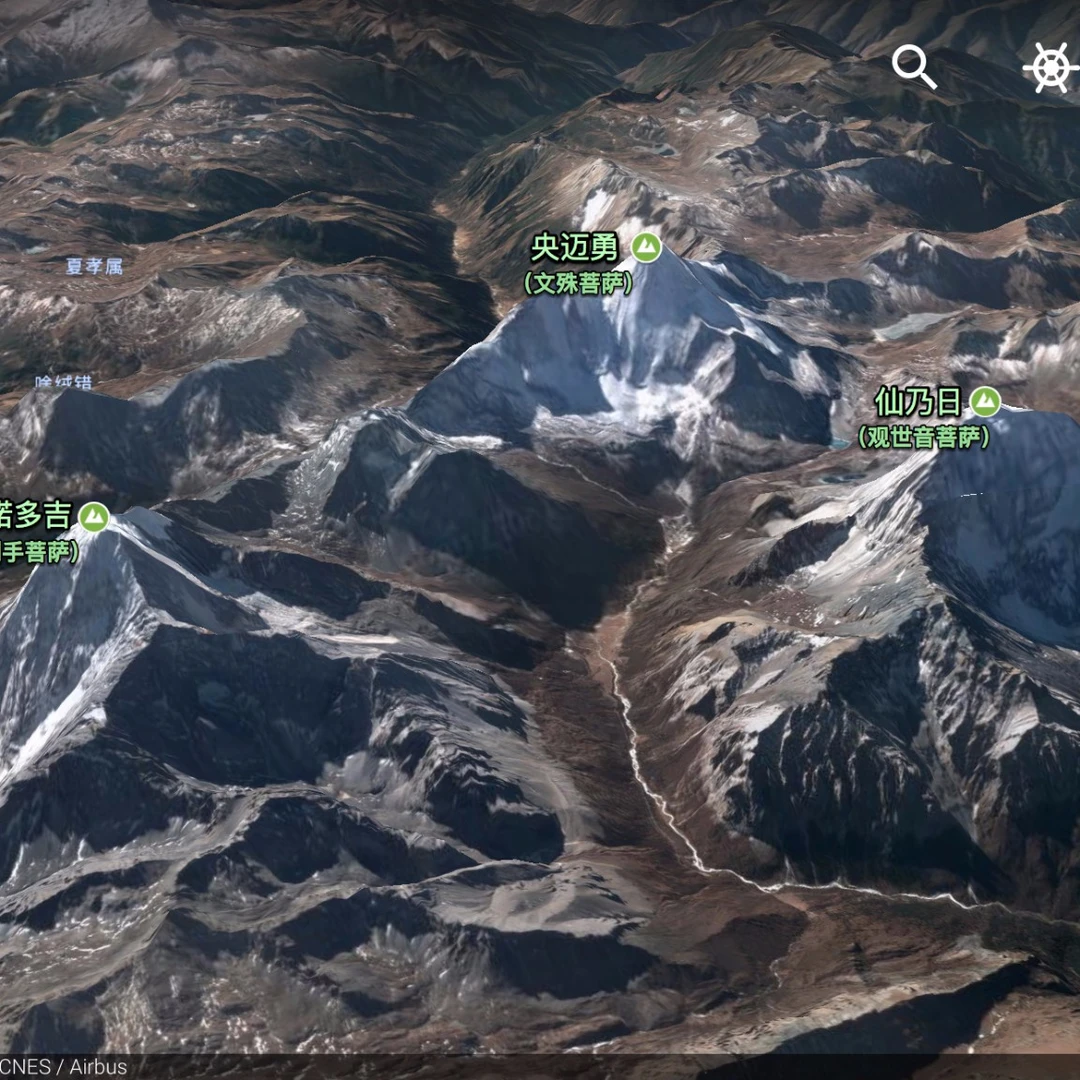
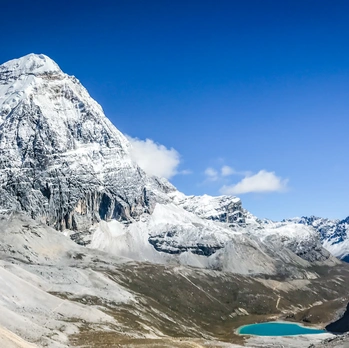
The three sacred mountains of Daocheng are known in Tibetan as "Gongga Ri Song Gongbu" (贡嘎日松贡布), meaning "the three dharma protector sacred mountains that never melt their snow." The three snow peaks are arranged in a triangular formation, ranking eleventh among the world's twenty-four sacred sites of Buddhism. In the 8th century, Guru Padmasambhava blessed them, transforming them into the incarnations of Manjushri (Bodhisattva of Wisdom), Avalokiteshvara (Bodhisattva of Compassion), and Vajrapani (Bodhisattva of Power), collectively called the Three Protector Snow Mountains.
H3: South Peak Yangmaiyong (5,958 m) — The Most Beautiful Snow Peak
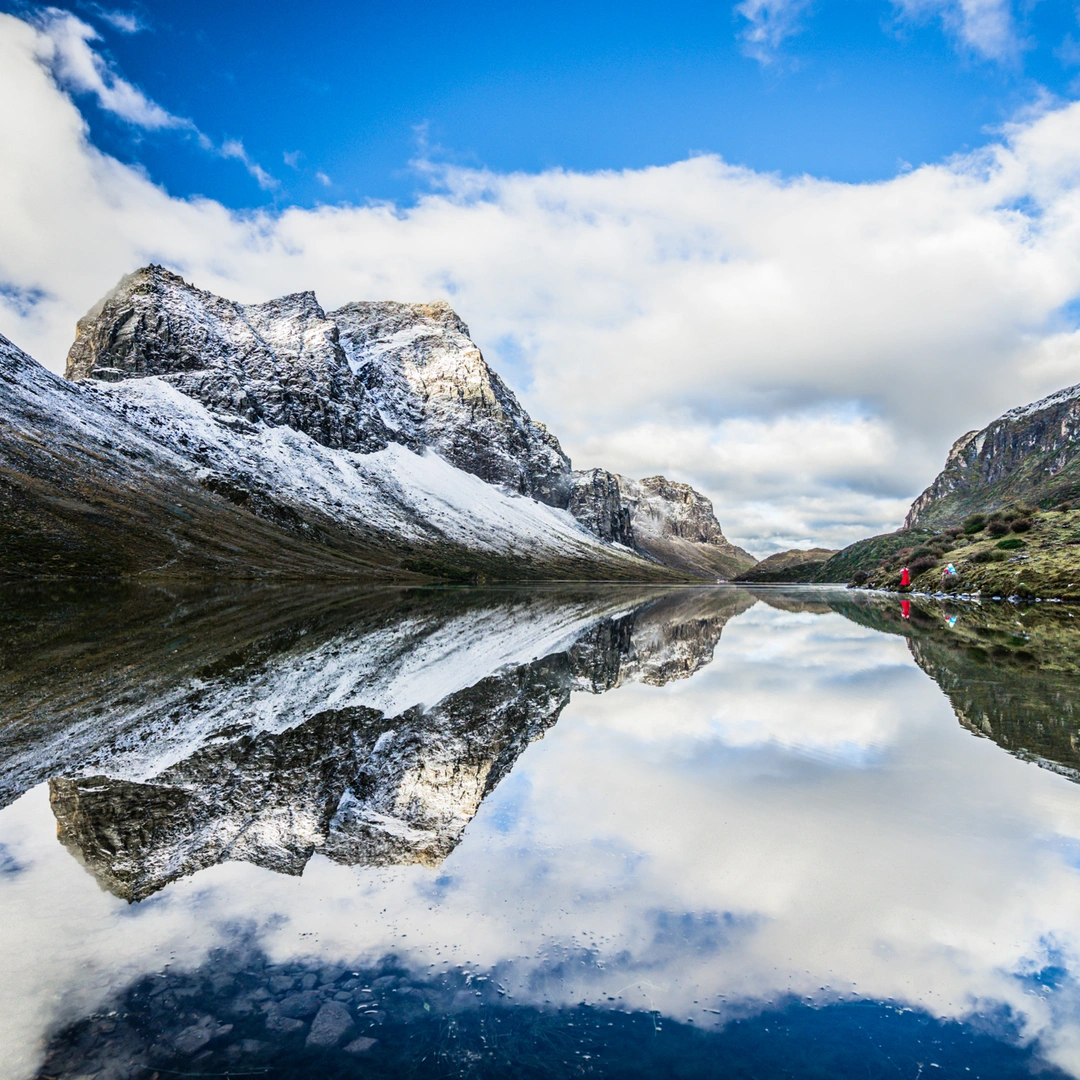
Meaning "Manjushri," she ranks first among the Three Protectors. She is as serene and dignified as a maiden, pure as ice and jade. Rock traveled across southwest China, witnessing countless wonders, yet when he faced Yangmaiyong, he exclaimed: "She is the most beautiful snow peak I have ever seen."
H3: North Peak Xiannairi (6,032 m) — The Compassionate Buddha
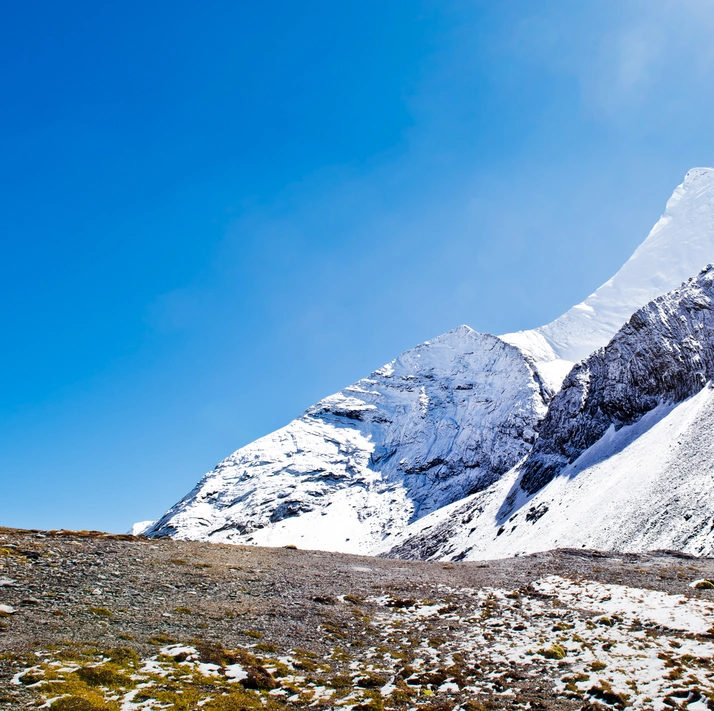
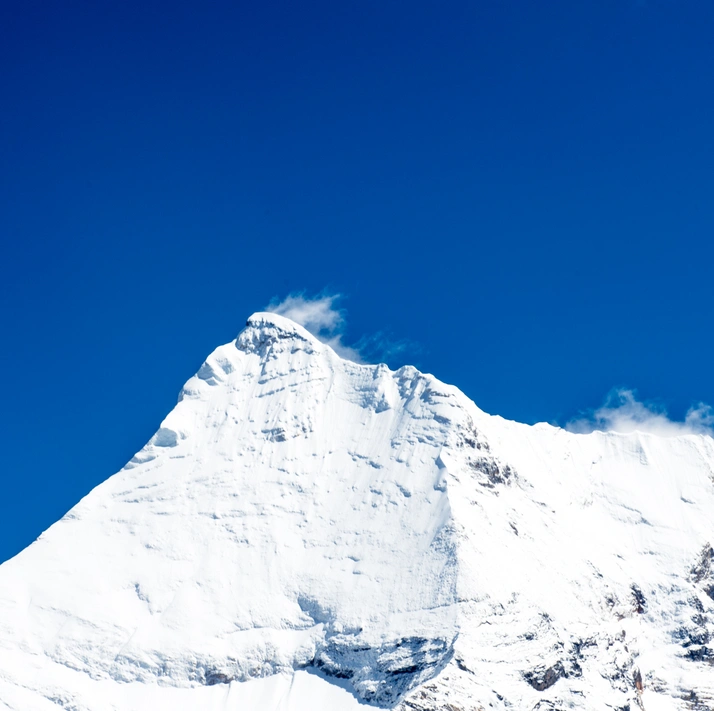
Meaning "Avalokiteshvara," she is the highest of the three. Majestic and magnificent, she sits like a compassionate, serene Buddha on a lotus throne.
H3: East Peak Xianuoduoji (5,958 m) — The Thunder God
Meaning "Vajrapani," he glows with the vitality of a youth, standing proudly between heaven and earth. Rock described him as a bat spreading its giant wings ready to take flight, comparing him to the thunder god of Greek mythology.
Interesting fact: The zodiac year of the Three Protector Snow Mountains is the Year of the Rooster. According to the Yading Gongga Ri Song Gongbu Sacred Mountain Records, making pilgrimages, circumambulations, offerings, and prostrations to these three peaks during a Rooster year will bring unimaginable merit.
[Link: Sacred mountains in Tibetan Buddhism]
H2: Day 0: The Road to Shu Is Harder Than Climbing to Heaven
This trip was planned early, with all twelve companions gathered before our Gongga expedition. Everyone's fitness levels varied. I wanted to bring more photography gear this time, so we decided to hike light while the heavy packs were carried by horses.
The "accessibility" of the Locke Trail is notoriously poor. Starting and ending in Chengdu, a standard trek takes five days, while the full route requires eight to nine days. And just getting there by car takes three to four days.
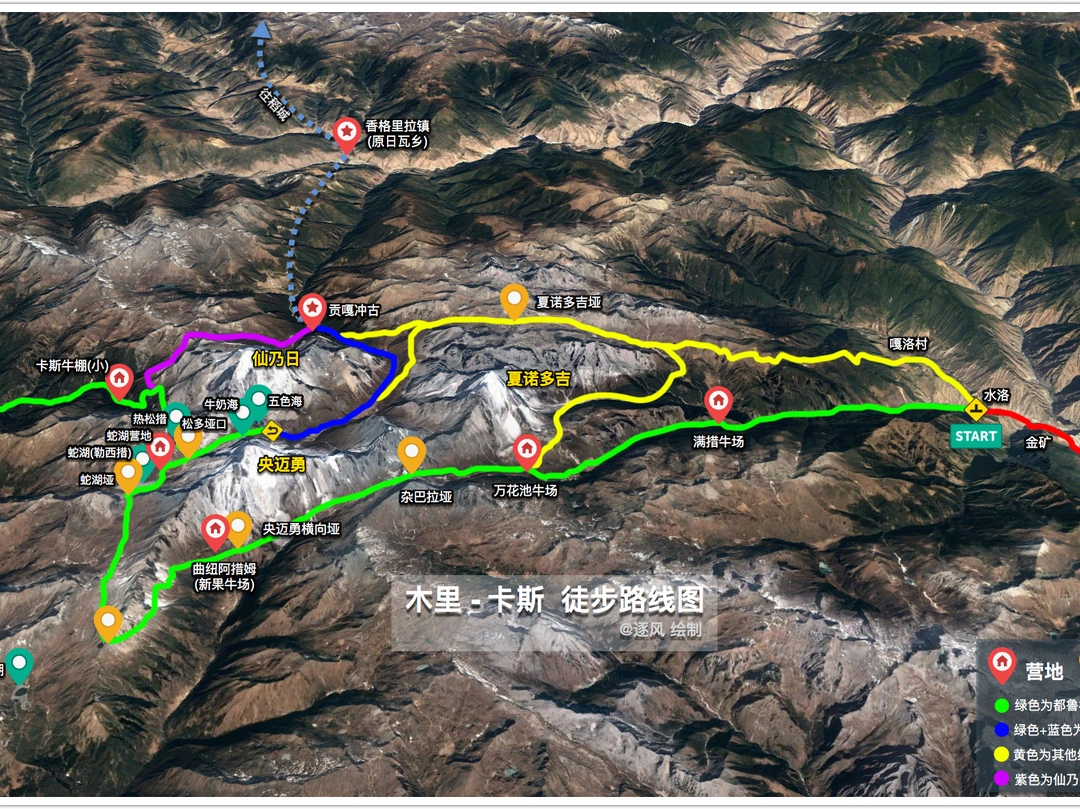
First, you go from Chengdu to Xichang, then take a bus to Muli County—that's one day gone. The next day, you take another bus from Muli to Shuilo Township or charter a car to Dulu Village—another day. Just the journey there takes two days, which is truly exhausting. Fortunately, a friend helped us contact a driver in Muli, so we chartered a car directly from Xichang to Dulu Village, saving a day. That extra day allowed us to change our exit route from "Yading Scenic Area" to "Casper Hell Valley."
The plan was to gather in Xichang at 5 a.m. on September 30. But plans change—one teammate's train was delayed by three hours, though he ended up catching a later train anyway. The mountain roads of western Sichuan are full of twists and turns. The road from Xichang to Muli was relatively smooth, but the section from Muli to Dulu Village was mostly dirt, passable only by off-road vehicles. When a car passed ahead, it kicked up a dust storm that blocked visibility completely. Sometimes the world turned white, and you couldn't see five meters ahead. I woke up groggy and looked out the window—"Is it snowing?" It was dust.
Just as we neared Shuilo Township, one of our cars had an accident. The drivers discussed responsibility and compensation by the roadside as the sun slowly set. We sent the other car ahead with some people to Dulu Village, then it came back to pick up the rest. I arrived first with three girls at the home of a young Tibetan man named Duji. We waited in the twilight until our "left-behind" teammates finally showed up.
Duji is a well-known horse caravan contact in the area. Accommodation and meals cost 80 yuan per person, including breakfast and dinner. You sleep on the floor in his second-floor hall or set up a tent on the roof. That night, three groups were staying at his place. Note: In Dulu Village and along the trail, China Unicom has no signal at all. China Mobile has signal. At Duji's house, there's only GPRS signal.
[Link: Essential gear for high-altitude trekking]
H2: Day 1: Against the Current, the Path Is Long
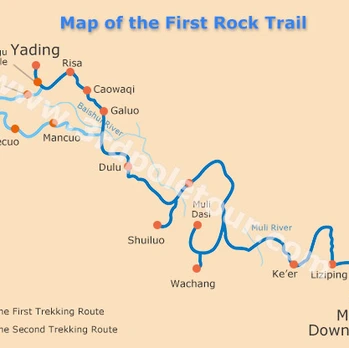
On the first day of trekking, we followed the White Water River upward: Dulu Village (2,443 m) → Gold Mine → White Water River Fork → Bodhisattva Cave → White Water River Camp → Man Cuo Yak Meadow (3,721 m).
Before dawn, people were arguing—a group camping nearby wanted to leave early to boil water, disturbing those sleeping on the floor. Woken up, we found that teammate Guo Guo had been bitten by an insect on her neck. Later, the horse driver said it was a louse. If you sleep at Duji's, a tent might be more reliable.
From Dulu Village to the White Water River Fork, there's still seven kilometers of road. We chartered a car to cover that stretch. Those who wanted to ride horses stayed behind to wait for the caravan, while the rest of us started walking slowly.
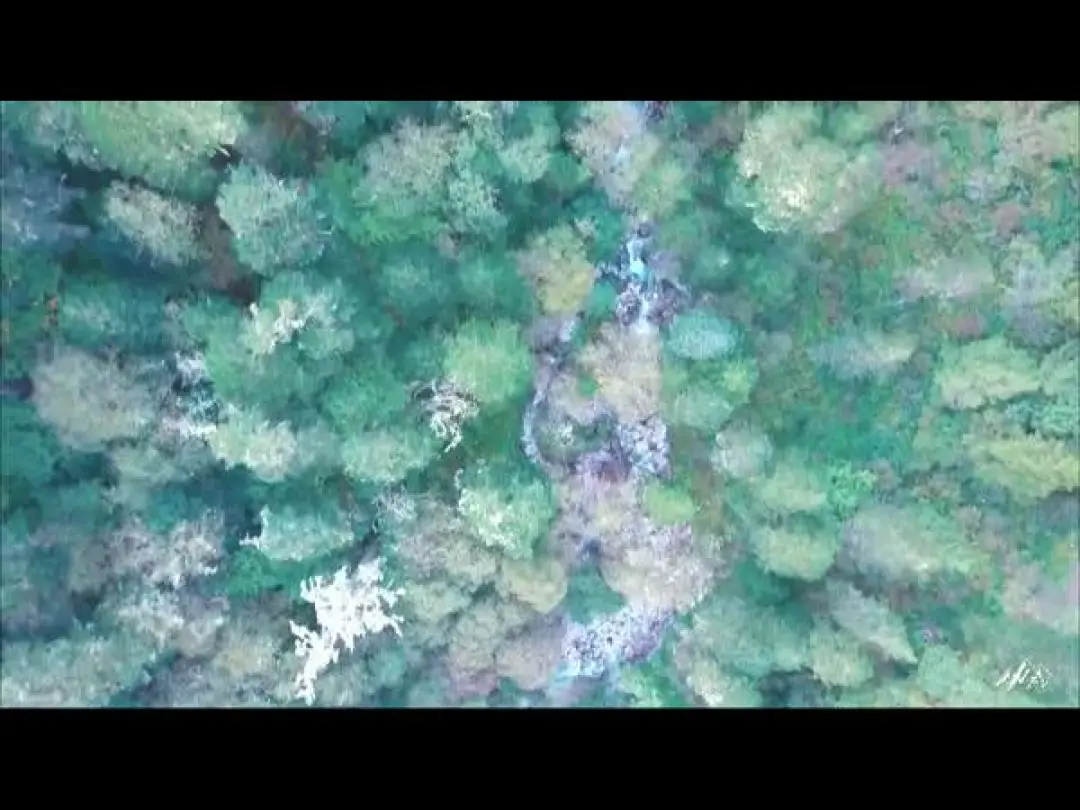
Today's trail was relatively easy, following the clear, icy White Water River upstream. The water, rich in calcium, appeared milky white—locals call it "Milk River," which matches Rock's description of "Nai Zi River" (奶子河). The river was both lively and majestic, gentle yet wild.
A famous landmark, "Bodhisattva Cave," has a karst cave above it where water cascades into a spectacular waterfall. We had lunch here and discovered that China Telecom had signal—a rare treat in this remote wilderness.
H2: Frequently Asked Questions About the Locke Trail
Q1: How difficult is the Locke Trail trek?
 The Locke Trail is a high-altitude trek requiring good physical fitness and some prior trekking experience. The altitude ranges from 2,400 m to 4,800 m, and you will face thin air, steep ascents, and unpredictable weather. Proper acclimatization and pacing are critical.
Q2: What is the best time to trek the Locke Trail?
 The best months are September to October when the weather is stable, skies are clear, and autumn colors paint the landscape. Summer (June–August) brings monsoon rains and muddy trails. Winter (November–March) is extremely cold and not recommended for beginners.
Q3: Do I need a guide or porter?
 Yes, it is highly recommended to hire a local guide or join an organized group. The trail is unmarked in many sections, and GPS signals are unreliable. Porters or horses can carry heavy gear, allowing you to focus on the experience.
Q4: What should I pack for the Locke Trail?
 Essentials include: sturdy trekking boots, warm layers (down jacket, fleece), waterproof outer shell, sleeping bag (rated to -10°C), headlamp, sunscreen, altitude sickness medication, water purification tablets, and high-energy snacks. Don't forget a power bank—charging points are rare.
Q5: Is the Locke Trail safe for solo trekkers?
Solo trekking is not advised due to the remote nature of the trail, lack of phone signal, and risk of altitude sickness. Always trek with a group or hire a local guide. Safety first, adventure second.
H2: Conclusion: Your True Self Awaits on the Mountain
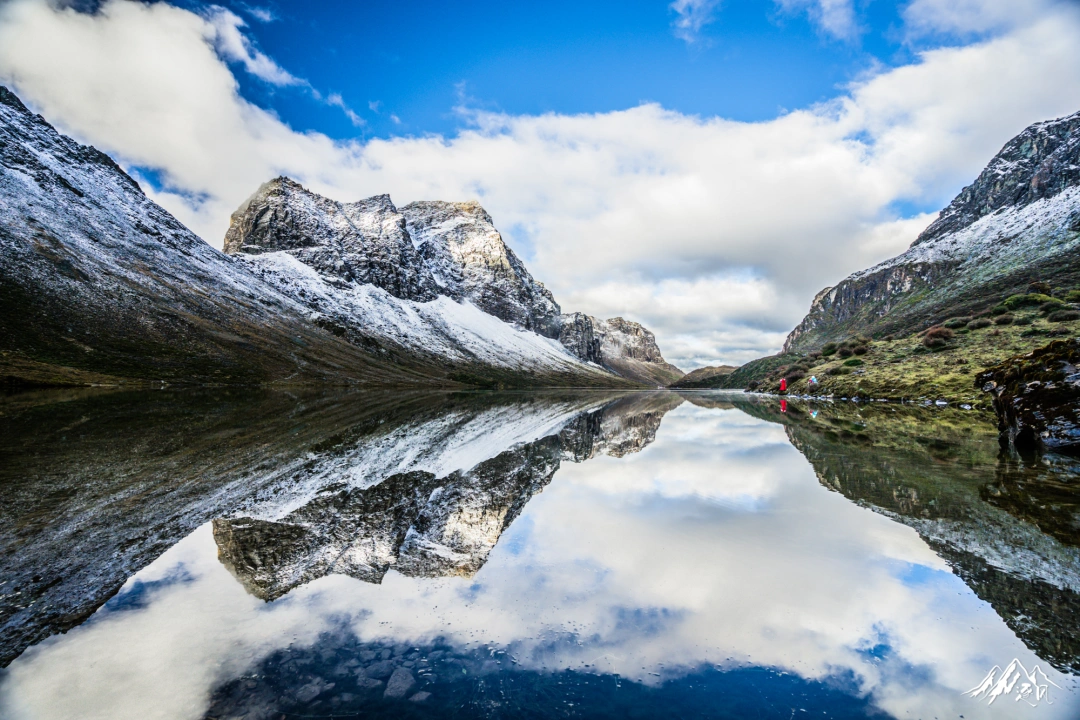
The Locke Trail is more than a trek—it is a pilgrimage. It strips away the noise of modern life and forces you to confront your own limits, fears, and joys. In the thin air of 4,800 meters, with the Three Protectors watching over you, you may just meet the person you were always meant to be.
Whether you are seeking spiritual renewal, physical challenge, or simply the most breathtaking scenery on Earth, Daocheng Yading calls you. The path is hard. The rewards are eternal.
Are you ready to answer the mountain’s call?
Plan your journey today. Gather your gear, find your companions, and set your sights on the last pure land. The Locke Trail is waiting—and so is your true self.
[Link: Book a guided Locke Trail expedition] [Link: Essential gear checklist for high-altitude trekking]
This article is based on a real trekking experience from 2017. All factual details about the Locke Trail, Three Protector Snow Mountains, and logistics have been preserved from the original source.