In the Dead of Winter, Unleashing My Inner Fire in Chengdu: An 8-Day Food and City Wanderlust

Meta Description: Escape winter's chill with this Chengdu food travel guide. Discover 8 days of budget-friendly hotpot, street eats, and cultural gems in Sichuan's capital. Perfect for foodies seeking authentic Chengdu experiences.
Introduction: Why Chengdu Calls to Winter Wanderers
While the north is gripped by biting winds and everything withers into bleakness, one city remains steaming hot, exuding an irresistible allure. This isn't some mythical paradise—it's the place where even the air is perfumed with chili: Chengdu.
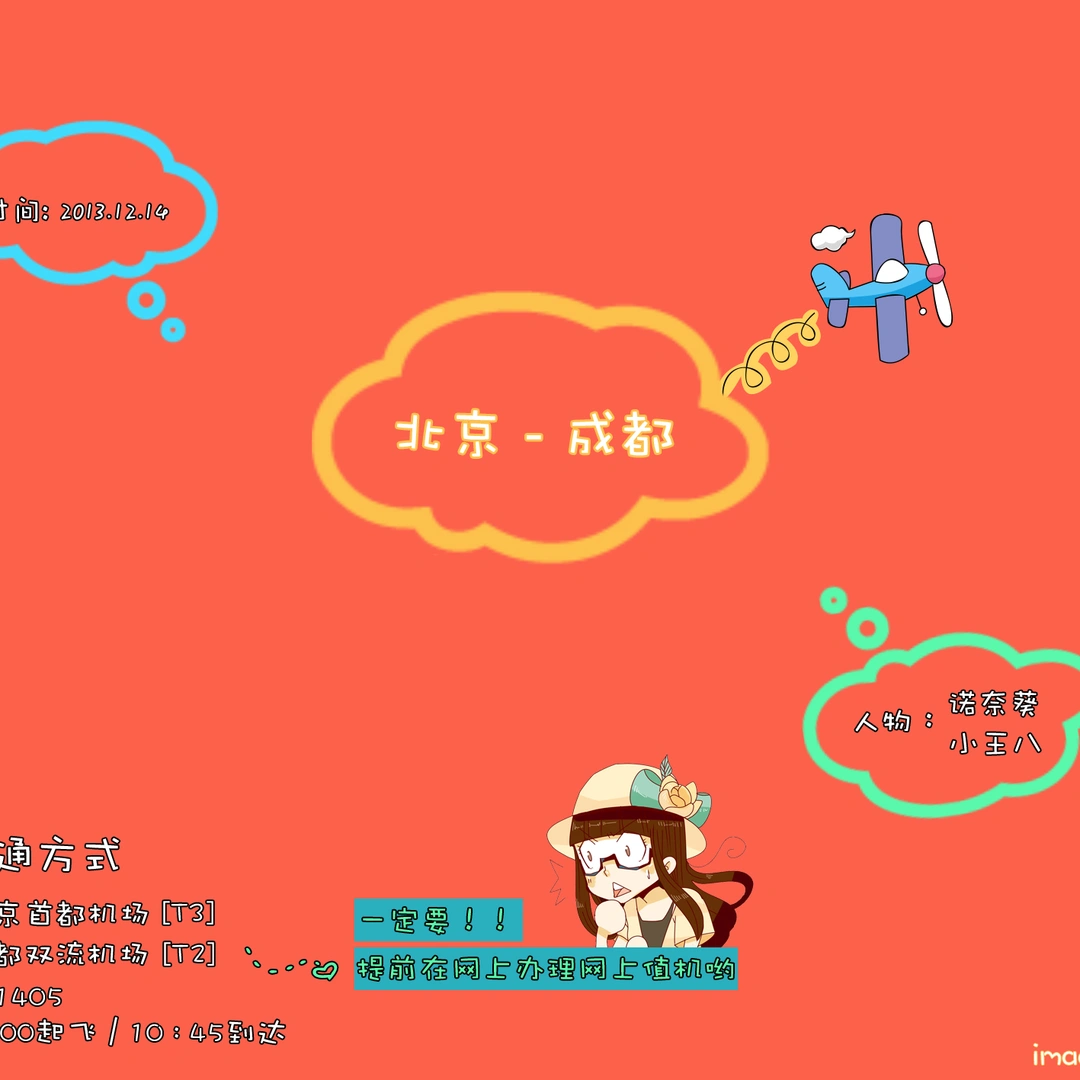
In December 2013, my friend Wang Xiaomian and I escaped Beijing. Crushed by work and with our Thailand plans scuttled by protests, we grabbed a last-minute flight to this legendary city where "once you come, you never want to leave." Over 8 days, spending just 3,225 yuan per person, we measured every street and alley of Chengdu and Chongqing with our taste buds and stomped out all our exhaustion with our feet.
This isn't a guidebook-style travelogue—it's a foodie's true account of igniting their inner fire in the depths of winter. Whether you're planning your own Chengdu winter trip or simply dreaming of Sichuan's fiery flavors, this Chengdu food travel guide will show you how to eat, explore, and save money in China's spice capital.
[Link: Best time to visit Chengdu for food lovers]
Why Chengdu? Because It's Cheap, Because It's Delicious
To be honest, this trip wasn't born from romance. We'd planned on Thailand, but ran into Bangkok demonstrations. We thought about Weizhou Island and Vietnam, checked flight prices, and found round-trip tickets from Beijing to Chengdu so cheap they made our hearts race—so we just went.
Our itinerary was simple: fly Beijing to Chengdu, train from Chengdu to Chongqing, fly Chongqing back to Beijing. Eight days, one goal: eat. Hotpot, street snacks, hole-in-the-wall eateries, 钵钵鸡 (boboji—skewers in spicy broth), 小面 (xiaomian—Chongqing-style noodles with chili oil)... anything that could fit in our mouths, we weren't letting go.
Budget breakdown: With flights, accommodation, food, and transport included, our Chengdu budget travel model proved that you don't need deep pockets for deep flavors.
[Link: How to travel Chengdu on a budget]
Day One: The Haze of Kuanzhai Alley and the Revelry of Yulin Chuanchuan Xiang
Early Morning Departure, Airport "Guilt"
At 5 a.m., before dawn broke, I dragged my dear dad out of bed to drive us to Capital Airport. Watching his sleepy face, I silently chanted "forgive me" ten times, but the money saved on airfare instantly eased my conscience.
The plane landed on time at Chengdu Shuangliu Airport. A 10-yuan airport bus took us straight to the city center. The ticket seller was a beautiful Chengdu girl, her voice soft as a song. Indeed, Chengdu's reputation for beautiful women is well-deserved.
Lefu International Youth Hostel: From Attic to Deluxe Double Room

We stayed at Lefu International Youth Hostel. We'd originally booked an attic room, but the front desk girl kindly warned us: "The attic has no windows—you'll feel stuffy in winter." I promptly upgraded to a deluxe double room. This turned out to be a brilliant decision. The room was small, but the bed was soft and cozy, and outside the window lay an old Chengdu streetscape. Just lying there felt like happiness.
Tip for Chengdu winter travel: Choose a room with natural light—it makes the shorter days feel longer and brighter.
First Meal: Tears in a Hole-in-the-Wall
We dropped our bags, starving. Kuanzhai Alley (宽窄巷子—Wide and Narrow Alleys) was just two bus stops from the hostel. We headed straight for an unassuming roadside shop—because hole-in-the-wall joints are the soul of Chengdu food.
We ordered two servings: one 清汤杂酱面 (qingtang zajiao mian—clear broth noodles with minced pork sauce) and one 素椒杂酱面 (sujiao zajiao mian—noodles with spicy minced pork sauce), plus a plate of 拌肥肠 (ban feichang—cold pig intestines salad). The moment the noodles hit my mouth, I almost cried—it was that good. The 素椒杂酱面 was rich and savory, the 拌肥肠 hit me with numbing spice and fragrant heat.
The kicker? I've never liked pig intestines, but my chopsticks couldn't stop. 8 yuan for noodles, 15 yuan for the intestines—this meal cost just 23 yuan, but it made me realize that every Sichuan dish I'd ever eaten in Beijing was a fake.
Still craving more, I bought a 卤肉锅魁 (lurou guokui—braised meat stuffed flatbread) from the shop next door. Big mistake. I thought the meat would be lean, but when I bit in, it was a mouthful of greasy fat chunks. I nearly died on the spot. But I forced it down, and somehow... it was actually pretty tasty. Chengdu—even the fat is addictive.
Kuanzhai Alley: History Beneath the Commercial Gloss
Kuanzhai Alley is a surviving Qing Dynasty street in Chengdu, free to enter and open all day. Though December is low season, it was still packed with people. The commercial vibe is strong—almost every building houses a restaurant or shop—but the blue bricks, gray tiles, wooden doors, and brass knockers still whisper old Chengdu.
We walked through Wide Alley (宽巷子—Kuan Xiangzi), spotting the warrior door gods at the entrance, the slanted gate of 恺庐 (Kailu—a historic residence), the rugged charm of 香积厨 (Xiangjichu—a former Buddhist kitchen turned restaurant), and a corner in 见山书局 (Jianshan Bookstore) where you can borrow books for free. The biggest surprise was 创意盒子 (Creative Box)—a little shop selling quirky goods. I bought some postcards, stamped them with the store's custom seal, and planned to mail them to friends.
Narrow Alley (窄巷子—Zhai Xiangzi) was much quieter. A light drizzle fell as we ducked into a teahouse, ordering a pot of floral tea for 68 yuan (refillable). Outside, the garden was lush with greenery; inside, the air was thick with tea fragrance. Chengdu's winter is vibrantly green—nothing like Beijing's bare, gray landscape.
Jing Alley Culture Wall: The Potato Cart That Stole My Heart
Through Narrow Alley, we reached Jing Alley (井巷子—Jing Xiangzi). Here stands a 400-meter cultural wall built from bricks of successive dynasties—the only "brick" historical and cultural museum of its kind in China. What captivated me most was a cart piled high with potatoes. I wanted to claim it as my own. As a potato lover, this was pure art.
Yulin Chuanchuan Xiang: The Main Event of Day One
That evening, we headed straight for Yulin Chuanchuan Xiang (玉林串串香—Yulin Skewer Hotpot) at 26 Yulin Street, Wuhou District. Average spend: 60 yuan per person. We ordered a dual-flavor pot (mild and spicy), afraid the pure spicy would be too much. Then Wang Xiaomian grabbed a mountain of vegetables. I warned her: "In Chengdu, you have to eat meat! Meat, meat, meat!"
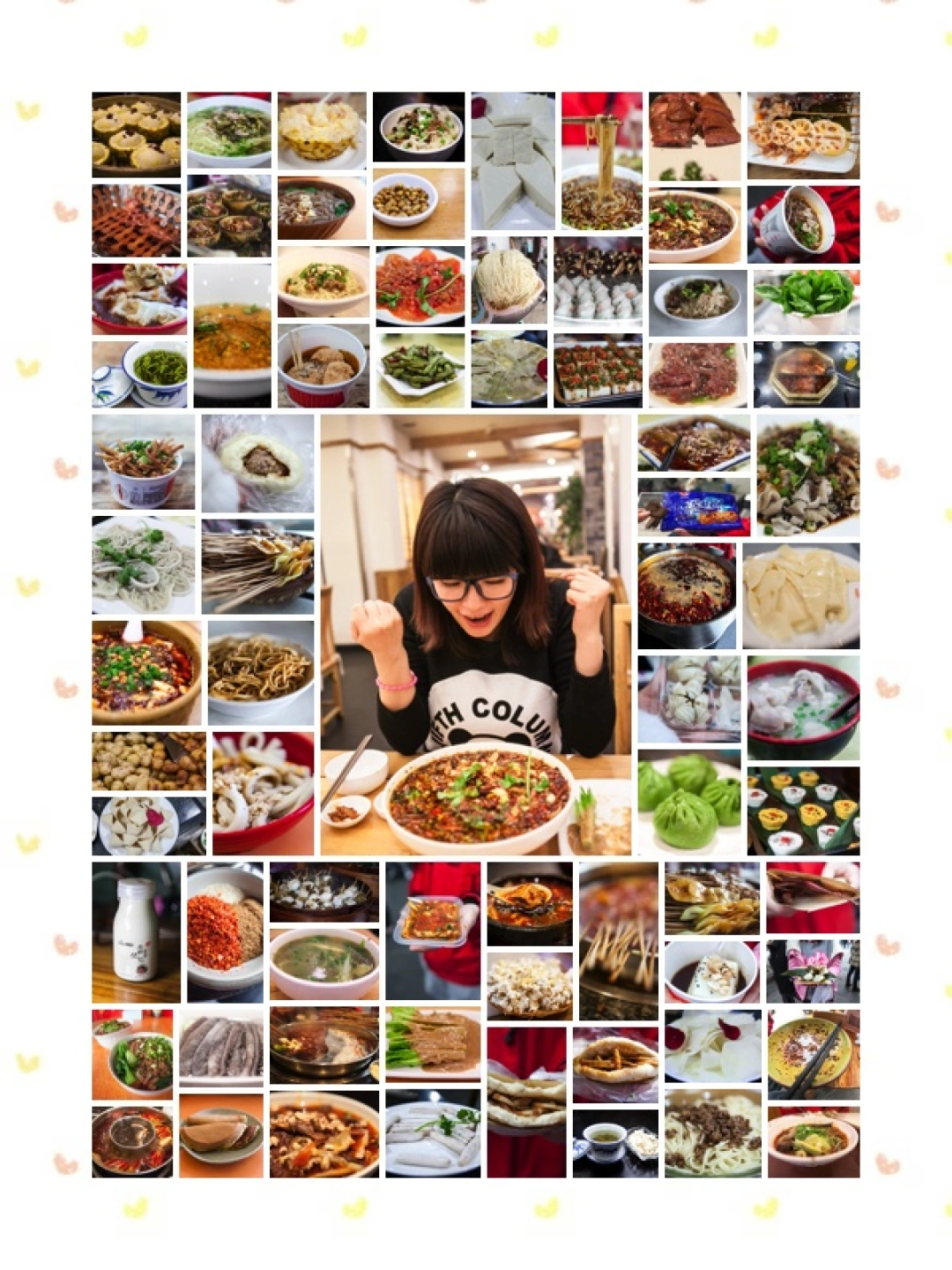
Beef is a must. We watched the locals and followed suit—grabbing handfuls of beef skewers, dipping them in oil-based sauce, eating until our lips were slick. We even added a dry spice mix for an extra kick. Small skewers cost 0.2 yuan, large ones 1.5 yuan. We counted the sticks: nearly 100 skewers between us.
Pro tip for Chengdu hotpot: Always order the dual-flavor pot if you're not a spice veteran. You can always add heat, but you can't subtract it.
[Link: Best hotpot restaurants in Chengdu]
Day Two: From Jinli to Chunxi Road, a Foodie's Self-Cultivation
Breakfast: A Showdown Between Guokui and Boboji
After yesterday's 卤肉锅魁 betrayal, I needed redemption. I ordered a 笋丝锅魁 (sunsiguokui—shredded bamboo shoot flatbread) for 5 yuan. Crisp, tender, delicious—finally, a mouthful of pure happiness.
Then we slipped into another hole-in-the-wall for 钵钵鸡 (boboji—chilled skewers in spicy broth) . Back in Beijing, I'd often go to "Aunt Zhang's Sichuan Kitchen" for this dish, always thinking it contained chicken (the "ji" in the name means chicken). Turns out it's just skewers. Chengdu's version is more authentic: a big basin sits on the table, and you pick whatever you want—0.75 yuan per skewer, paid by counting sticks at the end.
We also tried 宜宾燃面 (Yibin ranmian—Yibin "burning" noodles) , loaded with crushed peanuts and intensely aromatic. The noodles were chewy, the spice level just right, leaving a lingering smoky fragrance in my mouth.
Songxianqiao Antique Market: Wang Xiaomian's Obsession
Wang Xiaomian is an antique nut, so she dragged me to Songxianqiao Antique Art City (送仙桥古玩艺术城) . The taxi cost 12 yuan. When we arrived, the place was nearly empty, and the prices were absurd. A single strand of South Red agate beads started at 4,000 yuan. I quietly put it down and pretended I'd seen nothing.
The shop's parrot, though, was adorable. It chirped at every pretty girl and even nuzzled into people's arms. I'm pretty sure it was a boy.
Jinli: Three Kingdoms Atmosphere and a Food Bombardment
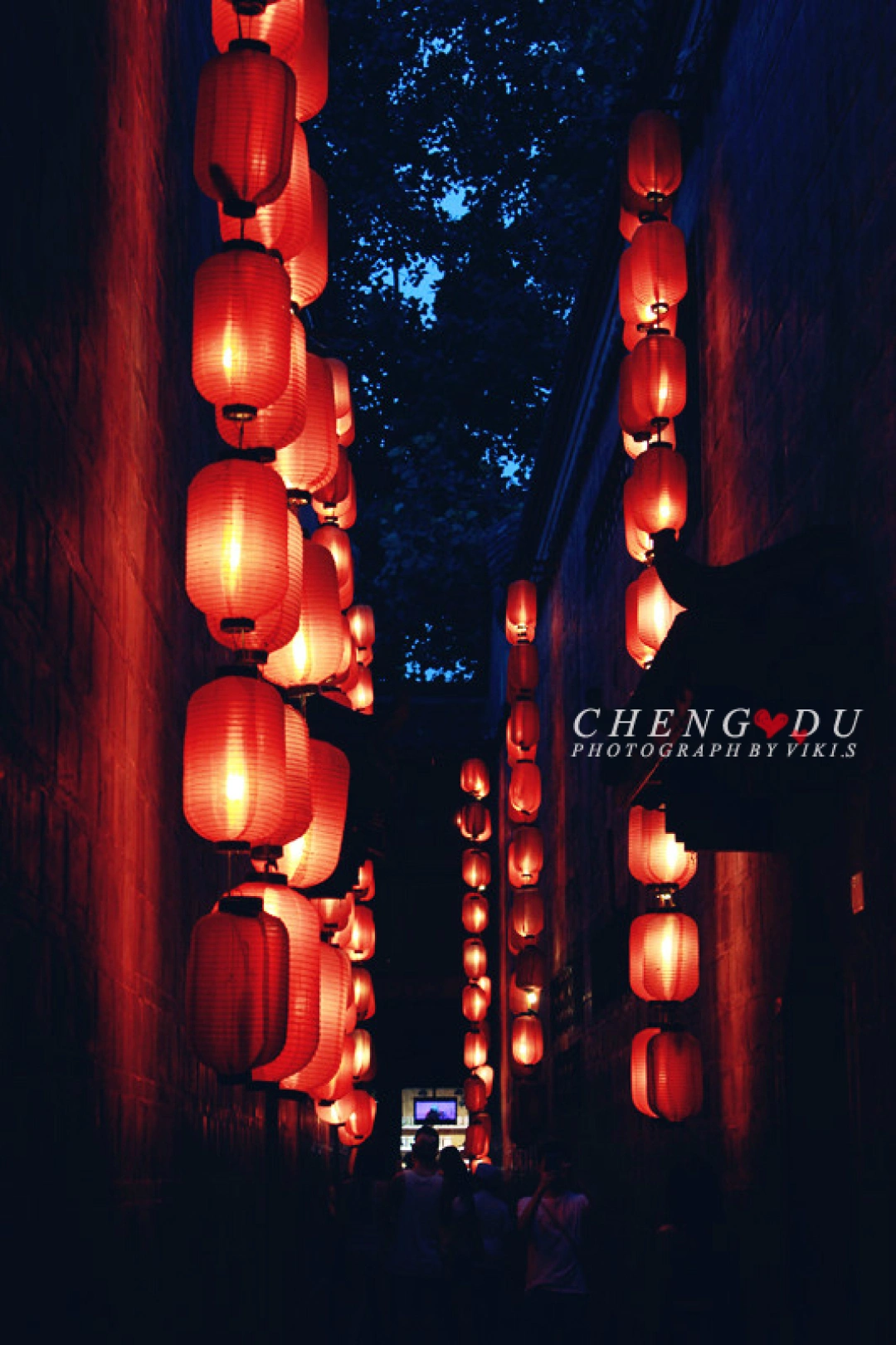
Jinli (锦里—Splendid Lane) is one of the oldest commercial streets in Western Shu history, free to enter. The moment we stepped in, we were surrounded by lanterns, red ribbons, and the scent of sizzling oil. This is where Chengdu's street food scene truly explodes.
We sampled: - 红糖糍粑 (hongtang ciba—glutinous rice cakes with brown sugar) : Sweet, chewy, and addictive - 三大炮 (san da pao—three cannonballs) : A theatrical dessert made of sticky rice balls rolled in soybean flour and drizzled with syrup - 麻辣兔头 (mala tu tou—spicy rabbit head) : A Chengdu specialty that's not for the faint of heart
By the time we left, we were stuffed, happy, and already planning our next meal.
[Link: Must-try street foods in Chengdu]
FAQ: Your Chengdu Winter Travel Questions Answered
1. Is Chengdu worth visiting in winter?
Absolutely. Winter in Chengdu is mild compared to northern China, with temperatures rarely dropping below freezing. The city remains green, crowds are smaller, and hotpot tastes even better when it's cold outside. Plus, flights and accommodation are often cheaper during low season.
2. How much does a week-long Chengdu trip cost?
Based on our experience, 3,000–4,000 yuan per person (including flights, accommodation, food, and local transport) is realistic for a budget-friendly Chengdu trip. Street food meals cost 10–30 yuan, while hotpot dinners run 60–100 yuan per person.
3. What are the must-try foods in Chengdu?
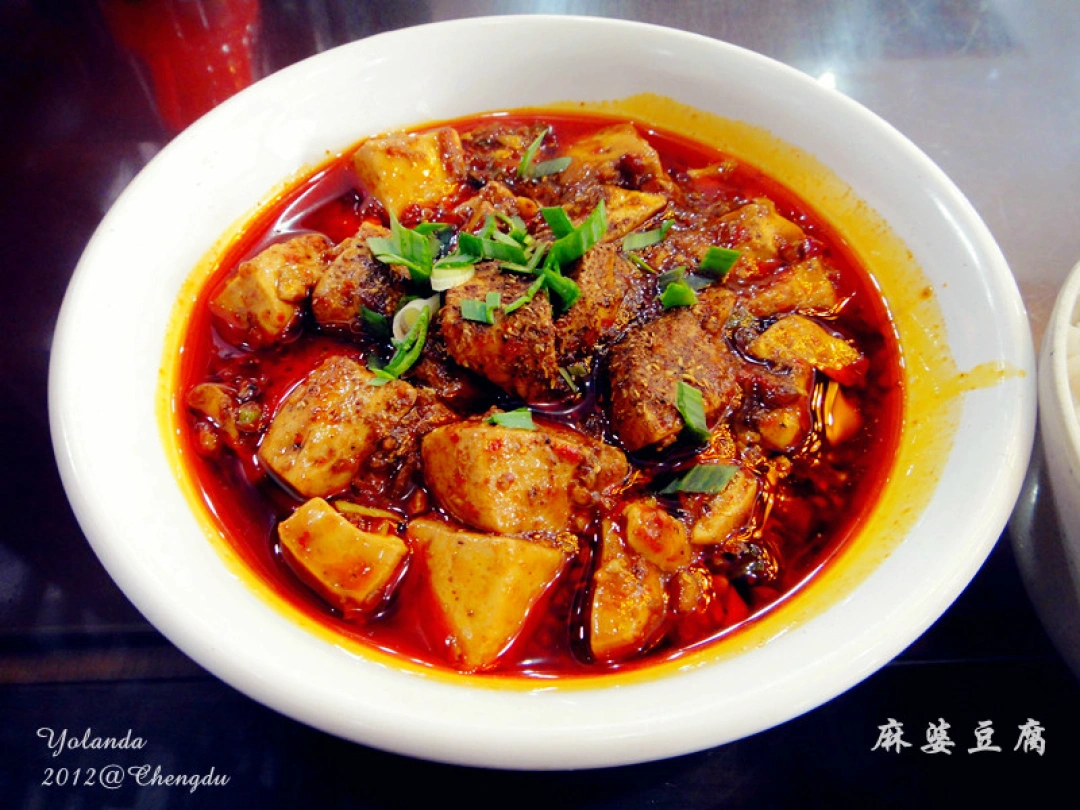
 Don't leave without trying: hotpot (火锅) , chuanchuan xiang (串串香) , boboji (钵钵鸡) , dandan noodles (担担面) , mapo tofu (麻婆豆腐) , and rabbit head (兔头) . For dessert, sample hongtang ciba (红糖糍粑) and san da pao (三大炮) .
4. Is Chengdu safe for solo female travelers?
Yes, Chengdu is generally very safe. The city is walkable, public transport is reliable, and locals are friendly. As with any city, stay aware of your surroundings at night and keep valuables secure.
5. What's the best way to get around Chengdu?
The Chengdu Metro is efficient and affordable (2–6 yuan per ride). Buses are even cheaper (1–2 yuan). For short distances, taxis and ride-hailing apps like Didi are convenient. Walking is also a great way to discover hidden food stalls.
[Link: Chengdu travel tips for first-time visitors]
Conclusion: Ignite Your Inner Fire in Chengdu
Eight days in Chengdu changed how I think about food, travel, and winter. This city doesn't just warm your stomach—it warms your soul. From the fiery hotpot of Yulin to the quiet tea gardens of Kuanzhai Alley, every corner offers a new flavor, a new memory.
If you're feeling stuck, burned out, or simply hungry for adventure, book that flight to Chengdu. You don't need a perfect plan—just an open mind and an empty stomach. The city will take care of the rest.
Ready to unleash your inner fire? Start planning your Chengdu food adventure today. Share this guide with a friend who needs a winter escape, and let us know in the comments: what's the first dish you'd try in Chengdu?
[Link: Book cheap flights to Chengdu]
[Link: Chengdu food tours and experiences]
Have you visited Chengdu in winter? Share your favorite food discoveries in the comments below!