In Mianzhou: Turning Life into a Languid Poem – A Complete Travel Guide to Mianyang, Sichuan
Meta Description: Discover Mianyang (Mianzhou), China's only science city and Li Bai's hometown. Explore the Fujiang River, Qinglian Poetry Town, and Baima Wanglang Nature Reserve. A slow travel guide for peace seekers.
Introduction: Why Mianyang Deserves a Slow Travel Approach
Over the years, I've visited more than a hundred cities, taken countless photographs, and written numerous travelogues. People often ask me, "Why are you so passionate about writing travel notes?" I think the answer lies in three simple reasons.
First, memory has an expiration date. Those moments of emotion, awe, and even embarrassment on the road—if not recorded in time—will dissipate like morning mist. Second, recollection is a source of strength. Years later, when I flip through the words I've written, those scenes replay in my mind like a movie. Third, I want to see the world through my own eyes. As a book once wrote: "Everyone opens their eyes, but not everyone sees the world."
But the most fundamental reason is this: I believe that when you truly love something and persist in doing it, from the very first second, it will accumulate bit by bit in an invisible piggy bank. Until one day, when your passion and expertise are good enough to show off, you can confidently "withdraw."
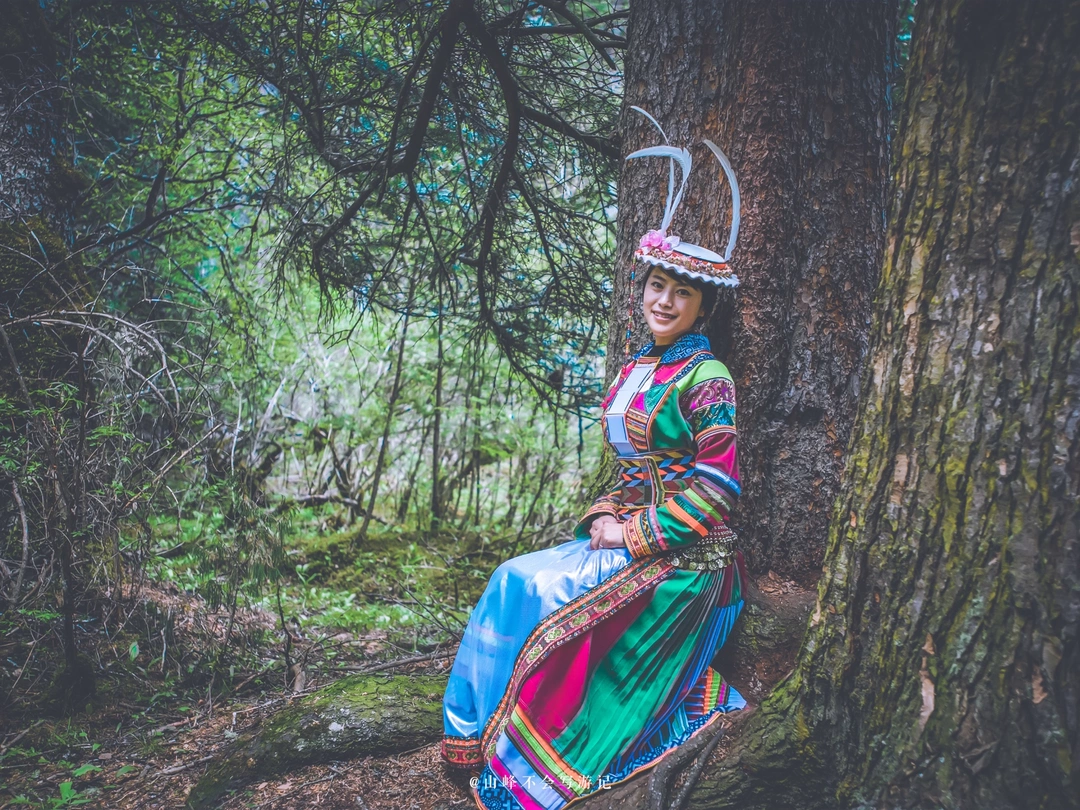
So, when I felt that long-lost sense of peace by the Fujiang River in Mianyang, beneath the snowy peaks of Wanglang, and in the villages of the Baima people, I knew I had to start writing immediately.
[Link: Best slow travel destinations in Sichuan]
First Impressions of Mianyang: A City That Lives Life Refined
"I remember the fine lines of poetry from Jiangdong; the light mist and tall trees are Mianzhou." This is how an ancient poet described Mianyang. My connection with this city began with a charming misunderstanding. In college, I had two classmates from Sichuan, and I always thought they were from Mianyang. Later, in a WeChat group, I found out they were actually from Deyang. This little mix-up only made me more curious about Mianyang.

Mianyang, historically known as "Fucheng" and "Mianzhou," is the hometown of Li Bai, the great Tang dynasty poet. Located in the northwestern part of the Sichuan Basin, it has over 2,200 years of history since Emperor Gaozu of Han established Fu County in 201 BC. But what truly surprised me is that it's not only a cultural city but also China's only science and technology city—a crucial base for national defense research and the electronics industry. The once-famous Changhong Electronics was born here, and less known is that it houses China's only aerodynamic test base (wind tunnels), where rockets, spacecraft, and aircraft undergo rigorous testing before taking to the skies.
For me, however, what draws me to Mianyang isn't its technological halo but its unhurried, "neither hot nor cold" pace of life. It's only an hour from Chengdu to Mianyang by high-speed rail. The moment I stepped out of the station, I could feel the city's temperament—gentle, composed, unhurried.
[Link: How to get from Chengdu to Mianyang by high-speed rail]
Slow Time by the Fujiang River: Mianyang's Soul
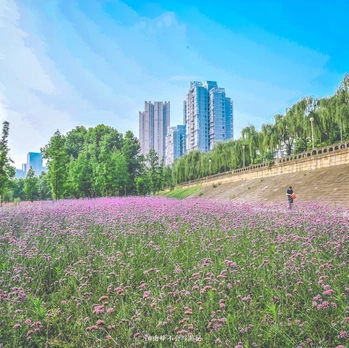
I stayed near Wuyi Square by the Fujiang River. From my hotel room, I could see the Yuewang Tower in the distance and look down at the rolling river. In late May, the lingering warmth made me break into a light sweat, but once I reached the riverbank, a gentle breeze swept through, bringing instant coolness.
The Fujiang River is the soul of Mianyang. I carried my camera and strolled along the river like a local. There were elderly men fishing, young people exercising, parents playing with their children, and a literary-minded youth sitting on a bench reading a book. It was a quiet retreat within a bustling city, a scene of pure contentment. The river wasn't crystal clear—it carried a bit of murkiness—but that "endless, unceasing" flow gave me a sense of stability.
My biggest regret is my poor talent for languages. After living in Changsha for seven years, I still can't understand Hunan dialect. But I can read people's expressions. On the faces of Mianyang locals, I rarely saw anxiety or hurry; instead, there was satisfaction and leisure. They love to sit by the roadside or in parks, drinking tea and chatting, their smiles etched with approval and delight in life.
Compared to Beijing or Shanghai, there are no suffocating skyscrapers here, no pedestrians rushing past with grim faces. You can truly feel the word "life"—not mere survival, but living.
[Link: Best riverside walks in Sichuan cities]
Qinglian Town: Making Peace with Time in Li Bai's Hometown
In the Qinglian International Poetry Town, I found a tea house and sat down to enjoy a cup. The weather was a bit muggy, and the coolness of the tea room was a relief. Just then, I ran into a few fellow northeasterners. They were in a hurry and proudly told me, "We've toured all of Sichuan in just a few days!" I smiled and said nothing. Because in a week's time, I had barely left Mianyang's borders.
I felt a quiet pity for their haste. They must have thought I was wasting my time. But what is travel? It's about encountering the right things at the right moment—making peace with time. Rushing from place to place like a frantic race isn't travel; it's just passing through.
I drank tea, chatted, watched the sunset slowly descend, and sat in the breeze in silence. In that moment, I understood: the best life is to live it on your own terms, from beginning to end.
Qinglian Town is not just a tourist attraction—it's a living tribute to Li Bai. The town features poetry-themed installations, traditional architecture, and tranquil gardens. It's the perfect place for a slow travel experience in Mianyang.
[Link: Top poetry-themed towns in China]
Baima Wanglang: Searching for a Hidden Paradise in Pingwu County
First Glimpse of Wanglang: The Call of the Primeval Forest
Heading north from downtown Mianyang, I drove to Pingwu County, arriving at the highlight of my trip—Baima Wanglang. Known as "the world's number one county for giant pandas," this area sits at an average altitude of 3,200 meters, preserving a complete natural ecosystem.
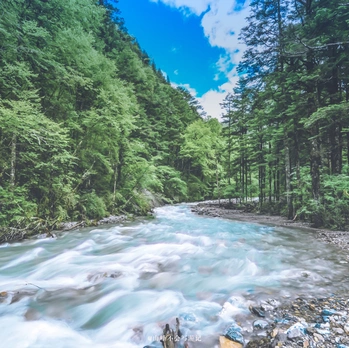
Wanglang is one of China's first four nature reserves established primarily to protect giant pandas. According to research, "Wanglang" is a phonetic translation from the local Baima Tibetan dialect, meaning "place for herding sheep." There's a beautiful legend behind the name: a Tibetan slave named Wanglang, unable to bear exploitation, fled with his family deep into the mountains. His parents told their three sons to live separately, tossing peas with their names written on them into the air. The pea inscribed with "Wanglang" rolled down to the upper reaches of the Fujiang River, and he settled there.
Of course, it's just a story. But Wanglang's beauty doesn't need to borrow the fame of Jiuzhaigou or Huanglong. Once you set foot on this land, you can feel its unique charm.
[Link: Best nature reserves for giant panda watching in Sichuan]
White Beach: A Refreshing Baptism in Mountain Springs
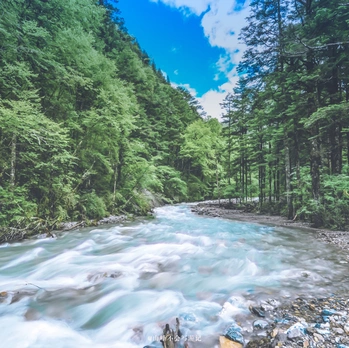
Taking the scenic shuttle bus upstream, I saw a clear mountain stream running alongside the road. It is said that this water is the source of the Fujiang River. White Beach is a water-friendly spot, with crystal-clear spring water flowing through and an ecological walkway built above it. Before the bus had even come to a full stop, I jumped out, eager to cup a handful of that cool, transparent water and wash away the dust of the city.
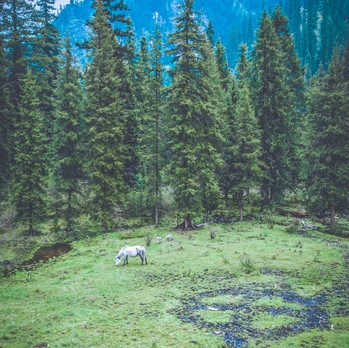
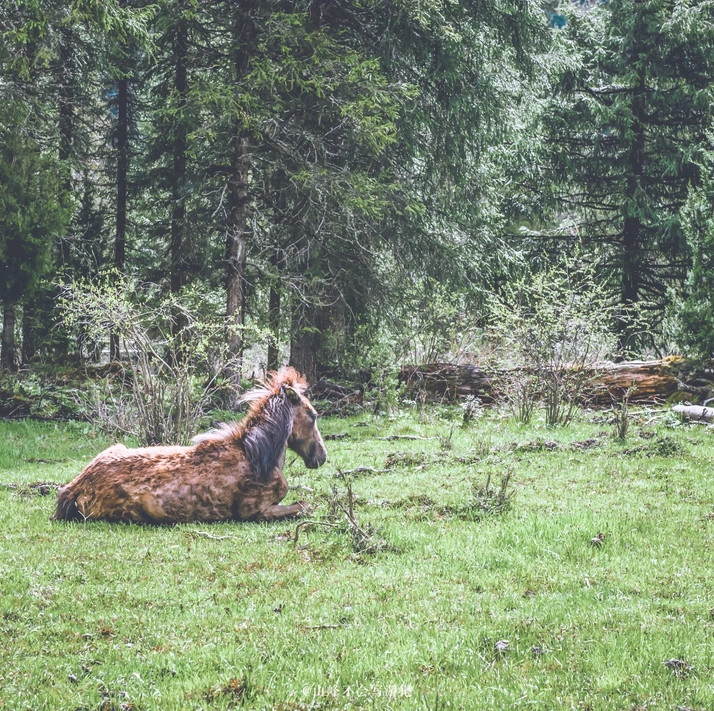
On the other side of the stream lay a quiet, dense forest. Though it was an overcast day, a sip of the cool mountain spring lifted my spirits. I strode briskly along the forest path, my feet sinking into a thick layer of pine needles. The air was rich with the scent of pine resin. Lush green moss covered the ground like a natural carpet, soft and spongy underfoot. Our guide warned us to keep quiet, as birds like the red-bellied tragopan might be foraging nearby, and the arrow bamboo groves were giant panda territory.
Golden River Valley: Snow Mountains and Sacred Altars
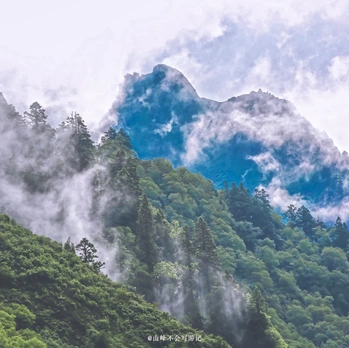
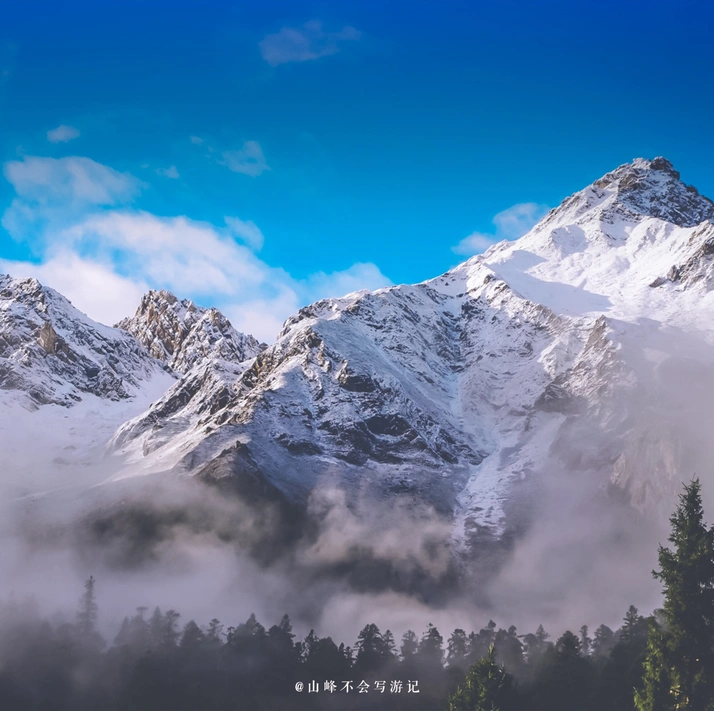
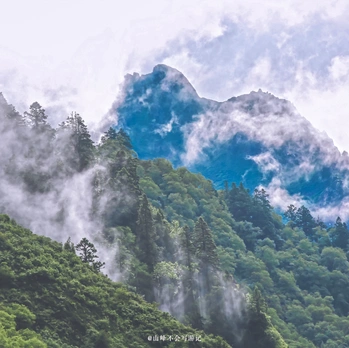
Entering Golden River Valley, I was surrounded by mountains on all sides. Though it was already June, I could still see distant snowy peaks. The primeval forest consisted of fir and spruce trees—sturdy, towering, and pointing straight to the sky. Our guide led us to climb higher. I usually hate hiking, and I kept asking, "How much farther do we have to go?" The guide just smiled and pointed ahead.
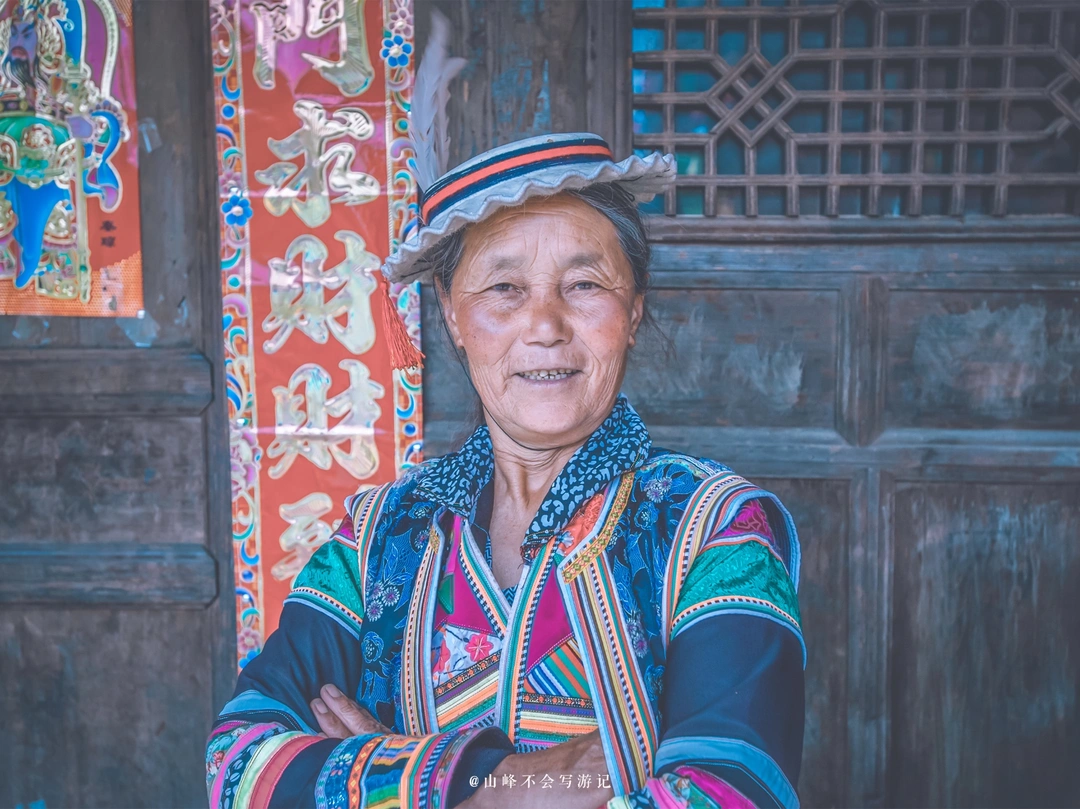
At the top, we found a sacred altar used by the Baima Tibetans for their traditional rituals. The view was breathtaking—snow-capped peaks, rolling green hills, and a silence so deep you could hear your own heartbeat. This is the kind of place where you forget about time, where the only thing that matters is the present moment.
Why Mianyang Should Be Your Next Slow Travel Destination
Mianyang offers something rare in modern China: a chance to slow down and reconnect with yourself. Whether you're strolling along the Fujiang River, sipping tea in Qinglian Town, or hiking through the primeval forests of Wanglang, you'll find a pace of life that's increasingly hard to come by.
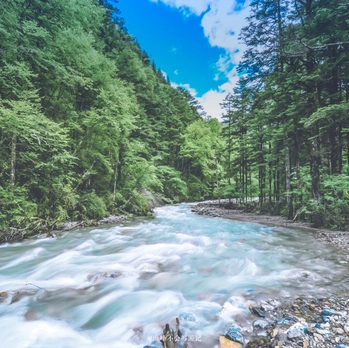
Key highlights of Mianyang travel: - Cultural depth: Li Bai's hometown, 2,200 years of history - Natural beauty: Fujiang River, Wanglang Nature Reserve, snow mountains - Unique identity: China's only science and technology city - Accessibility: 1 hour from Chengdu by high-speed rail - Authentic experiences: Tea houses, local markets, Baima Tibetan villages
[Link: Complete Mianyang travel itinerary for 3-5 days]
FAQ: Everything You Need to Know About Mianyang Travel
1. What is the best time to visit Mianyang?
 The best time to visit Mianyang is spring (March-May) and autumn (September-November). The weather is mild, and the scenery is at its most beautiful. Summer can be hot and humid, while winter is cold but offers snow views in Wanglang.
2. How do I get from Chengdu to Mianyang?
 The high-speed rail from Chengdu to Mianyang takes about 1 hour. Trains depart regularly from Chengdu East Station and Chengdu South Station. The fare is approximately ¥50-80 per person.
3. Is Mianyang safe for solo travelers?
 Yes, Mianyang is very safe for solo travelers, including female travelers. The locals are friendly and helpful. Just take normal precautions as you would in any Chinese city.
4. Can I see giant pandas in Wanglang?
 Yes, Wanglang Nature Reserve is one of the best places in Sichuan to see wild giant pandas. However, sightings are not guaranteed as they roam freely. The reserve also has a panda research center where you can learn about conservation efforts.
5. What should I pack for a trip to Mianyang and Wanglang?
Pack comfortable walking shoes, layers for changing weather, sunscreen, insect repellent, and a reusable water bottle. For Wanglang, bring warm clothing even in summer, as temperatures can drop significantly at higher altitudes.
Call to Action: Plan Your Slow Travel Escape to Mianyang
Ready to turn your life into a languid poem? Mianyang is waiting for you. Whether you're a history buff, a nature lover, or simply someone who needs a break from the chaos of modern life, this city has something to offer.
Book your high-speed rail ticket from Chengdu to Mianyang today. Find a hotel by the Fujiang River, pack your camera, and prepare to slow down. Because sometimes, the best travel is the one that helps you find yourself again.
Start planning your Mianyang adventure now. Your soul will thank you.
[Link: Book Mianyang hotels on Trip.com] [Link: Find Mianyang tours on Klook] [Link: Read more Sichuan travel guides]
You may also like


