Deep in the Snow: The Ultimate Gongga Mini Loop Trekking Guide – 8 Days to Find Your Limit
Meta Description: Discover the ultimate Gongga Mini Loop trekking experience. An 8-day, 7-night journey through deep snow at 4,000m+ altitude. Gear tips, route planning, and how to conquer the King of Sichuan Mountains. Your adventure starts here.
Introduction: Why the Gongga Mini Loop Demands Your Respect
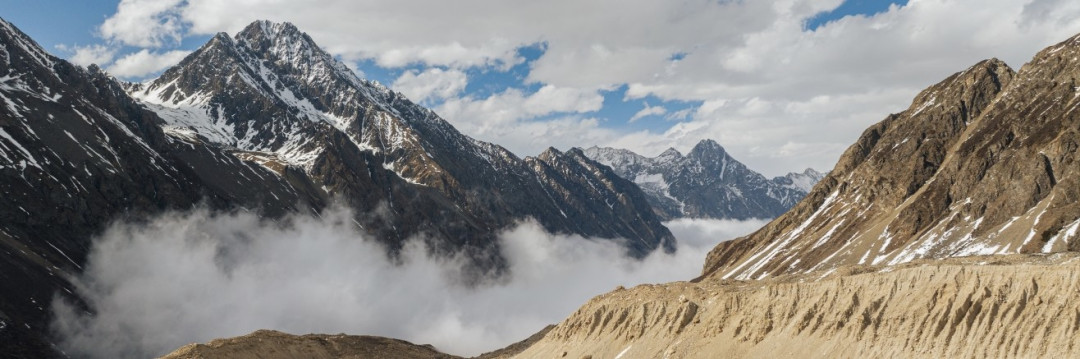
The Gongga Snow Mountain, towering at 7,556 meters, isn't just the highest peak in Sichuan—it's a crucible for the soul. The Gongga Mini Loop trek is a condensed version of the classic circuit, designed for those who crave high-altitude intensity without committing to the full 10+ day expedition. This eight-day, seven-night journey through deep snow, alpine meadows, and glacial passes will test every fiber of your being.
But here's the truth: this trek isn't for everyone. It's for the restless, the curious, and those willing to embrace discomfort to find clarity. Whether you're a seasoned mountaineer or an ambitious beginner, this guide will prepare you for the physical and mental demands of the Gongga Mini Loop.
The Gongga Connection: Understanding the King of Sichuan Mountains
Gongga Snow Mountain (also known as Minya Konka) sits at the junction of Luding, Kangding, and Jiulong counties in Garzê Tibetan Autonomous Prefecture. Its main peak rises 7,556 meters, making it the highest mountain in Sichuan and earning the title "King of Sichuan Mountains." Surrounding it are 145 ice peaks over 5,000 meters—a majestic cluster of giants that humbles every visitor.
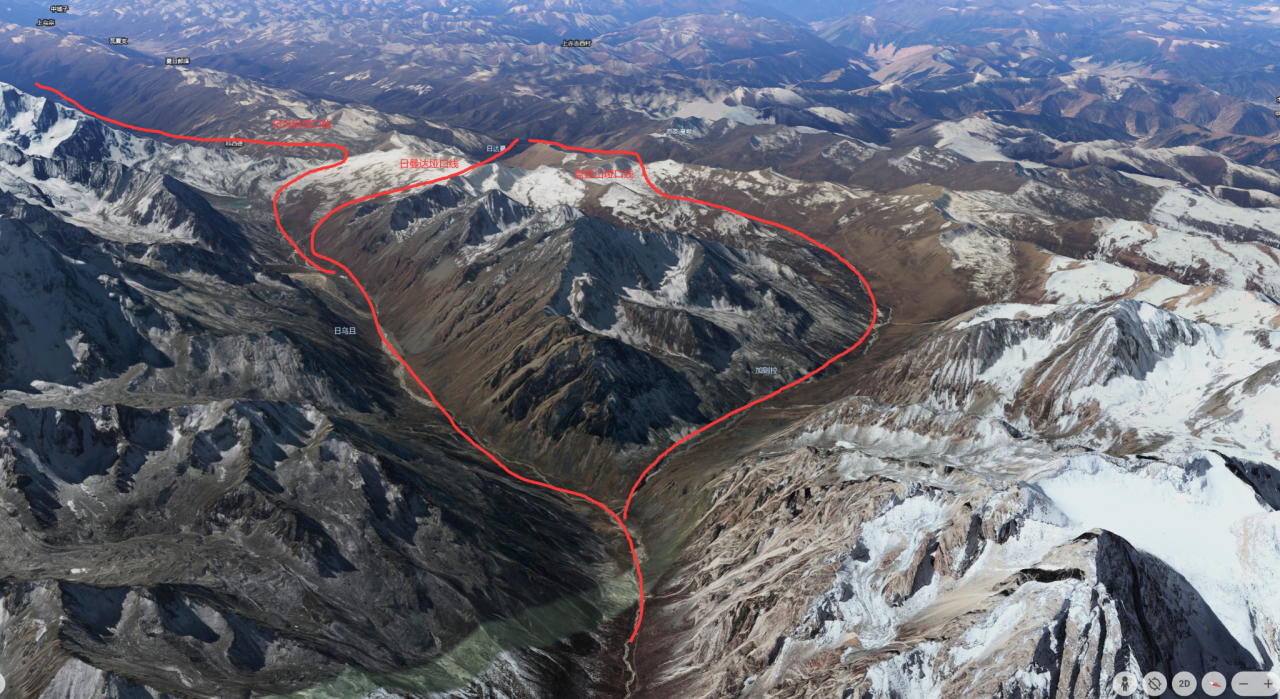
The Gongga Mini Loop is a 50-60 kilometer trek that typically starts from Gexi Meadow (3,400m) and crosses the Ridaman Pass (4,900m) before descending to Ridaman Ranch. It's a route that combines the "three highs": high altitude, high intensity, and long distance. For many, it's the ultimate test of endurance and self-discovery.
[Link: Essential High-Altitude Trekking Gear Checklist]
Pre-Trip Planning: Gear, Logistics, and Mindset
Gear List: What You Actually Need for the Gongga Mini Loop
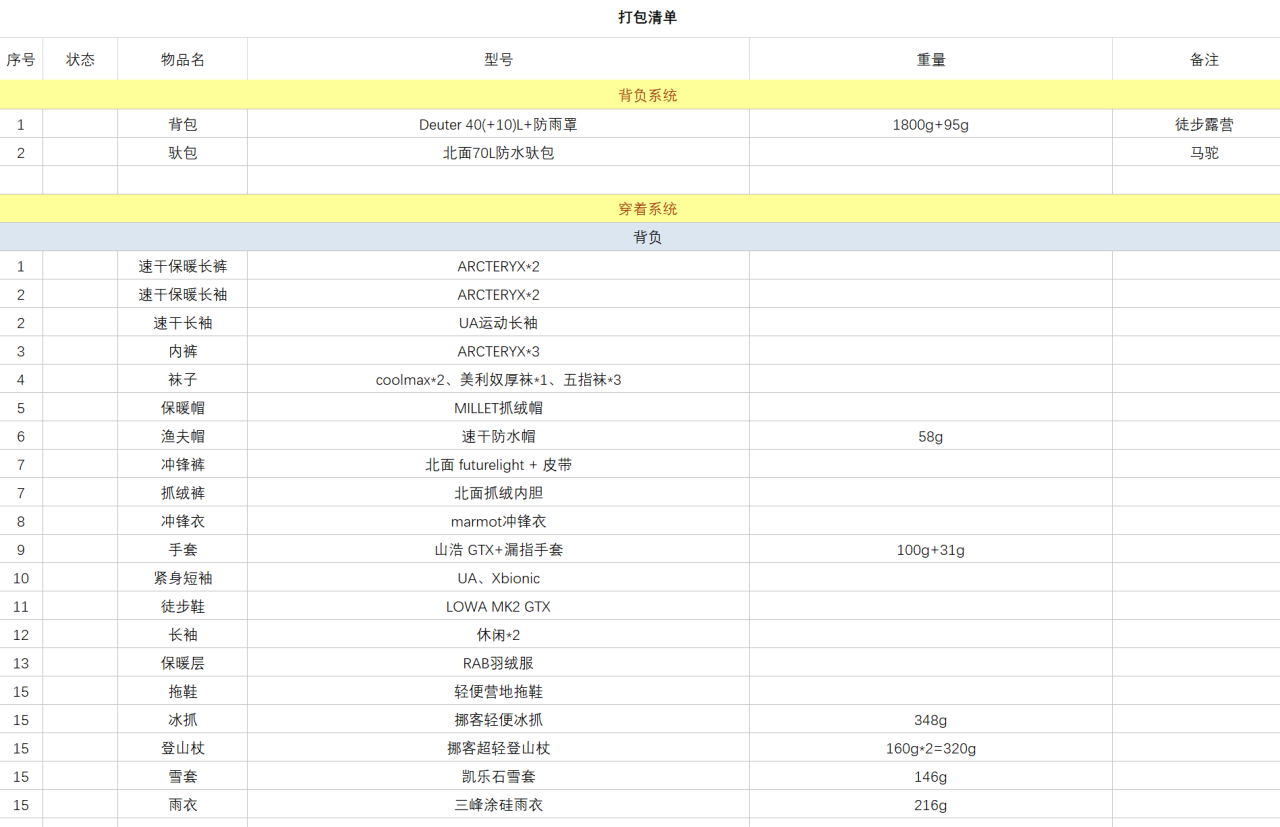
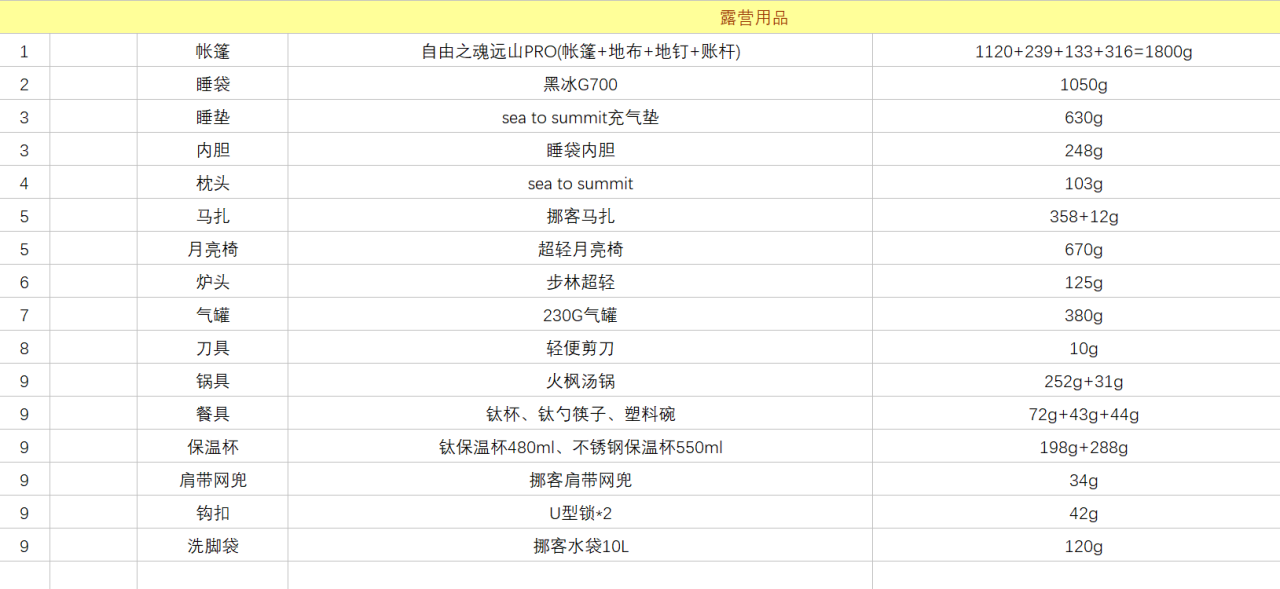
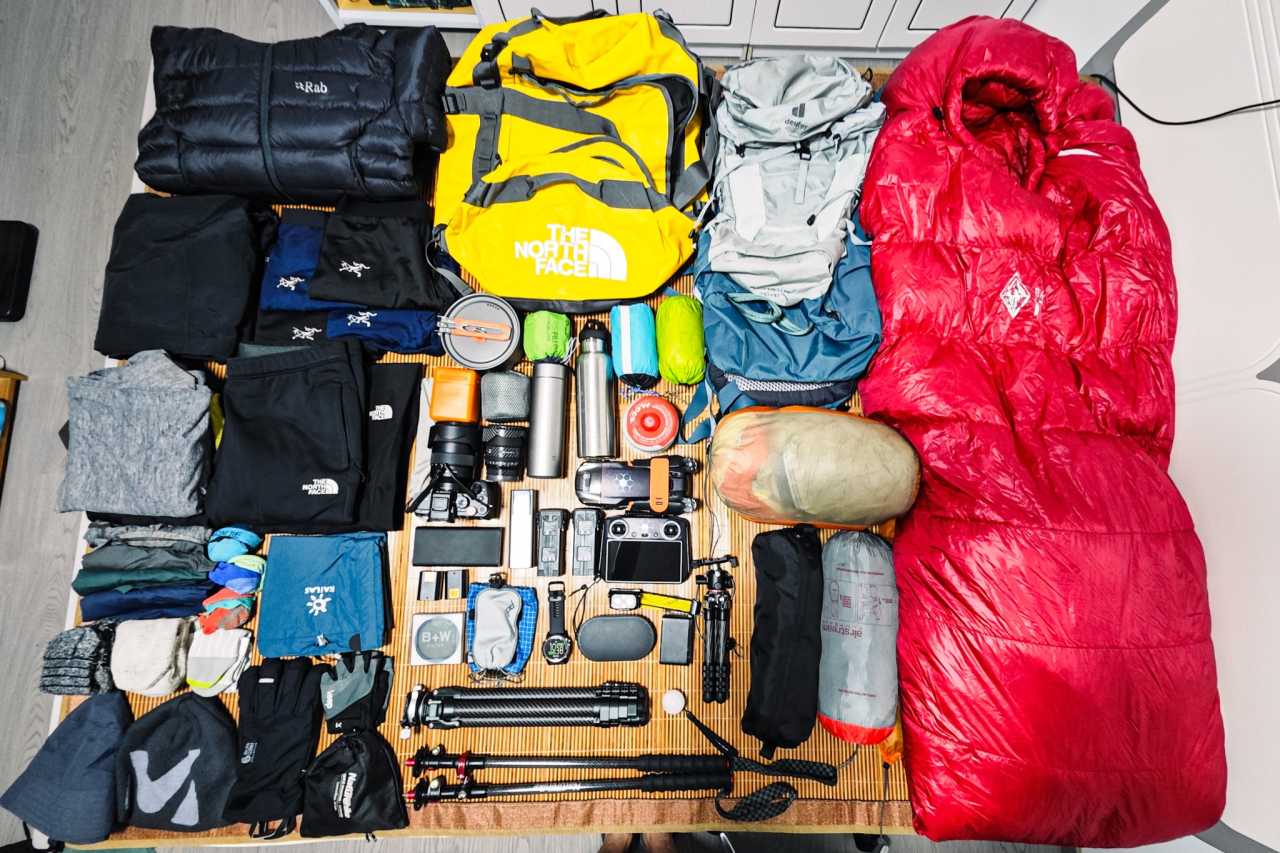
Before you set foot on the trail, your gear can make or break the experience. Here's what worked for me:
Carry System: - Deuter 40L backpack (daily hiking pack) - 70L duffel bag (for horse transport) - Dry bags for electronics and clothing
Camping System: - Zpacks tent (ultralight, 4-season) - STS sleeping pad (R-value 4.5+) - Black Ice G700 sleeping bag (comfort rating -10°C) - Single-burner stove with 2 gas canisters
Digital System: - Sony A7M4 with FE 24-105 F4 lens - DJI Mavic 3 drone - Tripod (carbon fiber, lightweight)
Food Plan: Balance flavor, energy, weight, and convenience. High-calorie snacks like nuts, dried meat, and chocolate are essential. Dehydrated meals work well for dinners.
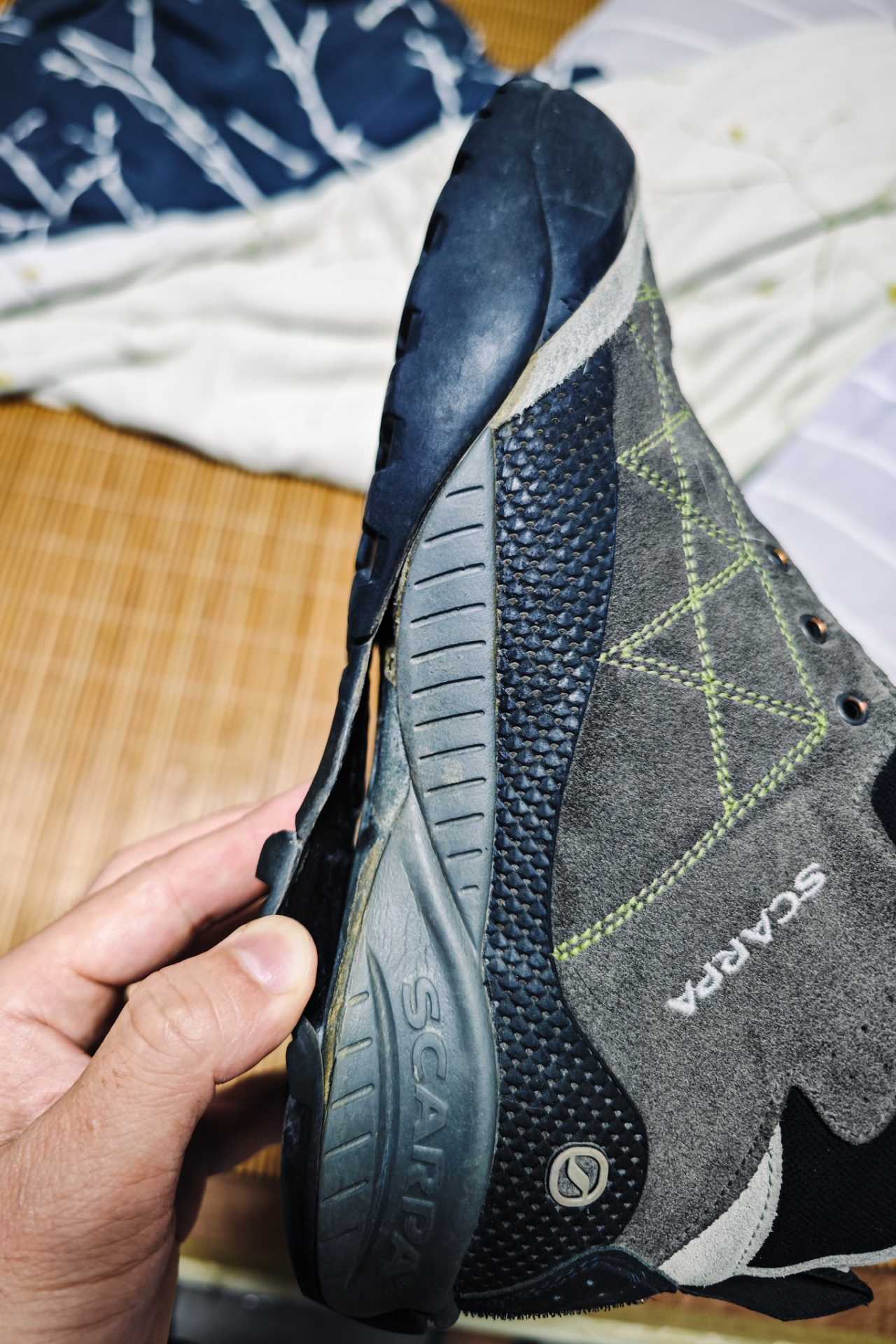
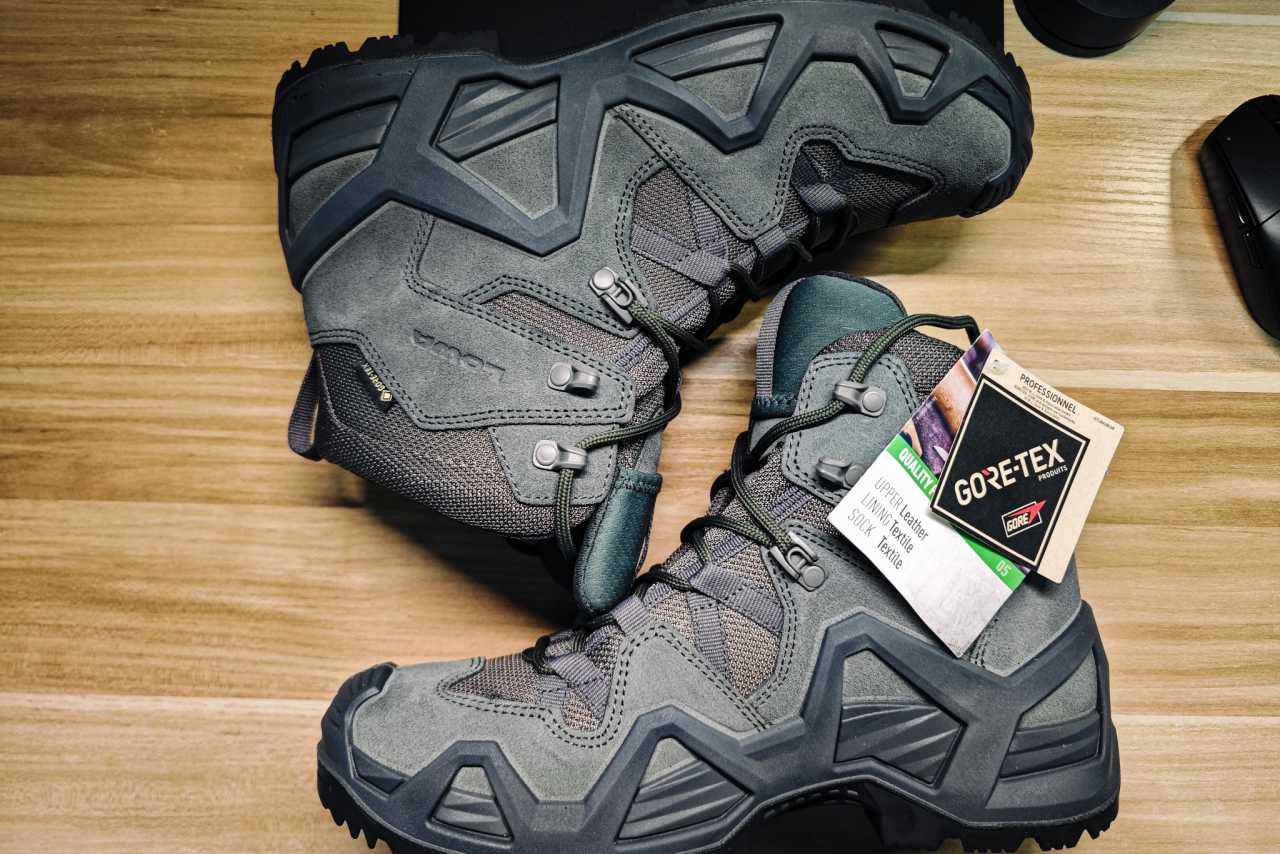
Pro Tip: New boots need a break-in period. I bought LOWA MK2 boots just two weeks before departure and regretted it. If possible, wear your boots for at least 50km before the trek—your feet will thank you.
Route Options: Main vs. Backup
We settled on two plans: - Main Route: Start from Liangchakou Camp, cross the Ridaman Pass (4,900m), and descend to Ridaman Ranch. - Backup Route (Panpanshan Pass): Lower elevation (4,600m) but adds an extra day—a greater test of endurance.
The backup route proved essential when weather turned bad.
[Link: How to Choose the Right Trekking Route for Your Fitness Level]
Day 1: Acclimatizing to Altitude – A Snowy Night at Gexi Meadow
Route: Chengdu → Gexi Meadow Camp (3,400m elevation)
Keywords: 2,500+ meter elevation drop, air pressure drops, stress rises
After a 6-hour drive from Chengdu, we arrived at Gexi Meadow. The camp was already bustling with a couple hundred trekkers. We pitched our tent quickly as the temperature dropped and snow began to fall.
That night, I checked my blood oxygen: 95%. Felt okay. Later I realized wristband readings are pretty much useless at altitude. Trust your body, not the gadgets.
Practical Advice: From Old Yulin Power Station to Gexi Meadow, take the shuttle if you can. This stretch has nothing to see, and walking on the dirt track is uncomfortable. Unless you're a hardcore heavy-load trekker, carpool.
Day 2-4: The Snow Deepens – Crossing Ridaman Pass
Route: Gexi Meadow → Liangchakou Camp → Ridaman Pass (4,900m) → Ridaman Ranch
Keywords: Deep snow trekking, high-altitude pass crossing, glacier views
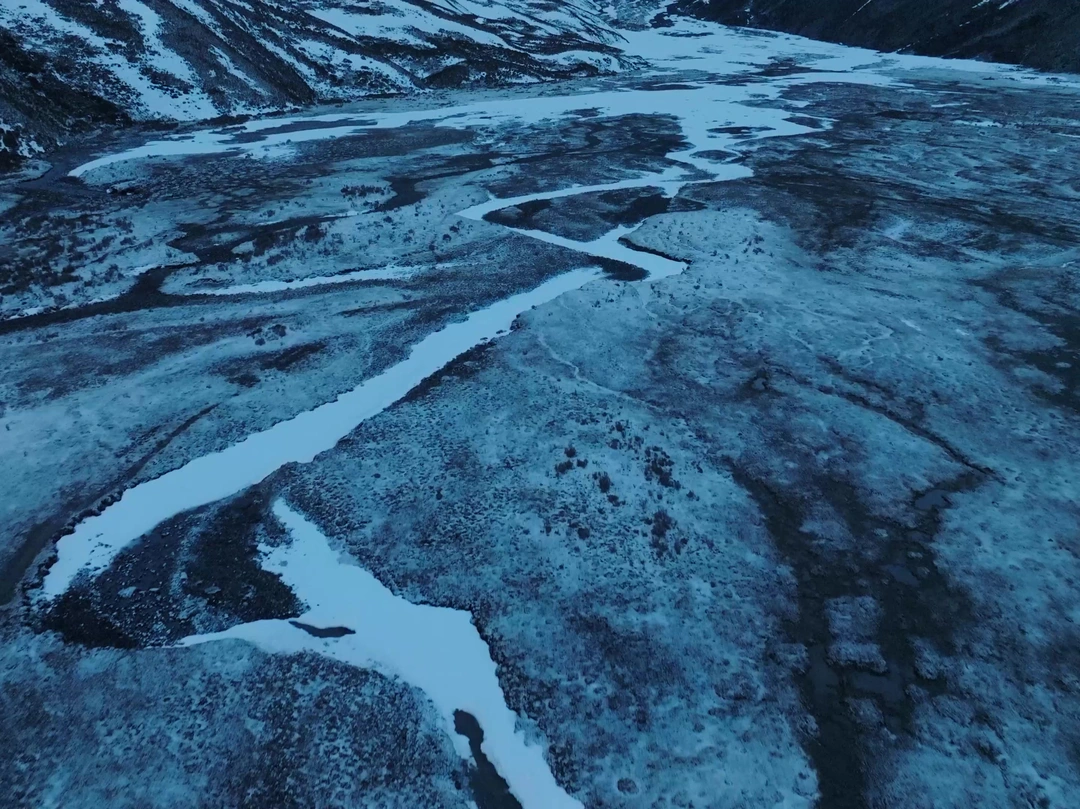
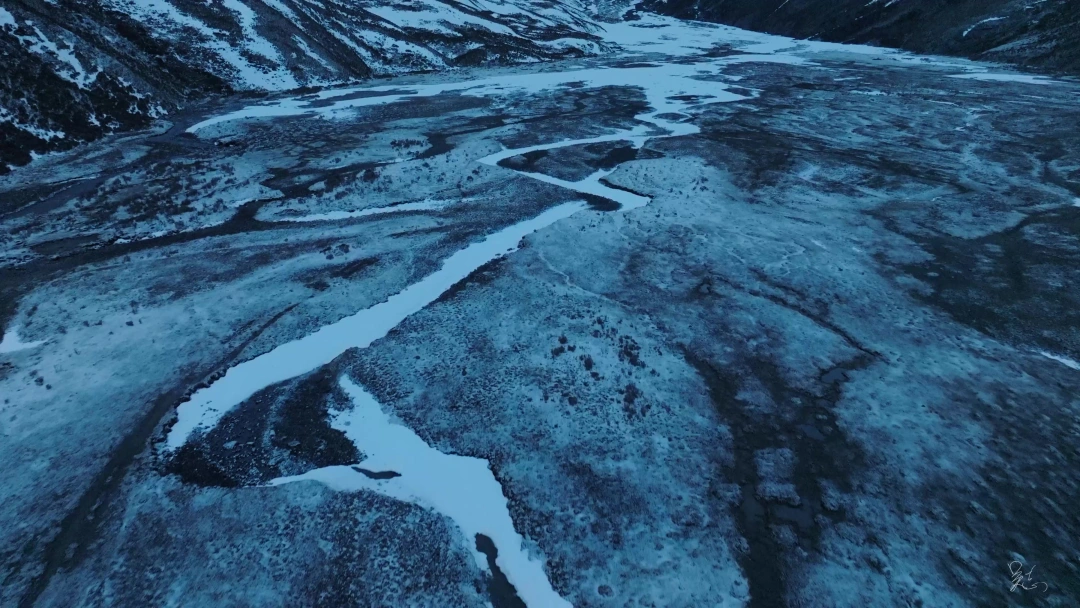
The snow deepened with every step. By Day 3, we were walking through knee-deep powder. The Ridaman Pass at 4,900m was the crux—steep, exposed, and brutal. We used crampons and trekking poles for stability.

At the pass, the view was surreal: Gongga's main peak emerged from the clouds, its glaciers glowing in the afternoon light. I stood there, gasping for air, and thought: This is why we come here. This is the feast for the soul.
Key Lessons: - Pace yourself: At 4,900m, every step feels like a marathon. Take 20 steps, rest 30 seconds. - Hydrate: Drink 3-4 liters of water daily. Altitude dehydration is real. - Watch for AMS: Headache, nausea, dizziness—if symptoms worsen, descend immediately.
[Link: High-Altitude Sickness: Prevention and Emergency Response]
Day 5-7: Descent and Reflection – Finding Your Ultimate Self
Route: Ridaman Ranch → Panpanshan Pass (4,600m) → End of trek
Keywords: Mental endurance, self-discovery, post-trek recovery
The descent was a mental game. After four days of climbing, my body was wrecked—blisters, sore knees, and a persistent cough. But the mind? It was clearer than ever.
On Day 6, we crossed Panpanshan Pass (4,600m) under heavy snowfall. Visibility was near zero. We navigated by GPS and sheer willpower. That night, I sat in my tent, exhausted but euphoric. The silence was deafening. The stars were blinding.
What I Learned: - Limits are illusions: The body can endure far more than the mind believes. - Simplicity is freedom: No emails, no notifications, no distractions—just walking, breathing, and being. - Connection is everything: Shared suffering creates bonds that last a lifetime.
FAQ: Gongga Mini Loop Trekking
1. Is the Gongga Mini Loop suitable for beginners?
 No. This trek requires prior high-altitude experience (3,000m+), good physical fitness, and proper gear. Beginners should start with easier routes like Siguniang Mountain's Dafeng Peak.
2. What is the best season for the Gongga Mini Loop?
 May-October is the optimal window. May-June offers wildflowers; September-October provides stable weather and clear skies. Avoid winter (November-March) due to extreme cold and avalanche risk.
3. Do I need a guide or porter?
Yes, for safety. The terrain is remote, and weather can change rapidly. Local guides know the passes, campsites, and emergency protocols. Porters and horses can carry heavy gear.
4. How do I prepare physically for the Gongga Mini Loop?
 Start training 2-3 months in advance: - Cardio: Running, cycling, or stair climbing (4-5 times/week) - Strength: Leg presses, lunges, and core work - Altitude simulation: Use a hypoxic tent or train at high elevation if possible
5. What are the biggest risks on the Gongga Mini Loop?
- Altitude sickness (AMS/HACE/HAPE): The #1 killer. Acclimatize properly and descend if symptoms worsen.
- Weather: Sudden snowstorms, whiteouts, and lightning are common.
- Injury: Falls, sprains, and frostbite. Carry a first-aid kit and know basic wilderness medicine.
[Link: Top 10 High-Altitude Trekking Mistakes to Avoid]
Conclusion: Your Journey Awaits
The Gongga Mini Loop isn't just a trek—it's a mirror. It reflects your fears, your strength, and your capacity for growth. Eight days in deep snow, at the edge of limits, will strip away everything unnecessary. What remains is your ultimate self.
So ask yourself: Are you ready to feast on the world's most breathtaking scenery? Are you willing to test every possibility within yourself?
If the answer is yes, then start planning. Your boots are waiting. The snow is calling.
Ready to conquer the Gongga Mini Loop?
[Link: Book a Guided Gongga Mini Loop Trek with Local Experts]
[Link: Download Our Free High-Altitude Trekking Checklist]
[Link: Join Our Community of Adventurers]
Note: This article is based on a real 2021 trek. Route conditions, permits, and regulations may have changed. Always verify current information with local authorities before departure.
You may also like


