Daocheng Yading Travel Guide: Finding Your Own Pilgrimage Path Among Sacred Mountains and Holy Lakes
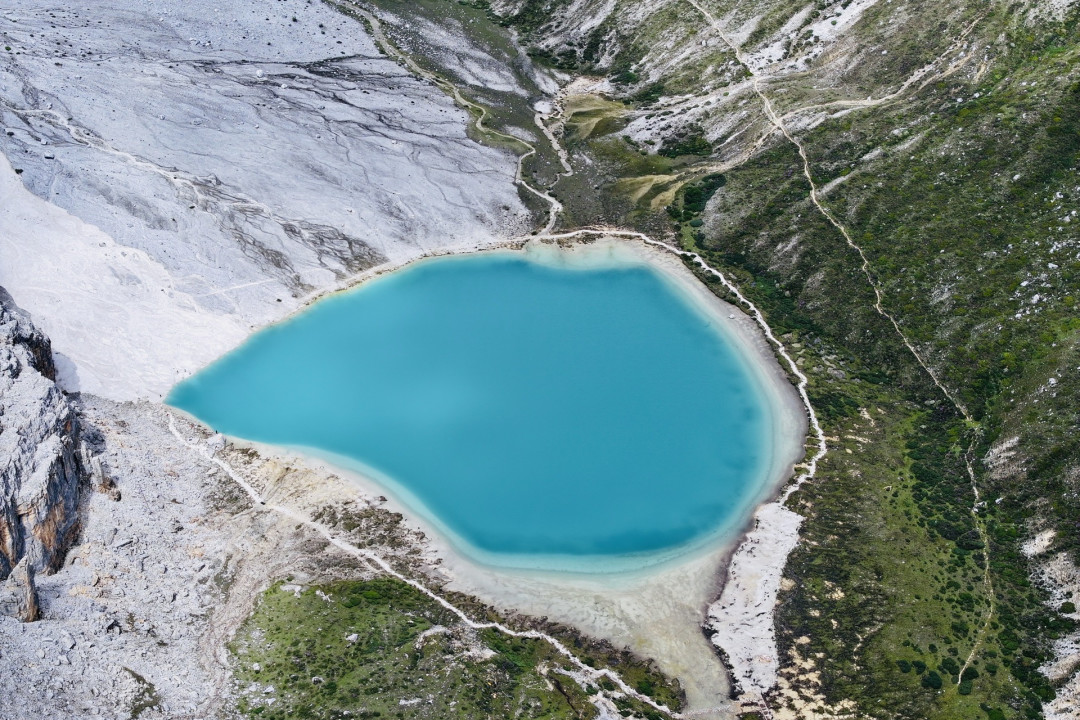
Meta Description: Discover the ultimate Daocheng Yading travel guide—sacred mountains, holy lakes, altitude sickness tips, and how to avoid "paying money to suffer." Includes Songtsam Yading Lodge review and three hiking routes.
Introduction: The Last Pure Land on the Water-Blue Planet
On the western Sichuan plateau lies a place that inspires both intense love and frustration in countless travelers—Daocheng Yading. Some call it "the last pure land on this water-blue planet," while others dismiss it as "a textbook example of paying money to suffer." Both radically opposing views are, in fact, correct. The key lies in how you choose to approach this land.
I had wandered through western Sichuan many times but always avoided Daocheng Yading. Not because I didn't want to go, but because I knew deep down—it only rewards those who come prepared. Then this summer, an impromptu invitation finally brought me to this land of controversy and praise. And this trip completely transformed my understanding of high-altitude travel.
Why Daocheng Yading Inspires Both Love and Hate
The Obsession with Summiting Ruins So Many Experiences
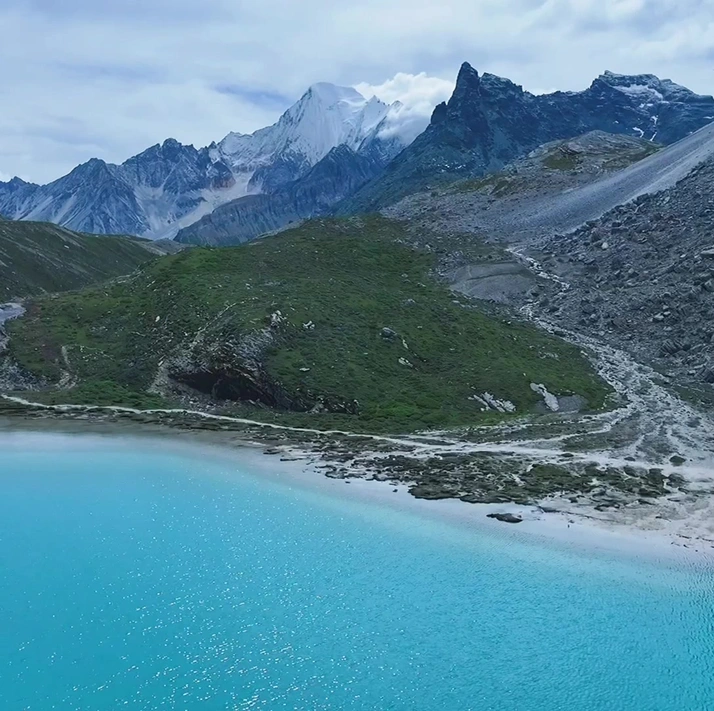
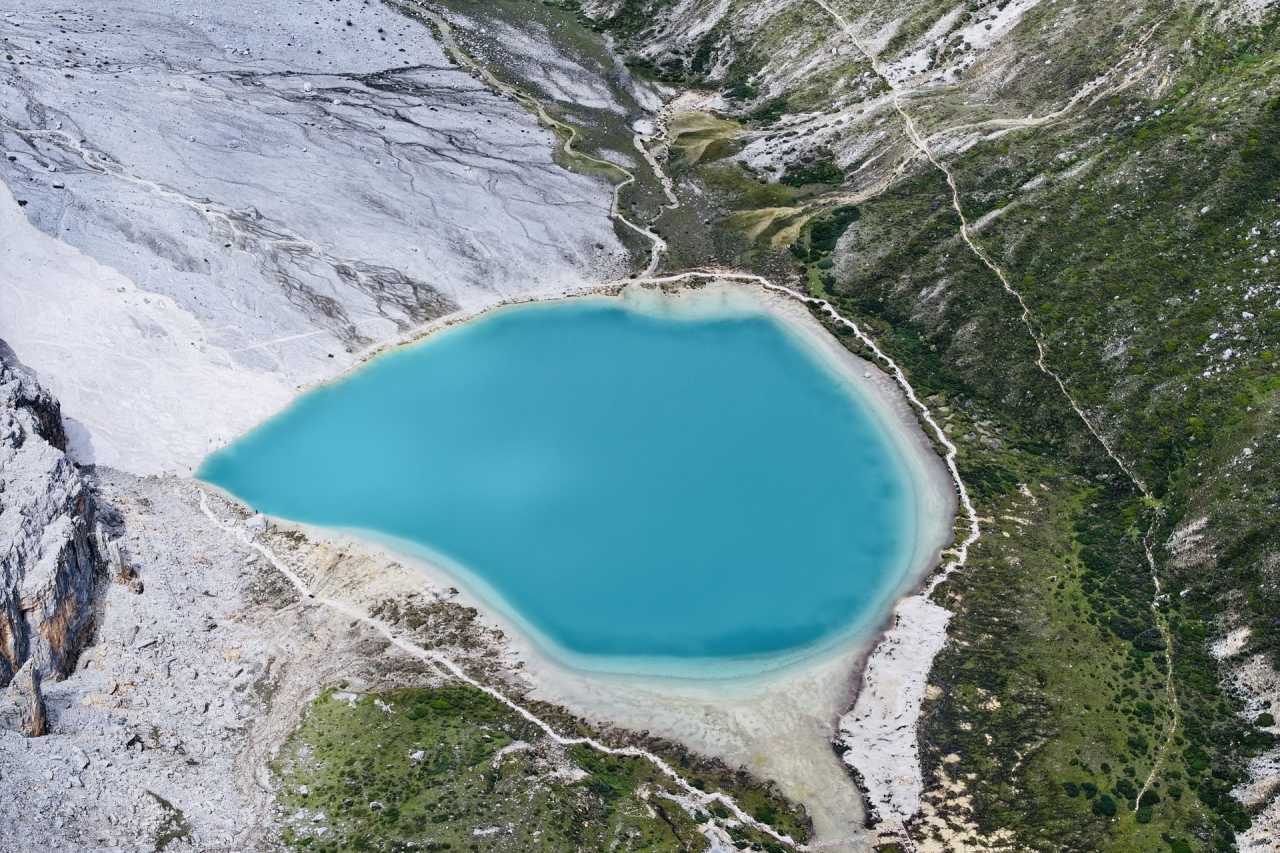
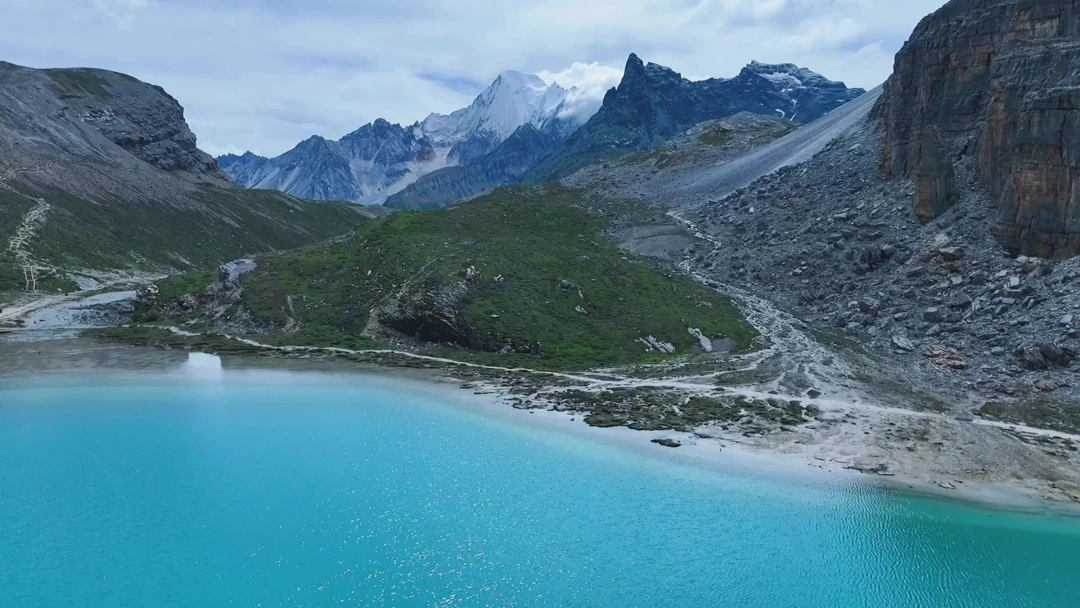
When most people mention Daocheng Yading, their first thought is "summiting"—climbing to Milk Lake (Niu Nai Hai) and Five-Color Lake (Wu Se Hai) at 4,700 meters above sea level. It's as if not visiting these two lakes means the trip was a waste.
But the true essence of Daocheng Yading lies in its three sacred mountains—Xian Nai Ri, Yang Mai Yong, and Xia Nuo Duo Ji—along with the lakes, meadows, and rivers that surround them. Those two high-altitude lakes are merely embellishments in this sacred landscape, yet marketing has turned them into "must-visit photo spots."
Starting from an elevation of 4,400 meters, the final few hundred meters consist of continuous boardwalk steps. Even on flat terrain, someone out of shape would be gasping for breath, let alone on the oxygen-thin plateau. When you reach the summit, if the weather doesn't cooperate, all you see is a gray, murky expanse of water. Even with good weather, without a drone it's hard to capture stunning photos. Physical exhaustion, emotional letdown, and poor weather—under this triple blow, all you often harvest is disappointment.
Altitude Sickness: The Biggest Variable in This Trip
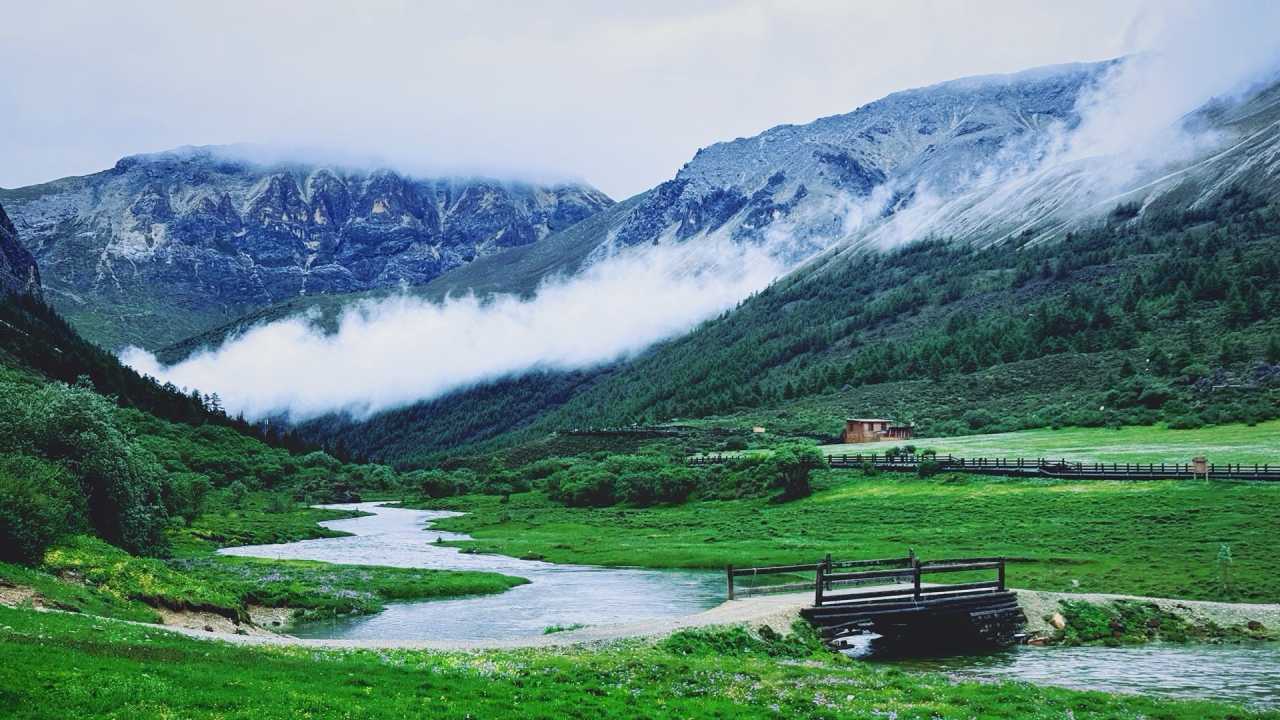
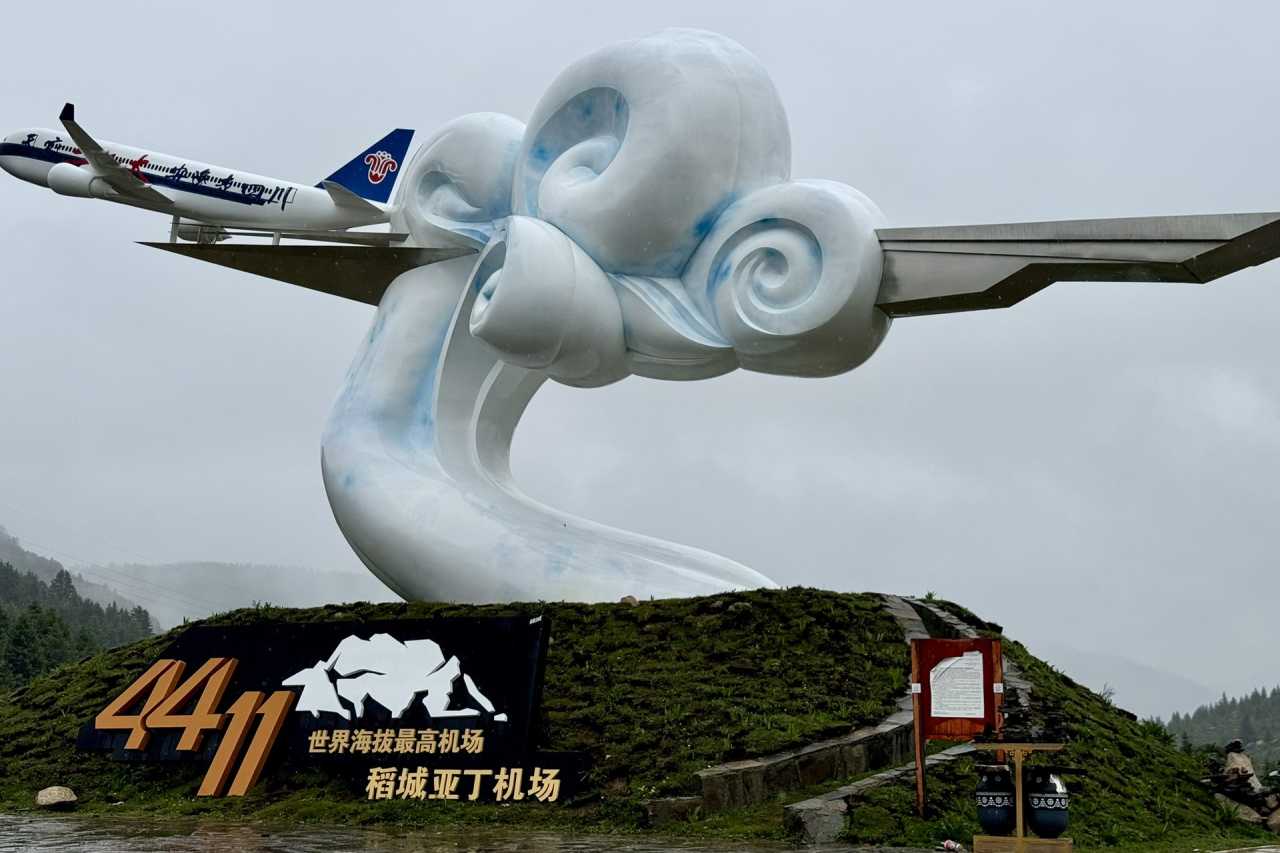
Daocheng Yading Airport sits at 4,411 meters, making it the highest civilian airport in the world. From the airport to Shangri-La Town (Xianggelila Zhen, approximately 2,800 meters) and then to Yading Village (Yading Cun, about 3,900 meters), the elevation fluctuates dramatically.
Many people choose to stay in Shangri-La Town, where they can indeed get a good night's sleep. But early the next morning, taking the shuttle bus from the visitor center into the scenic area involves an hour-long winding mountain road, climbing nearly 1,000 meters. Just this stretch alone is enough to leave many feeling dizzy and nauseous. On my return trip, two travel companions I shared a car with had to change their flights back to Chengdu due to severe altitude sickness.
[Link: Altitude sickness prevention tips for Sichuan travel]
High Costs and Physical Demands
The entrance ticket plus shuttle bus fare exceeds 200 RMB. The electric cart costs extra, and if you want to ride a horse, that's another 300 RMB. By the end of a single day, one person's expenses easily surpass 300 RMB. What's more "exciting" is the process: first, an hour-long bus ride into the scenic area, then a climb uphill to the electric cart station, a ride to Luorong Cattle Farm (Luorong Niu Chang), then either horseback or hiking to the start of the Vajra Challenge Trail (Jingang Tiaozhan Xian), and finally the actual summit climb. Every step consumes energy, and every segment requires an additional fee. No wonder people joke that the way to experience Daocheng Yading is "paying money to suffer."
The Turning Point: How Songtsam Yading Lodge Changed the Entire Journey
Since Daocheng Yading is so "unfriendly," why did I make a special trip? The answer is simple—Songtsam.
Songtsam Yading Lodge (Songzan Yading Shan Ju) opened this year and happened to be in its trial period. From the hotel entrance to the scenic area core by shuttle bus takes only about ten minutes, eliminating the torturous hour-long winding mountain road each way. With a three-day, two-night stay, the hotel includes complimentary entrance tickets and shuttle bus passes—you only pay for the electric cart yourself—and you can enter and exit the scenic area unlimited times within three days.
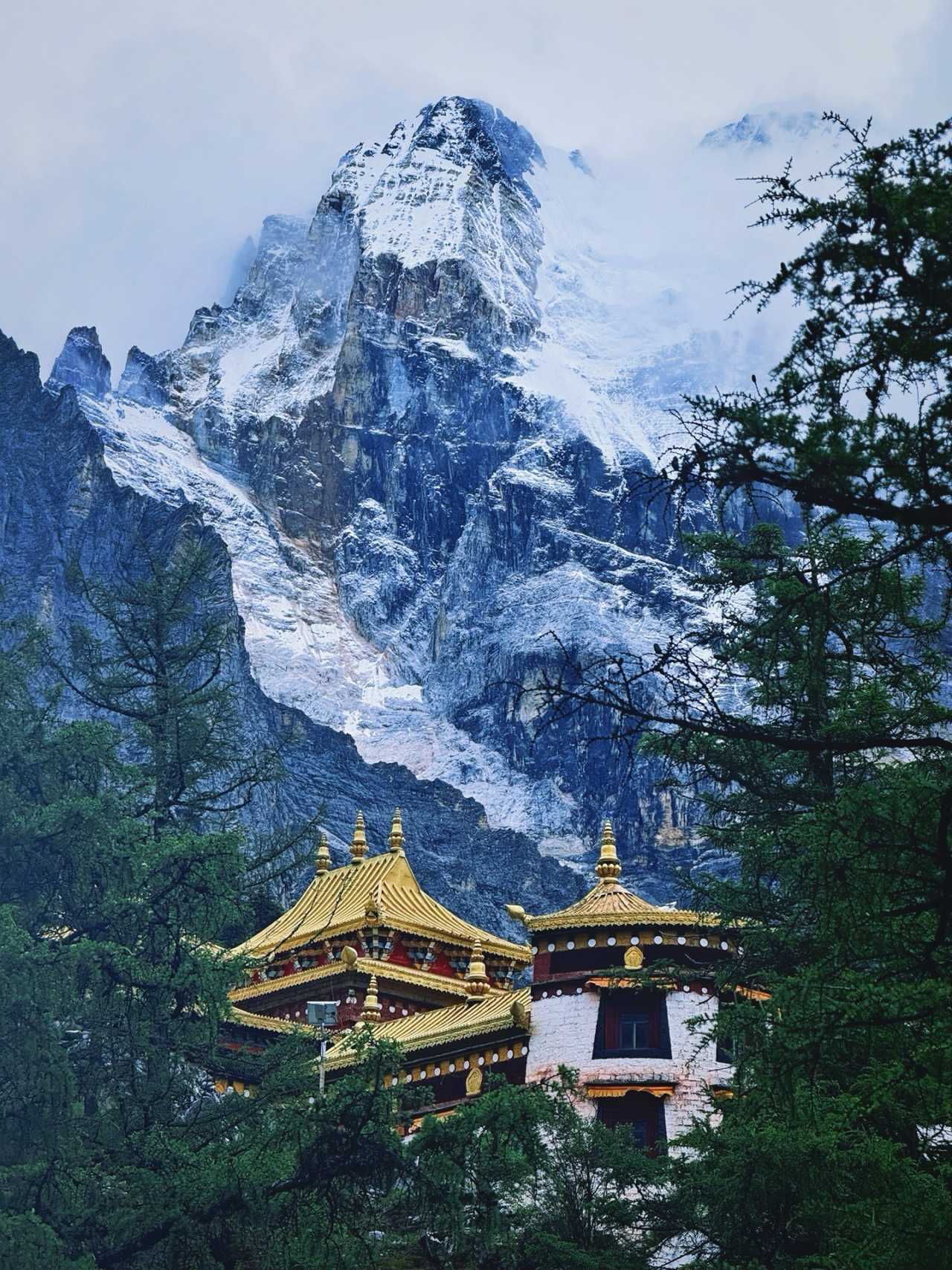
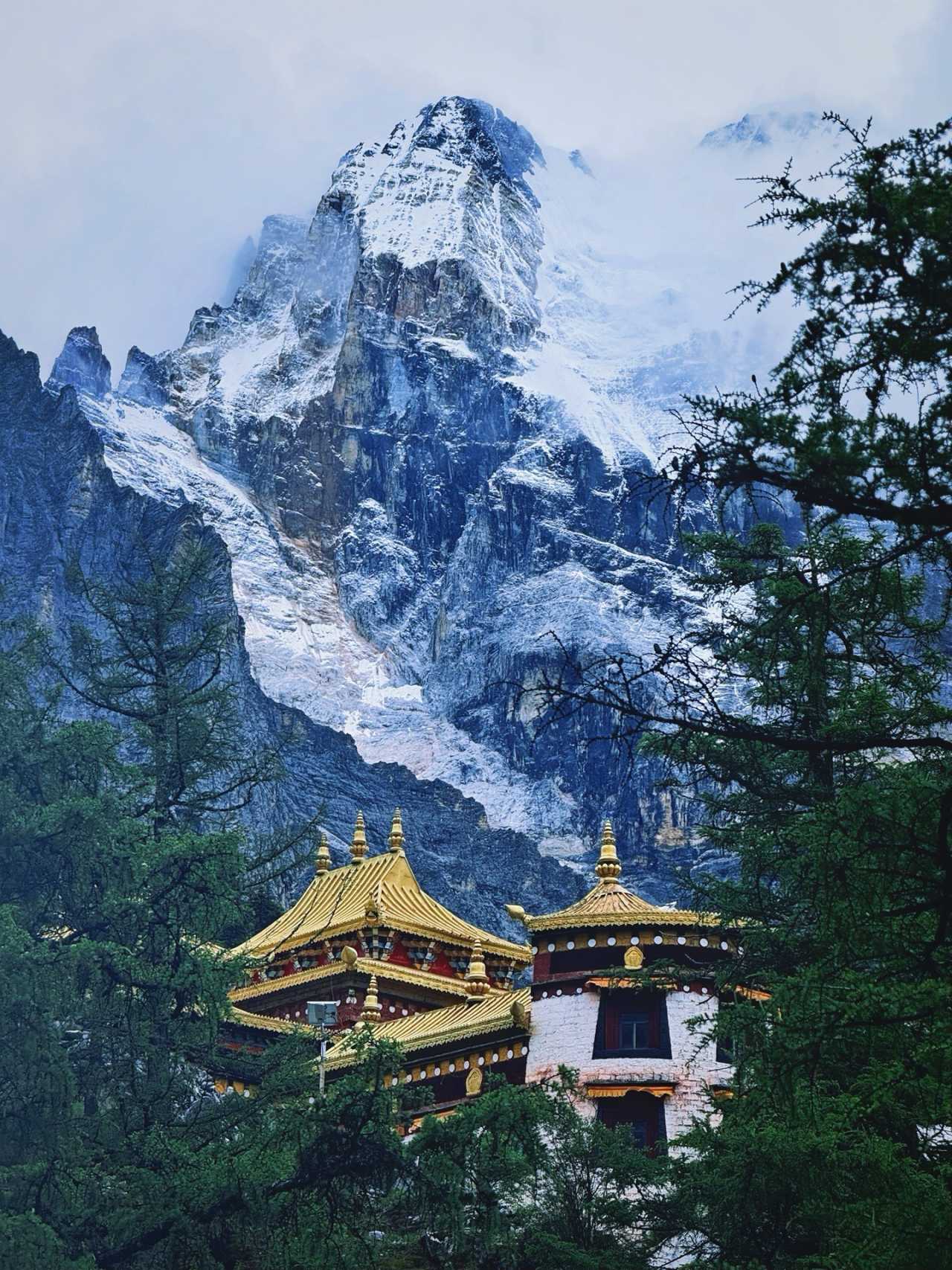
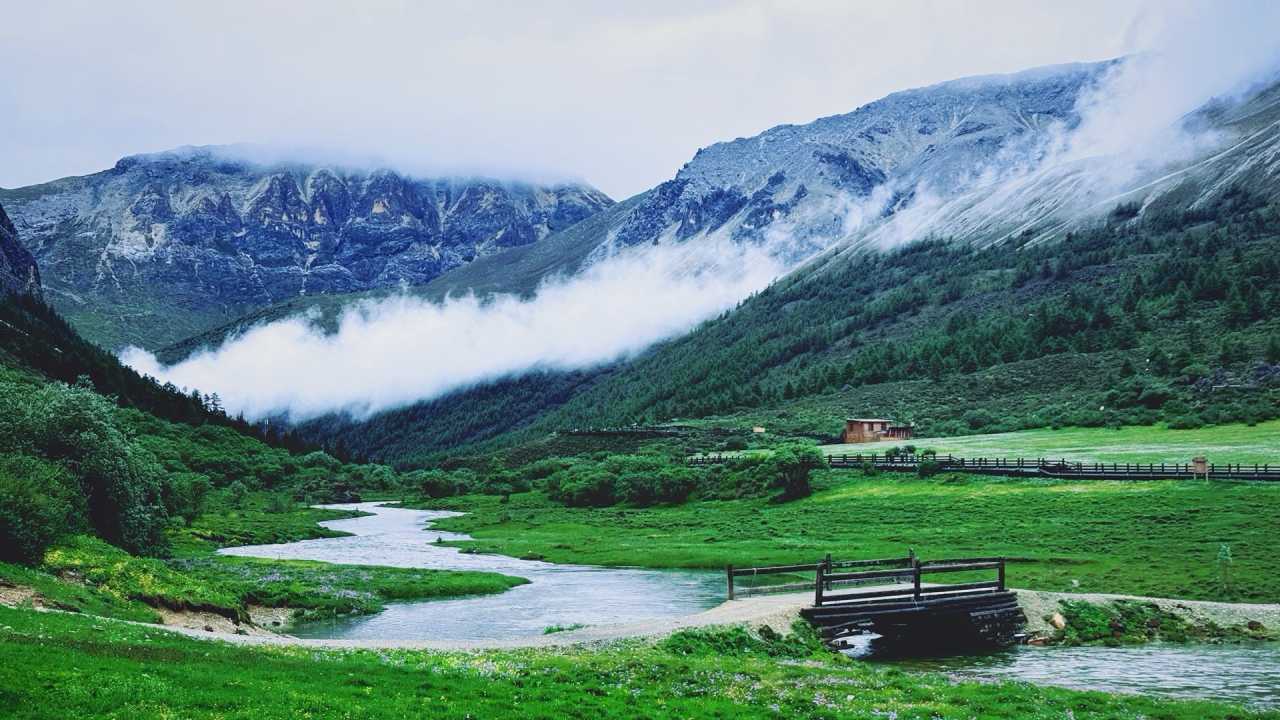
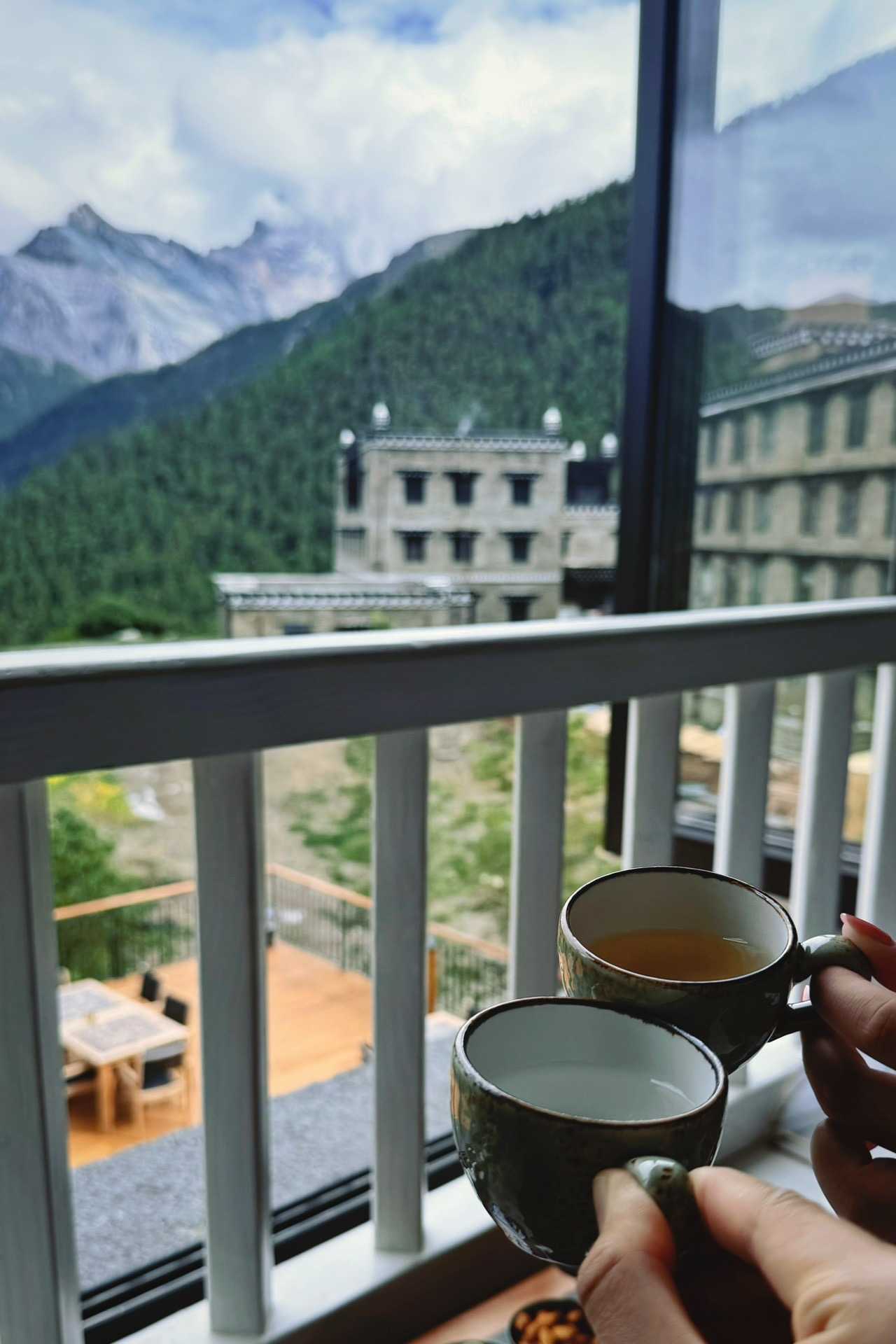
The lodge sits at 3,900 meters, but the rooms are equipped with diffuse oxygen supply that activates automatically at night. This means altitude sickness is no longer a concern. Even better, the rooms face two sacred mountains—Xian Nai Ri and Yang Mai Yong—allowing you to take in the snow-capped peaks and Chonggu Monastery (Chonggu Si) right from your balcony. When the weather is good, the scenery is right before your eyes; when it rains, you simply sit in your room drinking tea, listening to the rain, and watching clouds drift through the valley. This kind of "advance or retreat" flexibility made the trip incredibly relaxing.
Moments That Warm the Heart
Songtsam's service isn't the standardized "welcome" you get elsewhere—it's infused with genuine human warmth.
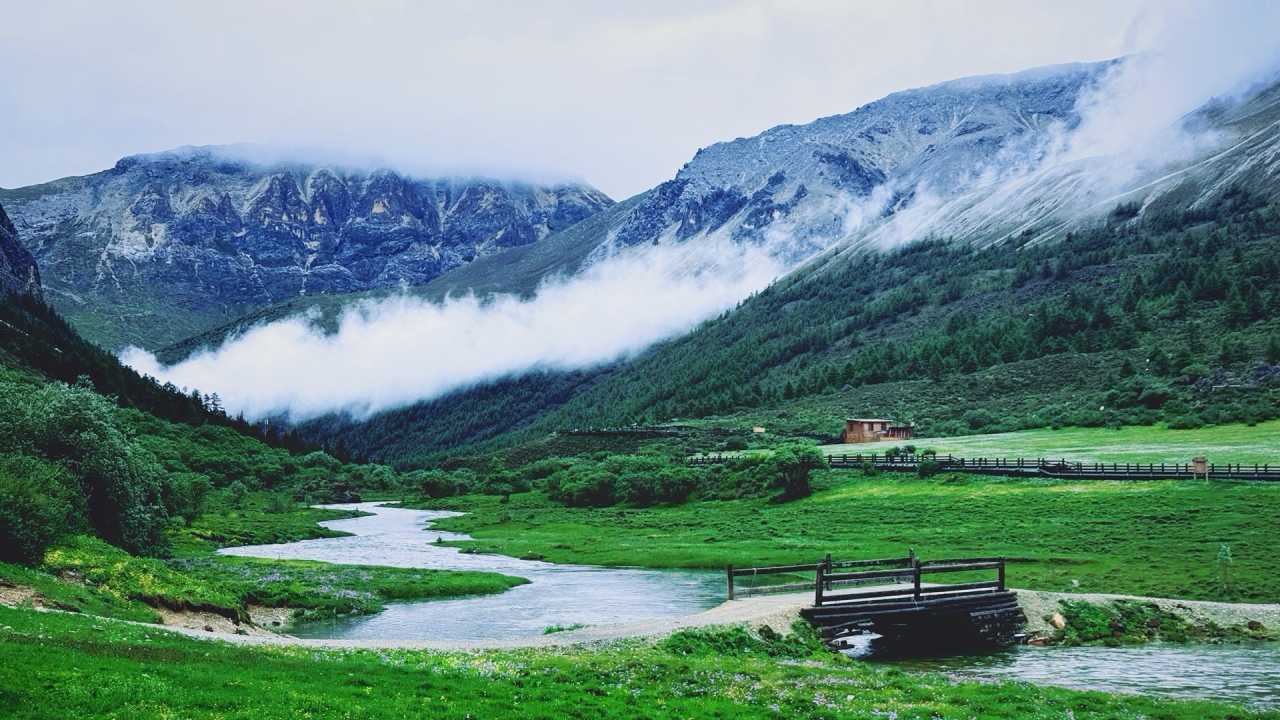
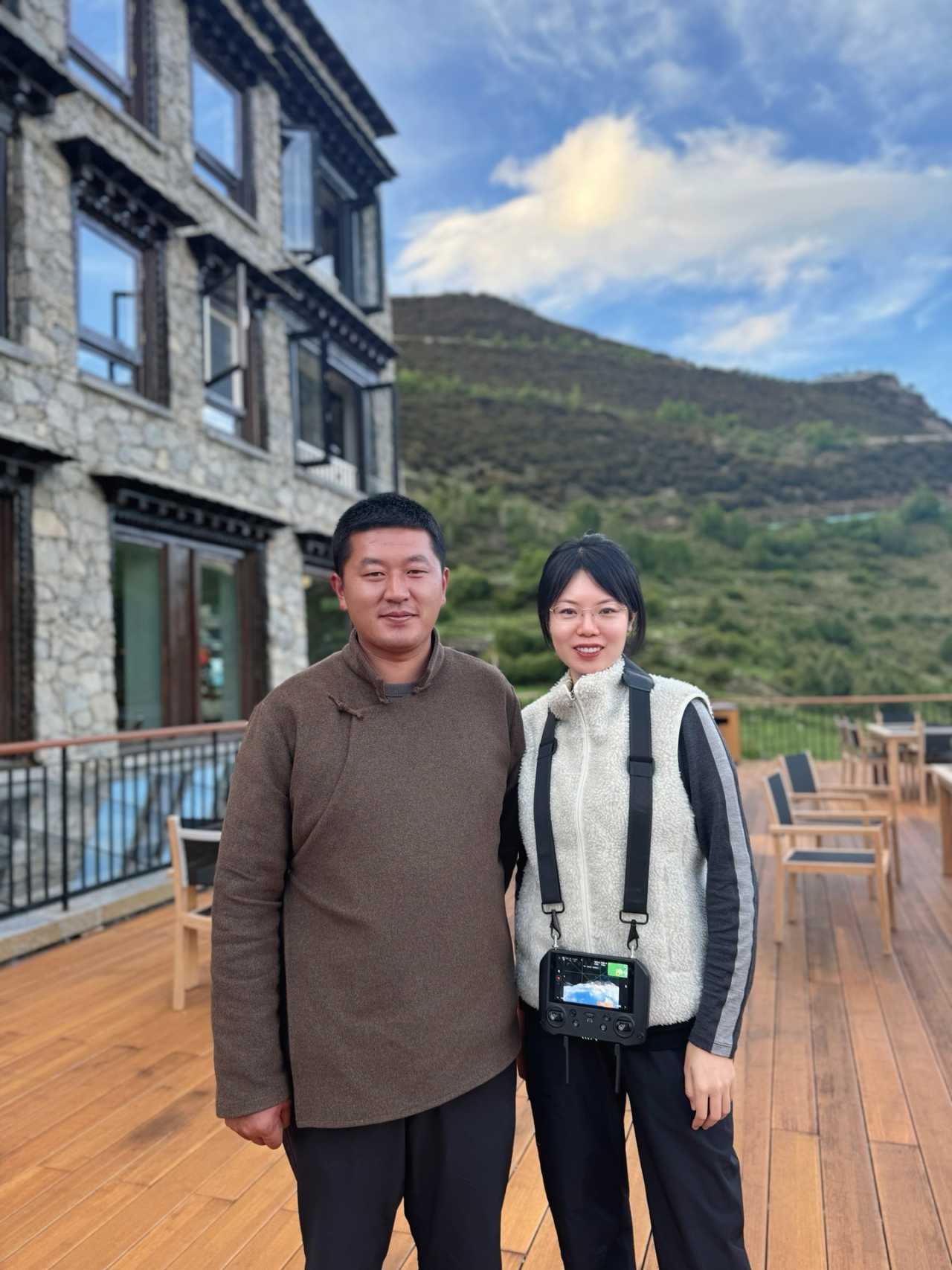
On the first night, my friend and I were chatting in the restaurant when a staff member suddenly rushed over and said, "It's cleared up outside—you can see Xian Nai Ri!" I immediately dashed back to my room to grab my drone—a brand-new Mavic 3 Pro I'd barely had time to warm up. Three minutes into flying, it crashed. Without a second thought, the hotel manager led staff and us up the mountain to search for it. Fortunately, the drone was just hanging on a bush, completely unharmed. The manager said casually, "No worries, we've picked up quite a few of these." In that moment, they saved not just a machine, but our excitement for the trip.
On the second day, while hiking the short route, we ran into two young male staff members from Songtsam. One was a local who knew the mountain paths like the back of his hand. He led us through forest trails, avoiding the crowded boardwalks. The other one proactively helped carry our backpack—which contained the drone and a Sony 70200GMII lens, no lightweight. True kindness often hides in these small details.
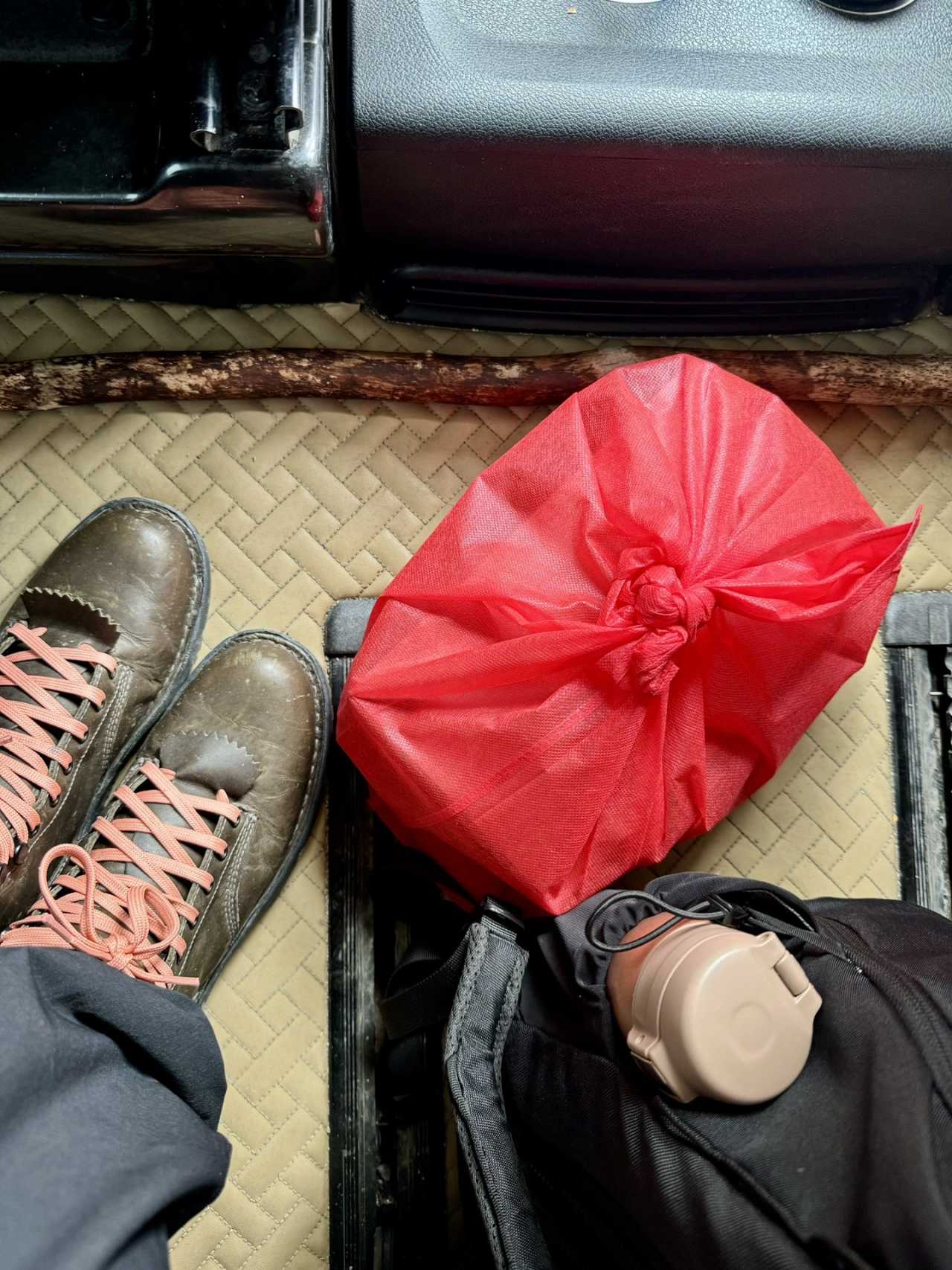
When we left, Songtsam even packed fruit and yogurt for us to eat on the road. From the khata (ceremonial scarf) offered when we stepped out of the car to the food package at departure, every step made us feel genuinely cared for.
Dining at Songtsam: The Joy of Being "Fattened"
Anyone who has been to western Sichuan knows that meals along the way are mostly just about survival. But Songtsam's restaurant far exceeded expectations. Three meals a day, plus afternoon tea and a bedtime tonic—every meal was so abundant it made you wonder if you were actually on vacation. The menu cycles every two days, so no need to worry about repetition. If you're planning to hike the long route, just let the hotel know in advance, and they'll prepare packed congee and snacks, placed at the front desk for guests to take.
The only "problem"? You'll gain weight.
[Link: Best luxury hotels in Daocheng Yading area]
Exploring Daocheng Yading: Three Hiking Routes for Every Traveler
Once you've built the right understanding of Daocheng Yading, you'll discover: there's more to this place than just summiting.
The Scenic Area's Three Routes—Don't Just Focus on the Long One
The official scenic area divides the hiking routes into three:
1. Avalokiteshvara Compassion Route (Guanyin Cibei Xian)
- Distance: ~3 km round trip
- Elevation gain: Minimal (3,900m to 4,100m)
- Time: 1.5–2 hours
- Highlights: Pay homage to Xian Nai Ri, passing through Chonggu Monastery, Zhuoma Laco, Pearl Lake (Zhenzhu Hai), and Chonggu Meadow (Chonggu Caodian)
- Best for: Beginners, families, photographers
This is the "short route" most visitors know. It's relatively flat, well-maintained, and offers stunning views of Xian Nai Ri reflected in Pearl Lake. Perfect for acclimatization day.
2. Manjushri Wisdom Route (Wenshu Zhihui Xian)
- Distance: ~5 km round trip
- Elevation gain: Moderate (3,900m to 4,300m)
- Time: 3–4 hours
- Highlights: View Xia Nuo Duo Ji and Yang Mai Yong from afar, extending toward Shengshui Men (Holy Water Gate)
- Best for: Those seeking solitude and spiritual connection
Most people only hike the long route and short route, completely overlooking the Manjushri Wisdom Route. In fact, this route is the true hidden gem—fewer crowds, more intimate mountain views, and a genuine sense of pilgrimage. The trail winds through ancient forests, past prayer flags, and offers perspectives of the sacred peaks that most tourists miss.
3. Vajra Challenge Route (Jingang Tiaozhan Xian)
- Distance: ~10 km round trip
- Elevation gain: Significant (4,400m to 4,700m)
- Time: 6–8 hours
- Highlights: Gongga Lake (Gongga Cuo), Milk Lake (Niu Nai Hai), Five-Color Lake (Wu Se Hai)
- Best for: Experienced hikers, photographers, those seeking the iconic summit experience
This is the "summit route" everyone talks about. Start early (before 8 AM) to avoid afternoon weather changes. Bring plenty of water, snacks, and oxygen. The final ascent is steep boardwalk steps—take it slow.
[Link: Complete Daocheng Yading hiking guide with elevation maps]
Practical Tips for Your Daocheng Yading Pilgrimage
Best Time to Visit
- May–June: Spring flowers, fewer crowds, but occasional rain
- July–August: Peak season, warmest weather, but crowded and expensive
- September–October: Golden autumn colors, clear skies, ideal photography conditions
- November–April: Snow season, many routes closed, extreme cold
Essential Packing List
 - Layered clothing: Base layer, fleece, waterproof jacket - Sun protection: SPF 50+ sunscreen, sunglasses, wide-brimmed hat - Altitude aids: Portable oxygen cans, Diamox (consult doctor), ginger tea - Hydration: Electrolyte packets, insulated water bottle - Footwear: Broken-in hiking boots with good ankle support - Camera gear: Wide-angle lens, polarizing filter, drone (check regulations)
How to Avoid Altitude Sickness
- Acclimate properly: Stay in Shangri-La Town (2,800m) for 1–2 nights before entering the scenic area
- Stay at Songtsam Yading Lodge (3,900m with oxygen supply) instead of lower-altitude hotels
- Avoid alcohol and heavy meals during your first 24 hours
- Walk slowly—the "Tibetan pace" (rest every 20 steps) works
- Hydrate constantly—aim for 3–4 liters of water daily
Frequently Asked Questions About Daocheng Yading
Q1: Is Daocheng Yading worth visiting despite the high costs?
 A: Absolutely—if you plan properly. The key is avoiding the "pay money to suffer" trap. Stay at a lodge like Songtsam with oxygen supply, choose the right season (September–October), and don't force the summit hike if you're struggling. The sacred mountains and holy lakes are breathtaking when experienced at your own pace.
Q2: What's the easiest way to get to Daocheng Yading?
 A: Fly into Daocheng Yading Airport (world's highest civilian airport at 4,411m). From there, take a taxi or hotel transfer to Shangri-La Town (1 hour) or directly to Yading Village (1.5 hours). Alternatively, drive from Chengdu (2 days via the Sichuan-Tibet Highway) for a gradual altitude acclimation.
Q3: Can I visit Daocheng Yading in one day?
A: Technically yes, but it's not recommended. A one-day visit means rushing the long route (6–8 hours) while battling altitude sickness from the airport. A 3-day itinerary allows proper acclimation, exploration of all three routes, and time to appreciate the sacred landscape.
Q4: Which hiking route is best for beginners?
 A: The Avalokiteshvara Compassion Route (short route) is perfect for beginners. It's flat, short (1.5–2 hours), and offers stunning views of Xian Nai Ri and Pearl Lake. For a moderate challenge, try the Manjushri Wisdom Route—fewer crowds and more spiritual atmosphere.
Q5: What should I do if I experience severe altitude sickness?
A: Descend immediately to lower elevation. Shangri-La Town (2,800m) is the nearest safe zone. Symptoms include severe headache, nausea, confusion, and shortness of breath at rest. Carry portable oxygen and know the location of the nearest medical clinic (at the scenic area visitor center). If symptoms worsen, seek emergency evacuation.
Conclusion: Your Pilgrimage Awaits
Daocheng Yading is not a destination for the unprepared, but it rewards those who approach it with respect and patience. Whether you choose to summit the Vajra Challenge Route or simply sit on your balcony watching clouds drift past sacred peaks, this land offers something profound.
Your next step: Book your Songtsam Yading Lodge stay and plan a 3-day itinerary. Pack smart, acclimatize properly, and let the sacred mountains guide your journey.
[Link: Book Songtsam Yading Lodge] [Link: Daocheng Yading 3-day itinerary PDF] [Link: Western Sichuan travel insurance recommendations]
Have you visited Daocheng Yading? Share your experience in the comments below—or ask your questions, and our travel experts will respond within 24 hours.
Internal Linking Suggestions: - [Link: Complete guide to western Sichuan plateau travel] - [Link: Altitude sickness prevention and treatment] - [Link: Best photography spots in Daocheng Yading] - [Link: Songtsam hotel collection across Tibet and Sichuan] - [Link: Tibetan Buddhism and sacred mountain pilgrimage traditions]
You may also like


