Classic Western Sichuan Grand Loop 7-Day Tour: Daocheng & Sertar Guide & Pitfall Avoidance Tips
Meta Description: Planning a Western Sichuan trip? Our 7-day Daocheng + Sertar small group tour journal covers altitude sickness remedies, packing lists, pit toilet survival tips, and 5 critical tour group traps. Read before you book.
Introduction: Finally Answering the Call of Western Sichuan
"There is a place called Daocheng. I want to go there with the one I love most — to see the azure sky, the white snow-capped mountains, the golden meadows, and a fairy tale of autumn."
That line from I Belonged to You stayed buried in my heart for five years. In September 2024, I finally set foot on Western Sichuan soil to keep this long-overdue promise.
Seven days, six nights. Starting from Chengdu, winding through Xinduqiao, Litang, Daocheng, and Sertar, then back to Chengdu. Along the way, I witnessed seas of clouds rolling like a celestial realm — and survived the legendary "toxic gas attack" of pit toilets. I captured a double rainbow streaking across the sky, and experienced altitude sickness so severe I wanted to lie down on the spot.
If you're planning this classic loop, save this guide. It will save you time, money, and misery.
[Link: Best time to visit Western Sichuan]
1. Pre-Trip Preparation: Don't Let Small Details Ruin Your Dream Trip
1.1 What to Pack: Four Seasons in One Day Is Real
Western Sichuan's altitude ranges from a few hundred meters to nearly 5,000 meters. Temperature swings are brutal. I watched a fellow traveler wear short sleeves in the morning and wrap up in a down jacket by afternoon.
Your battle-tested packing list:
- Shell jacket with removable fleece liner – Windproof, waterproof, and warm. Highly recommended.
- Thermal underwear + cotton jacket – Essential for September onward or if you get cold easily.
- Sun protection trio – Sun hat, sunglasses, face mask. UV is fierce. My companion carried only a handbag for half a day; the back of her hand got severely sunburned.
- Quick-dry base layer – If you sweat easily, this is non-negotiable. Damp clothes never dry at high altitude, and you'll catch a cold fast.
- Disposable rain poncho + umbrella – Ponchos work better in windy rain; umbrellas are better for photos when there's no wind.
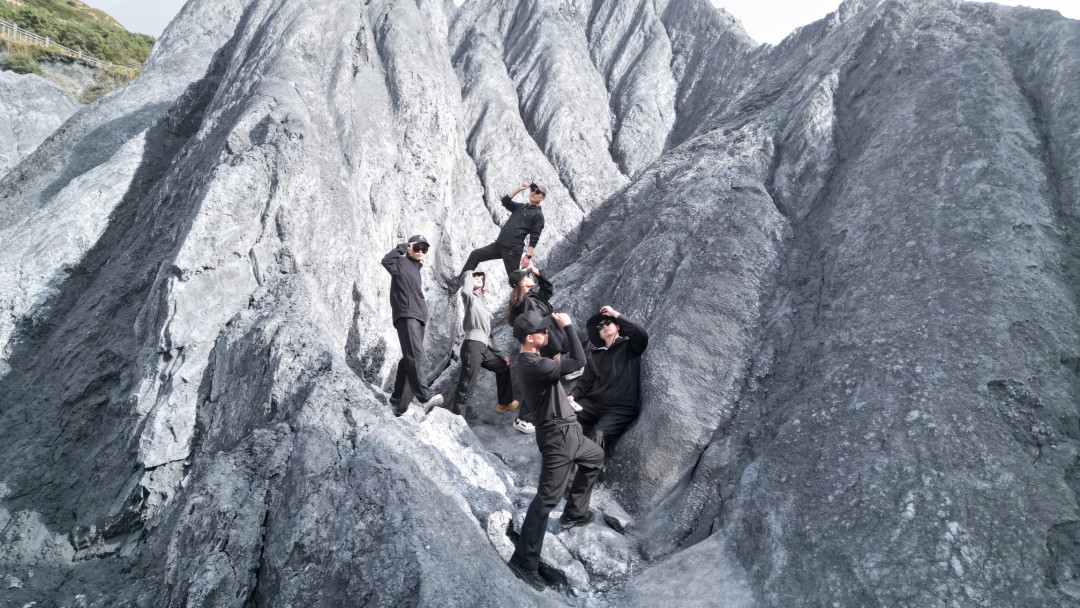
- Outfit by attraction: Moshí Park (Mo Stone Park) – dark gray cool-style; grassland horse riding – cowboy gear; Sertar – red-and-white tones or Tibetan costume photography; Daocheng Yading and Mount Siguniang – bright, vibrant colors.
[Link: Western Sichuan packing checklist PDF]
1.2 Medications: A Doctor's Honest Advice
As a general surgeon, I take medication prep seriously. Here's what worked for me and my group:
- Anti-diarrhea meds – Montmorillonite powder and berberine. High-altitude diet is heavy on meat, and water often doesn't boil properly. Diarrhea is extremely common. A veteran hiker in our group — who had trekked snowy mountains for years — fell victim to this.
- Oxygen cans – Forget the "oxygen addiction" myths. Portable oxygen is the most effective altitude sickness relief. Prepare 2–4 cans per person. Buy them in downtown Chengdu or via JD Express — they're several times cheaper than at scenic spots.
- Rhodiola rosea – Controversial, but I took "Gaoyuan'an" Rhodiola capsules two weeks in advance and had no severe altitude sickness. Only two people in our van hadn't taken it — both experienced varying degrees of altitude sickness, and one missed attractions.
- Painkillers – Ibuprofen, loxoprofen sodium. Important: If symptoms don't improve after medication, don't increase the dose and tough it out. Painkillers can mask serious conditions.
- Motion sickness meds/patches – I prided myself on never getting carsick. I completely surrendered on Western Sichuan's winding roads. Night driving, poor visibility, long bumpy rides — stock up.
- Vitamin C – Western Sichuan has plenty of meat but scarce vegetables and fruits. Long-term lack of vitamin C affects your physical condition.
- Cold medicine – Gankang or similar. Getting caught in rain or chilled at high altitude can trigger low-grade fever. Altitude sickness + cold = pure misery.
- Erythromycin ointment – Good for small wounds and chapped lips. A true "small external miracle cure."

⭐ Altitude Sickness Symptom Self-Check List
Altitude sickness isn't just a headache. Common symptoms include: - Headache (spreading from temples to back of head) - Frequent and urgent urination (extremely common) - Numbness in hands, feet, and cheeks (distal limb oxygen deficiency) - Chest tightness and shortness of breath - Nausea and vomiting - Insomnia - Palpitations and increased heart rate
Once these appear, no preventive medication works as well as breathing oxygen. In severe cases, go to an emergency station for oxygen therapy immediately. Don't delay treatment out of attachment to the scenery.
[Link: Altitude sickness treatment options in Western Sichuan]
1.3 Daily Essentials: Details Make the Experience
- Moisturizing trio – Lip balm, body lotion, hand cream. From day three, my lips were chapped and I had nosebleeds. I still haven't fully recovered.
- Dental floss/toothpicks/disposable mouthwash – Diet is mostly meat. Oral hygiene matters.
- Wet wipes – Many toilets have no place to wash hands. Wet wipes are a lifesaver.
- Insulated water bottle – Most scenic spots and service points have hot water.
- Disposable bed sheets/socks/underwear – Some hotels have questionable hygiene. Showering at high altitude is not recommended.
- Sleep trio – Neck pillow, eye mask, earplugs.
- SIM card – In many areas, other carriers have no signal. China Mobile barely holds up.
- Deodorizing mask – Western Sichuan's pit toilets are "legendary" for a reason. The first encounter nearly knocked the breath out of me. Cherish your life and reduce bathroom frequency.
- Cash – Actually not needed. Western Sichuan has kept up with the times; even paid toilets accept QR code payments.
1.4 Food: Joy on the Road
- Cola – Happy little sugary drink. Quickly replenishes energy and relieves brain hypoxia.
- Snickers/energy bars – Prepare some for the Daocheng hiking day.
- Sour plum candy – Tested and proven to be extremely popular.
- Bagged chips – Besides eating, you can film a vlog of the bag puffing up at high altitude.
- Empty "Brave the World" beer can – Great for photos. Absolutely no alcohol at high altitude.
- Self-heating hot pot/instant rice – If you're obsessed with hot food, bring some. You can also buy them at gas stations along the way.
- Black coffee – Refreshing and fatigue-relieving. Use with caution if you experience palpitations.
2. Tour Group Tips: I've Stepped in These Traps for You
This time, I chose a 2–8 person pure-play small group tour, costing 2,600 RMB per person. Overall experience was "mixed" — the scenery was stunning, my fellow travelers were great, but the travel agency, itinerary, and guide all had aspects that disappointed me.
If you're also planning to join a small group, remember these 5 points:
2.1 Ask About the Vehicle Model and Speed Limit
This accounts for 50% of the travel experience. Different companies have different speed limits and engine displacements, directly affecting daily travel time and comfort. Our van was strictly limited to 60 km/h — meaning we left early and returned late, and even missed some optional attractions due to time constraints.
2.2 Verify the Route and Self-Paid Costs
Some agencies advertise "all-inclusive" but add hidden self-paid items. Ask clearly: - Which attractions have entrance fees included? - Which meals are covered? - Are there any mandatory tips or service charges? - What happens if the route changes due to weather or road conditions?
2.3 Check the Guide's Experience
A good guide makes or breaks the trip. Our guide was knowledgeable about the scenery but poor at managing time and group dynamics. Ask about the guide's experience level, especially for high-altitude routes.
2.4 Read Reviews Carefully
Don't just look at star ratings. Read recent reviews — especially negative ones — to spot recurring issues like vehicle breakdowns, poor accommodation, or rushed itineraries.
2.5 Confirm Cancellation and Refund Policies
Weather and altitude sickness can force changes. Make sure you understand the cancellation policy before booking. Some agencies offer partial refunds; others don't.
[Link: How to choose a Western Sichuan tour group]
3. Day-by-Day Itinerary Breakdown
Day 1: Chengdu → Xinduqiao (Altitude: 3,300m)
Depart early from Chengdu. The drive takes about 6–7 hours with stops. Highlights include the Kangding love song culture area and the Zheduo Mountain pass (4,298m). Expect your first altitude sickness symptoms here — headache and shortness of breath are common.
Accommodation: Xinduqiao. Basic but clean hotels with heating and hot water.
Day 2: Xinduqiao → Litang (Altitude: 4,014m)
Morning visit to Moshí Park (Mo Stone Park) — a unique black stone landscape. Afternoon drive to Litang, known as the "City of the Sky." The altitude here is challenging. Take it slow, drink plenty of water, and use oxygen if needed.
Pro tip: Litang has excellent Tibetan butter tea. It helps with altitude adjustment.
Day 3: Litang → Daocheng (Altitude: 3,700m)
Short drive (about 2 hours). Use this day to acclimatize. Visit the Daocheng Ancient City in the afternoon. Avoid strenuous activity.
Accommodation: Daocheng town. Better options than Xinduqiao. Many hotels have oxygen rooms.
Day 4: Daocheng Yading Full-Day Hike (Altitude: 4,100–4,700m)
The highlight of the trip. Start early (before 7 AM). The hike to Milk Lake and Five-Color Lake is challenging but rewarding. Bring: - At least 2 liters of water - Energy bars and snacks - Oxygen cans (2–3 per person) - Rain gear - Sun protection
Warning: This is the most physically demanding day. If you feel severe altitude sickness, turn back. There's no shame in prioritizing safety.
Day 5: Daocheng → Sertar (Altitude: 4,127m)
Long driving day (about 8 hours). The scenery along the way is spectacular — grasslands, yaks, and prayer flags. Arrive at Sertar in the evening.
Accommodation: Sertar. Basic but functional. Prepare for cold nights — temperatures can drop below freezing even in September.
Day 6: Sertar Full-Day Tour
Visit the famous Sertar Larung Gar Buddhist Academy. The red houses covering the valley are a photographer's dream. Dress modestly (shoulders and knees covered). Photography inside certain buildings is prohibited.
Pro tip: Go early (before 8 AM) to avoid crowds and get the best light for photos.
Day 7: Sertar → Chengdu
Long drive back (about 10 hours). Depart early. The descent from high altitude often brings relief from altitude sickness symptoms. Arrive in Chengdu by evening.
4. Budget Breakdown (Per Person)
| Item | Cost (RMB) |
|---|---|
| Small group tour | 2,600 |
| Self-paid meals (7 days) | 500–800 |
| Oxygen cans (4 cans) | 100–200 |
| Medications | 100–200 |
| Souvenirs | 200–500 |
| Total | 3,500–4,300 |
[Link: Western Sichuan travel budget guide]
5. FAQ: Your Questions Answered
Q1: Is it safe to travel to Western Sichuan alone?
Yes, but join a small group for safety. Altitude sickness, poor road conditions, and limited medical facilities make solo travel risky for first-timers.
Q2: When is the best time to visit Western Sichuan?
September to October is ideal — clear skies, golden meadows, and comfortable temperatures. July–August is rainy season. November–March is very cold with road closures possible.
Q3: How do I prevent altitude sickness?
- Ascend gradually (don't fly directly to high-altitude areas)
- Stay hydrated
- Avoid alcohol and heavy meals
- Use oxygen when symptoms appear
- Consider Rhodiola rosea or acetazolamide (consult your doctor)
Q4: Can I do this trip with children?
Not recommended for children under 12. High altitude can be dangerous for young children. For older children, consult a pediatrician and prepare thoroughly.
Q5: What if I get sick during the trip?
Most towns have clinics or hospitals. For severe altitude sickness, emergency evacuation to lower altitude is available. Your tour guide should have emergency contact numbers.
6. Final Tips: What I Wish I'd Known
- Start Rhodiola rosea two weeks before departure. It made a noticeable difference for me.
- Buy oxygen in Chengdu. Scenic spot prices are 3–4x higher.
- Bring a power bank. Many scenic spots have no charging facilities.
- Don't shower on the first two days. Hot water dilates blood vessels and can worsen altitude sickness.
- Pack light. You'll be moving every day. A 40L backpack is enough.
- Respect local culture. Don't photograph monks or religious ceremonies without permission.
- Be prepared for delays. Road conditions can change suddenly. Build buffer time into your itinerary.
[Link: Western Sichuan travel insurance recommendations]
Ready to Book Your Western Sichuan Adventure?
This classic loop offers some of China's most breathtaking landscapes — but it demands preparation and respect. Whether you're chasing the golden meadows of Daocheng or the red valleys of Sertar, the key is to plan smart, pack wisely, and stay flexible.
Your next step: Download our free Western Sichuan packing checklist and tour comparison spreadsheet. [Link: Free download]
Or, if you're ready to book, check out our recommended small group tours with verified reviews and transparent pricing. [Link: Recommended tours]
The mountains are calling. Answer them — but answer prepared.
Have you done the Western Sichuan Grand Loop? Share your tips and experiences in the comments below!
You may also like


