Chengdu Travel Guide: Unpacking the Mortal Joys of Sichuan's Capital City
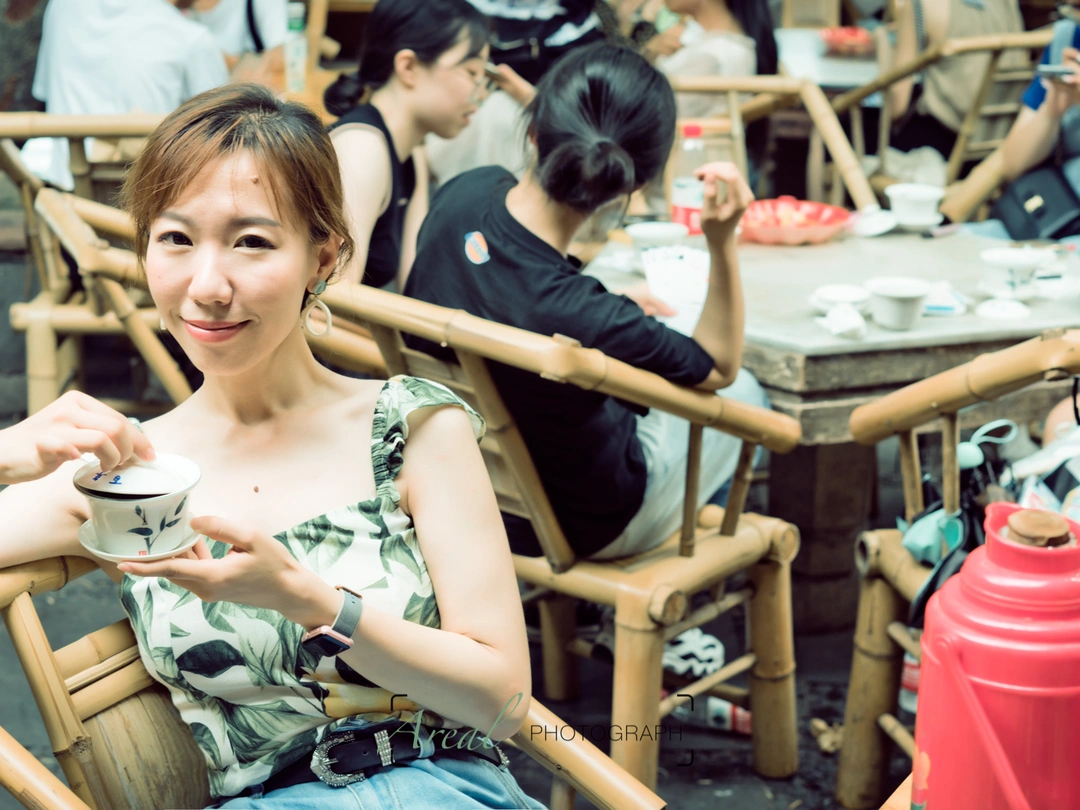
Meta Description: Discover Chengdu's unmissable mortal joys—from misty Mount Qingcheng hikes to fiery hotpot nights. Your collector's edition guide to experiencing Sichuan's soul through slow travel, ancient temples, and hidden teahouses.
Introduction: Why Chengdu Is a City You Can Never Fully Pack Away
Some cities you visit. Others—like Chengdu—you feel. As the capital of Sichuan Province, this sprawling metropolis has earned a reputation as China's "City of Leisure," where life moves at a deliberate, unhurried pace. But when it's time to say goodbye, you realize the most precious souvenirs aren't things you can stuff into a suitcase. They're the breeze through Kuanzhai Alley, the mist clinging to Mount Qingcheng's peaks, the laughter spilling from hotpot restaurants after dark.

For food and travel writers who've visited Chengdu multiple times, the challenge becomes preserving that intangible magic. This guide offers a collector's edition approach—blending practical travel tips with poetic reflection. We'll venture beyond the city's famous hotpot joints to discover another side of Chengdu: one carved into mountain trails, written into ancient Taoist legends, and etched into the memory of every traveler who lingers too long.
Mount Qingcheng: Where Bai Suzhen Cultivated Immortality
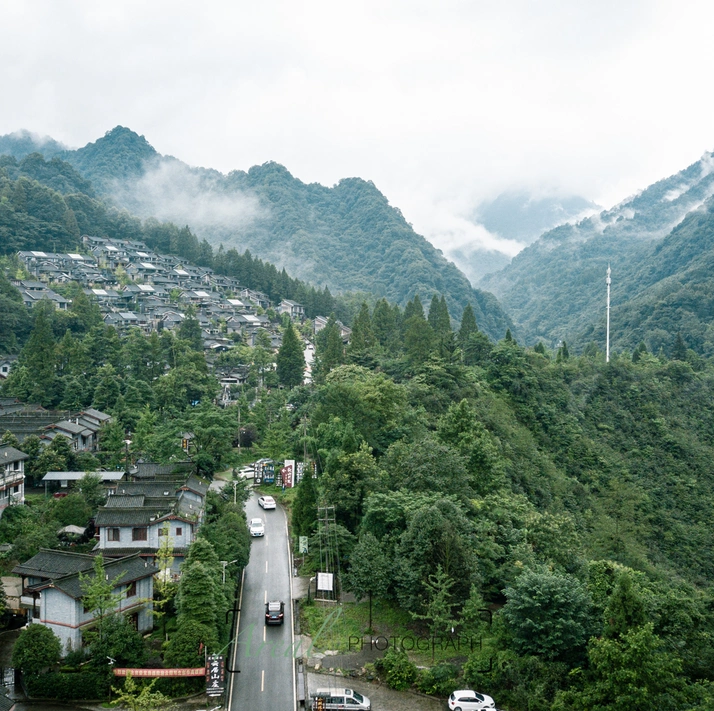
"At the foot of Mount Qingcheng, Bai Suzhen..." That classic Chinese lyric loops in your head as the car winds toward the mountain. But once you step into the forest, you realize this place surpasses any TV drama. Mount Qingcheng, one of Taoism's sacred mountains, offers two distinct experiences:
- Front Mountain (Qianshan): Famous for ancient Taoist temples, curling incense smoke, and serene prayer halls. Perfect for spiritual reflection.
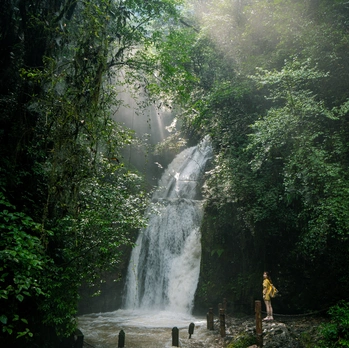
- Back Mountain (Houshan): A pure landscape journey through water-carved ravines, waterfalls, and stone paths. Ideal for hiking enthusiasts.
Hiking the Back Mountain: A 6-Hour Immersion
For serious hikers, the full Back Mountain loop takes about six hours: start from Tai'an Ancient Town, climb past Five Dragon Bridge and Five Dragon Ravine, reach Another Village, then take the White Cloud Cable Car for panoramic views. Descend via Emerald Reflection Lake and the Jinli Cable Car. It's exhausting—but you'll crave more.
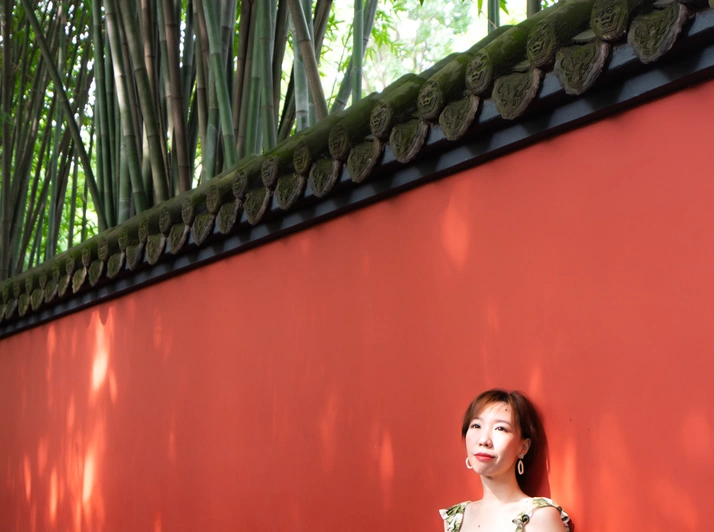
Pro tip: If your stamina is limited (like mine), hike a section and turn back. Travel isn't about conquest; it's about feeling.
Tai'an Ancient Town: The Heart of the Mountain

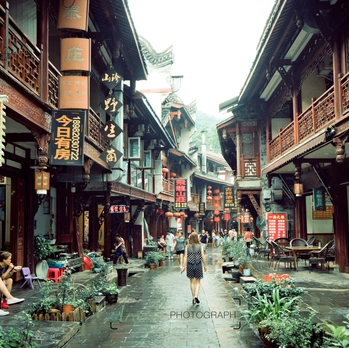
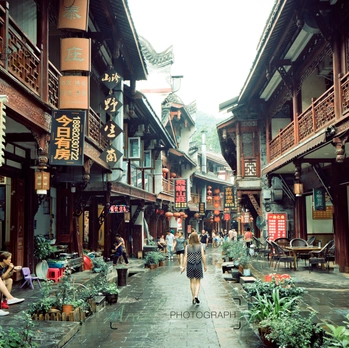
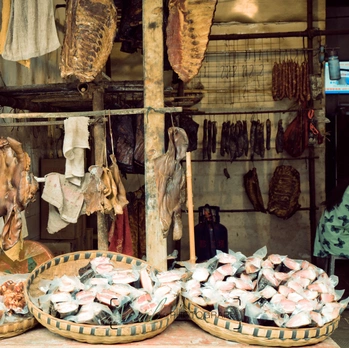
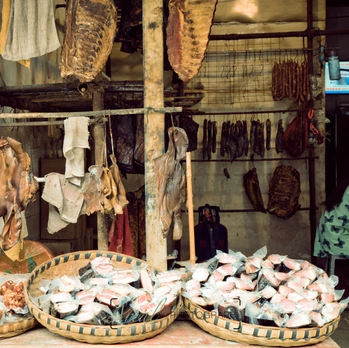
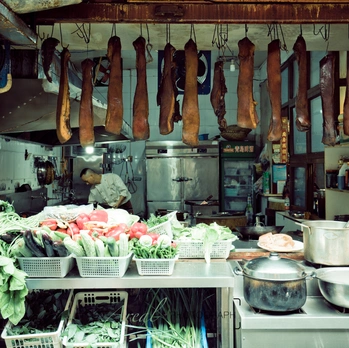
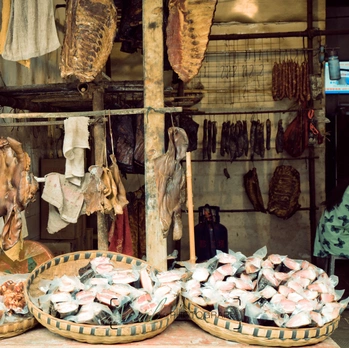
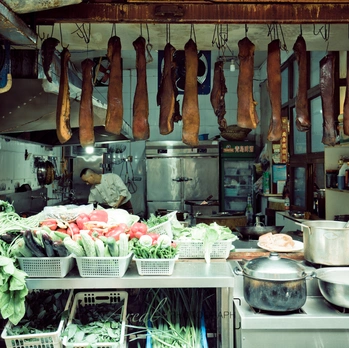
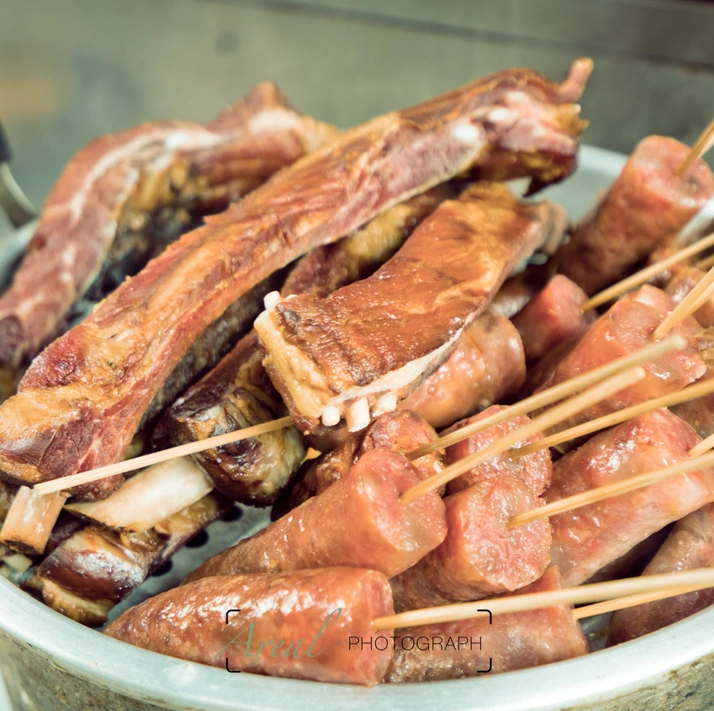
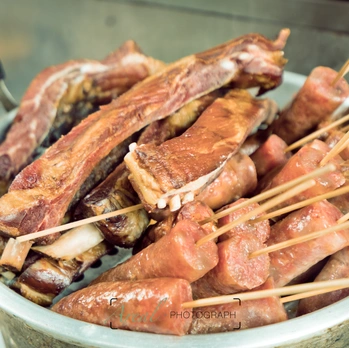
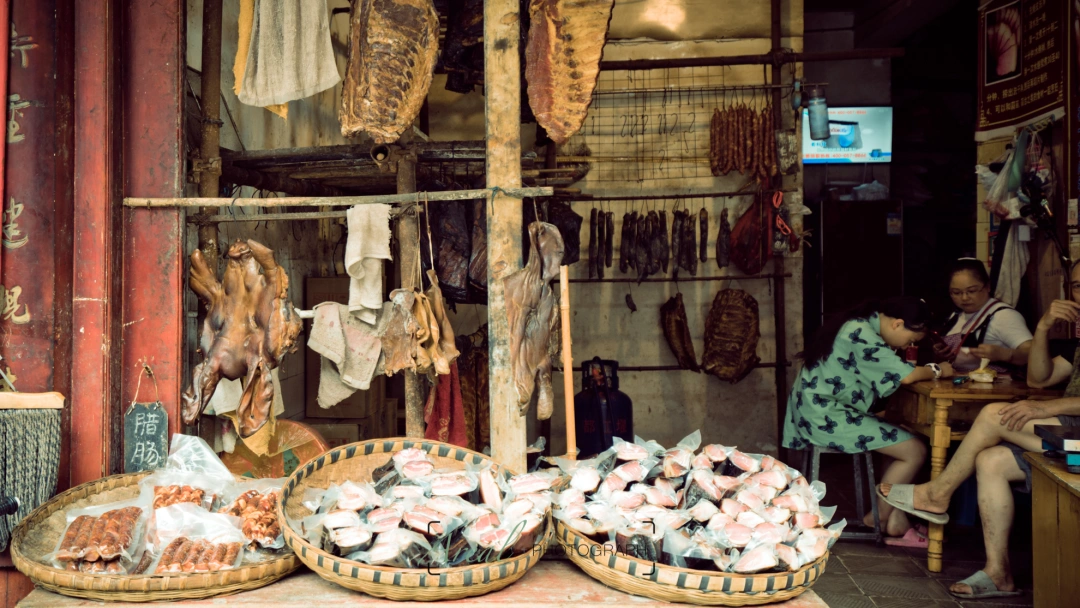
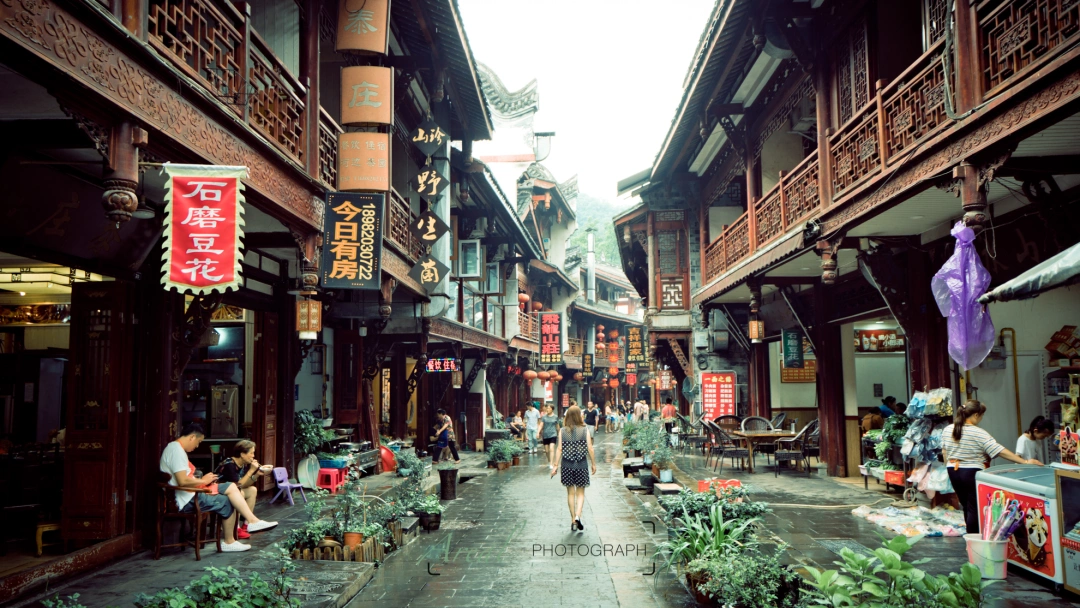
Your first stop at the mountain's base is Tai'an Ancient Town. Unlike suffocatingly commercialized ancient towns, this one retains the quiet simplicity of a Western Sichuan mountain village. Stone-paved lanes are lined with restaurants hanging glistening, oil-slick cured pork belly and sausages—smoky, irresistible, and fairly priced. No tourist traps here.
Five Dragon Ravine: Between Water and Stone
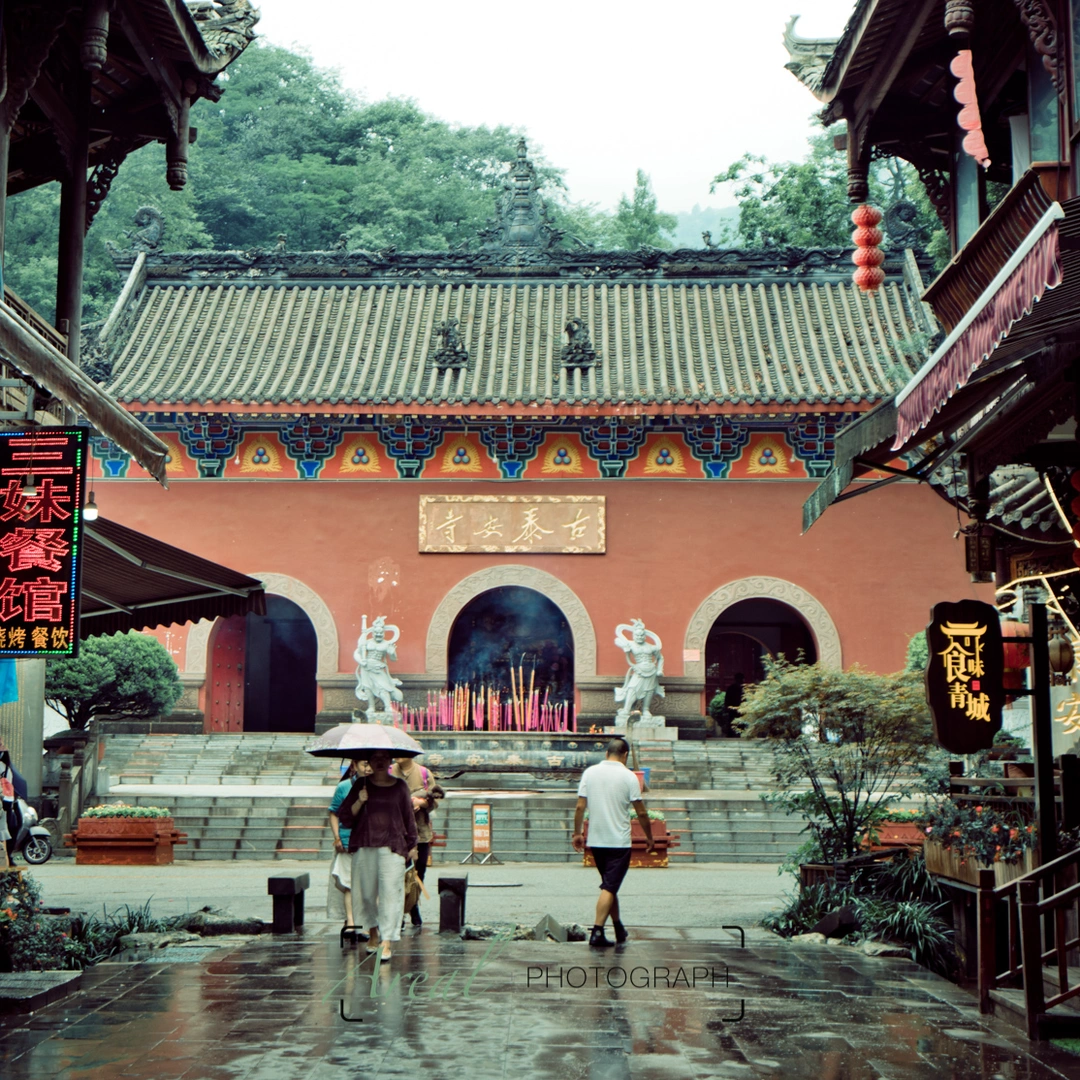
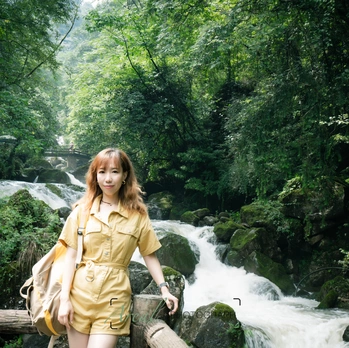
Stepping into Five Dragon Ravine, the first sensation isn't summer heat—it's the cool, misty breath of water. Waterfalls of all sizes accompany your path, their "shhhh" echoing through the valley like natural white noise. At roadside stalls, the aroma of grilled sausages and roasted corn drifts on the breeze. By the stream, people sip tea and chat lazily. Children splash in shallows. Dogs run wild with joy.
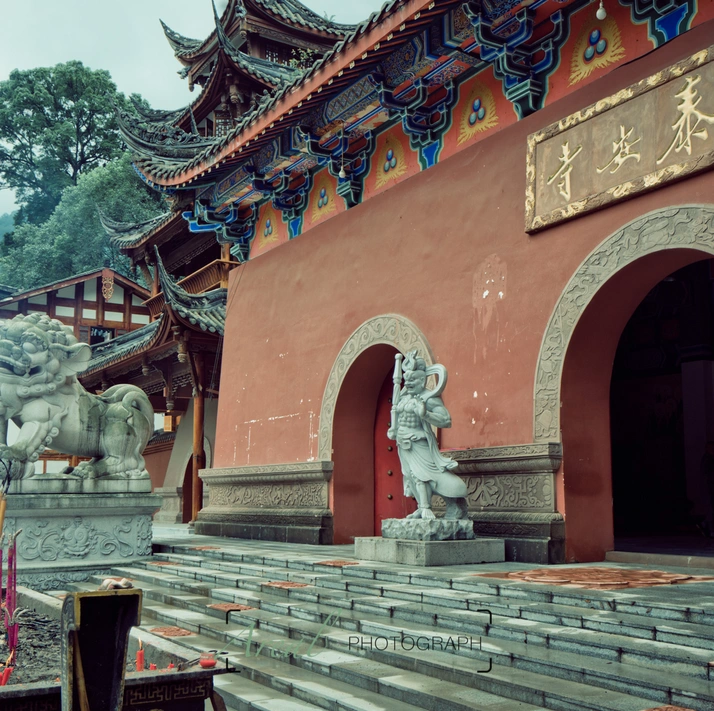
In that moment, you understand why Bai Suzhen chose this place to cultivate immortality. The spiritual energy of heaven and earth blends perfectly with human warmth. It has the serene clarity of a fairy mountain, yet the cozy embrace of the mundane world.
Personal note: I only "cultivated" here for three hours before returning to Chengdu. I made a silent promise: next time, I'll stay longer.
Practical Tips for Visiting Mount Qingcheng
| Transportation | Details |
|---|---|
| Driving | From Chengdu, take Riyue Avenue → Chengdu Ring Expressway → Chengguan Expressway. Exit at Chongyi Interchange, follow Pengqing Road and Dongruan Avenue. |
| High-speed rail | Chengdu North Station runs 20+ trains daily to Mount Qingcheng (every 45 minutes). Trip time: 30 minutes. |
| Bus & taxi | Bus 101 from Dujiangyan Passenger Transport Center, or board from Lidui Gate of Dujiangyan Scenic Area (30 minutes to Front Mountain). Taxis from city center are affordable. |
| Heads-up | Front Mountain is better for seniors; Back Mountain suits family trips with kids. |
[Link: Best hiking trails in Sichuan Province]
Back in Chengdu: Nights Woven with Passion
Returning from Mount Qingcheng to Chengdu feels like falling from a fairyland back into the mortal world. But this city's nights have a charm all their own—one you can't resist.
Chengdu's nights are lively, but never grating or chaotic. Instead, they carry an innate warmth that welcomes everyone. No matter where you're from or what accent you speak, you somehow feel like you belong. This sense of "zero-distance" familiarity is woven into Chengdu's DNA.
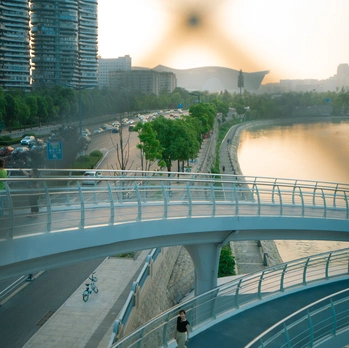
For first-time visitors, Kuanzhai Alley, Jinli Ancient Street, and the Temple of Marquis Wu are must-sees. But even for returning travelers, Chengdu always has some corner that never grows old. This city was made for slow travel. Instead of racing from one spot to the next, slow down and feel.
Fangsuo Commune: Chengdu's Cultural Living Room
Address: Basement Level 1, Taikoo Li
Transport: Metro Line 2 or 3 to Chunxi Road Station (Taikoo Li exit)
Hours: 10:00–22:30
In 2011, Fangsuo Commune opened its first store in Guangzhou's Taikoo Hui. In 2015, it came to Chengdu. In 2019, Fangsuo was named "Best Bookstore of the Year" at the London Book Fair—often called the Oscars of the bookstore world. It was the first Asian bookstore to win this honor.
Walking into Fangsuo, it's hard to immediately think "bookstore." Exposed concrete walls and deliberately uncovered ventilation ducts give it a heavy industrial vibe. But warm, dim lighting softens that harshness, creating a fascinating "tough-yet-tender" style—both rugged and literary.
Fangsuo is a bookstore, but it's so much more: books, aesthetic lifestyle goods, coffee, spatial exhibitions, fashion. Over 1,000 square meters, it functions more like a cultural platform. You can sense the influence of Eslite Bookstore, but Fangsuo has its own unique soul.
In an era when physical bookstores are dying out, Fangsuo makes people want to leave home and rediscover the joy of reading. Order a coffee, pick up a paper book, and immerse yourself in the scent of ink and coffee. The city's chaos shuts out, leaving only inner peace. And when you need a break, browse cultural exhibitions and design displays. This is "slow living" with a different flavor.
[Link: Best bookstores in Chengdu for digital nomads]
Temple of Marquis Wu: A Pilgrimage for Three Kingdoms Fans
Address: 231 Wuhouci Street, Wuhou District
Transport: Buses 1, 57, 82, 334, 335, 1126 to Wuhouci Station; Metro Line 3 to Gaoshengqiao Station (600–800 meter walk)
Ticket: 50 RMB
Hours: Summer (May 1–Oct 31) 8:00–20:00 (ticket sales stop at 19:00); Winter (Nov 1–Apr 30) 8:00–18:30 (ticket sales stop at 17:30)
The Temple of Marquis Wu is a must-visit for history lovers and Three Kingdoms enthusiasts. Dedicated to Zhuge Liang, the legendary military strategist, this temple complex also honors Liu Bei and other Shu Han figures. Red walls, ancient cypress trees, and intricate stone carvings create a contemplative atmosphere. Allow 1–2 hours to explore the halls, gardens, and the adjacent Jinli Ancient Street.
[Link: Historical sites in Chengdu for Three Kingdoms fans]
FAQ: Your Chengdu Travel Questions Answered
1. What's the best time to visit Mount Qingcheng?
 Spring (March–May) and autumn (September–November) offer mild temperatures and clear skies. Summer can be humid but the mountain's waterfalls provide natural cooling. Winter sees fewer crowds but some cable cars may close due to ice.
2. How many days should I spend in Chengdu?
 For a balanced trip, allocate 3–4 days: Day 1 for city highlights (Kuanzhai Alley, Jinli, Temple of Marquis Wu), Day 2 for Mount Qingcheng (full day), Day 3 for cultural experiences (Fangsuo Commune, teahouses, Sichuan opera), and Day 4 for food exploration or a day trip to Leshan Giant Buddha.
3. Is Chengdu suitable for solo travelers?
 Absolutely. Chengdu is one of China's most solo-friendly cities. The locals are warm, public transport is excellent, and the food scene encourages communal dining. Many hostels and hotels offer social activities.
4. What should I pack for a Mount Qingcheng hike?
 Comfortable hiking shoes, light layers (mornings can be cool), insect repellent, sunscreen, a reusable water bottle, and snacks. The Back Mountain requires moderate fitness—bring trekking poles if you have knee issues.
5. Can I visit Mount Qingcheng and Dujiangyan in one day?
Yes, but it's ambitious. Many travelers combine a morning at Dujiangyan Irrigation System (a UNESCO site) with an afternoon at Mount Qingcheng's Front Mountain. For the Back Mountain, dedicate a full day.
Final Thoughts: Your Collector's Edition of Chengdu
Chengdu isn't a city you visit—it's a city you collect. Every misty mountain trail, every steaming hotpot, every lazy afternoon in a teahouse becomes a memory you carry forever. The sights you can't pack into a suitcase can be written into a travelogue. The feelings you can't carry can be etched into a collector's edition of memory.
So here's your invitation: book that ticket, pack light, and leave room for the intangible. Whether you're hiking Mount Qingcheng's waterfalls, browsing Fangsuo Commune's bookshelves, or simply watching the world go by from a street-side stool—Chengdu will change you. And when you leave, you'll realize the best souvenirs are the ones you can't buy.
Ready to experience Chengdu's mortal joys? Start planning your trip today. Share your favorite Chengdu memory in the comments below, or tag us in your travel photos. Your collector's edition awaits.
This article was originally published on Mafengwo and has been optimized for SEO. All factual information has been preserved from the source.
You may also like


