Chengdu: A City You'll Never Want to Leave – The Ultimate Travel Guide to Sichuan's Food, Tea, and Panda Paradise
Meta Description: Discover why Chengdu is a city you'll never want to leave. From fiery hotpot and chuanchuan to century-old tea houses and giant pandas, explore the best of Sichuan's capital in this comprehensive travel guide.
Introduction: Why Chengdu Captures Your Heart
As a native Sichuan girl born and raised in the province, I've always felt that Chengdu is both familiar and foreign. Familiar, because this provincial capital has been a subtle presence in my life since childhood. Foreign, because only recently have I truly slowed down to savor its food, tea houses, bars, and attractions. Today's Chengdu is no longer the laid-back old city of my memories—it has transformed into a red-hot internet-famous destination. When people mention Chengdu travel, their first thoughts are often of bubbling red-oil hotpot, fragrant chuanchuan skewers, and those adorable giant pandas. But Chengdu's charm goes far beyond that. It's a city worth exploring slowly and deeply.

[Link: Best time to visit Chengdu]
Chapter 1: A Taste of Chengdu – Irresistible Food That Will Leave You Craving More
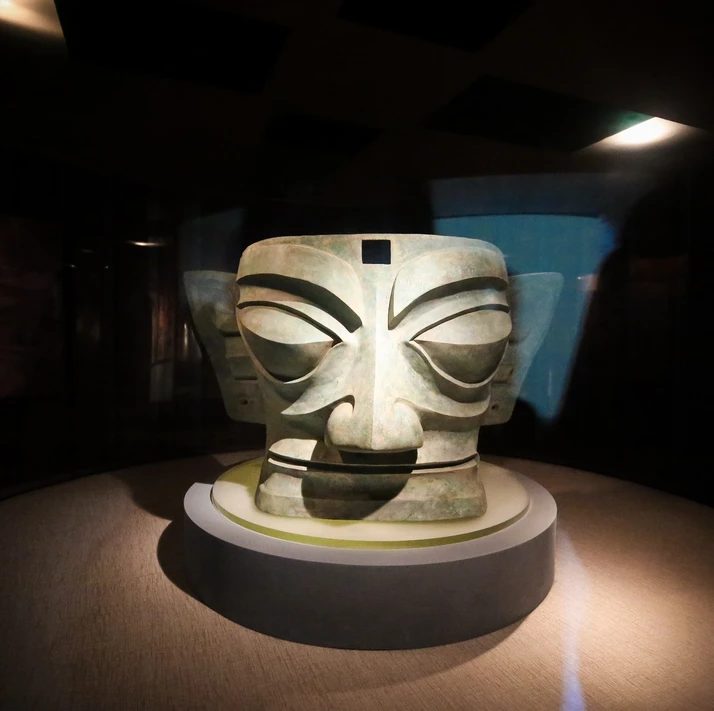
Chengdu's food scene is a carnival for the taste buds. From street stalls to upscale restaurants, every bite carries the soul of the city. Here's your ultimate Chengdu food guide to the must-try dishes and restaurants.
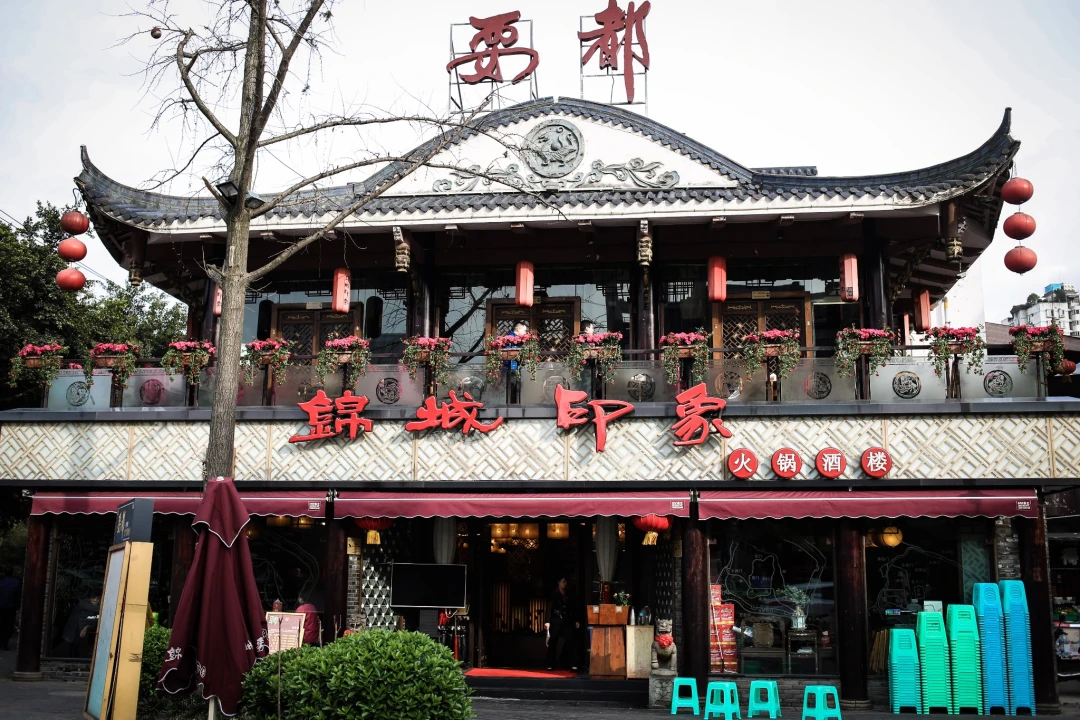
Jin Cheng Impression (Shuaidu Branch) – Authentic Chengdu Hotpot
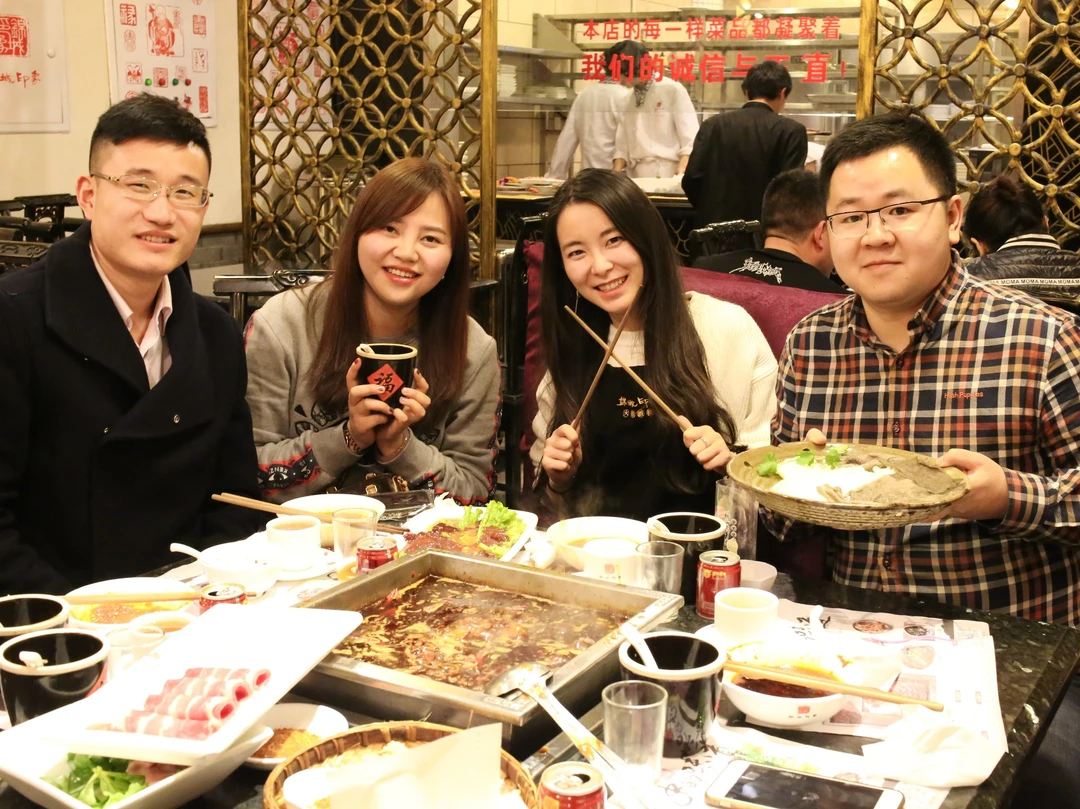
The moment my plane touched down, the familiar local dialect warmed my heart. That evening, I met up with an elementary school classmate I hadn't seen in over a decade, and we slipped into full nostalgia mode. I couldn't wait for her to take me to a trendy hotpot spot, but she insisted on taking me to the most authentic Chengdu hotpot place instead.
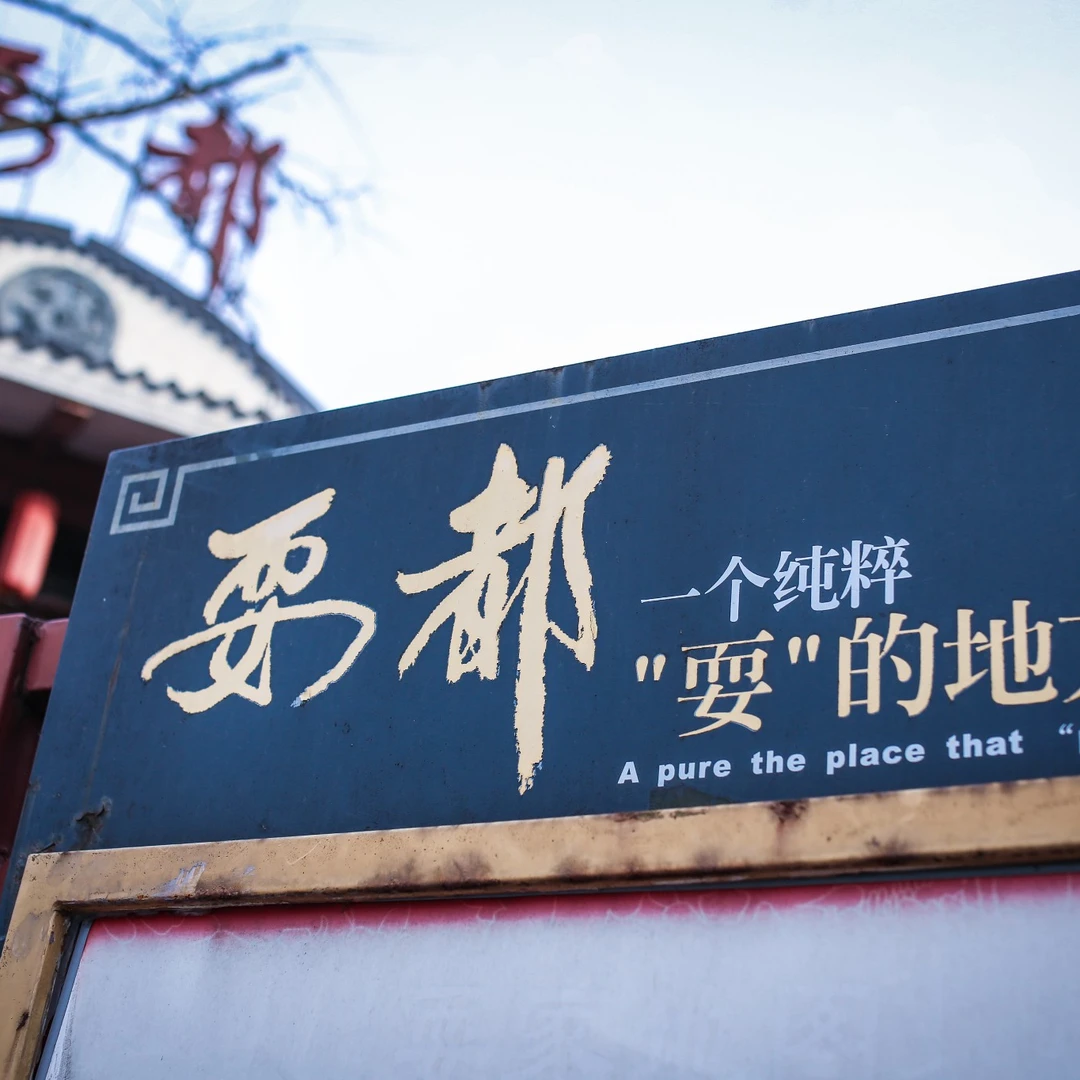
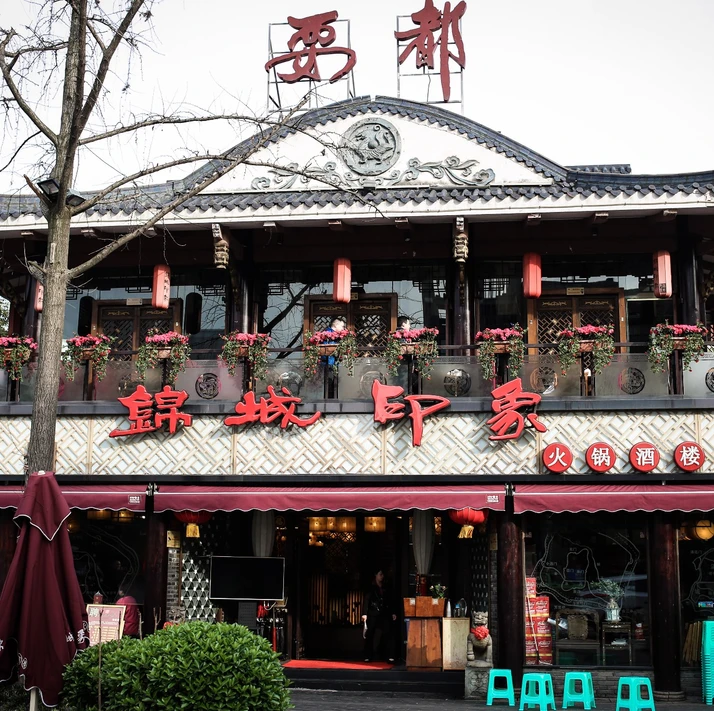
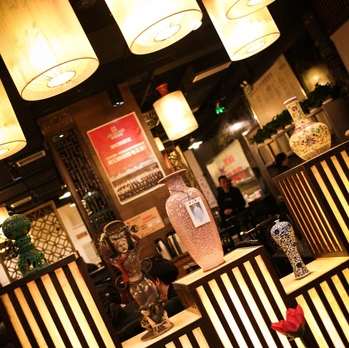
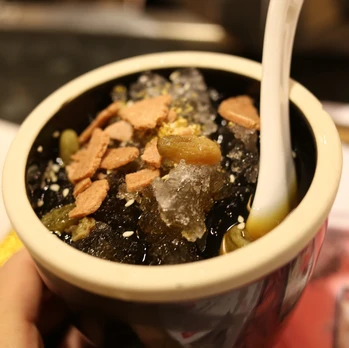
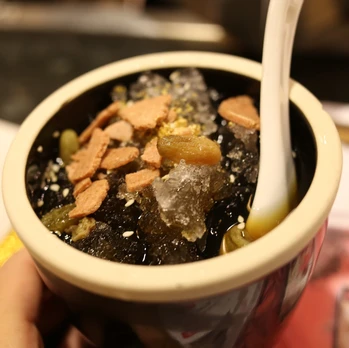
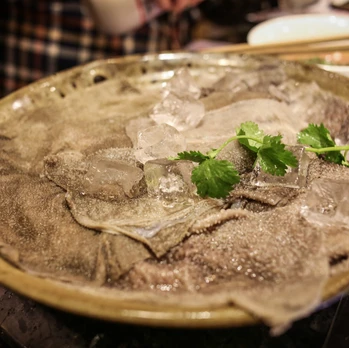
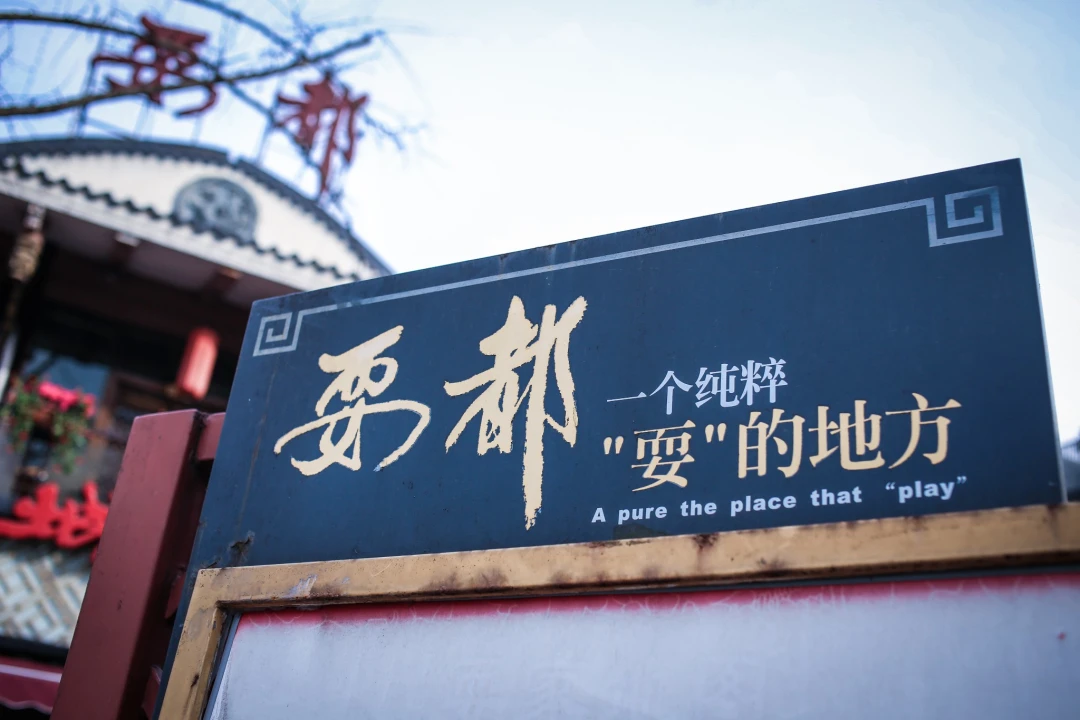
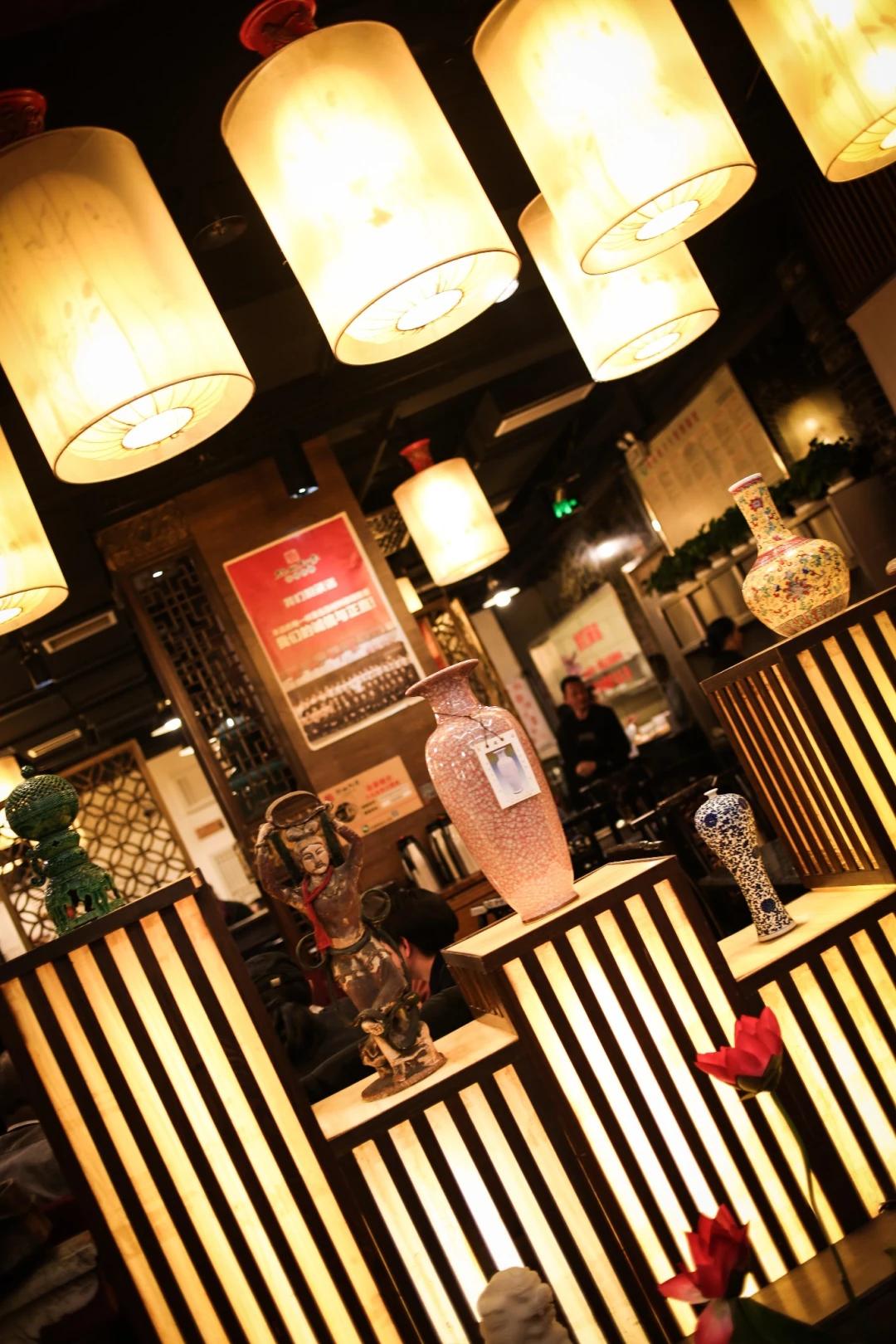
We ended up at Jin Cheng Impression in Shuaidu. Shuaidu literally means "a place purely for fun." Being four true-blue Sichuan locals, ordering a dual-broth pot was out of the question. When the fiery red broth hit the table, that pungent, numbing, spicy, and aromatic scent instantly awakened my taste buds. Crispy fried pork (sùròu) was golden and tender, iced jelly (bīngfěn) was refreshingly cool, and tripe was crunchy and springy—every bite was a long-lost taste of home.
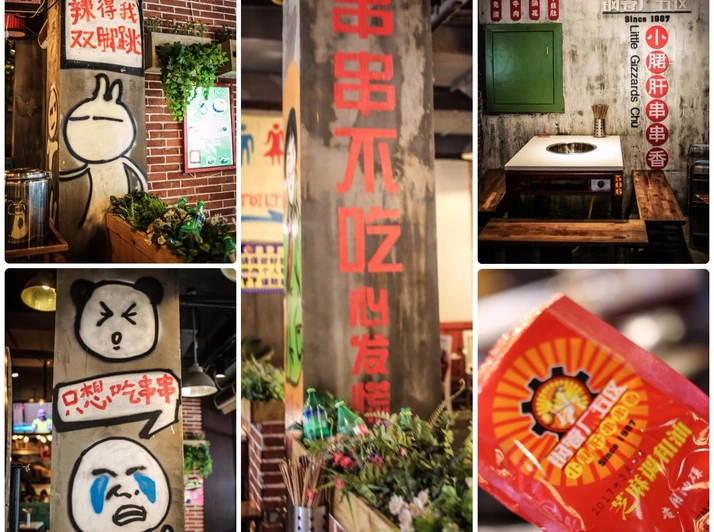
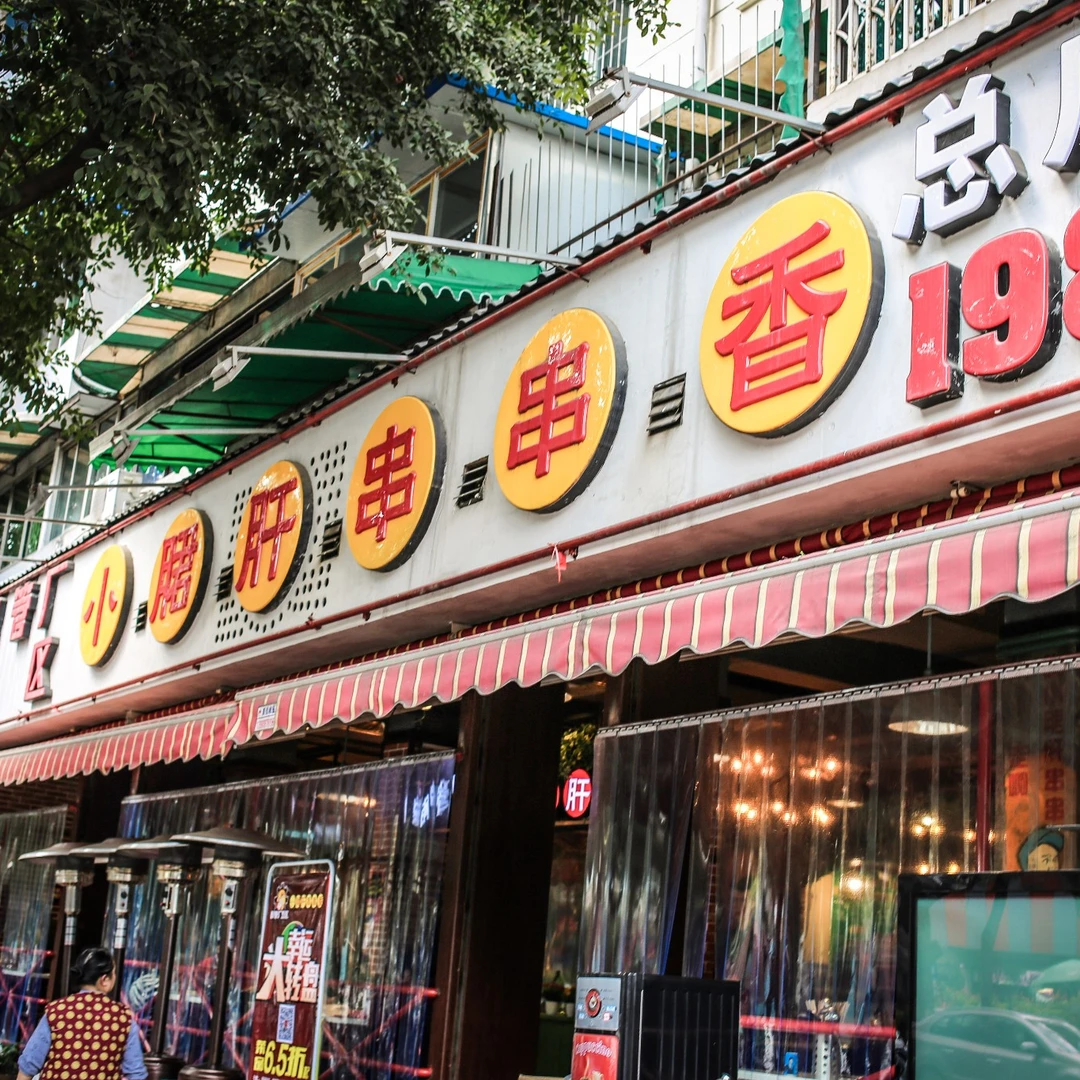
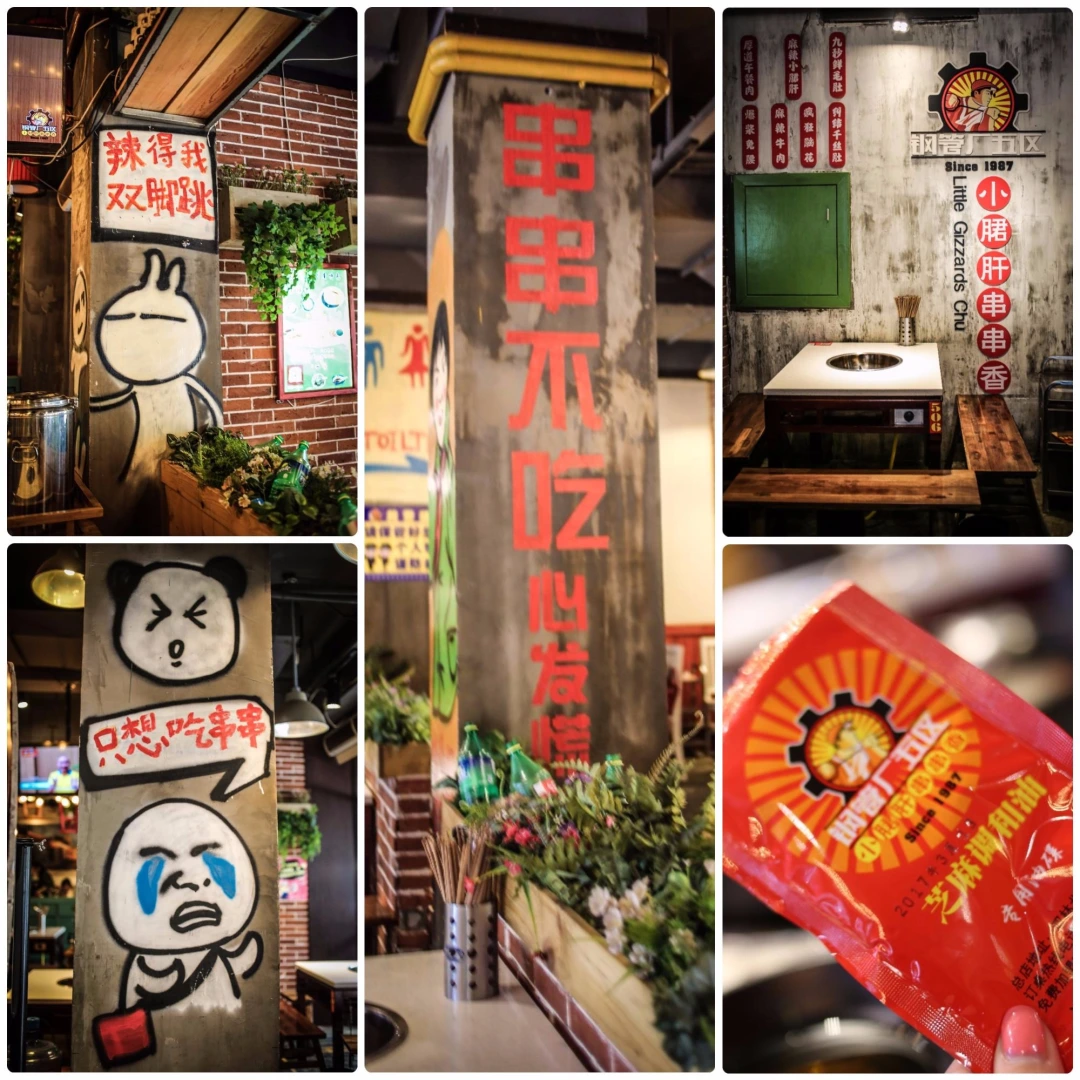
Steel Pipe Factory District Five Little Gizzard Chuanchuan Xiang – Must-Try Skewers
I have to recommend this place with three emphatic "musts": MUST, MUST, MUST try it! If you don't eat chuanchuan, your heart feels restless; even if the spice makes you jump up and down, you still can't skip it.
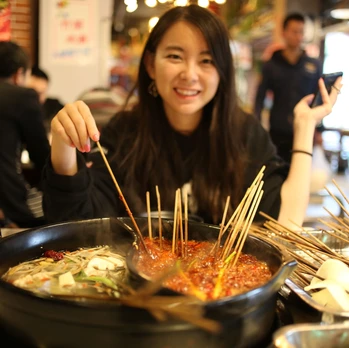
This was my first time ever eating chuanchuan. Standing in front of the ingredient rack, I was completely lost. In the end, I grabbed one skewer of everything and returned to my seat, leaving my friends dumbfounded—it was obvious I was a rookie! Later I learned the essence of eating chuanchuan is to grab handfuls at a time, throw them all into the pot together, and then devour them in big mouthfuls. The taste is simply indescribable. All I can say is that next time I'm in Chengdu, this will be my first stop.
Tip: According to Dianping reviews, this place is packed during meal times. If you go during off-peak hours, like I did at 3 PM, you can enjoy the feeling of having the whole place to yourself.
Maojiao Huola – Trending Restaurant on Yulin Road
This is the number-one trending restaurant on Dianping. We went to the Yulin Road branch, arriving late for a midnight snack and staying until they closed. Unlike Steel Pipe Factory, here the skewers are boiled and brought to you ready to eat. Besides chuanchuan, there are various small dishes—like pig brain (nǎohuā). My companion Mr. He couldn't even look at it, so it all ended up in my stomach.
Whether it's chuanchuan or hotpot, the perfect pairing is beer and Wei Yi soy milk drink. Give this combo a try—I promise you won't be disappointed.
Zigong Hao Chi Ke – Mind-Blowingly Spicy Bullfrogs
Also on Yulin Road, this place is packed in the evenings. It specializes in American bullfrogs and fish, famous for being mind-blowingly spicy. After reading the guides, I chickened out and ordered the mild spice level. The frogs were huge, with tender, flavorful meat that was utterly addictive. The side dishes—konjac, wood ear mushrooms, and tofu skin—were a perfect match. If you can handle extreme heat, I dare you to try the super-spicy level and test your limits.
Fun fact: I discovered this restaurant also has a branch in Shenzhen, which makes me so happy—I can satisfy my cravings anytime.
He Shi BBQ – Late-Night Barbecue Heaven
Not sure what to eat for a late-night snack? Barbecue is always a safe bet. Boboji (cold skewers in spicy broth), grilled eggplant, lamb, pork, chicken, squid, plus a big glass of ice-cold beer—Chengdu welcomes you!
Chen Mapo Tofu – Classic Sichuan Cuisine
This was the only "Sichuan cuisine" meal I had in Chengdu. It was close to my hotel, affordable, and delicious. The signature Mapo Tofu, steamed pork with rice flour (fěnzhēngròu), cold noodles with shredded chicken (jīsī liángmiàn), and spicy rabbit cubes (málà tùdīng)—all classic home-style Sichuan dishes.
Mama's Trotter Soup Main Branch – Iconic Soup Near People's Park
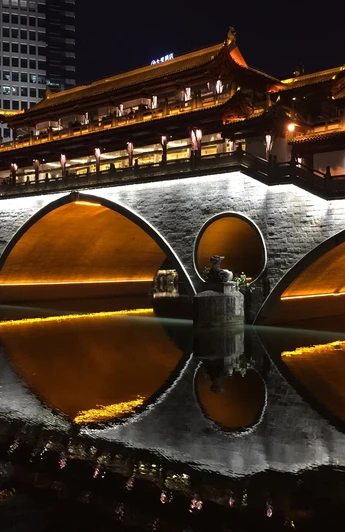
This famous spot is on a street next to People's Park, where every shop claims to be the "original Mama's Trotter Soup." After extensive online research, I confirmed that No. 13 Dongchenggen South Street is the authentic one. After breakfast and tea, I ordered just the trotter soup. The trotters were stewed until incredibly tender, melting in your mouth, and the broth was light and refreshing—definitely worth trying.
Chai Men Fan Er – Trendy Egg Puff Cake
I passed this trendy little restaurant while strolling through Taikoo Li. Just two days earlier, I'd seen it in the news for inconsistent menu pricing. But I only tried the improved dessert version of dàngāogāo (traditional egg puff cake) from the street-level shop. The line was long, with a variety of flavors to choose from: peanut, sesame, and sugar; blueberry; pork floss with salad; vegetable and bacon; sprout and meat filling; and bean paste with meat. Honestly, I still prefer the traditional dàngāogāo.
[Link: Top 10 Sichuan dishes you must try]
Chapter 2: Soaking in Chengdu's Tea Culture – From Century-Old Shops to Modern Tea Rooms
Chengdu is a city steeped in tea. Whether it's chatting idly, playing mahjong, soaking up the sun, or reading a book—a covered bowl of tea (gàiwǎn chá) is an essential part of the experience. Exploring Chengdu tea culture is a must for any visitor.
Heming Tea House – Century-Old Tradition in People's Park
The taste of old Chengdu begins with a bowl of gàiwǎn chá in the early morning. Even as the pace of city life quickens, you can still find locals sipping tea and gossiping in the streets and alleys. For an authentic traditional tea house experience, you have to visit the century-old Heming Tea House in People's Park.
Sit on a bamboo chair, drink your tea, crack sunflower seeds and peanuts, play cards, try the public-priced ear-cleaning service (30 yuan), and finally order a warm dàngāogāo—pure bliss.
In the early morning, People's Park is just like parks everywhere in China: elderly folks dancing, practicing tai chi, and singing, creating a lively atmosphere. But inside this century-old tea house, with only a scattering of patrons, a sense of tranquility remains. Ear-cleaning professionals in uniform tout their services, and I love the crisp, metallic "ding... ding... ding" sound of their tools. Prices are generally standard, but it's best to agree on the duration beforehand, as some ear-cleaners rush through the job.
A pot of boiling water, a bowl of tea, and a sunny morning—time passes effortlessly.
Mi Xun Tea Room – Modern Art Meets Tradition
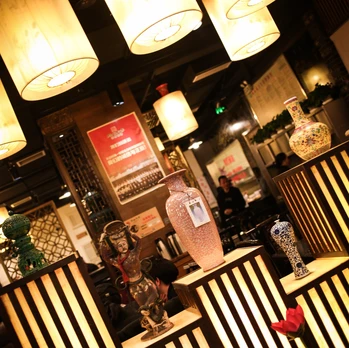
Chengdu has many tea houses, from the century-old Heming to modern, artistic tea rooms favored by young people. Mi Xun Tea Room is a standout.
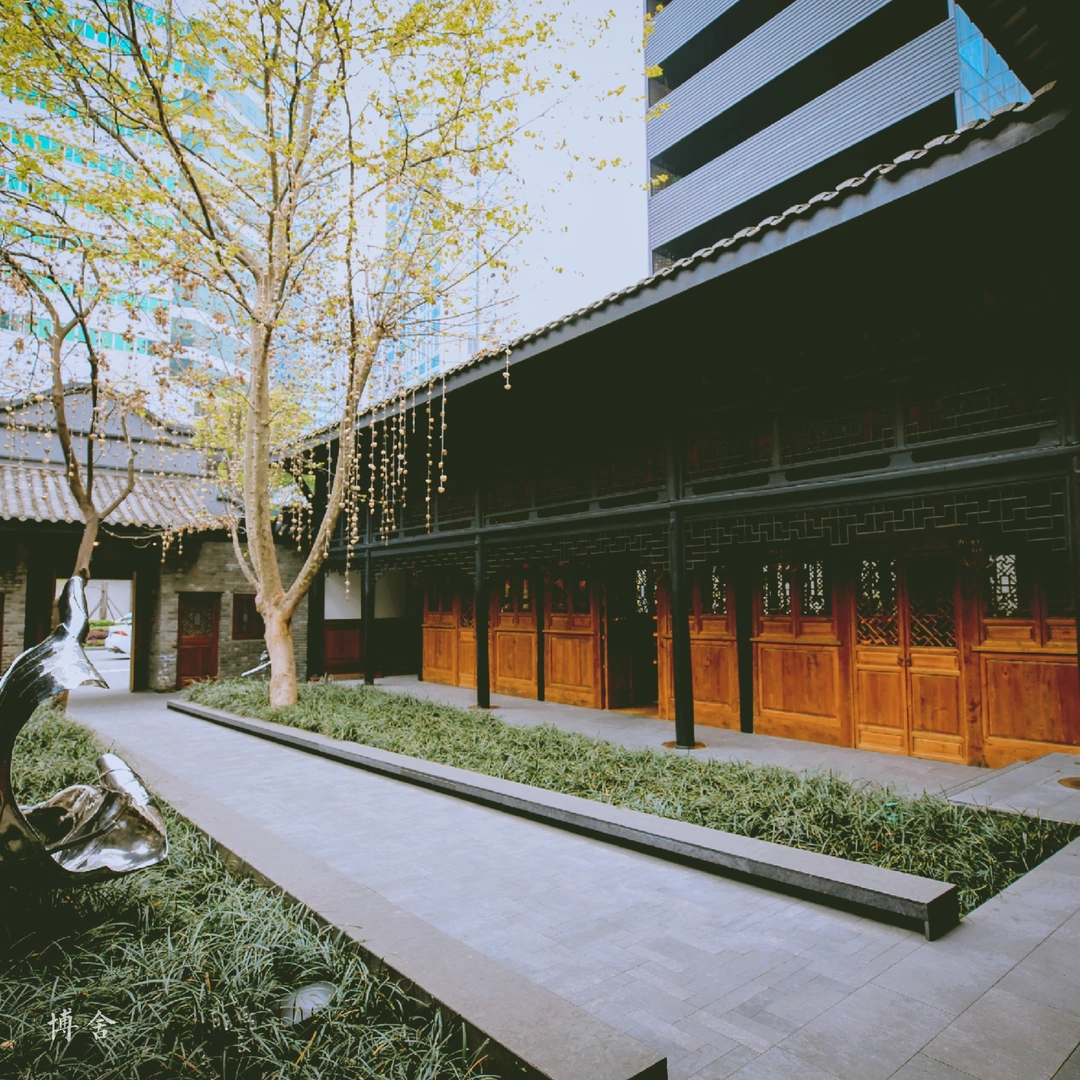
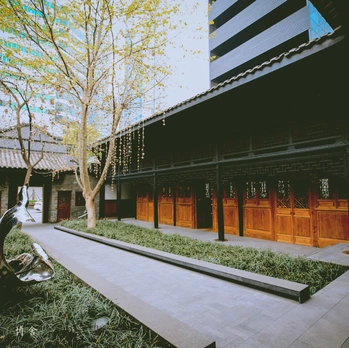
Located at No. 81 Bitieshi Street, if you don't know where it is, just wander around Taikoo Li in Chengdu. Near Daci Temple, you'll find a very distinct Sichuan-style residential compound. Step inside, and prosperity and tranquility are separated by just one wall.
The Temple House (Bo She) is a uniquely styled hotel that blends traditional and modern design. The Bitieshi old courtyard house was originally built during the Qing Dynasty, following the traditional siheyuan (courtyard) layout. Passing through the courtyard, you reach the hotel lobby—a perfect spot to enjoy a quiet cup of tea while soaking in the architectural beauty.
[Link: Chengdu's best tea houses and where to find them]
Chapter 3: Beyond Food and Tea – What Else Makes Chengdu Special
While food and tea are the heart of Chengdu, the city offers much more. Here are a few highlights you shouldn't miss.
Giant Panda Breeding Research Base – Meet the National Treasures
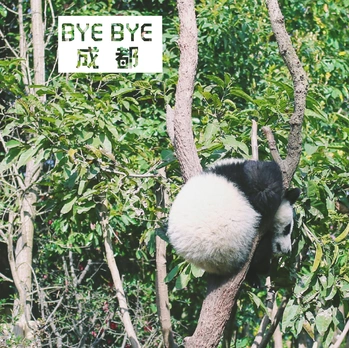
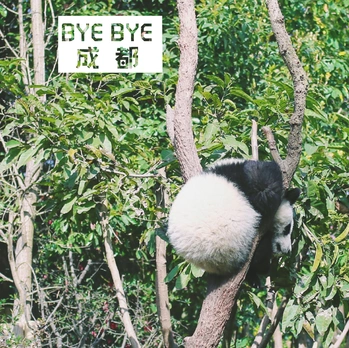
No Chengdu travel guide is complete without a visit to the Giant Panda Breeding Research Base. Located just outside the city, this is your best chance to see pandas up close—from playful cubs to majestic adults. Arrive early in the morning when the pandas are most active, and don't forget to visit the red panda enclosure too.
Taikoo Li and Daci Temple – Modern Shopping Meets Ancient Spirit
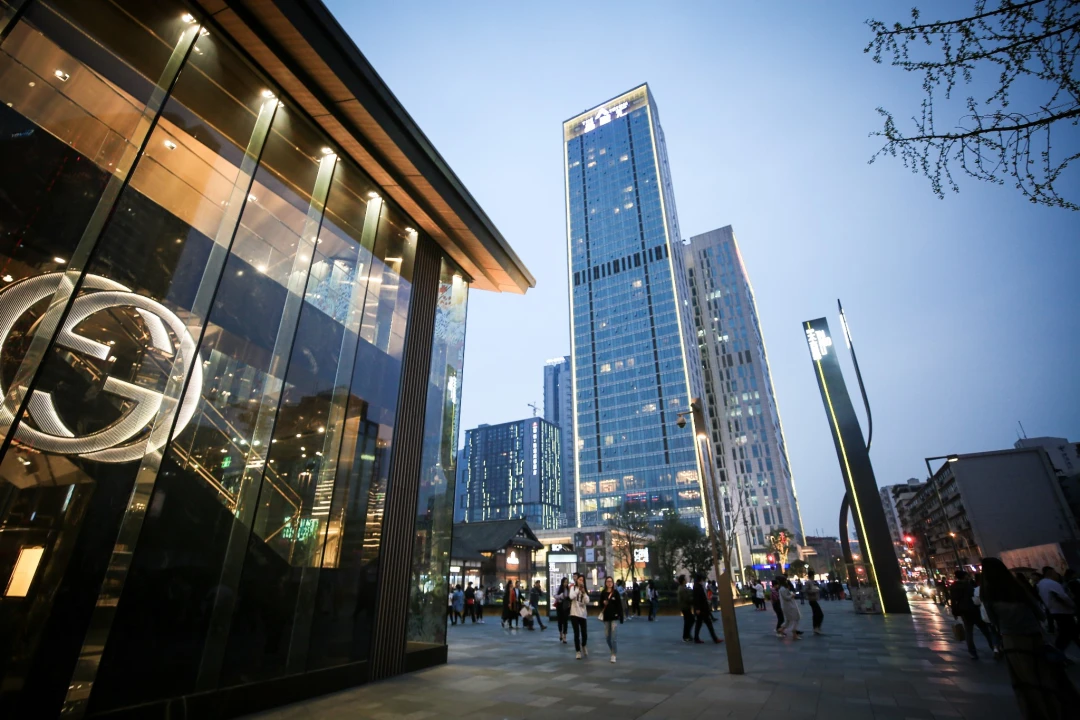
Taikoo Li is Chengdu's premier shopping and dining district, but it's more than just a mall. The open-air complex is built around the historic Daci Temple, creating a unique blend of modern luxury and ancient spirituality. Stroll through the narrow alleys, browse designer boutiques, and stop for a coffee at one of the many trendy cafes.
Wide and Narrow Alleys – A Glimpse of Old Chengdu
The Wide and Narrow Alleys (Kuanzhai Xiangzi) are a must-visit for anyone wanting to experience old Chengdu. These three parallel alleys—Wide Alley, Narrow Alley, and Well Alley—are lined with traditional Qing Dynasty-style buildings, now home to teahouses, souvenir shops, and restaurants. It's the perfect place to wander, take photos, and soak in the atmosphere.
FAQ: Your Chengdu Travel Questions Answered
1. What is the best time to visit Chengdu?
 The best time to visit Chengdu is during spring (March to May) and autumn (September to November). The weather is mild, and the city is less crowded than during summer or Chinese holidays. Avoid the rainy season (June to August) if you prefer outdoor activities.
2. Is Chengdu food too spicy for foreigners?
 Chengdu food is known for its bold, numbing spice (málà), but many restaurants offer mild or non-spicy options. Start with dishes like Mapo Tofu (ask for "less spicy"), dàn dàn miàn (noodles with minced pork), or gōngbǎo jīdīng (Kung Pao chicken). Always carry a bottle of water or soy milk to cool down your palate.
3. How many days do I need in Chengdu?
 A minimum of 3 days is recommended: one day for pandas and Taikoo Li, one day for People's Park and tea culture, and one day for food exploration. If you have more time, consider a day trip to Leshan Giant Buddha or Mount Qingcheng.
4. What are the must-try dishes in Chengdu?
 Don't leave Chengdu without trying: hotpot (huǒguō), chuanchuan (skewers), Mapo Tofu, dàn dàn miàn, zhá jiàng miàn (noodles with soybean paste), lóng chāo shǒu (Sichuan wontons), and bīngfěn (iced jelly dessert).
5. Is Chengdu expensive for tourists?
Chengdu is relatively affordable compared to other Chinese cities like Beijing or Shanghai. Street food costs as little as 10-30 RMB per item, while a mid-range restaurant meal is around 50-100 RMB per person. Accommodation ranges from budget hostels (100-200 RMB/night) to luxury hotels (500+ RMB/night).
[Link: Budget travel tips for Chengdu]
Conclusion: Your Chengdu Adventure Awaits
Chengdu is more than a destination—it's an experience that stays with you long after you leave. From the fiery embrace of a hotpot dinner to the tranquil moments in a century-old tea house, every corner of this city tells a story. Whether you're a foodie, a culture lover, or a nature enthusiast, Chengdu has something to offer.
Ready to book your trip? Start planning your Chengdu travel itinerary today. Don't forget to pack your appetite, your sense of adventure, and an open heart—because once you visit Chengdu, you'll understand why it's a city you'll never want to leave.
Have questions or want more tips? Drop a comment below or share your own Chengdu experiences. We'd love to hear from you!
[Link: Book your Chengdu hotel now]
[Link: Find the best Chengdu food tours]
[Link: Subscribe for more China travel guides]
You may also like


