Chasing the Ultimate Autumn in Western Sichuan: A Complete Travel Guide for 2024
Meta Description: Discover the ultimate autumn in Western Sichuan with this detailed travel guide. From Zheduo Mountain to Lenggacuo, experience golden landscapes, high-altitude hiking tips, and insider advice for your perfect fall getaway.
May all the landscapes I've seen make me gentle and brave.
October 2024 marked my second month as a newly unemployed young professional, freshly freed from the corporate grind. That day, my childhood friend texted me: "I still have a few days of annual leave left. Want to take a trip?" My reply was almost instant: "Let's go."
Our original plan was to visit Shanxi for a cultural pilgrimage, but as we talked, we both realized something—the trip never quite came together. Then inspiration struck: "How about somewhere else? Where's good right now?" In unison: "Western Sichuan!"
So we did it all—research, recruiting travel companions, booking tickets, reserving hotels—in one smooth flow. Neither of us drives, and none of our friends happened to be free to join, so we had to rely on luck to find travel buddies. Two days before departure, the guy we'd lined up had to cancel due to a last-minute business trip. Just as the plan seemed doomed, luck finally smiled on us—two guys from Zhejiang stepped in and became our "designated drivers" for this autumn-chasing adventure.
Seven days wasn't enough for the full grand loop, but we hit every spot we wanted to see. The itinerary was so packed it made you question your life choices, but looking back, every segment landed right at the peak of autumn beauty. Lucky, and grateful—once again, we pulled off a perfect trip.
Day 1: Zheduo Mountain Altitude and Yuzixi Sunset
Arriving in Chengdu and Meeting Your Travel Companions

I flew into Chengdu Shuangliu Airport the night before. My childhood friend and our two travel companions were all at Tianfu Airport, so I woke up at 8 a.m., took my time getting ready, and grabbed a taxi to meet them. Picking up the car, getting to know each other, loading the luggage—it all took a while. By the time everything was set and the car finally hit the highway, our autumn in Western Sichuan journey had truly begun.
Day one's route was easy: Chengdu → Luding → Xinduqiao, with an overnight stay in Xinduqiao. Along the way, the altitude crept up almost imperceptibly, and the scenery outside the window shifted from urban skyscrapers to rolling mountains.
Visiting Luding Bridge: A Revolutionary Heritage Site
Shortly after lunch, we reached our first stop: Luding Bridge. This is a revolutionary heritage site, drawing plenty of visitors, especially groups of elderly tourists. The Luding Bridge of today is nothing like the one described in history textbooks—for safety, the structure has been heavily reinforced. Walking across it, it still sways a bit, but it's hard to imagine the peril of the battle that once took place here.
Standing on that bridge, I couldn't help feeling a deep sense of gratitude: the hardships of our forebears bought us the peace we enjoy today. In that moment, I silently reminded myself to cherish every peaceful day.
Conquering Zheduo Mountain at 4,298 Meters
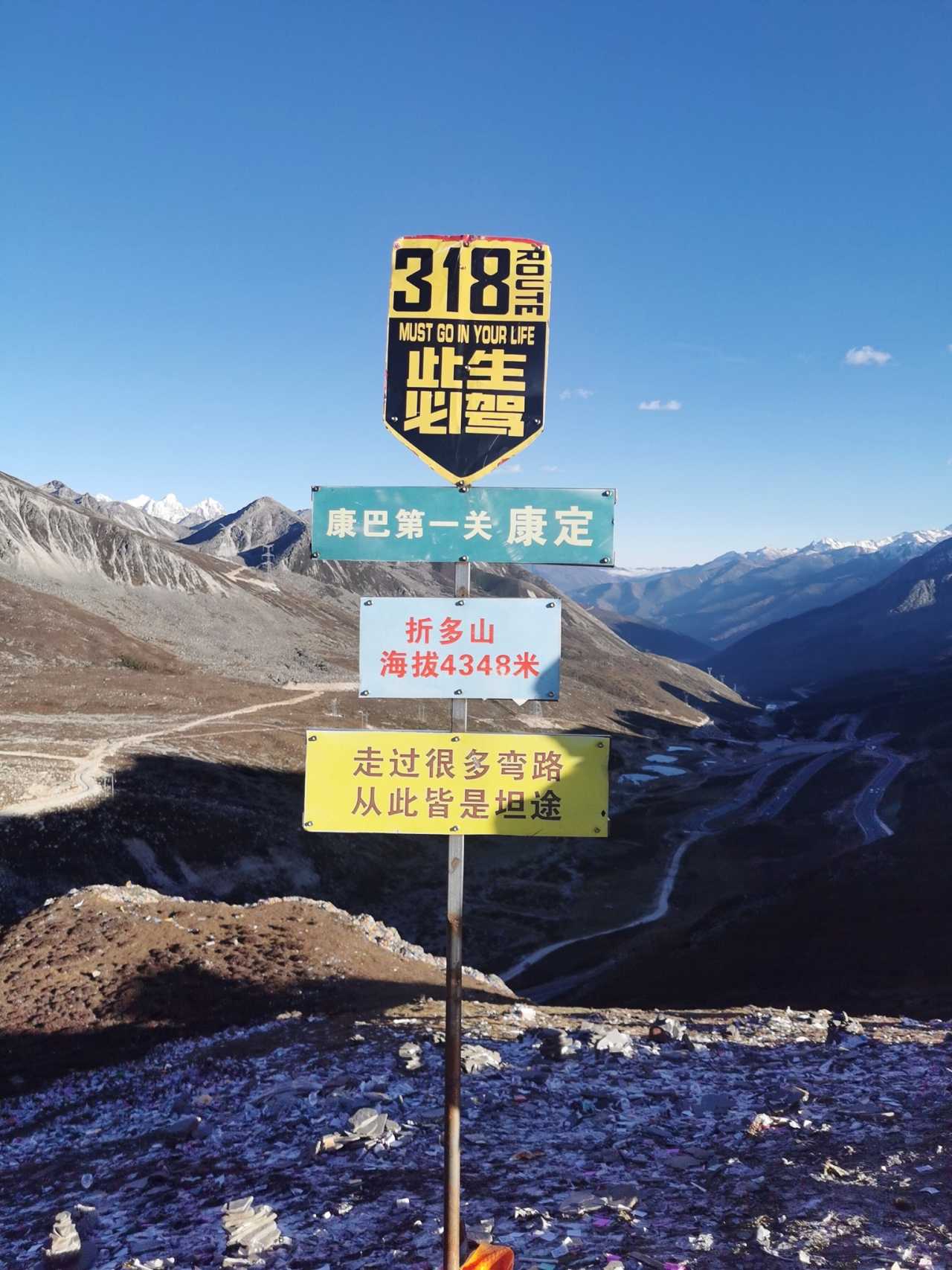
Leaving Luding, we continued along National Highway 318. Around 5 p.m., we climbed over Zheduo Mountain, the first major pass in the Kham region, at an elevation of 4,298 meters. Maybe it had been too long since I'd been above 4,000 meters, but I started feeling mild altitude sickness—my head felt heavy, and my breathing was a bit short. Luckily, it was only a mild reaction, and I recovered after resting for a while.
Pro tip for high-altitude travel in Western Sichuan: Acclimate slowly, stay hydrated, and avoid overexertion on your first day above 3,500 meters.
Chasing the Yuzixi Sunset
After descending Zheduo Mountain, the sun began to set. We headed toward Yuzixi as planned, hoping to catch a sunset casting golden light on the snowy peaks. Before the trip, I'd checked travel guides, and many people recommended this spot for its stunning "sunset on golden mountains." Unfortunately, we arrived too late—by the time our car was halfway up the hillside, the sun had already dipped below the horizon.
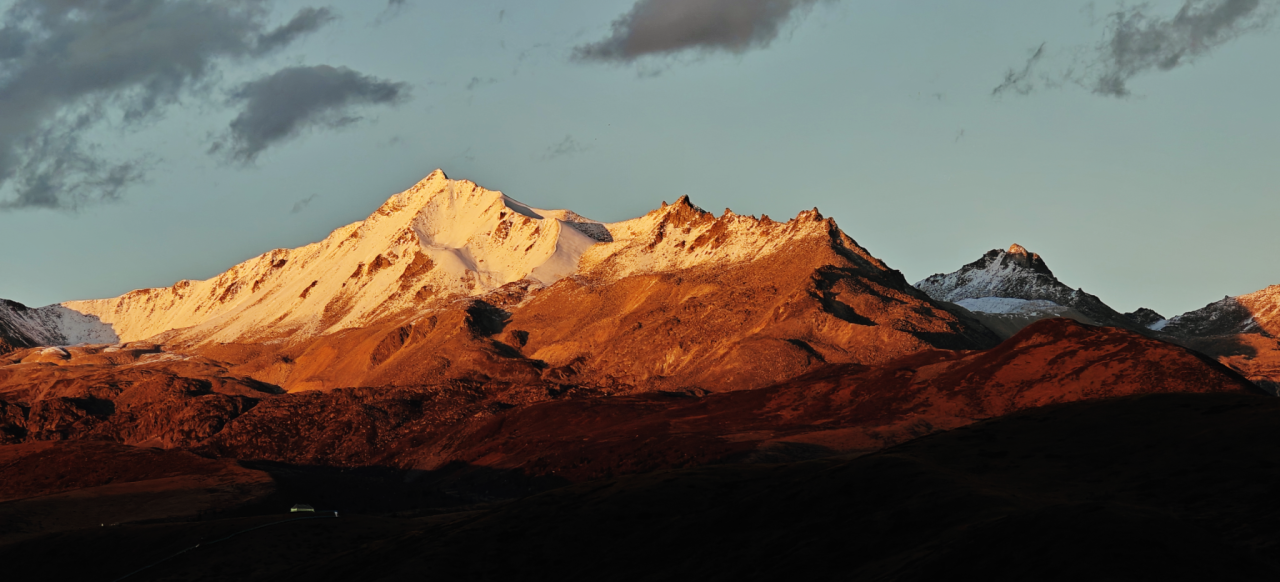
But luck was on our side: the last rays of sunset happened to fall on another snow-covered mountain. We didn't get to see the golden sunset at Yuzixi, but by chance, we enjoyed a different kind of beauty we hadn't planned for.
[Link: Best sunset photography spots in Western Sichuan]
Day 2: Xinduqiao's Photographer's Paradise and Lenggacuo Sunset
Exploring Xinduqiao: Reality vs. Expectation
Early on the second day, bathed in morning light, we set out for the legendary "Photographer's Paradise"—Xinduqiao.
I'd heard of Xinduqiao over a decade ago, but despite all my travels over the years, I'd never made a point to visit. Now that I was finally here, I felt a strange sense of anticipation. But people are always like that—they set expectations higher than reality can match for places they've dreamed about. And when the real scene doesn't live up to the fantasy, disappointment sets in.
That was Xinduqiao. In my imagination, it was a vast, open plain carpeted in gold, dotted with towering golden trees, with distant mountains and close-up views—everywhere you looked, intense autumn colors. But reality was different: the national highway was lined with tall trees, their leaves a mix of yellow and green, some dense, others sparse. Cars and crowds jostled along both sides of the road, everyone trying to capture their own "masterpiece" in this less-than-ideal setting.
Discovering Jiagenba's Hidden Autumn Beauty
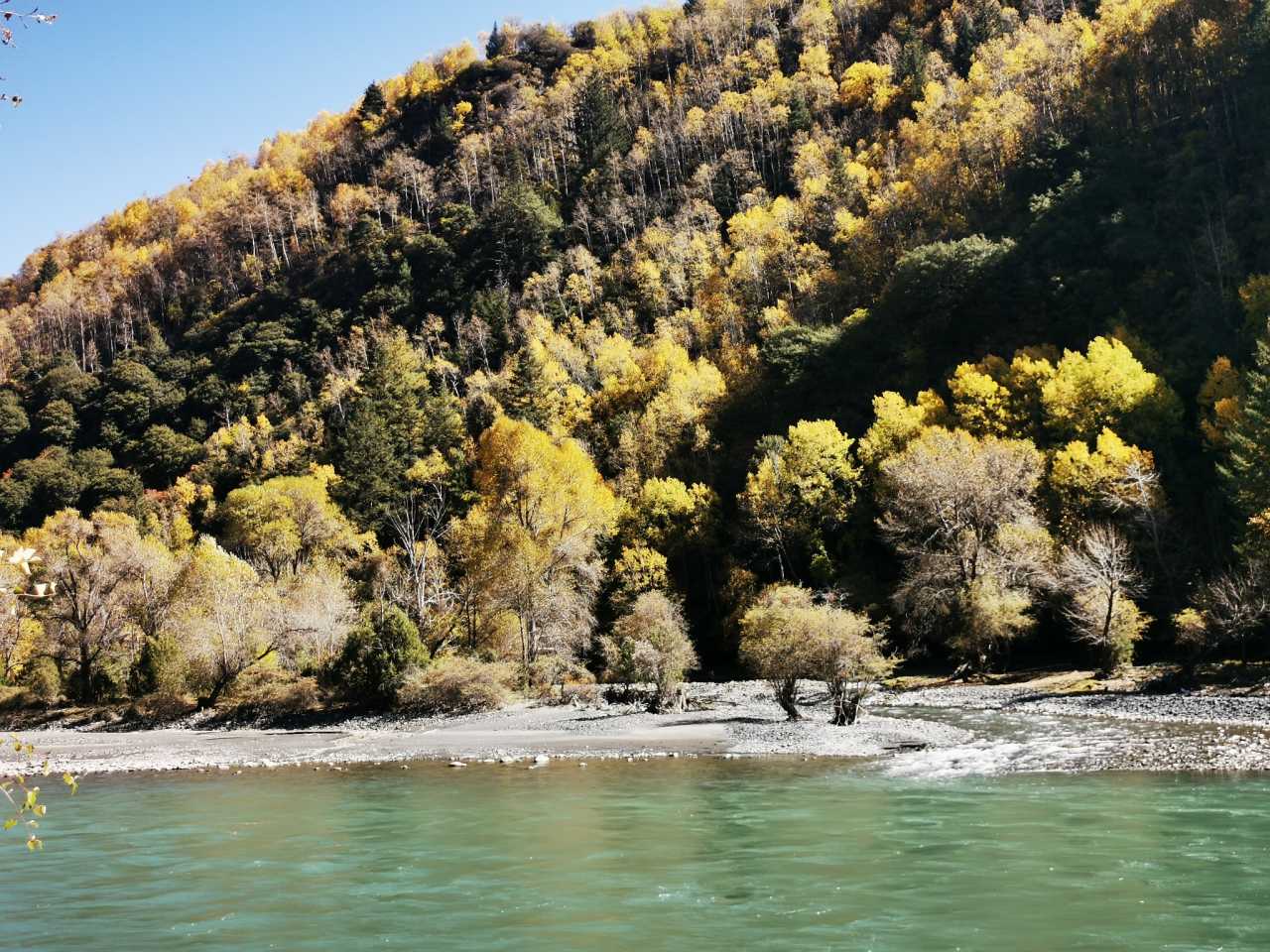
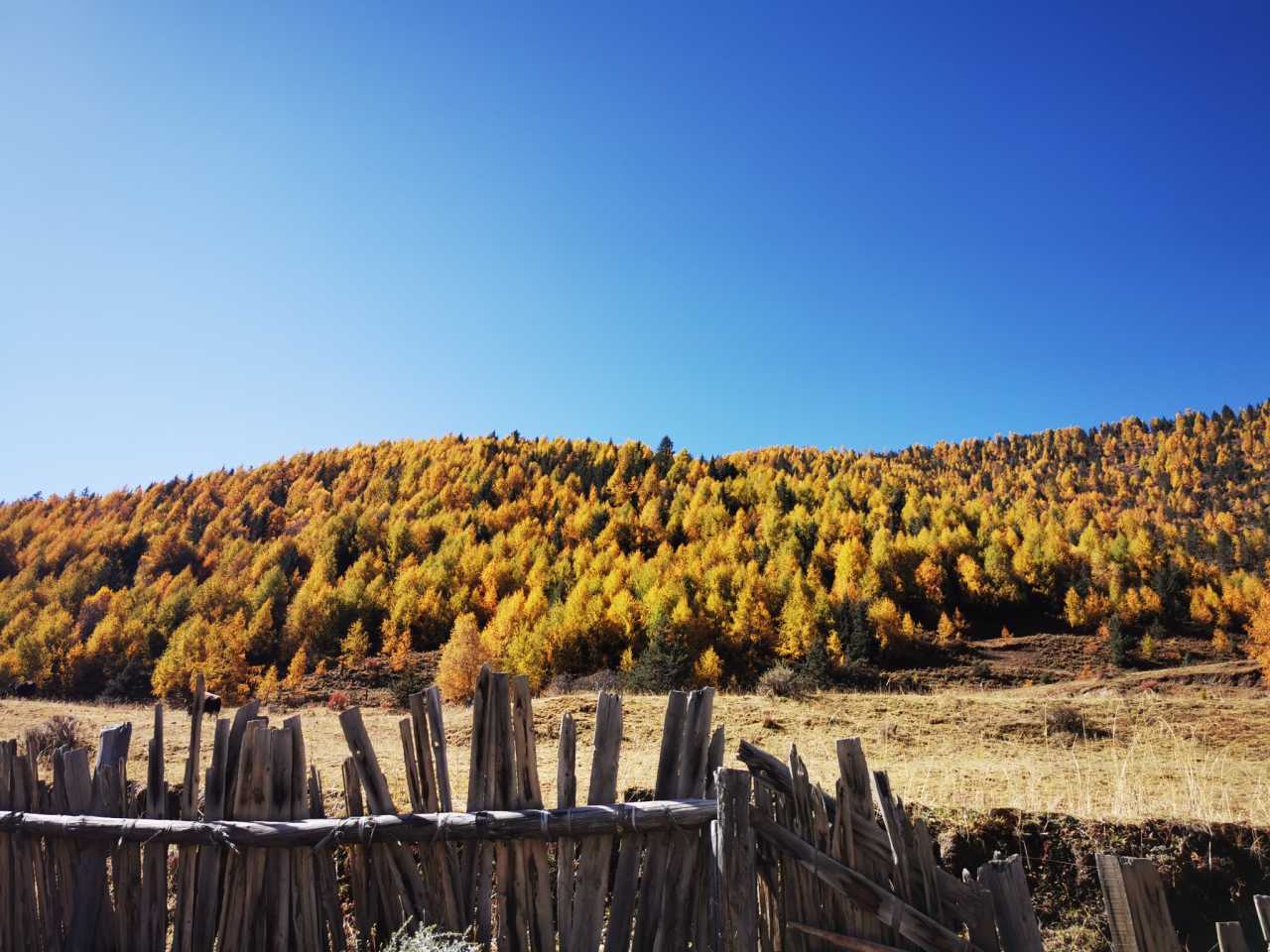
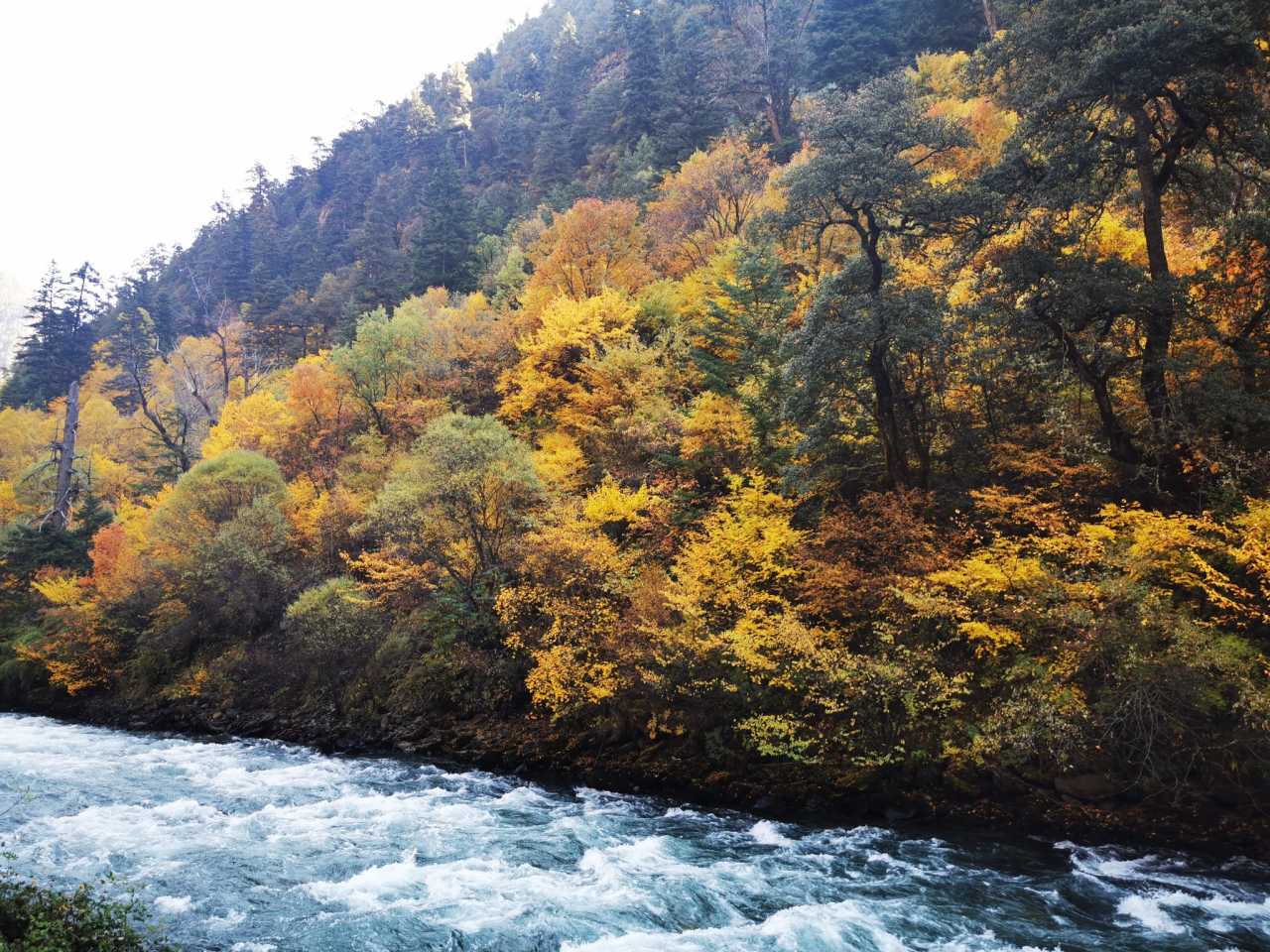
Driving through the ten-mile corridor of Xinduqiao, we headed toward Jiagenba. Jiagenba is a place name covering a large area, and essentially, we were chasing the autumn scenery we'd hoped for across this region. Along the way, the mountains and forests were dotted with trees of every color—red, yellow, green—some sparse, others thick and lush. After driving through a stretch of unremarkable landscape, we'd suddenly be rewarded with a stunning view. That was the magic Jiagenba brought us.
Hiking to Lenggacuo for the Gongga Snow Mountain Sunset
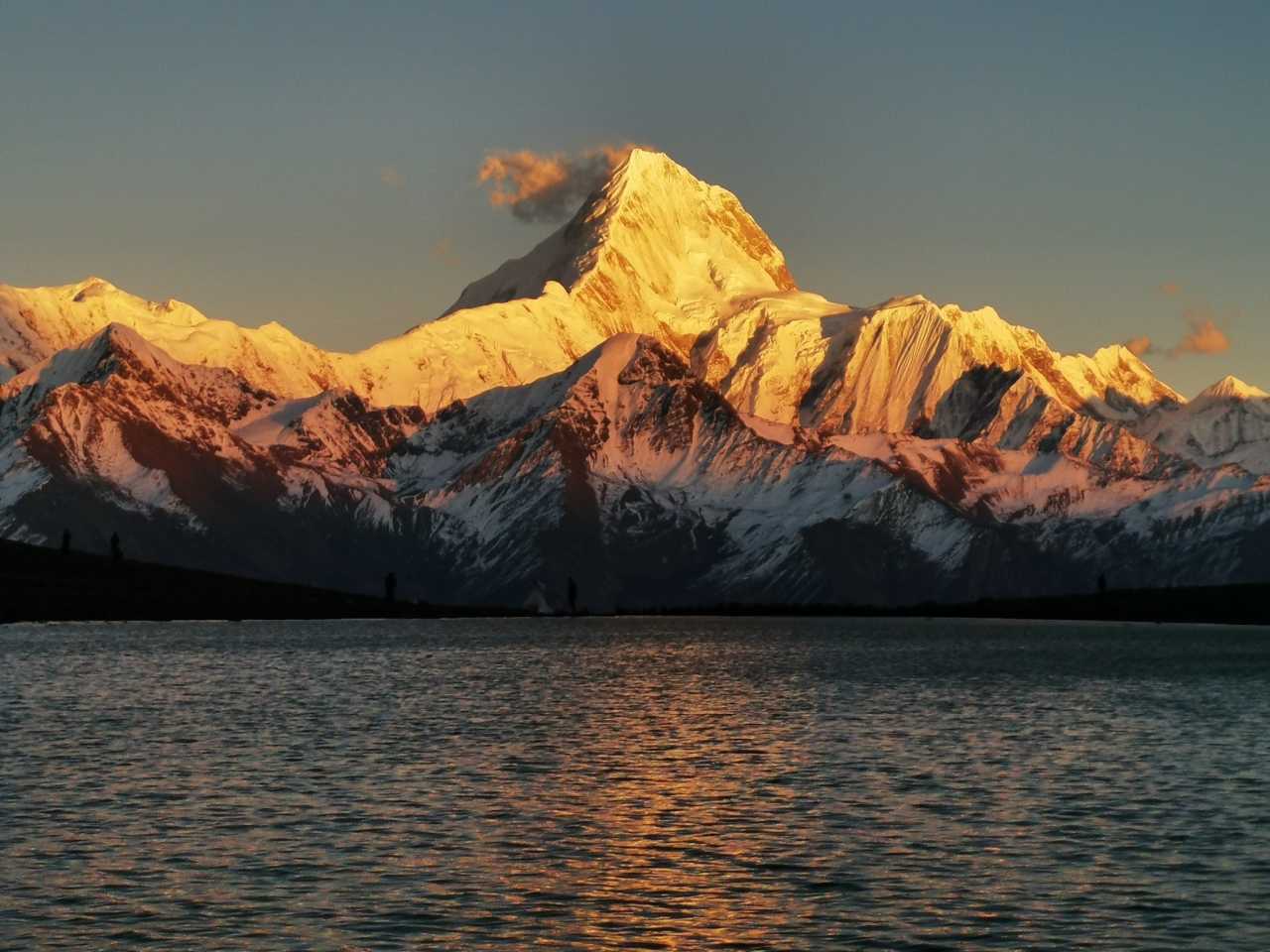
But the highlight of day two came later—heading to Lenggacuo to chase a sunset over the King of Sichuan Mountains, Gongga Snow Mountain.
Once we entered Gongga Mountain Town, the road conditions turned so rough they made you question your life choices. The car bounced up and down, and I felt like my bones were about to fall apart. Still, we managed to reach the starting point for the hike around 3:30 p.m.
From the starting point to Lenggacuo, it's about 3.5 kilometers with an elevation gain of around 550 meters. I rarely hike at altitudes above 3,500 meters, so the challenge was huge from the start—basically, I had to stop every few steps to catch my breath. The two guys traveling with us were first-timers at high-altitude hiking. At first, they could slowly follow behind, but later, they could only manage a stop-and-go pace, barely keeping us in sight.
Important note: The villagers in Gongga Mountain Town operate motorcycle and horse transport services. While convenient, motorcycles kick up significant dust on the trail, making visibility poor and breathing difficult. Consider hiking boots and a dust mask if you plan to walk.
The Moment of Awe: Gongga Snow Mountain Revealed
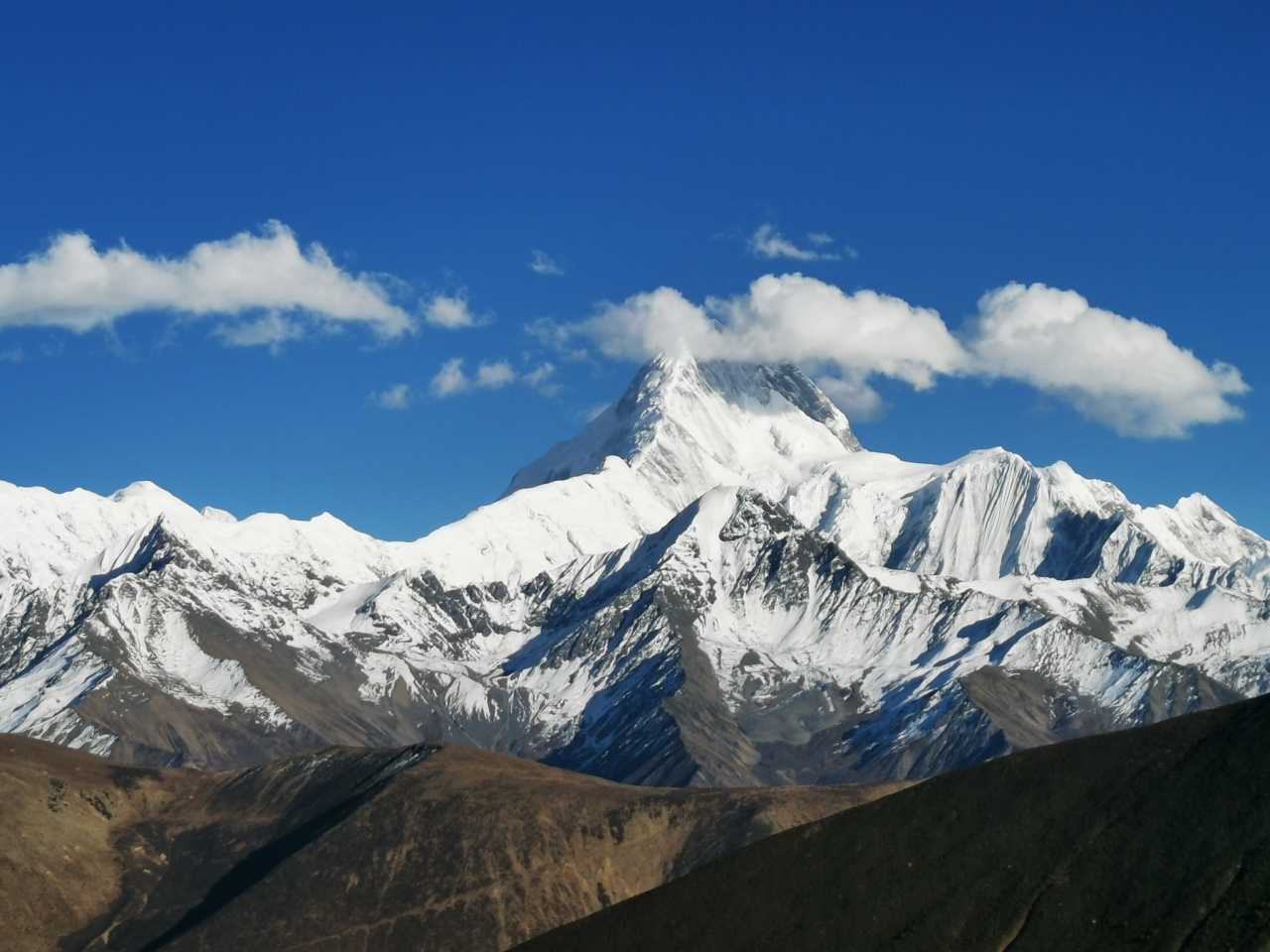
After a long, grueling climb, we finally reached the mountainside. Over the years, I've climbed a few mountains and hiked a few trails, but when the King of Sichuan Mountains—Gongga Snow Mountain—stood before me, towering and majestic, I was instantly awestruck. Pure, white, upright, so close it felt within reach. Words failed me. I sat down on the ground, resting while giving myself time to take it all in and reflect.
The Golden Sunset at Lenggacuo Lake
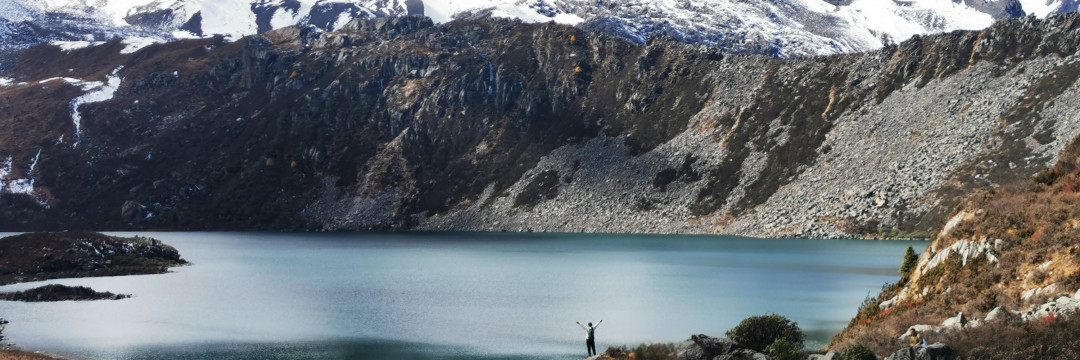
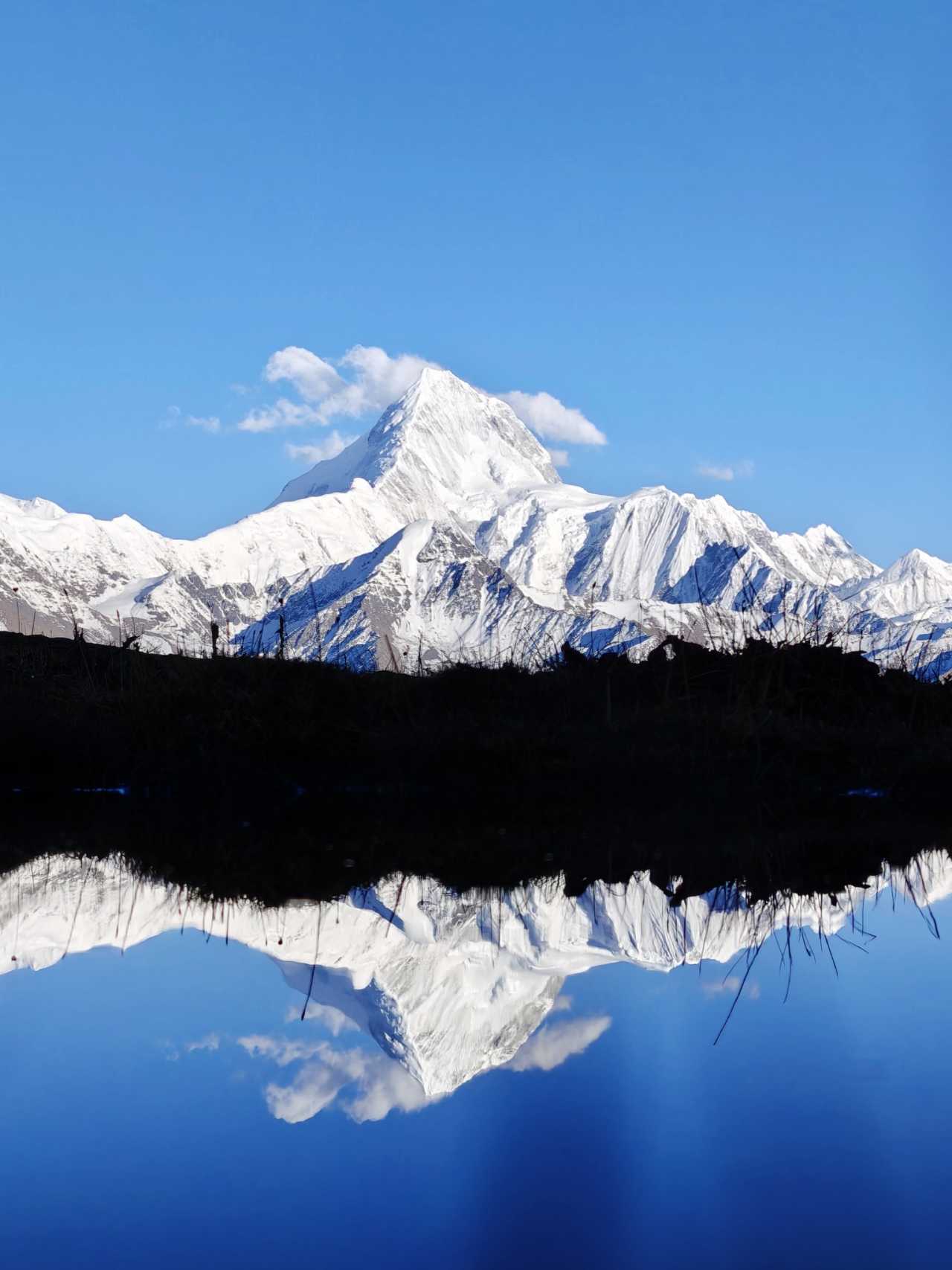
Finally, just before sunset, we arrived at the shores of Lenggacuo Lake. Quite a few people were already gathered around, waiting to see the sunset paint the King of Sichuan Mountains in gold. The wind at the summit was fierce, whipping the lake's surface into glittering waves, making it nearly impossible to capture a clear reflection.
But luckily, just before the sun went down, the lake began to calm, becoming perfectly still. The crowd gasped, and everyone rushed to capture the moment—the golden light hitting the snowy peaks, reflected in the mirror-still lake below. It was a once-in-a-lifetime sight that made every step of that difficult hike worthwhile.
[Link: Best high-altitude hiking trails in Western Sichuan]
Essential Travel Tips for Autumn in Western Sichuan
When to Visit for Peak Autumn Colors
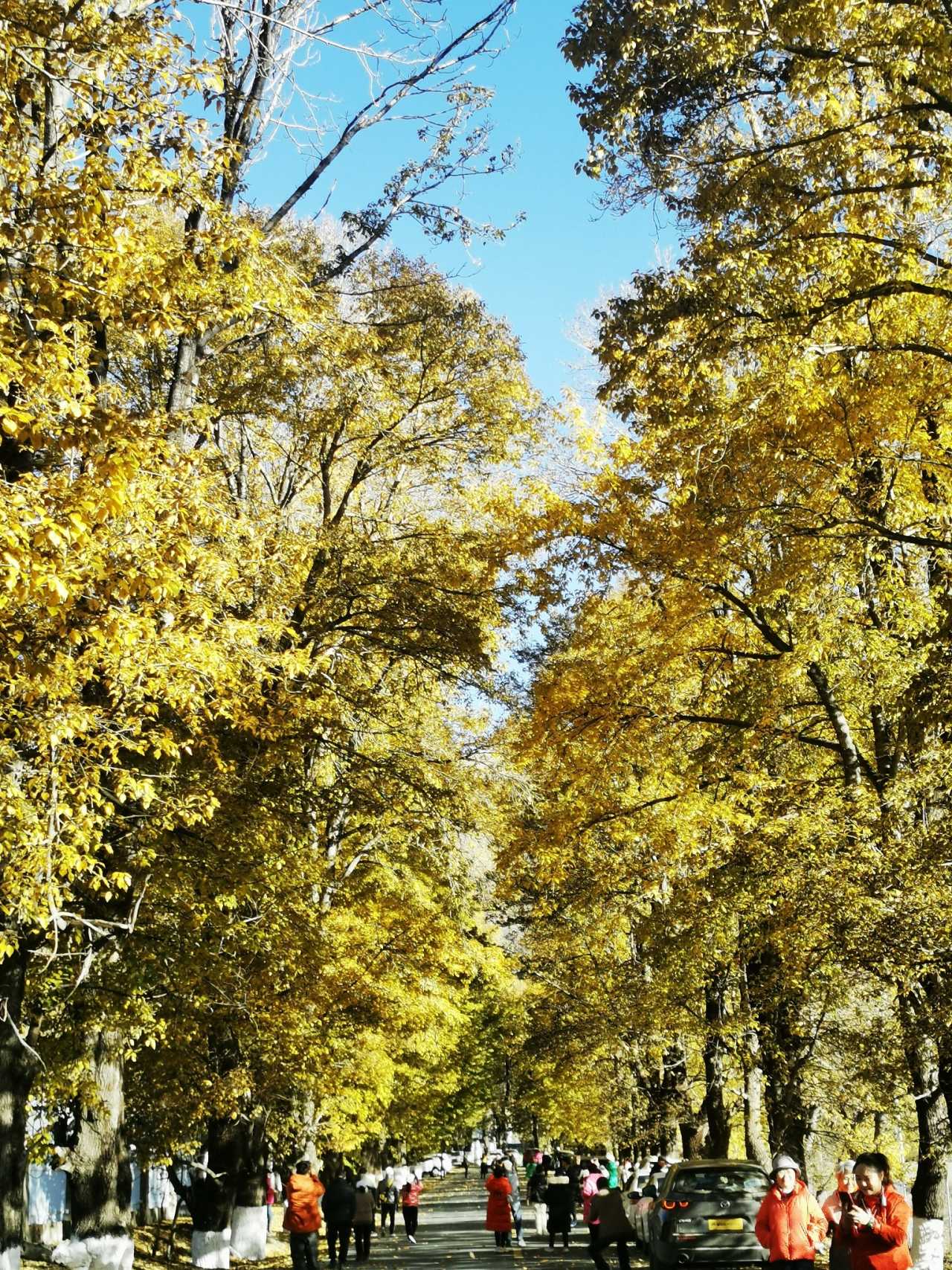
The best time for autumn foliage in Western Sichuan is typically from mid-October to early November. In 2024, our trip in late October landed perfectly at peak season. However, timing varies by altitude—higher elevations peak earlier, while lower valleys may still be green in early October.
Altitude Sickness Prevention

- Acclimate gradually: Spend your first night at moderate altitude (around 3,000m) before pushing higher
- Stay hydrated: Drink at least 2-3 liters of water daily
- Avoid alcohol: Skip drinks for the first 48 hours
- Consider medication: Consult your doctor about acetazolamide (Diamox) for prevention
- Listen to your body: If symptoms worsen, descend immediately
Packing Essentials for Western Sichuan Autumn
- Layered clothing: Temperatures range from 5°C at night to 20°C during the day
- Windproof jacket: Essential for exposed mountain passes and lakeside spots
- Sturdy hiking boots: Trails can be rocky and uneven
- Sunscreen and sunglasses: UV is intense at high altitudes
- Dust mask: For motorcycle-heavy trails like Lenggacuo
Transportation Tips
- Driving: National Highway 318 is the main artery, but be prepared for rough side roads
- Travel companions: If you don't drive, find travel buddies through online forums or local tour groups
- Car rental: Book in advance during peak autumn season
[Link: Complete packing list for Western Sichuan autumn travel]
Frequently Asked Questions
Q1: Is Western Sichuan safe for solo travelers?
A: Yes, Western Sichuan is generally safe for solo travelers, but it's recommended to join a group or hire a driver if you don't have your own vehicle. The region is popular with domestic tourists, and English is limited in remote areas. Always inform someone of your itinerary and carry emergency contact numbers.
Q2: How difficult is the hike to Lenggacuo?
A: The 3.5km hike with 550m elevation gain is moderate to challenging, especially for those not accustomed to high altitudes. Most hikers take 2-3 hours. Alternatives include hiring a motorcycle (30-50 RMB) or horse (100-150 RMB) from local villagers, though motorcycles create significant dust on the trail.
Q3: What is the best time of day for photography in Xinduqiao?
A: Sunrise (6:30-7:30 AM) and sunset (5:30-6:30 PM) offer the best golden hour light. Early morning also has fewer crowds and mist rising from the valleys. For the famous "photographer's paradise" shots, visit the viewing platforms near the town center.
Q4: Do I need a permit to visit Gongga Snow Mountain?
A: No special permit is required for the Gongga Mountain Town area or Lenggacuo Lake. However, some remote trekking routes deeper into the Gongga Nature Reserve may require permits. Always check current regulations before your trip.
Q5: How much does a 7-day Western Sichuan autumn trip cost?
A: A budget-friendly 7-day trip costs approximately 3,000-5,000 RMB per person (excluding flights), including car rental, accommodation (mid-range hotels), food, and entrance fees. Luxury options with private drivers and upscale lodging can reach 8,000-12,000 RMB.
[Link: Western Sichuan travel budget guide]
Final Thoughts: Why Western Sichuan Autumn Should Be on Your Bucket List
Our seven-day journey through Western Sichuan's autumn landscapes was more than just a trip—it was a reminder of why we travel. From the historic Luding Bridge to the golden sunset at Lenggacuo, every moment offered a new perspective on beauty, resilience, and gratitude.
The road was rough, the altitude was challenging, and the itinerary was packed. But when you stand before the King of Sichuan Mountains as the setting sun paints it gold, reflected in a mirror-still alpine lake, you understand why people chase this season across the globe.
Ready to plan your own autumn adventure? Start by researching your route, booking accommodations early (they fill up fast in October!), and finding travel companions if you need them. The ultimate autumn in Western Sichuan is waiting—all you have to do is take that first step.
Have you visited Western Sichuan in autumn? Share your experience in the comments below, or tag us in your photos using #WesternSichuanAutumn!
Disclaimer: This article is based on a personal travel experience in October 2024. Road conditions, opening hours, and local services may change. Always check current information before traveling.
You may also like


