Autumn Flavors of Chengdu: A 7-Day Foodie Adventure – The Ultimate Sichuan Food Travel Guide
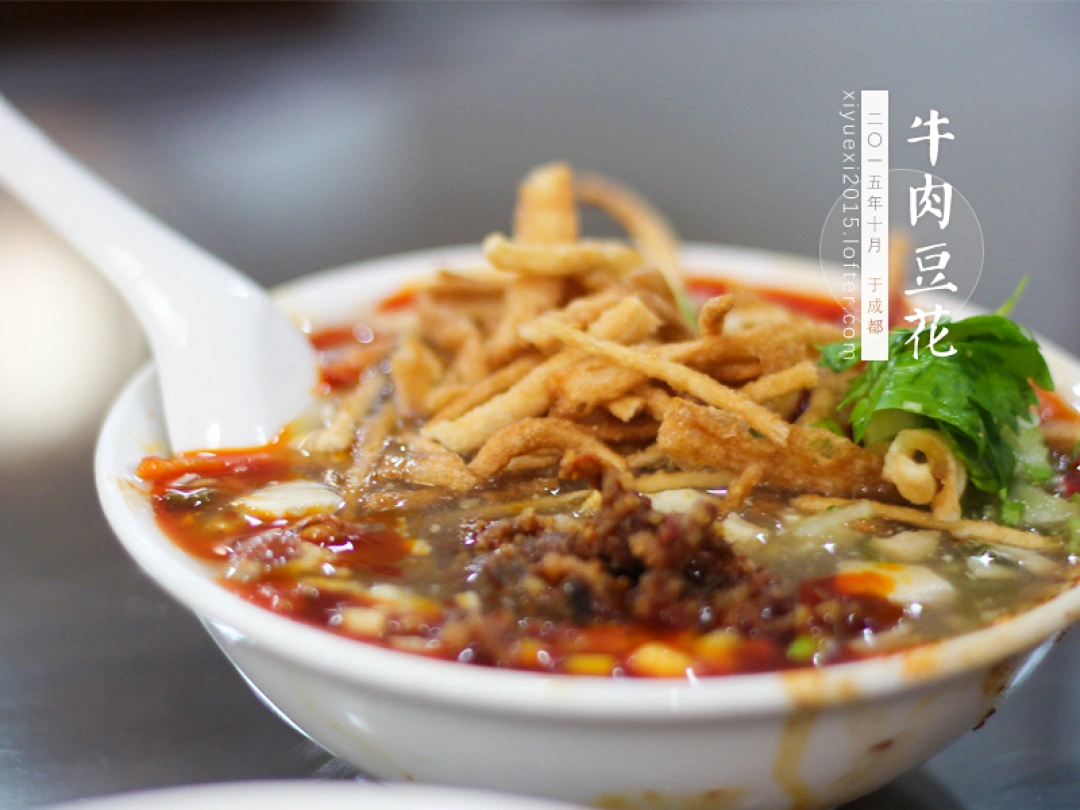
Meta Description: Discover Chengdu's autumn flavors in this 7-day foodie adventure. From fiery chuan chuan xiang to fragrant bangbang chicken, explore Sichuan's culinary capital with honest reviews, dual perspectives, and insider tips.
Introduction: Why Chengdu is a Food Lover's Paradise
For anyone who lives to eat, Chengdu isn't just a city—it's a pilgrimage site. Nestled in the heart of Sichuan province, this vibrant metropolis has earned its reputation as China's culinary capital, where every street corner offers a new flavor experience. In October 2015, I embarked on a seven-day journey with my friend Arcturus, not to see the pandas or visit ancient temples, but to eat our way through the city's legendary food scene.

Seven days sounds like plenty, but once you're wandering through Chengdu's小巷 (narrow lanes), you realize it's never enough. Those hidden old shops, those late-night skewer stalls, those flavors you didn't get to try a second time—they all whisper the same message: Chengdu is a place you'll want to return to again and again.
Before leaving, friends worried: "Can you handle Sichuan spice?" I thought I could. But Chengdu's spiciness isn't just heat—it's a symphony of numbing, spicy, fragrant, and fresh. The tingling of Sichuan peppercorns, the warmth of chili peppers, and the complexity of dozens of spices create a flavor profile that's addictive, not punishing. Many restaurants in Shanghai today serve food spicier than Chengdu's everyday fare, but Chengdu's version is that irresistible "fragrant heat" that keeps you reaching for more.
About This Travelogue: What to Expect
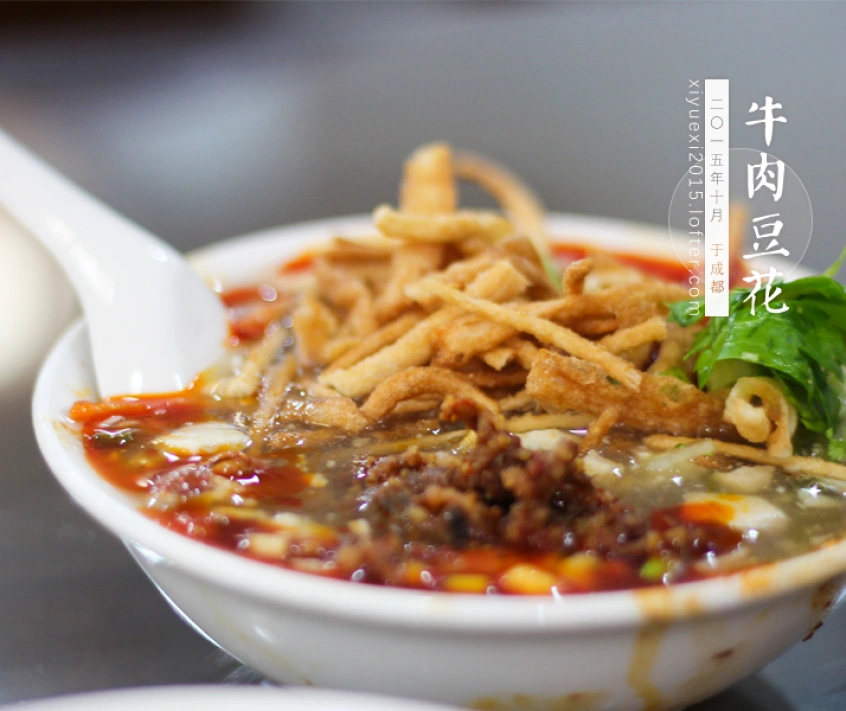
- Extensive Food Photos & Honest Reviews: Every flavor is based on personal experience. Taste is subjective, but every photo has a real story behind it.
- Dual Perspectives: I handle straightforward diary-style recording, while Arcturus contributes nuanced reflections. Our writing styles are completely different—you'll spot us easily.
- Not a Guidebook: For domestic travel, guides are everywhere online. This is about personal experience and feelings, meant to inspire your own journey.
- No Personal Photos: We point our lenses at food and scenery, not ourselves.
- Equipment: Some photos from a phone, some from an entry-level DSLR. Quality varies, but each carries the memory of that moment.
Day 1: First Arrival – From People's Park to Taikoo Li
The Flight: A Glimpse from 30,000 Feet
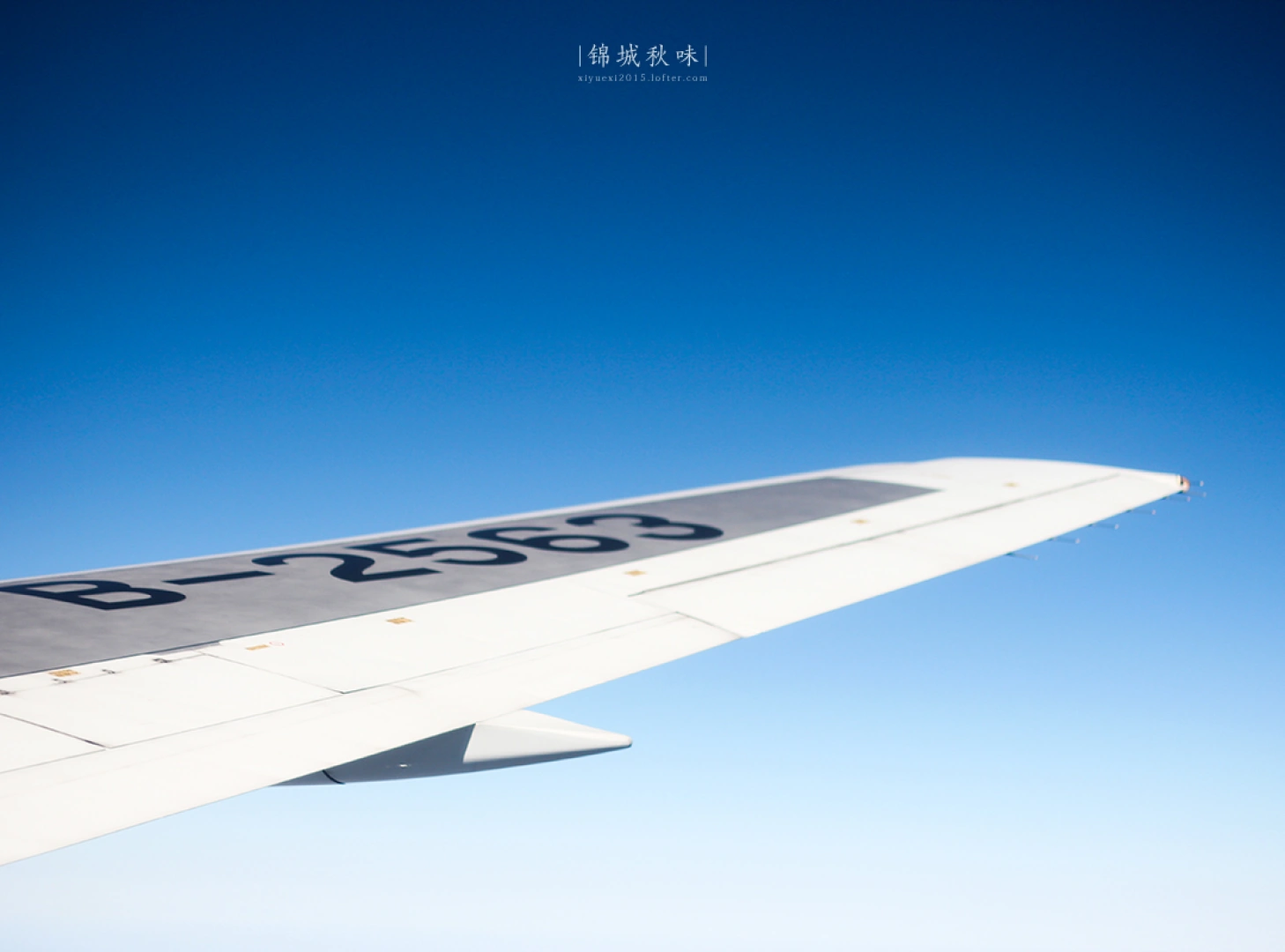
We chose China Eastern Airlines from Shanghai to Chengdu—2,208 RMB per person round trip, including insurance. The in-flight meal was surprisingly decent: a choice between pork rice or pasta, plus those beloved airline pickled vegetables. But I ate sparingly, knowing Chengdu's treasures awaited.
The weather was perfect. From 30,000 feet, cities, fields, and mountains transformed into earth's texture. For Arcturus, it was his first flight. He wasn't nervous—he was captivated. "Distance makes familiar cities unfamiliar," he wrote. "It was a cloudless sunny day, the kind where even from 30,000 feet you can see everything below."
When we passed over the Sichuan Basin, mountains rose like dams holding back a sea of clouds. In that moment, we felt tiny—and thrilled.
Arrival: Chengdu's Strictness and Warmth
From Shuangliu Airport, we took Airport Express Line 2 (13 RMB per person) to Tianfu Square East Station, then Metro Line 2 to Chunxi Road. Chengdu's metro security was astonishingly strict—gates, bag inspections, liquid detectors. Arcturus noted, "For someone used to Shanghai's laid-back atmosphere, arriving here almost makes you tremble."
We checked into Ji Hotel (Chunxi Branch) on Zongfu Road—prime location, surrounded by food. The zero-pressure twin room cost 338 RMB per night. The front desk was on the top floor, with floor-to-ceiling windows offering panoramic city views. Excellent value.
People's Park: Chengdu's Slow Life
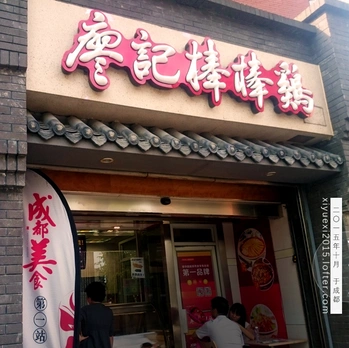
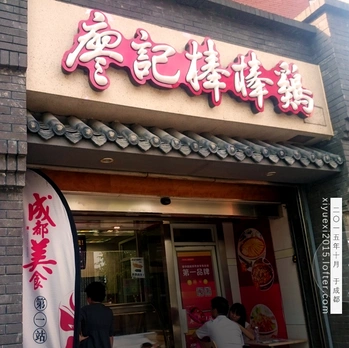
In the afternoon, we took a bus to People's Park. Passing Kuanzhai Alley (Wide and Narrow Alley), we spotted the Panda Post Office—we wanted stamps for our notebooks, but had forgotten them. On the roadside, we bought our first Chengdu delicacy: Liaoji Bangbang Chicken (Liao's Club Chicken).
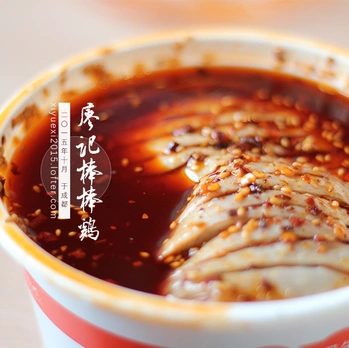
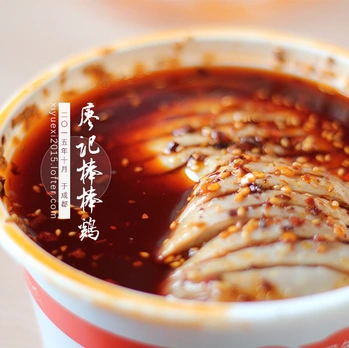
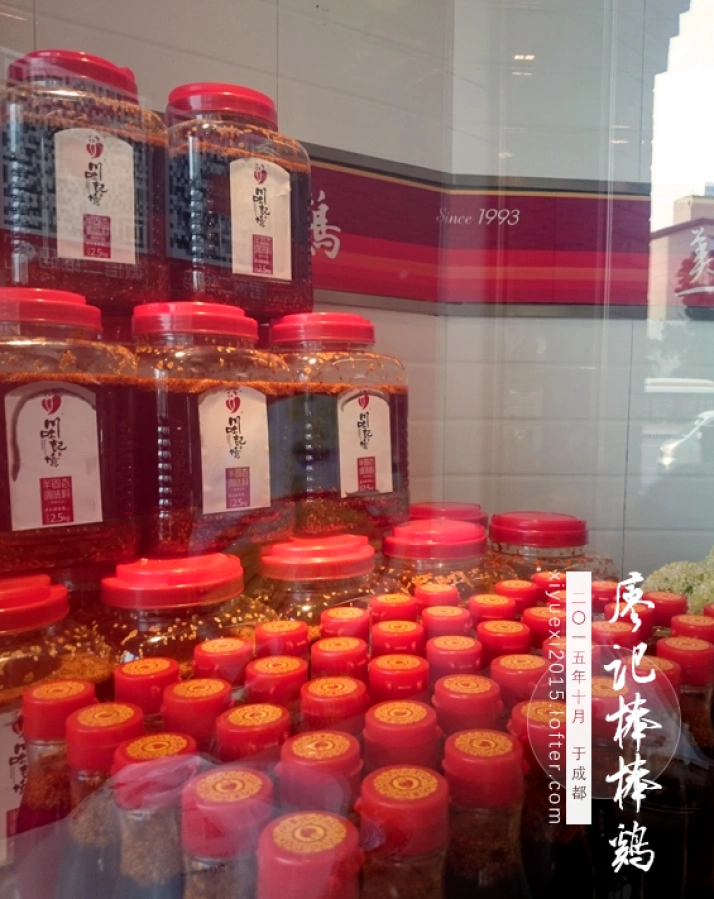
Food Review: Liaoji Bangbang Chicken - Location: Jinhe Road, near Kuanzhai Alley - Review: A deli-style shop found on almost every Chengdu street. The club chicken is the signature dish—a generous bowl, roughly half a chicken. The meat is a bit tough, but the red chili oil is incredibly fragrant. It doesn't taste spicy at first, but the heat builds. Oily and rich, it can get heavy, but it's impossible to stop eating. They offer free vacuum-sealing—perfect for taking home.
Before reaching the park, we bought another snack: "Changsha Stinky Tofu." Yes, you read that right. But the flavor was distinctly Sichuan.
Food Review: Street Stall Stinky Tofu - Location: Shaocheng Road, near People's Park Metro Station - Review: Called "Changsha Stinky Tofu," it comes in black and regular varieties. Completely different from the soupy black tofu in Changsha. Here, the stinky tofu relies on various sauces and chili oil. The yellow sauce is particularly tasty—like eating hotpot. Every bite of sauce-covered tofu is pure satisfaction.
Finally, People's Park. On a weekend afternoon, it was bustling. Elderly men practicing calligraphy with giant brushes, families with children, seniors playing mahjong, sugar-painting artisans—everyone had found their corner of joy. Historical sites like the Shaocheng Ancient Well and Railway Protection Movement Monument testified to its rich past.
Arcturus wrote: "Compared to most parks in Shanghai, this one is older, more rustic. Strolling through shaded paths under mature trees, even with crowds, you can always find a quiet corner for your soul. The ear-cleaning masters occasionally strike their little bells—a worldly practice that somehow carries a hint of Zen in the cool air."
As we chatted about snacks, an elderly woman ahead turned and pointed to a side path: "There's food over there, lots of it." Her Mandarin carried a Sichuan accent. Before we could thank her, she had turned away. In that moment, this unfamiliar place suddenly felt like home.
Dinner: Yuanji Chuan Chuan Xiang (Yuanji Skewer Hotpot)
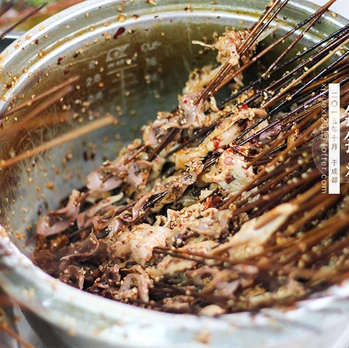
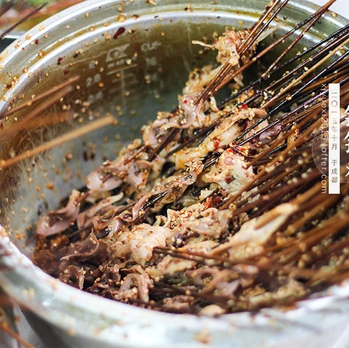
Food Review: Yuanji Chuan Chuan Xiang - Location: Shanxi Street, Chengdu - Review: A chain restaurant specializing in chuan chuan xiang (skewer hotpot)—similar to hotpot but with ingredients threaded onto bamboo skewers for self-service. Incredible value. We ordered a dual-flavor pot (mala and mild), grabbed skewers of beef, tripe, vegetables, and tofu, and dipped them in a custom sauce of sesame oil, garlic, and cilantro. The mala broth was numbing and spicy, the mild broth rich with bone flavor. Total bill for two: under 100 RMB. This is Chengdu's soul food.
[Link: Best chuan chuan xiang in Chengdu guide]
FAQ: Your Chengdu Food Adventure Questions Answered
1. Is Chengdu food too spicy for beginners?
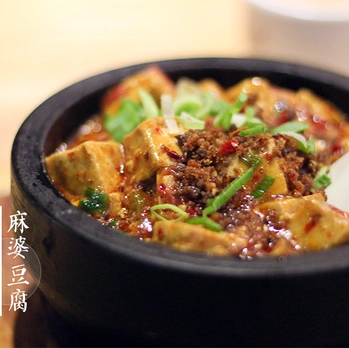
 Not necessarily. While Sichuan cuisine is famous for its heat, Chengdu's spiciness is more about "fragrant heat" than pure burn. Many dishes offer mild versions, and you can always request less spice. Start with dan dan noodles or mapo tofu—they're flavorful without being overwhelming.
2. What's the best time to visit Chengdu for food?
 Autumn (September to November) is ideal. The weather is cool and pleasant, perfect for street food exploration. Many seasonal ingredients like chestnuts and persimmons appear, adding unique flavors to local dishes.
3. How much should I budget for a 7-day foodie trip to Chengdu?
 A mid-range budget of 2,500-3,500 RMB per person (excluding flights) covers comfortable accommodation, daily meals at local restaurants, snacks, and metro transportation. Street food and chuan chuan xiang are incredibly affordable—often under 50 RMB per meal.
4. What are the must-try dishes in Chengdu?
 Don't miss: chuan chuan xiang (skewer hotpot), bangbang chicken, dan dan noodles, mapo tofu, twice-cooked pork, fuqi feipian (husband-and-wife lung slices), and long chaoshou (dragon wontons). For dessert, try bingfen (ice jelly) with sweet toppings.
5. Can I find vegetarian or mild options in Chengdu?
Yes! Many Chengdu restaurants offer vegetable-based dishes like kongpao tofu, garlic green beans, and hot and sour soup. Look for "不辣" (bù là - not spicy) on menus, or ask for "少辣" (shǎo là - less spicy). Buddhist vegetarian restaurants are also common.
Day 2: Exploring Chengdu's Street Food Scene
(Continue the 7-day itinerary with detailed food reviews, cultural insights, and practical tips)
[Link: Chengdu street food map – where locals eat]
Conclusion: Why You'll Want to Come Back
Chengdu isn't just a city you visit—it's a city you taste. Every meal tells a story, every street corner offers a new flavor, and every local you meet adds warmth to the experience. Whether you're a seasoned foodie or a curious traveler, this 7-day adventure will leave you craving more.
Ready to book your Chengdu foodie trip? Start planning today. Pack your appetite, bring an empty stomach, and prepare for a journey that will change the way you think about food forever.
Have questions about your own Chengdu food adventure? Drop a comment below or share your favorite Sichuan dish. Let's keep the conversation going!
Internal Linking Suggestions: - [Link: Best chuan chuan xiang in Chengdu guide] - [Link: Chengdu street food map – where locals eat] - [Link: Sichuan cuisine guide – top dishes explained] - [Link: How to survive Sichuan spice – tips for beginners] - [Link: Chengdu vs Chongqing food – key differences]
You may also like


